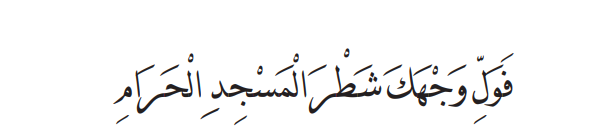
இந்த வசனத்தில், அல்லாஹ் (SWT) முதலில் வழங்கப்பட்ட கட்டளையை, அதாவது எருசலேமை நோக்கித் திரும்புவதை, தனது சொந்தக் கட்டளையாகக் குறிப்பிடுகிறான். மஸ்ஜித் அல்-அக்ஸாவை நோக்கித் திரும்புமாறு கட்டளையிட்டதன் பின்னால் அல்லாஹ் (SWT) தானே இருந்தான் என்ற உண்மையை இது வாசகருக்கு உணர்த்துகிறது. ஆனால் குர்ஆனை ஓதும்போது, முஸ்லிம்கள் எருசலேமை நோக்கித் தொழுமாறு அல்லாஹ் (SWT) கட்டளையிட்டதாகக் கூறும் எந்த வசனத்தையும் நாம் காண்பதில்லை.
In this aya, Allah سبحانه وتعالى.mentions the first order, which was to face towards Jerusalem, as His own order. This impresses upon the reader the fact that Allah سبحانه وتعالى. himself was behind the order to face Masjid al-Aqüó. But when we read the Qur’an we do not find any such aya in which Allah سبحانه وتعالى. ordered the Muslims to pray towards Jerusalem.
உண்மை என்னவென்றால், இந்தக் கட்டளை குர்ஆனின் எந்த வசனத்திலிருந்தும் வந்ததல்ல; நபி (ﷺ) அவர்களிடமிருந்தே வந்தது. அந்த வசனம், "நபி (ﷺ) அவர்கள் கட்டளையைச் செயல்படுத்தினார்கள்…" என்று கூறவில்லை; மாறாக, "நாம் கிப்லாவை ஆக்கினோம்…" என்று கூறுகிறது. இதிலிருந்து, நபி (ﷺ) அவர்களின் கட்டளை அல்லாஹ் (SWT) அவர்களின் கட்டளையிலிருந்து எந்த வகையிலும் வேறுபட்டதல்ல என்பதை நாம் புரிந்துகொள்கிறோம்..
The fact is that this order came from the Blessed Prophet صلى الله عليه وسلم and not from any aya of the Qur’an. The aya does not say, “The Blessed Prophet صلى الله عليه وسلم enacted the order…” rather it says, “We appointed the qibla….” This brings us to the understanding that the order of the Blessed Prophet صلى الله عليه وسلم is no different from the order of Allah سبحانه وتعالى..
இந்த ஆதாரம் மிகத் தெளிவானது; இதற்கு மேல் விளக்கம் எதுவும் தேவையில்லை. நபி (ﷺ) அவர்கள் பிறப்பித்த கட்டளை குறித்து குர்ஆன் வழங்கும் இந்தத் தெளிவான கூற்று, நபி (ﷺ) அவர்களின் ஹதீஸ்கள் வஹீயின் ஒரு வடிவம் என்ற அடிப்படை நம்பிக்கையை வெளிப்படுத்துகிறது. இதுவே ஓதப்படாத வஹீ என்று அழைக்கப்படுகிறது.
The proof is so self-evident it does not require any further clarification. This clear statement from the Qur’an regarding the order given by the Blessed Prophet صلى الله عليه وسلم demonstrates a fundamental belief about the aúódõth of the Blessed Prophet صلى الله عليه وسلم: that they are a form of revelation. And this is what is known as the unspoken or unrecited revelation.
மேலே குறிப்பிடப்பட்ட வசனம் வேறு சில முக்கியமான அம்சங்களையும் வெளிப்படுத்துகிறது:
The aya mentioned above also reveals some other important points:
1. நபி (ﷺ) அவர்களுக்கு ஒரு சிறப்பு வகை வஹீ அருளப்பட்டது; அது குர்ஆனின் பகுதியாக இருக்கவில்லை.
1. A special type of revelation was sent to the Blessed Prophet صلى الله عليه وسلم which was not a part of the Qur’an.
2. இந்த வஹீகள் அல்லாஹ் (SWT) அவர்களிடமிருந்து வந்தவை.
2. These revelations were from Allah سبحانه وتعالى.
3. இதேபோல், ஓதப்படாத வஹீகளிலிருந்து பெறப்பட்ட சட்டங்களும் அல்லாஹ் (SWT) அவர்களின் சட்டங்களே ஆகும்.
3. Similarly, the rulings that derived from the unspoken revelations were also the rulings of Allah سبحانه وتعالى.
ஸஹாபாக்கள் (ரலி) அனைவரும், ஓதப்படும் வஹீ [குர்ஆன்] போலவே, ஓதப்படாத வஹீயின் கட்டளைகளை நிறைவேற்றுவது கடமையாக இருந்தது. சில கட்டளைகள் முஸ்லிம்களின் ஈமானைச் சோதிப்பதற்காக அருளப்பட்டன; குறிப்பாக ஓதப்படாத வஹீயின் மூலம் அருளப்பட்ட கட்டளைகள், அவர்கள் அவற்றுக்குக் கீழ்ப்படிகிறார்களா என்பதைப் பார்ப்பதற்காக இருந்தன. இத்தகைய பல எடுத்துக்காட்டுகளைக் குறிப்பிட முடியும்; ஆனால் சுருக்கத்தின் பொருட்டு அவை குறிப்பிடப்படவில்லை.
All the Sahaba رضي الله عنه were obligated to fulfill the orders of the unspoken revelations in the same manner as they were the spoken revelation [Qur’an]. Some orders were revealed to test the õmón of the Muslims, particularly those orders that were revealed through the unspoken revelation, to see whether they obeyed the orders. Many other examples could be cited, but they have not been mentioned for the sake of brevity.
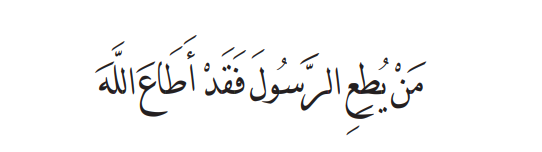
மேலே குறிப்பிடப்பட்ட இந்த ஆதாரம், ஹதீஸ்களின் முக்கியத்துவத்தையும், இஸ்லாத்தில் ஓர் ஆதாரமாக அவற்றின் செல்லுபடித்தன்மையையும் எடுத்துக்காட்டுகிறது; குர்ஆனைப் பாதுகாப்பது ஹதீஸ்களின் பாதுகாப்பையும் உள்ளடக்குகிறது என்பதையும் இது நிறுவுகிறது. குர்ஆனே இஸ்லாமிய சிந்தனையின் சாராம்சமாகும்; இந்த விஷயத்தில் அதுவே இறுதியான சொல். குர்ஆன் கூறுகிறது:
While this aforementioned proof highlights the importance of the aúódõth and their validity as an authority in Islam, it also establishes that the preservation of the Qur’an includes preservation of the úódõth. The Qur’an itself is the essence of Islamic thought and is the final word in this matter. The Qur’an states: