حفظ الحدیث
Preservation Of Hadīth
قَالَ اللَّهُ سُبْحَانَهُ وَتَعَالَى فِي الْقُرْآنِ:
Allah سبحانه وتعالى. states in the Qur’an:
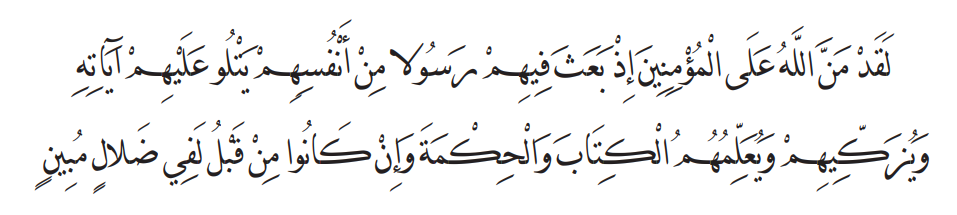
إنَّ اللهَ سُبْحَانَهُ وَتَعَالَى قَدْ مَنَّ عَلَى الْمُؤْمِنِينَ، إِذْ بَعَثَ فِيهِمْ رَسُولًا مِنْ أَنْفُسِهِمْ يَتْلُو عَلَيْهِمْ آيَاتِهِ، وَيُزَكِّيهِمْ، وَيُعَلِّمُهُمُ الْكِتَابَ وَالْحِكْمَةَ.1
Indeed Allah سبحانه وتعالى. has already done a favor to the believers, when He raised amongst them a messenger from themselves to recite to them His verses, purify them and teach them the book and the wisdom.1
هذه الآية تبيّن إحدى أعظم مسؤوليات النبي المبارك صلى الله عليه وسلم: تعليم الكتاب. وهذه المسؤولية لا تقتصر على تعليم النطق وقراءة الكتاب [فذلك مشمول بالمسؤولية الأولى، أي ‘أن يتلو عليهم آياته’]، بل تتعداه إلى ما هو أهم، وهو معاني القرآن الكريم. ولا معنى لأن يحاول المسلم فهم معاني القرآن الكريم ورسالته دون أن يكون النبي المبارك صلى الله عليه وسلم معلّماً له يبيّن لنا ذلك ﷺ.
This aya explains one of the most important responsibilities of the beloved Blessed Prophet صلى الله عليه وسلم: to teach the Book. This responsibility consists of not just teaching the pronunciation and reading of the Book [as that is already covered in the first responsibility, i.e. ‘to recite to them His verses’], but more importantly, the meaning of the Qur’an. It would be meaningless for a Muslim to try to understand the meaning and message of the Qur’an without the Blessed Prophet صلى الله عليه وسلم as a teacher to explain it to us.
لا تكفي الكفاءة في اللغة العربية وحدها لإدراك معاني القرآن الكريم. تذكّر أن الصحابة رضي الله عنهم، وكانوا يتكلمون العربية طلاقةً، كانوا دائمًا يرجعون إلى النبي ﷺ ليفهموا المعاني الأعمق للقرآن. وقد بيّن النبي ﷺ ألفاظ القرآن ومعانيه بالقول وبالفعل. وتُسمّى أقوال النبي ﷺ وبياناته هذه الأحاديث، وهي توفّر لنا أصحّ تفسير للقرآن الكريم. ولذلك فإن وعد الله سبحانه وتعالى بحفظ القرآن يعني حفظ الأحاديث أيضًا.
Proficiency in the Arabic language alone cannot help us grasp the meaning of the Qur’an. Remember, the Sahaba رضي الله عنه) who spoke fluent Arabic, always turned to the Blessed Prophet صلى الله عليه وسلم to understand the deeper meanings of the Qur’an. The Qur’an’s words and its meanings were explained both verbally and practically by the Blessed Prophet صلى الله عليه وسلم. These sayings and explanations of the Blessed Prophet صلى الله عليه وسلم are called úódõth and provide us with the the most authentic commentary of the Qur’an. Therefore, Allah’s سبحانه وتعالى. promise to preserve the Qur’an meant preservation of the aúódõth as well.
لكن حفظ الألفاظ وحدها لا يحقق كثير فائدة. فمثلاً، إذا أمر القرآن المسلمين بإقامة الصلاة، ولم نتمكن من فهم ما يقتضيه هذا الأمر [كيفية أدائها]، فأي فائدة في حفظ لفظ "أقيموا الصلاة"؟ وهذا يثبت أن حفظ القرآن يستلزم بالضرورة حفظ السنة. ومن دون السنة لا يكتمل إيمان المسلم. فبعد هذا كله، كيف نعلم أن القرآن كتاب الله سبحانه وتعالى؟
However the preservation of words alone serves little purpose. For example, if the Qur’an commands Muslims to establish üalót, but we are unable to understand what this command entails [such as how to perform it], then what benefit is there in preserving the words “establish the üalót?” This proves that the preservation of the Qur’an, by necessity, includes preservation of the úódõth. Without úódõth, the õmón of a Muslim is incomplete. After all, how do we know that the Qur’an is the book of Allah سبحانه وتعالى.?
إذا كنا نعرف القرآن ومكانته، فإنما ذلك لأن النبي ﷺ قال: «هذا القرآن، وهو كلام الله سبحانه وتعالى». ولو رددنا هذا الحديث عن النبي ﷺ لانهار أساس الإسلام كله، ولم نعلم أن القرآن هو ما يدّعي أنه.3
If we know the Qur’an and its place, it is only because the Blessed Prophet صلى الله عليه وسلم said, “This is the Qur’an; it is the word of Allah سبحانه وتعالى..” If we were to reject this úadīth of the Blessed Prophet صلى الله عليه وسلم then the whole foundation of Islam collapses. We would not know that the Qur’an is what it claims to be.3
قال الله سبحانه وتعالى لنبيه ﷺ في القرآن:
Allah سبحانه وتعالى. says to the Blessed Prophet صلى الله عليه وسلم in the Qur’an:

{وَأَنزَلْنَا إِلَيْكَ الذِّكْرَ لِتُبَيِّنَ لِلنَّاسِ مَا نُزِّلَ إِلَيْهِمْ وَلَعَلَّهُمْ يَتَفَكَّرُونَ} ﷺ [سورۃ النحل: 44]
And We have sent unto you the message, that you may explain clearly to men what is sent for them, and that they may give thought. 2
هذه الآية تُثبت أن الدور الأساسي للسُّنّة هو بيان معاني القرآن، وهذا يعني أن القرآن لا يمكن فهمه بدون السُّنّة.
This aya proves that the fundamental role of úódõth is to reveal the meaning of the Qur’an, which means that the Qur’an cannot be understood without the aúódõth.
1 3:164.
1 3:164.
2 16:44
2 16:44