দুই ধরনের ওহী: উচ্চারিত ও অনুচ্চারিত
Two Types Of Revelation: The Spoken And The Unspoken
বরকতময় নবী ﷺ দুই ধরনের ঐশী ওহী লাভ করেছিলেন। একটি হলো মাতলু (উচ্চারিত/তিলাওয়াতযোগ্য) এবং দ্বিতীয়টি গায়রে-মাতলু (অউচ্চারিত/তিলাওয়াতবিহীন)। মাতলু ওহী হলো তা, যা তিলাওয়াত করা হয় [অর্থাৎ কুরআন]; গায়রে-মাতলু ওহী হলো তা, যা তিলাওয়াত করা হয় না [অর্থাৎ নবী ﷺ-এর হাদীস]। গায়রে-মাতলু ওহীর মূল উৎসের ইঙ্গিত কুরআনের আয়াতসমূহে পাওয়া যায়। আল্লাহ ﷺ পবিত্র কুরআনে বলেন:
The Blessed Prophet صلى الله عليه وسلم received two types of divine revelations. One is the spoken [matluww] and the second, the unspoken [ghair-matluww]. The spoken revelation is that which is recited [i.e., the Qur’an]; the unspoken revelation is that which is not recited [i.e., the aúódõth of the Blessed Prophet صلى الله عليه وسلم]. An indication of the roots of the unspoken revelation can be found in the ayas of the Qur’an. Allah صلى الله عليه وسلم says in the Holy Qur’an:

আর আমি যে কিবলা আপনার জন্য নির্ধারণ করেছিলাম, তা শুধু এজন্য ছিল যে, যারা রাসূলের অনুসরণ করে এবং যারা পেছনে ফিরে যায়, তাদের আমি আলাদাভাবে চিনে নিতে চাই। ﷺ3
And We appointed the qibla to which you were used only to test those who followed the Messenger from those who would turn on their heels.3
এই আয়াতটির বিস্তৃত ও গভীর অর্থ উপলব্ধি করার জন্য এর ঐতিহাসিক প্রেক্ষাপট পর্যালোচনা করা গুরুত্বপূর্ণ।
To gain a broader understanding of this aya, it is important that we look into its historical background.
মদীনায় হিজরতের কিছুকাল পরেই নবী ﷺ ও সাহাবীগণ (রাযিয়াল্লাহু আনহুম) বাইতুল মাকদিসের মসজিদে আকসার দিকে মুখ করে সালাত আদায়ের নির্দেশ পান। মসজিদে আকসা সতের মাস পর্যন্ত মুসলিমদের কিবলা ছিল। সতের মাস পর মসজিদে আকসার দিকে সালাত আদায়ের নির্দেশ রহিত হয় এবং মুসলিমদের মক্কার দিকে মুখ করে সালাত আদায়ের আদেশ দেওয়া হয়। এই নির্দেশ নিম্নোক্ত আয়াতের মাধ্যমে প্রতিষ্ঠিত হয়:
Shortly after the migration to Madina, the Blessed Prophet صلى الله عليه وسلم and the Sahaba رضي الله عنه) were told to pray towards Masjid al-Aqüó in Jerusalem. Masjid al-Aqüó became the qibla of the Muslims for seventeen months. After seventeen months, the order to pray towards Masjid al-Aqüó was abrogated and Muslims were ordered to pray towards Makka. This order was established through the following aya:
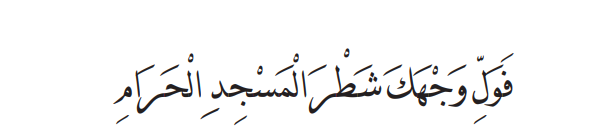
আর আমি যে কিবলা আপনার জন্য নির্ধারণ করেছিলাম, তা কেবল এজন্যই ছিল যাতে জানতে পারি কে রাসূলের অনুসরণ করে আর কে পিছনের দিকে ফিরে যায়।5
And We appointed the qibla to which you were used only to test those who followed the messenger from those who would turn on their heels.5
এই আয়াতে আল্লাহ সুবহানাহু ওয়া তাআলা প্রথম নির্দেশটি, অর্থাৎ জেরুজালেমের দিকে মুখ করার নির্দেশটিকে নিজের নির্দেশ হিসেবে উল্লেখ করেছেন। এর মাধ্যমে পাঠকের মনে এই বিষয়টি দৃঢ়ভাবে প্রতিষ্ঠিত হয় যে, মসজিদুল আকসার দিকে মুখ করার নির্দেশের পেছনে স্বয়ং আল্লাহ সুবহানাহু ওয়া তাআলাই ছিলেন। কিন্তু যখন আমরা কুরআন পাঠ করি, তখন এমন কোনো আয়াত খুঁজে পাই না যেখানে আল্লাহ সুবহানাহু ওয়া তাআলা মুসলমানদের জেরুজালেমের দিকে মুখ করে সালাত আদায়ের আদেশ দিয়েছেন।
In this aya, Allah سبحانه وتعالى.mentions the first order, which was to face towards Jerusalem, as His own order. This impresses upon the reader the fact that Allah سبحانه وتعالى. himself was behind the order to face Masjid al-Aqüó. But when we read the Qur’an we do not find any such aya in which Allah سبحانه وتعالى. ordered the Muslims to pray towards Jerusalem.
প্রকৃত বিষয় হলো, এই নির্দেশটি এসেছে মহাপবিত্র নবী ﷺ-এর পক্ষ থেকে, কুরআনের কোনো আয়াত থেকে নয়। আয়াতটি এমন বলে না যে, "নবী ﷺ এই নির্দেশ প্রবর্তন করেছেন..."; বরং সেখানে বলা হয়েছে, "আমি কিবলা নির্ধারণ করেছি..."। এ থেকে আমরা বুঝতে পারি যে, মহাপবিত্র নবী ﷺ-এর নির্দেশ আল্লাহ সুবহানাহু ওয়া তা'আলার নির্দেশ থেকে ভিন্ন নয়।
The fact is that this order came from the Blessed Prophet صلى الله عليه وسلم and not from any aya of the Qur’an. The aya does not say, “The Blessed Prophet صلى الله عليه وسلم enacted the order…” rather it says, “We appointed the qibla….” This brings us to the understanding that the order of the Blessed Prophet صلى الله عليه وسلم is no different from the order of Allah سبحانه وتعالى..
প্রমাণটি এতটাই সুস্পষ্ট যে এর আর কোনো ব্যাখ্যার প্রয়োজন নেই। কুরআনের এই স্পষ্ট বক্তব্য, যাতে বরকতময় নবী ﷺ-এর নির্দেশের কথা বলা হয়েছে, নবী ﷺ-এর হাদীস সম্পর্কে একটি মৌলিক বিশ্বাসকে প্রমাণ করে: যে, হাদীসসমূহ ওহীরই একটি রূপ। আর এটিকেই বলা হয় অপঠিত বা অনুচ্চারিত ওহী।
The proof is so self-evident it does not require any further clarification. This clear statement from the Qur’an regarding the order given by the Blessed Prophet صلى الله عليه وسلم demonstrates a fundamental belief about the aúódõth of the Blessed Prophet صلى الله عليه وسلم: that they are a form of revelation. And this is what is known as the unspoken or unrecited revelation.
উপরে উল্লিখিত আয়াতটি আরও কিছু গুরুত্বপূর্ণ বিষয় প্রকাশ করে:
The aya mentioned above also reveals some other important points:
একটি বিশেষ ধরনের ওহী বরকতময় নবী ﷺ-এর কাছে পাঠানো হয়েছিল, যা কুরআনের অংশ ছিল না।
1. A special type of revelation was sent to the Blessed Prophet صلى الله عليه وسلم which was not a part of the Qur’an.
এই ওহীগুলো আল্লাহ সুবহানাহু ওয়া তায়ালার পক্ষ থেকে এসেছিল।

যে ব্যক্তি বরকতময় নবী ﷺ-এর অনুসরণ করে, সে আল্লাহ (SWT)-এরই অনুসরণ করেছে।6
Whosoever follows the Blessed Prophet صلى الله عليه وسلم has followed Allah ‹.6
এই আয়াতে কুরআন আমাদের নির্দেশ দেয় মুবারক নবী ﷺ-এর পথ অনুসরণ করতে, কারণ মুবারক নবী ﷺ-এর অনুসরণ হলো আল্লাহ সুবহানাহু ওয়া তা'আলার অনুসরণ। একবার এক মহিলা বিখ্যাত সাহাবী ‘আবদুল্লাহ ইবনে মাসউদ রাযিয়াল্লাহু ‘আনহু-এর কাছে এলেন। তিনি বললেন, “আমি শুনেছি আপনি মানুষকে কিছু কাজ থেকে বিরত থাকতে বলেন, অথচ আমি কুরআন প্রথম থেকে শেষ পর্যন্ত পড়েছি, আর কোথাও পাইনি যে কুরআন আমাদের এসব কাজ থেকে বিরত থাকতে আদেশ করেছে।” ‘আবদুল্লাহ ইবনে মাসউদ রাযিয়াল্লাহু ‘আনহু উত্তর দিলেন, “তুমি যদি কুরআন পড়তে, তবে অবশ্যই তা পেতে। তুমি কি কুরআনের এই আয়াতটি পড়োনি:
In this aya the Qur’an orders us to adhere to the way of the Blessed Prophet صلى الله عليه وسلم, as adherence to the Blessed Prophet صلى الله عليه وسلم is adherence to Allah سبحانه وتعالى.. Once, a woman came to the famous Sahaba رضي الله عنه), ‘Abd Allóh ibn Mas‘ñdرضي الله عنه. She said, “I have heard you stop people from doing certain things even though I have read the Qur’an from cover to cover and I have never read the Qur’an ordering us to abstain from these things.” ‘Abd Allóh ibn Mas‘ñd رضي الله عنه) replied, “Had you read the Qur’an you would have found it. Have you not read this aya of the Qur’an:

রাসূলুল্লাহ ﷺ তোমাদের যা দেন, তা গ্রহণ করো; আর যা থেকে তিনি নিষেধ করেন, তা থেকে বিরত থাকো।7
Whatever the Prophet صلى الله عليه وسلم gives you, accept it; and whatever he disapproves of, abstain from it.7
এই ঘটনা থেকে আমরা জানতে পারি যে এই আয়াতে নবী ﷺ-এর হাদীসও অন্তর্ভুক্ত রয়েছে এবং ইসলামে হাদীসের প্রামাণ্যতা প্রতিষ্ঠিত করে।
From this incident we learn that this aya incorporates the aúódõth of the Blessed Prophet صلى الله عليه وسلم and establishes the authority of the aúódõth in Islam.