د حدیث ساتنه
Preservation Of Hadīth
الله سبحانه وتعالى په قرآن کریم کې فرمایي:
Allah سبحانه وتعالى. states in the Qur’an:
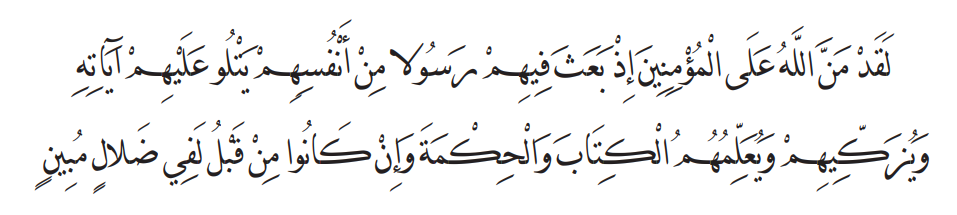
بې شکه الله سبحانه وتعالیٰ مؤمنانو باندې احسان وکړ، کله چې هغه د دوی په مینځ کې د دوی له ځانونو څخه یو پیغمبر راپورته کړ، چې دوی ته د هغه آیتونه تلاوت کړي، دوی پاک کړي او دوی ته کتاب او حکمت ورزده کړي.ﷺ1
Indeed Allah سبحانه وتعالى. has already done a favor to the believers, when He raised amongst them a messenger from themselves to recite to them His verses, purify them and teach them the book and the wisdom.1
دا آیت د محبوب مبارک پیغمبر صلى الله عليه وسلم یوه له مهمو دندو بیانوي: کتاب ښوونه. دغه دنده یوازې د کتاب د تلفظ او لوستلو ښوونه نه ده [ځکه دا په لومړۍ دنده کې، یعنې ‹د هغوی ته د هغه آیتونه لوستل› کې راغلې دي]، بلکې له دې هم مهمه د قرآن معنا ده. د مسلمان لپاره دا بې معنا ده چې د قرآن معنا او پیغام پوه شي پرته له دې چې محمد ﷺ د هغه د تشریح کولو لپاره زموږ استاد وي.
This aya explains one of the most important responsibilities of the beloved Blessed Prophet صلى الله عليه وسلم: to teach the Book. This responsibility consists of not just teaching the pronunciation and reading of the Book [as that is already covered in the first responsibility, i.e. ‘to recite to them His verses’], but more importantly, the meaning of the Qur’an. It would be meaningless for a Muslim to try to understand the meaning and message of the Qur’an without the Blessed Prophet صلى الله عليه وسلم as a teacher to explain it to us.
صرف د عربي ژبې پوهه به مو د قرآن د معنا په پوهیدو کې بسنه ونه کړي. په یاد ولرئ، صحابه کرام رضي الله عنهم چې د عربي ژبې ښه پوهان وو، د قرآن د ژورو معنو د پوهیدو لپاره تل د رسول الله ﷺ طرف ته رجوع کوله. د قرآن الفاظ او معناوې د رسول الله ﷺ له خوا هم په ژبه او هم په عمل سره تشریح شوې. د رسول الله ﷺ دغه ارشادات او تشریحات احادیث بلل کیږي، او دوی موږ ته د قرآن ترټولو معتبره تفسیر راکوي. له همدې امله، د الله سبحانه وتعالیٰ ژمنه چې قرآن به ساتي، د احادیثو د ساتنې ژمنه هم شامله ده.
Proficiency in the Arabic language alone cannot help us grasp the meaning of the Qur’an. Remember, the Sahaba رضي الله عنه) who spoke fluent Arabic, always turned to the Blessed Prophet صلى الله عليه وسلم to understand the deeper meanings of the Qur’an. The Qur’an’s words and its meanings were explained both verbally and practically by the Blessed Prophet صلى الله عليه وسلم. These sayings and explanations of the Blessed Prophet صلى الله عليه وسلم are called úódõth and provide us with the the most authentic commentary of the Qur’an. Therefore, Allah’s سبحانه وتعالى. promise to preserve the Qur’an meant preservation of the aúódõth as well.
مګر د یوازې الفاظو ساتل لږ فایده لري. د بیلګې په توګه، که قرآن مسلمانانو ته امر وکړي چې «الصلاة» قایموي، خو موږ د دې امر معنا ونه پوهیږو [لکه څنګه یې ادا کول]، نو د «الصلاة قایموه» دې الفاظو ساتلو کې څه فایده ده؟ دا ثابتوي چې د قرآن ساتل په ضرورت سره د حدیثو ساتنه هم شامله ده. له حدیثو پرته د مسلمان ایمان ناقص دی. له دې ځایه، موږ څنګه پوهیږو چې قرآن د الله سبحانه وتعالی کتاب دی؟
However the preservation of words alone serves little purpose. For example, if the Qur’an commands Muslims to establish üalót, but we are unable to understand what this command entails [such as how to perform it], then what benefit is there in preserving the words “establish the üalót?” This proves that the preservation of the Qur’an, by necessity, includes preservation of the úódõth. Without úódõth, the õmón of a Muslim is incomplete. After all, how do we know that the Qur’an is the book of Allah سبحانه وتعالى.?
که موږ د قرآن او د هغه مقام پیژنو، نو دا یوازې د دې لپاره دی چې برکتمن نبي ﷺ وفرمایل: «دا قرآن دی؛ دا د الله سبحانه وتعالى کلام دی..» که موږ د برکتمن نبي ﷺ دا حدیث رد کړو، نو د اسلام ټوله بنسټ ړنګ کیږي. موږ به نه پوهیږو چې قرآن هغه څه دی چې دعوه یې کوي.3
If we know the Qur’an and its place, it is only because the Blessed Prophet صلى الله عليه وسلم said, “This is the Qur’an; it is the word of Allah سبحانه وتعالى..” If we were to reject this úadīth of the Blessed Prophet صلى الله عليه وسلم then the whole foundation of Islam collapses. We would not know that the Qur’an is what it claims to be.3
الله سبحانه وتعالى نبي ﷺ ته په قرآن کریم کې فرمایي:
Allah سبحانه وتعالى. says to the Blessed Prophet صلى الله عليه وسلم in the Qur’an:

او موږ تاسو ته ذکر (قرآن) نازل کړ، ترڅو تاسو خلکو ته هغه څه واضح کړئ چې دوی ته نازل شوي دي، او دا چې دوی فکر وکړي۔ 2
And We have sent unto you the message, that you may explain clearly to men what is sent for them, and that they may give thought. 2
دا آیت دا ثابتوي چې د حدیثونو بنسټیز رول د قرآن د معنا بیانول دي، که څه هم دا خبره هم معنا لري چې قرآن د حدیثونو پرته نشي پوهیدلی۔
This aya proves that the fundamental role of úódõth is to reveal the meaning of the Qur’an, which means that the Qur’an cannot be understood without the aúódõth.
1 3:164.
1 3:164.
2 16:44
2 16:44