دوه ډوله وحی: ویل شوې او نه ویل شوې
Two Types Of Revelation: The Spoken And The Unspoken
نبي کریم ﷺ ته دوه ډوله وحي نازله شوې وه. یو تلاوت کېدونکې [متلو] او دوهم غیر تلاوت کېدونکې [غیر متلو]. تلاوت کېدونکې وحي هغه ده چې لوستل کېږي [یعنې قرآن کریم]؛ غیر تلاوت کېدونکې وحي هغه ده چې نه لوستل کېږي [یعنې د نبي کریم ﷺ احادیث]. د غیر متلو وحي د اصلونو نښه د قرآن کریم په آیتونو کې موندل کېدای شي. الله ﷻ په قرآن کریم کې فرمایي:
The Blessed Prophet صلى الله عليه وسلم received two types of divine revelations. One is the spoken [matluww] and the second, the unspoken [ghair-matluww]. The spoken revelation is that which is recited [i.e., the Qur’an]; the unspoken revelation is that which is not recited [i.e., the aúódõth of the Blessed Prophet صلى الله عليه وسلم]. An indication of the roots of the unspoken revelation can be found in the ayas of the Qur’an. Allah صلى الله عليه وسلم says in the Holy Qur’an:

او موږ هغه قبله چې تاسو پرې ځان وقف کړی وو، یوازې دې لپاره ټاکلې وه چې هغه کسان څرګند کړو چې رسول ﷺ پیروي کوي له هغو کسانو څخه چې په خپلو پوډونو بیرته اړوي.3
And We appointed the qibla to which you were used only to test those who followed the Messenger from those who would turn on their heels.3
د دې آیت یوه پراخه پوهه ترلاسه کولو لپاره، دا مهمه ده چې موږ د دې تاریخي شالید ته وګورو.
To gain a broader understanding of this aya, it is important that we look into its historical background.
هجرت څخه مدینې ته لږ وخت وروسته، برکتمن پیغمبر ﷺ او صحابه کرام رضياللهعنهم ته امر وشو چې د بیتالمقدس مسجد الاقصیٰ ته مخ کړي و لمونځ وکړي. مسجد الاقصیٰ د مسلمانانو قبله شوه، د اوهلس میاشتو لپاره. اوهلس میاشتې وروسته، د مسجد الاقصیٰ ته د مخ کولو امر منسوخ شو او مسلمانان ته امر وشو چې مکې ته مخ کړي. دا امر د لاندې آیت له لارې ثابت شو:
Shortly after the migration to Madina, the Blessed Prophet صلى الله عليه وسلم and the Sahaba رضي الله عنه) were told to pray towards Masjid al-Aqüó in Jerusalem. Masjid al-Aqüó became the qibla of the Muslims for seventeen months. After seventeen months, the order to pray towards Masjid al-Aqüó was abrogated and Muslims were ordered to pray towards Makka. This order was established through the following aya:
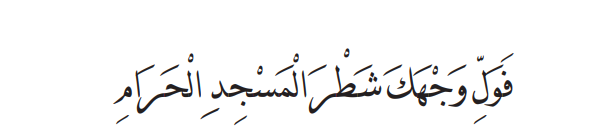
او موږ هغه قبله چې تاسو پرې وۓ، یوازې دې لپاره ټاکلې وه چې هغه کسان وپېژنو چې رسول ﷺ پیروي کوي، له هغو کسانو څخه چې په خپلو پښو بېرته اړوي.5
And We appointed the qibla to which you were used only to test those who followed the messenger from those who would turn on their heels.5
په دې آیت کې الله سبحانه وتعالی هغه لومړنی حکم، چې د بیت المقدس drawn لور ته مخ کولو وو، خپل حکم بللی دی. دا په لوستونکي باندې دا حقیقت ټینګوي چې د مسجد الاقصی په لور د مخ کولو د حکم شاته خود الله سبحانه وتعالی و. مګر کله چې موږ قرآن کریم لولو، نو داسې هیڅ آیت نه ویني چې په هغې کې الله سبحانه وتعالی مسلمانانو ته امر کړی وي چې د بیت المقدس په لور لمونځ وکړي.
In this aya, Allah سبحانه وتعالى.mentions the first order, which was to face towards Jerusalem, as His own order. This impresses upon the reader the fact that Allah سبحانه وتعالى. himself was behind the order to face Masjid al-Aqüó. But when we read the Qur’an we do not find any such aya in which Allah سبحانه وتعالى. ordered the Muslims to pray towards Jerusalem.
حقیقت دا ده چې دا حکم د مبارک نبي ﷺ له لوري راغلی و، نه د قرآن کریم د کومې آیت له لارې. آیت دا نه وایي چې «نبي ﷺ حکم وکړ…»، بلکې دا وایي چې «موږ قبله وټاکه…»۔ په دې ترې دا پوهه راځي چې د نبي ﷺ حکم د الله سبحانه وتعالیٰ د حکم څخه هیڅ توپیر نه لري۔
The fact is that this order came from the Blessed Prophet صلى الله عليه وسلم and not from any aya of the Qur’an. The aya does not say, “The Blessed Prophet صلى الله عليه وسلم enacted the order…” rather it says, “We appointed the qibla….” This brings us to the understanding that the order of the Blessed Prophet صلى الله عليه وسلم is no different from the order of Allah سبحانه وتعالى..
دا دلیل دومره ښکاره دی چې نور کومه وضاحت ته اړتیا نشته. د قرآن دا واضح بیان چې د مبارک پیغمبر ﷺ د امر په اړه راغلی، د مبارک پیغمبر ﷺ د احادیثو په اړه یوه بنسټیزه عقیده ښيي: دا چې دوی د وحي یوه ډول دي. او دا هغه څه دي چې د غیر تلاوت شوې یا غیر متلو وحي په نوم پیژندل کیږي۔
The proof is so self-evident it does not require any further clarification. This clear statement from the Qur’an regarding the order given by the Blessed Prophet صلى الله عليه وسلم demonstrates a fundamental belief about the aúódõth of the Blessed Prophet صلى الله عليه وسلم: that they are a form of revelation. And this is what is known as the unspoken or unrecited revelation.
د پورتنۍ آیت څخه بل مهم ټکي هم څرګندیږي:
The aya mentioned above also reveals some other important points:
۱. د برکتمن نبي ﷺ ته یو ځانګړی ډول وحی راښکاره شوه، چې د قرآن یوه برخه نه وه.
1. A special type of revelation was sent to the Blessed Prophet صلى الله عليه وسلم which was not a part of the Qur’an.
دا وحیونه له الله سبحانه وتعالى څخه وو.
2. These revelations were from Allah سبحانه وتعالى.
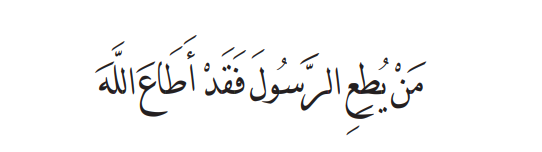
هرڅوک چې د برکتمن نبي ﷺ تعقیب وکړي، هغه د الله تعقیب کړی دی۔6
Whosoever follows the Blessed Prophet صلى الله عليه وسلم has followed Allah ‹.6
په دې آیت کې قرآن کریم موږ ته د برکتمن نبي ﷺ د لارې پیروي امر کوي، ځکه د برکتمن نبي ﷺ پیروي د الله سبحانه وتعالیٰ پیروي ده۔ يوه ځل يوه ښځه د مشهور صحابي عبدالله بن مسعود رضي الله عنه ته راغله. هغې وويل: «ما اورېدلي دي چې ته خلکو ته ځينې شيان کول منع کوې، حال دا چې ما قرآن کريم له سره تر پايه لوستی دی او ما هيڅکله په قرآن کې دا امر نه دی لوستی چې موږ دې له دې شيانو ځان وساتو۔» عبدالله بن مسعود رضي الله عنه وفرمايل: «که ته قرآن لوستی وای، نو به دې دا (حکم) موندلی وای. ايا ته دا د قرآن آیت نه يې لوستی:
In this aya the Qur’an orders us to adhere to the way of the Blessed Prophet صلى الله عليه وسلم, as adherence to the Blessed Prophet صلى الله عليه وسلم is adherence to Allah سبحانه وتعالى.. Once, a woman came to the famous Sahaba رضي الله عنه), ‘Abd Allóh ibn Mas‘ñdرضي الله عنه. She said, “I have heard you stop people from doing certain things even though I have read the Qur’an from cover to cover and I have never read the Qur’an ordering us to abstain from these things.” ‘Abd Allóh ibn Mas‘ñd رضي الله عنه) replied, “Had you read the Qur’an you would have found it. Have you not read this aya of the Qur’an:

هغه څه چې پیغمبر ﷺ تاسو ته درکړي، هغه واخلئ، او هغه څه چې هغه یې منع کړي، له هغې څخه ډډه وکړئ.7
Whatever the Prophet صلى الله عليه وسلم gives you, accept it; and whatever he disapproves of, abstain from it.7
له دې پېښې څخه معلومېږي چې دا آیت د برکتمن نبي ﷺ د احادیثو کې شامل دی او په اسلام کې د احادیثو حجیت ثابتوي۔
From this incident we learn that this aya incorporates the aúódõth of the Blessed Prophet صلى الله عليه وسلم and establishes the authority of the aúódõth in Islam.