Hadīs'in Korunması
Preservation Of Hadīth
Allah سبحانه وتعالى, Kur'an'da şöyle buyurur:
Allah سبحانه وتعالى. states in the Qur’an:
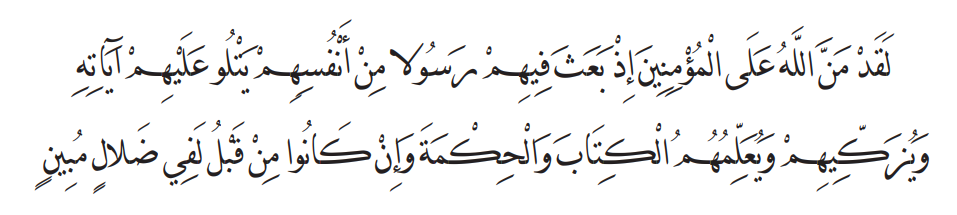
Gerçekten Allah (SWT), mü'minlere büyük bir lütufta bulunmuştur; onların arasından, kendi içlerinden bir Elçi göndererek, onlara Âyetlerini okumasını, onları arındırmasını ve onlara Kitabı ve hikmeti öğretmesini sağlamıştır.1
Indeed Allah سبحانه وتعالى. has already done a favor to the believers, when He raised amongst them a messenger from themselves to recite to them His verses, purify them and teach them the book and the wisdom.1
Bu âyet, sevgili Peygamberimiz صلى الله عليه وسلم'in en önemli sorumluluklarından birini açıklamaktadır: Kitabı öğretmek. Bu sorumluluk, yalnızca Kitabın telaffuzunu ve okunuşunu öğretmekten ibaret değildir [çünkü bu, ilk sorumlulukta, yani ‘onlara Onun âyetlerini okumak’ta zaten yer almaktadır], asıl önemlisi Kur'an'ın anlamını öğretmektir. Bir Müslüman'ın, bizi onu açıklayacak bir öğretmen olarak Peygamber صلى الله عليه وسلم olmaksızın Kur'an'ın anlamını ve mesajını anlamaya çalışması anlamsız olurdu.
This aya explains one of the most important responsibilities of the beloved Blessed Prophet صلى الله عليه وسلم: to teach the Book. This responsibility consists of not just teaching the pronunciation and reading of the Book [as that is already covered in the first responsibility, i.e. ‘to recite to them His verses’], but more importantly, the meaning of the Qur’an. It would be meaningless for a Muslim to try to understand the meaning and message of the Qur’an without the Blessed Prophet صلى الله عليه وسلم as a teacher to explain it to us.
Kur'an'ın anlamını kavramak için yalnızca Arapça bilmek yeterli değildir. Unutmayın ki akıcı Arapça konuşan Sahabe (رضي الله عنه), Kur'an'ın derin anlamlarını öğrenmek için daima Peygamber Efendimiz (ﷺ)'e başvurmuştur. Kur'an'ın lafızları ve manaları, Peygamber Efendimiz (ﷺ) tarafından hem sözle hem de uygulamalı olarak açıklanmıştır. Peygamber Efendimiz (ﷺ)'in bu sözleri ve açıklamaları hadis olarak adlandırılır ve Kur'an'ın en sahih tefsirini bize sunar. Bu nedenle Allah'ın (سبحانه وتعالى) Kur'an'ı koruma vaadi, hadislerin de korunmasını kapsamaktadır.
Proficiency in the Arabic language alone cannot help us grasp the meaning of the Qur’an. Remember, the Sahaba رضي الله عنه) who spoke fluent Arabic, always turned to the Blessed Prophet صلى الله عليه وسلم to understand the deeper meanings of the Qur’an. The Qur’an’s words and its meanings were explained both verbally and practically by the Blessed Prophet صلى الله عليه وسلم. These sayings and explanations of the Blessed Prophet صلى الله عليه وسلم are called úódõth and provide us with the the most authentic commentary of the Qur’an. Therefore, Allah’s سبحانه وتعالى. promise to preserve the Qur’an meant preservation of the aúódõth as well.
Ancak yalnızca lafızların korunmasının pek bir faydası yoktur. Örneğin Kur'an, Müslümanlara salâtı (namazı) kılmalarını emrediyor; ancak bu emrin neleri gerektirdiğini, yani salâtın nasıl kılınacağını anlayamıyorsak, "salâtı kılın" lafzını korumanın ne faydası olur? Bu, Kur'an'ın korunmasının zorunlu olarak sünnetin de korunmasını içerdiğini gösterir. Sünnet olmadan bir Müslümanın imanı eksik kalır. Nitekim Kur'an'ın Allah سبحانه وتعالى'nın kitabı olduğunu nereden biliyoruz?
However the preservation of words alone serves little purpose. For example, if the Qur’an commands Muslims to establish üalót, but we are unable to understand what this command entails [such as how to perform it], then what benefit is there in preserving the words “establish the üalót?” This proves that the preservation of the Qur’an, by necessity, includes preservation of the úódõth. Without úódõth, the õmón of a Muslim is incomplete. After all, how do we know that the Qur’an is the book of Allah سبحانه وتعالى.?
Kur'an'ı ve onun yerini biliyorsak, bunun yegâne sebebi Allah'ın Resulü ﷺ'in, "Bu Kur'an'dır; Allah'ın, (SWT) kelamıdır.." buyurmasıdır. Eğer Resulullah ﷺ'in bu hadisini reddedecek olursak, İslam'ın bütün temeli çöker. Kur'an'ın iddia ettiği şey olduğunu bilemezdik.3
If we know the Qur’an and its place, it is only because the Blessed Prophet صلى الله عليه وسلم said, “This is the Qur’an; it is the word of Allah سبحانه وتعالى..” If we were to reject this úadīth of the Blessed Prophet صلى الله عليه وسلم then the whole foundation of Islam collapses. We would not know that the Qur’an is what it claims to be.3
Allah سبحانه وتعالى, Kur'an'da Mübarek Peygamber صلى الله عليه وسلم'e şöyle buyurur: Wait — I must follow the rules: Arabic honorifics written in words stay as words in Turkish (the rule says other honorifics written in words stay words). And ﷺ should be written after every mention of the Prophet Muhammad. The original here has the Arabic salawat written out, which is an honorific in words, so it should stay as-is, and "Blessed Prophet" should be translated, followed by ﷺ. Also "Allah سبحانه وتعالى" is the honorific for Allah written in words, so it stays. Corrected translation: Allah سبحانه وتعالى, Kur'an'da Mübarek Peygamber ﷺ'e şöyle buyurur:
Allah سبحانه وتعالى. says to the Blessed Prophet صلى الله عليه وسلم in the Qur’an:

Ve sana da zikri indirdik ki, insanlara kendilerine indirileni açıklayasın ve umulur ki düşünürler.
And We have sent unto you the message, that you may explain clearly to men what is sent for them, and that they may give thought. 2
Bu âyet, ḥadîsin temel görevinin Kur'ân'ın anlamını açıklamak olduğunu ortaya koymaktadır; bu da Kur'ân'ın ḥadîs olmaksızın anlaşılamayacağı anlamına gelir.
This aya proves that the fundamental role of úódõth is to reveal the meaning of the Qur’an, which means that the Qur’an cannot be understood without the aúódõth.
1 3:164.
1 3:164.
2 16:44
2 16:44