حدیث کی حفاظت
Preservation Of Hadīth
اللہ سبحانہ وتعالیٰ قرآن میں فرماتا ہے:
Allah سبحانه وتعالى. states in the Qur’an:
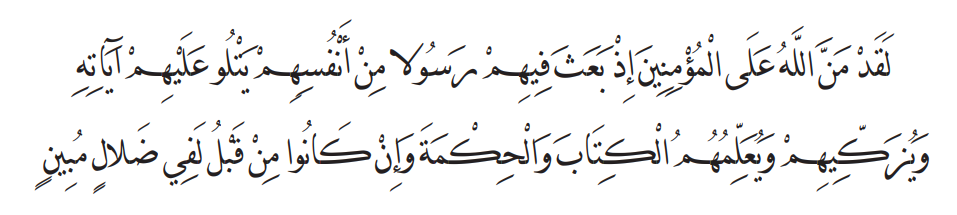
بے شک اللہ سبحانہ وتعالیٰ نے مومنوں پر احسان فرمایا ہے، جب اس نے ان میں سے ایک رسول مبعوث فرمایا جو انہیں اللہ کی آیات پڑھ کر سناتا ہے، انہیں پاک کرتا ہے اور انہیں کتاب اور حکمت کی تعلیم دیتا ہے۔1
Indeed Allah سبحانه وتعالى. has already done a favor to the believers, when He raised amongst them a messenger from themselves to recite to them His verses, purify them and teach them the book and the wisdom.1
یہ آیت پیارے نبی ﷺ کی اہم ترین ذمہ داریوں میں سے ایک کی وضاحت کرتی ہے: یعنی کتاب کی تعلیم دینا۔ اس ذمہ داری میں نہ صرف کتاب کی ادائیگی اور پڑھنے کی تعلیم شامل ہے [کیونکہ یہ پہلے سے ہی پہلی ذمہ داری یعنی 'ان کی آیات کی تلاوت کرنا' میں شامل ہے]، بلکہ اس سے بھی اہم بات قرآن کے معنی و مفہوم کی تعلیم دینا ہے۔ ایک مسلمان کے لیے قرآن کے معنی اور پیغام کو سمجھنے کی کوشش کرنا اس وقت تک بے معنی ہوگا جب تک کہ پیارے نبی ﷺ بطور معلم ہمیں اس کی وضاحت نہ کریں۔
This aya explains one of the most important responsibilities of the beloved Blessed Prophet صلى الله عليه وسلم: to teach the Book. This responsibility consists of not just teaching the pronunciation and reading of the Book [as that is already covered in the first responsibility, i.e. ‘to recite to them His verses’], but more importantly, the meaning of the Qur’an. It would be meaningless for a Muslim to try to understand the meaning and message of the Qur’an without the Blessed Prophet صلى الله عليه وسلم as a teacher to explain it to us.
صرف عربی زبان میں مہارت ہمیں قرآن کے معنی سمجھنے میں مدد نہیں دے سکتی۔ یاد رکھیں، وہ صحابہ رضي الله عنہم جو فصیح عربی بولتے تھے، قرآن کے گہرے معانی سمجھنے کے لیے ہمیشہ نبی کریم ﷺ کی طرف رجوع کرتے تھے۔ قرآن کے الفاظ اور اس کے معانی کی وضاحت نبی کریم ﷺ نے زبانی اور عملی طور پر فرمائی۔ نبی کریم ﷺ کے ان اقوال اور وضاحتوں کو احادیث کہا جاتا ہے اور یہ ہمیں قرآن کی سب سے مستند تفسیر فراہم کرتی ہیں۔ لہٰذا، اللہ سبحانہ وتعالیٰ کا قرآن کی حفاظت کا وعدہ احادیث کی حفاظت کا وعدہ بھی تھا۔
Proficiency in the Arabic language alone cannot help us grasp the meaning of the Qur’an. Remember, the Sahaba رضي الله عنه) who spoke fluent Arabic, always turned to the Blessed Prophet صلى الله عليه وسلم to understand the deeper meanings of the Qur’an. The Qur’an’s words and its meanings were explained both verbally and practically by the Blessed Prophet صلى الله عليه وسلم. These sayings and explanations of the Blessed Prophet صلى الله عليه وسلم are called úódõth and provide us with the the most authentic commentary of the Qur’an. Therefore, Allah’s سبحانه وتعالى. promise to preserve the Qur’an meant preservation of the aúódõth as well.
تاہم، محض الفاظ کو محفوظ کرنے کا مقصد بہت کم حاصل ہوتا ہے۔ مثال کے طور پر، اگر قرآن مسلمانوں کو نماز قائم کرنے کا حکم دیتا ہے، لیکن ہم یہ سمجھنے سے قاصر ہیں کہ اس حکم کے تقاضے کیا ہیں [جیسے کہ اسے کیسے ادا کیا جائے]، تو پھر "نماز قائم کرو" کے الفاظ کو محفوظ کرنے کا کیا فائدہ ہے؟ یہ اس بات کو ثابت کرتا ہے کہ قرآن کا تحفظ، ناگزیر طور پر، حدیث کے تحفظ کو بھی شامل کرتا ہے۔ حدیث کے بغیر، ایک مسلمان کا ایمان نامکمل ہے۔ آخر کار، ہمیں یہ کیسے معلوم ہوگا کہ قرآن اللہ سبحانہ وتعالیٰ کی کتاب ہے؟
However the preservation of words alone serves little purpose. For example, if the Qur’an commands Muslims to establish üalót, but we are unable to understand what this command entails [such as how to perform it], then what benefit is there in preserving the words “establish the üalót?” This proves that the preservation of the Qur’an, by necessity, includes preservation of the úódõth. Without úódõth, the õmón of a Muslim is incomplete. After all, how do we know that the Qur’an is the book of Allah سبحانه وتعالى.?

اور ہم نے آپ ﷺ کی طرف یہ پیغام بھیجا ہے تاکہ آپ لوگوں کے لیے اس چیز کی واضح وضاحت کر دیں جو ان کی طرف بھیجی گئی ہے، اور تاکہ وہ اس میں غور و فکر کریں۔ 2
And We have sent unto you the message, that you may explain clearly to men what is sent for them, and that they may give thought. 2
یہ آیت اس بات کو ثابت کرتی ہے کہ حدیث ﷺ کا بنیادی کردار قرآن کے معنی کو واضح کرنا ہے، جس کا مطلب یہ ہے کہ حدیث ﷺ کے بغیر قرآن کو سمجھا نہیں جا سکتا۔
This aya proves that the fundamental role of úódõth is to reveal the meaning of the Qur’an, which means that the Qur’an cannot be understood without the aúódõth.
1 3:164.
1 3:164.
2 16:44
2 16:44