وحی کی دو اقسام: وحیِ مقروء اور وحیِ غیر مقروء
Two Types Of Revelation: The Spoken And The Unspoken
مبارک نبی ﷺ پر وحی کی دو اقسام نازل ہوتی تھیں۔ ایک وہ جو تلاوت کی جاتی ہے [متلو] اور دوسری وہ جو تلاوت نہیں کی جاتی [غیر متلو]۔ متلو وحی وہ ہے جس کی تلاوت کی جاتی ہے [یعنی قرآن]؛ غیر متلو وحی وہ ہے جس کی تلاوت نہیں کی جاتی [یعنی مبارک نبی ﷺ کی حدیث]۔ غیر متلو وحی کی بنیادوں کی نشانی قرآن کی آیات میں مل سکتی ہے۔ اللہ تعالیٰ قرآن مجید میں فرماتا ہے:
The Blessed Prophet صلى الله عليه وسلم received two types of divine revelations. One is the spoken [matluww] and the second, the unspoken [ghair-matluww]. The spoken revelation is that which is recited [i.e., the Qur’an]; the unspoken revelation is that which is not recited [i.e., the aúódõth of the Blessed Prophet صلى الله عليه وسلم]. An indication of the roots of the unspoken revelation can be found in the ayas of the Qur’an. Allah صلى الله عليه وسلم says in the Holy Qur’an:

اور ہم نے اس قبلہ کو جس کی آپ پہلے عادت رکھتے تھے، صرف اس لیے مقرر کیا تاکہ ہم ان لوگوں کو آزمائیں جو رسول ﷺ کی پیروی کرتے ہیں، ان لوگوں سے جو اپنی ایڑیاں پیچھے پھیر لیں گے۔3
And We appointed the qibla to which you were used only to test those who followed the Messenger from those who would turn on their heels.3
اس آیت کی وسیع تر سمجھ حاصل کرنے کے لیے یہ ضروری ہے کہ ہم اس کے تاریخی پس منظر کا جائزہ لیں۔
To gain a broader understanding of this aya, it is important that we look into its historical background.
ہجرتِ مدینہ کے کچھ عرصہ بعد، نبی کریم ﷺ اور صحابہ کرام رضی اللہ عنہم کو بیت المقدس میں مسجدِ اقصیٰ کی طرف رخ کر کے نماز پڑھنے کا حکم دیا گیا۔ سترہ ماہ تک مسجدِ اقصیٰ مسلمانوں کا قبلہ رہی۔ سترہ ماہ کے بعد، مسجدِ اقصیٰ کی طرف رخ کر کے نماز پڑھنے کا حکم منسوخ کر دیا گیا اور مسلمانوں کو مکہ کی طرف رخ کر کے نماز پڑھنے کا حکم دیا گیا۔ یہ حکم درج ذیل آیت کے ذریعے قائم ہوا:
Shortly after the migration to Madina, the Blessed Prophet صلى الله عليه وسلم and the Sahaba رضي الله عنه) were told to pray towards Masjid al-Aqüó in Jerusalem. Masjid al-Aqüó became the qibla of the Muslims for seventeen months. After seventeen months, the order to pray towards Masjid al-Aqüó was abrogated and Muslims were ordered to pray towards Makka. This order was established through the following aya:
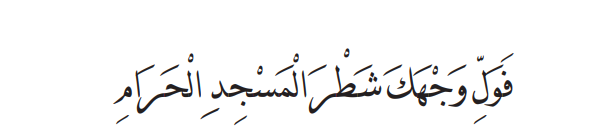
اور ہم نے جس قبلہ کی آپ (ﷺ) عادت رکھتے تھے، اسے اس لیے بنایا تاکہ ہم ان لوگوں کو آزمائیں جو رسول ﷺ کی پیروی کرتے ہیں، ان سے جو اپنی ایڑیاں پھیر لیں گے۔5
And We appointed the qibla to which you were used only to test those who followed the messenger from those who would turn on their heels.5
اس آیت میں، اللہ سبحانہ وتعالیٰ نے پہلے حکم کا ذکر کیا ہے، جو کہ بیت المقدس کی طرف رخ کرنا تھا، اسے اپنا حکم قرار دیتے ہوئے بیان کیا ہے۔ یہ بات قاری کے ذہن پر یہ نقش کر دیتی ہے کہ مسجدِ اقصیٰ کی طرف رخ کرنے کے حکم کے پیچھے خود اللہ سبحانہ وتعالیٰ تھے۔ لیکن جب ہم قرآن پڑھتے ہیں تو ہمیں ایسی کوئی آیت نہیں ملتی جس میں اللہ سبحانہ وتعالیٰ نے مسلمانوں کو بیت المقدس کی طرف نماز پڑھنے کا حکم دیا ہو۔
In this aya, Allah سبحانه وتعالى.mentions the first order, which was to face towards Jerusalem, as His own order. This impresses upon the reader the fact that Allah سبحانه وتعالى. himself was behind the order to face Masjid al-Aqüó. But when we read the Qur’an we do not find any such aya in which Allah سبحانه وتعالى. ordered the Muslims to pray towards Jerusalem.
حقیقت یہ ہے کہ یہ حکم نبی کریم ﷺ کی طرف سے آیا ہے نہ کہ قرآن کی کسی آیت سے۔ آیت یہ نہیں کہتی کہ "نبی کریم ﷺ نے حکم نافذ کیا..." بلکہ یہ کہتی ہے کہ "ہم نے قبلہ مقرر کیا..."۔ یہ ہمیں اس فہم تک لے جاتا ہے کہ نبی کریم ﷺ کا حکم اللہ سبحانہ وتعالیٰ کے حکم سے مختلف نہیں ہے۔
The fact is that this order came from the Blessed Prophet صلى الله عليه وسلم and not from any aya of the Qur’an. The aya does not say, “The Blessed Prophet صلى الله عليه وسلم enacted the order…” rather it says, “We appointed the qibla….” This brings us to the understanding that the order of the Blessed Prophet صلى الله عليه وسلم is no different from the order of Allah سبحانه وتعالى..
دلیل اتنی واضح ہے کہ اسے مزید کسی وضاحت کی ضرورت نہیں۔ قرآن مجید سے یہ واضح بیان، جو نبی کریم ﷺ کے دیے گئے حکم کے بارے میں ہے، نبی کریم ﷺ کی وحی کے بارے میں ایک بنیادی عقیدے کو ظاہر کرتا ہے کہ وہ وحی کی ایک قسم ہیں۔ اور اسے ہی وحیِ غیر متلو کہا جاتا ہے۔
The proof is so self-evident it does not require any further clarification. This clear statement from the Qur’an regarding the order given by the Blessed Prophet صلى الله عليه وسلم demonstrates a fundamental belief about the aúódõth of the Blessed Prophet صلى الله عليه وسلم: that they are a form of revelation. And this is what is known as the unspoken or unrecited revelation.
مندرجہ بالا آیت کچھ دیگر اہم نکات بھی واضح کرتی ہے:
The aya mentioned above also reveals some other important points:
۱۔ برکت والے نبی ﷺ پر ایک خاص قسم کی وحی نازل کی گئی تھی جو قرآن کا حصہ نہیں تھی۔
1. A special type of revelation was sent to the Blessed Prophet صلى الله عليه وسلم which was not a part of the Qur’an.
۲۔ یہ وحی اللہ سبحانہ وتعالیٰ کی طرف سے تھی۔
2. These revelations were from Allah سبحانه وتعالى.
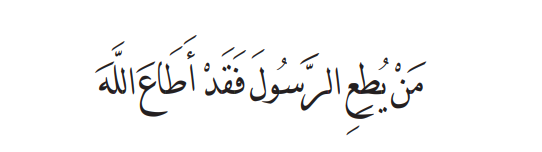
جس نے بھی برکت والے نبی ﷺ کی پیروی کی، اس نے اللہ کی پیروی کی۔6
Whosoever follows the Blessed Prophet صلى الله عليه وسلم has followed Allah ‹.6
اس آیت میں قرآن ہمیں نبی کریم ﷺ کے طریقے کی پیروی کرنے کا حکم دیتا ہے، کیونکہ نبی کریم ﷺ کی پیروی دراصل اللہ سبحانہ وتعالیٰ کی پیروی ہے۔ ایک مرتبہ ایک عورت مشہور صحابی عبداللہ بن مسعود رضی اللہ عنہ کے پاس آئی اور کہا، "میں نے آپ کو لوگوں کو بعض کاموں سے روکتے ہوئے سنا ہے حالانکہ میں نے قرآن کو شروع سے آخر تک پڑھ رکھا ہے اور میں نے قرآن میں ہمیں ان چیزوں سے باز رہنے کا کوئی حکم نہیں پڑھا۔" عبداللہ بن مسعود رضی اللہ عنہ نے جواب دیا، "اگر تم نے قرآن پڑھا ہوتا تو تمہیں یہ مل جاتا۔ کیا تم نے قرآن کی یہ آیت نہیں پڑھی:"
In this aya the Qur’an orders us to adhere to the way of the Blessed Prophet صلى الله عليه وسلم, as adherence to the Blessed Prophet صلى الله عليه وسلم is adherence to Allah سبحانه وتعالى.. Once, a woman came to the famous Sahaba رضي الله عنه), ‘Abd Allóh ibn Mas‘ñdرضي الله عنه. She said, “I have heard you stop people from doing certain things even though I have read the Qur’an from cover to cover and I have never read the Qur’an ordering us to abstain from these things.” ‘Abd Allóh ibn Mas‘ñd رضي الله عنه) replied, “Had you read the Qur’an you would have found it. Have you not read this aya of the Qur’an:

رسول اللہ ﷺ جو کچھ آپ کو دیں، اسے قبول کر لیں؛ اور جس سے آپ منع فرمائیں، اس سے بچیں۔7
Whatever the Prophet صلى الله عليه وسلم gives you, accept it; and whatever he disapproves of, abstain from it.7
اس واقعے سے ہمیں یہ سبق ملتا ہے کہ یہ آیت نبی کریم ﷺ کی پناہ مانگنے کی دعا کو شامل کرتی ہے اور اسلام میں پناہ مانگنے کی دعا کی اہمیت کو ثابت کرتی ہے۔
From this incident we learn that this aya incorporates the aúódõth of the Blessed Prophet صلى الله عليه وسلم and establishes the authority of the aúódõth in Islam.
3 2:143.
3 2:143.
4 2:143.
4 2:143.
5 마찬가지 (ایٹ)۔
5 Ibid.
6 4:80.
6 4:80.
7 59:7.
7 59:7.