حفظ حدیث
Preservation Of Hadīth
الله سبحانه وتعالى يقول في القرآن:
Allah سبحانه وتعالى. states in the Qur’an:
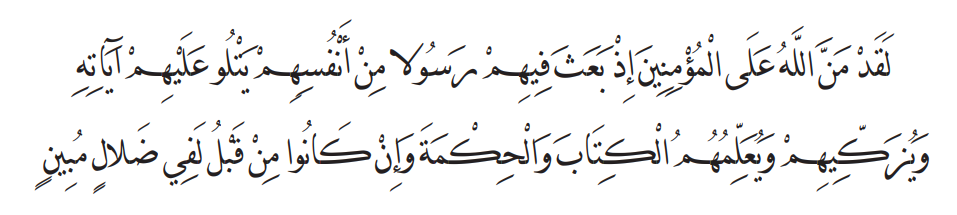
بیشک الله سبحانه و تعالیٰ بر مؤمنان منت گذاشت، آنگاه که در میان ایشان پیامبری از خودشان برانگیخت تا آیات او را بر ایشان بخواند، و آنان را پاک گرداند، و کتاب و حکمت را به ایشان بیاموزد.1
Indeed Allah سبحانه وتعالى. has already done a favor to the believers, when He raised amongst them a messenger from themselves to recite to them His verses, purify them and teach them the book and the wisdom.1
این آیه یکی از مهمترین مسئولیتهای پیامبر مبارک و محبوب ﷺ را بیان میکند: آموزش کتاب. این مسئولیت نه تنها آموزش تلفظ و قرائت کتاب را دربر میگیرد [زیرا آن در مسئولیت نخست، یعنی «که آیات او را بر ایشان تلاوت کند»، پوشش داده شده است]، بلکه، و مهمتر از آن، معنای قرآن را نیز شامل میشود. برای یک مسلمان، تلاش برای فهمیدن معنا و پیام قرآن بدون وجود پیامبر ﷺ به عنوان معلمی که آن را برای ما توضیح دهد، بیمعنا خواهد بود.
This aya explains one of the most important responsibilities of the beloved Blessed Prophet صلى الله عليه وسلم: to teach the Book. This responsibility consists of not just teaching the pronunciation and reading of the Book [as that is already covered in the first responsibility, i.e. ‘to recite to them His verses’], but more importantly, the meaning of the Qur’an. It would be meaningless for a Muslim to try to understand the meaning and message of the Qur’an without the Blessed Prophet صلى الله عليه وسلم as a teacher to explain it to us.
تسلط زبان عربی به تنهایی ما را به درک معنای قرآن نمیرساند. به یاد داشته باشید که صحابه (رضیالله عنهم) که به زبان عربی تسلط کامل داشتند، همواره برای فهم معانی عمیقتر قرآن به پیامبر مبارک ﷺ مراجعه میکردند. واژهها و معانی قرآن بهوسیلهٔ پیامبر مبارک ﷺ هم بهصورت لفظی و هم بهصورت عملی تبیین شد. این گفتهها و تبیینهای پیامبر مبارک ﷺ «احادیث» نامیده میشوند و معتبرترین تفسیر قرآن را در اختیار ما میگذارند. از این رو، وعدهٔ الهی سبحانه و تعالی برای حفظ قرآن، به معنای حفظ احادیث نیز بود.
Proficiency in the Arabic language alone cannot help us grasp the meaning of the Qur’an. Remember, the Sahaba رضي الله عنه) who spoke fluent Arabic, always turned to the Blessed Prophet صلى الله عليه وسلم to understand the deeper meanings of the Qur’an. The Qur’an’s words and its meanings were explained both verbally and practically by the Blessed Prophet صلى الله عليه وسلم. These sayings and explanations of the Blessed Prophet صلى الله عليه وسلم are called úódõth and provide us with the the most authentic commentary of the Qur’an. Therefore, Allah’s سبحانه وتعالى. promise to preserve the Qur’an meant preservation of the aúódõth as well.
اما حفظ صرف الفاظ چندان فایدهای ندارد. برای نمونه، اگر قرآن به مسلمانان فرمان دهد که «اقامهٔ صلوات» کنند، اما ما نتوانیم دریابیم که این فرمان چه چیزی را در بر دارد [مانند چگونگی ادای آن]، آنگاه حفظ عبارت «اقامهٔ صلوات» چه سودی دارد؟ این امر ثابت میکند که حفظ قرآن، به ضرورت، شامل حفظ سنت نیز میشود. بدون سنت، ایمان مسلمان ناقص است. زیرا چگونه میدانیم که قرآن کتاب خداوند سبحانه و تعالی است؟
However the preservation of words alone serves little purpose. For example, if the Qur’an commands Muslims to establish üalót, but we are unable to understand what this command entails [such as how to perform it], then what benefit is there in preserving the words “establish the üalót?” This proves that the preservation of the Qur’an, by necessity, includes preservation of the úódõth. Without úódõth, the õmón of a Muslim is incomplete. After all, how do we know that the Qur’an is the book of Allah سبحانه وتعالى.?
اگر ما قرآن و جایگاه آن را میشناسیم، تنها به این دلیل است که پیامبر مبارک ﷺ فرمود: «این قرآن است؛ این کلام الله سبحانه و تعالی است...». اگر این حدیث پیامبر مبارک ﷺ را رد کنیم، کل پایههای اسلام فرو میریزد. آنگاه نمیدانستیم که قرآن همان چیزی است که ادعا میکند.3
If we know the Qur’an and its place, it is only because the Blessed Prophet صلى الله عليه وسلم said, “This is the Qur’an; it is the word of Allah سبحانه وتعالى..” If we were to reject this úadīth of the Blessed Prophet صلى الله عليه وسلم then the whole foundation of Islam collapses. We would not know that the Qur’an is what it claims to be.3
الله سبحانه وتعالى به پیامبر مبارک ﷺ در قرآن میفرماید:
Allah سبحانه وتعالى. says to the Blessed Prophet صلى الله عليه وسلم in the Qur’an:

وَأَنزَلْنَا إِلَيْكَ الذِّكْرَ لِتُبَيِّنَ لِلنَّاسِ مَا نُزِّلَ إِلَيْهِمْ وَلَعَلَّهُمْ يَتَفَكَّرُونَ ۲
And We have sent unto you the message, that you may explain clearly to men what is sent for them, and that they may give thought. 2
این آیه ثابت میکند که نقش اساسی حدیث، آشکار ساختن معنای قرآن است، و این یعنی قرآن بدون حدیث قابل فهم نیست.
This aya proves that the fundamental role of úódõth is to reveal the meaning of the Qur’an, which means that the Qur’an cannot be understood without the aúódõth.
1 3:164.
1 3:164.
2 16:44
2 16:44