دو نوع وحی: گفتاری و غیرگفتاری
Two Types Of Revelation: The Spoken And The Unspoken
پیامبر مبارک صلى الله عليه وسلم دو نوع وحی الهی دریافت کرد: یکی وحی تلاوتشده [متلوّ] و دیگری وحی غیرتلاوتشده [غیرمتلوّ]. وحی تلاوتشده همان است که خوانده میشود [یعنی قرآن]؛ وحی غیرتلاوتشده همان است که خوانده نمیشود [یعنی احادیث پیامبر مبارک صلى الله عليه وسلم]. ریشههای وحی غیرتلاوتشده را میتوان در آیات قرآن جستوجو کرد. خداوند صلى الله عليه وسلم در قرآن کریم میفرماید:
The Blessed Prophet صلى الله عليه وسلم received two types of divine revelations. One is the spoken [matluww] and the second, the unspoken [ghair-matluww]. The spoken revelation is that which is recited [i.e., the Qur’an]; the unspoken revelation is that which is not recited [i.e., the aúódõth of the Blessed Prophet صلى الله عليه وسلم]. An indication of the roots of the unspoken revelation can be found in the ayas of the Qur’an. Allah صلى الله عليه وسلم says in the Holy Qur’an:

و ما جعلنا القبلة التي كنت عليها إلا لنعلم من يتبع الرسول ممن ينقلب على عقبيه Wait, that's Arabic, not Persian. Here is the Persian translation: و ما قبلهای را که تو بر آن بودی، جز برای این قرار ندادیم که بدانیم چه کسی از پیامبر پیروی میکند و چه کسی به عقب بازمیگردد.3
And We appointed the qibla to which you were used only to test those who followed the Messenger from those who would turn on their heels.3
برای دستیابی به درکی گستردهتر از این آیه، مهم است که به زمینه تاریخی آن بپردازیم۔
To gain a broader understanding of this aya, it is important that we look into its historical background.
بلافاصله پس از هجرت به مدینه، پیامبر مبارک ﷺ و صحابه (رضی الله عنهم) مأمور شدند به سوی مسجد الاقصی در بیتالمقدس نماز بگزارند. مسجد الاقصی به مدت هفده ماه قبلهٔ مسلمانان بود. پس از هفده ماه، دستور نماز گزاردن به سوی مسجد الاقصی نسخ شد و مسلمانان مأمور شدند به سوی مکه نماز بگزارند. این حکم با آیهٔ زیر تثبیت شد:
Shortly after the migration to Madina, the Blessed Prophet صلى الله عليه وسلم and the Sahaba رضي الله عنه) were told to pray towards Masjid al-Aqüó in Jerusalem. Masjid al-Aqüó became the qibla of the Muslims for seventeen months. After seventeen months, the order to pray towards Masjid al-Aqüó was abrogated and Muslims were ordered to pray towards Makka. This order was established through the following aya:
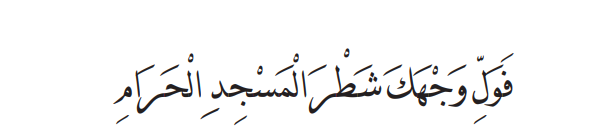
و ما جعلنا القبلة التي كنت عليها إلا لنعلم من يتبع الرسول ممن ينقلب على عقبيه Wait, I must translate the English into Persian, not Arabic. Correcting: و ما قبلهٔای را که بر آن بودی، قبله قرار ندادیم جز برای آنکه معلوم داریم چه کسی از پیامبر پیروی میکند و چه کسی به عقب بازمیگردد. Hmm — but the Qur'an verse should be rendered as the Persian translation of the verse, enclosed in braces per the rules context. Final: {و ما جعلنا القبلة التي كنت عليها إلا لنعلم من يتبع الرسول ممن ينقلب على عقبيه} Correction: the instruction is to translate the user's text into Persian, not reply in Arabic. The Persian rendering: {و قبلهای را که تو بر آن بودی، قبله قرار ندادیم جز برای آنکه کسانی را که از پیامبر پیروی میکنند از کسانی که به پاشنههای خود برمیگردند جدا کنیم.}5
And We appointed the qibla to which you were used only to test those who followed the messenger from those who would turn on their heels.5
در این آیه، الله سبحانه وتعالی فرمانِ نخست، یعنی روی آوردن به سوی بیتالمقدس، را فرمانِ خودِ خویش یاد میکند. این امر خواننده را متوجه این حقیقت میسازد که خودِ الله سبحانه وتعالی پشتِ فرمان روی آوردن به مسجد الاقصی بوده است. اما وقتی قرآن را میخوانیم، هیچ آیهای نمییابیم که در آن الله سبحانه وتعالی به مسلمانان دستور داده باشد که به سوی بیتالمقدس نماز بگزارند.
In this aya, Allah سبحانه وتعالى.mentions the first order, which was to face towards Jerusalem, as His own order. This impresses upon the reader the fact that Allah سبحانه وتعالى. himself was behind the order to face Masjid al-Aqüó. But when we read the Qur’an we do not find any such aya in which Allah سبحانه وتعالى. ordered the Muslims to pray towards Jerusalem.
حقیقت این است که این حکم از جانب پیامبر مبارک ﷺ صادر شده است، نه از هیچ آیهای از قرآن. آیه نمیگوید «پیامبر مبارک ﷺ این حکم را وضع کرد…»، بلکه میگوید «ما قبله را مقرر کردیم…»۔ از اینجا به این فهم میرسیم که فرمان پیامبر مبارک ﷺ با فرمان الله سبحانه و تعالی تفاوتی ندارد۔
The fact is that this order came from the Blessed Prophet صلى الله عليه وسلم and not from any aya of the Qur’an. The aya does not say, “The Blessed Prophet صلى الله عليه وسلم enacted the order…” rather it says, “We appointed the qibla….” This brings us to the understanding that the order of the Blessed Prophet صلى الله عليه وسلم is no different from the order of Allah سبحانه وتعالى..
این دلیل آنقدر آشکار است که نیازی به توضیح بیشتری ندارد. این بیان روشن از قرآن کریم درباره فرمانی که پیامبر مبارک صلى الله عليه وسلم دادهاند، اعتقادی بنیادین را درباره احادیث پیامبر مبارک ﷺ نشان میدهد: اینکه آنها نوعی وحیاند. و این همان چیزی است که به «وحیِ غیرِمتلوّ» یا «وحیِ ناخوانده» معروف است.
The proof is so self-evident it does not require any further clarification. This clear statement from the Qur’an regarding the order given by the Blessed Prophet صلى الله عليه وسلم demonstrates a fundamental belief about the aúódõth of the Blessed Prophet صلى الله عليه وسلم: that they are a form of revelation. And this is what is known as the unspoken or unrecited revelation.
آیهٔ مذکور، نکات مهم دیگری را نیز آشکار میسازد:
The aya mentioned above also reveals some other important points:
۱. نوع ویژهای از وحی بر پیامبر مبارک ﷺ نازل میشد که جزئی از قرآن نبود.
1. A special type of revelation was sent to the Blessed Prophet صلى الله عليه وسلم which was not a part of the Qur’an.
این وحیها از جانب الله سبحانه وتعالى بودند.
2. These revelations were from Allah سبحانه وتعالى.
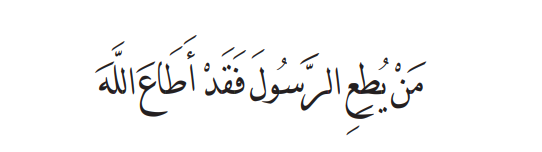
هر کس از پیامبر مبارک ﷺ پیروی کند، از الله پیروی کرده است.6
Whosoever follows the Blessed Prophet صلى الله عليه وسلم has followed Allah ‹.6
در این آیه، قرآن به پیروی از راه پیامبر خجستهخصال ﷺ فرمان میدهد، زیرا پیروی از پیامبر ﷺ همان پیروی از الله سبحانه و تعالی است.. روزی زنی نزد صحابی مشهور، عبدالله بن مسعود رضی الله عنه آمد. او گفت: «شنیدهام که شما مردم را از انجام برخی کارها بازمیدارید، در حالی که قرآن را از اول تا آخر خواندهام و هرگز در قرآن نخواندهام که ما را از این کارها بازدارد.» عبدالله بن مسعود رضی الله عنه پاسخ داد: «اگر قرآن را خوانده بودی، آن را مییافتی. آیا این آیه از قرآن را نخواندهای:
In this aya the Qur’an orders us to adhere to the way of the Blessed Prophet صلى الله عليه وسلم, as adherence to the Blessed Prophet صلى الله عليه وسلم is adherence to Allah سبحانه وتعالى.. Once, a woman came to the famous Sahaba رضي الله عنه), ‘Abd Allóh ibn Mas‘ñdرضي الله عنه. She said, “I have heard you stop people from doing certain things even though I have read the Qur’an from cover to cover and I have never read the Qur’an ordering us to abstain from these things.” ‘Abd Allóh ibn Mas‘ñd رضي الله عنه) replied, “Had you read the Qur’an you would have found it. Have you not read this aya of the Qur’an:

هر آنچه پیامبر ﷺ به شما میدهد، آن را بپذیرید؛ و از هر آنچه او شما را از آن بازمیدارد، خودداری کنید.7
Whatever the Prophet صلى الله عليه وسلم gives you, accept it; and whatever he disapproves of, abstain from it.7
از این واقعه میآموزیم که این آیه، حدیثِ پیامبر ﷺ را در بر میگیرد و حجیت حدیث را در اسلام ثابت میکند.
From this incident we learn that this aya incorporates the aúódõth of the Blessed Prophet صلى الله عليه وسلم and establishes the authority of the aúódõth in Islam.