Akwai wasu raunana a cikin abin da waɗannan masu suka ke nufi:
There are a number of weaknesses with the implications of these critics:
Da farko, Alkur'ani ba ya ambaton "zuciya, kwakwalwa da hanta..."
1. Firstly, the Qur’an does not make a mention of the “heart, brain and liver...
"ba a bayyana shi ba tukuna kuma ba a tsara shi ba, amma tare da wani irin haɗin kai da girma mai yawa".
[being] unarticulated and unshaped yet [with] a certain solidarity and [of a] considerable size”.
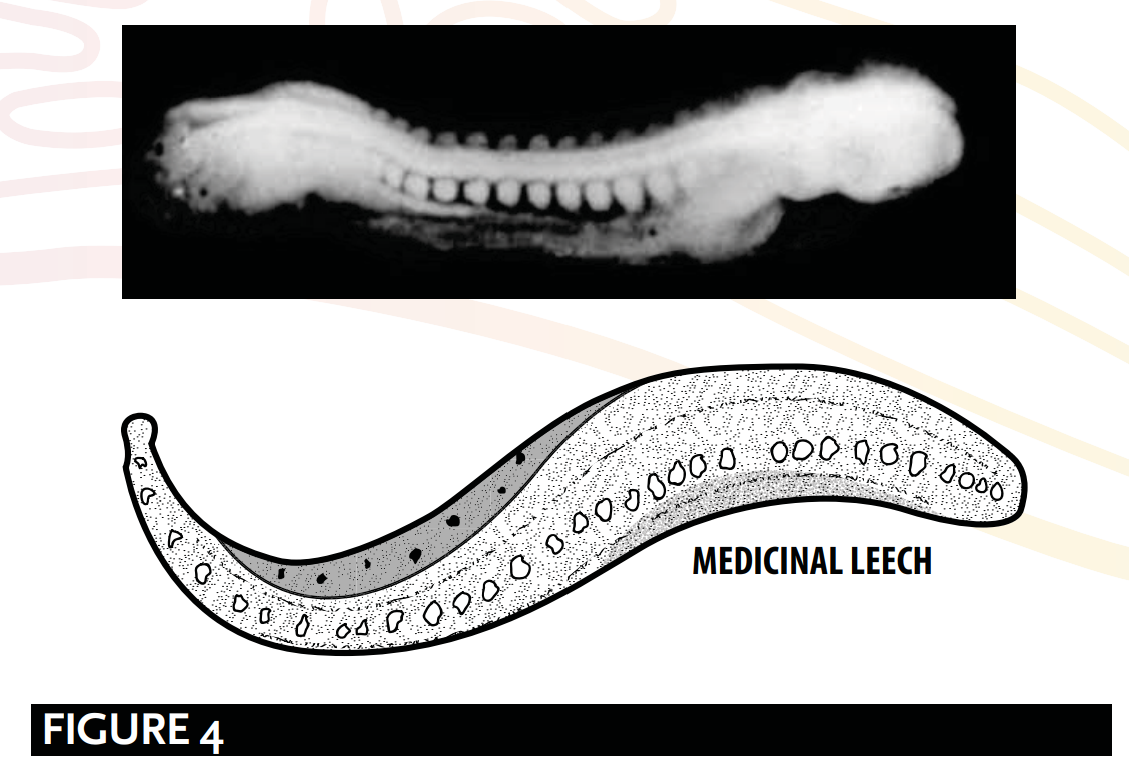
Na biyu, kalmar 'alaqah ba ta nufin jini; a maimakon haka, ma'anarta ta farko ita ce 'wani abu mai manne' da kuma 'wani abu mai kama da tsutsar jini (leech)'. Wasu masana harshen Larabci suna danganta ma'anar 'dunkulallen jini' ga kalmar 'alaqah, ba saboda cikonta da jini ba, sai dai saboda yanayinta na 'manne' a jiki. Wannan fassarar ta yi daidai da ma'anar farko ta kalmar.
2. Secondly, the word `alaqah does not mean blood; rather, its primary meanings are ‘a clinging form’ and ‘a leech-like substance’. Some Arab linguists would attribute the meaning of a ‘blood clot’ to the word `alaqah, not because of it being filled with blood, but instead due to it ‘clinging’ by nature. This interpretation matches the primary meaning of the word.
Na uku, Galen ya nace cewa "tayin (ɗan tayi) yana da siffar nama" a mataki na biyu, alhali Alƙur'ani ya tabbatar da cewa matakin mudghah (guntun nama da aka tauna ko dunƙulen nama) yana zuwa ne bayan matakin 'alaqah.
3. Thirdly, Galen insists “the foetus has the form of flesh” during the second stage, whereas the Qur’an affirms the mudghah (a chewed piece of meat or lump of flesh) stage comes after the `alaqah stage.
4. Na huɗu, a cikin littafinsa On the Natural Faculties, Galen ya rubuta: haka yake game da maniyyi: halayensa tun farko yana da su.58 Fahimtar da Galen ya yi ba daidai ba cewa maniyyi shi kaɗai ke da alhakin kayan gado (genetic material) ba ta dace ba, kuma tana adawa kai tsaye da Alkur'ani da hadisan Annabi ﷺ. Kamar yadda aka bincika a baya (duba Aristotle, Galen & Nutfah), nassosin Musulunci suna ɗaukar nutfah a matsayin ɗigon ruwa ko ruwa da aka haɗa daga namiji da mace, kuma suna tabbatar da cewa dukansu namiji da mace suna da alhakin halittar gado ta yaro.59 Saboda haka, idan Annabi ﷺ ya kwaikwayi ra'ayoyin Galen game da ci gaban ɗan adam, ta yaya ne zai ƙi kimiyyar da ba daidai ba, ya yi amfani da abin da yake daidai kawai, duk da cewa a Larabawa na karni na bakwai babu yadda za a san waɗanne ra'ayoyi ne daidai?
4. Fourthly, in his book On the Natural Faculties, Galen writes: so it is with the semen: its faculties it possessed from the beginning.58 Galen’s incorrect implication of the semen’s sole responsibility for the genetic material is incompatible, and in direct opposition, to the Qur’an and Prophetic traditions. As previously explored (see Aristotle, Galen & Nutfah) the Islamic source texts considers the nutfah as a mingled drop or fluid from both the male and the female, and confirm both the male and female as responsible for the genetics of the child.59 Therefore, if the Prophet ﷺ copied Galen’s views on human development, how is it that he rejected the incorrect science and only used what was correct, even though there was no way in 7th century Arabia of knowing which views were accurate?