كتاب سُمّي "العهد الجديد"
The Book Christened "the New Testament"
"Why 'according To?'" is a label with a capital "T" in the middle of the phrase, so I'll translate it as written: لماذا "according To؟"
Why "according To?"
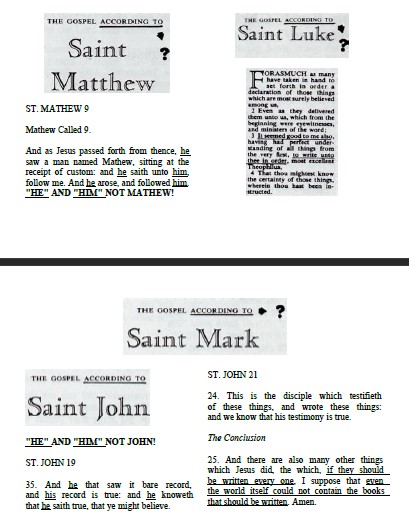
ماذا عن ما يسمى بـ«العهد الجديد»؟ لماذا تبدأ كل إنجيل بالمقدمة: "بحسب ..." "بحسب ..." (انظر أدناه)؟ لماذا "بحسب"؟ لأن ولا نسخة واحدة من النسخ الأربعة آلاف المزعومة الموجودة تحمل خط مؤلفها! ومن هنا جاء الافتراض "بحسب"! بل إن الدليل الداخلي نفسه يثبت أن متى لم يكن مؤلف الإنجيل الأول الذي يحمل اسمه.
What about the so-called New Testament? 1 1 Why does every Gospel begin with the introduction — ACCORDING TO ... ACCORDING TO ... (See below). Why "according to?" Because not a single one of the vaunted four thousand copies extant carries its author's autograph! Hence the supposition "according to!" Even the internal evidence proves that Matthew was not the author of the first Gospel which bears his name.
"وَلَمَّا اجْتَازَ يَسُوعُ مِنْ هُنَاكَ، رَأَى رَجُلًا اسْمُهُ مَتَّى جَالِسًا عِنْدَ مَكَانِ الْجِبَايَةِ، فَقَالَ لَهُ: اتْبَعْنِي. فَقَامَ وَتَبِعَهُ." (متى ٩:٩)
"And as Jesus passed forth thence, HE (JESUS) saw a man, named Matthew, sitting at the receipt of custom: and HE (JESUS) saith unto HIM (MATTHEW), follow ME (JESUS) And HE (MATTHEW) arose, and followed HIM (JESUS)." (Matthew 9:9)
1. الـ"مزعوم"، لأنه لا يسمّي أيّ موضعٍ في "العهد الجديد" نفسه بالعهد الجديد، ولا يسمّي أيُّ موضعٍ في "العهد القديم" نفسه بالعهد القديم. كما أن كلمة "الكتاب المقدّس" غير معروفة داخل صفحات الكتاب المقدّس نفسه. لقد نسي الله أن يعطي عنواناً لكتبه "هو"! ومن دون أي مبالغة، يستطيع المرء أن يرى أن الضمائر "هو" و"له" في النص السابق لا تشير إلى يسوع أو إلى متّى بوصفه مؤلفه، بل إلى شخصٍ ثالثٍ يكتب ما رآه وسمعه، أي رواية منقولة بالسماع. فإذا لم نستطع حتى أن ننسب هذا "كتاب الأحلام" (كما يُوصف الإنجيل الأول أيضاً) إلى التلميذ متّى، فكيف نقبله كلام الله؟
1. The "so-called," because nowhere does the "New Testament" calls itself the New Testament, and nowhere the Old Testament calls itself the Old Testament. And also the word "Bible" is unknown within the pages of the Bible. God forgot to give a title to "HIS" books! Without any stretch of the imagination, one can see that the "He's" and the "Him's" of the above narration do not refer to Jesus or Matthew as its author, but some third person writing what he saw and heard — a hearsay account. If we cannot even attribute this "book of dreams" (as the first Gospel is also described) to the disciple Matthew, how can we accept it as the Word of God?
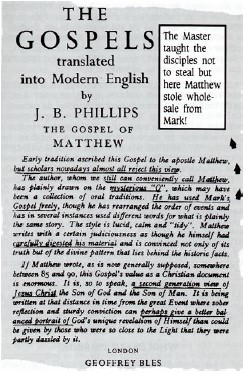
نحن لسنا وحدنا في هذا الاكتشاف بأن متى لم يكتب "إنجيل القديس متى" وأنه كُتب بيد مجهولة. يتفق معنا ج. ب. فيليبس في نتائجنا. وهو خادم مأجور للكنيسة الأنجليكانية، وهو كاهن بنديري في كاتدرائية تشيشستر بإنجلترا. ليس لديه أي سبب للكذب أو الخيانة إضرارًا بالرأي الرسمي لكنيسته! انظر إلى مقدمته لـ"إنجيل القديس متى" (المنقولة هنا أدناه). يقول فيليبس عن تأليفه ما يلي.
We are not alone in this discovery that Matthew did not write the "Gospel according to St. Matthew" and that it was written by some anonymous hand. J. B. Phillips concurs with us in our findings. He is the paid servant of the Anglican Church, a prebendary of the Chichester Cathedral, England. He would have no reason to lie or betray to the detriment of the official view of his Church! Refer to his introduction to the "Gospel of St. Matthew" (reproduced here below). Phillips has this to say about its authorship.
"الإنجيلُ المبكّرُ نسب هذا الإنجيلَ إلى الرسولِ متى، لكنّ العلماءَ اليومَ يرفضون هذا الرأيَ تقريباً جميعاً." بعبارةٍ أخرى، لم يكتبِ القديسُ متى الإنجيلَ الذي يحملُ اسمَه. وهذا هو الاستنتاجُ الذي توصّل إليه علماءُ مسيحيّون من أرفعِ المكانات، لا هندوسٌ ولا مسلمون ولا يهودٌ قد يُتّهمون بالتحيّز. فلنستمعْ إلى صديقِنا الأنجليكاني وهو يواصل: "المؤلّفُ الذي ما زلنا نستطيعُ أن نسمّيه متى على سبيل الملاءمة". وكلمةُ "الملاءمة" هنا لأنّنا لو أردنا في كلّ مرةٍ نذكرُ فيها "متى" أن نقولَ: "الكتابُ الأولُ من العهد الجديد"، الإصحاحُ كذا والآيةُ كذا، ومرةً بعد أخرى "الكتابُ الأول..." وهكذا، لكان الأمرُ مرهقاً. ولذلك يرى ج. ب. فيليبس أنّ من المناسبِ أن نطلقَ على الكتابِ اسماً ما. فلماذا لا يكونُ "متى"؟ افترضْ أنه اسمٌ جيّدٌ مثلُ أيّ اسمٍ آخر! ويتابع فيليبس: "المؤلّفُ استندَ بوضوحٍ إلى المصدرِ الغامضِ 'Q' الذي ربما كان مجموعةً من التقاليدِ الشفهية." فما هو هذا "Q" الغامض؟ "Q" اختصارٌ للكلمةِ الألمانيةِ "Quelle" التي تعني "المصادر". ويُفترضُ أنّ هناك وثيقةً أخرى، مصدراً مشتركاً، كان متّى ومرقسُ ولوقا، كما نعرفهم اليوم، يطّلعون عليه. وكان هؤلاء الثلاثةُ، أيّاً كانوا، ينظرون جميعاً إلى المادةِ المتاحةِ بعينٍ واحدة، فكأنّهم يكتبون بعينٍ واحدة. ولأنهم كانوا يرون الأمورَ على نحوٍ متّفق، عُرفت الأناجيلُ الثلاثةُ الأولى باسم الأناجيلِ الإزائية.
"EARLY TRADITION ASCRIBED THIS GOSPEL TO THE APOSTLE MATTHEW, BUT SCHOLARS NOWADAYS ALMOST ALL REJECT THIS VIEW." In other words, St. Matthew did not write the Gospel which bears his name. This is the finding of Christian scholars of the highest eminence — not of Hindus, Muslims and Jews who may be accused of bias. Let our Anglican friend continue: "THE AUTHOR, WHOM WE STILL CAN CONVENIENTLY CALL MATTHEW" "Conveniently" because otherwise everytime we made a reference to "Matthew" we would have to say — "THE FIRST BOOK OF THE NEW TESTAMENT" Chapter so and so, verse so and so. And again and again "The first book . . ." etc. Therefore, according to J. B. Phillips it is convenient that we give the book some name. So why not "Matthew?" Suppose its as good a name as any other! Phillips continues: "THE AUTHOR HAS PLAINLY DRAWN ON THE MYSTERIOUS 'Q' WHICH MAY HAVE BEEN A COLLECTION OF ORAL TRADITIONS." What is this "mysterious 'Q'?" "Q" is short for the German word "quella" which means "sources." There is supposed to be another document — a common source — to which our present Matthew, Mark and Luke had access. All these three authors, whoever they were, had a common eye on the material at hand. They were writing as if looking through "one" eye. And because they saw eye to eye, the first three "Gospels" came to be known as the Synoptic Gospels.
الاستنساخ الجماعي للنصوص
Wholesale Cribbing
لكن ماذا عن هذا الأمر المسمّى "الوحي"؟ لقد أصاب القسّيس الأنجليكاني كبد الحقيقة. هو أحقّ من غيره بذلك. خادم مأجور للكنيسة، ومسيحيّ إنجيلي أرثوذكسي، وعالم كتابيّ مشهور، له اتصال مباشر بالمخطوطات اليونانية "الأصلية"، فليوضّح هو لنا الأمر بنفسه. (لاحظ كيف يُخرج القطّ من الجراب برفقٍ): "لقد استخدم (متّى) إنجيل مرقس استخداماً حرّاً"، وهذا بلغة معلّم المدرسة يعني: "لقد نسخ من مرقس على نطاق واسع!" ومع ذلك يسمّي المسيحيون هذا الانتحال الواسع النطاق "كلام الله"؟
But what about that "inspiration" business? The Anglican prebendary has hit the nail on the head. He is, more than anyone else, entitled to do so. A paid servant of the Church, an orthodox evangelical Christian, a Bible scholar of repute, having direct access to the "original" Greek manuscripts, let HIM spell it out for us. (Notice how gently he lets the cat out of the bag): "HE (Matthew) HAS USED MARK'S GOSPEL FREELY" which in the language of the school-teacher — "has been copying WHOLESALE from Mark!" Yet the Christians call this wholesale plagiarism the Word of God?
أليس يثير التساؤل أن شاهد العيان وشاهد الأذن لخدمة عيسى، وهو المفترض أن يكون التلميذ متى، بدلاً من أن يكتب انطباعاته الشخصية المباشرة عن خدمة "سيده"، يذهب لينقل من كتابات فتى (مرقس)، كان صبياً في العاشرة من عمره حين وبّخ عيسى أمته؟ ولماذا ينقل شاهد العيان وشاهد الأذن عن رجل كان هو نفسه يكتب عن طريق السماع؟ إن التلميذ متى لا يفعل شيئاً سخيفاً كهذا. فقد فُرضت وثيقة مجهولة المؤلف على الاسم الطيب لمتى.
Does it not make you wonder that an eye-witness and an ear-witness to the ministry of Jesus, which the disciple Matthew was supposed to be, instead of writing his own first hand impressions of the ministry of "his Lord" would go and steal from the writings of a youth (Mark), who was a ten year old lad when Jesus upbraided his nation? Why would an eye-witness and ear-witness copy from a fellow who himself was writing from hearsay? The disciple Matthew would not do any such silly thing. For an anonymous document has been imposed on the fair name of Matthew.
الانتحال أو الاختطاف الأدبي
Plagiarism Or Literary Kidnapping
الانتحال يعني السرقة الأدبية. وهو أن ينقل شخصٌ من كتابة غيره كلمةً بكلمة (حرفياً) ثم ينسبها إلى نفسه، ويُعرف ذلك بالانتحال. ومن السمات الشائعة هذه بين المؤلفين المجهولين البالغ عددهم نحو أربعين الذين كتبوا أسفار الكتاب المقدس. ويفاخر المسيحيون بوجود رابطة مشتركة يزعمونها بين كُتّاب الأسفار الستة والستين البروتستانتية وكُتّاب الأسفار الثلاثة والسبعين الكاثوليكية المسماة "الكتاب المقدس". ولا شك أن ثمة قدراً من الترابط المشترك، إذ إن متّى ولوقا، أو من كانا، قد نقلا نحو 85% من مرقس كلمةً بكلمة! ولم يُملِ الله تعالى الألفاظ نفسها على كُتّاب الأناجيل الإزائية (المتشابهة الرؤية). ويعترف المسيحيون أنفسهم بهذا، لأنهم لا يؤمنون بالوحي اللفظي كما يؤمن المسلمون بالقرآن الكريم. [1] [1]
Plagiarism means literary theft. Someone copies ad verbatim (word for word) from another's writing and palms it off as his own, is known as plagiarism. This is a common trait amongst the 40 or so anonymous authors of the books of the Bible. The Christians boast about a supposedly common cord amongst the writers of the 66 Protestant booklets and the writers of the 73 Roman Catholic booklets called the "Holy Bible." Some common cord there is, for Matthew and Luke, or whoever they were, had plagiarised 85% word for word from Mark! God Almighty did not dictate the same wordings to the synoptists (one-eyed). The Christians themselves admit this, because they do not believe in a verbal inspiration, as the Muslims do about the Holy Qur’ân. 1 1
هذا الانتحال بنسبة ٨٥٪ من إنجيلَي متّى ولوقا يتضاءل أمام ما هو أعظم منه بكثير، وهو الاختطاف الأدبي لكتّاب العهد القديم، حيث تحدث سرقة بنسبة مئة بالمئة في ما يسمّى كتاب الله. ويسمّي علماء مسيحيون بمستوى الأسقف كينيث كراج هذه السرقة تلطيفًا بكلمة "إعادة الإنتاج"، ويفتخرون بها.
This 85% plagiarism of Matthew and Luke pales into insignificance compared to the literary kidnapping of the authors of the Old Testament where a hundred percent stealing occurs in the so-called Book of God. Christian scholars of the calibre of Bishop Kenneth Cragg euphemistically calls this stealing, "reproduction"2 and take pride in it.
1. انظر "القرآن — معجزة المعجزات" (قريبًا)
1. See "AL-QURAN — The Miracles of Miracles" (coming soon)
2. راجع بداية الفصل الأول للاقتباس الكامل.
2. See beginning of chapter one for the full quotation.
المعايير المنحرفة
Perverted Standards
دَكْتُور سْكْرُوجِي (الْمُشَارُ إِلَيْهِ سَابِقًا) يَسْتَشْهِدُ بِحَمَاسٍ بَالِغٍ فِي كِتَابِهِ1 بِالدُّكْتُور جُوزِيف بَارْكَر لِثَنَائِهِ الْفَرِيدِ عَلَى الْكِتَابِ الْمُقَدَّسِ:
Dr. Scroggie (referred to earlier on) most enthusiastically quotes in his book Scroggie (referred to earlier on) most enthusiastically quotes in his book1 a Dr. Joseph Parker for his unique eulogy of the Bible:
ما أعجب الكتاب المقدس من حيث تنوع محتوياته! . . . تُملأ صفحات كاملة بأسماء غامضة، ويُروى عن سلسلة النسب أكثر مما يُروى عن يوم القيامة. تُروى القصص نصفَ رواية، ويحل الليل قبل أن نعرف أين كان النصر. فأين في أدب الأديان في العالم ما يضاهي هذا؟ عقدٌ جميل من الكلمات والعبارات لا شك فيه! إنه ضجيجٌ بلا طائل، وإساءةٌ صريحة إلى الله تعالى لإقراره مثل هذا الخليط المحرج. ومع ذلك يفاخر النصارى بالعيوب نفسها في كتابهم، كما فاخر روميو بـ"الشامة" على شفة جوليت! 1. "هل الكتاب المقدس كلام الله؟" دار مودي للنشر.
"WHAT A BOOK IS THE BIBLE IN THE MATTER OF VARIETY OF CONTENTS! . . . WHOLE PAGES ARE TAKEN UP WITH OBSCURE NAMES, AND MORE IS TOLD OF A GENEALOGY THAN OF THE DAY OF JUDGMENT. STORIES ARE HALF TOLD, AND THE NIGHT FALLS BEFORE WE CAN TELL WHERE VICTORY LAY. WHERE IS THERE ANYTHING" (in the Religious Literature of the world) "TO CORRESPOND WITH THIS?" A beautiful necklace of words and phrases undoubtedly! It is much ado about nothing, and rank blasphemy against God Almighty for authorising such an embarrassing hotch potch. Yet the Christians gloat over the very defects of their book, like Romeo over the "mole" on Juliet's lip! 1. "Is the Bible the Word of God?" by the Moody Press. by the Moody Press.
I'm ready to translate, but no text came through with your message. Please paste the English text you'd like translated into Arabic, and I'll provide the translation right away.
Nothing Less Than 100%
لإظهار درجة السرقة الأدبية التي مارسها كتبة الكتاب المقدس "الموحى إليهم"، طلبتُ من جمهوري خلال ندوة في جامعة كيب تاون أُجريت بيني وبين البروفيسور كمبستي، رئيس قسم اللاهوت، بعنوان "هل الكتاب المقدس كلام الله؟"، أن يفتحوا كتبهم المقدسة.
To demonstrate the degree of plagiarism practised by the "inspired" Bible writers, I asked my audience during a symposium at the University of Cape Town conducted between myself and Professor Cumpsty the Head of the Department of Theology on the subject "Is the Bible God's Word?" to open their Bibles.
كثيرٌ من النصارى مولعون بحمل كتبهم المقدسة تحت آباطهم عند المناظرات والمناقشات الدينية، وكأنهم لا يستطيعون الاستغناء عن هذا الكتاب. وبناءً على اقتراحي، بدأ عددٌ من الحضور يقلّبون صفحات كتبهم. وطلبتُ منهم أن يفتحوا الإصحاح السابع والثلاثين من "سفر إشعياء". ولما استعدّ الحضور، طلبتُ منهم أن يقارنوا "إشعياء 37" الذي أقرؤه بـ"إشعياء 37" الموجود عندهم، ليتبيّنوا هل هما متطابقان. فبدأتُ القراءة ببطء، فقرأتُ الآيات 1 و2 و4 و10 و15 وهكذا حتى نهاية الإصحاح. وكنتُ أسألهم بعد كل آية: هل ما أقرؤه مطابقٌ للآيات الموجودة في كتبكم؟ فكانوا يردّون مراراً وتكراراً بصوتٍ واحد: "نعم! نعم!". وعند نهاية الإصحاح، وكتابُ المقدس ما زال مفتوحاً بين يديّ على الموضع الذي كنتُ أقرأ منه، أطلعتُ الرئيسَ الجمهورَ على أنني لم أكن أقرأ من إشعياء 37 أصلاً، بل من "سفر الملوك الثاني 19"! فحدثت في الحضور حالةٌ من الذهول الشديد! وهكذا أثبتُّ السرقة الأدبية بنسبة 100% في "الكتاب المقدس". (انظر أدناه)
Some Christians are very fond of carrying their Bibles under their arms when religious discussions or debates take place. They seem to be utterly helpless without this book. At my suggestion a number of the audience began ruffling the pages. I asked them to open chapter 37 in the "Book of Isaiah." When the audience was ready, I asked them to compare my "Isaiah 37" with their "Isaiah 37" while I read, to see whether they were identical. I began, readingly slowly. Verses 1, 2, 4,10, 15, and so on, until the end of the chapter. I kept on asking after every verse if what I had been reading, was identical with the verses in their Bibles. Again and again they chorused — "Yeh!", "Yeh!". At the end of the chapter with the Bible still open in my hands at the place from which I had been reading, I made the Chairman to reveal to the audience that I was not reading from Isaiah 37 at all but from 2 KINGS 19! There was a terrible consternation in the audience! I had thus established 100% plagiarism in the "Holy Bible." (See below)
بعبارة أخرى، إشعياء ٣٧ و٢ ملوك ١٩ متطابقان حرفياً. ومع ذلك نُسبا إلى مؤلفين مختلفين، يفصل بينهما قرون، وهما اللذان يزعم المسيحيون أنهما مُلهَمان من الله.
In other words, Isaiah 37 and 2 Kings 19 are identical word for word. Yet they have been attributed to two different authors, centuries apart, whom the Christians claim have been inspired by God.
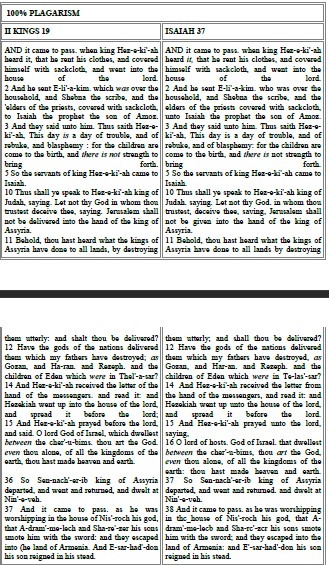
هذه الآيات منقولة من الترجمة المعتمدة (Authorised Version)، لكنك ستجد المعنى نفسه في كل ترجمة.
These verses are culled from the Authorised Version, but you will find the same in every Version.
لا إلهام لفظي
No Verbal Inspiration
(للاطلاع على قائمة كاملة بجميع أسفار الكتاب المقدس ومؤلفيها، يُرجى الرجوع إلى طبعة "كولينز" للترجمة القياسية المنقحة (R.S.V.) مع حواشيها.) ماذا يقول العلماء المسيحيون عن "سفر إشعياء"؟ إنهم يقولون: "يُنسب في معظمه إلى إشعياء، وقد تكون أجزاء منه قد كُتبت بأيدي آخرين." وفي ضوء اعترافات علماء الكتاب المقدس، لن نحاسب إشعياء المسكين. فهل يمكننا إذن أن نُلصق تهمة هذا السرقة الأدبية بباب الله؟ يا لها من تجديف! وقد أكد البروفيسور كَمْبتسي في جلسة الأسئلة والأجوبة في ختام الندوة المذكورة أن "المسيحيين لا يؤمنون بالإلهام اللفظي للكتاب المقدس." إذن لم يكن الله العلي القدير قد أملى، عن غير قصد، القصة نفسها مرتين! لقد عبثت أيدٍ بشرية، بكل ما في البشر من ضعف، بما يُسمّى كلمة الله، أي الكتاب المقدس. ومع ذلك يصرّ المتشددون في الكتاب المقدس على أن "كل كلمة وكل فاصلة ونقطة في الكتاب المقدس هي كلمة الله!"
(For a complete list of all the books of the Bible and their authors, avail yourself of the "Collins'" R.S.V. 'with' its annotations). What have Christian scholars to say about the "Book of Isaiah?" They say: "MAINLY CREDITED TO ISAIAH. PARTS MAY HAVE BEEN WRITTEN BY OTHERS" In view of the confessions of Bible scholars, we will not take poor Isaiah to task. Can we then nail this plagiarism on the door of God? What blasphemy! Professor Cumptsy confirmed at question time, at the end of the aforementioned symposium that the "Christians do not believe in a verbal inspiration of the Bible" So God Almighty had not absent-mindedly dictated the same tale twice! Human hands, all too human, had played havoc with this so-called Word of God — the Bible. Yet, Bible-thumpers will insist that "every word, comma and full stop of the Bible is God's Word!"