চীন: দাবিদার নাকি প্রতিযোগী?
China: Pretender Or Contender
২০০৯ সাল ছিল চীনা বিপ্লবের ৬০তম বার্ষিকী। চীন জাপানের কবল থেকে স্বাধীনতা অর্জন করে এবং জাতীয়তাবাদীদের পরাজিত করে সমাজতান্ত্রিক গণপ্রজাতন্ত্রী চীন প্রতিষ্ঠা করে। গত এক দশকে অনেক বিশ্লেষক চীনের উত্থানকে আমেরিকার সবচেয়ে বড় চ্যালেঞ্জ হিসেবে দেখেছেন, এবং কিছু চিন্তাবিদ অদূর ভবিষ্যতে চীনকে বিশ্বের পরাশক্তি হিসেবে কল্পনা করছেন। গত ২০ বছরে রাজনৈতিক মানচিত্রে চীনের দ্রুত উত্থান অনেককে বিস্মিত করেছে, অনেককে হতবুদ্ধি করেছে, এবং কারও কারও কাছে এটি বিশ্ব ক্ষমতার পশ্চিম থেকে পূর্বে স্থানান্তরের চিহ্ন। চীন কখনও বিশ্বশক্তি ছিল না, এবং এর সাম্প্রতিক ইতিহাস জাপানের নির্মম দখলদারিত্বে ভরা, যার স্মৃতি দ্বিতীয় বিশ্বযুদ্ধ-পরবর্তী চীনকে সংজ্ঞায়িত করেছে। বিশ্বের সবচেয়ে জনবহুল এই জাতির ৬০তম বার্ষিকী তার ইতিহাসে এক অনন্য বাস্তবতাকে চিহ্নিত করে, কারণ এই প্রথমবার এটি একটি বিশ্বশক্তি হিসেবে গণ্য হচ্ছে।
2009 was the 60th anniversary of the Chinese revolution. China gained independence from Japan and defeated the nationalists to establish the Socialist people’s republic of China. In the last decade many analysts have viewed the rise of China as America's biggest challenge and some thinkers foresee China as the world’s superpower in the not so distant future. The rapid rise of China on the political map in the last 20 years has shocked many, bewildered others and for some marks the shift of global power from West to East. China has never been a world power and its recent history consists of a brutal occupation by Japan, whose memory defined post WW2 China. The 60th anniversary for the world’s most populated nation marks a unique reality in its history as for the first time it is counted as a world power.
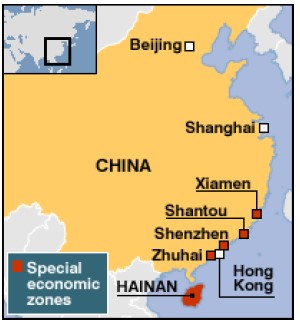
চীনের উন্নয়ন শুরু হয় ১৯৭৮ সালে, এবং বিজ্ঞান ও প্রযুক্তির উন্নয়নে সামরিক বিবেচনা প্রাধান্য পেয়ে আসছে। এর সূচনা মাও জে দংয়ের আমলে খুঁজে পাওয়া যায়। মাও সবকিছুর আগে একটি ‘সামরিকীকরণ’ কাঠামো গড়ে তোলার লক্ষ্য ঘোষণা করেছিলেন। এই ‘সামরিকীকরণ’ই ছিল দেং শিয়াও পিংয়ের নীতির ভিত্তি। দেংয়ের উদ্দেশ্য ছিল চীনের অর্থনীতিকে বহুমুখী করা, যাতে দেশের শিল্পভিত্তি শুধু জাতীয় প্রতিরক্ষায় নয়, বরং অর্থনৈতিক প্রবৃদ্ধি ও নাগরিক সমৃদ্ধিতেও অবদান রাখতে পারে। ১৯৮০-এর দশকের গোড়ায় দেংয়ের বিখ্যাত ১৬-অক্ষরের নির্দেশনায় এটি স্পষ্ট হয়ে ওঠে: ‘সামরিক ও বেসামরিক উৎপাদনের সমন্বয় ঘটানো; তবে সামরিক প্রয়োজনের ভারসাম্য রক্ষা করা; সামরিক সক্ষমতা বজায় রাখা; এবং সামরিক আধুনিকায়নের সেবায় বেসামরিক অর্থনীতিকে ব্যবহার করা।’ এর আগে সোভিয়েত ধাঁচের কেন্দ্রীয় পরিকল্পিত অর্থনীতি ব্যবহৃত হয়েছিল, কিন্তু তা সীমিত ফল দিয়েছিল। এরপর দেং অধিকতর বাজারমুখী অর্থনীতি গ্রহণ করেন, বিশেষত গুয়াংডং, ফুজিয়ান ও হাইনানে অবস্থিত বিশেষ অর্থনৈতিক অঞ্চলগুলোতে (SEZ)। ফলাফল ছিল চমকপ্রদ। চীন তার অর্থনীতিকে আমূল বদলে ফেলে, নিম্নমানের সাধারণ রপ্তানি পণ্য থেকে উন্নত উচ্চপ্রযুক্তির পণ্য উৎপাদনের দিকে এগিয়ে যায়। দেশটি একটি অন্তর্মুখী, পশ্চাৎপদ অর্থনীতি থেকে বিশ্বব্যাপী রপ্তানি-যন্ত্রে পরিণত হয়েছে এবং চীনের রপ্তানি দশগুণ বেড়েছে। আজ চীন জার্মানিকে পেছনে ফেলে বিশ্বের সবচেয়ে বড় রপ্তানিকারক দেশে পরিণত হয়েছে, যা বছরে ১ ট্রিলিয়ন ডলারেরও বেশি রপ্তানি করে।
China's development began in 1978 and has been due to military considerations dominating the development of science and technology. This can be traced back to the Mao era. Mao stated his objective of forming a ‘militarization’ complex above all other needs. This ‘militarization’ formed the basis of Deng Xao Ping’s policy. Deng's aim was to diversify the Chinese economy in order for China's industrial base to contribute not just to national defence but also economic growth and civilian prosperity. Deng's famous 16 character guidance in early 1980’s made this clear: ‘integrating military and civilian production; but making sure to balance the military requirements; maintaining military capability; using the civilian economy to serve military modernization.’6 Prior to this the Soviet-style centrally planned economy, was utilized but achieved limited results. Deng then utilized a more market-oriented economy, particularly in the Special Economic Zones (SEZ) located in the Guangdong, Fujian, and Hainan. The results were spectacular. China radically changed its economy moving from producing low quality simple exports to sophisticated high technology goods. The country has changed from an inward backward economy to a global exporting machine, Chinese exports have grown tenfold. Today China has surpassed Germany as the world’s largest exporter, exporting over $1 trillion a year.
১৯৭৮ সাল থেকে চীন সোভিয়েত ধাঁচের কেন্দ্রীয়ভাবে পরিকল্পিত অর্থনীতি থেকে ধীরে ধীরে একটি বাজারমুখী অর্থনীতির দিকে সংস্কার শুরু করেছে, তবে তা চলছে চীনের কমিউনিস্ট পার্টির প্রদত্ত রাজনৈতিক কাঠামোর মধ্যে। এই ব্যবস্থাকে বলা হয় "চীনা বৈশিষ্ট্যসহ সমাজতন্ত্র", এবং এটি এক ধরনের মিশ্র অর্থনীতি। ১৯৭৮ সাল থেকে শুরু হওয়া এই সংস্কার লক্ষ লক্ষ মানুষকে দারিদ্র্য থেকে বের করে আনতে সাহায্য করেছে, যার ফলে দারিদ্র্যের হার ১৯৮১ সালের ৫৩% থেকে ২০০১ সালের মধ্যে ৮%-এ নেমে এসেছে।
Since 1978, China has been reforming its economy from a Soviet-style centrally planned economy to a more market-oriented economy but within the political framework, provided by the Communist Party of China. This system has been called “Socialism with Chinese characteristics” and is one type of mixed economy. These reforms started since 1978 has helped lift millions of people out of poverty, bringing the poverty rate down from 53% of population in 1981 to 8% by 2001.
এই পৃষ্ঠার বিষয়বস্তু ইসলামি গ্রন্থের নয়, তবু অনুবাদ করছি: চীনের পররাষ্ট্রনীতির বাস্তবায়ন অতীতে বেইজিংয়ের বিশ্ববিষয়ক সংকীর্ণ ও প্রতিক্রিয়াশীল পদ্ধতি থেকে একটি গুরুত্বপূর্ণ বিবর্তনের প্রতিনিধিত্ব করে। চীন ১৫০ বছরের লজ্জা ও অপমানের দীর্ঘদিনের লালিত ভিকটিম মানসিকতা ত্যাগ করছে এবং তার পরিবর্তে একটি মহাশক্তির মানসিকতা (ডাগুও জিনতাই) গ্রহণ করছে। এর স্বাভাবিক সম্প্রসারণ হলো বৈশ্বিক বিষয়সমূহে চীনের ক্রমবর্ধমান ভূমিকা। এই পরিবর্তন কমিউনিস্ট পার্টির সেইসব শীর্ষ নেতার দ্বারা চালিত হয়েছে, যারা চীনা বিপ্লবের সময় জন্মগ্রহণ করেননি এবং তাই চীনের ইতিহাসের দৃষ্টিকোণ থেকে বিশ্বকে দেখেন না। বর্তমান রাষ্ট্রপতি হু জিনতাও-এর মতো নেতারা, যিনি বিপ্লবের মাত্র কয়েক বছর আগে জন্মগ্রহণ করেছিলেন, তিনি ছিলেন চীনের প্রথম নেতা যিনি কুখ্যাত লং মার্চে অংশ নেননি, যেখানে ১৯৪৯ সালে জাতীয়তাবাদীরা পরাজিত হয়েছিল। এমন নেতারাই বিশ্বাস করেন চীনের ভিকটিম মানসিকতা ত্যাগ করে মহাশক্তির মানসিকতা গ্রহণ করা উচিত; এবং এমন নেতারাই ক্রমশ চীনকে বিশ্বের প্রধান শক্তিগুলোর সমতুল্য হিসেবে দেখছেন।
The execution of China's foreign policy represents an important evolution from Beijing's narrow and reactive approach to global affairs in the past. China is abandoning its long-held victim mentality of 150 years of shame and humiliation and adopting instead a great power mentality (daguo xintai). The natural extension of this is the increasing role of China in global issues. This has been driven by leading members of the Communist party who were not born during the Chinese revolution and hence do not view the world from the perspective of China's history. Leaders, such as the current president Hu Jintao, who was born only a few years before the revolution, was China's first leader not to have taken part in the infamous long march, where the nationalists were defeated in 1949. It is such leaders who believe in the abandonment of China's victim mentality and the adoption of a great power mentality, it is such leaders who are increasingly seeing China more akin to the world’s major powers.
সিনো-মার্কিন সম্পর্ক
Sino - US Relations
মার্কিন নীতিনির্ধারকরা চীনের বিষয়ে তাদের কৌশল প্রথমবার স্পষ্টভাবে তুলে ধরেন ১৯৯৪-৯৯ অর্থবছরের প্রতিরক্ষা পরিকল্পনা নির্দেশিকায় (Defence Planning Guidance - DPG), যা সোভিয়েত-পরবর্তী যুগে মার্কিন কৌশলগত লক্ষ্যের প্রথম আনুষ্ঠানিক বিবৃতি ছিল: "আমাদের অবশ্যই চেষ্টা করতে হবে যাতে কোনো শত্রুভাবাপন্ন শক্তি এমন কোনো অঞ্চলের উপর আধিপত্য বিস্তার করতে না পারে, যার সম্পদ একক নিয়ন্ত্রণে থাকলে বৈশ্বিক ক্ষমতা সৃষ্টির জন্য যথেষ্ট হবে।"৭ জর্জ ডব্লিউ বুশ ক্ষমতায় আসার সময় একমাত্র চীনের হাতেই অর্থনৈতিক ও সামরিক সামর্থ্য ছিল, যা দিয়ে সে একটি উচ্চাকাঙ্ক্ষী মহাশক্তি হিসেবে মার্কিন যুক্তরাষ্ট্রকে চ্যালেঞ্জ করতে পারত। ফলে যুক্তরাষ্ট্র চীনের সঙ্গে সরাসরি প্রতিযোগিতার পরিবর্তে "নিয়ন্ত্রণ" (containment) নীতি গ্রহণ করে, যার উদ্দেশ্য ছিল মার্কিন সম্পদ ব্যয় করে চীনকে তার নিজের সীমানার ভেতরে আটকে রাখা, যাতে এই অঞ্চলে তার সঙ্গে কেউ ভাগ বসাতে না পারে। ২০০০ সালের রাষ্ট্রপতি নির্বাচনী প্রচারের সময়, যখন জর্জ ডব্লিউ বুশ টেক্সাস রাজ্যের গভর্নর ছিলেন, তখন তার পররাষ্ট্রনীতি উপদেষ্টা কন্ডোলিৎসা রাইস "Foreign Affairs" পত্রিকার একটি প্রবন্ধে এই নিয়ন্ত্রণ নীতির কথা বিস্তারিতভাবে তুলে ধরেন। সেখানে তিনি লেখেন, "চীন একটি বড় শক্তি, যার অমীমাংসিত গুরুত্বপূর্ণ স্বার্থ রয়েছে, বিশেষত তাইওয়ান নিয়ে; চীন এশিয়া-প্রশান্ত মহাসাগরীয় অঞ্চলে যুক্তরাষ্ট্রের ভূমিকাকেও অপছন্দ করে।" এসব কারণে তিনি বলেন, "চীন কোনো 'যথাস্থিতি বজায় রাখতে আগ্রহী' শক্তি নয়, বরং এমন একটি শক্তি যে এশিয়ার ক্ষমতার ভারসাম্যকে নিজের অনুকূলে বদলাতে চায়। শুধু এ কারণেই সে একটি কৌশলগত প্রতিযোগী, ক্লিনটন প্রশাসন যাকে একবার 'কৌশলগত অংশীদার' বলেছিল তা নয়। যুক্তরাষ্ট্রকে জাপান ও দক্ষিণ কোরিয়ার সঙ্গে সহযোগিতা আরও গভীর করতে হবে এবং এই অঞ্চলে শক্তিশালী সামরিক উপস্থিতি বজায় রাখার প্রতিশ্রুতি অটুট রাখতে হবে।" ওয়াশিংটনের আরও উচিত "আঞ্চলিক ভারসাম্যে ভারতের ভূমিকার দিকে আরও গভীর মনোযোগ দেওয়া এবং দেশটিকে একটি চীনবিরোধী জোট ব্যবস্থায় অন্তর্ভুক্ত করা।"8
US policy makers spelled out their strategy for China initially in the Defence Planning Guidance (DPG) for fiscal years 1994-99, the first formal statement of US strategic goals in the post-Soviet era "we [must] endeavour to prevent any hostile power from dominating a region whose resources would, under consolidated control, be sufficient to generate global power."7 By the time George W Bush came to office only China possessed the economic and military capacity to challenge the United States as an aspiring superpower. The US developed a policy of containment rather than outright competition with China which would expend US resources, to restrain China within its borders ensuring no-one shares the region with her. This policy of containment was spelt out by Condoleezza Rice while serving as a foreign-policy adviser to George W Bush, then governor of the state of Texas, during the 2000 presidential campaign in a Foreign Affairs article she stated "China is a great power with unresolved vital interests, particularly concerning Taiwan, China also resents the role of the United States in the Asia-Pacific region." For these reasons, she stated, "China is not a ‘status quo' power but one that would like to alter Asia's balance of power in its own favour. That alone makes it a strategic competitor, not the 'strategic partner' the Clinton administration once called it. The United States must deepen its cooperation with Japan and South Korea and maintain its commitment to a robust military presence in the region". Washington should also "pay closer attention to India's role in the regional balance, and bring that country into an anti-Chinese alliance system."8
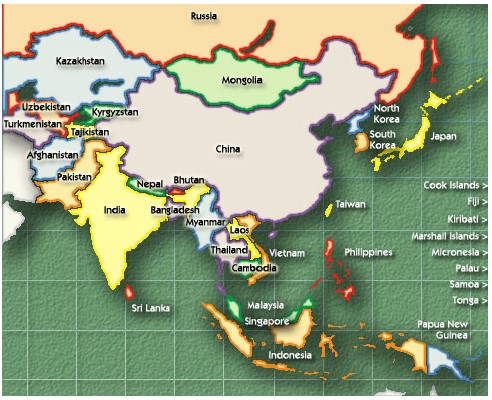
অন্যদিকে, যারা চীনের উত্থানকে হুমকি হিসেবে দেখে, তারা মার্কিন প্রশাসনকে চীনকে আটকে রাখতে তার চারপাশে একটি চীন-বিরোধী বলয় গড়ে তোলার জন্য চাপ দিয়েছে। যুক্তরাষ্ট্র জাপানের সঙ্গে নিরাপত্তা সম্পর্ক উন্নীত করেছে এবং জাপানের পারমাণবিক উন্নয়নের আহ্বানকে সমর্থন করেছে; এর অর্থ হবে কয়েক দশক ধরে চলে আসা সাংবিধানিক প্রতিরক্ষা নীতি পরিত্যাগ করা। যুক্তরাষ্ট্রের কাছে এটি চীনের পূর্ব প্রান্তে একটি সামরিক ভারসাম্য-শক্তি হিসেবে কাজ করবে। পশ্চিম প্রান্তে ভারতকে অর্থনৈতিক চুক্তি, পারমাণবিক প্রযুক্তি হস্তান্তর এবং স্থায়ী নিরাপত্তা পরিষদের মর্যাদার উচ্চাকাঙ্ক্ষার মাধ্যমে আকৃষ্ট করা হয়েছে। একই ধারায় যুক্তরাষ্ট্র ভিয়েতনামের সঙ্গে সম্পর্ক স্বাভাবিক করেছে, ঐতিহাসিক সংঘাত ভুলে গিয়ে তার সঙ্গে দ্বিপাক্ষিক অংশীদারিত্ব গড়ে তুলেছে। যুক্তরাষ্ট্র সফলভাবে ভিয়েতনামকে তার সঙ্গে মিথস্ক্রিয়া বাড়াতে প্ররোচিত করেছে, যা প্রশান্ত মহাসাগরীয় অঞ্চলে চীনের দীর্ঘদিনের সংযোগ ভেঙে দিচ্ছে। ভিয়েতনামের উত্তর সীমান্তে চীনের সঙ্গে এখনও একটি আঞ্চলিক বিরোধ রয়েছে। যুক্তরাষ্ট্র উত্তর কোরিয়ার সঙ্গে তার সংঘাতকেও চীনকে নিয়ন্ত্রণে রাখার কাজে লাগিয়েছে। ইরানের তুলনায় পিয়ongইয়ংয়ের পারমাণবিক অগ্রগতির বিষয়ে যুক্তরাষ্ট্র অনেকটাই নীরব ছিল, অথচ চীন তার পেছনের দরজায় আগুন লাগা ঠেকাতে ছয় পক্ষের আলোচনা চালিয়ে যাচ্ছে। এসব বৈঠকের বিবৃতিগুলো পরস্পরবিরোধী ছিল: চীন আলোচনাকে হতাশাজনক এবং মার্কিন অবস্থান থেকে দূরবর্তী বলে উল্লেখ করেছে, আর যুক্তরাষ্ট্র আলোচনাকে সফল বলে বর্ণনা করেছে। এটি দক্ষিণ কোরিয়ায় যুক্তরাষ্ট্রের দীর্ঘস্থায়ী ও উল্লেখযোগ্য উপস্থিতির একটি উপযুক্ত যুক্তি তৈরি করেছে। যুক্তরাষ্ট্র ২০০৯ সালের সেপ্টেম্বরে মিয়ানমার (বার্মা) সম্পর্কে নীতির পরিবর্তনও ঘোষণা করেছে। বর্তমান নিষেধাজ্ঞা ব্যবস্থার বাইরে গিয়ে সামরিক সরকারের সঙ্গে সরাসরি সম্পৃক্ততা অন্তর্ভুক্ত করার পরিকল্পনা রয়েছে। মিয়ানমার চীনের বিদেশি জ্বালানি কৌশলে কেন্দ্রীয় ভূমিকা পালন করছে, এবং সরাসরি সম্পৃক্ততার মাধ্যমে যুক্তরাষ্ট্র এশিয়ায় চীনের প্রভাব-বলয়ের সম্প্রসারণ সীমিত করার চেষ্টা করছে।
On the other hand those who view China's rise as a threat have pushed for the US administration to develop an anti-Chinese ring around China to contain it. The US has upgraded security relations with Japan and has supported Japanese calls for nuclear development, this would mean abandoning the decades old constitutional defensive policy; for the US this would act as a military counter weight on China’s Eastern flank. On the Western flank India has been wooed with economic deals, the transfer of nuclear technology and ambitions of permanent Security Council status. The US in a similar manner has normalised relations with Vietnam burying its historical conflict and forming bilateral partnerships with it. The US has successfully manoeuvred the Vietnamese to increase interaction with it, breaking the age old Chinese links to the pacific region. Vietnam continues to have a territorial dispute on its northern border with China. The US has also used its conflict with North Korea to contain China. The US has been considerably silent to the nuclear progress in Pyongyang compared to Iran, whilst China has been pursuing six party talks trying to ensure its back door is not set on fire. The statements from such meetings have been contradictory where China has been remarking pessimistic talks with distance on issues to the US remarking successful negotiations. This gives a suitable justification for sustained and substantial US presence in South Korea. The US has also announced in September 2009 a shift in policy towards Myanmar (Burma). It plans to move beyond the current sanctions regime to include direct engagement with the military government. Myanmar is playing a central role in China's overseas energy strategy and through direct engagement the US is attempting to minimise the expansion of a Chinese sphere of influence in Asia.
চীনের অভ্যন্তরীণ মাত্রা
China’s Internal Dimension
চীনের ৫০০০ বছরের ইতিহাসে এটি কখনো পরাশক্তি ছিল না এবং বিশ্বের ক্ষমতার ভারসাম্যকে কখনো প্রভাবিত করেনি। কমিউনিজম গ্রহণ করার পরেও এটি তার সীমানার বাইরে এই মতাদর্শ কখনো বিস্তার করেনি এবং বিশ্বের কোনো অঞ্চলকেই প্রভাবিত করেনি। চীনের ৫০০০ বছরের ইতিহাসের বড় একটি অংশ জুড়ে রয়েছে মাতৃভূমিকে একত্রিত করার জন্য অভ্যন্তরীণ যুদ্ধ ও সংগ্রাম। চীনের বৈদেশিক নীতির মূল কেন্দ্রবিন্দু হলো দেশের অভ্যন্তরীণ অর্থনৈতিক উন্নয়ন এবং সেই লক্ষ্য অর্জনের জন্য প্রয়োজনীয় সকল কাঁচামাল সংগ্রহ করা। চীন বাণিজ্য ব্যবহার ও দ্বিপাক্ষিক সম্পর্ক গড়ে তোলার মাধ্যমে অস্ট্রেলিয়া, ভারত, জাপান ও দক্ষিণ কোরিয়ার মতো দেশগুলোর সঙ্গে যুক্তরাষ্ট্রের সম্পর্ককে শিথিল করার চেষ্টা করে, এভাবে তা যুক্তরাষ্ট্রের চীন-নিয়ন্ত্রণ নীতিকে চ্যালেঞ্জ জানিয়েছে। এই দেশগুলোকে দুর্বল করার মাধ্যমে চীনকে নিয়ন্ত্রণ করার যে নীতি যুক্তরাষ্ট্র অনুসরণ করছে, চীন তার বিরুদ্ধে কাজ করছে।
In China’s 5000 year history it has never been a superpower and has never influenced the global balance of power. Even when it adopted Communism it never carried this beyond its borders and never influenced any of the regions of the world. Much of China's 5000 year history is composed of internal wars and struggles in order to unify the homeland. China’s foreign policy is centred on domestic economic development and procuring all the necessary raw materials to achieve such aims. China has challenged America’s containment policy by attempting to weaken the nations the US is attempting to use to contain China. This is through using trade and developing bilateral ties to loosen US relations with the likes of Australia, India, Japan and South Korea.
এই বাস্তবতার কারণে চীন তার নিজের অঞ্চলের দিকে মনোযোগ দিয়েছে এবং এখন পর্যন্ত অঞ্চলের বাইরে সামান্যই উচ্চাকাঙ্ক্ষা দেখিয়েছে। চীনের "স্ট্রিং অফ পার্লস" নীতি হলো অঞ্চলের বাইরে তার প্রথম পদক্ষেপ। মার্কিন সরকার এই নীতিকে এভাবে বর্ণনা করেছে: "'স্ট্রিং অফ পার্লস' বলতে বোঝায় বন্দর ও বিমানঘাঁটিতে প্রবেশাধিকার বাড়ানো, বিশেষ কূটনৈতিক সম্পর্ক গড়ে তোলা এবং সামরিক বাহিনীর আধুনিকীকরণের মাধ্যমে চীনের ক্রমবর্ধমান ভূরাজনৈতিক প্রভাবের প্রকাশ, যা দক্ষিণ চীন সাগর থেকে মালাক্কা প্রণালী হয়ে ভারত মহাসাগর জুড়ে পারস্য উপসাগর পর্যন্ত বিস্তৃত।"১০ সমুদ্রপথগুলো বাব-এল-মান্দেব প্রণালী, মালাক্কা প্রণালী, হরমুজ প্রণালী এবং লম্বক প্রণালীর মতো কৌশলগত সংকীর্ণ পথের পাশাপাশি পাকিস্তান, শ্রীলঙ্কা, মালদ্বীপ ও সোমালিয়ার উপকূলবর্তী অন্যান্য কৌশলগত নৌ-স্বার্থের মধ্য দিয়ে গেছে। এগুলোর সবই তেল ও গ্যাসের মূল কৌশলগত পথ, এবং এসব অনিবার্যভাবে যুক্তরাষ্ট্রের সঙ্গে সংঘাতের দিকে নিয়ে যাবে।
Due to this reality China has focussed on its region and as of yet has shown little ambition beyond the region. China’s string of pearls policy is its first venture beyond the region. The policy was described by the US government as follows: “The “String of Pearls” describes the manifestation of China’s rising geopolitical influence through efforts to increase access to ports and airfields, develop special diplomatic relationships, and modernize military forces that extend from the South China Sea through the Strait of Malacca, across the Indian Ocean, and on to the Persian Gulf.”10 The sea lines run through the strategic choke points of Strait of Mandab, Strait of Malacca, Strait of Hormuz and Strait of Lombok as well as other strategic naval interests along Pakistan, Sri Lanka, Maldives and Somalia. All of these are key strategic routes for oil and gas and will inevitably lead to a clash with the US.
শত শত বছর ধরে চীন রাজনৈতিক কেন্দ্রীকরণ ও বিভাজনের নানা পর্যায় পেরিয়েও একটি বিশাল বহু-সাংস্কৃতিক ও বহু-জাতিগত জাতিকে একসূত্রে ধরে রাখার চেষ্টা করে আসছে। কিন্তু অসম উন্নয়ন এবং সম্পদের ব্যাপক অসম বণ্টনের কারণে সাংস্কৃতিক ও ভাষাগত বিভেদ আরও তীব্র হয়েছে। শারীরিক নির্যাতন, কারাবাস, শিথিল শ্রম আইন এবং অত্যন্ত নগণ্য মজুরি, আর জনসংখ্যার বৃহৎ অংশের অর্থনৈতিক প্রয়োজনের প্রতি সরকারের অমনোযোগ অভ্যন্তরীণ অস্থিরতা ও রাজনৈতিক পরিবর্তনের দাবিকে উসকে দিচ্ছে। ২০০৫ সালে চীন ৮৭,০০০১২টি সামাজিক অস্থিরতার ঘটনা মোকাবেলা করেছে; এর মধ্যে রয়েছে গণবিক্ষোভ, প্রতিবাদ-মিছিল ও নাগরিক সংঘাত। অভ্যন্তরীণভাবে চীন এমন এক বোমার মতো, যা যেকোনো মুহূর্তে বিস্ফোরিত হতে পারে।
For centuries, China has attempted to hold together a vast multi-cultural and multi-ethnic nation despite periods of political centralization and fragmentation. But cultural and linguistic differences have worsened due to uneven growth and a massive misdistribution of wealth. Physical mistreatment, imprisonment, lax labour laws and pitiful pay and the fact that the Chinese government is seen not to have addressed the economic needs of the vast bulk of the population is causing internal strife and calls for political succession. In 2005 China handled 87,00012 cases of social unrest; this is public disturbances, demonstrations and civil strife. Domestically China is a bomb that could go off at any time.
চীন অভ্যন্তরীণভাবে কমিউনিজমের দ্বারা শাসিত, এজন্যই এখনো এখানে একদলীয় ব্যবস্থা রয়েছে, কিন্তু অর্থনৈতিকভাবে দেশটি ক্রমশ মুক্তবাজার ব্যবস্থার দিকে এগোচ্ছে। একই সঙ্গে চীন জাতীয়তাবাদ দ্বারা পরিচালিত, যা কিছু অঞ্চলের পক্ষ থেকে বিচ্ছিন্ন হওয়ার দাবির জন্ম দিয়েছে। চীন যতদিন না স্থির করছে যে তার জাতীয় পরিচয় কী হবে, ততদিন দেশটি বিভিন্ন দিকে টানাপোড়েনের মধ্যে থাকবে এবং বিশ্বের একমাত্র পরাশক্তির জন্য কখনো হুমকি হয়ে উঠতে পারবে না। জাতিগত হানদের অন্যান্য জাতিগোষ্ঠীর উপর চাপিয়ে দেওয়া আধিপত্য সমস্যাকে আরও বাড়িয়ে তোলে। যদি যুক্তরাষ্ট্র মনে করে যে চীন তার স্বার্থের জন্য তাৎক্ষণিক হুমকি সৃষ্টি করছে, তবে তারা সহজেই সংখ্যালঘু গোষ্ঠীগুলোর কোনো একটিকে সমর্থন করে চীনের অভ্যন্তরে অভ্যন্তরীণ সমস্যা সৃষ্টি করতে পারে।
China domestically is ruled by Communism, this is why it still has a one party system, but economically it is moving more and more towards the free market. At the same time China is nationalist led which has led to calls for separation by some regions. Until China decides what its national identity is, the nation will continue to be pulled in different directions and China will never be able to pose a threat to the world's superpower. The imposition of the ethnic Hans over the other ethnicities only contributes towards the problem. If the US felt China poses an immediate threat to its interests it could with much ease support one of the minority groups and cause internal problems for China.
সিদ্ধান্তসমূহ
Conclusions
চীন বর্তমানে মার্কিন যুক্তরাষ্ট্রের জন্য একটি অর্থনৈতিক চ্যালেঞ্জ হয়ে দাঁড়িয়েছে, এসব কারণেই দেশ দুটি একাধিক বাণিজ্য বিরোধে জড়িয়ে পড়েছে। মার্কিন যুক্তরাষ্ট্র চীনা টায়ার আমদানির ওপর বিধিনিষেধ আরোপ করেছে, এবং বর্তমানে চীন বিশ্ব বাণিজ্য সংস্থা (WTO)-র কাছে প্রতিযোগিতা-বিরোধী চর্চার অভিযোগে দায়ের হওয়া একাধিক মামলার মুখোমুখি।
China currently posses an economic challenge to the US, for these reasons they are engaged in a number of trade disputes. The US has placed restrictions on Chinese tyre imports, and currently China is on the receiving end of a number of World Trade Organisation (WTO) cases into anti-competitive practices.
আমেরিকার কাছে দক্ষিণ-পূর্ব এশিয়ায় চীন একটি হুমকি বলে গণ্য হয়, এবং সেই কারণে যুক্তরাষ্ট্র চীনের সম্ভাব্য রাজনৈতিক উচ্চাকাঙ্ক্ষাকে সীমিত রাখতে চায়। কিন্তু একই সঙ্গে সে চায় চীনের ১.৪ বিলিয়ন মানুষের অভ্যন্তরীণ বাজার থেকে লাভবান হতে। মার্কিন গোয়েন্দা সংস্থার মূল্যায়ন এবং চতুর্বার্ষিক পর্যালোচনাগুলো ক্রমাগত চীনের হুমকির মুখে সামরিক ব্যয় বাড়ানোর প্রস্তাব দেয়। তবে চীনকে যুক্তরাষ্ট্রের জন্য হুমকি হিসেবে দেখানো অতিরঞ্জিত বলে মনে হয়, কারণ বর্তমানে চীন তার স্বার্থ ও উচ্চাকাঙ্ক্ষাকে নিজের অঞ্চলের মধ্যেই সীমাবদ্ধ রেখেছে। যে জাতি কখনো বিশ্বশক্তি ছিল না এবং নিজের সীমানার বাইরে কখনো বিস্তৃত হয়নি, তার বৈশ্বিক উচ্চাকাঙ্ক্ষা আছে কি না, সে প্রশ্নও সন্দেহজনক। চীন তার অর্থনীতিকে রপ্তানিমুখী ধারা থেকে অভ্যন্তরীণ উন্নয়নের দিকে সরিয়ে নেওয়ার ক্ষেত্রে শক্ত অবস্থানে আছে, এবং তার বিশাল জনসংখ্যাই তার অর্থনৈতিক সংকটের সমাধান দিতে পারে।
For the US China posses a threat in South East Asia and hence the US wants to restrict potential Chinese political ambitions but at the same time wants to benefit from the 1.4 billion domestic market. US central intelligence estimates and quadrennial reviews constantly propose the US to increase military expenditure in the face of Chinese threats. China as a threat to the US is overblown when China has for the moment restricted its interests and ambitions to its region – it is questionable whether a nation that has never been a world power, who never expanded beyond its borders, even has global ambitions. China is in a strong position to shift its economy from external focus to domestic development, the size of its population would solve its economic dilemma.
বর্তমানে চীন মার্কিন যুক্তরাষ্ট্রের জন্য একটি অর্থনৈতিক চ্যালেঞ্জ হয়ে দাঁড়িয়েছে, তাই অদূর ভবিষ্যতে চীন বিশ্বের সুপার পাওয়ার হিসেবে মার্কিন যুক্তরাষ্ট্রের স্থান দখল করবে, এমন সম্ভাবনা কম।
Currently China poses an economic challenge to the US, therefore it is unlikely China will be replacing the US as the worlds superpower any time soon.