د «نوی عهد نامه» په نوم یاد شوې کتاب
The Book Christened "the New Testament"
"According to?" — په دې کې ولې؟
Why "according To?"
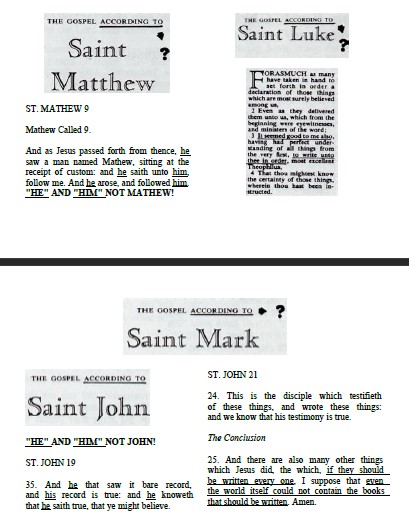
د so-called نوي عهد په اړه څه وایاست؟ ۱ ۱ ولې هر انجیل د مقدمې سره پیل کیږي — ACCORDING TO ... ACCORDING TO ... (لاندې وګورئ)؟ ولې "according to"؟ ځکه چې د شتون لرونکو څلورو زرو وروستیو نسخو څخه هیڅ یوه هم د خپل لیکوال خپلې لاسلیک نلري! له همدې امله دا فرض "according to" دی! حتی داخلي شواهد ثابتوي چې متی د لومړي انجیل لیکوال نه و چې د هغه نوم پرې لیکل شوی دی.
What about the so-called New Testament? 1 1 Why does every Gospel begin with the introduction — ACCORDING TO ... ACCORDING TO ... (See below). Why "according to?" Because not a single one of the vaunted four thousand copies extant carries its author's autograph! Hence the supposition "according to!" Even the internal evidence proves that Matthew was not the author of the first Gospel which bears his name.
هغه وخت چې عیسی هلته تیریده، هغه یو سړی ولید چې متی نومېده، او د مالیې په میز کې ناست و. هغه (عیسی) ورته وویل: زما شاته راشه! هغه (متی) پاڅید او هغه (عیسی) ته شاته ولاړ.
"And as Jesus passed forth thence, HE (JESUS) saw a man, named Matthew, sitting at the receipt of custom: and HE (JESUS) saith unto HIM (MATTHEW), follow ME (JESUS) And HE (MATTHEW) arose, and followed HIM (JESUS)." (Matthew 9:9)
1. وَصَفَ الأَمر بـ"المزعوم"، لأنّ "العهد الجديد" لا يسمّي نفسه بالعهد الجديد، ولا "العهد القديم" يسمّي نفسه بالعهد القديم. كما أنّ كلمة "الكتاب المقدّس" غير معروفة داخل صفحات الكتاب المقدّس نفسه. فالله لم يُعطِ كتبه عنواناً! ومن دون أيّ تكلّف في الخيال، يمكن للمرء أن يرى أنّ الضمائر "هو" و"له" في الرواية المذكورة لا تشير إلى يسوع أو متّى بوصفه مؤلّفه، بل إلى شخص ثالث يكتب ما رأى وسمع، أي رواية منقولة بالسماع. وإذا كنّا لا نستطيع حتى أن ننسب هذا "الكتاب المملوء بالأحلام" (كما يُوصَف الإنجيل الأول أيضاً) إلى التلميذ متّى، فكيف يمكن أن نقبله كلام الله؟
1. The "so-called," because nowhere does the "New Testament" calls itself the New Testament, and nowhere the Old Testament calls itself the Old Testament. And also the word "Bible" is unknown within the pages of the Bible. God forgot to give a title to "HIS" books! Without any stretch of the imagination, one can see that the "He's" and the "Him's" of the above narration do not refer to Jesus or Matthew as its author, but some third person writing what he saw and heard — a hearsay account. If we cannot even attribute this "book of dreams" (as the first Gospel is also described) to the disciple Matthew, how can we accept it as the Word of God?
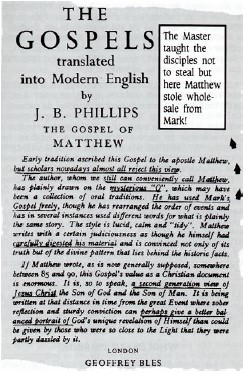
ہم اکیلے اس نتیجے تک نہیں پہنچے کہ متی نے "انجیلِ متی" نہیں لکھی اور یہ کسی گمنام شخص کا لکھا ہوا ہے۔ جے۔ بی۔ فلپس بھی ہماری تحقیق سے متفق ہیں۔ وہ کلیسائے انگلستان (Anglican Church) کے تنخواہ دار ملازم ہیں، چیچیسٹر کیتھیڈرل، انگلستان کے ایک پریبنڈری (prebendary) ہیں۔ ان کے پاس کلیسا کے سرکاری مؤقف کے نقصان میں جھوٹ بولنے یا خیانت کرنے کی کوئی وجہ نہیں ہو سکتی! ان کا "انجیلِ متی" پر لکھا ہوا تعارف (جو یہاں نیچے نقل کیا گیا ہے) دیکھیے۔ فلپس اس کی تصنیف کے بارے میں یہ کہتے ہیں۔
We are not alone in this discovery that Matthew did not write the "Gospel according to St. Matthew" and that it was written by some anonymous hand. J. B. Phillips concurs with us in our findings. He is the paid servant of the Anglican Church, a prebendary of the Chichester Cathedral, England. He would have no reason to lie or betray to the detriment of the official view of his Church! Refer to his introduction to the "Gospel of St. Matthew" (reproduced here below). Phillips has this to say about its authorship.
ابتدايي دود دا انجيل انجیل متی ته منسوب کړی و، خو نن ورځ تقریباً ټول عالمان دا نظر ردوي. یعنې سینټ میتیو دا انجیل نه دی لیکلی چې د هغه په نوم دی. دا د هغو مسیحي عالمانو موندنه ده چې ډېر لوړ مقام لري، نه د هندوانو، مسلمانانو او یهودو، چې ممکن ورباندې د تعصب تور ولګول شي. راځئ انګلیکن ملګری ته اجازه ورکړو چې خپل خبرې دوام ورکړي: "هغه لیکوال، چې موږ لاهم په اسانۍ سره متی ورته ویلای شو". "په اسانۍ سره" ځکه، که نه نو هر ځل چې موږ د "متی" ذکر کوو، باید ووایو "د نوي عهد لومړی کتاب"، فلان باب، فلان آیت. او بیا بیا "لومړی کتاب..." وغیره. نو د J. B. Phillips په وینا، دا آسانه ده چې کتاب ته یو نوم ورکړو. نو ولې "متی" ونه وایو؟ فرض کړئ دا هم د نورو نومونو په څېر یو ښه نوم دی! فلپس دوام ورکوي: "لیکوال په ښکاره ډول له هغه پراسرار "Q" څخه ګټه اخیستې چې شاید د شفاهي دودونو یوه ټولګه وه." دا پراسرار "Q" څه شی دی؟ "Q" د جرمني ټکي "quella" لنډون دی چې معنا یې "سرچینې" ده. فرض کیږي چې یو بل سند شتون درلود، یوه ګډه سرچینه، چې نن موږ ته متی، مرقس او لوقا دواړو ته لاسرسی درلود. دا درې ټول لیکوال، هرڅوک چې وو، د شتون لرونکي موادو ته په یوه سترګه ګوته نیولې وه. دوی داسې لیکل لکه له "یوې" سترګې څخه چې ګوري. او ځکه چې دوی په یو شان ډول ګوري، لومړني درې "انجیلونه" د همغږو انجیلونو (Synoptic Gospels) په نوم یادېږي.
"EARLY TRADITION ASCRIBED THIS GOSPEL TO THE APOSTLE MATTHEW, BUT SCHOLARS NOWADAYS ALMOST ALL REJECT THIS VIEW." In other words, St. Matthew did not write the Gospel which bears his name. This is the finding of Christian scholars of the highest eminence — not of Hindus, Muslims and Jews who may be accused of bias. Let our Anglican friend continue: "THE AUTHOR, WHOM WE STILL CAN CONVENIENTLY CALL MATTHEW" "Conveniently" because otherwise everytime we made a reference to "Matthew" we would have to say — "THE FIRST BOOK OF THE NEW TESTAMENT" Chapter so and so, verse so and so. And again and again "The first book . . ." etc. Therefore, according to J. B. Phillips it is convenient that we give the book some name. So why not "Matthew?" Suppose its as good a name as any other! Phillips continues: "THE AUTHOR HAS PLAINLY DRAWN ON THE MYSTERIOUS 'Q' WHICH MAY HAVE BEEN A COLLECTION OF ORAL TRADITIONS." What is this "mysterious 'Q'?" "Q" is short for the German word "quella" which means "sources." There is supposed to be another document — a common source — to which our present Matthew, Mark and Luke had access. All these three authors, whoever they were, had a common eye on the material at hand. They were writing as if looking through "one" eye. And because they saw eye to eye, the first three "Gospels" came to be known as the Synoptic Gospels.
د ډلهییز غلا کول (Wholesale Cribbing)
Wholesale Cribbing
لیکن د "الهام" دې خبرې ته څه ووایو؟ انګلیکن پریبینډري په ځای ټکی ټاکلی دی. هغه د ټولو څخه زیات حق لري چې داسې وایي. د کلیسا معاش خوړونکی خادم، ارتودوکس انجیلي عیسوي، د انجیل یو معتبر عالم، چې د "اصلي" یونانی نسخو تر لاسه کولو اسانتیا لري، نو هغه ته اجازه ورکړئ چې موږ ته دا څرګنده کړي: "هغه (متی) د مرقس انجیل ازادانه کارولی دی" چې د ښوونکي په ژبه کې دا معنا لري: "د مرقس څخه په ټوله کې نقل کوي!" خو عیسویان دا ټوله غلا "د خدای کلام" بولي؟
But what about that "inspiration" business? The Anglican prebendary has hit the nail on the head. He is, more than anyone else, entitled to do so. A paid servant of the Church, an orthodox evangelical Christian, a Bible scholar of repute, having direct access to the "original" Greek manuscripts, let HIM spell it out for us. (Notice how gently he lets the cat out of the bag): "HE (Matthew) HAS USED MARK'S GOSPEL FREELY" which in the language of the school-teacher — "has been copying WHOLESALE from Mark!" Yet the Christians call this wholesale plagiarism the Word of God?
کیا یہ سوچنے کی بات نہیں کہ ایک چشم دید اور گوش دید گواہ، جیسا کہ شاگرد متی کو ہونا چاہیے تھا، یسوع کی خدمت کا، بجائے اس کے کہ وہ اپنے "رب" کی خدمت کے بارے میں اپنے ذاتی مشاہدات لکھتا، ایک نوجوان (مرقس) کی تحریروں سے چوری کرنے چلا جاتا، جو اُس وقت دس سال کا لڑکا تھا جب یسوع نے اُس کی قوم کو ملامت کی؟ ایک چشم دید اور گوش دید گواہ ایک ایسے شخص کی نقل کیوں کرتا جو خود سنی سنائی باتوں سے لکھ رہا تھا؟ شاگرد متی ایسی بیوقوفانہ حرکت ہرگز نہ کرتا۔ دراصل ایک گمنام دستاویز متی کے معزز نام پر تھوپ دی گئی ہے۔
Does it not make you wonder that an eye-witness and an ear-witness to the ministry of Jesus, which the disciple Matthew was supposed to be, instead of writing his own first hand impressions of the ministry of "his Lord" would go and steal from the writings of a youth (Mark), who was a ten year old lad when Jesus upbraided his nation? Why would an eye-witness and ear-witness copy from a fellow who himself was writing from hearsay? The disciple Matthew would not do any such silly thing. For an anonymous document has been imposed on the fair name of Matthew.
سرقتِ ادبی یا ادبی اغوا
Plagiarism Or Literary Kidnapping
پلاګیاریزم یعنی ادبي غلا. کله چې څوک د بل چا له لیکنې څخه کلمه په کلمه (لفظ په لفظ) کاپي کوي او دا د خپلې لیکنې په توګه وړاندې کوي، دې ته پلاګیاریزم وایي. دا خصوصیت د کتاب مقدس د کتابونو د نږدې ۴۰ ناڅرګندو لیکوالانو تر منځ عام دی. عیسویان د ۶۶ پروټسټنټ رسالو او ۷۳ رومن کاتولیک رسالو لیکوالانو تر منځ د یوې ګډې رشتې په اړه فخر کوي چې "مقدس بائبل" په نوم یادیږي. یو ګډ رشته خو شتون لري، ځکه متی او لوقا، یا هر څوک چې دي، له مرقس څخه ۸۵٪ کلمه په کلمه غلا کړې ده! خدای قادر د سینوپټیک (یو سترګی) انجیل لیکوالانو ته یو شان الفاظ نه دي وحی کړي. عیسویان پخپله دا مني، ځکه دوی د لفظي وحي عقیده نه لري، لکه څنګه چې مسلمانان د مقدس قرآن کریم په اړه لري.
Plagiarism means literary theft. Someone copies ad verbatim (word for word) from another's writing and palms it off as his own, is known as plagiarism. This is a common trait amongst the 40 or so anonymous authors of the books of the Bible. The Christians boast about a supposedly common cord amongst the writers of the 66 Protestant booklets and the writers of the 73 Roman Catholic booklets called the "Holy Bible." Some common cord there is, for Matthew and Luke, or whoever they were, had plagiarised 85% word for word from Mark! God Almighty did not dictate the same wordings to the synoptists (one-eyed). The Christians themselves admit this, because they do not believe in a verbal inspiration, as the Muslims do about the Holy Qur’ân. 1 1
دا چې د متی او لوقا د انجیلونو ۸۵ سلنه سرقه کېږي، د هغه ادبي تښتونې په پرتله هېڅ ده چې د تورات د لیکوالانو سره شوې، چېرې چې د داسې کتاب په نوم چې ګواکې د خدای کتاب دی، سل سلنه غلا پېښېږي. د مسیحي عالمانو لکه بشپ کینیت کریګ په څېر کسان چې په پوهه کې لوړ مقام لري، دا غلا په نرمۍ سره "بیا تولید" بولي او پرې ویاړ کوي۔
This 85% plagiarism of Matthew and Luke pales into insignificance compared to the literary kidnapping of the authors of the Old Testament where a hundred percent stealing occurs in the so-called Book of God. Christian scholars of the calibre of Bishop Kenneth Cragg euphemistically calls this stealing, "reproduction"2 and take pride in it.
1. وګورئ "AL-QURAN — The Miracles of Miracles" (ډیر ژر راځي)
1. See "AL-QURAN — The Miracles of Miracles" (coming soon)
2. د بشپړ نقل لپاره د لومړۍ څپرکي پیل وګورئ.
2. See beginning of chapter one for the full quotation.
بگڑے معیارات
Perverted Standards
ډاکټر سکراګي (چې مخکې یادونه شوې) په خپل کتاب کې ډیر په شوق سره د ډاکټر جوزف پارکر یوه ستاینه نقل کوي، هغه د بائبل د ځانګړې ستاینې لپاره.1
Dr. Scroggie (referred to earlier on) most enthusiastically quotes in his book Scroggie (referred to earlier on) most enthusiastically quotes in his book1 a Dr. Joseph Parker for his unique eulogy of the Bible:
"کتاب مقدس د تنوع د مضمونونو له پلوه څومره عجیب کتاب دی! . . . ډیری مخونه د ناڅرګندو نومونو په ترڅ کې نیول شوي دي، او د نسب نامې ته د قیامت د ورځې په پرتله ډیر وخت ورکول شوی دی. کیسې نیمګړې بیانیږي، او شپه راځي مخکې له دې چې موږ ووایو چې بریالیتوب چیرته و. د نړۍ په مذهبي ادب کې څه داسې شی شتون لري چې دې ته ورته وي؟" یقیناً د الفاظو او جملو یو ښکلی لړی دی! دا د هیڅ څه په اړه ډیر هیاهو دی، او د خدای قادر مطلق په وړاندې د داسې یو شرمناک ګډوډ مجموعه د اجازه ورکولو له امله ښکاره کفر دی. تر دې سره، عیسویان د خپل کتاب په همدې نیمګړتیاوو ځانونه خوښوي، لکه روميو د جولیټ د شونډې په "مول" (تل) خوښ کیږي! 1. "آیا کتاب مقدس د خدای کلام دی؟" د موډي پریس لخوا. د موډي پریس لخوا.
"WHAT A BOOK IS THE BIBLE IN THE MATTER OF VARIETY OF CONTENTS! . . . WHOLE PAGES ARE TAKEN UP WITH OBSCURE NAMES, AND MORE IS TOLD OF A GENEALOGY THAN OF THE DAY OF JUDGMENT. STORIES ARE HALF TOLD, AND THE NIGHT FALLS BEFORE WE CAN TELL WHERE VICTORY LAY. WHERE IS THERE ANYTHING" (in the Religious Literature of the world) "TO CORRESPOND WITH THIS?" A beautiful necklace of words and phrases undoubtedly! It is much ado about nothing, and rank blasphemy against God Almighty for authorising such an embarrassing hotch potch. Yet the Christians gloat over the very defects of their book, like Romeo over the "mole" on Juliet's lip! 1. "Is the Bible the Word of God?" by the Moody Press. by the Moody Press.
Please send the English text you would like translated into Pashto. I will translate it faithfully, following the rules you've set.
Nothing Less Than 100%
د انجیل د "الهامي" لیکوالانو د سرقې د کچې د ښودلو لپاره، ما د کیپ ټاون پوهنتون کې د پروفیسر کمپسټي (د دیني پوهنې د څانګې مشر) سره زما ترمنځ ترسره شوې سمپوزیم کې، چې موضوع یې "ایا انجیل د خدای کلام دی؟" وه، خپل اوریدونکو ته وویل چې خپل انجیلونه پرانیزي.
To demonstrate the degree of plagiarism practised by the "inspired" Bible writers, I asked my audience during a symposium at the University of Cape Town conducted between myself and Professor Cumpsty the Head of the Department of Theology on the subject "Is the Bible God's Word?" to open their Bibles.
بعضې عیسایان ډېر خوښوي چې د مذهبي بحثونو یا مناظرو په وخت کې خپله انجیل د واړو لاندې ږدي. داسې بریښي لکه دا کتاب پرته له دې یې بالکل بې وسه وي. زما د وړاندیز پر بنسټ د حاضرینو یوې ډلې د کتاب پاڼې ګړولې. ما وغوښتل چې د "یسعیاه کتاب" کې څلورویشتم څپرکی (۳۷) خلاص کړي. کله چې حاضرین چمتو شول، ما وغوښتل چې زه لوستل کوم او دوی زما "یسعیاه ۳۷" د خپل "یسعیاه ۳۷" سره پرتله کړي، ترڅو وګوري چې ایا دا دواړه یو شان دي. ما ډېر ورو پیل وکړ. آیتونه ۱، ۲، ۴، ۱۰، ۱۵ او داسې نور، تر څپرکي پای پورې. ما د هر آیت وروسته پوښتنه کوله چې ایا هغه څه چې ما لوستي دي، د انجیلو له آیتونو سره یو شان دي. ځل په ځل دوی په ګډه ځواب ورکاوه: "هو!"، "هو!". د څپرکي په پای کې، پداسې حال کې چې انجیل لا هم زما په لاسونو کې و او په هغه ځای خلاص و چیرې چې ما لوستل، ما رئیس ته وویل چې حاضرینو ته ښکاره کړي چې ما اصلا یسعیاه ۳۷ نه، بلکې ۲ پاچهانو ۱۹ لوستی و! حاضرینو کې سخته ویره او حیرانتیا خپره شوه! بدې ترتیب سره ما په "مقدس انجیل" کې ۱۰۰ سلنه سرقه ثابته کړه. (لاندې وګورئ)
Some Christians are very fond of carrying their Bibles under their arms when religious discussions or debates take place. They seem to be utterly helpless without this book. At my suggestion a number of the audience began ruffling the pages. I asked them to open chapter 37 in the "Book of Isaiah." When the audience was ready, I asked them to compare my "Isaiah 37" with their "Isaiah 37" while I read, to see whether they were identical. I began, readingly slowly. Verses 1, 2, 4,10, 15, and so on, until the end of the chapter. I kept on asking after every verse if what I had been reading, was identical with the verses in their Bibles. Again and again they chorused — "Yeh!", "Yeh!". At the end of the chapter with the Bible still open in my hands at the place from which I had been reading, I made the Chairman to reveal to the audience that I was not reading from Isaiah 37 at all but from 2 KINGS 19! There was a terrible consternation in the audience! I had thus established 100% plagiarism in the "Holy Bible." (See below)
یعنی، یسعیاہ ۳۷ او ۲ پاچاهانو ۱۹ په کلمه کلمه سره یو شان دي. بیا هم دا دواړه د دوو مختلفو لیکوالو ته منسوب شوي، چې ترمنځ یې څو پېړۍ فاصله ده، او عیسویان ادعا کوي چې دواړه له خدای څخه الهام شوي دي.
In other words, Isaiah 37 and 2 Kings 19 are identical word for word. Yet they have been attributed to two different authors, centuries apart, whom the Christians claim have been inspired by God.
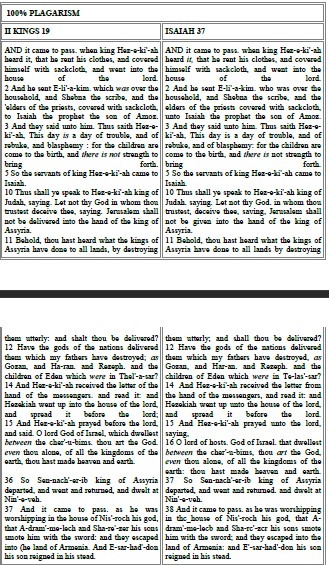
دا آیتونه د مجاز ترجمې څخه اخیستل شوي دي، مګر دا مطلب په هره ترجمه کې همداسې دی.
These verses are culled from the Authorised Version, but you will find the same in every Version.
بېلفظه الهام
No Verbal Inspiration
(د عیسوی مذہب د مقدس کتاب کتابونو او د هغوی د لیکوالو د بشپړ لیست لپاره د "کولنز" R.S.V. تفسیر (یادونې سره) وګورئ۔) عیسوي عالمان د "د یسعیاه کتاب" په اړه څه وايي؟ دوی وايي: "ډېره برخه یسعیاه ته منسوبه ده۔ ځينې برخې ممکن د نورو لخوا لیکل شوې وي۔" د انجيل د عالمانو د دې اعترافونو په پام کې نيولو سره، موږ غریب یسعیاه ته ملامته نه کوو۔ نو آیا دا سرقه خدای ته منسوبه کړو؟ څومره بې ادبي ده! پروفېسر کمپټسي د مذکوره سمپوزیم د پای په پوښتنو کې څرګنده کړه چې "عیسويان د انجيل په لفظي الهام باور نه لري۔" نو ځکه خدای تعالی په هېره سره یوه کیسه دوهځلې نه ده ویلې! بشري لاسونه، ډېر بشري، د دې نوم نهاد "د خدای کلام" یعنې انجيل سره لوبې کړې دي۔ خو انجيل پوهان به ټینګار وکړي چې "د انجيل هر لفظ، هر ټکی او هر ټکې کېښودل شوی د خدای کلام دی!"
(For a complete list of all the books of the Bible and their authors, avail yourself of the "Collins'" R.S.V. 'with' its annotations). What have Christian scholars to say about the "Book of Isaiah?" They say: "MAINLY CREDITED TO ISAIAH. PARTS MAY HAVE BEEN WRITTEN BY OTHERS" In view of the confessions of Bible scholars, we will not take poor Isaiah to task. Can we then nail this plagiarism on the door of God? What blasphemy! Professor Cumptsy confirmed at question time, at the end of the aforementioned symposium that the "Christians do not believe in a verbal inspiration of the Bible" So God Almighty had not absent-mindedly dictated the same tale twice! Human hands, all too human, had played havoc with this so-called Word of God — the Bible. Yet, Bible-thumpers will insist that "every word, comma and full stop of the Bible is God's Word!"