ولادیمیر پوتین په ۱۹۹۹ کال کې د بوریس یلتسین ځای ناستی شو، هغه یو ملیپال شخص و چې د روسیې د حالت د بدلون لپاره یې هڅه کوله۔ پوتین د کلیدي سکټورونو، شتمنیو، خدماتو او صنعتونو د بیا ملي کولو پروسه پیل کړه، د داسې پالیسیو له لارې چې د هیواد د لاري د بدلولو هدف یې درلود۔ هغه د اولیګارشانو سره معامله وکړه، هغو کسانو سره چې په حقیقت کې هیواد لوټ کاوه، د دې لپاره چې هغوی د هیواد څخه د وتلو پیسې محدودې کړي؛ ځینو ته اجازه ورکړل شوه چې له هیواده ووځي، پداسې حال کې چې نورو سره په سختۍ سره چلند وشو۔ هغه د اقتصادي پالیسیو له لارې داخلي وضعیت ثبات ته ورساوه، هغه پالیسۍ چې یوازې د دیکتاتورۍ لاندې ممکنې وې - هر پارلمان یا سنا به د داسې لویو پریکړو په وړاندې ودرېږي او خپلو شخصي ګټو ته به یې اجازه ورکړې چې مخ ته لاره ونه مومي۔
Vladimir Putin succeeded Boris Yeltsin in 1999, a nationalist who endeavoured to change the fortunes of Russia. Putin began the process of re-nationalizing key sectors, assets, utilities and industries through policies intended to change the course of the nation. He dealt with the oligarchs who were essentially looting the nation, by restricting the amount of money they took out of the nation; some were allowed to leave the country whilst others were dealt with ruthlessly. He stabilised the domestic situation through economic policies which were only possible under a dictatorship - any parliament or senate would have stalled on such huge decisions and would have allowed their own interests to get in the way.
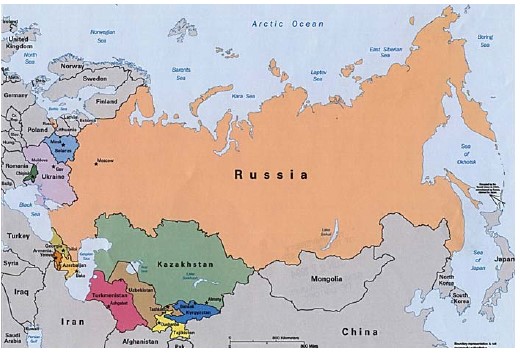
په ۲۰۰۰ کال کې له هغه وخت راهیسې چې ولادیمیر پوتین د روسیې ولسمشر شو، هغه د هیواد باندې خپل کنټرول پیاوړی کړ او د متحده ایالاتو هغه هڅې یې بې اغیزې کړې چې روسیه یې کمزورې کول غوښتل. نن ورځ روسیه پرته لدې چې د لویدیځ د لیبرال ډیموکراسۍ بیلگه تعقیب کړي، په چټکۍ سره وده کوي. روسیه په تقریباً هر ګام کې د لویدیځ او په ځانګړې توګه د متحده ایالاتو سره په ښکاره توګه سیالي کوي، که دا د قطب شمال د یخ لاندې سمندر په کف کې د بیرغ ایښودو په واسطه وي، که د ډیر لوی هوایي ډزو بم ازمویندو په واسطه وي، او که په ختیځ اروپا کې د امریکايي د وړاندوینې دفاعي سیسټمونو د ځای په اړه شخړه وي، چې روسیه یې تر اوسه لپاره په بریالیتوب سره مخه نیولې ده. روسیه د نړۍ د یوې لوی ځواک په توګه د خپل بیا جوړښت پیل کړی، د خپل «نږدې بهرني سیمې» باندې ادعا کوي، یعنې دا چې روسیه په خپلو پخوانیو جمهوریتونو باندې د حق لري.
Since Vladimir Putin become Russian President he has managed to gain a grip on the nation and counter US attempts to weaken Russia. Today Russia is rapidly developing without following the example of Western liberal democracy. Russia has opted to openly challenge the West as well as the US at practically every turn, whether by planting a flag on the seabed beneath the Arctic icecap, testing the massive ordnance air blast bomb or disputing the sitting of US early-warning defence systems in Eastern Europe, which it has managed to successfully halt for the moment. Russia has begun re-inventing itself as a world power by laying its claim to it’s near abroad – this is Russia’s right over its former republics.
په اګست ۲۰۰۸ کال کې د روسیې ولسمشر دمیتری میدویدیف د اوسیتیا جنوبي او ابخازیا د خپلواک دولتونو په توګه د پیژندنې څخه وروسته، د چینلونو وان، روسیه، او NTV ته په ورکړل شوې مرکه کې خپلې بهرنۍ پالیسۍ ته لارښوونه کوونکي پنځه اصول بیان کړل: «…..څلورم، زموږ د هیواد لپاره زموږ د هیوادوالو د ژوند او عزت ساتنه، هر ځای چې دي وي، یوه ناشونې لومړیتوب دی. زموږ د بهرنیو پالیسیو پریکړې به د دغې اړتیا پر بنسټ وي. موږ به په بهر کې زموږ د سوداګریزو ټولنو ګټې هم وساتو. دا باید ټولو ته ښکاره وي چې موږ به زموږ پر وړاندې د هرې تیرښتې عمل ته ځواب ووایو. په پای کې، پنځم، لکه د نورو هیوادونو په شان، ځینې سیمې شته چې موږ ورته ځانګړی پام کوو، ځینې سیمې شته چې په هغو کې روسیه ځانګړي ګټې لري. دا سیمې هغه هیوادونه لري چې له موږ سره ځانګړې تاریخي اړیکې لري او د ملګرو او ښو ګاونډیانو په توګه سره تړلي دي. موږ به په دغو سیمو کې زموږ کار ته ځانګړی پام وکړو او د دغو نږدې ګاونډیو هیوادونو سره دوستانه اړیکې جوړې کړو. دا هغه اصول دي چې زه به د خپلې بهرنۍ پالیسۍ په تطبیق کې ورپسې کیږم.» روسیې په تیرو لسو کلونو کې د خپلو معدني سرچینو او خدمتونو اداره بیرته په لاس راوړې ده او هغه ډیر الیګارشان چې د شوروي اتحاد له ړنګیدو ګټه پورته کړې وه، له هیواده یې وشړل. د نړۍ د تر ټولو لوی انرژۍ زیرمو څخه برخمن دا هیواد اوس یو عصري پوځ جوړوي او په هغو سیمو کې د امریکا سره مستقیمه سیالي کوي چیرې چې امریکا نږدې یوه لسیزه بلامنازعه واکمني درلوده.
In August 2008 Russia’s President Dmitry Medvedev outlined five principles guiding his foreign policy in the wake of the recognition of South Ossetia and Abkhazia as independent states in an Interview given to Television Channels Channel One, Rossia, NTV: “…..Fourth, protecting the lives and dignity of our citizens, wherever they may be, is an unquestionable priority for our country. Our foreign policy decisions will be based on this need. We will also protect the interests of our business community abroad. It should be clear to all that we will respond to any aggressive acts committed against us. Finally, fifth, as is the case of other countries, there are certain regions we pay particular attention to, there are regions in which Russia has privileged interests. These regions are home to countries with which we share special historical relations and are bound together as friends and good neighbours. We will pay particular attention to our work in these regions and build friendly ties with these countries, our close neighbours. These are the principles I will follow in carrying out our foreign policy.” Russia in the last decade has managed to gain control over its mineral resources and utilities and banished many oligarchs who benefited from the break-up of the Soviet Union. With some of the worlds largest energy reserves it is now developing a state of the art military and competing directly with the US in regions where the US for nearly a decade had uncontested hegemony.
روسیه د خپلواک لاره تعقیبوي. دغه پالیسیو کې دا هم شامل دی چې روسیه حماس او حزب الله کې د تروریستي سازمانونو په توګه نه ګوري، سره له دې چې امریکا ډیری قرارونه پر خلاف صادر کړي دي. روسیه د هند سره د یو پټ جنګي الوتکې (سټیلتھ فایټر) د جوړولو تړون لاسلیک کړی دی، او همدارنګه مختلف نظامي تړونونه لري. د منځني ختیځ سفرونه یې دا ښیي چې روسیه د امریکا ټکی بدیل سوپر طاقت په توګه ځانونه وړاندې کوي، او دا موقف د عربي لیګ او د اسلامي همکارۍ سازمان (OIC) کې د ناظر حیثیت له امله نور هم پیاوړی کیږي. روسیه د ایران کارت او د S-300 میزایل سیسټمونو د پلورلو کارت کاروي ترڅو د ایران پر وړاندې د ملګرو ملتونو د بندیزونو د امریکا پلانونو مخه ونیسي. روسیه په راتلونکو ۵ کلونو کې د خپل نظامي ځواک د عصري کولو لپاره له ۲۰۰ میلیارد ډالرو ډیر لګښت پلانوي. دا پلان نوي اټومي سب میرینونه، الوتکې بېړۍ، د TU-160 سپرسونیک ستراتیژیک بمبارونو یوه ډله، او د پنځم نسل د جنګي الوتکې جوړول شامل دي. دغه تولید روسیه د وسلو په صنعت کې غالبه کوي؛ روسیه د چین، ایران او ونزویلا لپاره د وسلو ترټولو لوی عرضه کوونکې ده، او منځني ختیځ ته هم د ځان نږدې کولو هڅه کوي.
Russia continues to follow an independent route, such policies include Russia’s continued position that it does not view Hamas and Hezbollah as terrorist organisations despite numerous US resolutions to the contrary. Russia has signed a deal with India to develop a stealth fighter as well as various military pacts. Its Middle East tours, position it as an alternative superpower to the US which is supplemented with its observer status in Arab league and OIC. Russia continues to use its Iran card and the sale of the S-300 missile systems card to frustrate US plans on UN sanctions against Iran. Russia plans to spend over $200 billion in the next 5 years to modernise its military. This includes new nuclear submarines, aircraft carriers, a fleet of TU-160 supersonic strategic bombers and the development of a fifth generation fighter jet. Such production is also leading to Russia cornering the arms industry; Russia is the largest supplier of arms to China, Iran, and Venezuela and is courting the Middle East.