Utangulizi na dibaji
Introduction and foreword
Mabadiliko yanayokusudiwa hapa ni kubadilisha hali iliyopo sasa katika nchi za Kiislamu kuhusu mifumo ya kisekula, mawazo na ladha potofu za Magharibi, pamoja na watawala wasioamini au walio mafasiki ambao ni mawakala wa ukoloni wa Kimagharibi usioamini.
The change that is intended here is the changing of the current prevailing situation that exists within the lands of Islaam in respect to the secular systems, the corrupt western thoughts and tastes, in addition to the disbelieving or Faasiq rulers who are agents to the disbelieving western colonialism.
Mabadiliko yanayokusudiwa ni yale yanayoiokoa Umma ya Kiislamu kutoka katika hali ya mgawanyiko na udhalilifu ambao umelazimishwa juu yake na mataifa ya kikoloni yasiyoamini. Pia maana yake ni kubadilika na kuokolewa kutoka katika hali ya kupotea, kuzurura bila lengo, na kutegemea kwa utumwa mataifa yale yenye tamaa za kupora juu ya Waislamu.
The change that is intended is that which saves the Islamic Ummah from the condition of fragmentation and humiliation that has been enforced upon her by the disbelieving colonialist States. It also means changing and being saved from the condition of being lost, wandering aimlessly and from slavish dependence upon those States that have greedy ambitions over the Muslims.
Mabadiliko yanayokusudiwa ni yale yanayorejesha hazina na maliasili za Waislamu kwa Waislamu, badala ya kuporwa na wakoloni makafiri wanaofurahia manufaa ya hazina hizi huku wakiwaacha Waislamu katika umaskini mkubwa uliopitiliza, wakiteseka chini ya mabilioni ya dola za mikopo waliyochukua kutoka kwa Mataifa haya ya kitamaa.
The change that is intended is that which restores the treasures and natural resources of the Muslims back to the Muslims instead of being plundered by the disbelieving colonialists who enjoy the benefits of these treasures whilst leaving the Muslims in wretched extreme poverty languishing in billions of dollars of loans taken from these greedy States.
Mabadiliko (taghyeer) yanayokusudiwa ni yale ambayo Ummah ya Kiislamu inafufuka kwa msingi wa Uislamu, na ambayo kila fikra isiyo ya Kiislamu inakataliwa na kutupiliwa mbali. Ni mabadiliko yatakayoondoa mifumo ya Kufr, na yatakayoanzisha Khilafah itakayotawala kwa yale aliyoyateremsha Allah (swt). Ni mabadiliko yatakayoiunganisha na kuiweka pamoja Ummah ya Kiislamu na ardhi za Uislamu chini ya uongozi wa Khalifah mmoja, chini ya bendera ya ‘Laa Ilaaha Illallah Muhammadur Rasoolullah’, na yatakayoupeleka ujumbe wa Uislamu duniani kote.
The Taghyeer (change) that is intended is that in which the Islamic Ummah revives upon the basis of Islaam and in which every nonIslamic thought is rejected and thrown aside. It is the change that will remove the systems of Kufr and which will establish the Khilafah which will rule by that which Allah (swt) has revealed. It is the change that will unite and unify the Islamic Ummah and the lands of Islaam under the leadership of a single Khalifah under the banner of ‘Laa Ilaaha Illallah Muhammadur Rasoolullah’ and which will carry the message of Islaam to the world.
Mada ya kwanza kutoka katika karatasi hii: ‘Aqeedah: Msingi wa Mabadiliko’ inaeleza umuhimu wa dhana na imani katika mchakato wa kuleta mabadiliko. Hili ni katika hali ambapo kubadilisha jamii kutoka hali moja hadi hali nyingine kunaweza kuwa jambo gumu zaidi kuliko kuhamisha mlima kutoka mahali pamoja hadi mahali pengine.
The first subject from this paper: ‘The Aqeeedah: The basis of change’ explains the importance of the concepts and convictions in the process of bringing change. This is in the case where the changing of societies from one condition to another condition can be more difficult than moving a mountain from one place to another.
Kwa sababu hii, hakuna mtu awezaye kubeba kazi hii isipokuwa yule aliye na imani kamili ndani yake. Ni lazima atege tegemeo lake kwenye Aqeedah ya Kiislamu na yale yanayotokana nayo katika Ahkaam, na yale yanayojengwa juu yake katika mawazo, kiasi cha kuwa tayari kujitolea nafsi yake na mali yake kwa ajili ya Allah (SWT).
For this reason nobody is capable of undertaking this work apart from the one who possesses the absolute conviction in it. He must depend upon the Islamic Aqeedah and what emanates from it in terms of Ahkaam and what is built upon it in terms of thoughts to the extent where he is ready to sacrifice himself and his wealth for Allah (swt).
Mada ya pili: 'Njia ya mabadiliko na uamsho' inaonyesha wazi umuhimu wa kuelewa hakika halisi za mambo na kuzishikilia kwa nguvu kubwa. Hii ni kwa sababu mtu asiyeweza kutofautisha kati ya hakika halisi na ukweli kutoka kwa yale ambayo ni udanganyifu na hila hatafanikiwa katika jaribio lolote la kuleta mabadiliko.
The second subject: ‘The path of change and revival’ makes evident the importance of understanding the true realities and grasping hold of them with an iron fist. This is because the person who is unable to distinguish between the true realities and facts from those which are illusionary and deceptions will not be successful in any attempt to bring change.
Somo la tatu: ‘Ukweli halisi na uongo’ ni muendelezo wa somo la pili, kwa kuvuta makini kwenye baadhi ya masuala ya msingi (kweli) ambayo mataifa ya kikoloni yasiyoamini yameyaelekeza kuwapotosha na kuwadanganya Waislamu, na kuwaweka mbali nayo. Hii ni kwa sababu masuala hayo yana athari kubwa na mchango mkubwa katika mchakato wa kuleta mabadiliko na kuirejesha Ummah ili iwe ‘Ummah Bora iliyotolewa kwa ajili ya wanadamu’.
The third subject: ‘True realities and falsehoods’ is a continuation of the second subject by drawing the attention to some of the fundamental issues (truths) which the disbelieving colonialist states have focused upon to mislead and deceive the Muslims and to distance the Muslims from them. This is because they have a great impact and affect upon the process of bringing change and returning the Ummah so that it is the ‘Best Ummah raised up for Mankind’.
Miongoni mwa masuala haya au Haqaa'iq (ukweli) ni yafuatayo:
The following are included amongst these issues or Haqaa’iq (truths):
Wajibu wa kazi ya kisiasa, Umoja wa Umma wa Kiislamu na Uanzishwaji wa Dola ya Kiislamu.
‘The obligation of the political work’, ‘The unity of the Islamic Ummah’ and ‘The establishment of the Islamic State’.
Kuhusu somo la nne: ‘Talab An-Nusrah’ (Kutafuta nusra), somo hili linalenga kueleza njia ya kisheria ya vitendo ambayo bila shaka itapelekea uhamisho wa mamlaka kutoka mikononi mwa watawala vibaraka kwenda mikononi mwa kundi lililoshinda ambalo litaanzisha Dola ya Kiislamu (Khilafah). Somo hili ndilo muhimu zaidi kati ya masomo yote, na ni zito na sahihi zaidi.
As for the fourth subject: ‘Talab An-Nusrah’ (Seeking the support), then this is to explain the practical Shar’iah manner that would inevitably lead to the transference of the authority from the hands of the agent rulers to the hands of the victorious party that will establish the Islamic State (Khilafah). This subject is the most important of all of the subjects and it is the most serious and precise.
Tunatoa karatasi hii kwa Ummah ya Kiislamu popote pale, na hasa kwa wabebaji wa Da'wah ya Kiislamu wanaofanya kazi kusimamisha Dini ya Uislamu duniani. Ni kwa ajili ya wale waliofungwa jela, wale wanaofuatwa kwa sababu ya kubeba Da'wah, na wale wanaostahimili kwa subira juu ya Haqq bila mabadiliko wala upotoshaji. Inaelekezwa kwa kizazi kipya cha vijana wanaotamani heshima na utukufu wa Uislamu na Waislamu, na kwa familia, jamaa na marafiki, kwa wale wanaofanya kazi na wale wanaosubiri. Tunawapa haya nyote kutoka moyoni, tukitumaini kwamba yatapokelewa na nyoyo, akili na viungo.
We are giving out this paper to the Islamic Ummah in every place and particularly to the carriers of the Islamic Da’wah who are working to establish the Deen of Islaam upon the earth. It is for those who are imprisoned, those who are being chased due to their carrying of the Da’wah and those who are patiently persevering upon the Haqq without alteration or distortion. It is directed to the new young generation who yearn for the honour and glory of Islaam and the Muslims and to the families, relatives and friends, those who are working and those who are anticipating. We offer this to you all from the heart hoping that it will be received by the hearts, the minds and the limbs.
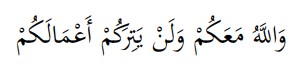
Na Mwenyezi Mungu yuko pamoja nanyi, wala hatawanyima thawabu za matendo yenu (Muhammad 35).
And Allah is with you and will never deprive you of [the reward of] your deeds (Muhammad 35).
Reference: Taghyeer (mabadiliko) - Mahmoud Abdul-Kareem Hasan