کتابی که «عهد جدید» نام گرفته است
The Book Christened "the New Testament"
"According to?"
Why "according To?"
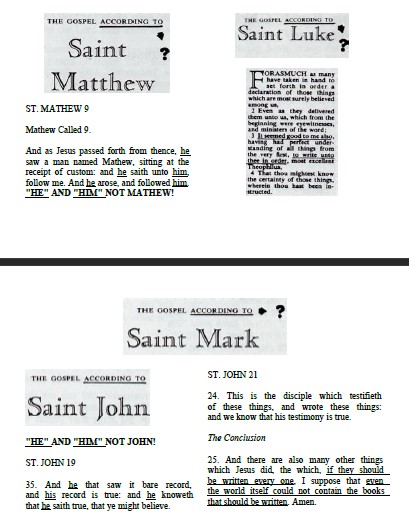
چرا انجیلِ به اصطلاح «عهد جدید»؟ ۱ ۱ چرا هر یک از انجیلها با عبارتِ معرّفیِ «بر اساسِ ...» (ACCORDING TO ...) آغاز میشود؟ (نگاه کنید به پایین). چرا «بر اساسِ»؟ زیرا حتّی یک نسخه از چهار هزار نسخهٔ موجودِ مورد ادّعا، امضای دستِ نویسندهٔ خود را ندارد! از این رو فرضِ «بر اساسِ» مطرح شده است! حتّی شواهدِ درونیِ متن ثابت میکند که متّی نویسندهٔ نخستین انجیلی که به نامِ اوست، نبوده است.
What about the so-called New Testament? 1 1 Why does every Gospel begin with the introduction — ACCORDING TO ... ACCORDING TO ... (See below). Why "according to?" Because not a single one of the vaunted four thousand copies extant carries its author's autograph! Hence the supposition "according to!" Even the internal evidence proves that Matthew was not the author of the first Gospel which bears his name.
و چون عیسی از آنجا میگذشت، مردی را دید که متی نام داشت و در باجگاه نشسته بود؛ و به او گفت: «از من پیروی کن.» و او برخاست و از او پیروی کرد.
"And as Jesus passed forth thence, HE (JESUS) saw a man, named Matthew, sitting at the receipt of custom: and HE (JESUS) saith unto HIM (MATTHEW), follow ME (JESUS) And HE (MATTHEW) arose, and followed HIM (JESUS)." (Matthew 9:9)
1. این «به اصطلاح» است، زیرا هیچ جای «عهد جدید» خود را عهد جدید نمینامد، و هیچ جای «عهد عتیق» خود را عهد عتیق نمیخواند. همچنین واژه «کتاب مقدس» در صفحات کتاب مقدس ناشناخته است. خدا برای «کتابهای» خود هیچ عنوانی تعیین نکرد! بدون هیچگونه تخیلپردازی میتوان دید که ضمیرهای «او» و «او را» در روایت بالا به عیسی یا متی به عنوان نویسنده آن اشاره ندارند، بلکه به شخص سومی برمیگردند که آنچه را دیده و شنیده نوشته است؛ یک روایت نقلشده از دیگران. اگر حتی نتوانیم این «کتاب رؤیاها» (همانگونه که انجیل نخست نیز توصیف شده است) را به شاگرد متی نسبت دهیم، چگونه میتوانیم آن را کلام خدا بپذیریم؟
1. The "so-called," because nowhere does the "New Testament" calls itself the New Testament, and nowhere the Old Testament calls itself the Old Testament. And also the word "Bible" is unknown within the pages of the Bible. God forgot to give a title to "HIS" books! Without any stretch of the imagination, one can see that the "He's" and the "Him's" of the above narration do not refer to Jesus or Matthew as its author, but some third person writing what he saw and heard — a hearsay account. If we cannot even attribute this "book of dreams" (as the first Gospel is also described) to the disciple Matthew, how can we accept it as the Word of God?
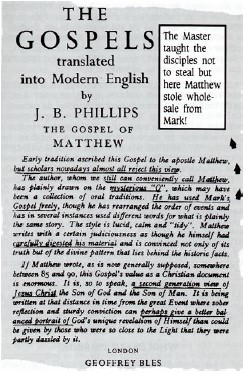
ما تنها کسانی نیستیم که به این یافته رسیدهایم که متی «انجیل متی» را ننوشته و این انجیل را دستی ناشناس نگاشته است. جی. بی. فیلیپس با یافتههای ما همعقیده است. او کشیش مزدبگیر کلیسای انگلیکن و پرِبندری (کشیشوار) کلیسای جامع چیچستر در انگلستان است. او هیچ انگیزهای برای دروغ گفتن یا خیانت به دیدگاه رسمی کلیسای خود ندارد! به مقدمهی او بر «انجیل متی» (که در ادامه بازتولید شده) رجوع کنید. فیلیپس دربارهٔ نویسندگی آن چنین میگوید.
We are not alone in this discovery that Matthew did not write the "Gospel according to St. Matthew" and that it was written by some anonymous hand. J. B. Phillips concurs with us in our findings. He is the paid servant of the Anglican Church, a prebendary of the Chichester Cathedral, England. He would have no reason to lie or betray to the detriment of the official view of his Church! Refer to his introduction to the "Gospel of St. Matthew" (reproduced here below). Phillips has this to say about its authorship.
"EARLY TRADITION ASCRIBED THIS GOSPEL TO THE APOSTLE MATTHEW, BUT SCHOLARS NOWADAYS ALMOST ALL REJECT THIS VIEW." یعنی حضرت متی این انجیل را ننوشته است که به نام او معروف است. این یافتهی برجستهترین دانشمندان مسیحی است، نه هندوها، مسلمانان و یهودیانی که ممکن است متهم به تعصب شوند. بگذارید دوست anglicanی ما ادامه دهد: "نویسندهای که هنوز هم بهراحتی میتوانیم او را متی بنامیم." "بهراحتی" از آن جهت است که در غیر این صورت هر بار که به "متی" اشاره میکردیم، باید میگفتیم "کتاب نخست عهد جدید"، فصل فلان و آیه فلان. و بارها و بارها "کتاب نخست..." و غیره. بنابراین، به گفتهی جی. بی. فیلیپس، راحت است که به این کتاب نامی بدهیم. پس چرا "متی" نباشد؟ فرض کنیم این نام هم به خوبی هر نام دیگری باشد! فیلیپس ادامه میدهد: "نویسنده آشکارا از 'Q' اسرارآمیز بهره گرفته است که شاید مجموعهای از سنتهای شفاهی بوده است." این "Q اسرارآمیز" چیست؟ "Q" کوتاهشدهی واژهی آلمانی "Quelle" به معنای "منابع" است. گفته میشود سندی دیگر، منبع مشترکی، وجود داشته که متی، مرقس و لوقای کنونی به آن دسترسی داشتهاند. هر سه این نویسندگان، هر که بوده باشند، به یک مجموعهی مطالب پیش رو نظر داشتهاند. گویی با "یک" چشم مینوشتهاند. و از آنجا که همنظر بودند، سه انجیل نخست به انجیلهای همنوا (Synoptic) معروف شدند.
"EARLY TRADITION ASCRIBED THIS GOSPEL TO THE APOSTLE MATTHEW, BUT SCHOLARS NOWADAYS ALMOST ALL REJECT THIS VIEW." In other words, St. Matthew did not write the Gospel which bears his name. This is the finding of Christian scholars of the highest eminence — not of Hindus, Muslims and Jews who may be accused of bias. Let our Anglican friend continue: "THE AUTHOR, WHOM WE STILL CAN CONVENIENTLY CALL MATTHEW" "Conveniently" because otherwise everytime we made a reference to "Matthew" we would have to say — "THE FIRST BOOK OF THE NEW TESTAMENT" Chapter so and so, verse so and so. And again and again "The first book . . ." etc. Therefore, according to J. B. Phillips it is convenient that we give the book some name. So why not "Matthew?" Suppose its as good a name as any other! Phillips continues: "THE AUTHOR HAS PLAINLY DRAWN ON THE MYSTERIOUS 'Q' WHICH MAY HAVE BEEN A COLLECTION OF ORAL TRADITIONS." What is this "mysterious 'Q'?" "Q" is short for the German word "quella" which means "sources." There is supposed to be another document — a common source — to which our present Matthew, Mark and Luke had access. All these three authors, whoever they were, had a common eye on the material at hand. They were writing as if looking through "one" eye. And because they saw eye to eye, the first three "Gospels" came to be known as the Synoptic Gospels.
کپیِ عمدهٔ جملات (Wholesale Cribbing)
Wholesale Cribbing
اما این ماجرای «الهام» چه میشود؟ کشیشِ انگلیکن به حقیقت پی برده است. او بیش از هر کس دیگری حق دارد که چنین بگوید. او خدمتگزار مزدبگیرِ کلیسا است، مسیحیِ انجیلیِ ارتدوکس، و عالمِ کتابمقدسِ معتبر که به نسخههای خطیِ یونانیِ «اصلی» دسترسی مستقیم دارد. بگذارید خودِ او برای ما توضیح دهد. (توجه کنید که چگونه با ملایمت راز را فاش میکند): «متی از انجیل مرقس بهآزادی استفاده کرده است»، که به زبان معلمِ مدرسه یعنی «از مرقس بهتمامی رونویسی کرده است!» با این حال مسیحیان این سرقتِ ادبیِ تمامعیار را کلامِ خدا مینامند؟
But what about that "inspiration" business? The Anglican prebendary has hit the nail on the head. He is, more than anyone else, entitled to do so. A paid servant of the Church, an orthodox evangelical Christian, a Bible scholar of repute, having direct access to the "original" Greek manuscripts, let HIM spell it out for us. (Notice how gently he lets the cat out of the bag): "HE (Matthew) HAS USED MARK'S GOSPEL FREELY" which in the language of the school-teacher — "has been copying WHOLESALE from Mark!" Yet the Christians call this wholesale plagiarism the Word of God?
آیا این تعجببرانگیز نیست که شاهد عینی و گوشدادهٔ خدمت عیسی، که قرار بود شاگرد متی باشد، به جای نوشتن تأثرات دست اولِ خود از خدمت «سرور خویش»، از نوشتههای جوانی به نام مرقس دزدی ادبی کند؛ همان جوانی که دهساله بود وقتی عیسی قوم خود را سرزنش کرد؟ چرا شاهد عینی و گوشدادهٔ خود از کسی که خودش از روی شنیدهها مینوشت رونویسی میکند؟ شاگرد متی چنین کار احمقانهای نمیکرد. انجیلی ناشناس به نام منصفانهٔ متی تحمیل شده است.
Does it not make you wonder that an eye-witness and an ear-witness to the ministry of Jesus, which the disciple Matthew was supposed to be, instead of writing his own first hand impressions of the ministry of "his Lord" would go and steal from the writings of a youth (Mark), who was a ten year old lad when Jesus upbraided his nation? Why would an eye-witness and ear-witness copy from a fellow who himself was writing from hearsay? The disciple Matthew would not do any such silly thing. For an anonymous document has been imposed on the fair name of Matthew.
سرقت ادبی یا ربودن ادبی
Plagiarism Or Literary Kidnapping
سرقت ادبی به معنای دزدی ادبی است. وقتی کسی عیناً و کلمه به کلمه از نوشتهٔ دیگری رونویسی کند و آن را به نام خود عرضه کند، به آن سرقت ادبی گفته میشود. این ویژگی در میان حدود ۴۰ نویسندهٔ ناشناس کتابهای کتاب مقدس رایج است. مسیحیان به همبستگیای که میان نویسندگان ۶۶ رسالهٔ پروتستانی و ۷۳ رسالهٔ کاتولیکی، که «کتاب مقدس» نامیده میشوند، وجود دارد، افتخار میکنند. البته مقداری همپوشانی وجود دارد، زیرا متی و لوقا، یا هر که بودند، ۸۵٪ را کلمه به کلمه از مرقس رونویسی کردهاند! خداوند متعال همان عبارات را به همدیگر دیکته نکرده است، آن هم به انجیلنگاران (همنوایان که یکچشم بودند). خود مسیحیان این را میپذیرند، زیرا آنها به الهام لفظی باور ندارند، همانطور که مسلمانان دربارهٔ قرآن کریم چنین باوری دارند. ۱ ۱
Plagiarism means literary theft. Someone copies ad verbatim (word for word) from another's writing and palms it off as his own, is known as plagiarism. This is a common trait amongst the 40 or so anonymous authors of the books of the Bible. The Christians boast about a supposedly common cord amongst the writers of the 66 Protestant booklets and the writers of the 73 Roman Catholic booklets called the "Holy Bible." Some common cord there is, for Matthew and Luke, or whoever they were, had plagiarised 85% word for word from Mark! God Almighty did not dictate the same wordings to the synoptists (one-eyed). The Christians themselves admit this, because they do not believe in a verbal inspiration, as the Muslims do about the Holy Qur’ân. 1 1
این سرقت ادبی ۸۵ درصدی از متی و لوقا در برابر ربودن ادبی نویسندگان عهد عتیق کماهمیت مینماید؛ جایی که دزدی صددرصدی در بهاصطلاح «کتاب خدا» رخ میدهد. محققان مسیحی در حد و اندازهٔ اسقف کنت کрагg، این دزدی را با تعبیری مسامحهآمیز «بازتولید» مینامند و به آن میبالند.
This 85% plagiarism of Matthew and Luke pales into insignificance compared to the literary kidnapping of the authors of the Old Testament where a hundred percent stealing occurs in the so-called Book of God. Christian scholars of the calibre of Bishop Kenneth Cragg euphemistically calls this stealing, "reproduction"2 and take pride in it.
۱. ببینید «قرآن — معجزهٔ معجزات» (به زودی)
1. See "AL-QURAN — The Miracles of Miracles" (coming soon)
۲. برای نقل کامل، ابتدای فصل اول را ببینید.
2. See beginning of chapter one for the full quotation.
معیارهای منحرفانه
Perverted Standards
دکتر اسکراگی (که پیشتر به او اشاره شد) در کتاب خود با بیشترین شور و اشتیاق از دکتر جوزف پارکر نقل قول میکند؛ ستایشی بیهمتا از کتاب مقدس.
Dr. Scroggie (referred to earlier on) most enthusiastically quotes in his book Scroggie (referred to earlier on) most enthusiastically quotes in his book1 a Dr. Joseph Parker for his unique eulogy of the Bible:
"چه کتابی است کتاب مقدس از نظر تنوع مطالب! … صفحات کامل پر است از نامهای مبهم، و از شجرهنامه بیشتر سخن گفته میشود تا از روز داوری. داستانها نیمهتمام گفته میشود و شب فرا میرسد پیش از آنکه بتوانیم بگوییم پیروزی کجا بود. کجاست چیزی" (در ادبیات دینی جهان) "که با این همخوانی داشته باشد؟" بیشک گردنبندی زیبا از واژهها و عبارات! این همه هیاهو برای هیچ است، و کفری آشکار علیه خدای متعال، که چنین مجموعه شرمآور و درهمبرهمی را مجاز شمرده است. با این حال مسیحیان به همان عیوب کتابشان شادی میکنند، همچون رومئو که به «خال» روی لب ژولیت دل میبندد! ۱. «آیا کتاب مقدس کلام خداست؟» از انتشارات Moody Press. از انتشارات Moody Press.
"WHAT A BOOK IS THE BIBLE IN THE MATTER OF VARIETY OF CONTENTS! . . . WHOLE PAGES ARE TAKEN UP WITH OBSCURE NAMES, AND MORE IS TOLD OF A GENEALOGY THAN OF THE DAY OF JUDGMENT. STORIES ARE HALF TOLD, AND THE NIGHT FALLS BEFORE WE CAN TELL WHERE VICTORY LAY. WHERE IS THERE ANYTHING" (in the Religious Literature of the world) "TO CORRESPOND WITH THIS?" A beautiful necklace of words and phrases undoubtedly! It is much ado about nothing, and rank blasphemy against God Almighty for authorising such an embarrassing hotch potch. Yet the Christians gloat over the very defects of their book, like Romeo over the "mole" on Juliet's lip! 1. "Is the Bible the Word of God?" by the Moody Press. by the Moody Press.
Your message contains only the phrase "Nothing Less Than 100%" and no Islamic text, so there is nothing to translate beyond this heading. If it is a heading from a book, here is its translation: هیچچیز کمتر از ۱۰۰٪ نیست
Nothing Less Than 100%
برای نشان دادن میزان سرقت ادبی که نویسندگان «الهامشده» کتاب مقدس مرتکب شدهاند، من در یک گفتگوی علمی در دانشگاه کیپتاون، که میان خودم و پروفسور کامپستی، رئیس بخش الهیات، با موضوع «آیا کتاب مقدس کلام خداست؟» برگزار شد، از حاضران خواستم کتابهای مقدس خود را باز کنند.
To demonstrate the degree of plagiarism practised by the "inspired" Bible writers, I asked my audience during a symposium at the University of Cape Town conducted between myself and Professor Cumpsty the Head of the Department of Theology on the subject "Is the Bible God's Word?" to open their Bibles.
بسیاری از مسیحیان بسیار علاقه دارند که در هنگام بحثها و مناظرههای دینی کتاب مقدس خود را زیر بغل حمل کنند. به نظر میرسد بدون این کتاب کاملاً درماندهاند. به پیشنهاد من، تعدادی از حاضران شروع به ورق زدن صفحات کردند. از ایشان خواستم فصل ۳۷ «کتاب اشعیا» را باز کنند. هنگامی که حاضران آماده شدند، از ایشان خواستم در حین خواندن من، «اشعیا ۳۷» خودم را با «اشعیا ۳۷» کتابهایشان مقایسه کنند تا ببینند آیا یکساناند یا نه. آغاز کردم و با آهستگی خواندم: آیات ۱، ۲، ۴، ۱۰، ۱۵ و به همین ترتیب تا پایان فصل. پس از هر آیه میپرسیدم آنچه خواندهام با آیات کتاب مقدس ایشان یکسان است یا نه. بارها و بارها آنان بهصورت دستهجمعی پاسخ میدادند: «بله!»، «بله!». در پایان فصل، در حالی که کتاب مقدس هنوز در دستانم باز بود و از همان جایی که میخواندم، از رئیس جلسه خواستم به حاضران آشکار کند که من اصلاً از اشعیا ۳۷ نمیخواندهام، بلکه از ۲ پادشاهان ۱۹! در میان حاضران هراس و آشفتگی عظیمی پدید آمد! بدین ترتیب، «سرقت ادبی ۱۰۰ درصدی» در «کتاب مقدس» را ثابت کرده بودم. (نگاه کنید به زیر)
Some Christians are very fond of carrying their Bibles under their arms when religious discussions or debates take place. They seem to be utterly helpless without this book. At my suggestion a number of the audience began ruffling the pages. I asked them to open chapter 37 in the "Book of Isaiah." When the audience was ready, I asked them to compare my "Isaiah 37" with their "Isaiah 37" while I read, to see whether they were identical. I began, readingly slowly. Verses 1, 2, 4,10, 15, and so on, until the end of the chapter. I kept on asking after every verse if what I had been reading, was identical with the verses in their Bibles. Again and again they chorused — "Yeh!", "Yeh!". At the end of the chapter with the Bible still open in my hands at the place from which I had been reading, I made the Chairman to reveal to the audience that I was not reading from Isaiah 37 at all but from 2 KINGS 19! There was a terrible consternation in the audience! I had thus established 100% plagiarism in the "Holy Bible." (See below)
به عبارت دیگر، اشعیا ۳۷ و دوم پادشاهان ۱۹ کلمه به کلمه یکساناند. با این حال، این دو متن به دو نویسندهٔ متفاوت و با فاصلهٔ چندین قرن نسبت داده شدهاند که مسیحیان ادعا میکنند از جانب خدا الهام یافتهاند.
In other words, Isaiah 37 and 2 Kings 19 are identical word for word. Yet they have been attributed to two different authors, centuries apart, whom the Christians claim have been inspired by God.
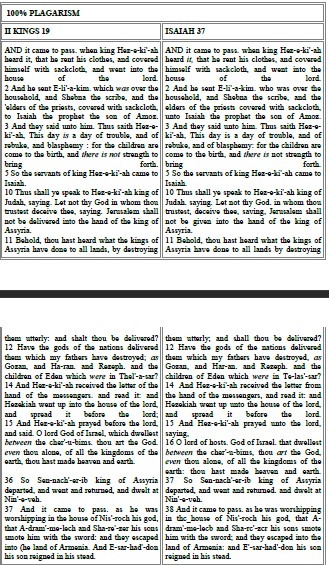
این آیات از ترجمهٔ مجاز انگلیسی (Authorised Version) گرفته شدهاند، اما همین مطلب را در هر ترجمهای خواهید یافت.
These verses are culled from the Authorised Version, but you will find the same in every Version.
الهام لفظی وجود ندارد
No Verbal Inspiration
(برای فهرست کامل همه کتابهای کتاب مقدس و نویسندگان آنها، به ترجمه «کالینز» R.S.V. با یادداشتهایش مراجعه کنید.) محققان مسیحی درباره «کتاب اشعیا» چه میگویند؟ آنها میگویند: «عمدتاً به اشعیا نسبت داده میشود. بخشهایی از آن ممکن است به دست دیگران نوشته شده باشد.» با توجه به اعترافات دانشمندان کتاب مقدس، ما این مرد بیچاره، اشعیا، را سرزنش نخواهیم کرد. پس آیا میتوانیم این سرقت ادبی را به گردن خدا بیندازیم؟ چه کفرگوییای! پروفessor کامپتسی در پایان همان همایش مذکور، در بخش پرسش و پاسخ تأیید کرد که «مسیحیان به الهام لفظی کتاب مقدس باور ندارند.» پس خدای متعال بهطور ناآگاهانه همان داستان را دو بار املا نکرده بود! دستهای بشری، که همگی بسیار بشری بودند، با این بهاصطلاح کلام خدا، یعنی کتاب مقدس، بازی کرده بودند. با این حال، کتابمقدسپرستان اصرار خواهند داشت که «هر کلمه، ویرگول و نقطهٔ کتاب مقدس کلام خداست!»
(For a complete list of all the books of the Bible and their authors, avail yourself of the "Collins'" R.S.V. 'with' its annotations). What have Christian scholars to say about the "Book of Isaiah?" They say: "MAINLY CREDITED TO ISAIAH. PARTS MAY HAVE BEEN WRITTEN BY OTHERS" In view of the confessions of Bible scholars, we will not take poor Isaiah to task. Can we then nail this plagiarism on the door of God? What blasphemy! Professor Cumptsy confirmed at question time, at the end of the aforementioned symposium that the "Christians do not believe in a verbal inspiration of the Bible" So God Almighty had not absent-mindedly dictated the same tale twice! Human hands, all too human, had played havoc with this so-called Word of God — the Bible. Yet, Bible-thumpers will insist that "every word, comma and full stop of the Bible is God's Word!"