चीन: दावेदार या प्रतिस्पर्धी
China: Pretender Or Contender
2009 चीनी क्रांति की 60वीं वर्षगांठ थी। चीन ने जापान से स्वतंत्रता प्राप्त की और राष्ट्रवादियों को हराकर समाजवादी जनवादी गणराज्य चीन की स्थापना की। पिछले एक दशक में कई विश्लेषकों ने चीन के उदय को अमेरिका की सबसे बड़ी चुनौती के रूप में देखा है, और कुछ चिंतक निकट भविष्य में चीन को विश्व की महाशक्ति के रूप में देखते हैं। पिछले 20 वर्षों में राजनीतिक मानचित्र पर चीन के तीव्र उदय ने कई लोगों को चकित किया है, दूसरों को हैरान किया है, और कुछ के लिए यह वैश्विक शक्ति के पश्चिम से पूर्व की ओर खिसकने का संकेत है। चीन कभी विश्व शक्ति नहीं रहा, और उसका हालिया इतिहास जापान के क्रूर कब्ज़े से भरा है, जिसकी स्मृति द्वितीय विश्व युद्ध के बाद के चीन को परिभाषित करती रही। विश्व के सबसे अधिक आबादी वाले राष्ट्र के लिए यह 60वीं वर्षगांठ उसके इतिहास में एक अनोखी वास्तविकता को चिह्नित करती है, क्योंकि पहली बार इसे एक विश्व शक्ति के रूप में गिना जा रहा है।
2009 was the 60th anniversary of the Chinese revolution. China gained independence from Japan and defeated the nationalists to establish the Socialist people’s republic of China. In the last decade many analysts have viewed the rise of China as America's biggest challenge and some thinkers foresee China as the world’s superpower in the not so distant future. The rapid rise of China on the political map in the last 20 years has shocked many, bewildered others and for some marks the shift of global power from West to East. China has never been a world power and its recent history consists of a brutal occupation by Japan, whose memory defined post WW2 China. The 60th anniversary for the world’s most populated nation marks a unique reality in its history as for the first time it is counted as a world power.
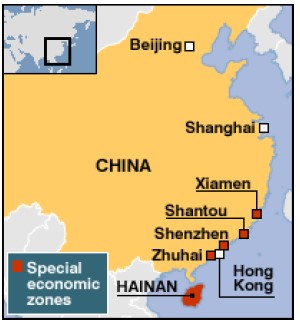
चीन का विकास 1978 में शुरू हुआ और विज्ञान और प्रौद्योगिकी के विकास पर सैन्य विचारों का प्रभुत्व रहा है। इसकी जड़ें माओ के दौर तक जाती हैं। माओ ने सभी अन्य आवश्यकताओं से ऊपर 'सैन्यीकरण' परिसर (militarization complex) बनाने के अपने उद्देश्य की घोषणा की थी। यही 'सैन्यीकरण' देंग शियाओ पिंग की नीति का आधार बना। देंग का लक्ष्य चीनी अर्थव्यवस्था में विविधता लाना था, ताकि चीन का औद्योगिक आधार केवल राष्ट्रीय रक्षा ही नहीं, बल्कि आर्थिक वृद्धि और नागरिक समृद्धि में भी योगदान दे सके। 1980 के दशक की शुरुआत में देंग के प्रसिद्ध 16 अक्षरों के मार्गदर्शन ने इसे स्पष्ट कर दिया: 'सैन्य और नागरिक उत्पादन का एकीकरण; लेकिन सैन्य आवश्यकताओं को संतुलित रखना सुनिश्चित करते हुए; सैन्य क्षमता बनाए रखते हुए; सैन्य आधुनिकीकरण की सेवा के लिए नागरिक अर्थव्यवस्था का उपयोग करते हुए।' इससे पहले सोवियत-शैली की केंद्रीय नियोजित अर्थव्यवस्था अपनाई गई थी, परंतु उससे सीमित परिणाम मिले। इसके बाद देंग ने अधिक बाज़ार-उन्मुख अर्थव्यवस्था अपनाई, विशेषकर ग्वांगडोंग, फ़ुजियान और हैनान में स्थित विशेष आर्थिक क्षेत्रों (SEZ) में। परिणाम शानदार रहे। चीन ने अपनी अर्थव्यवस्था को आमूलचूल रूप से बदल दिया; वह निम्न गुणवत्ता वाले साधारण निर्यात से परिष्कृत उच्च-प्रौद्योगिकी वस्तुओं के उत्पादन की ओर बढ़ा। देश एक अंतर्मुखी पिछड़ी अर्थव्यवस्था से वैश्विक निर्यात की एक मशीन में बदल गया; चीन का निर्यात दस गुना बढ़ गया। आज चीन जर्मनी को पीछे छोड़कर विश्व का सबसे बड़ा निर्यातक बन चुका है, जो प्रति वर्ष 1 ट्रिलियन डॉलर से अधिक का निर्यात करता है।
China's development began in 1978 and has been due to military considerations dominating the development of science and technology. This can be traced back to the Mao era. Mao stated his objective of forming a ‘militarization’ complex above all other needs. This ‘militarization’ formed the basis of Deng Xao Ping’s policy. Deng's aim was to diversify the Chinese economy in order for China's industrial base to contribute not just to national defence but also economic growth and civilian prosperity. Deng's famous 16 character guidance in early 1980’s made this clear: ‘integrating military and civilian production; but making sure to balance the military requirements; maintaining military capability; using the civilian economy to serve military modernization.’6 Prior to this the Soviet-style centrally planned economy, was utilized but achieved limited results. Deng then utilized a more market-oriented economy, particularly in the Special Economic Zones (SEZ) located in the Guangdong, Fujian, and Hainan. The results were spectacular. China radically changed its economy moving from producing low quality simple exports to sophisticated high technology goods. The country has changed from an inward backward economy to a global exporting machine, Chinese exports have grown tenfold. Today China has surpassed Germany as the world’s largest exporter, exporting over $1 trillion a year.
1978 से, चीन अपनी अर्थव्यवस्था को सोवियत-शैली की केंद्रीय रूप से नियोजित अर्थव्यवस्था से एक अधिक बाज़ार-उन्मुख अर्थव्यवस्था की ओर सुधारता रहा है, लेकिन यह सुधार चीन की कम्युनिस्ट पार्टी द्वारा प्रदान की गई राजनीतिक रूपरेखा के भीतर हो रहा है। इस व्यवस्था को "चीनी विशेषताओं वाला समाजवाद" कहा गया है और यह एक प्रकार की मिश्रित अर्थव्यवस्था है। 1978 से शुरू हुए इन सुधारों ने लाखों लोगों को गरीबी से बाहर निकालने में मदद की है, और गरीबी दर को 1981 में जनसंख्या के 53% से घटाकर 2001 तक 8% तक ला दिया है।
Since 1978, China has been reforming its economy from a Soviet-style centrally planned economy to a more market-oriented economy but within the political framework, provided by the Communist Party of China. This system has been called “Socialism with Chinese characteristics” and is one type of mixed economy. These reforms started since 1978 has helped lift millions of people out of poverty, bringing the poverty rate down from 53% of population in 1981 to 8% by 2001.
चीन की विदेश नीति के क्रियान्वयन में बीजिंग के अतीत के संकीर्ण और प्रतिक्रियात्मक वैश्विक मामलों के दृष्टिकोण से एक महत्वपूर्ण विकास दिखाई देता है। चीन 150 वर्षों के अपमान और पराभव की पीड़ित मानसिकता को त्याग रहा है और उसकी जगह महाशक्ति की मानसिकता (daguo xintai) अपना रहा है। इसका स्वाभाविक परिणाम वैश्विक मुद्दों में चीन की बढ़ती भूमिका है। इसे कम्युनिस्ट पार्टी के उन प्रमुख नेताओं ने आगे बढ़ाया है जो चीनी क्रांति के दौरान पैदा नहीं हुए थे और इसलिए वे दुनिया को चीन के इतिहास के नज़रिए से नहीं देखते। वर्तमान राष्ट्रपति हू जिंताओ जैसे नेता, जो क्रांति से बस कुछ वर्ष पहले पैदा हुए थे, चीन के पहले ऐसे नेता हैं जिन्होंने कुख्यात लॉन्ग मार्च में भाग नहीं लिया, जिसमें 1949 में राष्ट्रवादियों की हार हुई थी। ऐसे ही नेता मानते हैं कि चीन को पीड़ित मानसिकता छोड़कर महाशक्ति की मानसिकता अपनानी चाहिए, और ऐसे ही नेता तेजी से चीन को दुनिया की प्रमुख शक्तियों के समान देखने लगे हैं।
The execution of China's foreign policy represents an important evolution from Beijing's narrow and reactive approach to global affairs in the past. China is abandoning its long-held victim mentality of 150 years of shame and humiliation and adopting instead a great power mentality (daguo xintai). The natural extension of this is the increasing role of China in global issues. This has been driven by leading members of the Communist party who were not born during the Chinese revolution and hence do not view the world from the perspective of China's history. Leaders, such as the current president Hu Jintao, who was born only a few years before the revolution, was China's first leader not to have taken part in the infamous long march, where the nationalists were defeated in 1949. It is such leaders who believe in the abandonment of China's victim mentality and the adoption of a great power mentality, it is such leaders who are increasingly seeing China more akin to the world’s major powers.
सिनो-अमेरिकी संबंध
Sino - US Relations
अमेरिकी नीति-निर्माताओं ने चीन के प्रति अपनी रणनीति को पहली बार वित्तीय वर्ष 1994-99 के लिए रक्षा नियोजन मार्गदर्शन (Defence Planning Guidance - DPG) में स्पष्ट किया था, जो सोवियत-उत्तर युग में अमेरिकी रणनीतिक लक्ष्यों का पहला औपचारिक वक्तव्य था: "हमें यह प्रयास करना होगा कि कोई भी शत्रुतापूर्ण शक्ति ऐसे क्षेत्र पर प्रभुत्व न जमा सके, जिसके संसाधन एकीकृत नियंत्रण में होने पर वैश्विक शक्ति उत्पन्न करने के लिए पर्याप्त हों।"7 जब जॉर्ज डब्ल्यू बुश पद पर आए, तब केवल चीन के पास ही वह आर्थिक और सैन्य क्षमता थी जो एक उभरती हुई महाशक्ति के रूप में अमेरिका को चुनौती दे सके। अमेरिका ने चीन के साथ खुली प्रतिस्पर्धा के बजाय "नियंत्रण" (containment) की नीति अपनाई, जिसका उद्देश्य अमेरिकी संसाधनों को खर्च करके चीन को उसकी सीमाओं के भीतर सीमित रखना था, ताकि उस क्षेत्र में उसके साथ कोई और न रहे। इस नियंत्रण-नीति को कोंडोलीज़ा राइस ने स्पष्ट किया, जो 2000 के राष्ट्रपति चुनाव अभियान के दौरान टेक्सास राज्य के गवर्नर जॉर्ज डब्ल्यू बुश की विदेश-नीति सलाहकार थीं। "फ़ॉरेन अफ़ेयर्स" पत्रिका में एक लेख में उन्होंने लिखा, "चीन एक महान शक्ति है जिसके अनसुलझे महत्वपूर्ण हित हैं, विशेषकर ताइवान को लेकर, और चीन एशिया-प्रशांत क्षेत्र में अमेरिका की भूमिका से नाराज़ भी है।" इन्हीं कारणों से, उन्होंने कहा, "चीन 'यथास्थिति' बनाए रखने वाली शक्ति नहीं है, बल्कि वह एशिया के शक्ति-संतुलन को अपने पक्ष में बदलना चाहती है। केवल यही बात उसे एक रणनीतिक प्रतिस्पर्धी बना देती है, न कि वह 'रणनीतिक साझेदार' जिसे क्लिंटन प्रशासन ने कभी कहा था। अमेरिका को जापान और दक्षिण कोरिया के साथ अपना सहयोग गहरा करना चाहिए और इस क्षेत्र में एक सशक्त सैन्य उपस्थिति बनाए रखने की अपनी प्रतिबद्धता कायम रखनी चाहिए।" वाशिंगटन को यह भी चाहिए कि वह "क्षेत्रीय संतुलन में भारत की भूमिका पर अधिक ध्यान दे, और उस देश को एक चीन-विरोधी गठबंधन व्यवस्था में शामिल करे।"8
US policy makers spelled out their strategy for China initially in the Defence Planning Guidance (DPG) for fiscal years 1994-99, the first formal statement of US strategic goals in the post-Soviet era "we [must] endeavour to prevent any hostile power from dominating a region whose resources would, under consolidated control, be sufficient to generate global power."7 By the time George W Bush came to office only China possessed the economic and military capacity to challenge the United States as an aspiring superpower. The US developed a policy of containment rather than outright competition with China which would expend US resources, to restrain China within its borders ensuring no-one shares the region with her. This policy of containment was spelt out by Condoleezza Rice while serving as a foreign-policy adviser to George W Bush, then governor of the state of Texas, during the 2000 presidential campaign in a Foreign Affairs article she stated "China is a great power with unresolved vital interests, particularly concerning Taiwan, China also resents the role of the United States in the Asia-Pacific region." For these reasons, she stated, "China is not a ‘status quo' power but one that would like to alter Asia's balance of power in its own favour. That alone makes it a strategic competitor, not the 'strategic partner' the Clinton administration once called it. The United States must deepen its cooperation with Japan and South Korea and maintain its commitment to a robust military presence in the region". Washington should also "pay closer attention to India's role in the regional balance, and bring that country into an anti-Chinese alliance system."8
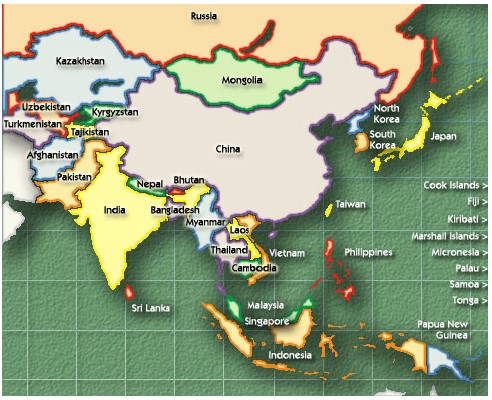
दूसरी ओर, जो लोग चीन के उदय को ख़तरे के रूप में देखते हैं, उन्होंने अमेरिकी प्रशासन पर दबाव डाला है कि वह चीन को रोकने के लिए उसके चारों ओर एक चीन-विरोधी घेरा विकसित करे। अमेरिका ने जापान के साथ सुरक्षा संबंधों को उन्नत किया है और जापान की परमाणु विकास की माँगों का समर्थन किया है, जिसका अर्थ होगा दशकों पुरानी संवैधानिक रक्षात्मक नीति को त्यागना; अमेरिका के लिए यह चीन के पूर्वी पार्श्व पर एक सैन्य प्रतिसंतुलन का काम करेगा। पश्चिमी पार्श्व पर भारत को आर्थिक सौदों, परमाणु प्रौद्योगिकी के हस्तांतरण और स्थायी सुरक्षा परिषद की दर्जे की महत्वाकांक्षाओं के ज़रिए लुभाया गया है। इसी प्रकार अमेरिका ने वियतनाम के साथ सामान्य संबंध स्थापित किए हैं, अपने ऐतिहासिक संघर्ष को दफ़नाते हुए और उसके साथ द्विपक्षीय साझेदारियाँ बनाते हुए। अमेरिका वियतनामियों को अपने साथ अधिक संपर्क बढ़ाने के लिए सफलतापूर्वक प्रेरित करने में कामयाब रहा है, जिससे प्रशांत क्षेत्र के साथ चीन के पुराने संबंध टूट गए हैं। वियतनाम की अपनी उत्तरी सीमा पर चीन के साथ अब भी एक क्षेत्रीय विवाद चल रहा है। अमेरिका ने चीन को रोकने के लिए उत्तर कोरिया के साथ अपने संघर्ष का भी उपयोग किया है। ईरान की तुलना में अमेरिका ने प्योंगयांग की परमाणु प्रगति पर काफ़ी हद तक चुप्पी साधे रखी है, जबकि चीन छह-पक्षीय वार्ताओं को आगे बढ़ा रहा है, ताकि यह सुनिश्चित हो सके कि उसके पिछवाड़े में आग न लगे। ऐसी बैठकों के बयान परस्पर विरोधी रहे हैं, जहाँ चीन ने वार्ताओं को निराशाजनक और अमेरिका से दूरी बनाए रखने वाला बताया, वहीं अमेरिका ने सफल वार्ताओं की बात कही। इससे दक्षिण कोरिया में अमेरिका की सतत और पर्याप्त उपस्थिति के लिए एक उचित औचित्य मिलता है। अमेरिका ने सितंबर 2009 में म्यांमार (बर्मा) के प्रति नीति में बदलाव की घोषणा भी की। उसकी योजना वर्तमान प्रतिबंध व्यवस्था से आगे बढ़कर सैन्य सरकार के साथ प्रत्यक्ष संवाद को शामिल करने की है। म्यांमार चीन की विदेशी ऊर्जा रणनीति में केंद्रीय भूमिका निभा रहा है, और प्रत्यक्ष संवाद के ज़रिए अमेरिका एशिया में चीनी प्रभाव क्षेत्र के विस्तार को कम करने का प्रयास कर रहा है।
On the other hand those who view China's rise as a threat have pushed for the US administration to develop an anti-Chinese ring around China to contain it. The US has upgraded security relations with Japan and has supported Japanese calls for nuclear development, this would mean abandoning the decades old constitutional defensive policy; for the US this would act as a military counter weight on China’s Eastern flank. On the Western flank India has been wooed with economic deals, the transfer of nuclear technology and ambitions of permanent Security Council status. The US in a similar manner has normalised relations with Vietnam burying its historical conflict and forming bilateral partnerships with it. The US has successfully manoeuvred the Vietnamese to increase interaction with it, breaking the age old Chinese links to the pacific region. Vietnam continues to have a territorial dispute on its northern border with China. The US has also used its conflict with North Korea to contain China. The US has been considerably silent to the nuclear progress in Pyongyang compared to Iran, whilst China has been pursuing six party talks trying to ensure its back door is not set on fire. The statements from such meetings have been contradictory where China has been remarking pessimistic talks with distance on issues to the US remarking successful negotiations. This gives a suitable justification for sustained and substantial US presence in South Korea. The US has also announced in September 2009 a shift in policy towards Myanmar (Burma). It plans to move beyond the current sanctions regime to include direct engagement with the military government. Myanmar is playing a central role in China's overseas energy strategy and through direct engagement the US is attempting to minimise the expansion of a Chinese sphere of influence in Asia.
चीन का आंतरिक आयाम
China’s Internal Dimension
चीन के 5000 वर्ष के इतिहास में वह कभी महाशक्ति नहीं रहा और उसने कभी वैश्विक शक्ति-संतुलन को प्रभावित नहीं किया। साम्यवाद अपनाने के बाद भी उसने इसे अपनी सीमाओं से बाहर नहीं फैलाया और विश्व के किसी भी क्षेत्र को प्रभावित नहीं किया। चीन के 5000 वर्ष के इतिहास का बड़ा हिस्सा आंतरिक युद्धों और मातृभूमि को एकजुट करने के संघर्षों से भरा है। चीन की विदेश नीति घरेलू आर्थिक विकास और इन लक्ष्यों की प्राप्ति के लिए आवश्यक सभी कच्चे माल को सुरक्षित करने पर केंद्रित है। चीन ने व्यापार और द्विपक्षीय संबंधों के विकास के माध्यम से उन देशों को कमज़ोर करने का प्रयास करके अमेरिका की नियंत्रण (containment) नीति को चुनौती दी है, जिनका उपयोग अमेरिका चीन को रोकने के लिए कर रहा है। इसके तहत वह ऑस्ट्रेलिया, भारत, जापान और दक्षिण कोरिया जैसे देशों के साथ अमेरिकी संबंधों को ढीला करने का प्रयास कर रहा है।
In China’s 5000 year history it has never been a superpower and has never influenced the global balance of power. Even when it adopted Communism it never carried this beyond its borders and never influenced any of the regions of the world. Much of China's 5000 year history is composed of internal wars and struggles in order to unify the homeland. China’s foreign policy is centred on domestic economic development and procuring all the necessary raw materials to achieve such aims. China has challenged America’s containment policy by attempting to weaken the nations the US is attempting to use to contain China. This is through using trade and developing bilateral ties to loosen US relations with the likes of Australia, India, Japan and South Korea.
इस वास्तविकता के कारण चीन ने अपने क्षेत्र पर ध्यान केंद्रित किया है और अब तक क्षेत्र से बाहर बहुत कम महत्वाकांक्षा दिखाई है। चीन की "स्ट्रिंग ऑफ़ पर्ल्स" नीति उसका क्षेत्र से बाहर का पहला कदम है। इस नीति का वर्णन अमेरिकी सरकार ने इस प्रकार किया है: "स्ट्रिंग ऑफ़ पर्ल्स" चीन के बढ़ते भू-राजनीतिक प्रभाव की उस अभिव्यक्ति को दर्शाता है जो बंदरगाहों और हवाई अड्डों तक पहुँच बढ़ाने, विशेष कूटनीतिक संबंध विकसित करने और सैन्य बलों के आधुनिकीकरण के प्रयासों के माध्यम से सामने आती है, जो दक्षिण चीन सागर से मलक्का जलडमरूमध्य के रास्ते, हिंद महासागर के पार, फारस की खाड़ी तक फैली है।10 समुद्री मार्ग मंदेब जलडमरूमध्य, मलक्का जलडमरूमध्य, होर्मुज़ जलडमरूमध्य और लोम्बोक जलडमरूमध्य जैसे सामरिक अवरोध बिंदुओं से होकर गुजरते हैं, साथ ही पाकिस्तान, श्रीलंका, मालदीव और सोमालिया के तटों पर अन्य सामरिक नौसैनिक हित भी हैं। ये सभी तेल और गैस के प्रमुख सामरिक मार्ग हैं और अनिवार्य रूप से अमेरिका के साथ टकराव का कारण बनेंगे।
Due to this reality China has focussed on its region and as of yet has shown little ambition beyond the region. China’s string of pearls policy is its first venture beyond the region. The policy was described by the US government as follows: “The “String of Pearls” describes the manifestation of China’s rising geopolitical influence through efforts to increase access to ports and airfields, develop special diplomatic relationships, and modernize military forces that extend from the South China Sea through the Strait of Malacca, across the Indian Ocean, and on to the Persian Gulf.”10 The sea lines run through the strategic choke points of Strait of Mandab, Strait of Malacca, Strait of Hormuz and Strait of Lombok as well as other strategic naval interests along Pakistan, Sri Lanka, Maldives and Somalia. All of these are key strategic routes for oil and gas and will inevitably lead to a clash with the US.
सदियों से चीन एक विशाल बहु-सांस्कृतिक और बहु-जातीय राष्ट्र को एकजुट रखने का प्रयास करता रहा है, चाहे राजनीतिक केंद्रीकरण के दौर रहे हों या विखंडन के। लेकिन असमान विकास और धन के भारी गलत वितरण के कारण सांस्कृतिक और भाषाई मतभेद और बढ़ गए हैं। शारीरिक उत्पीड़न, कारावास, ढीले श्रम कानून और दयनीय वेतन, तथा इस तथ्य के कारण कि चीनी सरकार को जनसंख्या के बड़े हिस्से की आर्थिक ज़रूरतों को संबोधित करते हुए नहीं देखा जाता, आंतरिक कलह और राजनीतिक उत्तराधिकार की माँगें पैदा हो रही हैं। 2005 में चीन ने 87,00012 सामाजिक अशांति के मामलों से निपटा; इसमें सार्वजनिक उपद्रव, प्रदर्शन और नागरिक कलह शामिल हैं। घरेलू स्तर पर चीन एक ऐसे बम के समान है जो किसी भी समय फट सकता है।
For centuries, China has attempted to hold together a vast multi-cultural and multi-ethnic nation despite periods of political centralization and fragmentation. But cultural and linguistic differences have worsened due to uneven growth and a massive misdistribution of wealth. Physical mistreatment, imprisonment, lax labour laws and pitiful pay and the fact that the Chinese government is seen not to have addressed the economic needs of the vast bulk of the population is causing internal strife and calls for political succession. In 2005 China handled 87,00012 cases of social unrest; this is public disturbances, demonstrations and civil strife. Domestically China is a bomb that could go off at any time.
चीन में घरेलू स्तर पर कम्युनिज़्म का शासन है, और इसी कारण वहाँ अब भी एक-दलीय व्यवस्था बनी हुई है, लेकिन आर्थिक रूप से यह धीरे-धीरे मुक्त बाज़ार की ओर बढ़ रहा है। साथ ही, चीन की राष्ट्रवादी नीतियों ने कुछ क्षेत्रों में अलग होने की माँगों को जन्म दिया है। जब तक चीन यह तय नहीं करता कि उसकी राष्ट्रीय पहचान क्या है, तब तक यह राष्ट्र अलग-अलग दिशाओं में खिंचता रहेगा, और वह कभी दुनिया की सबसे बड़ी महाशक्ति के लिए खतरा नहीं बन पाएगा। जातीय हान लोगों का अन्य जातीय समूहों पर थोपा जाना समस्या को और बढ़ाता है। यदि अमेरिका को लगे कि चीन उसके हितों के लिए तत्काल खतरा है, तो वह आसानी से किसी अल्पसंख्यक समूह का समर्थन करके चीन के भीतर आंतरिक समस्याएँ पैदा कर सकता है।
China domestically is ruled by Communism, this is why it still has a one party system, but economically it is moving more and more towards the free market. At the same time China is nationalist led which has led to calls for separation by some regions. Until China decides what its national identity is, the nation will continue to be pulled in different directions and China will never be able to pose a threat to the world's superpower. The imposition of the ethnic Hans over the other ethnicities only contributes towards the problem. If the US felt China poses an immediate threat to its interests it could with much ease support one of the minority groups and cause internal problems for China.
निष्कर्ष
Conclusions
चीन वर्तमान में अमेरिका के लिए एक आर्थिक चुनौती पेश कर रहा है, और इन्हीं कारणों से वह कई व्यापार विवादों में लगा हुआ है। अमेरिका ने चीनी टायरों के आयात पर प्रतिबंध लगाए हैं, और वर्तमान में चीन विश्व व्यापार संगठन (WTO) में प्रतिस्पर्धा-विरोधी प्रथाओं से संबंधित कई मामलों का सामना कर रहा है।
China currently posses an economic challenge to the US, for these reasons they are engaged in a number of trade disputes. The US has placed restrictions on Chinese tyre imports, and currently China is on the receiving end of a number of World Trade Organisation (WTO) cases into anti-competitive practices.
अमेरिका के लिए दक्षिण-पूर्व एशिया में चीन एक ख़तरा है, और इसीलिए अमेरिका चीन की संभावित राजनीतिक महत्वाकांक्षाओं को सीमित करना चाहता है, लेकिन साथ ही वह 1.4 अरब की घरेलू बाज़ार से लाभ भी उठाना चाहता है। अमेरिकी केंद्रीय गुप्तचर अनुमान और चतुर्वार्षिक समीक्षाएँ लगातार चीनी ख़तरों के मद्देनज़र अमेरिका के सैन्य व्यय में वृद्धि का प्रस्ताव रखती रहती हैं। लेकिन चीन को अमेरिका के लिए ख़तरा बताना अतिरंजित है, जब चीन अभी तक अपने हितों और महत्वाकांक्षाओं को अपने क्षेत्र तक ही सीमित रखे हुए है। यह सवाल उठता है कि जो राष्ट्र कभी विश्व शक्ति नहीं रहा और कभी अपनी सीमाओं से बाहर विस्तार नहीं किया, क्या उसकी वैश्विक महत्वाकांक्षाएँ हो सकती हैं। चीन अपनी अर्थव्यवस्था को बाहरी केंद्रित से घरेलू विकास की ओर मोड़ने की मज़बूत स्थिति में है, और उसकी विशाल जनसंख्या ही उसकी आर्थिक दुविधा का समाधान कर सकती है।
For the US China posses a threat in South East Asia and hence the US wants to restrict potential Chinese political ambitions but at the same time wants to benefit from the 1.4 billion domestic market. US central intelligence estimates and quadrennial reviews constantly propose the US to increase military expenditure in the face of Chinese threats. China as a threat to the US is overblown when China has for the moment restricted its interests and ambitions to its region – it is questionable whether a nation that has never been a world power, who never expanded beyond its borders, even has global ambitions. China is in a strong position to shift its economy from external focus to domestic development, the size of its population would solve its economic dilemma.
वर्तमान में चीन अमेरिका के लिए आर्थिक चुनौती पेश करता है, इसलिए निकट भविष्य में चीन के दुनिया की सुपरपावर के रूप में अमेरिका की जगह लेने की संभावना नहीं है।
Currently China poses an economic challenge to the US, therefore it is unlikely China will be replacing the US as the worlds superpower any time soon.