چین: ایک مدعی یا ایک حریف
China: Pretender Or Contender
2009 چینی انقلاب کی ساٹھویں سالگرہ تھی۔ چین نے جاپان سے آزادی حاصل کی اور سوشلسٹ پیپلز ریپبلک آف چائنا کے قیام کے لیے قوم پرستوں کو شکست دی۔ گزشتہ دہائی میں بہت سے تجزیہ کاروں نے چین کے عروج کو امریکہ کے لیے سب سے بڑا چیلنج قرار دیا ہے اور کچھ مفکرین چین کو مستقبل قریب میں دنیا کی سپر پاور کے طور پر دیکھتے ہیں۔ گزشتہ 20 سالوں میں سیاسی نقشے پر چین کے تیزی سے ابھرنے نے بہت سے لوگوں کو حیران کر دیا ہے، دوسروں کو پریشان کر دیا ہے اور کچھ کے لیے یہ عالمی طاقت کے مغرب سے مشرق کی طرف منتقلی کی علامت ہے۔ چین کبھی عالمی طاقت نہیں رہا اور اس کی حالیہ تاریخ میں جاپان کا وحشیانہ قبضہ شامل ہے، جس کی یادوں نے دوسری جنگ عظیم کے بعد کے چین کی تعریف کی۔ دنیا کی سب سے زیادہ آبادی والے اس ملک کی ساٹھویں سالگرہ اس کی تاریخ میں ایک منفرد حقیقت کی علامت ہے کیونکہ پہلی بار اسے ایک عالمی طاقت کے طور پر شمار کیا جا رہا ہے۔
2009 was the 60th anniversary of the Chinese revolution. China gained independence from Japan and defeated the nationalists to establish the Socialist people’s republic of China. In the last decade many analysts have viewed the rise of China as America's biggest challenge and some thinkers foresee China as the world’s superpower in the not so distant future. The rapid rise of China on the political map in the last 20 years has shocked many, bewildered others and for some marks the shift of global power from West to East. China has never been a world power and its recent history consists of a brutal occupation by Japan, whose memory defined post WW2 China. The 60th anniversary for the world’s most populated nation marks a unique reality in its history as for the first time it is counted as a world power.
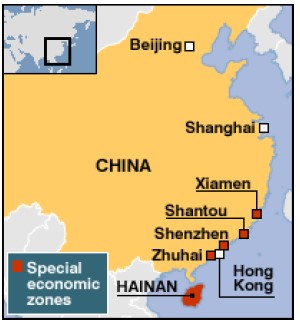
چین کی ترقی کا آغاز 1978 میں ہوا اور اس کی وجہ سائنس اور ٹیکنالوجی کی ترقی پر عسکری تقاضوں کا غلبہ رہا ہے۔ اس کا سراغ ماؤ کے دور تک لگایا جا سکتا ہے۔ ماؤ نے تمام دیگر ضروریات پر ایک 'عسکری نظام' (militarization complex) تشکیل دینے کے اپنے مقصد کا اظہار کیا تھا۔ اسی 'عسکری نظام' نے ڈینگ ژاؤ پنگ کی پالیسی کی بنیاد رکھی۔ ڈینگ کا مقصد چینی معیشت کو متنوع بنانا تھا تاکہ چین کی صنعتی بنیاد نہ صرف قومی دفاع بلکہ معاشی ترقی اور شہری خوشحالی میں بھی حصہ ڈال سکے۔ 1980 کی دہائی کے اوائل میں ڈینگ کی مشہور 16 الفاظ کی رہنمائی نے اس بات کو واضح کر دیا تھا: 'عسکری اور شہری پیداوار کو یکجا کرنا؛ لیکن عسکری ضروریات کے توازن کو یقینی بنانا؛ عسکری صلاحیت کو برقرار رکھنا؛ اور عسکری جدید کاری کے لیے شہری معیشت کو استعمال کرنا۔' اس سے قبل سوویت طرز کا مرکزی منصوبہ بندی والا معاشی نظام استعمال کیا گیا تھا لیکن اس کے نتائج محدود رہے۔ پھر ڈینگ نے زیادہ مارکیٹ پر مبنی معیشت کا استعمال کیا، خاص طور پر گوانگ ڈونگ، فوجیان اور ہائنان میں واقع خصوصی اقتصادی زونز (SEZ) میں۔ اس کے نتائج شاندار تھے۔ چین نے اپنی معیشت کو یکسر بدل دیا اور کم معیار کی سادہ اشیاء کی برآمد سے جدید اعلیٰ ٹیکنالوجی کی مصنوعات کی طرف منتقل ہو گیا۔ ملک ایک داخلی اور پسماندہ معیشت سے بدل کر ایک عالمی برآمدی مشین بن گیا ہے، اور چینی برآمدات میں دس گنا اضافہ ہوا ہے۔ آج چین سالانہ ایک ٹریلین ڈالر سے زیادہ کی برآمدات کے ساتھ جرمنی کو پیچھے چھوڑ کر دنیا کا سب سے بڑا برآمد کنندہ بن چکا ہے۔
China's development began in 1978 and has been due to military considerations dominating the development of science and technology. This can be traced back to the Mao era. Mao stated his objective of forming a ‘militarization’ complex above all other needs. This ‘militarization’ formed the basis of Deng Xao Ping’s policy. Deng's aim was to diversify the Chinese economy in order for China's industrial base to contribute not just to national defence but also economic growth and civilian prosperity. Deng's famous 16 character guidance in early 1980’s made this clear: ‘integrating military and civilian production; but making sure to balance the military requirements; maintaining military capability; using the civilian economy to serve military modernization.’6 Prior to this the Soviet-style centrally planned economy, was utilized but achieved limited results. Deng then utilized a more market-oriented economy, particularly in the Special Economic Zones (SEZ) located in the Guangdong, Fujian, and Hainan. The results were spectacular. China radically changed its economy moving from producing low quality simple exports to sophisticated high technology goods. The country has changed from an inward backward economy to a global exporting machine, Chinese exports have grown tenfold. Today China has surpassed Germany as the world’s largest exporter, exporting over $1 trillion a year.
1978 سے چین اپنی معیشت کو سوویت طرز کے مرکزی منصوبہ بندی والے نظام سے بدل کر ایک زیادہ مارکیٹ پر مبنی معیشت کی طرف منتقل کر رہا ہے، لیکن یہ سب کمیونسٹ پارٹی آف چائنا کے فراہم کردہ سیاسی ڈھانچے کے اندر ہی ہو رہا ہے۔ اس نظام کو "چینی خصوصیات کے حامل سوشلزم" کا نام دیا گیا ہے اور یہ مخلوط معیشت کی ایک قسم ہے۔ 1978 سے شروع ہونے والی ان اصلاحات نے لاکھوں لوگوں کو غربت سے نکالنے میں مدد دی ہے، جس کے نتیجے میں غربت کی شرح 1981 میں آبادی کے 53 فیصد سے کم ہو کر 2001 تک 8 فیصد رہ گئی۔
Since 1978, China has been reforming its economy from a Soviet-style centrally planned economy to a more market-oriented economy but within the political framework, provided by the Communist Party of China. This system has been called “Socialism with Chinese characteristics” and is one type of mixed economy. These reforms started since 1978 has helped lift millions of people out of poverty, bringing the poverty rate down from 53% of population in 1981 to 8% by 2001.
چین کی خارجہ پالیسی کا نفاذ بیجنگ کے ماضی کے عالمی امور سے متعلق محدود اور ردِعمل پر مبنی رویے سے ایک اہم ارتقاء کی نمائندگی کرتا ہے۔ چین 150 سال کی شرمندگی اور ذلت کے اپنے دیرینہ 'مظلومیت کے احساس' (victim mentality) کو ترک کر رہا ہے اور اس کے بجائے 'عظیم طاقت کے ذہنیت' (daguo xintai) کو اپنا رہا ہے۔ اس کا قدرتی تسلسل عالمی مسائل میں چین کے بڑھتے ہوئے کردار کی صورت میں نظر آتا ہے۔ اس تبدیلی کی بنیاد کمیونسٹ پارٹی کے وہ اہم ارکان ہیں جو چینی انقلاب کے دوران پیدا نہیں ہوئے تھے، اور اسی وجہ سے وہ دنیا کو چین کی تاریخی تناظر میں نہیں دیکھتے۔ موجودہ صدر ہو جنتاؤ جیسے رہنما، جو انقلاب سے محض چند سال قبل پیدا ہوئے تھے، چین کے پہلے ایسے رہنما تھے جنہوں نے اس بدنام زمانہ 'لانگ مارچ' میں حصہ نہیں لیا تھا جس میں 1949 میں قوم پرستوں کو شکست ہوئی تھی۔ یہ ایسے ہی رہنما ہیں جو چین کی مظلومیت کے احساس کو چھوڑنے اور عظیم طاقت کی ذہنیت اپنانے پر یقین رکھتے ہیں، اور یہی وہ رہنما ہیں جو چین کو تیزی سے دنیا کی بڑی طاقتوں کے ہم پلہ دیکھ رہے ہیں۔
The execution of China's foreign policy represents an important evolution from Beijing's narrow and reactive approach to global affairs in the past. China is abandoning its long-held victim mentality of 150 years of shame and humiliation and adopting instead a great power mentality (daguo xintai). The natural extension of this is the increasing role of China in global issues. This has been driven by leading members of the Communist party who were not born during the Chinese revolution and hence do not view the world from the perspective of China's history. Leaders, such as the current president Hu Jintao, who was born only a few years before the revolution, was China's first leader not to have taken part in the infamous long march, where the nationalists were defeated in 1949. It is such leaders who believe in the abandonment of China's victim mentality and the adoption of a great power mentality, it is such leaders who are increasingly seeing China more akin to the world’s major powers.
چین اور امریکہ کے تعلقات
Sino - US Relations
امریکی پالیسی سازوں نے چین کے حوالے سے اپنی حکمت عملی کا ابتدائی خاکہ مالی سال 1994-99 کے لیے 'ڈیفنس پلاننگ گائیڈنس' (DPG) میں پیش کیا تھا، جو کہ سوویت یونین کے خاتمے کے بعد کے دور میں امریکی اسٹریٹجک اہداف کا پہلا باقاعدہ بیان تھا: "ہمیں کوشش کرنی چاہیے کہ کسی بھی دشمن قوت کو ایسے خطے پر غلبہ پانے سے روکا جائے جس کے وسائل، اگر کسی ایک کے کنٹرول میں آ جائیں، تو عالمی طاقت پیدا کرنے کے لیے کافی ہوں گے۔" جب جارج ڈبلیو بش اقتدار میں آئے تو صرف چین ہی وہ ملک تھا جو ایک ابھرتی ہوئی سپر پاور کے طور پر ریاستہائے متحدہ امریکہ کو چیلنج کرنے کی معاشی اور فوجی صلاحیت رکھتا تھا۔ امریکہ نے چین کے ساتھ براہِ راست مقابلے کے بجائے، جس سے امریکی وسائل ضائع ہوتے، اس کے بجائے 'containment' (روک تھام) کی پالیسی اپنائی تاکہ چین کو اس کی سرحدوں کے اندر محدود رکھا جا سکے اور یہ یقینی بنایا جا سکے کہ کوئی دوسرا اس کے ساتھ اس خطے میں شریک نہ ہو۔ روک تھام کی یہ پالیسی کونڈولیزا رائس نے جارج ڈبلیو بش کے دور میں بیان کی تھی، جو اس وقت ٹیکساس کی گورنر تھے، اور 2000 کی صدارتی مہم کے دوران 'فارن افیئرز' کے ایک مضمون میں انہوں نے کہا: "چین ایک عظیم طاقت ہے جس کے اہم مفادات ابھی حل طلب ہیں، خاص طور پر تائیوان کے حوالے سے، چین ایشیا پیسیفک خطے میں ریاستہائے متحدہ امریکہ کے کردار سے بھی رنجیدہ ہے۔" ان وجوہات کی بنا پر انہوں نے کہا، "چین کوئی 'موجودہ صورتحال برقرار رکھنے والی' (status quo) طاقت نہیں ہے بلکہ وہ ایسی طاقت ہے جو ایشیا کے طاقت کے توازن کو اپنے حق میں بدلنا چاہتی ہے۔ صرف یہی بات اسے ایک اسٹریٹجک حریف بناتی ہے، نہ کہ وہ 'اسٹریٹجک شراکت دار' جسے کلنٹن انتظامیہ نے کبھی کہا تھا۔ ریاستہائے متحدہ امریکہ کو جاپان اور جنوبی کوریا کے ساتھ اپنے تعاون کو مزید گہرا کرنا چاہیے اور خطے میں ایک مضبوط فوجی موجودگی کے اپنے عزم کو برقرار رکھنا چاہیے۔" واشنگٹن کو چاہیے کہ وہ "علاقائی توازن میں بھارت کے کردار پر بھی زیادہ توجہ دے، اور اس ملک کو چین مخالف اتحاد کے نظام میں شامل کرے۔"8
US policy makers spelled out their strategy for China initially in the Defence Planning Guidance (DPG) for fiscal years 1994-99, the first formal statement of US strategic goals in the post-Soviet era "we [must] endeavour to prevent any hostile power from dominating a region whose resources would, under consolidated control, be sufficient to generate global power."7 By the time George W Bush came to office only China possessed the economic and military capacity to challenge the United States as an aspiring superpower. The US developed a policy of containment rather than outright competition with China which would expend US resources, to restrain China within its borders ensuring no-one shares the region with her. This policy of containment was spelt out by Condoleezza Rice while serving as a foreign-policy adviser to George W Bush, then governor of the state of Texas, during the 2000 presidential campaign in a Foreign Affairs article she stated "China is a great power with unresolved vital interests, particularly concerning Taiwan, China also resents the role of the United States in the Asia-Pacific region." For these reasons, she stated, "China is not a ‘status quo' power but one that would like to alter Asia's balance of power in its own favour. That alone makes it a strategic competitor, not the 'strategic partner' the Clinton administration once called it. The United States must deepen its cooperation with Japan and South Korea and maintain its commitment to a robust military presence in the region". Washington should also "pay closer attention to India's role in the regional balance, and bring that country into an anti-Chinese alliance system."8
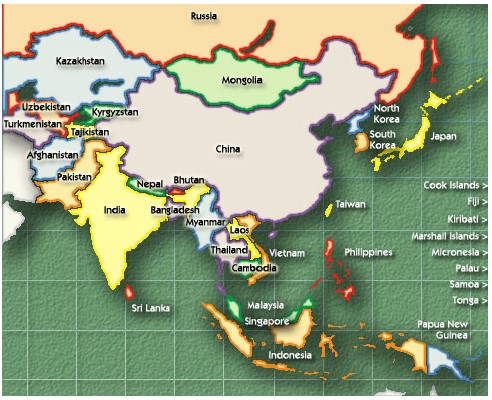
دوسری جانب، وہ لوگ جو چین کے عروج کو ایک خطرے کے طور پر دیکھتے ہیں، انہوں نے امریکی انتظامیہ پر دباؤ ڈالا ہے کہ وہ چین کو قابو میں رکھنے کے لیے اس کے گرد ایک چین مخالف دائرہ قائم کرے۔ امریکہ نے جاپان کے ساتھ سیکورٹی تعلقات کو بہتر بنایا ہے اور جوہری ترقی کے لیے جاپانی مطالبات کی حمایت کی ہے، جس کا مطلب دہائیوں پرانی آئینی دفاعی پالیسی کو ترک کرنا ہوگا؛ امریکہ کے لیے یہ چین کے مشرقی حصے پر ایک فوجی توازن کے طور پر کام کرے گا۔ مغربی حصے پر، بھارت کو معاشی معاہدوں، جوہری ٹیکنالوجی کی منتقلی اور سلامتی کونسل کی مستقل رکنیت کے عزائم کے ذریعے راغب کیا گیا ہے۔ اسی طرح امریکہ نے ویتنام کے ساتھ اپنے تاریخی تنازعات کو دفن کرتے ہوئے تعلقات کو معمول پر لایا ہے اور اس کے ساتھ دو طرفہ شراکت داری قائم کی ہے۔ امریکہ نے ویتنام کے ساتھ اپنے تعاملات بڑھانے میں کامیابی حاصل کی ہے، جس سے بحرالکاہل کے خطے کے ساتھ چین کے قدیم روابط ٹوٹ گئے ہیں۔ ویتنام کی اپنی شمالی سرحد پر چین کے ساتھ علاقائی تنازع برقرار ہے۔ امریکہ نے چین کو قابو میں رکھنے کے لیے شمالی کوریا کے ساتھ اپنے تنازع کو بھی استعمال کیا ہے۔ ایران کے مقابلے میں امریکہ نے پیانگ یانگ میں جوہری ترقی پر کافی خاموشی اختیار کی ہے، جبکہ چین چھ فریقی مذاکرات کے ذریعے یہ یقینی بنانے کی کوشش کر رہا ہے کہ اس کا پچھلا دروازہ آگ کی لپیٹ میں نہ آ جائے۔ ایسی ملاقاتوں کے بیانات متضاد رہے ہیں، جہاں چین نے مسائل پر دوری کے ساتھ مایوس کن گفتگو کا ذکر کیا ہے جبکہ امریکہ نے کامیاب مذاکرات کا ذکر کیا ہے۔ یہ جنوبی کوریا میں امریکہ کی مسلسل اور بھرپور موجودگی کے لیے ایک مناسب جواز فراہم کرتا ہے۔ امریکہ نے ستمبر 2009 میں میانمار (برما) کے حوالے سے اپنی پالیسی میں تبدیلی کا اعلان بھی کیا ہے۔ اس کا منصوبہ موجودہ پابندیوں کے نظام سے آگے بڑھ کر فوجی حکومت کے ساتھ براہ راست روابط قائم کرنا ہے۔ میانمار چین کی سمندر پار توانائی کی حکمت عملی میں مرکزی کردار ادا کر رہا ہے اور براہ راست روابط کے ذریعے امریکہ ایشیا میں چینی اثر و رسوخ کے پھیلاؤ کو کم کرنے کی کوشش کر رہا ہے۔
On the other hand those who view China's rise as a threat have pushed for the US administration to develop an anti-Chinese ring around China to contain it. The US has upgraded security relations with Japan and has supported Japanese calls for nuclear development, this would mean abandoning the decades old constitutional defensive policy; for the US this would act as a military counter weight on China’s Eastern flank. On the Western flank India has been wooed with economic deals, the transfer of nuclear technology and ambitions of permanent Security Council status. The US in a similar manner has normalised relations with Vietnam burying its historical conflict and forming bilateral partnerships with it. The US has successfully manoeuvred the Vietnamese to increase interaction with it, breaking the age old Chinese links to the pacific region. Vietnam continues to have a territorial dispute on its northern border with China. The US has also used its conflict with North Korea to contain China. The US has been considerably silent to the nuclear progress in Pyongyang compared to Iran, whilst China has been pursuing six party talks trying to ensure its back door is not set on fire. The statements from such meetings have been contradictory where China has been remarking pessimistic talks with distance on issues to the US remarking successful negotiations. This gives a suitable justification for sustained and substantial US presence in South Korea. The US has also announced in September 2009 a shift in policy towards Myanmar (Burma). It plans to move beyond the current sanctions regime to include direct engagement with the military government. Myanmar is playing a central role in China's overseas energy strategy and through direct engagement the US is attempting to minimise the expansion of a Chinese sphere of influence in Asia.
چین کی اندرونی جہت
China’s Internal Dimension
چین کی 5000 سالہ تاریخ میں یہ کبھی کوئی سپر پاور نہیں رہا اور نہ ہی اس نے عالمی طاقت کے توازن پر کبھی کوئی اثر ڈالا ہے۔ یہاں تک کہ جب اس نے کمیونزم کو اپنایا، تب بھی اسے اپنی سرحدوں سے باہر نہیں لے گیا اور نہ ہی دنیا کے کسی خطے پر اثر انداز ہوا۔ چین کی 5000 سالہ تاریخ کا بڑا حصہ وطن کو متحد کرنے کے لیے ہونے والی اندرونی جنگوں اور جدوجہد پر مشتمل ہے۔ چین کی خارجہ پالیسی کا مرکز داخلی اقتصادی ترقی اور ان مقاصد کے حصول کے لیے تمام ضروری خام مال کا حصول ہے۔ چین نے ان اقوام کو کمزور کرنے کی کوشش کر کے امریکہ کی 'کنٹینمنٹ پالیسی' (containment policy) کو چیلنج کیا ہے جنہیں امریکہ چین کو روکنے کے لیے استعمال کرنے کی کوشش کر رہا ہے۔ یہ کام تجارت کے استعمال اور دوطرفہ تعلقات کو فروغ دے کر کیا جا رہا ہے تاکہ آسٹریلیا، بھارت، جاپان اور جنوبی کوریا جیسے ممالک کے ساتھ امریکہ کے تعلقات کو کمزور کیا جا سکے۔
In China’s 5000 year history it has never been a superpower and has never influenced the global balance of power. Even when it adopted Communism it never carried this beyond its borders and never influenced any of the regions of the world. Much of China's 5000 year history is composed of internal wars and struggles in order to unify the homeland. China’s foreign policy is centred on domestic economic development and procuring all the necessary raw materials to achieve such aims. China has challenged America’s containment policy by attempting to weaken the nations the US is attempting to use to contain China. This is through using trade and developing bilateral ties to loosen US relations with the likes of Australia, India, Japan and South Korea.
اس حقیقت کی وجہ سے چین نے اپنے خطے پر توجہ مرکوز کی ہے اور اب تک اس نے خطے سے باہر بہت کم عزائم کا اظہار کیا ہے۔ چین کی 'اسٹرنگ آف پرلز' (موتیوں کی مالا) کی پالیسی خطے سے باہر اس کی پہلی مہم ہے۔ امریکی حکومت نے اس پالیسی کی وضاحت یوں کی ہے: " 'اسٹرنگ آف پرلز' چین کے بڑھتے ہوئے جغرافیائی سیاسی اثر و رسوخ کے اس مظہر کو بیان کرتی ہے جو بندرگاہوں اور ہوائی اڈوں تک رسائی بڑھانے، خصوصی سفارتی تعلقات استوار کرنے، اور فوجی افواج کو جدید بنانے کی کوششوں کے ذریعے ظاہر ہوتا ہے، جو بحیرہ جنوبی چین سے ہوتے ہوئے مضاق ملاکا، بحرِ ہند، اور پھر خلیج فارس تک پھیلے ہوئے ہیں۔"10 سمندری گزرگاہیں مضاقِ باب المندب، مضاقِ ملاکا، مضاقِ ہرمز اور مضاقِ لومبک جیسے اسٹریٹجک تنگ راستوں کے ساتھ ساتھ پاکستان، سری لنکا، مالدیپ اور صومالیہ کے ساتھ دیگر اسٹریٹجک بحری مفادات سے گزرتی ہیں۔ یہ تمام راستے تیل اور گیس کے لیے کلیدی اسٹریٹجک راستے ہیں اور یہ ناگزیر طور پر امریکہ کے ساتھ تصادم کا باعث بنیں گے۔
Due to this reality China has focussed on its region and as of yet has shown little ambition beyond the region. China’s string of pearls policy is its first venture beyond the region. The policy was described by the US government as follows: “The “String of Pearls” describes the manifestation of China’s rising geopolitical influence through efforts to increase access to ports and airfields, develop special diplomatic relationships, and modernize military forces that extend from the South China Sea through the Strait of Malacca, across the Indian Ocean, and on to the Persian Gulf.”10 The sea lines run through the strategic choke points of Strait of Mandab, Strait of Malacca, Strait of Hormuz and Strait of Lombok as well as other strategic naval interests along Pakistan, Sri Lanka, Maldives and Somalia. All of these are key strategic routes for oil and gas and will inevitably lead to a clash with the US.
صدیوں سے چین نے سیاسی مرکزیت اور انتشار کے ادوار کے باوجود ایک وسیع کثیر الثقافتی اور کثیر نسلی قوم کو متحد رکھنے کی کوشش کی ہے۔ لیکن غیر مساوی ترقی اور دولت کی بڑے پیمانے پر غلط تقسیم کی وجہ سے ثقافتی اور لسانی اختلافات مزید سنگین ہو گئے ہیں۔ جسمانی بدسلوکی، قید و بند، ناقص لیبر قوانین، انتہائی کم اجرت اور یہ حقیقت کہ چینی حکومت کو آبادی کے ایک بہت بڑے حصے کی معاشی ضروریات کو پورا کرنے میں ناکام سمجھا جا رہا ہے، اندرونی کشیدگی اور سیاسی تبدیلی کے مطالبات کا باعث بن رہی ہے۔ 2005 میں چین نے سماجی بے چینی کے 87,000 کیسز کو سنبھالا؛ جن میں عوامی ہنگامے، مظاہرے اور خانہ جنگی شامل ہیں۔ داخلی طور پر چین ایک ایسے بم کی مانند ہے جو کسی بھی وقت پھٹ سکتا ہے۔
For centuries, China has attempted to hold together a vast multi-cultural and multi-ethnic nation despite periods of political centralization and fragmentation. But cultural and linguistic differences have worsened due to uneven growth and a massive misdistribution of wealth. Physical mistreatment, imprisonment, lax labour laws and pitiful pay and the fact that the Chinese government is seen not to have addressed the economic needs of the vast bulk of the population is causing internal strife and calls for political succession. In 2005 China handled 87,00012 cases of social unrest; this is public disturbances, demonstrations and civil strife. Domestically China is a bomb that could go off at any time.
چین کے اندرونی معاملات پر کمیونزم کی حکمرانی ہے، یہی وجہ ہے کہ وہاں اب بھی یک حزبی نظام موجود ہے، لیکن معاشی طور پر یہ تیزی سے آزاد منڈی کی طرف بڑھ رہا ہے۔ ساتھ ہی چین میں قوم پرستی کا غلبہ ہے جس کی وجہ سے بعض علاقوں میں علیحدگی کی آوازیں بلند ہو رہی ہیں۔ جب تک چین اپنی قومی شناخت کا تعین نہیں کر لیتا، یہ قوم مختلف سمتوں میں کھینچی جاتی رہے گی اور چین دنیا کی سپر پاور کے لیے کبھی خطرہ نہیں بن سکے گا۔ دیگر اقوامیتوں پر ہان (Hans) نسل کی مسلطی اس مسئلے میں مزید اضافہ کرتی ہے۔ اگر امریکہ کو یہ محسوس ہوا کہ چین اس کے مفادات کے لیے فوری خطرہ ہے، تو وہ بڑی آسانی سے اقلیتی گروہوں میں سے کسی ایک کی حمایت کر کے چین کے لیے اندرونی مسائل پیدا کر سکتا ہے۔
China domestically is ruled by Communism, this is why it still has a one party system, but economically it is moving more and more towards the free market. At the same time China is nationalist led which has led to calls for separation by some regions. Until China decides what its national identity is, the nation will continue to be pulled in different directions and China will never be able to pose a threat to the world's superpower. The imposition of the ethnic Hans over the other ethnicities only contributes towards the problem. If the US felt China poses an immediate threat to its interests it could with much ease support one of the minority groups and cause internal problems for China.
نتائج
Conclusions
چین اس وقت امریکہ کے لیے ایک معاشی چیلنج بنا ہوا ہے، اور ان وجوہات کی بنا پر وہ متعدد تجارتی تنازعات میں مصروف ہے۔ امریکہ نے چینی ٹائروں کی درآمدات پر پابندیاں لگا دی ہیں، اور اس وقت چین کو غیر مسابقتی طریقوں کے حوالے سے عالمی تجارتی تنظیم (WTO) کے متعدد مقدمات کا سامنا ہے۔
China currently posses an economic challenge to the US, for these reasons they are engaged in a number of trade disputes. The US has placed restrictions on Chinese tyre imports, and currently China is on the receiving end of a number of World Trade Organisation (WTO) cases into anti-competitive practices.
امریکہ کے لیے چین جنوب مشرقی ایشیا میں ایک خطرہ ہے، اسی لیے امریکہ چین کے ممکنہ سیاسی عزائم کو محدود کرنا چاہتا ہے لیکن ساتھ ہی 1.4 ارب کی مقامی مارکیٹ سے فائدہ اٹھانا بھی چاہتا ہے۔ امریکی سینٹرل انٹیلی جنس کے تخمینے اور چار سالہ جائزے مسلسل امریکہ کو چینی خطرات کے پیش نظر فوجی اخراجات میں اضافے کی تجویز دیتے رہتے ہیں۔ امریکہ کے لیے چین کا خطرہ اس وقت مبالغہ آمیز ہے جب چین نے فی الوقت اپنے مفادات اور عزائم کو اپنے خطے تک محدود کر رکھا ہے – یہ مشکوک ہے کہ کیا کوئی ایسی قوم، جو کبھی عالمی طاقت نہیں رہی اور جس نے کبھی اپنی سرحدوں سے باہر توسیع نہیں کی، اس کے عالمی عزائم بھی ہیں یا نہیں۔ چین اپنی معیشت کو بیرونی توجہ سے ہٹا کر داخلی ترقی کی طرف منتقل کرنے کے لیے مضبوط پوزیشن میں ہے، اس کی آبادی کا حجم اس کے معاشی المیے کو حل کر دے گا۔
For the US China posses a threat in South East Asia and hence the US wants to restrict potential Chinese political ambitions but at the same time wants to benefit from the 1.4 billion domestic market. US central intelligence estimates and quadrennial reviews constantly propose the US to increase military expenditure in the face of Chinese threats. China as a threat to the US is overblown when China has for the moment restricted its interests and ambitions to its region – it is questionable whether a nation that has never been a world power, who never expanded beyond its borders, even has global ambitions. China is in a strong position to shift its economy from external focus to domestic development, the size of its population would solve its economic dilemma.
فی الوقت چین امریکہ کے لیے ایک معاشی چیلنج ہے، اس لیے اس بات کا امکان کم ہے کہ چین جلد ہی دنیا کی سپر پاور کے طور پر امریکہ کی جگہ لے گا۔
Currently China poses an economic challenge to the US, therefore it is unlikely China will be replacing the US as the worlds superpower any time soon.