العقيدة وما يتفرع عنها من أحكام وما يُبنى عليها من أفكار هي أساس التغيير.
The Aqeedah and what emanates from it in terms of Ahkaam and what is built upon it in terms of thoughts, is the basis of At-Taghyeer (change).
يرتبط سلوك الإنسان بما يحمله من مفاهيم. والمفاهيم هي قناعات (قناعات) ناتجة عن إدراك الأشياء وصفاتها، مضافاً إليها ما يُبنى على هذا الإدراك أو يصدر عنه من قناعات أخرى.
The conduct of the human is tied to what he carries in terms of concepts. The concepts (Mafaaheem) are convictions (Qanaa’aat) resulting from a comprehension of things and their attributes in addition to what is built upon this comprehension or emanates from it in terms of other convictions.
تنقسم المفاهيم إلى نوعين:
Concepts are of two types:
The first.
The first:
مفاهيم عن الأشياء. وهي قناعات أو أحكام مصدرها الأشياء نفسها. ويشمل ذلك عبارات مثل: «النار تحرق»، «السم يقتل»، «الخمر تُسكِر»، «اللحم يُؤكل بينما التراب لا يُؤكل»، «تزايد الضغط المتراكم يولّد انفجارًا (من نوع ما)»، «المجتمع يتكون من مجموعة من الأفراد تربطهم علاقات دائمة»، و«النهضة لا تحدث إلا عن طريق الفكر المستنير».
: Concepts about things. These are convictions or Ahkaam (rulings) whose source is the things themselves. This would include statements like: ‘Fire burns’, ‘Poison kills’, ‘Alcohol intoxicates’, ‘Meat is eaten whilst soil is not eaten’, ‘The increased build-up of pressure generates an explosion (of sorts)’, ‘The society is composed of a collection of individuals bound by permanent relationships’ and ‘Revival would not occur except by way of the enlightened thought’.
جميع هذه الأفكار أوصاف أو أحكام مصدرها موضوعها، وقد تكون صحيحة أو خاطئة بحسب مطابقتها للواقع أو مخالفتها له، وفي جميع هذه الحالات تُعدّ مفاهيم بالنسبة إلى من آمن بها. وسلوك الإنسان وتصرفاته مرتبطان بمفاهيمه عن الأشياء، فمن اقتنع بأن طعامه مسموم لن يأكل منه ولو كان جائعاً، وكذلك العطشان يطلب الماء ولا يطلب غيره، بينما من أراد أن يسكر لا يطلب إلا الخمر ولا شيء سواه.
All of these thoughts are descriptions or Ahkaam whose source is its subject. They could be correct or incorrect depending on their conformity to the reality or their contradiction to it. In all of these cases they are considered to be concepts in respect to the one who has believed in them. The human behaviour and conduct is tied to his concepts about things and so whoever is convinced that his food has been poisoned would never eat from it and even if he was hungry. Similarly the one who was thirsty would seek water and not something else whilst the one who wanted to be intoxicated would seek alcohol and nothing else.
النوع الثاني:
The second type:
المفاهيم عن الحياة. وهي قناعات أو أحكام مصدرها خارج موضوعها. ومن ذلك مثل القول: "الصلاة فرض"، و"الغش حرام"، و"قتل النفس حرام" وغير ذلك... فمصدر هذا الحكم ليس الشيء نفسه أو الفعل نفسه، وإنما يمثلان مجال الموضوع أو الواقع الذي يُحكم عليه، أما مصدر الحكم فهو شيء آخر يقع في مكان آخر.
Concepts (Mafaaheem) about life. These are convictions or Ahkaam whose source is external to its subject. This is like the statements: ‘The Salaah is Fard’, ‘Fraud is Haraam’ and ‘Killing someone is Haraam’ etc... The source of this Hukm is not the thing itself or the action and these only represent the subject area or the reality that is being judged upon whilst the source of the judgement is something else and lies elsewhere.
ہمارا یہ قول کہ "شراب نشہ آور ہے" ایک وصف یا اُس داخلی صفت کو ظاہر کرتا ہے جو شراب سے متعلق ہے۔ یہ کسی چیز پر اُس کی ساخت یا اُس کے نتیجے کی بنا پر لگایا گیا حکم ہے۔ البتہ قول "شراب حرام ہے" کسی چیز پر اُس میں موجود اجزاء کی بنیاد پر لگایا گیا فیصلہ نہیں، بلکہ یہ اللہ سبحانہ و تعالیٰ کی طرف سے ایک حکمِ شرعی کو ظاہر کرتا ہے۔
So our statement: ‘Alcohol intoxicates’ reflects a description or an internal attribute associated to alcohol. It is a judgement made upon a thing due to what it contains or results in. The statement however ‘Alcohol is Haraam’ is not a judgement passed upon a thing on the basis of what is in it but rather it represents a Hukm from Allah (swt)
من الذي يقرر ما يُحرَّم وما يُباح؟
who decides what to make Haraam and what to make Mubaah (permissible).
ويرتبط سلوك الإنسان أيضاً بمفاهيمه عن الحياة. فلو كان لديه مفهوم أو فهم عن لحم الخنزير بأنه صالح للأكل ويُشبع الجوع، فإن هذا يمثّل مفهوماً عن شيء. أما المفهوم عن الحياة فهو أن الخنزير حرام، أي أنه واجب عليه أن يتجنبه ويبتعد عنه. ويصبح هذا مفهوماً لمن أدرك هذا الحكم وآمن به، فيكون له أثر في سلوكه، ويمنعه من أن يُشبع جوعه من لحم الخنزير.
The behaviour of the person is also tied to his concepts about life. If he held the concept or understanding about the flesh of pig that it was edible and would satisfy hunger, then this would represent a concept about a thing. The concept about life however is that the pig is Haraam meaning that is obligatory for him to avoid and keep away from it. It would become a concept for the one who has comprehended this Hukm and believed in it and it would have an effect upon his behaviour and prevent him from satisfying his hunger from pig.
من يعتقد أن للصنم تأثيرًا في عافيته وسلامته ورزقه أو في تيسير الأمور له، أو أن بعض الموتى يملك هذه القدرة، فإنه حينئذٍ يستولي عليه الشعور بالتعظيم في حضرة تلك الأصنام، أو يطلب العون والمساعدة من الأموات.
The one who holds the concept that the idol has an effect upon his well-being, safety, rizq or to help things come to pass for him, or that some of those who have passed away also possess this capability, he would then be gripped by the feelings of veneration in the presence of such idols or he would seek help and assistance from the dead.
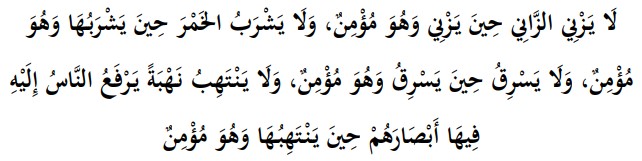
عندما يزني الزاني فإنه لا يكون مؤمناً، وعندما يشرب شارب الخمر الخمر فإنه لا يكون مؤمناً، وعندما يسرق السارق فإنه لا يكون مؤمناً، ولا يكون المنتهب الذي ينتهب شيئاً ثميناً يجذب انتباه الناس مؤمناً وهو يرتكب هذا الفعل (البخاري).
When the fornicator is committing Zinaa he is not a believer, when the alcohol drinker is drinking alcohol he is not a believer, when the thief steals he is not a believer and no plunderer who plunders a valuable thing that attracts the attention of people is a believer whilst he commits this act (AlBukhaari).
فلذلك يجب إعادة الحقائق إلى العقول لتصحيح السلوك وتقويمه، وتشمل هذه: حقائق الأشياء، والحقائق الشرعية من حيث العقائد والأحكام. ويجب تذكيرها بها حتى تصير متجددةً، راسخةً في النفس وحاضرةً، فيكون لها أثر في السلوك.
It is therefore obligatory to restore the truths (Haqaa’iq) to the minds to correct the behaviour and to rectify it. These include: The Haqaa’iq (truths) of things and the Shar’iyah truths in terms of beliefs and Ahkaam. They must be reminded with them so that they become fresh, firmly embodied and present, and as such have an effect upon the behaviour.
قال الله (سبحانه وتعالى):
Allah (swt) said:

وَذَكِّرْ فَإِنَّ الذِّكْرَىٰ تَنْفَعُ الْمُؤْمِنِينَ (الذاريات: 55)
And remind for verily the reminder benefits the believers (Adh-Dhaariyaat 55).
وعلى العكس من ذلك في حق الكافرين، فإن تذكيرهم بالحقائق والمفاهيم الشرعية لا ينفعهم، فهم يسمعونها كأفكار، لكنها لا تمثل لهم حقائق، ولا تمثل لهم مفاهيم، ولذلك لا يكون لها أثر في سلوكهم.
The opposite is the case in respect to the disbelievers because reminding them of the truths and Shar’iyah concepts does not benefit them. They hear them as thoughts but they do not represent truths for them nor do they represent concepts for them and as such they have no effect upon their behaviour.
لذلك فإن المفاهيم المتعلقة بالحياة هي التي تحدد الكيفية التي يعيش بها الإنسان. فليس همّه الأساسي مجرد العيش، بل كيف ينبغي له أن يعيش، وليس همّه الأساسي إشباع حاجاته، بل يتعلق الأمر بالكيفية التي سيشبعها بها. ولهذا السبب فإن مفاهيمه عن الحياة تصوغ له أسلوبًا وطريقة محددة في العيش.
Therefore the concepts about life are what define the manner by which the human lives. His main concern is not just living but rather how he should live and his main concern is not about satisfying his needs but rather it concerns the manner by which he will satisfy them. For this reason his concepts about life fashion for him a specific manner and style of living.
في الحالة التي يكون فيها مصدر المفاهيم في الحياة خارجاً عن الأشياء والأفعال نفسها، لا يمكن تبنّيها إلا بعد الاقتناع بأن ذلك المصدر حقٌّ، أو أن له القدرة أو السلطة على الحكم عليها، وأن أحكامه صحيحة وسليمة.
In the case where the source of the concepts in life are external to the things and actions themselves, it is not possible to adopt them except after being convinced that the source is true or has the power or authority to make a judgment upon them, and that its Ahkaam are valid and correct.
قد قرر الإسلام أنّ الحاكم هو الله (سبحانه وتعالى)، وأنّ مصدر الأحكام هو الوحي.
Islaam has established that the Haakim (Judge) is Allah (swt) and that the source of the Ahkaam (rulings) is the Wahi (divine revelation)
أُنزل على سيدنا محمد ﷺ
revealed upon Sayyidunaa Muhammad (saw).
قال الله (سبحانه وتعالى):
Allah (swt) said:

إِنِ الْحُكْمُ إِلَّا لِلَّهِ ۚ أَمَرَ أَلَّا تَعْبُدُوا إِلَّا إِيَّاهُ ۚ Note: The Qur'an reference "(Yousuf 40)" is rendered as "(يوسف 40)" in Arabic script.
Verily the Hukm (rule) is not but for Allah. He commanded that you do not worship other than him (Yousuf 40).
وَقَالَ سُبْحَانَهُ:
And He (swt) said:

وَمَن لَّمْ يَحْكُم بِمَا أَنزَلَ اللَّهُ فَأُولَٰئِكَ هُمُ الْكَافِرُونَ (المائدة: ٤٤).
And whosoever does not judge by what Allah has revealed then it those who are the disbelievers (Al-Maa’idah 44).
كُلُّ حُكْمٍ أَوْ قَضَاءٍ غَيْرَ حُكْمِ اللهِ فَهُوَ طَاغُوتٌ
Every ruling or judgement other than the Hukm of Allah is Taaghoot:
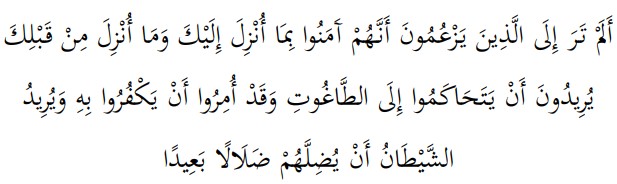
أَلَمْ تَرَ إِلَى الَّذِينَ يَزْعُمُونَ أَنَّهُمْ آمَنُوا بِمَا أُنْزِلَ إِلَيْكَ ﷺ وَمَا أُنْزِلَ مِنْ قَبْلِكَ يُرِيدُونَ أَنْ يَتَحَاكَمُوا إِلَى الطَّاغُوتِ وَقَدْ أُمِرُوا أَنْ يَكْفُرُوا بِهِ وَيُرِيدُ الشَّيْطَانُ أَنْ يُضِلَّهُمْ ضَلَالًا بَعِيدًا
Have you not seen those who claim to have believed in what was revealed to you, [O Muhammad], and what was revealed before you? They wish to refer legislation to Taghoot, while they were commanded to reject it; and Satan wishes to lead them far astray (An-Nisaa 60).
وعليه فلا يبقى للعقل أو للإنسان حكمٌ في ذلك، وليس معنى ذلك أنّ دورَ العقل قد سُلب، أو أنّ قدراته قد قُيّدت، بل لأنّ العقل والإنسان لا يملكان الأدوات اللازمة لإصدار الحكم أو تقرير الحكم الشرعي، وذلك لأنّ مصدر الحكم ليس الشيءَ نفسه، ولا الموضوعَ الذي سيُطبَّق عليه الحكم.
As such there is no judgement left to the mind or the human and this does not mean that the role of the mind has been taken away or that a limitation has been placed upon its capabilities. It is rather because the mind and the human do not possess the necessary tools to make judgement or pass a ruling. This is because the source of the ruling is not the thing itself or the subject that the ruling will be made upon.
فَإِنَّ الَّذِينَ خَصَّصُوا وَضْعَ الْحُكْمِ لِلنَّاسِ، مَثَلًا، لَمْ يَسْتَنِدُوا فِي ذَلِكَ إِلَى دَلِيلٍ، بَلْ ضَلُّوا وَتَاهُوا. وَقَدْ حَمَلُوا مَفْهُومًا غَيْرَ صَادِقٍ وَلَا حَقِيقَةَ لَهُ، وَفِي الوقتِ نفسِهِ كَذَّبُوا الحَقَّ بِفَصْلِهِمُ الدِّينَ عَنِ الحَيَاةِ، وَمَعْنَى ذَلِكَ أَنْ لَا حُكْمَ لِلَّهِ.
So those who have allocated the provision of the ruling to the people, for example, have not based this upon evidence and have rather wandered and gone astray. They have carried a concept which is not truthful and has no reality to it, whilst at the same time they have denied the truth by separating the Deen from life which means that there is no Hukm belonging to Allah.
إذا أُعطي الإنسانُ حقَّ إصدار الأحكام والفتاوى والقرارات، وهو لا يملك الأدوات اللازمة لذلك، فلن يسود إلا هواه وميوله ومصالحه وفق وجهة نظره. وهذه تكون متغيرةً متقلبةً، فقد يرى الإنسانُ الضارَّ نافعًا، ويرى الداءَ دواءً وشفاءً.
If the right and power of issuing judgements and rulings was given to the human whilst he does not possess the necessary tools to do that, then nothing would prevail apart from his desires, inclinations and interests according to his viewpoint. These would be changing and fluctuate and he could see something that is damaging as being beneficial and he could see a disease as a medicine and cure.
في هذا السياق يبرز أهمية الإيمان بالله، والنبوة، والقرآن. وهذا الإيمان هو العقيدة التي تؤثر في السلوك، لأنها تزوّد الإنسان بالمفاهيم عن الحياة التي تحدد له كيف ينبغي أن يعيش، وما غايته في الحياة، وما الهدف من سلوكه وتصرفاته، وهو نيل رضا الله عزّ وجل.
In this context the importance of Imaan in Allah, the Prophethood and the Qur’aan comes to the fore. This Imaan is the Aqeedah that has an effect upon the behaviour as it provides the human with the concepts about life which define for him how he should live, his purpose in the life and his purpose behind his behaviour and conduct, which is to attain the pleasure of Allah ‘Azza Wa Jalla.

قُلْ هَلْ نُنَبِّئُكُم بِالْأَخْسَرِينَ أَعْمَالًا الَّذِينَ ضَلَّ سَعْيُهُمْ فِي الْحَيَاةِ الدُّنْيَا وَهُمْ يَحْسَبُونَ أَنَّهُمْ يُحْسِنُونَ صُنْعًا (الكهف: 103-104)
Say: Shall We inform you of the greatest losers in respect to (their) deeds? [They are] those whose effort is lost in worldly life, whilst they were thinking that they are doing good (Al-Kahf 103-104).
نعم، يَضِلُّ الأفرادُ وتَضِلُّ الشعوبُ، كالسمكةِ في البحرِ إذا ابتلعتِ الطُّعمَ، أو الفأرِ الذي يندفعُ نحو الطعامِ الموضوعِ في مصيدةِ الفئران.
Yes the individuals are led astray and the peoples are led astray just like a fish in the ocean when it takes the bait or the mouse that rushes to the food placed in a mouse trap.
يَتِيهُ الإنسانُ ولا يَصِلُ إلى غايتِه حين يسيرُ في طريقٍ يُوقِنُ أنه يُوصِلُه إليها، وهو في الحقيقةِ يسيرُ في الاتجاهِ المعاكسِ تمامًا.
The human wanders around and does not arrive at his aim when he proceeds along a path that he is convinced will lead to it whilst in reality he is actually going in the exact opposite direction.
وهو أيضًا يضل إذا حمل مفاهيم خاطئة عن الحياة نتيجةً للجهل أو التحريف، كمن يرى أو يُجعل يرى أن الربا حلال، وأن الديمقراطية من الإسلام، وأن تعلم الشريعة إنما هو لكسب العيش شأنه شأن أي تخصص أو مهنة أخرى. فإذا غابت حقائق الإسلام، وامتلأت العقول بأفكار باطلة، كأفكار الحرية العامة، أو أن تغيير الواقع المتردي مستحيل في جيلنا الحالي أو في مائة عام، أو أن هذا التغيير هبة من الله وليس لنا إلا أن ننتظر أو ننتظر المهدي. فكل ذلك يحوِّل الأفراد أو الشعوب أو الأمة إلى مجموعة من الكسالى يُساقون بتثاقل في أي اتجاه يريده من أعطاهم هذه المفاهيم، ويؤدي بهم إلى أن يصيروا أدواتٍ في أيدي أعدائهم، وهم يحسبون أنهم في الحقيقة يجاهدونهم.
He is also led astray when he carries incorrect concepts about life as a result of ignorance or distortion like the one who sees or is made to see that Ribaa is Halaal, that democracy is from Islaam and that learning the Sharee’ah is for the sake of earning a living just like any other area of specialisation or profession. When the Haqaa’iq (truths/facts) of Islaam become absent and the minds are filled with false thoughts like the thoughts of general freedoms or that changing the declined reality is impossible in our current generation or one hundred years, or that this change is a gift from Allah and that there is nothing for us to do apart from wait or to wait for the Mahdi. All of this transforms the individuals, peoples or the Ummah into a collection of lazy people sluggishly being driven in whatever direction those who have given them these concepts want them to and it leads them into becoming tools for their enemies whilst they believe that they are actually struggling against them.

كَالَّذِي يَبْسُطُ كَفَّيْهِ إِلَى الْمَاءِ لِيَبْلُغَ فَاهُ وَمَا هُوَ بِبَالِغِهِ (الرعد: ١٤)
Like the one who stretches his hands toward water [from afar, calling it] to reach his mouth, but it does not reach it (Ar-Ra’d 14).

مَثَلُهُمْ كَمَثَلِ الَّذِي اسْتَوْقَدَ نَارًا فَلَمَّا أَضَاءَتْ مَا حَوْلَهُ ذَهَبَ اللَّهُ بِنُورِهِمْ وَتَرَكَهُمْ فِي ظُلُمَاتٍ لَا يُبْصِرُونَ [البقرة: ١٧]
Their example is that of one who kindled a fire, but when it illuminated what was around him, Allah took away their light and left them in darkness [so] they could not see (Al-Baqarah 17).
لذلك نكرر القول بأنه لأجل تغيير السلوك وتقويمه وجعله سلوكاً صحيحاً راقياً يبلغ غايته، لا بد من توليد مفاهيم صحيحة عن الأشياء والحياة. وحينئذٍ سيكون الإنسان في وضع جيد يمكّنه من إخضاع الأشياء وصفاتها والانتفاع بها بنجاح، وسيكون في وضع جيد يمكّنه من اعتماد السلوك الذي يبلغ به غايته، وأعظم الأهداف جميعاً، وهو نيل رضا الله عزّ وجلّ.
Therefore, we repeat, that in order to change the conduct, rectify it and make it a correct elevated conduct that arrives at its purpose, it is essential to generate correct concepts about things and life. At that time the person will be in a good position to subjugate and utilise the things and their attributes successfully and will be in a good position to adopt the conduct that arrives to his purpose and the greatest of all objectives which is the attainment of the pleasure of Allah ‘Azza Wa Jall:

وَابْتَغِ فِيمَا آتَاكَ اللَّهُ الدَّارَ الْآخِرَةَ ۖ وَلَا تَنسَ نَصِيبَكَ مِنَ الدُّنْيَا ۖ وَأَحْسِن كَمَا أَحْسَنَ اللَّهُ إِلَيْكَ ۖ
But seek, through that which Allah has given you, the home of the Hereafter; and [yet], do not forget your share of the world. And do good as Allah has done good to you (Al-Qasas 77).
الحقيقةُ الأولى، وهي أهمّها على الإطلاق، هي العقيدةُ التي تُحدِّد تصوُّرات الإنسان عن الحياة. والعقيدةُ أنّ جميعَ الأشياء خلقها خالقٌ هو اللهُ سبحانه، وأنّ الله أرسل رسولًا هو محمدٌ ﷺ برسالةِ الإسلام التي تُبيِّن كلَّ ما يتعلّق بالإنسان، وأنّه سبحانه سيُحاسبه على أساسِ الإيمانِ أو الكفر، وعلى أساسِ التزامه بما جاء به النبيُّ ﷺ أو عدم التزامه به.
The first of the Haqaa’iq (truths) and absolutely its most important is the Aqeedah that defines the human’s concepts about life. The Aqeedah is that all things have been created by a creator who is Allah (swt), that Allah sent a Messenger who is Muhammad (saw) with the Risaalah (message) of Al-Islaam which explains everything that relates to the human being and that He (swt) will account him upon the basis of Imaan or Kufr and upon the basis of his abiding by what the Nabi (saw) came with or by his non-abidance to it.
غاية المسلم في الحياة:
The Muslim’s purpose in life:
من أهم الحقائق بعد الإيمان أن يفهم الإنسان الغاية من خلقه، أي ما يجب عليه أن يسعى لتحقيقه.
From amongst the most important Haqaa’iq (truths) after Imaan is that the human understands the purpose of his creation i.e. that which he must strive to accomplish.
قال الله (سبحانه وتعالى):
Allah (swt) said:
وَمَا خَلَقْتُ الْجِنَّ وَالْإِنسَ إِلَّا لِيَعْبُدُونِ (الذاريات: 56)
And I have not created the Jinn or humankind except to worship me (AdDhaariyaat 56).
العبادةُ لله تعالى هي الإيمانُ به والطاعةُ له، والطاعةُ له تعالى هي الالتزامُ بجميعِ أحكامِه والعملُ بها. وهذا لا يقتصرُ على أعمالِ العبادةِ والأخلاقِ والمعاملاتِ، بل يشملُ كلَّ شيءٍ أمرَ اللهُ به
The worship (‘Ibaadah) to Allah means having Imaan in Him and obedience to Him. Obedience to Him Ta’Aalaa means commitment and abidance (Al-Iltizaam) to all of His Ahkaam. This is not restricted to the acts of ‘Ibaadah, Akhlaaq (morals) and Mu’aamalaat (societal transactions) but rather includes everything that Allah (swt)
هُوَ الَّذِي أَمَرَ أَوْ نَهَى. وَيَتَضَمَّنُ أَنْ لَا يَحِقَّ لِشَيْءٍ أَنْ يُعْبَدَ إِلَّا اللهُ، وَأَنْ لَا يَصْدُرَ أَمْرٌ أَوْ نَهْيٌ مِنْ أَحَدٍ غَيْرِهِ سُبْحَانَهُ وَتَعَالَى.
has commanded or forbidden. It includes that nothing has a right to be worshipped other than Allah and that no command or forbiddance can come from anyone besides Him (swt).
روى أحمد والترمذي أن عَدِيّ بن حاتم (رضي الله عنه) أتى رسول الله ﷺ وهو يقرأ الآية:
Ahmad and At-Tirmidhi related that ‘Adiy Bin Haatim (ra) came to the Messenger of Allah (saw) whilst he was reciting the Aayah:
اتَّخَذُوا أَحْبَارَهُمْ وَرُهْبَانَهُمْ أَرْبَابًا مِّن دُونِ اللَّهِ وَالْمَسِيحَ ابْنَ مَرْيَمَ، وَمَا أُمِرُوا إِلَّا لِيَعْبُدُوا إِلَٰهًا وَاحِدًا ۖ لَّا إِلَٰهَ إِلَّا هُوَ ۚ سُبْحَانَهُ عَمَّا يُشْرِكُونَ (التوبة: ٣١)
They have taken their Rabbis and monks as lords besides Allah, and [also] the Maseeh, the son of Mary. And they were not commanded except to worship one God; there is no deity except Him. Exalted is He above whatever they associate with Him (At-Taubah 31).
قال عَدِيٌّ: «لَمْ يَكُونُوا يَعْبُدُونَهُمْ». فَقَالَ رَسُولُ اللهِ ﷺ:
‘Adiy then said: ‘They did not worship them’. So the Messenger of Allah (saw) said:
بل حرّموا عليهم الحلال وأحلّوا لهم الحرام، فاتّبعوهم في ذلك، فكان ذلك عبادةً منهم لهم.
On the contrary, they made the Halaal Haraam upon them and made the Haraam Halaal for them, then they followed them (in this). Therefore this was their worship to them.
وعليه، فإنّ إعطاءَ الحقِّ لأيِّ أحدٍ في تحديدِ الحلالِ وتحديدِ الحرامِ، أو في وضعِ التشريعِ، وحقِّ الطاعةِ، يُعَدُّ عبادةً لذلك الشخصِ.
As such giving the Haqq (right) to anyone to decide the Halaal and decide the Haraam or the right to make legislation and the right of obedience represents ‘Ibaadah to that person.
قال الله (سبحانه وتعالى):
Allah (swt) said:
{ مَا تَعْبُدُونَ مِن دُونِهِ إِلَّا أَسْمَاءً سَمَّيْتُمُوهَا أَنتُمْ وَآبَاؤُكُم مَّا أَنزَلَ اللَّهُ بِهَا مِن سُلْطَانٍ }
You worship nothing besides Him except [mere] names you have named them with, you and your fathers, for which Allah has sent down no authority.
إِنِ الْحُكْمُ إِلَّا لِلَّهِ ۚ أَمَرَ أَلَّا تَعْبُدُوا إِلَّا إِيَّاهُ ۚ ذَٰلِكَ الدِّينُ الْقَيِّمُ وَلَٰكِنَّ أَكْثَرَ النَّاسِ لَا يَعْلَمُونَ (يوسف: 40)
Legislation is not but for Allah. He has commanded that you worship not except Him. That is the correct Deen, but most of the people do not know (Yusuf 40).
أَمَّا حَقُّ الطَّاعَةِ الَّذِي لِلْحَاكِمِ وَالأَمِيرِ وَالْوَالِدَيْنِ، فَإِنَّمَا هُوَ لِلْحَقِّ الَّذِي جَعَلَهُ اللهُ (سبحانه وتعالى)
As for the right of obedience that belongs to the Hakim (ruler), Ameer or parents then this is due to the Haqq (right) that Allah (swt)
ما أعطاهم إياه.
has provided to them.
العبادة لله سبحانه وتعالى تشمل الطاعة فيما يتعلق بجعل الناس يعبدونه سبحانه، أي إلزامهم بالخضوع لشرع الله، ومقاتلة وجود أي حاكمية (حق التشريع) لغير الله، أو لغير شريعة الإسلام، إضافةً إلى مقاتلة الخروج من حكم الله سبحانه وتعالى. هذا ما دلّت عليه النصوص والمعنى الذي جاءت به؛ فالنصوص التي جاءت بالأمر بالمعروف والنهي عن المنكر، أمرت بالقيام بالمناقشات والبيانات وإقناع الناس ودعوتهم بطريق الدعوة، وأمرت كذلك بالجلد والقطع والقتل (عقوبةً وردعًا)، وبالقتال والجهاد لنشر حكم الله في الأرض ولإعلاء كلمته.
‘Ibaadah to Allah (swt) includes the obedience in respect to making mankind worship Him (swt) i.e. to make them submit to the Shar’a of Allah and to fight against the existence of any Haakimiyah (right to make rules) to other than Allah or to other than the Sharee’ah of Islaam in addition to fighting against the exiting (Khurooj) from the Hukm (rule) of Allah (swt). This is what the texts have indicated and the meaning that they have come with; those which have come commanding the ‘Amr Bil Ma’rouf’ (Commanding the good) and the ‘Nahi ‘An il-Munkar’ (Forbidding the evil). They have commanded the undertaking of discussions, explanations, convincing people and inviting them by way of Da’wah. Additionally they have commanded lashing, cutting, killing (as punishments and deterrents) and fighting and Al-Jihaad to spread the rule of Allah upon the Earth and to raise His word the highest.
وعليه، رأينا أنّ رسول الله ﷺ، بعد أن أقام الدولة الإسلامية في المدينة المنوّرة وثبّت أركانها، أرسل الرسل إلى الملوك والحكّام يدعوهم إلى الإسلام. ثم رأينا الخلفاء الراشدين (رضي الله عنهم) الذين جاؤوا بعده ﷺ يبعثون حملة الدعوة والمجاهدين والجيوش لدعوة الناس إلى الإيمان وإخراجهم من الظلمات إلى النور، وقاتلوا لغاية إخضاع البلاد والعباد لسلطان الإسلام.
As such we saw that after the Messenger of Allah (saw) established the Islamic State in Al-Madinah Al-Munawaarah and established its pillars firmly, he (saw) sent the messengers to the Kings and rulers inviting them to Islaam. We then saw the Khulafaa’ (rah) who came after him (saw) sending out carriers of the Da’wah, Mujaahideen and armies to invite the people to Imaan and to take them out of the darkness and bring them into the light. They fought for the purpose of making the lands and servants submit to the authority of Islaam.
إنّ فيه دعوةً إلى أن لا يُعبَد إلا الله، وأن لا تكون الحاكمية لغير الله تعالى. وهذا الهدف يمثّل الفكرة التي يعيش من أجلها المسلم، وقد عبّر عنها أروع تعبير الصحابيُّ الجليل ربعيُّ بن عامر حين أُعجب رستم قائدُ الجيش الفارسي بما يدعو إليه، فسأله: ما الذي جئتم به؟ فأجابه ربعيٌّ (رضي الله عنه):
اللہ عزّ وجلّ نے ہمیں اس لیے بھیجا ہے کہ ہم تمہیں بندوں کی عبادت سے نجات دلائیں اور تمہیں بندوں کے رب کی عبادت کی طرف لے آئیں، اور تمہیں دوسرے دینوں کے ظلم سے چھڑائیں اور اسلام کے عدل کی طرف لے آئیں، اور اس دنیا کی تنگی سے نکال کر اس دنیا اور آخرت کی وسعت کی طرف لے آئیں۔
Allah Azza wa Jall has sent us to deliver you from the worship of the servants (people) to bring you to the worship of the Lord of the servants (people) and to deliver you from the oppression of other Deens and bring you to the justice of Islaam and from the narrowness of this world and bring you to the vastness of this world and the hereafter.
لقد بُيِّن هذا المعنى بوضوح في القرآن الكريم، والسنة النبوية، وأفعال رسول الله ﷺ، في نصوص يصعب حصرها، وسنذكر منها بعضها:
This thought has been made very clear in the Qur’aan, the Sunnah and the actions of the Messenger (saw) within texts that are too numerous for a limit to be placed upon them. We will however make a mention of some of them:
قال الله (سبحانه وتعالى):
Allah (swt) said:
قُلْ يَا أَيُّهَا النَّاسُ إِنِّي رَسُولُ اللَّهِ إِلَيْكُمْ جَمِيعًا (الأعراف: ١٥٨)
Say: O people! Verily I am the Messenger of Allah to you all (Al-Aa’raaf 158).
قَالَ (سبحانه وتعالى):
He (swt) said:
وَمَا أَرْسَلْنَاكَ إِلَّا كَافَّةً لِّلنَّاسِ بَشِيرًا وَنَذِيرًا ﷺ (سبأ: 28).
And we have not sent you except to the entirety of mankind as a bringer of glad tidings and as a warner (Saba’ 28).
وَقَالَ سُبْحَانَهُ:
And He (swt) said:
هُوَ الَّذِي أَرْسَلَ رَسُولَهُ بِالْهُدَىٰ وَدِينِ الْحَقِّ لِيُظْهِرَهُ عَلَى الدِّينِ كُلِّهِ وَلَوْ كَرِهَ الْمُشْرِكُونَ (التوبة: ٣٣، الصف: ٩).
He its is who has sent His Messenger with the guidance and the Deen of truth so that it prevails over all other Deens and even if the Mushrikeen hate it (AtTaubah 33, As-Saff 9).
And:
And:
يَا أَيُّهَا الَّذِينَ آمَنُوا قَاتِلُوا الَّذِينَ يَلُونَكُم مِّنَ الْكُفَّارِ وَلْيَجِدُوا فِيكُمْ غِلْظَةً ۚ وَاعْلَمُوا أَنَّ اللَّهَ مَعَ الْمُتَّقِينَ (التوبۃ: 123)
O you who have believed, fight those adjacent to you of the disbelievers and let them find in you harshness. And know that Allah is with the righteous (AtTaubah 123).
وَقَاتِلُوا الَّذِينَ لَا يُؤْمِنُونَ بِاللَّهِ وَلَا بِالْيَوْمِ الْآخِرِ وَلَا يُحَرِّمُونَ مَا حَرَّمَ اللَّهُ وَرَسُولُهُ وَلَا يَدِينُونَ دِينَ الْحَقِّ مِنَ الَّذِينَ أُوتُوا الْكِتَابَ حَتَّىٰ يُعْطُوا الْجِزْيَةَ عَنْ يَدٍ وَهُمْ صَاغِرُونَ (التوبة: 29)
And: Fight those who do not believe in Allah or in the Last Day and who do not consider unlawful what Allah and His Messenger have made unlawful and who do not adopt the religion of truth from those who were given the Scripture - [fight] until they give the Jizyah willingly while they are subdued (At-Taubah 29).
وَقَالَ رَسُولُ اللهِ ﷺ:
And the Messenger of Allah (sw) said:
مَنْ قَاتَلَ لِتَكُونَ كَلِمَةُ اللَّهِ هِيَ الْعُلْيَا فَهُوَ فِي سَبِيلِ اللَّهِ۔ (مُتَّفَقٌ عَلَيْهِ)
الهدف والغاية هو أنه لا يمكن أن يوجد أي حكم يُطاع ولا أي تشريع يُعتمد إلا ما كان من الله سبحانه وتعالى
So the objective and purpose is that no law that is obeyed or no legislation that is adopted can exist except for that which Allah (swt)
أَمَرَ، وَأَنْ لَا حَاكِمَ إِلَّا اللهُ. أَمَّا تَرْكُ الْكُفَّارِ عَلَى عَقَائِدِهِمْ وَعِبَادَاتِهِمْ، فَإِنَّهُمْ يُتْرَكُونَ عَلَى هَذِهِ الْأُمُورِ وَفْقَ أَمْرِ اللهِ تَعَالَى وَامْتِثَالًا لَهُ.
has commanded and that there is no Haakim (law maker) other than Allah. As far as leaving the disbelievers upon their beliefs and worships then they are left upon these matters in accordance to and in compliance to the command of Allah (swt).
قد بيّن اللهُ سبحانه وتعالى هذا الغرضَ وهذه الغايةَ فيما يتعلق بخلقه للناس حين قال:
Allah (swt) has made clear and explained this objective and purpose in respect to His creation of the people when He (swt) said:
وَكَذَٰلِكَ جَعَلْنَاكُمْ أُمَّةً وَسَطًا لِتَكُونُوا شُهَدَاءَ عَلَى النَّاسِ وَيَكُونَ الرَّسُولُ عَلَيْكُمْ شَهِيدًا ﷺ (البقرة: ١٤٣)
And thus we have made you a just/best Ummah so that you will be witnesses over mankind and the Messenger will be a witness over you (Al-Baqarah 143).
هذا الخطاب موجَّه إلى الأمة الإسلامية، ويُحمِّلها التكليف الشرعي بحمل الرسالة، بعد رسول الله ﷺ، إلى البشرية جمعاء. وقد حمل النبي ﷺ هذه الرسالة بالفعل، وبعد أن بلَّغ الرسالة، وأدى الأمانة، وجاهد في سبيل الله بكل ما يملك من قوة وجهد وقدرة. وقف ﷺ في حجة الوداع الأخيرة، فخاطب أمته فقال:
This address is to the Islamic Ummah and it entrusts her with the legal responsibility (Takleef) to carry the Message, after the Messenger of Allah (saw), to the whole of mankind. And indeed the Nabi (saw) carried it and after conveying the message, fulfilling his Amaanah and after having performed Al-Jihaad for Allah’s sake with all that he possessed of strength, effort and capability. He (saw) stood in the final farewell Hajj, addressed his Ummah and said:
Reference: التغيير - Mahmoud Abdul-Kareem Hasan
«وَإِنِّي قَدْ تَرَكْتُ فِيكُمْ مَا إِنْ أَخَذْتُمْ بِهِ لَنْ تَضِلُّوا: كِتَابَ اللَّهِ، وَأَنْتُمْ مَسْئُولُونَ عَنِّي» ﷺ، أَيْ بَعْدِي. فَمَاذَا تَقُولُونَ؟ قَالُوا: نَشْهَدُ أَنَّكَ قَدْ بَلَّغْتَ وَأَدَّيْتَ وَنَصَحْتَ. ثُمَّ قَالَ ﷺ وَهُوَ يَرْفَعُ سَبَّابَتَهُ إِلَى السَّمَاءِ ثُمَّ يُشِيرُ بِهَا إِلَى النَّاسِ: «اللَّهُمَّ اشْهَدْ، اللَّهُمَّ اشْهَدْ، اللَّهُمَّ اشْهَدْ» [أبو داود].
‘And indeed I have left amongst you that which if you hold on firmly to you will never go astray: The Kitaab (book) of Allah, and you are responsible from me (i.e. after me). So what do you all say?’. They said: ‘We bear witness that you have conveyed, fulfilled and advised’. He then said whist raising his index finger to the sky and then towards the people: ‘O Allah bear witness, O Allah bear witness, O Allah bear witness’ (Abu Daawood).
وبهذا شهد النبيُّ ﷺ علينا بمسؤوليةِ تبليغِ الأمانةِ وحملِها، واستشهدَ اللهَ علينا في ذلك. فيجبُ علينا بعد ذلك أن نكونَ شهداءَ على الناسِ على نفسِ المنهجِ الذي سلكَه الرسولُ ﷺ الكريمُ. وقد بيّنَ اللهُ سبحانه وتعالى أنَّ هذا هو الغايةُ والهدفُ من الخلقِ قبلَ خلقِ آدمَ عليه السلام.
So in this way the Nabi (saw) bore witness over us with the responsibility of conveying and carrying the Amaanah (trust) and sought Allah’s witness upon us in regards to that. Therefore, after that it is obligatory upon us to be witnesses over the people in accordance to exactly the same methodology that the Noble Messenger (saw) undertook. Indeed Allah (swt) made clear that this is the purpose and objective of the creation before His creation of Aadam (as).
قال الله (سبحانه وتعالى):
Allah (swt) said:
وَإِذْ قَالَ رَبُّكَ لِلْمَلَائِكَةِ إِنِّي جَاعِلٌ فِي الْأَرْضِ خَلِيفَةً ۖ قَالُوا أَتَجْعَلُ فِيهَا مَن يُفْسِدُ فِيهَا وَيَسْفِكُ الدِّمَاءَ وَنَحْنُ نُسَبِّحُ بِحَمْدِكَ وَنُقَدِّسُ لَكَ ۖ قَالَ إِنِّي أَعْلَمُ مَا لَا تَعْلَمُونَ [سورة البقرة: 30]
And [remember] when your Lord said to the angels, "Verily, I will make upon the earth a successive authority." They said, "Will You place upon it one who causes corruption therein and sheds blood, while we declare Your praise and sanctify You?" Allah said, "Indeed, I know that which you do not know." (AlBaqarah 30).
الملائكة عباد الله عز وجل، لا يعصونه.
The Malaa’ikah (Angels) are the servants of Allah (swt) and do not disobey Him:
عَلَيْهَا مَلَائِكَةٌ غِلَاظٌ شِدَادٌ لَا يَعْصُونَ اللَّهَ مَا أَمَرَهُمْ وَيَفْعَلُونَ مَا يُؤْمَرُونَ {التحریم: ٦}
Over which are [appointed] angels, harsh and severe; they do not disobey Allah in what He commands them but do what they are commanded (At-Tahreem 6).
عِنْدَمَا قَالَ اللَّهُ (سبحانه وتعالى) لَهُم:
When Allah (swt) said to them:
إِنِّي جَاعِلٌ فِي الْأَرْضِ خَلِيفَةً
Verily, I will make upon the earth a successive authority (Khalifah)
فأدركوا وفهموا أنه سبحانه سيجعل في الأرض من يعصي، ويُفهم ذلك من لفظ «خليفة»، لأنه في هذا السياق يعني من يمنحه الله الخلافة ويفوضه للقيام بأعمال الإصلاح والرعاية، وغير ذلك من الأمور التي يتولاها من أُسندت إليه المهمة. وهذا الدور في الإصلاح وتدبير الشؤون يعني أنه سيوجد من يحتاج إلى الإصلاح ومن هم بحاجة إلى الرعاية. وهذا يعني أنه سيكون هناك من يخرج عن أمر الله، وأن ذلك سيؤدي إلى الشقاء والمعاناة والفوضى. ولهذا قالوا:
They realised and comprehended that He (swt) will make upon the earth those who will be disobedient. This is understood from the wording ‘Khalifah’ because here in this context it means the one who Allah will give succession and delegate to undertake the acts of correcting and caretaking amongst other matters that the one who is entrusted would undertake. This role or rectifying and taking care of affairs means that their will exist those who need to be rectified and who are need of Ri’aayah (caretaking). This means that there will be those who go outside of the command of Allah and that this will lead to misery, anguish and disorder. This is why they said:
قَالُوا أَتَجْعَلُ فِيهَا مَن يُفْسِدُ فِيهَا وَيَسْفِكُ الدِّمَاءَ (البقرۃ: ۳۰)
They said: Will you make those who will make corruption in it (the earth) and spill blood (Al-Baqarah 30).
أي أنه لو لم يكن في الخلق ما هو معصية لجرى كل شيء وفق أمر الله سبحانه. فإذا أراد الله سبحانه أن يخلق من يقوم بأعمال الإصلاح والهداية، فإن ذلك يعني أنه سيوجد من يختار الضلال ومعصية الله.
In other words, if the creation did not include something that would be disobedient then everything would proceed in accordance to the command of Allah (swt). So when Allah (swt) wanted to create someone who will undertake the actions of rectifying and guidance then this means that there will exist those who will choose misguidance and disobedience to Allah.
لِذَلِكَ فإنَّ الغايةَ مِن الحياةِ التي بيَّنها اللهُ سبحانَه وتعالى وأوضحَها قبلَ خلقِ آدمَ عليه السلام هي أن يكونَ هناكَ إنسانٌ عبدٌ للهِ، وأن يتولّى مهمةَ دعوةِ غيرِه إلى عبادةِ اللهِ ممّن ضلّوا عن عبادتِه أو أعرضوا عنها.
Therefore the purpose in life which Allah (swt) has made clear and explained before the creation of Aadam (as) is that there will be a human being who is a slave (‘Abd) to Allah and that he will undertake the work of making others worship Allah (swt) from those who have gone astray from His worship or have rejected it.
إذن فالحياة صراعٌ فكريٌّ وعقديٌّ وسياسيٌّ بين الإيمان والكفر. وهو عقديٌّ من حيث إنه لأجل إعلاء كلمة الله، ولكي يكون الدين للناس كلُّه ولله وحده، فلا حُكمَ إلا لله، وأنه سبحانه لا شريك له، ولا يُعبد شيءٌ ولا أحدٌ سوى الله، ولا يكون الخضوع إلا لشرع الله. وبهذا يمثّل صراعًا سياسيًّا، إذ أصبح القيام على شؤون البشر واجبًا ألا يُسلَّم لأيِّ صورةٍ من صور التشريع غير شريعة الإسلام.
The life is therefore an intellectual, belief based and political clash and struggle between Imaan and Kufr. It is belief based in terms of it being for the sake of raising the word of Allah the highest and so that the Deen of the people is all and only for Allah. So that no Hukm exists except that it is for Allah, that He (swt) has no Shareek (partner), that nothing or no one is worshiped aside from Allah and that submission is only to the Shar’a of Allah. In this way it represents a political struggle where the caretaking of the affairs of human beings has been made obligatory to not be entrusted to any form of legislation other than the Sharee’ah of Al-Islaam.