الصين: مدّعية أم منافسة؟
China: Pretender Or Contender
2009 كانت الذكرى الستّين للثورة الصينية. نالت الصين استقلالها من اليابان، وهزمت القوميين لتقيم جمهورية الصين الشعبية الاشتراكية. وفي العقد الأخير رأى كثير من المحللين في صعود الصين أكبر تحدٍّ تواجهه أمريكا، ويتوقّع بعض المفكرين أن تصبح الصين القوة العظمى في العالم في المستقبل غير البعيد. وقد أدهش الصعودُ السريع للصين على الخريطة السياسية في العشرين سنة الأخيرة كثيرين، وحيّر آخرين، ويراه بعضهم علامةً على انتقال القوة العالمية من الغرب إلى الشرق. لم تكن الصين قوةً عالمية قط، وتاريخها الحديث يتمثل في احتلالٍ وحشيّ من اليابان، وكانت ذاكرة ذلك الاحتلال هي ما حدّد ملامح الصين بعد الحرب العالمية الثانية. وتمثّل الذكرى الستّين لأكثر دول العالم سكانًا واقعًا فريدًا في تاريخها، إذ تُعدّ للمرة الأولى قوةً عالمية.
2009 was the 60th anniversary of the Chinese revolution. China gained independence from Japan and defeated the nationalists to establish the Socialist people’s republic of China. In the last decade many analysts have viewed the rise of China as America's biggest challenge and some thinkers foresee China as the world’s superpower in the not so distant future. The rapid rise of China on the political map in the last 20 years has shocked many, bewildered others and for some marks the shift of global power from West to East. China has never been a world power and its recent history consists of a brutal occupation by Japan, whose memory defined post WW2 China. The 60th anniversary for the world’s most populated nation marks a unique reality in its history as for the first time it is counted as a world power.
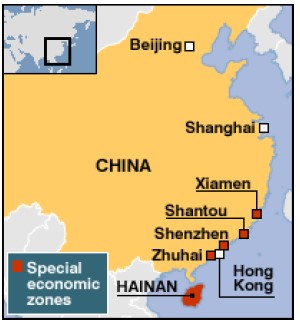
بدأ التطور في الصين عام 1978، وقد هيمنت الاعتبارات العسكرية على تطوير العلم والتكنولوجيا، ويمكن إرجاع ذلك إلى عهد ماو. فقد أعلن ماو هدفه المتمثل في تكوين مجمّع «للتعسكر» يفوق في أهميته جميع الاحتياجات الأخرى. وشكّل هذا «التعسكر» أساس سياسة دنغ شياو بينغ. وكان هدف دنغ تنويع الاقتصاد الصيني، حتى يسهم القاعدة الصناعية للصين في الدفاع الوطني فحسب، بل أيضًا في النمو الاقتصادي وازدهار المدنيين. وقد أوضح ذلك بجلاء التوجيه الشهير المكوّن من ستة عشر حرفًا الذي أطلقه دنغ في أوائل الثمانينيات: «دمج الإنتاج العسكري والمدني، مع الحرص على موازنة المتطلبات العسكرية، والحفاظ على القدرة العسكرية، واستخدام الاقتصاد المدني في خدمة التحديث العسكري». وقبل ذلك، كان يُعمل بالاقتصاد المخطَّط مركزيًا على النمط السوفييتي، لكنه حقق نتائج محدودة. فاتجه دنغ بعد ذلك إلى اقتصاد أكثر توجهًا نحو السوق، ولا سيما في المناطق الاقتصادية الخاصة الواقعة في قوانغدونغ وفوجيان وهainan. وكانت النتائج مذهلة؛ فقد غيّرت الصين اقتصادها تغييرًا جذريًا، منتقلةً من إنتاج صادرات بسيطة رديئة الجودة إلى سلع عالية التقنية متطورة. وتحوّل البلد من اقتصاد منغلق متخلف إلى آلة تصدير عالمية، إذ نما حجم صادراته الصينية عشرة أضعاف. واليوم تجاوزت الصين ألمانيا بوصفها أكبر مصدّر في العالم، إذ تصدّر ما يزيد على تريليون دولار سنويًا.
China's development began in 1978 and has been due to military considerations dominating the development of science and technology. This can be traced back to the Mao era. Mao stated his objective of forming a ‘militarization’ complex above all other needs. This ‘militarization’ formed the basis of Deng Xao Ping’s policy. Deng's aim was to diversify the Chinese economy in order for China's industrial base to contribute not just to national defence but also economic growth and civilian prosperity. Deng's famous 16 character guidance in early 1980’s made this clear: ‘integrating military and civilian production; but making sure to balance the military requirements; maintaining military capability; using the civilian economy to serve military modernization.’6 Prior to this the Soviet-style centrally planned economy, was utilized but achieved limited results. Deng then utilized a more market-oriented economy, particularly in the Special Economic Zones (SEZ) located in the Guangdong, Fujian, and Hainan. The results were spectacular. China radically changed its economy moving from producing low quality simple exports to sophisticated high technology goods. The country has changed from an inward backward economy to a global exporting machine, Chinese exports have grown tenfold. Today China has surpassed Germany as the world’s largest exporter, exporting over $1 trillion a year.
منذ عام 1978، تشهد الصين إصلاحات اقتصادية تنقل اقتصادها من نظام التخطيط المركزي على النمط السوفيتي إلى اقتصاد أكثر توجهاً نحو السوق، لكن ضمن الإطار السياسي الذي توفره الحزب الشيوعي الصيني. وقد أُطلق على هذا النظام اسم «الاشتراكية بخصائص صينية»، وهو أحد أنواع الاقتصاد المختلط. وقد ساعدت هذه الإصلاحات، التي بدأت منذ عام 1978، في إخراج ملايين الناس من الفقر، فانخفضت نسبة الفقر من 53% من السكان في عام 1981 إلى 8% بحلول عام 2001.
Since 1978, China has been reforming its economy from a Soviet-style centrally planned economy to a more market-oriented economy but within the political framework, provided by the Communist Party of China. This system has been called “Socialism with Chinese characteristics” and is one type of mixed economy. These reforms started since 1978 has helped lift millions of people out of poverty, bringing the poverty rate down from 53% of population in 1981 to 8% by 2001.
This text is about Chinese foreign policy and contains no mention of the Prophet Muhammad, so no ﷺ is needed. Translating it into Arabic: تمثل ممارسة السياسة الخارجية الصينية تطورًا مهمًا عن النهج الضيق والتفاعلي الذي اتبعته بكين في الشؤون العالمية في الماضي. فالصين تتخلى عن عقلية الضحية التي تمسكت بها طويلًا، عقلية 150 عامًا من العار والإذلال، وتتبنى بدلًا منها عقلية القوة العظمى (داguo شِنْتَاي). والامتداد الطبيعي لذلك هو الدور المتزايد للصين في القضايا العالمية. وقد قادت هذا التوجه كبار أعضاء الحزب الشيوعي الذين لم يولدوا في أثناء الثورة الصينية، ولذلك لا ينظرون إلى العالم من منظور تاريخ الصين. ومن هؤلاء القادة الرئيس الحالي هو جينتاو، الذي وُلد قبل الثورة بسنوات قليلة فقط، وكان أول زعيم للصين لم يشارك في المسيرة الطويلة الشهيرة، التي هُزم فيها القوميون عام 1949. إن هؤلاء القادة هم الذين يؤمنون بالتخلي عن عقلية الضحية الصينية وتبني عقلية القوة العظمى، وهم الذين يرون الصين بصورة متزايدة قريبة من القوى الكبرى في العالم.
The execution of China's foreign policy represents an important evolution from Beijing's narrow and reactive approach to global affairs in the past. China is abandoning its long-held victim mentality of 150 years of shame and humiliation and adopting instead a great power mentality (daguo xintai). The natural extension of this is the increasing role of China in global issues. This has been driven by leading members of the Communist party who were not born during the Chinese revolution and hence do not view the world from the perspective of China's history. Leaders, such as the current president Hu Jintao, who was born only a few years before the revolution, was China's first leader not to have taken part in the infamous long march, where the nationalists were defeated in 1949. It is such leaders who believe in the abandonment of China's victim mentality and the adoption of a great power mentality, it is such leaders who are increasingly seeing China more akin to the world’s major powers.
العلاقات الصينية الأمريكية
Sino - US Relations
في عام ١٩٩٤ وما بعده، وضع صانعو السياسة الأمريكيون استراتيجيتهم تجاه الصين أولاً في «توجيهات التخطيط الدفاعي» (DPG) للسنوات المالية ١٩٩٤-١٩٩٩، وهي أول بيان رسمي للأهداف الاستراتيجية الأمريكية في الحقبة التي تلت الاتحاد السوفيتي: «يجب علينا أن نسعى إلى منع أي قوة معادية من الهيمنة على منطقة تكفي مواردها، إذا خضعت لسيطرة موحدة، لتوليد قوة عالمية».⁷ وبحلول الوقت الذي تولى فيه جورج دبليو بوش الحكم، لم تكن الصين وحدها تملك القدرة الاقتصادية والعسكرية على تحدي الولايات المتحدة بوصفها قوة عظمى طامحة. فطورت الولايات المتحدة سياسة الاحتواء بدلاً من المنافسة المباشرة مع الصين، وهي سياسة تُنفق فيها الموارد الأمريكية لكبح الصين داخل حدودها، بما يضمن ألا يشاركها أحد في المنطقة. وقد عرضت كونداليزا رايس هذه السياسة، حين كانت مستشارة للسياسة الخارجية لجورج دبليو بوش، آنذاك حاكم ولاية تكساس، خلال الحملة الرئاسية عام ٢٠٠٠، في مقال نشرته مجلة «فورين أفيرز»، قالت فيه: «الصين قوة عظمى لها مصالح حيوية لم تُحسم بعد، لا سيما فيما يتعلق بتايوان، كما تستاء الصين من دور الولايات المتحدة في منطقة آسيا والمحيط الهادئ». ولهذه الأسباب، كما قالت، «الصين ليست قوة تسعى إلى الحفاظ على الوضع القائم، بل قوة تريد تغيير توازن القوى في آسيا لصالحها. وهذا وحده يجعلها منافساً استراتيجياً، لا "الشريك الاستراتيجي" الذي وصفتها به إدارة كلينتون ذات يوم. يجب على الولايات المتحدة أن تعمّق تعاونها مع اليابان وكوريا الجنوبية، وأن تحافظ على التزامها بوجود عسكري قوي في المنطقة». وينبغي لواشنطن أيضاً أن «تولي اهتماماً أوثق لدور الهند في التوازن الإقليمي، وأن تدمج تلك الدولة في نظام تحالفات مناهض للصين».8
US policy makers spelled out their strategy for China initially in the Defence Planning Guidance (DPG) for fiscal years 1994-99, the first formal statement of US strategic goals in the post-Soviet era "we [must] endeavour to prevent any hostile power from dominating a region whose resources would, under consolidated control, be sufficient to generate global power."7 By the time George W Bush came to office only China possessed the economic and military capacity to challenge the United States as an aspiring superpower. The US developed a policy of containment rather than outright competition with China which would expend US resources, to restrain China within its borders ensuring no-one shares the region with her. This policy of containment was spelt out by Condoleezza Rice while serving as a foreign-policy adviser to George W Bush, then governor of the state of Texas, during the 2000 presidential campaign in a Foreign Affairs article she stated "China is a great power with unresolved vital interests, particularly concerning Taiwan, China also resents the role of the United States in the Asia-Pacific region." For these reasons, she stated, "China is not a ‘status quo' power but one that would like to alter Asia's balance of power in its own favour. That alone makes it a strategic competitor, not the 'strategic partner' the Clinton administration once called it. The United States must deepen its cooperation with Japan and South Korea and maintain its commitment to a robust military presence in the region". Washington should also "pay closer attention to India's role in the regional balance, and bring that country into an anti-Chinese alliance system."8
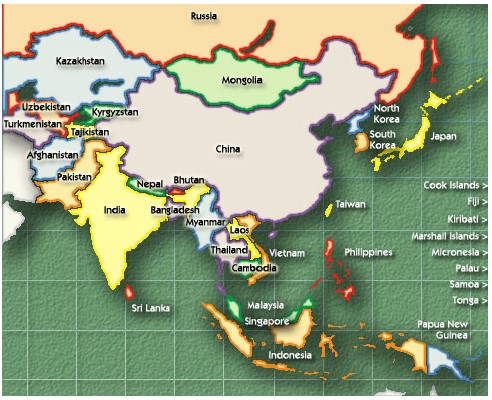
ومن جهة أخرى، فإن الذين يرون في صعود الصين تهديدًا قد دفعوا الإدارة الأمريكية إلى تطوير حلقة معادية للصين حولها بغرض احتوائها. وقد رفعت الولايات المتحدة مستوى العلاقات الأمنية مع اليابان، وأيّدت دعوات اليابان إلى تطوير القدرات النووية، وهذا يعني التخلي عن السياسة الدفاعية الدستورية التي عمرت عقودًا؛ وتمثل ذلك بالنسبة للولايات المتحدة ثقلًا عسكريًا موازنًا للجناح الشرقي للصين. أما على الجناح الغربي، فقد استُميلت الهند بصفقات اقتصادية، ونقل التكنولوجيا النووية، وطموحات الحصول على عضوية دائمة في مجلس الأمن. وبالطريقة نفسها، طبّعت الولايات المتحدة علاقاتها مع فيتنام، طاوية صفحة صراعها التاريخي، ومكوّنة معها شراكات ثنائية. ونجحت الولايات المتحدة في دفع الفيتناميين إلى زيادة تفاعلهم معها، فكسرت الروابط الصينية القديمة مع منطقة المحيط الهادئ. ولا تزال فيتنام تعاني نزاعًا إقليميًا على حدودها الشمالية مع الصين. كما استغلت الولايات المتحدة صراعها مع كوريا الشمالية لاحتواء الصين. وقد التزمت الولايات المتحدة صمتًا كبيرًا تجاه التقدم النووي في بيونغ يانغ مقارنة بإيران، بينما سعت الصين إلى محادثات الأطراف الستة حرصًا على ألا تُشعل النار في فنائها الخلفي. وقد تضاربت التصريحات الصادرة عن تلك الاجتماعات، إذ وصفت الصين المحادثات بأنها متشائمة ومتباعدة في القضايا المتعلقة بالولايات المتحدة، بينما وصفتها الولايات المتحدة بأنها مفاوضات ناجحة. وهذا يوفر مبررًا مناسبًا لوجود أمريكي مستمر وكبير في كوريا الجنوبية. وأعلنت الولايات المتحدة كذلك في سبتمبر 2009 تحولًا في سياستها تجاه ميانمار (بورما)، إذ تخطط للانتقال إلى ما هو أبعد من نظام العقوبات الحالي، ليشمل الانخراط المباشر مع الحكومة العسكرية. وتلعب ميانمار دورًا محوريًا في استراتيجية الصين للطاقة في الخارج، وتسعى الولايات المتحدة من خلال الانخراط المباشر إلى تقليص توسع النفوذ الصيني في آسيا.
On the other hand those who view China's rise as a threat have pushed for the US administration to develop an anti-Chinese ring around China to contain it. The US has upgraded security relations with Japan and has supported Japanese calls for nuclear development, this would mean abandoning the decades old constitutional defensive policy; for the US this would act as a military counter weight on China’s Eastern flank. On the Western flank India has been wooed with economic deals, the transfer of nuclear technology and ambitions of permanent Security Council status. The US in a similar manner has normalised relations with Vietnam burying its historical conflict and forming bilateral partnerships with it. The US has successfully manoeuvred the Vietnamese to increase interaction with it, breaking the age old Chinese links to the pacific region. Vietnam continues to have a territorial dispute on its northern border with China. The US has also used its conflict with North Korea to contain China. The US has been considerably silent to the nuclear progress in Pyongyang compared to Iran, whilst China has been pursuing six party talks trying to ensure its back door is not set on fire. The statements from such meetings have been contradictory where China has been remarking pessimistic talks with distance on issues to the US remarking successful negotiations. This gives a suitable justification for sustained and substantial US presence in South Korea. The US has also announced in September 2009 a shift in policy towards Myanmar (Burma). It plans to move beyond the current sanctions regime to include direct engagement with the military government. Myanmar is playing a central role in China's overseas energy strategy and through direct engagement the US is attempting to minimise the expansion of a Chinese sphere of influence in Asia.
الجانب الداخلي للصين
China’s Internal Dimension
في تاريخ الصين الممتد خمسة آلاف عام لم تكن قط قوة عظمى، ولم تؤثر يوماً في توازن القوى العالمي. وحتى حين تبنّت الشيوعية لم تتجاوز بها حدودها، ولم تؤثر في أي منطقة من مناطق العالم. ويتكون الجزء الأكبر من تاريخ الصين الممتد خمسة آلاف عام من حروب داخلية وصراعات من أجل توحيد الوطن. وتتمحور سياسة الصين الخارجية حول التنمية الاقتصادية الداخلية وتأمين جميع المواد الخام اللازمة لتحقيق هذه الأهداف. وقد تحدّت الصين سياسة الاحتواء الأمريكية بمحاولة إضعاف الدول التي تسعى الولايات المتحدة إلى استخدامها لاحتواء الصين، وذلك عبر استخدام التجارة وتطوير العلاقات الثنائية لإضعاف علاقات الولايات المتحدة مع دول مثل أستراليا والهند واليابان وكوريا الجنوبية.
In China’s 5000 year history it has never been a superpower and has never influenced the global balance of power. Even when it adopted Communism it never carried this beyond its borders and never influenced any of the regions of the world. Much of China's 5000 year history is composed of internal wars and struggles in order to unify the homeland. China’s foreign policy is centred on domestic economic development and procuring all the necessary raw materials to achieve such aims. China has challenged America’s containment policy by attempting to weaken the nations the US is attempting to use to contain China. This is through using trade and developing bilateral ties to loosen US relations with the likes of Australia, India, Japan and South Korea.
هذه الحقيقة جعلت الصين تركّز على منطقتها، ولم تُظهر حتى الآن طموحًا يتجاوزها كثيرًا. وتُعدّ سياسة «عقد اللؤلؤ» أول مغامرة صينية تتجاوز المنطقة. وقد وصفتها حكومة الولايات المتحدة على النحو الآتي: «تُعبّر «عقد اللؤلؤ» عن تنامي النفوذ الجيوسياسي للصين من خلال السعي إلى الوصول إلى الموانئ والمطارات العسكرية، وإقامة علاقات دبلوماسية خاصة، وتحديث القوات العسكرية، وذلك على امتداد بحر الصين الجنوبي ومضيق ملقا، وعبر المحيط الهندي، وصولًا إلى الخليج العربي».[10] وتمرّ خطوط الملاحة البحرية عبر نقاط الاختناق الاستراتيجية، وهي مضيق باب المندب، ومضيق ملقا، ومضيق هرمز، ومضيق لومبوك، إضافةً إلى مصالح بحرية استراتيجية أخرى على طول سواحل باكستان وسريلانكا والمالديف والصومال. وجميع هذه الممرات طرق استراتيجية حيوية لنقل النفط والغاز، وستؤدي حتمًا إلى صدام مع الولايات المتحدة.
Due to this reality China has focussed on its region and as of yet has shown little ambition beyond the region. China’s string of pearls policy is its first venture beyond the region. The policy was described by the US government as follows: “The “String of Pearls” describes the manifestation of China’s rising geopolitical influence through efforts to increase access to ports and airfields, develop special diplomatic relationships, and modernize military forces that extend from the South China Sea through the Strait of Malacca, across the Indian Ocean, and on to the Persian Gulf.”10 The sea lines run through the strategic choke points of Strait of Mandab, Strait of Malacca, Strait of Hormuz and Strait of Lombok as well as other strategic naval interests along Pakistan, Sri Lanka, Maldives and Somalia. All of these are key strategic routes for oil and gas and will inevitably lead to a clash with the US.
منذ قرون والصين تحاول أن تحافظ على وحدة أمة واسعة متعددة الثقافات والأعراق، رغم فترات المركزية السياسية والتفكك. لكن الفروق الثقافية واللغوية ازدادت حدة بسبب النمو غير المتوازن وتوزيع الثروة توزيعاً بالغ الاختلال. ويزيد الأمر سوءاً سوءُ المعاملة البدنية، والسجن، وضعفُ قوانين العمل، والأجور المتدنية المحزنة، والانطباع السائد بأن الحكومة الصينية لم تعالج الحاجات الاقتصادية للغالبية العظمى من السكان، وهو ما يتسبب في اضطرابات داخلية ودعوات إلى الانفصال السياسي. ففي عام 2005 تعاملت الصين مع 87,00012 حالة من الاضطرابات الاجتماعية، وهي الاضطرابات العامة والمظاهرات والصراعات المدنية. إن الصين داخلياً قنبلة قد تنفجر في أي لحظة.
For centuries, China has attempted to hold together a vast multi-cultural and multi-ethnic nation despite periods of political centralization and fragmentation. But cultural and linguistic differences have worsened due to uneven growth and a massive misdistribution of wealth. Physical mistreatment, imprisonment, lax labour laws and pitiful pay and the fact that the Chinese government is seen not to have addressed the economic needs of the vast bulk of the population is causing internal strife and calls for political succession. In 2005 China handled 87,00012 cases of social unrest; this is public disturbances, demonstrations and civil strife. Domestically China is a bomb that could go off at any time.
الصين داخليًا يحكمها الشيوعية، ولهذا لا يزال لديها نظام الحزب الواحد، لكنها اقتصاديًا تتجه أكثر فأكثر نحو السوق الحرة. وفي الوقت نفسه، فإن الصين يقودها التيار القومي، مما أدى إلى دعوات انفصال من بعض المناطق. وما دامت الصين لم تقرر ما هي هويتها القومية، فستظل الأمة تُسحب في اتجاهات مختلفة، ولن تتمكن الصين أبدًا من أن تشكل تهديدًا للقوة العظمى في العالم. كما أن فرض الهان العرقيين سيطرتهم على الأعراق الأخرى لا يزيد المشكلة إلا تعقيدًا. ولو رأت الولايات المتحدة أن الصين تشكل تهديدًا فوريًا لمصالحها، لكان بوسعها بسهولة كبيرة أن تدعم إحدى الجماعات الأقلية وتتسبب في مشكلات داخلية للصين.
China domestically is ruled by Communism, this is why it still has a one party system, but economically it is moving more and more towards the free market. At the same time China is nationalist led which has led to calls for separation by some regions. Until China decides what its national identity is, the nation will continue to be pulled in different directions and China will never be able to pose a threat to the world's superpower. The imposition of the ethnic Hans over the other ethnicities only contributes towards the problem. If the US felt China poses an immediate threat to its interests it could with much ease support one of the minority groups and cause internal problems for China.
الخاتمة
Conclusions
بشكل حالي، تشكّل الصين تحدّياً اقتصادياً للولايات المتحدة، ولهذه الأسباب تنخرط في عدد من النزاعات التجارية. فقد فرضت الولايات المتحدة قيوداً على واردات الإطارات الصينية، وتتعرّض الصين حالياً لعدد من القضايا أمام منظمة التجارة العالمية (WTO) بشأن ممارسات مناهضة للمنافسة.
China currently posses an economic challenge to the US, for these reasons they are engaged in a number of trade disputes. The US has placed restrictions on Chinese tyre imports, and currently China is on the receiving end of a number of World Trade Organisation (WTO) cases into anti-competitive practices.
بالنسبة للولايات المتحدة، تشكّل الصين تهديدًا في جنوب شرق آسيا، ولذلك تريد الولايات المتحدة الحدّ من الطموحات السياسية الصينية المحتملة، لكنها في الوقت نفسه تريد الاستفادة من السوق الداخلية الصينية التي تضم 1.4 مليار نسمة. وتقترح تقديرات وكالة الاستخبارات المركزية الأمريكية والمراجعات الرباعية باستمرار زيادة الإنفاق العسكري الأمريكي في مواجهة التهديدات الصينية. غير أن اعتبار الصين تهديدًا للولايات المتحدة مبالغٌ فيه، إذ قصرت الصين مصالحها وطموحاتها حتى الآن على منطقتها، ومن المشكوك فيه أن تكون لدولة لم تكن قط قوةً عالمية، ولم تتوسع يومًا خارج حدودها، طموحاتٌ عالمية. والصين في موقع قوي يمكّنها من تحويل اقتصادها من التركيز على الخارج إلى التنمية الداخلية، وإن حجم سكانها كفيل بحل معضلتها الاقتصادية.
For the US China posses a threat in South East Asia and hence the US wants to restrict potential Chinese political ambitions but at the same time wants to benefit from the 1.4 billion domestic market. US central intelligence estimates and quadrennial reviews constantly propose the US to increase military expenditure in the face of Chinese threats. China as a threat to the US is overblown when China has for the moment restricted its interests and ambitions to its region – it is questionable whether a nation that has never been a world power, who never expanded beyond its borders, even has global ambitions. China is in a strong position to shift its economy from external focus to domestic development, the size of its population would solve its economic dilemma.
حالياً تمثّل الصين تحدياً اقتصادياً للولايات المتحدة، ولذلك يُستبعد أن تحلّ الصين محل الولايات المتحدة بوصفها القوة العظمى في العالم في أي وقت قريب.
Currently China poses an economic challenge to the US, therefore it is unlikely China will be replacing the US as the worlds superpower any time soon.