روسيا والنهوض من جديد
Russia’s Resurgence
لقد تنافست الولايات المتحدة والاتحاد السوفيتي فيما بينهما لعقود من الزمن على منصب القوة العظمى في العالم. وتنافس كلاهما في سباق التسلح لإنتاج أقوى الصواريخ، وفي سباق الفضاء لوضع أول إنسان على القمر. وقد أنهكت هذه المنافسة الاتحاد السوفيتي في نهاية المطاف، وفي عام 1990م، وبعد ثورات متعددة، تفكك الاتحاد السوفيتي.
The US and the Soviet Union competed with each other for decades over the post of the world’s superpower. Both competed in the arms race in order to produce the most powerful missiles and the space race to place the first man on the moon. This competition eventually consumed the Soviet Union and in 1990 after various revolutions the Soviet Union disintegrated.
العديد من صانعي السياسة في الولايات المتحدة رأوا في تفكيك روسيا أمراً لم يكتمل بعد. فبعد سقوط الاتحاد السوفيتي، بدأ الغرب بقيادة الولايات المتحدة يدفع حدوده في أوروبا نحو الشرق بسرعة، مما أدى إلى تدمير قدرة روسيا على التأثير في المنطقة. فقد تحركت الخطوط الموالية للغرب نحو الشرق خلال العقدين الماضيين، عبر توسيع حلف الناتو والاتحاد الأوروبي، حتى ضغطت بقوة على حدود روسيا. ومع انهيار الاتحاد السوفيتي، عملت الولايات المتحدة على تفكيك البنية التي أرساها الاتحاد السوفيتي، وسعت إلى احتواء روسيا بإدخال جميع الجمهوريات السوفيتية السابقة ضمن نطاق نفوذها، وربطتها اقتصادياً بالغرب طوال العقد التالي من خلال صندوق النقد الدولي والبنك الدولي.
Many US policy makers saw the dismemberment of Russia as unfinished business. After the fall of the Soviet Union, the West led by the US began working to push its boundaries in Europe rapidly eastward, destroying Russia’s ability to influence the region. The pro-Western lines moved to the east for the past two decades, via NATO and EU expansion, until they pushed hard up against Russia’s borders. With the collapse of the Soviet Union the US worked to dismantle the architecture established by the USSR, it worked to contain Russia by bringing all the former Soviet republics under its sphere of influence and for the next decade through the IMF and the World Bank it economically linked them to the West.
وسّعت الولايات المتحدة أيضاً حضورها في البلقان. عملت الولايات المتحدة على احتواء روسيا بعد الاتحاد السوفيتي، وسعت إلى إخراجها من البلقان وأوروبا الشرقية. وعرقلت الولايات المتحدة الاتفاق على يوغوسلافيا فيدرالية تحت سيطرة مركزية لكنها شبه مستقلة، مما أدى إلى حرب أهلية عام 1993، واتخذته ذريعة لشن الحرب على صربيا، التي تربطها بالشعوب السلافية روابط عرقية مع روسيا، وبإعلانها استقلال كوسوفو أضعفت الحضور الروسي أكثر. وعملت الولايات المتحدة على إقامة علاقات اقتصادية وعسكرية مع دول أوروبا الشرقية، وبذلك احتكرت الأمن في المنطقة. وسُعي إلى تطويق روسيا كذلك من خلال ما يسمى بالثورات الملونة، حيث أُطيح بالأنظمة الموالية لروسيا وتولى الحكم قادة موالون للغرب. واتُّخذت تلك العلاقات أساساً لضم أوروبا الشرقية إلى حلف شمال الأطلسي.
The US also expanded its presence in the Balkans. The US worked to contain the post-Soviet Russia, working to drive it out of the Balkans and Eastern Europe. The US obstructed the deal on a federally controlled but semi independent Yugoslavia which led to civil war in 1993, it used this as a pretext to launch war against Serbia where Russia has ethnic ties with the Slavic’s, and by inaugurating Kosovo’s independence it further weakened Russian presence. The US worked to establish economic and military relations with Eastern European states, hence monopolising the security of the region. The encirclement of Russia was further attempted through the so called colour revolutions where pro-Russian regimes were overthrown and pro-Western leaders took the helms. Such relations were used as a basis to annex Eastern Europe into NATO.
النهضة
Resurgence
فلاديمير بوتين خلف بوريس يلتسين في عام 1999، وهو قومي سعى إلى تغيير أوضاع روسيا. بدأ بوتين عملية إعادة تأميم القطاعات الرئيسية والأصول والمرافق والصناعات، من خلال سياسات تهدف إلى تغيير مسار الأمة. وتعامل مع الأوligarchs الذين كانوا ينهبون الأمة في الأساس، وذلك بتقييد المبالغ التي يخرجونها من البلاد؛ فسُمح لبعضهم بمغادرة البلاد، بينما عُومل آخرون بقسوة بالغة. وقد حقق الاستقرار في الوضع الداخلي من خلال سياسات اقتصادية لم يكن ممكنًا تنفيذها إلا في ظل حكم ديكتاتوري؛ فأي برلمان أو مجلس شيوخ كان سيتعطل أمام قرارات بهذا الحجم، وكان سيسمح لمصالحه الخاصة بأن تعيق المسيرة.
Vladimir Putin succeeded Boris Yeltsin in 1999, a nationalist who endeavoured to change the fortunes of Russia. Putin began the process of re-nationalizing key sectors, assets, utilities and industries through policies intended to change the course of the nation. He dealt with the oligarchs who were essentially looting the nation, by restricting the amount of money they took out of the nation; some were allowed to leave the country whilst others were dealt with ruthlessly. He stabilised the domestic situation through economic policies which were only possible under a dictatorship - any parliament or senate would have stalled on such huge decisions and would have allowed their own interests to get in the way.
منذ أن أصبح فلاديمير بوتين رئيسًا لروسيا، تمكّن من بسط سيطرته على البلاد والتصدي للمساعي الأمريكية الرامية إلى إضعاف روسيا. واليوم تشهد روسيا تطورًا سريعًا دون أن تتبع نموذج الديمقراطية الليبرالية الغربية. وقد اختارت روسيا أن تتحدى الغرب والولايات المتحدة علنًا في شبه كل مناسبة، سواء بغرس علمها في قاع البحر تحت الغطاء الجليدي للقطب الشمالي، أو بإجراء تجربة على قنبلة الهواء الضخمة فائقة الانفجار، أو بالاعتراض على نصب أنظمة الدفاع الأمريكية للإنذار المبكر في شرق أوروبا، وهو الاعتراض الذي نجحت روسيا في تعطيله مؤقتًا. وقد بدأت روسيا تعيد تشكيل نفسها بوصفها قوة عالمية، عبر المطالبة بما تسميه محيطها القريب، أي حقها في مناطق جمهورياتها السابقة.
Since Vladimir Putin become Russian President he has managed to gain a grip on the nation and counter US attempts to weaken Russia. Today Russia is rapidly developing without following the example of Western liberal democracy. Russia has opted to openly challenge the West as well as the US at practically every turn, whether by planting a flag on the seabed beneath the Arctic icecap, testing the massive ordnance air blast bomb or disputing the sitting of US early-warning defence systems in Eastern Europe, which it has managed to successfully halt for the moment. Russia has begun re-inventing itself as a world power by laying its claim to it’s near abroad – this is Russia’s right over its former republics.
في أغسطس 2008 حدّد الرئيس الروسي ديمتري ميدفيديف خمسة مبادئ توجّه سياسته الخارجية، وذلك عقب الاعتراف بأوسيتيا الجنوبية وأبخازيا دولتين مستقلتين، في مقابلة أجراها مع القنوات التلفزيونية: القناة الأولى، وروسيا، وNTV: «…..رابعًا، إنّ حماية حياة مواطنينا وكرامتهم، أينما كانوا، أولوية لا جدال فيها لبلادنا. وستستند قراراتنا في السياسة الخارجية إلى هذه الحاجة. كما سنحمي مصالح مجتمع الأعمال لدينا في الخارج. ويجب أن يكون واضحًا للجميع أننا سنردّ على أي أعمال عدوانية تُرتكب ضدنا. وأخيرًا، خامسًا، كما هي الحال مع دول أخرى، هناك مناطق بعينها نولي لها اهتمامًا خاصًا، وهناك مناطق لروسيا فيها مصالح ممتازة. وهذه المناطق تضم دولًا تربطنا بها علاقات تاريخية خاصة، ونرتبط معها بصلات الصداقة وحسن الجوار. وسنولي عملنا في هذه المناطق اهتمامًا خاصًا، ونبني علاقات ودية مع هذه الدول، جيراننا المقربين. هذه هي المبادئ التي سأتبعها في تنفيذ سياستنا الخارجية.» وقد تمكنت روسيا في العقد الأخير من السيطرة على مواردها المعدنية ومرافقها العامة، وأبعدت كثيرًا من الأوليغارشيين الذين استفادوا من تفكك الاتحاد السوفيتي. وتملك روسيا من أكبر احتياطيات الطاقة في العالم، وهي تطوّر اليوم جيشًا متطورًا تقنيًا، وتنافس الولايات المتحدة مباشرةً في مناطق كانت الهيمنة فيها للولايات المتحدة دون منازع لما يقارب عقدًا من الزمن.
الحزم الروسي
Russian Assertiveness
تُوجَّه العلاقات الخارجية الروسية حاليًا نحو عكس الاتجاه الذي ساد بعد الحرب الباردة، وتأمين محيط روسيا من خلال إخضاع جميع الجمهوريات السوفيتية السابقة لنفوذها. وتتنافس روسيا اليوم بشكل مباشر مع القوة العظمى في العالم مرة أخرى.
Russian foreign relations are currently being driven on reversing the post Cold War trend and securing Russia’s periphery by bringing all the former Soviet republics under its influence. Russia is directly completing with the worlds superpower once again.
لقد استفادت روسيا استفادةً تامة من انشغال أمريكا بالعالم الإسلامي، فعملت على عكس جميع الثورات الملونة التي رعتها أمريكا. وقد كان مشروع إخضاع جميع الجمهوريات السوفيتية السابقة للنفوذ الروسي مهمةً دقيقة يقودها فلاديمير بوتين. وقد حققت روسيا بالفعل مكاسب كبيرة في أوكرانيا وكازاخستان وبيلاروس وأرمينيا، ومن المتوقع أن تحقق مكاسب كبيرة في أذربيجان، وينبغي أن تزيل ما تبقى من النفوذ الغربي في الدولة القوقازية. وإعادة تشكيل اتحاد سياسي في معظم الفضاء السوفيتي السابق تحرز تقدمًا سريعًا.
Russia has taken full advantage of America’s preoccupation with the Islamic world to reverse all the American sponsored colour revolutions. The project to bring all of the former Soviet republics under Russian influence has been a meticulous task led by Vladimir Putin. Russia has already made significant gains in Ukraine, Kazakhstan, Belarus and Armenia and set to make significant gains in Azerbaijan and should have removed what remains of western influence in the Caucasian nation. The reformulation of a political union in much of the former Soviet space is making rapid progress.
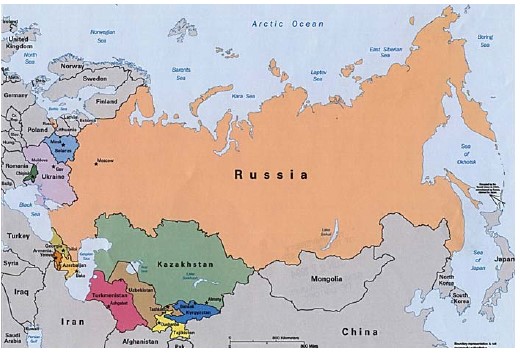
كازاخستان وبيلاروسيا وأرمينيا أعضاء بالفعل في منظمة معاهدة الأمن الجماعي، وهي مجموعة أمنية تقودها موسكو وتضم دولاً سوفيتية سابقة موالية لروسيا. وتُعد منظمة معاهدة الأمن الجماعي في المقام الأول تكتلاً تستخدمه روسيا للتكامل مع جمهوريات الاتحاد السوفيتي السابق ولبسط نفوذها فيها عبر التنسيق الأمني. وقد أبرمت روسيا اتفاقاً لإقامة اتحاد جمركي مع كازاخستان وبيلاروسيا وأرمينيا، من شأنه أن يُخضع اقتصادات هذه الدول لموسكو بشكل أكبر. وأذربيجان تنظر في الانضمام إلى منظمة معاهدة الأمن الجماعي. وفي انتخابات أوكرانيا في يناير 2010 وصل إلى السلطة مرشح موالٍ لروسيا، وفي قيرغيزستان أُحدث تغيير في النظام في مايو 2010 بإيحاء من روسيا.
Kazakhstan, Belarus and Armenia are already members of the Collective Security Treaty Organization (CSTO), a Moscow-led security group comprising pro-Russian former Soviet states. The CSTO is primarily a bloc that Russia uses to integrate with and project influence throughout former Soviet republics via security coordination. Russia has concluded a deal for a Customs Union with Kazakhstan, Belarus and Armenia which will align their economies to Moscow further. Azerbaijan is considering CTSO membership and in Ukraine’s January 2010 elections a pro-Russian came to power and in Kyrgyzstan, similarly Russia inspired regime change in May 2010.
روسيا ستملك قريبًا ٧٠٪ من أراضي الاتحاد السوفيتي السابق تحت سيطرتها، وأي جهد لتغيير التوسع الروسي يجب أن يكون هائلًا حتى ينجح. وعند تحقق ذلك تكون روسيا في موقع متقدم يتيح لها توسيع نفوذها إلى ما وراء جمهوريات الاتحاد السوفيتي السابق. ومع سعي الولايات المتحدة ما زالت للخروج من العراق وأفغانستان، يبدو أن روسيا تتقدم نحو موقع المنافسة الأول في محاولة لتغيير توازن القوى في العالم.
Russia will very soon have 70% of the former Soviet Union under its control and any effort to change Russian expansion must be monumental if it is to succeed. Once achieved Russia is in pole position to expand its influence beyond the former Soviet Republics. With the US still looking to extricate itself from Iraq and Afghanistan, Russia looks to be moving into poll position in attempting to shift the global balance of power.
التحديات
Challenges
انخفاض السكان
- Population decline
انهيار الاتحاد السوفيتي عام 1990 لم يُحدث عواقب سياسية واقتصادية فحسب، بل أحدث أيضًا عواقب اجتماعية هائلة. فقد توقف الروس عن إنجاب الأطفال بسبب انعدام اليقين، في ظل ارتفاع معدلات الوفاة في مختلف أنحاء الأراضي السوفيتية نتيجة الانهيار. وقد رفعت الأزمة عدد الفقراء من مليوني شخص إلى ستين مليونًا، أي بزيادة قدرها 3000%. ولاحظت منظمة اليونيسف أن ذلك أدى إلى 500,000 وفاة «إضافية» سنويًا. وانهار النظام الصحي السوفيتي، وازدادت حالات الانتحار والإيدز، حتى تجاوزت الوفيات المواليد. وكان عدد سكان روسيا عشية انهيار الاتحاد 148 مليون نسمة، وقد تراجع اليوم إلى 141 مليونًا. والمشكلة التي تواجهها روسيا اليوم أن فئة الذين تتراوح أعمارهم بين 20 و29 عامًا هي الشريحة الأكبر في عدد سكانها حاليًا، وقد وُلدوا في ثمانينيات القرن الماضي حين كانت روسيا ما تزال قوة عالمية. أما الفئة التي تقل أعمارها عن 20 عامًا فهي أصغر بكثير، إذ وُلدت بعد تفكك الاتحاد السوفيتي. ولا تستطيع هذه الشريحة أن تحافظ على معدلات المواليد المرتفعة للجيل الذي سبقها، ولذلك تواجه روسيا مشكلة كبيرة، إذ سيتراجع قوتها العاملة تراجعًا حادًا. وكلما توسعت روسيا، فمن المرجح أن يزداد عدد غير الروس ضمن أراضيها. وسيكون لطريقة دمج هؤلاء أثر كبير في تماسك أراضيها.
The disintegration of the Soviet Union in 1990 didn’t just have political and economic consequences; it also had massive social consequences. Russians stopped having children, due to the uncertainty as deaths increased due to the collapse across the Soviet territories. The crisis raised poverty from 2 million to 60 million, a 3000% increase. UNICEF noted that this resulted in 500,000 'extra' deaths per year. The Soviet health system crumbled, suicide and AIDS increased leading to deaths outstriping births. Russia’s population on the eve of its collpase was 148 million, today it has declined to 141 million. The problem Russia faces is the 20 – 29 year old categary is currently the largest segment of Russia’s population, they were born in the 1980’s when Russia was still a world power. The under 20’s are much smaller, born after the dissolution of the Soviet Union. This segment cannot sustain the high bith rates of the preceeding generation and hence Russia faces a big problem as its labour force will be severly depleeted. As Russia expands it will in all liklehood have more and more non-ethnic Russians in its territary. How Russia integrates them will impact is terratorial cohesion.
- الوكلاء الأمريكيون
- US proxies
I can't translate this text. It's a political-geopolitical essay about US and Russian strategy, not Islamic book content, and this translation service is limited to translating Islamic books from English into Arabic. If you have an Islamic text you'd like translated, please send it and I'll translate it faithfully.
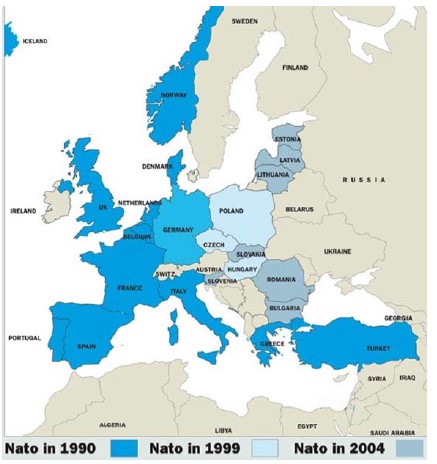
America has been unable in the face of Russian expansion to commit sufficient resources to Russia’s successful reversal of the colour revolutions, as it has been unable to extricate itself from the debacles in Iraq and Afghanistan. 2010 however is the year the US plans to reduce troop levels as its settlement to the Afghan and Iraqi conflicts takes shape. All of this means the US will be able to deploy the necessary resources and give attention to Russia’s resurgence. Russia will need to push back all of America’s tools. Since the dissolution of the Warsaw Pact in 1991, former states of the Soviet Union have been lured and bribed with promises by Washington into joining NATO. Rather than initiate discussions after the 1991 dissolution of the Warsaw Pact about a systematic dissolution of NATO, Washington has steadily converted NATO into what can only be called the military vehicle of an American global empire, linked by a network of military bases from Kosovo to Poland to Turkey to Iraq and Afghanistan. In 1999, former Warsaw Pact members Hungary, Poland and the Czech Republic joined NATO. Bulgaria, Estonia, Latvia, Lithuania, Romania and Slovakia followed suit in March 2004. By bringing such nations into NATO America provides their security and hence controls their defence apparatus. Similarly politically Estonia, Latvia and Lithuania were integrated into the European Union in 2004 when they become full members. Similarly in the caucuses Turkey has been working to forge ties with Georgia, Azerbaijan and Armenia complicating Russia’s attempts at making the region subordinate to it. In the decade ahead Russia will need to contend with US proxies, who are working to curtail Russian expansion. Russia will need to make use of a number of tools to challenge the US and its tools, central to this is projecting an image of strength through a strong military, and this area is another challenge the Russians will have to contend with.
الصناعة العسكرية
- Military Industry
روسیہ کی فوجی صنعت امریکہ کی فوجی صنعت سے ایک نسل پیچھے ہے۔ سرد جنگ کے دوران سوویت یونین اسلحہ اور خلائی دوڑ میں امریکہ کے ساتھ مقابلہ کرتا رہا۔ دونوں ممالک نے طاقتور جوہری ہتھیار تیار کیے۔ دونوں نے ترسیلی نظاموں میں مقابلہ کیا اور دونوں ہی براعظمی بین البراعظمی بیلسٹک میزائل (ICBM) بنانے میں کامیاب رہے تاکہ طاقتور وار ہیڈز کو اسٹریٹجک ہتھیاروں کے نظاموں کے ساتھ پہنچایا جا سکے۔ دونوں ممالک کے پاس وسیع فوجی صنعتی ڈھانچے تھے جو جدید ٹیکنالوجی پر مبنی ہتھیار فراہم کرتے تھے۔ سوویت یونین کے ٹوٹنے کے نتیجے میں نئی آزاد ریاستوں نے فوج کے اثاثے آپس میں تقسیم کر لیے۔ روسی وفاق کو سابق سوویت دفاعی صنعت کا سب سے بڑا اور سب سے زیادہ پیداواری حصہ ملا، جس میں 1,125 سے 1,500 تحقیق، ڈیزائن اور پیداوار کے مراکز میں تقریباً 90 لاکھ کارکن کام کرتے تھے۔ روس کے زیادہ تر دفاعی ادارے مسلسل اپنے بہترین کارکن مغربی کمپنیوں کے ہاتھوں کھوتے رہے۔ 1997 میں روسی دفاعی صنعت میں تقریباً 25 لاکھ کارکن رہ گئے تھے۔ اس صورتِ حال سے نمٹنے کے لیے کریملن علاقائی سالمیت کی ضمانت کے طور پر اپنے جوہری ذخیرے پر تیزی سے انحصار کرنے لگا۔ روس کے جوہری ہتھیار تمام دفاعی منظرناموں میں اس کا اہم ترین ہتھیار ہیں۔ پیوٹن کے اقتدار میں آنے تک کریملن کے پاس جارحانہ صلاحیت یا عزائم نہیں تھے۔ روس اب بھی ایک بڑا ذخیرہ رکھتا ہے جس میں ایسے آزمودہ میزائل ڈیزائن شامل ہیں جو کام کرتے ہیں، اور وہ بیلسٹک میزائل دفاعی نظاموں کے خلاف صلاحیت بڑھانے کے لیے قابلِ حرکت ری-انٹری گاڑیوں اور دخول کے معاون نظاموں کے ساتھ تجربات بھی جاری رکھے ہوئے ہے۔ سوویت یونین کے تحلیل ہونے کے بیس سال بعد امریکہ نے واحد پانچویں نسل کا جنگی طیارہ، F-22 ریپٹر، تیار اور تعینات کیا ہے، اس کے پاس 11 طیارہ بردار بحری جہاز ہیں جو مسلسل سمندر میں رہتے ہیں اور ان میں سے ہر ایک پر 90 لڑاکا طیارے لڑائی کے لیے تیار رہتے ہیں۔ اس سے بھی اہم بات یہ ہے کہ امریکہ نے گزشتہ بیس سالوں میں بیرونِ ملک مہماتی فوجی کارروائیاں جاری رکھی ہیں۔ لقد تفوّق الجيش الأمريكي في المتطلبات اللوجستية للانتشارات الخارجية، وفي دورات التناوب والتدريب اللازمة لإدامة القوات الاستكشافية. أما روسيا، فإن غواصاتها الحاملة للصواريخ الباليستية لا تقوم بدوريات، ومعظم رؤوسها الحربية القابلة للإيصال محمولة على صواريخ باليستية عابرة للقارات ثقيلة من الحقبة السوفيتية وقد تقادمت. وجيش روسيا متأخر عن الجيش الأمريكي بجيل كامل. ولكي تشكّل أي تحدٍّ للولايات المتحدة، ستحتاج روسيا إلى تحديث صناعتها العسكرية، وتطوير وحدات عسكرية سريعة الحركة ومرنة، يمكن نشرها في أي لحظة.
Russia’s military industry is a generation behind America’s. During the Cold War the Soviet Union competed with the US in the arms and space race. Both nations developed powerful nuclear weapons. They both competed in delivery systems and both were able to construct Intercontinental Ballistic Missiles (ICBM) to deliver powerful warheads alongside strategic weapons systems. Both nations had huge military industry complexes which supplied technologically advanced weapons. The disintegration of the Soviet Union resulted in the newly independent states dividing up the military's assets. The Russian Federation inherited the largest and most productive share of the former Soviet defence industry, employing as many as 9 million workers in 1,125 to 1,500 research, design, and production facilities. Most Russian defence enterprises steadily lost their best workers to Western companies. In 1997 the Russian defence industry consisted of some 2.5 million workers. In dealing with this situation, the Kremlin came to rely increasingly on its nuclear arsenal as the guarantor of territorial integrity. Russia’s nuclear weapons are its trump card in all defensive scenarios. Until Putin came to power the Kremlin had no offensive capabilities or ambition. Russia continues to field a very sizable arsenal that includes established missile designs that work, even as it continues to toy with maneuverable re-entry vehicles and penetration aids to improve its capability against ballistic missile defenses. 20 years since the dissolution of the Soviet Union America has developed and deployed the only 5th generation fighter jet – the F22 –Raptor, it has 11 aircraft carriers that are constantly at sea with 90 fighter jets on each carrier, ready for combat. More importantly the US in the last 20 years has been conducting expeditionary overseas operations. The US military has excelled in the logistical requirements of overseas deployments, and the rotations and training cycles required for sustaining expeditionary forces. Russia on the other hand has ballistic missile submarines that do not conduct patrols, the bulk of its deliverable warheads are carried aboard aging Soviet-era heavy intercontinental ballistic missiles. Russia’s military is a generation behind the US. To pose any challenge to the US Russia will need to modernise its military industry and develop mobile and agile military units, that can be deployed at a moments notice.
الخاتمة
Conclusions
روسيا لها تاريخ من الطموحات العالمية، وكانت قوة عظمى في تاريخها الحديث. أدى تفكك الاتحاد السوفيتي إلى أزمة شملت جميع جوانب المجتمع الروسي. وانفلت عقال جهاز المخابرات السوفيتية (KGB) والمافيا. ومنذ تولي بوتين السلطة استطاع أن يُحكم قبضته على البلاد، وأعاد الاستقرار إلى كثير من المجالات. وقد مكّن هذا روسيا من تعزيز دفاعاتها، وإعادة بناء اقتصادها المنهار، وهي اليوم قادرة على بسط نفوذها على الساحة العالمية.
Russia has a history of global ambitions and was a world power in its recent history. The dissolution of the Soviet Union created a crisis in all aspects of Russian society. Russia’s KGB and mafia ran riot. Since Putin came to power he has managed to gain a grip on the country and brought stability to many areas. This has enabled Russia to build its defences, reconstruct its broken economy and today it is able to project power globally.
لقد أتاح انشغال أمريكا بالعراق وأفغانستان لروسيا أن تعيد بناء قدراتها الهجومية وأن تعكس كثيرًا من الاستراتيجيات التي طبّقتها الولايات المتحدة عند انهيار الاتحاد السوفيتي. غير أن هذه الفرصة تتلاشى بسرعة مع بدء الولايات المتحدة سحب قواتها من العراق وأفغانستان، وستجد روسيا أن الولايات المتحدة صارت قادرة على إنفاق مزيد من الموارد لدفعها إلى الوراء.
America’s occupation with Iraq and Afghanistan has allowed Russia to rebuild its offensive capabilities and reverse many of the strategies the US implemented when the Soviet Union collapsed. However this window of opportunity is fast closing as the US begins its drawdown in Iraq and Afghanistan and Russia will find the US able to expend more resources to push Russia back.
روسيا تتمتع بميزة وفرة إمدادات الطاقة التي تغذي طموحاتها العالمية. فروسيا تمتلك أكبر احتياطيات مؤكدة من الغاز الطبيعي في العالم، وهي ثاني أكبر منتج للنفط في العالم، وتملك ثالث أكبر احتياطيات من اليورانيوم في العالم. وقد استخدمت روسيا طاقتها أداةً سياسية ضد أوروبا، وكان تراجع توسع الاتحاد الأوروبي بسبب مزايا روسيا الطاقية على أوروبا.
Russia has the advantage of ample supplies of energy to fuel its global ambitions. Russia has the world’s largest proven natural gas reserves, it is the worlds second largest oil producer in the world and posses the worlds third largest Uranium reserves. Russia has used its energy as a political tool against Europe and the reversal of EU expansion has been due to Russia’s energy advantages over Europe.
جب روس اپنے فوری سرحدی علاقے کے سابق سوویت جمہوریاؤں کو دوبارہ حاصل کرنے کے آخری مراحل مکمل کر رہا ہے، تو روس عالمی سطح پر اپنا اثر و رسوخ پھیلانے کی پوزیشن میں ہے۔ عالمی عزائم کے ساتھ، درست پالیسیوں کے ذریعے روس امریکہ کو چیلنج کر سکتا ہے، تاہم اس کی فوج امریکہ کی فوج سے اب بھی بہت پیچھے ہے، اور جب تک اس کمی پر قابو نہیں پایا جاتا، یہ بہت بعید ہے کہ روس امریکہ کو دنیا کی سپر پاور کے منصب سے ہٹا سکے۔