چین: مدعی یا رقیب
China: Pretender Or Contender
سال ۲۰۰۹ شصتمین سالگرد انقلاب چین بود. چین با رهایی از اشغال ژاپن و شکست دادن ناسیونالیستها، جمهوری خلق سوسیالیستی چین را بنیان نهاد. در دهه گذشته بسیاری از تحلیلگران ظهور چین را بزرگترین چالش آمریکا دانستهاند و برخی اندیشمندان پیشبینی میکنند که چین در آیندهای نه چندان دور به ابرقدرت جهان تبدیل شود. ظهور سریع چین در نقشه سیاسی جهان طی ۲۰ سال گذشته بسیاری را شگفتزده، برخی را متحیر کرده و برای عدهای نشاندهنده انتقال قدرت جهانی از غرب به شرق است. چین هرگز قدرت جهانی نبوده و تاریخ اخیر آن شامل اشغال وحشیانه توسط ژاپن است که خاطره آن، چین پس از جنگ جهانی دوم را شکل داد. شصتمین سالگرد این پرجمعیتترین کشور جهان، واقعیتی منحصربهفرد در تاریخ آن را رقم میزند، زیرا برای نخستین بار بهعنوان یک قدرت جهانی به شمار میآید.
2009 was the 60th anniversary of the Chinese revolution. China gained independence from Japan and defeated the nationalists to establish the Socialist people’s republic of China. In the last decade many analysts have viewed the rise of China as America's biggest challenge and some thinkers foresee China as the world’s superpower in the not so distant future. The rapid rise of China on the political map in the last 20 years has shocked many, bewildered others and for some marks the shift of global power from West to East. China has never been a world power and its recent history consists of a brutal occupation by Japan, whose memory defined post WW2 China. The 60th anniversary for the world’s most populated nation marks a unique reality in its history as for the first time it is counted as a world power.
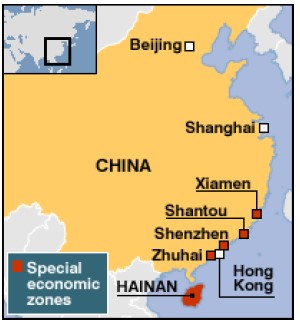
توسعه چین در سال ۱۹۷۸ آغاز شد و ملاحظات نظامی بر توسعه علم و فناوری در آن غالب بوده است. ریشه این امر را میتوان به دوران مائو بازگرداند. مائو هدف خود را ایجاد یک مجموعه «نظامیسازی» بالاتر از همه نیازهای دیگر اعلام کرد. این «نظامیسازی» پایه سیاست دنگ شیائوپینگ را تشکیل داد. هدف دنگ این بود که اقتصاد چین را متنوع کند تا پایه صنعتی چین نه تنها به دفاع ملی، بلکه به رشد اقتصادی و رفاه غیرنظامی نیز کمک کند. رهنمود مشهور ۱۶ حرفی دنگ در اوایل دهه ۱۹۸۰ این موضوع را روشن ساخت: «ادغام تولید نظامی و غیرنظامی؛ اما با اطمینان از برقراری تعادل میان نیازهای نظامی؛ حفظ توان نظامی؛ و به کارگیری اقتصاد غیرنظامی در خدمت نوسازی نظامی.» [6] پیش از این، اقتصاد برنامهریزیشده متمرکز به سبک شوروی به کار گرفته میشد، اما نتایج محدودی به بار آورد. دنگ سپس از اقتصادی با گرایش بازارمحورتر بهره گرفت، بهویژه در مناطق ویژه اقتصادی (SEZ) واقع در استانهای گوانگدونگ، فujian و هاینان. نتایج چشمگیر بود. چین اقتصاد خود را بهطور بنیادین دگرگون کرد و از تولید صادرات ساده و کمکیفیت به تولید کالاهای پیشرفته با فناوری بالا روی آورد. این کشور از اقتصادی درونگرا و عقبمانده به یک ماشین صادراتی جهانی تبدیل شد و صادرات چین ده برابر شد. امروز چین از آلمان پیشی گرفته و به بزرگترین صادرکننده جهان بدل شده است و سالانه بیش از ۱ تریلیون دلار صادرات دارد.
China's development began in 1978 and has been due to military considerations dominating the development of science and technology. This can be traced back to the Mao era. Mao stated his objective of forming a ‘militarization’ complex above all other needs. This ‘militarization’ formed the basis of Deng Xao Ping’s policy. Deng's aim was to diversify the Chinese economy in order for China's industrial base to contribute not just to national defence but also economic growth and civilian prosperity. Deng's famous 16 character guidance in early 1980’s made this clear: ‘integrating military and civilian production; but making sure to balance the military requirements; maintaining military capability; using the civilian economy to serve military modernization.’6 Prior to this the Soviet-style centrally planned economy, was utilized but achieved limited results. Deng then utilized a more market-oriented economy, particularly in the Special Economic Zones (SEZ) located in the Guangdong, Fujian, and Hainan. The results were spectacular. China radically changed its economy moving from producing low quality simple exports to sophisticated high technology goods. The country has changed from an inward backward economy to a global exporting machine, Chinese exports have grown tenfold. Today China has surpassed Germany as the world’s largest exporter, exporting over $1 trillion a year.
از سال ۱۹۷۸ به این سو، چین اقتصاد خود را از یک اقتصاد برنامهریزیشدهٔ متمرکز به سبک شوروی به سوی اقتصادی با گرایش بازاری بیشتر اصلاح کرده است، اما این اصلاحات در چارچوب سیاسیای انجام شده که حزب کمونیست چین فراهم کرده است. این نظام «سوسیالیسم با ویژگیهای چینی» نامیده شده و یکی از انواع اقتصاد مختلط است. اصلاحاتی که از سال ۱۹۷۸ آغاز شد به خارج شدن میلیونها نفر از فقر کمک کرده و نرخ فقر را از ۵۳ درصد جمعیت در سال ۱۹۸۱ به ۸ درصد تا سال ۲۰۰۱ کاهش داده است.
Since 1978, China has been reforming its economy from a Soviet-style centrally planned economy to a more market-oriented economy but within the political framework, provided by the Communist Party of China. This system has been called “Socialism with Chinese characteristics” and is one type of mixed economy. These reforms started since 1978 has helped lift millions of people out of poverty, bringing the poverty rate down from 53% of population in 1981 to 8% by 2001.
اجرای سیاست خارجی چین نشاندهندهٔ تحولی مهم از رویکرد محدود و واکنشی پکن به امور جهانی در گذشته است. چین در حال کنار گذاشتن ذهنیت قربانیبودن طولانیمدت خود، یعنی ۱۵۰ سال شرم و تحقیر، و پذیرفتن ذهنیت یک قدرت بزرگ (داگو شینتای) است. نتیجهٔ طبیعی این امر، نقش فزایندهٔ چین در مسائل جهانی است. این روند را رهبران برجستهای از حزب کمونیست پیش بردهاند که در جریان انقلاب چین به دنیا نیامدهاند و از این رو جهان را از منظر تاریخ چین نمینگرند. رهبرانی مانند رئیسجمهور کنونی، هو جینتائو، که تنها چند سال پیش از انقلاب متولد شد، نخستین رهبر چین بود که در راهپیمایی بدنام «مارش بزرگ» شرکت نکرده بود؛ راهپیماییای که در آن ناسیونالیستها در سال ۱۹۴۹ شکست خوردند. این گونه رهبراناند که به کنار گذاشتن ذهنیت قربانی و پذیرفتن ذهنیت یک قدرت بزرگ باور دارند و همین رهبراناند که بیش از پیش چین را همانند قدرتهای بزرگ جهان میبینند.
The execution of China's foreign policy represents an important evolution from Beijing's narrow and reactive approach to global affairs in the past. China is abandoning its long-held victim mentality of 150 years of shame and humiliation and adopting instead a great power mentality (daguo xintai). The natural extension of this is the increasing role of China in global issues. This has been driven by leading members of the Communist party who were not born during the Chinese revolution and hence do not view the world from the perspective of China's history. Leaders, such as the current president Hu Jintao, who was born only a few years before the revolution, was China's first leader not to have taken part in the infamous long march, where the nationalists were defeated in 1949. It is such leaders who believe in the abandonment of China's victim mentality and the adoption of a great power mentality, it is such leaders who are increasingly seeing China more akin to the world’s major powers.
روابط چین و ایالات متحده
Sino - US Relations
سیاستگذاران آمریکایی راهبرد خود دربارهٔ چین را نخست در «رهنمودهای برنامهریزی دفاعی» برای سالهای مالی ۱۹۹۴ تا ۱۹۹۹ تشریح کردند؛ نخستین بیان رسمی اهداف راهبردی ایالات متحده در دوران پس از شوروی. در آن آمده بود: «ما [باید] تلاش کنیم مانع شویم که هیچ قدرت خصمانهای بر منطقهای مسلط شود که منابعش، در صورت تحت کنترل متمرکز، برای ایجاد قدرت جهانی کافی باشد.»۷ تا زمانی که جورج والکر بوش به قدرت رسید، تنها چین توان اقتصادی و نظامی لازم را برای به چالش کشیدن ایالات متحده بهعنوان یک ابرقدرت در حال ظهور داشت. ایالات متحده بهجای رقابت آشکار با چین، سیاست مهار را در پیش گرفت؛ سیاستی که منابع آمریکا را صرف این میکرد که چین را در مرزهای خودش نگه دارد و مانع شود کسی با آن در این منطقه شریک شود. کاندولیزا رایس، زمانی که مشاور سیاست خارجی جورج بوش، فرماندار وقت ایالت تگزاس، در جریان کارزار ریاستجمهوری سال ۲۰۰۰ بود، این سیاست مهار را در مقالهای در نشریهٔ «امور خارجه» تشریح کرد. او نوشت: «چین قدرتی بزرگ با منافع حیاتی حلنشده است، بهویژه در رابطه با تایوان؛ چین همچنین از نقش ایالات متحده در منطقهٔ آسیا-اقیانوسیه ناخرسند است.» به همین دلایل، او گفت: «چین یک قدرت "حافظ وضع موجود" نیست، بلکه قدرتی است که میخواهد توازن قدرت در آسیا را به نفع خود تغییر دهد. همین بهتنهایی آن را یک رقیب راهبردی میکند، نه "شریک راهبردی" که دولت کلینتون زمانی آن را چنین میخواند. ایالات متحده باید همکاری خود را با ژاپن و کرهٔ جنوبی عمیقتر کند و تعهد خود به حضور نظامی نیرومند در منطقه را حفظ کند.» واشنگتن همچنین باید «توجه بیشتری به نقش هند در توازن منطقهای داشته باشد و آن کشور را به نظام اتحادهای ضدچینی وارد کند.»8
US policy makers spelled out their strategy for China initially in the Defence Planning Guidance (DPG) for fiscal years 1994-99, the first formal statement of US strategic goals in the post-Soviet era "we [must] endeavour to prevent any hostile power from dominating a region whose resources would, under consolidated control, be sufficient to generate global power."7 By the time George W Bush came to office only China possessed the economic and military capacity to challenge the United States as an aspiring superpower. The US developed a policy of containment rather than outright competition with China which would expend US resources, to restrain China within its borders ensuring no-one shares the region with her. This policy of containment was spelt out by Condoleezza Rice while serving as a foreign-policy adviser to George W Bush, then governor of the state of Texas, during the 2000 presidential campaign in a Foreign Affairs article she stated "China is a great power with unresolved vital interests, particularly concerning Taiwan, China also resents the role of the United States in the Asia-Pacific region." For these reasons, she stated, "China is not a ‘status quo' power but one that would like to alter Asia's balance of power in its own favour. That alone makes it a strategic competitor, not the 'strategic partner' the Clinton administration once called it. The United States must deepen its cooperation with Japan and South Korea and maintain its commitment to a robust military presence in the region". Washington should also "pay closer attention to India's role in the regional balance, and bring that country into an anti-Chinese alliance system."8
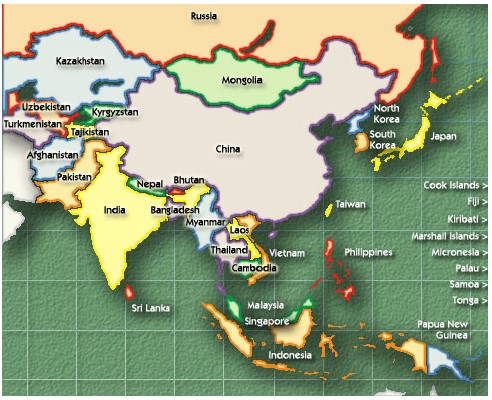
از سوی دیگر، کسانی که عروج چین را تهدیدی میدانند، بر دولت آمریکا فشار آوردهاند تا حلقهای ضدچینی پیرامون این کشور ایجاد کند تا آن را مهار نماید. آمریکا روابط امنیتی خود با ژاپن را ارتقا داده و از خواستههای ژاپن برای توسعه هستهای حمایت کرده است؛ این امر به معنای کنار گذاشتن سیاست دفاعی قانونی چندین دههای ژاپن خواهد بود. برای آمریکا، این کار بهمثابه وزنهای نظامی در برابر جناح شرقی چین عمل خواهد کرد. در جناح غربی، هند با معاملات اقتصادی، انتقال فناوری هستهای و جاهطلبیها برای کسب عضویت دائم در شورای امنیت، جذب شده است. آمریکا به همین شیوه روابط خود با ویتنام را عادیسازی کرده و با دفن کردن درگیری تاریخی میان دو کشور، با آن شراکتهای دوجانبه برقرار کرده است. آمریکا با مهارت، ویتنامیها را به افزایش تعامل با خود ترغیب کرده و پیوندهای دیرینه چین با منطقه اقیانوس آرام را گسسته است. ویتنام همچنان با چین بر سر اختلاف ارضی در مرز شمالی خود درگیر است. آمریکا همچنین از درگیری خود با کره شمالی برای مهار چین بهره برده است. این کشور در مقایسه با ایران، در برابر پیشرفت هستهای در پیونگیانگ نسبتاً سکوت کرده است، در حالی که چین مذاکرات ششجانبه را دنبال کرده تا مطمئن شود که پشتبام خانهاش آتش نمیگیرد. بیانیههای برآمده از این نشستها متناقض بوده است؛ چین از مذاکرات بدبینانه و فاصلهگرفتن از آمریکا در مسائل سخن گفته، در حالی که آمریکا از مذاکرات موفق یاد کرده است. این امر توجیهی مناسب برای حضور پایدار و گسترده آمریکا در کره جنوبی فراهم میکند. آمریکا همچنین در سپتامبر ۲۰۰۹ اعلام کرده که سیاست خود نسبت به میانمار (برمه) را تغییر میدهد. این کشور قصد دارد فراتر از رژیم تحریمهای کنونی رفته و تعامل مستقیم با دولت نظامی را در دستور کار قرار دهد. میانمار نقشی محوری در راهبرد انرژی خارجی چین دارد و آمریکا با تعامل مستقیم میکوشد گسترش حوزه نفوذ چین در آسیا را به حداقل برساند.
On the other hand those who view China's rise as a threat have pushed for the US administration to develop an anti-Chinese ring around China to contain it. The US has upgraded security relations with Japan and has supported Japanese calls for nuclear development, this would mean abandoning the decades old constitutional defensive policy; for the US this would act as a military counter weight on China’s Eastern flank. On the Western flank India has been wooed with economic deals, the transfer of nuclear technology and ambitions of permanent Security Council status. The US in a similar manner has normalised relations with Vietnam burying its historical conflict and forming bilateral partnerships with it. The US has successfully manoeuvred the Vietnamese to increase interaction with it, breaking the age old Chinese links to the pacific region. Vietnam continues to have a territorial dispute on its northern border with China. The US has also used its conflict with North Korea to contain China. The US has been considerably silent to the nuclear progress in Pyongyang compared to Iran, whilst China has been pursuing six party talks trying to ensure its back door is not set on fire. The statements from such meetings have been contradictory where China has been remarking pessimistic talks with distance on issues to the US remarking successful negotiations. This gives a suitable justification for sustained and substantial US presence in South Korea. The US has also announced in September 2009 a shift in policy towards Myanmar (Burma). It plans to move beyond the current sanctions regime to include direct engagement with the military government. Myanmar is playing a central role in China's overseas energy strategy and through direct engagement the US is attempting to minimise the expansion of a Chinese sphere of influence in Asia.
بُعدِ داخلیِ چین
China’s Internal Dimension
در طول تاریخ ۵۰۰۰ ساله چین، این کشور هرگز ابرقدرت نبوده و هرگز بر توازن قدرت جهانی تأثیر نگذاشته است. حتی زمانی که کمونیسم را پذیرفت، آن را فراتر از مرزهای خود گسترش نداد و هیچ یک از مناطق جهان را تحت تأثیر قرار نداد. بخش بزرگی از تاریخ ۵۰۰۰ ساله چین از جنگها و کشمکشهای داخلی برای یکپارچهسازی سرزمین مادری تشکیل شده است. سیاست خارجی چین بر توسعه اقتصادی داخلی و تأمین تمام مواد خام لازم برای دستیابی به این اهداف متمرکز است. چین با تلاش برای تضعیف کشورهایی که آمریکا برای مهار چین از آنها بهره میگیرد، به سیاست مهار آمریکا چالش انداخته است. این کار از طریق استفاده از تجارت و توسعه روابط دوجانبه با کشورهایی چون استرالیا، هند، ژاپن و کره جنوبی صورت میگیرد تا روابط آمریکا با آنها سست شود.
In China’s 5000 year history it has never been a superpower and has never influenced the global balance of power. Even when it adopted Communism it never carried this beyond its borders and never influenced any of the regions of the world. Much of China's 5000 year history is composed of internal wars and struggles in order to unify the homeland. China’s foreign policy is centred on domestic economic development and procuring all the necessary raw materials to achieve such aims. China has challenged America’s containment policy by attempting to weaken the nations the US is attempting to use to contain China. This is through using trade and developing bilateral ties to loosen US relations with the likes of Australia, India, Japan and South Korea.
این واقعیت باعث شده است که چین توجه خود را بر منطقهٔ خویش متمرکز کند و تاکنون جاهطلبی چندانی فراتر از منطقه نشان نداده است. سیاست «رشته مروارید» چین نخستین تلاش آن برای فراتر رفتن از منطقه است. دولت آمریکا این سیاست را چنین توصیف کرده است: «"رشته مروارید" نمایانگر تجلی نفوذ ژئوپلیتیکی رو به رشد چین است، از طریق تلاش برای افزایش دسترسی به بنادر و فرودگاهها، ایجاد روابط دیپلماتیک ویژه و نوسازی نیروهای نظامی، که از دریای چین جنوبی تا تنگهٔ مالاکا، و در سراسر اقیانوس هند تا خلیج فارس گسترده شده است.»۱۰ خطوط دریایی از گذرگاههای راهبردی تنگهٔ بابالمندب، تنگهٔ مالاکا، تنگهٔ هرمز و تنگهٔ لombok میگذرند، همچنین از سایر منافع راهبردی دریایی در امتداد پاکستان، سریلانکا، مالدیو و سومالی. همهٔ اینها مسیرهای راهبردی کلیدی برای نفت و گاز هستند و بهناگزیر به برخورد با آمریکا خواهند انجامید.
Due to this reality China has focussed on its region and as of yet has shown little ambition beyond the region. China’s string of pearls policy is its first venture beyond the region. The policy was described by the US government as follows: “The “String of Pearls” describes the manifestation of China’s rising geopolitical influence through efforts to increase access to ports and airfields, develop special diplomatic relationships, and modernize military forces that extend from the South China Sea through the Strait of Malacca, across the Indian Ocean, and on to the Persian Gulf.”10 The sea lines run through the strategic choke points of Strait of Mandab, Strait of Malacca, Strait of Hormuz and Strait of Lombok as well as other strategic naval interests along Pakistan, Sri Lanka, Maldives and Somalia. All of these are key strategic routes for oil and gas and will inevitably lead to a clash with the US.
برای قرنها، چین کوشیده است یک کشور وسیع با فرهنگها و قومیتهای گوناگون را، با وجود دورههای تمرکز و تجزیهٔ سیاسی، کنار هم نگه دارد. اما تفاوتهای فرهنگی و زبانی بر اثر رشد نامتوازن و توزیع بسیار ناعادلانهٔ ثروت تشدید شده است. آزار جسمی، زندانی کردن، قوانین کارِ سهلگیرانه و دستمزدهای ناچیز، و این واقعیت که دولت چین، بهظاهر، به نیازهای اقتصادی بخش عظیمی از مردم نپرداخته است، باعث کشمکشهای داخلی و خواستهایی برای جدایی سیاسی شده است. در سال ۲۰۰۵ چین با ۸۷۰۰۰۱۲ مورد ناآرامی اجتماعی روبهرو شد؛ این شامل اغتشاشهای عمومی، تظاهرات و درگیریهای مدنی است. از نظر داخلی، چین بمبی است که هر لحظه ممکن است منفجر شود.
For centuries, China has attempted to hold together a vast multi-cultural and multi-ethnic nation despite periods of political centralization and fragmentation. But cultural and linguistic differences have worsened due to uneven growth and a massive misdistribution of wealth. Physical mistreatment, imprisonment, lax labour laws and pitiful pay and the fact that the Chinese government is seen not to have addressed the economic needs of the vast bulk of the population is causing internal strife and calls for political succession. In 2005 China handled 87,00012 cases of social unrest; this is public disturbances, demonstrations and civil strife. Domestically China is a bomb that could go off at any time.
در داخل چین، حکومت کمونیستی است و به همین دلیل هنوز نظام تکحزبی دارد، اما از نظر اقتصادی بهتدریج بیشتر به سمت بازار آزاد حرکت میکند. در همان حال، چین تحت رهبری ناسیونالیسم است و این امر باعث شده برخی مناطق خواستار جدایی شوند. تا زمانی که چین هویت ملی خود را روشن نکند، این کشور همچنان در جهات مختلف کشیده خواهد شد و هرگز نخواهد توانست تهدیدی برای ابرقدرت جهان باشد. تحمیل هانهای قومی بر سایر قومیتها نیز به این مشکل دامن میزند. اگر آمریکا احساس کند چین تهدیدی فوری برای منافعش است، میتواند با سهولت زیاد از یکی از گروههای اقلیت حمایت کند و مشکلات داخلی برای چین ایجاد نماید.
China domestically is ruled by Communism, this is why it still has a one party system, but economically it is moving more and more towards the free market. At the same time China is nationalist led which has led to calls for separation by some regions. Until China decides what its national identity is, the nation will continue to be pulled in different directions and China will never be able to pose a threat to the world's superpower. The imposition of the ethnic Hans over the other ethnicities only contributes towards the problem. If the US felt China poses an immediate threat to its interests it could with much ease support one of the minority groups and cause internal problems for China.
نتیجهگیریها
Conclusions
چین در حال حاضر چالشی اقتصادی برای ایالات متحده ایجاد کرده است و به همین دلایل در تعدادی اختلافات تجاری درگیر است. ایالات متحده محدودیتهایی بر واردات لاستیک از چین اعمال کرده و چین هم اکنون هدف چندین پرونده سازمان تجارت جهانی (WTO) در زمینه رویههای ضدرقابتی قرار گرفته است.
China currently posses an economic challenge to the US, for these reasons they are engaged in a number of trade disputes. The US has placed restrictions on Chinese tyre imports, and currently China is on the receiving end of a number of World Trade Organisation (WTO) cases into anti-competitive practices.
برای ایالات متحده، چین در جنوب شرقی آسیا تهدیدی به شمار میرود، و از این رو واشنگتن میخواهد جاهطلبیهای سیاسی احتمالی چین را محدود کند، اما در عین حال میخواهد از بازار داخلی ۱٫۴ میلیاردی آن بهرهمند شود. برآوردهای سازمان اطلاعات مرکزی ایالات متحده و بررسیهای چهارساله دفاعی پیوسته پیشنهاد میکنند که آمریکا در برابر تهدیدهای چین هزینههای نظامی خود را افزایش دهد. با این همه، تلقی چین بهعنوان تهدیدی برای آمریکا بزرگنمایی شده است، زیرا چین در حال حاضر منافع و جاهطلبیهای خود را به منطقهاش محدود کرده است. این پرسش جای تأمل دارد که آیا کشوری که هرگز قدرت جهانی نبوده و هرگز فراتر از مرزهای خود گسترش نیافته، اصلاً چشمانداز جهانی دارد یا نه. چین در موقعیت مستحکمی قرار دارد تا اقتصاد خود را از تمرکز بر بیرون به توسعه داخلی سوق دهد، و اندازه جمعیت آن میتواند معضل اقتصادیاش را حل کند.
For the US China posses a threat in South East Asia and hence the US wants to restrict potential Chinese political ambitions but at the same time wants to benefit from the 1.4 billion domestic market. US central intelligence estimates and quadrennial reviews constantly propose the US to increase military expenditure in the face of Chinese threats. China as a threat to the US is overblown when China has for the moment restricted its interests and ambitions to its region – it is questionable whether a nation that has never been a world power, who never expanded beyond its borders, even has global ambitions. China is in a strong position to shift its economy from external focus to domestic development, the size of its population would solve its economic dilemma.
در حال حاضر چین چالشی اقتصادی برای ایالات متحده ایجاد میکند، بنابراین بعید است که چین در آینده نزدیک جایگزین ایالات متحده بهعنوان ابرقدرت جهان شود.
Currently China poses an economic challenge to the US, therefore it is unlikely China will be replacing the US as the worlds superpower any time soon.