ظهور دروغین ترکیه
Turkeys Phoney Resurgence
بسیاری از تحلیلگران، جسارت اخیر ترکیه را بهعنوان یک رستاخیز تازه توصیف کردهاند که در آن این کشور نقش پیشرو را در شماری از مسائل بینالمللی ایفا میکند. ترکیه با داشتن پانزدهمین اقتصاد بزرگ جهان، موقعیت جغرافیاییاش این کشور را به یک مرکز انرژی میان شرق و غرب بدل کرده است. برخی حتی بهجای BRIC، اصطلاح TRIC را به کار بردهاند؛ اصطلاحی که در اصل گلدمن ساکس در گزارشی در سال ۲۰۰۵، هنگام توصیف کشورهای نوظهور آینده، آن را ابداع کرد. کارشناسان گوناگون اکنون صعود ترکیه را نوعثمانیگری توصیف میکنند.
A number of analysts have described Turkey’s recent assertiveness as a new resurgence with the nation playing a leading role in a number of international issues. With the 15th largest economy in the world, Turkey’s geographical location has turned the country into a energy hub between the East and the West. Some have even used the term TRIC, rather than BRIC, which was originally coined by Goldman Sachs in a 2005 report when describing the new upcoming nations. Various experts are now describing Turkey's ascendency as neo-Ottomanism.
Stratfor گفت:
Stratfor said:
«ترکیه، همچون روسیه، نیز در مسیر صعودی قرار دارد. آنکارا، پس از آنکه چند دهه گذشته را بهعنوان یک گوشهنشین ژئوپلیتیکی سپری کرد، در حال بازیابی نفوذ خود از دوران عثمانی است. نفوذ آن در سراسر جهان اسلام تا خاورمیانه، آسیای مرکزی و جنوب آسیا گسترش مییابد و همچنین از طریق اوراسیا در قفقاز و بالکان. آنچه ما شاهد آن هستیم، راهبردی محتاطانه از سوی ترکیه است که شامل کاوش در مناطق مختلف پیرامونی آن است و تلاش میکند از فرصتهای بالقوه بهره ببرد. جایی که ترکها با مقاومت روبهرو شوند، عقب مینشینند و در جاهایی که با مقاومت اندکی یا بدون مقاومت روبهرو شوند، پیش میروند. این اقدامات بسیار مقدماتی و اکتشافی، تلاشهای ترکیه برای احیای ژئوپلیتیکی را برای مدتی طولانی شکل خواهند داد.»19
“Turkey, like Russia, is also on an ascendant path. Ankara is rediscovering its Ottoman-era influence after spending the past several decades as a geopolitical hermit. Its influence spreads across the Islamic world to the Middle East, Central Asia and South Asia as well as through Eurasia in the Caucasus and the Balkans. What we have is a careful Turkish strategy that involves probing into its various surrounding regions, attempting to take advantage of potential opportunities. Where the Turks find resistance, they retreat. In places where they encounter little or no resistance, they advance. These very preliminary and exploratory moves will define Turkish attempts at geopolitical revival for some time to come.”19
جان فیفر، هممدیر پروژهٔ «سیاست خارجی در کانون توجه» گفت:
John Feffer, co-director of Foreign Policy In focus said:
«ترکیه بهسرعت به یکی از نامزدهای احتمالی ابرقدرتی آینده تبدیل میشود. این کشور هفدهمین اقتصاد بزرگ جهان را دارد و بنا بر گزارش گلدمن ساکس، شانس خوبی دارد تا تا سال ۲۰۵۰ وارد ده اقتصاد برتر جهان شود. توان اقتصادی آن نیز از پشتوانهای محکم برخوردار است: پس از دههها کمک سازمان پیمان آتلانتیک شمالی (ناتو)، ارتش ترکیه اکنون به قدرتی برتر در منطقه بدل شده است. و شاید مهمتر از همه، ترکیه در چهارراهی حیاتی میان اروپا، خاورمیانه و آسیای مرکزی قرار دارد. این کشور که دموکراسیای با اکثریت مسلمان است و بر ویرانههای بیزانس بنا شده، سنتهای اسلامی و یهودی-مسیحی را به هم پیوند میدهد، و در عین حال در مرکز پیچیدگیهای سیاست انرژی قرار گرفته است. روزگاری همه راهها به رم ختم میشد؛ امروز به نظر میرسد همه خطوط لولهٔ نفت و گاز به ترکیه میرسند. اگر جایگاه ابرقدرتی از قواعد املاک پیروی میکرد - مکان، مکان، مکان - آنگاه ترکیه از هماکنون در نزدیکی بالای این فهرست قرار داشت.»20
“Turkey promptly becomes a likely candidate for future superpower. It possesses the 17th top economy in the world and, according to Goldman Sachs, has a good shot at breaking into the top 10 by 2050. Its economic muscle is also well defended: after decades of assistance from the North Atlantic Treaty Organization (NATO), the Turkish military is now a regional powerhouse. Perhaps most importantly, Turkey occupies a vital crossroads between Europe, the Middle East and Central Asia. A predominantly Muslim democracy atop the ruins of Byzantium, it bridges the Islamic and Judeo-Christian traditions, even as it sits perched at the nexus of energy politics. All roads once led to Rome; today all pipelines seem to lead to Turkey. If superpower status followed the rules of real estate - location, location, location - then Turkey would already be near the top of the heap.”20
قدرت جهانی
World Power
در سال ۱۴۵۳ میلادی، عثمانیها فتح قسطنطنیه، پایتخت بیزانس، را به پایان رساندند. این فتح به تمام بازماندههای حکومت روم پایان داد؛ حکومتی که نزدیک به چهار قرن ابرقدرت جهان بود. عثمانیها یکی از دستههای بیشماری از سواران ترکمن بودند که در پی یورشهای مغول در قرن سیزدهم به سرزمینهای اسلامی آمدند. این جنگجویان ترکمن که اسلام را پذیرفته بودند، توسط سلجوقیان، که خود از اصل ترک بودند، به مرزهای دولت فرستاده شدند. آنان مهارت جنگی و شور و غیرت فراوانی داشتند و سلجوقیان میخواستند این ویژگیها را در مرز با بیزانسیها به کار گیرند. خاندان عثمان یکی از موفقترین این دستهها از آب درآمد؛ آنان بسیاری از شهرها و روستاها را از کنترل بیزانسیها خارج کردند، سپس دیگر غازیها را زیر پرچم خود متحد ساختند و سرزمینهای اطراف قسطنطنیه را به اسلام درآوردند، که سرانجام به تصرف پایتخت امپراتوری بیزانس، یعنی قسطنطنیه، در سال ۱۴۵۳ انجامید.
In 1453 the Ottoman’s concluded the conquest of Constantinople, the Byzantine capital. This brought to an end all remnants of Roman rule, who had been the world’s superpower for nearly four centuries. The Ottoman’s were one of the many bands of Turkmen horsemen who began to come into the Islamic lands as a result of the Mongol invasions in the 13th century. These Turkmen warriors, who had converted to Islam, were sent to the frontiers of the state by the Seljuks, who themselves were of Turkish origin. They had excellent fighting skills and zeal, which the Seljuks wanted them to apply along the frontier with the Byzantines. The house of Uthman proved to be one of the most successful of these bands, taking many towns and villages from the control of the Byzantines, they then unified the other ghazis, under their banner, brought the lands surrounding Constantinople under Islam, culminating in the capture of Byzantine Empire capital - Constantinople in 1453.
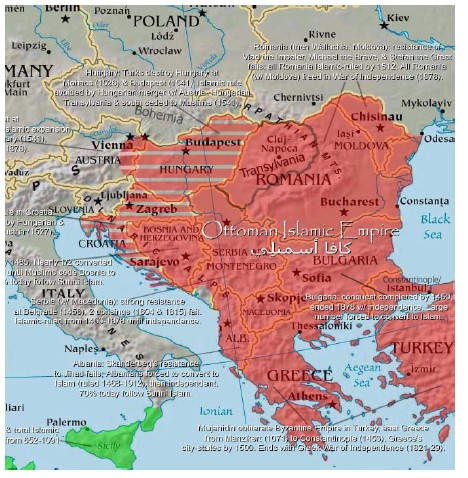
عثمانیها با شکوه چشمگیری بالکان و اروپای شرقی را درنوردیدند. شهر مهم تسالونیکی (مقدونیه) در سال ۱۳۸۷ از ونیزیها گرفته شد. در سال ۱۳۸۹، پادشاهان اتریش، بلغارستان، بوسنی و مجارستان به عثمانیها حمله کردند، اما سلطان مراد اول آنان را در کوزوو درهم شکست که این امر اروپا را شوکه کرد. در سال ۱۳۹۶، تمامی اروپا، از جمله ارتشهای فرانسوی و آلمانی، در نیکوپولیس با سلطان بایزید یلدرم جنگیدند، اما به شکلی کامل شکست خوردند و ۲۰ فرمانروا و بزرگوار به دربار خلیفه به عنوان اسیر آورده شدند. سلطان بایزید تمامی سرزمینها از بوسنی تا دانوب را ضمیمه کرده بود. او همچنین در سال ۱۳۹۸ یونان (آتن) را فتح کرده بود.
The Ottoman’s swept through the Balkans and Eastern Europe in spectacular fashion. The important city of Thessaloniki (Macedonia) was captured from the Venetians in 1387. In 1389, the kings of Austria, Bulgaria, Bosnia and Hungary attacked the Ottoman’s but Sultan Murad I crushed them at Kosovo, which shocked Europe. In 1396, the whole of Europe including French and German armies fought against Sultan Bayazid Yaldram at Nicopolis but were comprehensively defeated and 20 rulers and dignitaries were brought to the Khaleefah’s court as the captives. Sultan Bayazid had annexed all the territory from Bosnia to Danube. He had also conquered Greece (Athens) in 1398.
قبل از پایان دوران سلطنت سلیمان قانونی در سال ۱۵۶۶، او مرزهای اسلامی را تا عمق اروپای شرقی گسترش داده بود؛ بلگراد، پایتخت صربستان، را زیر حاکمیت اسلام درآورد و همچنین جزیره یونانی رودس را بازپس گرفت. او لویی دوم، پادشاه مجارستان و بوهمیا، را شکست داد و بیشتر خاک مجارستان را زیر اقتدار اسلامی درآورد. تا سال ۱۵۷۸، گرجستان و آنچه امروز رومانی نامیده میشود نیز زیر حاکمیت اسلام قرار گرفته بود. پیش از آغاز قرن هفدهم، عثمانیها جنوب ایتالیا، مجارستان، اتریش، رومانی، مقدونیه، بلغارستان، آلبانی، مالت، قبرس، کroatia، اوکراین، جزایر canary، بخشهایی از ایسلند و بزرگترین جزیره آبراه بریستول در انگلستان، یعنی لاندی، را زیر اقتدار اسلامی درآورده بودند.
Before Suleiman al Qanooni's reign came to an end in 1566 he had expanded the Islamic frontiers well into Eastern Europe bringing Belgrade the capital of Serbia under Islam as well as regaining the Greek island of Rhodes. He had defeated Louis II of Hungary and Bohemia and brought most of Hungary under Islamic authority. By 1578 Georgia and what is today Romania was under Islam. Before the beginning of the 17th century the Ottoman’s had brought Southern Italy, Hungary, Austria, Romania, Macedonia, Bulgaria, Albania, Malta, Cyprus, Croatia, Ukraine, the Canary Islands, parts of Iceland and the largest island of the Bristol waters in England, UK - Lundy under Islamic authority.
به این اندازه بود تهدیدی که خلافت عثمانی در دوران سلطنت سلیمان القانونی، در نظر اروپاییان داشت؛ تا جایی که بوسبک، سفیر فردیناند اول، پادشاه اتریش، از فتح قریبالوقوع اروپا هشدار داد: «در سوی ترکان، منابع یک امپراتوری نیرومند قرار دارد، قدرتی دستنخورده، عادت به پیروزی، تحمل سختی، اتحاد، انضباط، صرفهجویی و هوشیاری... آیا میتوانیم در نتیجهاش شک کنیم؟... هنگامی که ترکان با ایران تسویه حساب کنند، با تکیه بر قدرت تمام شرق، به گلوی ما خواهند پرید؛ و اینکه ما چقدر آمادگی نداریم، جرأت گفتنش را ندارم.»21
حزب عدالت و توسعه (AKP)
Justice and Development Party (AKP)
از زمانی که عبدالله گل و رجب طیب اردوغان حزب فضیلت را ترک کردند و تحت رهبری اردوغان حزب عدالت و توسعه را تشکیل دادند، هر دو به تحکیم روابط با آمریکا پرداختند تا نفوذ بریتانیا و پیوندهای آن با ارتش را از میان بردارند. اگرچه اصلاحات بسیاری برای درهم شکستن سلطه ارتش بر قدرت انجام شد، محور راهبرد حزب عدالت و توسعه «سند چشمانداز مشترک» بود که در پنجم ژوئیه ۲۰۰۶ میلادی توسط عبدالله گل و کاندولیزا رایس میان دولتهای ترکیه و آمریکا امضا شد. در این دیدار تأکید شد: «سند چشمانداز راهبردی، توافق ترکیه و آمریکا را بر تبدیل چشمانداز مشترک ما به تلاشهای همگان از طریق همکاری مؤثر و گفتوگوی ساختارمند تأیید میکند.»۲۲ حزب عدالت و توسعه و آمریکا در میان شماری از مسائل به توافق رسیدند:
Ever since Abdullah Gul and Recep Tayyip Erdogan left the Virtue party and formed the Justice and Development Party under the leadership of Erdogan, they both began cementing ties with America in order to remove the influence of Britain and its ties with the Army. Whilst many reforms have been introduced to break the armies hold on power the centrepiece of the AKP’s strategy was the ‘Shared Vision Document’ signed between the Turkish and American government by Abdulla Gul and Condoleezza Rice on 5th July 2006. The meeting confirmed: "The strategic vision document confirms Turkish-US consensus to translate our shared vision into common efforts through effective cooperation and structured dialogue."22 The AKP and the US agreed to amongst a number of issues:
1. حمایت از تلاشهای بینالمللی برای دستیابی به یک تسویه پایدار در منازعه اعراب و اسرائیل، از جمله تلاشهای بینالمللی برای حل منازعه اسرائیل و فلسطین بر پایه راهحل دو کشور.
1.Supporting international efforts towards a permanent settlement of the Arab-Israeli conflict, including international efforts to resolve the Israeli-Palestinian conflict on the basis of a two-state solution.
۲. حمایت از تلاشهای دیپلماتیک درباره برنامه هستهای ایران، از جمله ابتکار اخیر گروه P5+1 کمک به ثبات، دموکراسی و رفاه در منطقه دریای سیاه، قفقاز، آسیای مرکزی و افغانستان.
2.Supporting diplomatic efforts on Iran's nuclear program, including the recent P5+1 initiative Contributing to stability, democracy and prosperity in the Black Sea region, the Caucasus, Central Asia and Afghanistan.
۳. افزایش امنیت انرژی از طریق تنوعبخشی به مسیرها و منابع، از جمله منابع حوضه خزر.
3.Enhancing energy security through diversification of routes and sources, including from the Caspian basin.
یک جلسه استماع کمیته امور خارجه مجلس نمایندگان ایالات متحده با عنوان «ایالات متحده و ترکیه: یک مشارکت الگو» به ریاست رابرت ودلر، رئیس زیرکمیته اروپا، پس از سفر تاریخی اوباما به ترکیه در آوریل ۲۰۰۹ برگزار شد و در پایان اعلام کرد: «این همکاری برای هر دو کشور حیاتی است، در شرایطی که با مسائل امنیتی جدی در افغانستان، عراق، ایران، بالکان، دریای سیاه، قفقاز و خاورمیانه، و همچنین بحران مالی جهانی روبرو هستیم.»23
قَوْمهای کاکوس
Caucuses
ترکیۂ عثمانی خلافت نے اٹھارہویں اور انیسویں صدی میں کئی جنگیں لڑیں اور ان میں شکست کھائی، جس کے نتیجے میں عثمانیوں کو روس کے حق میں بعض علاقوں سے دستبردار ہونا پڑا۔ سنہ 1924 میں عثمانی خلافت کے خاتمے کے بعد آرمینیا کے ساتھ کئی واقعات پیش آئے، جنہیں آرمینیائی قتلِ عام کے نام سے جانا جاتا ہے۔ اسی سے قفقازی اقوام اور ترکیہ کے درمیان دشمنانہ تعلقات کی بنیاد پڑی۔ آج روس اور ترکیہ دونوں اس خطے میں اپنا قدم جمانے کی کوشش کر رہے ہیں۔
Turkey under the Uthmani Khilafah fought and lost a number of wars in the 18th and 19th centuries which led to the Ottoman’s to cede territory to Russia. The collapse of the Ottoman Khilafah in 1924 led to a number of incidents with Armenia - which have come to be known as the Armenian massacre. This defined the hostile relations between the Caucasian nations and Turkey. Today both Russia and Turkey are working to gain a foothold in the region.
ترکیه در حال حاضر در میانه یک فرایند طولانی برای عادیسازی روابط با ارمنستان است. عادیسازی روابط شامل گشایش مرز مشترک نیز میشود. این مذاکرات از چندین نشست و گفتگو گذشته است که به تنظیم پروتکلهایی انجامیده که هر دو کشور آنها را امضا کردهاند. با این حال، این پروتکلها به دلیل مقاومت برخی گروهها در هر دو کشور، همچنان در پارلمانهای ترکیه و ارمنستان معطل ماندهاند. نتیجه این مذاکرات ذاتاً با آذربایجان پیوند خورده است، که خواهان آن است که مسئله منطقه قرهباغ کوهستانی در هر توافقی میان ارمنستان و ترکیه حل شود.
Turkey is currently in the middle of a lengthy process to normalise relations with Armenia. Normalising ties includes the opening of the shared border. The talks have gone through a number of summits and discussions, which has produced protocols both nations have signed. The protocols however remain stuck in both Turkish and Armenian parliaments due to the resistance in both nations by certain elements. The outcome of such negotiations is intrinsically linked to Azerbaijan who wants the Nagorno-Karabakh territory to be resolved under any agreement between Armenia and Turkey.
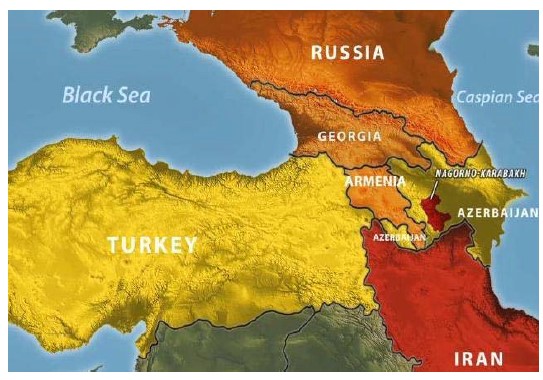
نگورنو-قرهباغ در روزهای پایانی اتحاد جماهیر شوروی استقلال یافت. این منطقه سرزمینی است که هم ارمنستان و هم جمهوری آذربایجان ادعای مالکیت آن را دارند. این سرزمین همچنان روابط میان ارمنستان و آذربایجان را دچار مشکل کرده است، زیرا هر دو کشور بارها بر سر این منطقه به جنگ کشیده شدهاند. اکنون، با میانجیگری روسیه، میان آذربایجان و ارمنستان مذاکراتی در جریان است. بازگشت قدرت روسیه باعث شده که این کشور بار دیگر به قفقاز گسترش یابد و تلاش کند جمهوریهای سابق خود را دوباره تحت نفوذ خود درآورد. قفقاز برای روسیه اهمیت دارد، زیرا بهعنوان منطقه حائل میان روسیه و دیگر قدرتهای منطقهای عمل میکند. نفوذ و کنترل روسیه بر کشورهای قفقاز مانع از آن میشود که قدرتهای دیگر در این منطقه پایی محکم کنند.
The Nagorno-Karabakh territory was given independence in the dying days of the Soviet Union. It is a territory that both Armenia and Azerbaijan lay claim to. The territory continues to plague relations between Armenia and Azerbaijan as both have gone to war on a number of occasions over the territory. Currently negotiations are taking place between Azerbaijan and Armenia mediated by Russia. Russia’s resurgence has meant that it is expanding into the Caucuses again and working to bring its former republics under its influence once again. The Caucuses is important to Russia as it acts as buffer zone between Russia and other regional powers. Russian influence and control over the nations that comprise the Caucuses prevents other powers from gaining a foothold in the region.
آذربایجان نسبت به میزان اهمیتی که ترکیه به ادعاهای خود بر این سرزمین میدهد تردید دارد. همین امر باعث شده که آذربایجان به میانجیگری روسیه روی آورد. روسیه توانسته است آذربایجان، ارمنستان و ترکیه را در برابر یکدیگر قرار دهد و به این ترتیب بازی کند. این راهبرد روسیه همچنین مانعی بر سر راه برتری آشکار ترکیه ایجاد میکند، زیرا مانع از آن میشود که ترکیه مسیر تأمین مستقیم انرژی از دریای خزر را در اختیار داشته باشد. در نتیجه، اروپا نیز نمیتواند به آن منابع دسترسی یابد، در حالی که تلاش دارد برای رهایی از وابستگی به انرژی روسیه، مسیری دیگر را در پیش گیرد.
Azerbaijan has doubts over the importance Turkey places upon its claims to the territory. This has resulted in Azerbaijan turning to Russia’s mediation. Russia has been able to play Azerbaijan, Armenia and Turkey off each other. This strategy by Russia also places an obstacle in the apparent ascendency of Turkey as it prevents it from a direct supply line to the energy of the Caspian Sea, which prevents Europe from accessing those resources as it attempts to circumnavigate around its dependence on Russia’s energy.
ترکیه از طریق ارتباط مستقیم با دولت آبخازیا، به یک بیمهٔ راهبردی برای گرجستان تبدیل شده است. از دید گرجستان، داد و ستد ترکیه با آبخازیا و اوستیای جنوبی به آبخازیا کمک میکند تا از سلطهٔ کامل روسیه رهایی یابد.24
Turkey has become a strategic reinsurance for Georgia through its direct contact with the Government of Abkhazia. For Georgia Turkey’s commerce with Abkhazia and South Ossetia helps Abkhazia from total Russian domination.24
انرژی
Energy
ترکیہ کا جغرافیائی محلِ وقوع اسے توانائی کی ترسیل کا ایک اہم راستہ بنا دیتا ہے۔ یورپ اور ایشیا دونوں پر پھیلا ہوا ترکیہ، اپنی بندرگاہوں پر خام تیل اور قدرتی گیس وصول کرتا ہے، جسے پھر صاف کر کے یورپی منڈیوں میں فروخت کیا جاتا ہے۔ ترکیہ نے متعدد بار یورپی توانائی منصوبوں کی حمایت کی ہے، جیسے نابوکو منصوبہ، جو روسی نیٹ ورک کو بائی پاس کرتے ہیں۔ جیسا کہ ایک تجزیہ کار نے کہا: "یورپی توانائی کے تنوع کے لیے ایک اور زیادہ محفوظ راہداری ترکیہ ہے، جو پہلے ہی بحیرۂ کیسپین سے آنے والی دو بڑی پائپ لائنوں کا اختتامی مقام ہے۔ ترکیہ کی بحیرۂ روم کی بندرگاہ جیحان یورپ کو بہت ضروری متبادل تیل فراہم کرتی ہے۔ تاہم، اگرچہ ترکیہ میں یورپ کا توانائی مرکز بننے کی صلاحیت موجود ہے، یورپی یونین کے لیے ابھی بہت کام باقی ہے۔ سب سے پہلا کام ترکیہ سے آسٹریا تک، بلغاریہ، رومانیہ اور ہنگری کے راستے، نابوکو گیس پائپ لائن کو عملی شکل دینے کے لیے ایک سفارتی مہم ہوگی۔ یہ منصوبہ بحیرۂ کیسپین کے وسائل کو یورپ تک پہنچانے کا ایک اور اہم متبادل راستہ فراہم کرے گا، تاکہ روس پر حد سے زیادہ انحصار کو کم کرنے کی ابتدا ہو سکے۔"25
Turkey's geographic location has turned it into a conduit for energy. Straddling Europe and Asia, Turkey's Ports receive crude oil and natural gas which is then refined and sold to European markets. Turkey has regularly advocated European energy projects, like Nabucco, that circumvent the Russian network. As one analyst put it: "The other more secure corridor for European energy diversification is Turkey - already an end point for two major pipelines from the Caspian. Turkey's Mediterranean port of Ceyhan supplies Europe with much needed alternative oil. But while Turkey has the potential to become an energy hub for Europe, there is much work left for the EU. The first order of business would be a diplomatic offensive to realize the Nabucco gas pipeline from Turkey to Austria through Bulgaria, Romania and Hungary. This project would provide another key alternative route for Caspian resources to reach Europe to begin to ameliorate overdependence on Russia."25
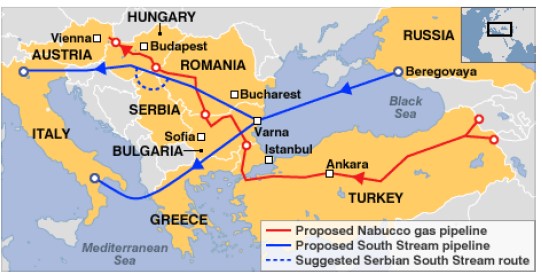
روسیه از منابع انرژی خود به عنوان ابزاری در سیاست خارجی استفاده کرده است؛ امری که باعث شده اوکراین، لیتوانی و در ادامه اروپا به گروگان این قدرت پیشین جهان گرفته شوند. وابستگی اروپا، و به ویژه فرانسه و آلمان، به هیدروکربنهای انرژی روسیه بارها و بارها آشکار شده است و ترکیه در حال حاضر تنها جایگزین وابستگی به انرژی روسیه به شمار میرود.
Russia’s use of its energy resources as a foreign policy tool has seen Ukraine, Lithuania and subsequently Europe being held hostage by the former world power. Europe and especially France and Germany’s dependency on Russia's energy hydrocarbons has been exposed one too many times and Turkey currently represents the only alternative to Russian energy dependency.
خاورمیانه
Middle East
ترکیه در میان کشورهای P5+1 که تلاش میکنند برنامهای از تحریمها را علیه ایران به دلیل غنیسازی اورانیوم تدوین کنند، قرار ندارد. ایالات متحده همه معاملات و توافقهایی را که به دست آمده بود نقض کرده و همین امر موجب شده که مسئله هستهای ایران به سطحی که اکنون دارد برسد. این نشان میدهد که ایالات متحده قصدی برای حل این منازعه ندارد و در واقع مانع از رسیدن به هرگونه راهحلی شده است. ایالات متحده از طریق این بحران دیپلماتیک به چند هدف خود در منطقه دست مییابد. آمریکا با تأمین امنیت کشورهای عربی حوزه خلیج فارس در برابر لفاظیهای ایران، برتری راهبردی به دست آورده است؛ همچنین اسرائیلیها را به پیمان امنیتی واداشته است. پیشنهاد ترکیه و برزیل برای مبادله سوخت هستهای با هدف کاهش تنش در مناقشه هستهای ایران، در همان روزی مطرح شد که ایالات متحده تحریمهای علیه ایران را به بحث گذاشته بود. مواضع ترکیه در خاورمیانه با مواضع آمریکا تفاوت چندانی ندارد؛ ترکیه با راهحل دو دولتی موافق است و در مذاکرات غیرمستقیم برای از سرگیری روند صلح فعالانه شرکت کرده است. به همین ترتیب، آمریکا به کشورهایی نیاز دارد که بتواند به آنها اعتماد کند تا بتواند از عراق خارج شود، و ترکیه با کمال میل نقش حامی را ایفا کرده است. استیون لاربی، رئیس کرسی امنیت اروپا در مؤسسه RAND، درباره نقش ترکیه در خاورمیانه گفته است: «فعالیت تازه ترکیه پاسخی است به تغییرات ساختاری در محیط امنیتی آن از پایان جنگ سرد. و اگر به درستی مدیریت شود، میتواند فرصتی برای واشنگتن و متحدان غربیاش باشد تا از ترکیه بهعنوان پلی به خاورمیانه بهره بگیرند.»26
Turkey is not part of the P5 + 1 nations who are attempting to construct a sanctions programme against Iran for enriching Uranium. The US has reneged all deals and agreements that have been reached which has allowed the Iran nuclear issue to escalate to the level it has. This shows that the US has no intention of solving this conflict and it has actually ensured no solution is ever reached. The US achieves a number of its aims in the region through this diplomatic crisis. America has gained a strategic advantage by providing security to the Gulf Arab countries in the face of Iran's rhetoric; it has also forced the Israelis into a security pact. Turkey and Brazil’s nuclear fuel swap proposal to de-escalate the Iranian nuclear controversy took place on the same day when the US was tabling sanctions against Iran. Turkey various positions in the Middle East are no different to America’s, Turkey agrees with the two state solution and has actively participated in the indirect talks to kick start the peace process. Similarly America needs nations it can rely on to extricate itself from Iraq and Turkey has been more than happy to play the patron. Stephen Larrabee, Corporate Chair in European Security at the RAND Corporation said regarding Turkey’s role in the Middle East “Turkey's new activism is a response to structural changes in its security environment since the end of the Cold War. And, if managed properly, it could be an opportunity for Washington and its Western allies to use Turkey as a bridge to the Middle East.”26
این دقیقاً همان چیزی است که در مورد توافق غنیسازی هستهای میان ترکیه و برزیل با ایران رخ داد. آمریکا مدتها از بنبست هستهای ایران برای دستیابی به دیگر اهداف خود در منطقه بهره برده است. با افزایش فشار اروپا برای تحریمها، آمریکا در برابر فشار شدید اروپا و همچنین اعضای غیردائم سازمان ملل بر اعضای دائم، توافقی جایگزین با ایران به دست آورد.
رستاخیز جعلی
Phoney Resurgence
ترکیه در ادعای استقلالطلبی خود چیزی جز یک بازیگر مستقل نیست. از پایان جنگ جهانی دوم، و در طول جنگ سرد و جنگهای خلیج فارس، ترکیه در کنار ایالات متحده قرار گرفته است. امروز قفقاز نقطه داغی است که در آن روسیهای که دوباره سر برآورده میکوشد جمهوریهای سابق خود را زیر نفوذ خویش درآورد و منطقه حائلی برای حفاظت از داخل روسیه ایجاد کند. ترکیه، چه مستقلانه و چه بر اساس طرحی از پیش تعیینشده، در واقع نه تنها منافع ایالات متحده، بلکه منافع اروپا را نیز حفظ میکند. ترکیه با برقراری روابط با کشورهای منطقه میکوشد منافع روسیه را پیچیده کند، و این همان راهبرد ایالات متحده در منطقه است.
Turkish assertiveness is anything but independent. Since the end of WW2, throughout the Cold War and Gulf wars Turkey has sided with the US. Currently the Caucuses is a hot spot where a resurgent Russia is looking to bring its former republics under its influence and create a buffer zone to protect the Russia interior. Turkey in reality whether independently or by design is not just protecting US interests but also European interests. By forging relations with the nations of the region Turkey is attempting to complicate Russian interests, which is the US strategy in the region.
در حوزه انرژی، استقلال و مانورِ ترکیه جای تردید بسیاری دارد؛ زیرا غرب در موارد متعددی ترکیه را بهعنوان جایگزینی برای روسیه معرفی کرده است. به نظر میرسد ترکیه در واقع منافع انرژی اروپا و پسازآن منافع آمریکا را تأمین میکند و از این راه اطمینان مییابد که نفوذ روسیه شتاب نگیرد.
In the area of energy Turkish independence and manoeuvring is highly questionable when the West on many occasions has presented Turkey as the alternative to Russia. It appears Turkey is in reality protecting European energy interests and subsequently US interests in ensuring Russian influence doesn’t gain any momentum.
به همین ترتیب، میانجیگری ترکیه میان سوریه و اسرائیل برای حل مناقشه فلسطین، نشانهی احیای ترکیهای نیست که در پی شکل دادن به سیاستهای منطقه بر اساس اهداف خود باشد؛ بلکه این میانجیگری در چارچوب تلاشهای آمریکا برای آغاز مذاکرات غیرمستقیم میان اسرائیل و کشورهای مسلمان منطقه قرار دارد تا پس از یک دهه بینتیجه ماندن روند صلح، روابط عادیسازی شود، و در همان حال که آمریکا تلاش میکند خود را از عراق و افغانستان بیرون بکشد.
Similarly Turkish mediation between Syria and Israel in solving the Palestinian conflict is not a resurgent Turkey looking to shape the politics of the region according to its aims but rather it comes under US attempts to start indirect talks between Israel and the Muslim nations of the region to normalise relations after a decade of no progress on the peace process and as the US attempts to extricate itself from Iraq and Afghanistan.
نتیجهگیریها
Conclusions
ترکیه منابع انرژی بسیار محدودی دارد، اما به دلیل موقعیت راهبردیاش میان اروپا و آسیا و میان مصرفکنندگان نفت و تولیدکنندگان آن، چندین خط لوله بزرگ نفت و گاز از آن عبور میکند. موقعیت جغرافیایی ترکیه آن را به مسیر طبیعی انتقال کالا میان مناطق عمده تولید نفت در خاورمیانه، آسیای مرکزی و قفقاز از یک سو، و بازارهای مصرف در اروپا از سوی دیگر تبدیل کرده است. در نتیجه ترکیه صنعت پیشرفته فرآوری معادن را توسعه داده و در بسیاری از فلزات و مواد شیمیایی کلیدی از پیشگامان جهان است. ترکیه همچنین یکی از بزرگترین تولیدکنندگان محصولات کشاورزی در جهان است.
Turkey has very limited energy resources, but because of its strategic location between Europe and Asia and between oil consumers and oil producers, it is crossed by several major oil and gas pipelines. Turkey’s geographical location makes it a natural trans shipment route between the major oil producing areas in the Middle East, Central Asia, and the Caucasus on the one hand, and consumer markets in Europe on the other. As a result Turkey has developed an advanced mineral processing industry and is a world leader in many key metals and chemicals. Turkey is also one of the world’s largest agricultural producers.
بجای آنکه از نیازهای ملتهای دیگر حمایت کند، ترکیه در موقعیت مناسبی قرار دارد تا از طریق پیگیری یک سیاست خارجی مستقل به یک قدرت جهانی تبدیل شود. آنچه بسیاری از تحلیلگران آن را «احیا» توصیف میکنند، از حقیقت بسیار دور است، زیرا ترکیه تنها در فضایی حرکت میکند که آمریکا به آن اجازه داده است. میانجیگری ترکیه در مسئله فلسطین زمانی صورت میگیرد که آمریکا تصمیم گرفته است مذاکرات غیرمستقیم درباره توافق نهایی انجام شود. به همین ترتیب، سیاست آمریکا در مهار روسیه و عقب راندن توانمندی روسیه تا درون خاک روسیه، سبب شده است ترکیه در قفقاز نقش پیشرو ایفا کند تا اهداف روسیه را پیچیده سازد. اما پاداش ترکیه از سوی آمریکا این بوده است که کمیته امور خارجی مجلس نمایندگان قطعنامهای را تصویب کرد که ترکیه را به سبب نقش ظاهری عثمانیها در نسلکشی ارامنه محکوم میکند.
Rather then protecting the needs of other nations, Turkey is in pole position to become a world power through pursuing an independent foreign policy. The current assertiveness many analysts describe as a ‘resurgence,’ could not be further from the truth, this is because Turkey is only manoeuvring within the space the US has permitted it. Turkey's mediation in the Palestinian issue takes place when the US has decided indirect negotiations should take place on the final settlement. Similarly America's policy of containing Russia and pushing Russian assertiveness all the way back into Russian territory has seen Turkey play a leading role in the Caucuses to complicate Russian aims. Turkey's has been repaid by the US by the House Foreign Affairs Committee passing a resolution condemning Turkey for the apparent role of the Ottoman’s in the Armenian Genocide.
در حالی که ترکیه همچنان خود را اصلاح میکند تا در عرصه بینالمللی پذیرفته شود، آمریکا همچنان از ترکیه در راستای اهداف خود بهره میبرد و اتحادیه اروپا نیز همچنان آرزوی ترکیه برای پیوستن به اتحادیه اروپا را به تأخیر میاندازد. تا زمانی که ترکیه از تاریخ خود درس نگیرد، جایی که ابرقدرت بود و سیاستهای مستقل تدوین میکرد، هرگز به قدرت جهانی تبدیل نخواهد شد.