٤۔ صورةٌ مُتعلِّقة
4. A Clinging Form
ثُمَّ جَعَلْنَاهُ نُطْفَةً فِي قَرَارٍ مَكِينٍ
Then We made that drop of fluid into a clinging form
يصف القرآن المرحلة التالية من نمو الجنين البشري بكلمة «علقة». وتحمل هذه الكلمة معانيَ متعددة، منها: التعلّق، والتدلّي، والإمساك، والالتصاق، والتشبّث، والاستقرار. وقد تعني أيضًا: الأخذ، والوقوع في الشيء، والاتصال به، والإلحاق.48
The Qur’an describes the next stage of the developing human embryo with the word `alaqah. This word carries various meanings including: to hang, to be suspended, to be dangled, to stick, to cling, to cleave and to adhere. It can also mean to catch, to get caught, to be affixed or subjoined.48
ومن المعاني الأخرى لكلمة "علقة" أنها تطلق على مادة شبيهة بالعلق، ولها شبه بالدودة؛ أو أنها ذات طبيعة زاحفة مائلة إلى مص الدم. وأخيرًا، يشمل معناها الطين الذي يلتصق باليد، والدم الغليظ المتجمد، وذلك لتلازمه وتماسكه. 49
Other connotations of the word `alaqah include a leech-like substance, having the resemblance of a worm; or being of a ‘creeping’ disposition inclined to the sucking of blood. Finally, its meaning includes clay that clings to the hand and thick, clotted blood - because of its clinging together. 49
التفسير العلمي
SCIENTIFIC INTERPRETATION
وفقًا لعلم الأجنة الحديث، فإن المعاني المتعددة لكلمة «علقة» تقابل مراحل مختلفة من نمو الجنين. ويمكن إجراء مقارنات بين الوصف القرآني والعلمي لمظهر الجنين وعلاقته بالرحم. فوفقًا لعلم الأجنة الحديث، يكون الجنين من اليوم الخامس عشر معلّقًا أو متدلّيًا عبر «الساق الرابط» [انظر الشكل 1]، ويحصل على غذائه من خلال التلامس مع أوعية الدم الأمومية. ويشبه هذا الوصف تشابهًا لافتًا الصورة التي يرسمها لفظ «علقة»، أي المادة «المتعلّقة» أو «المعلّقة» التي تستمد غذاءها من دم مضيفها.
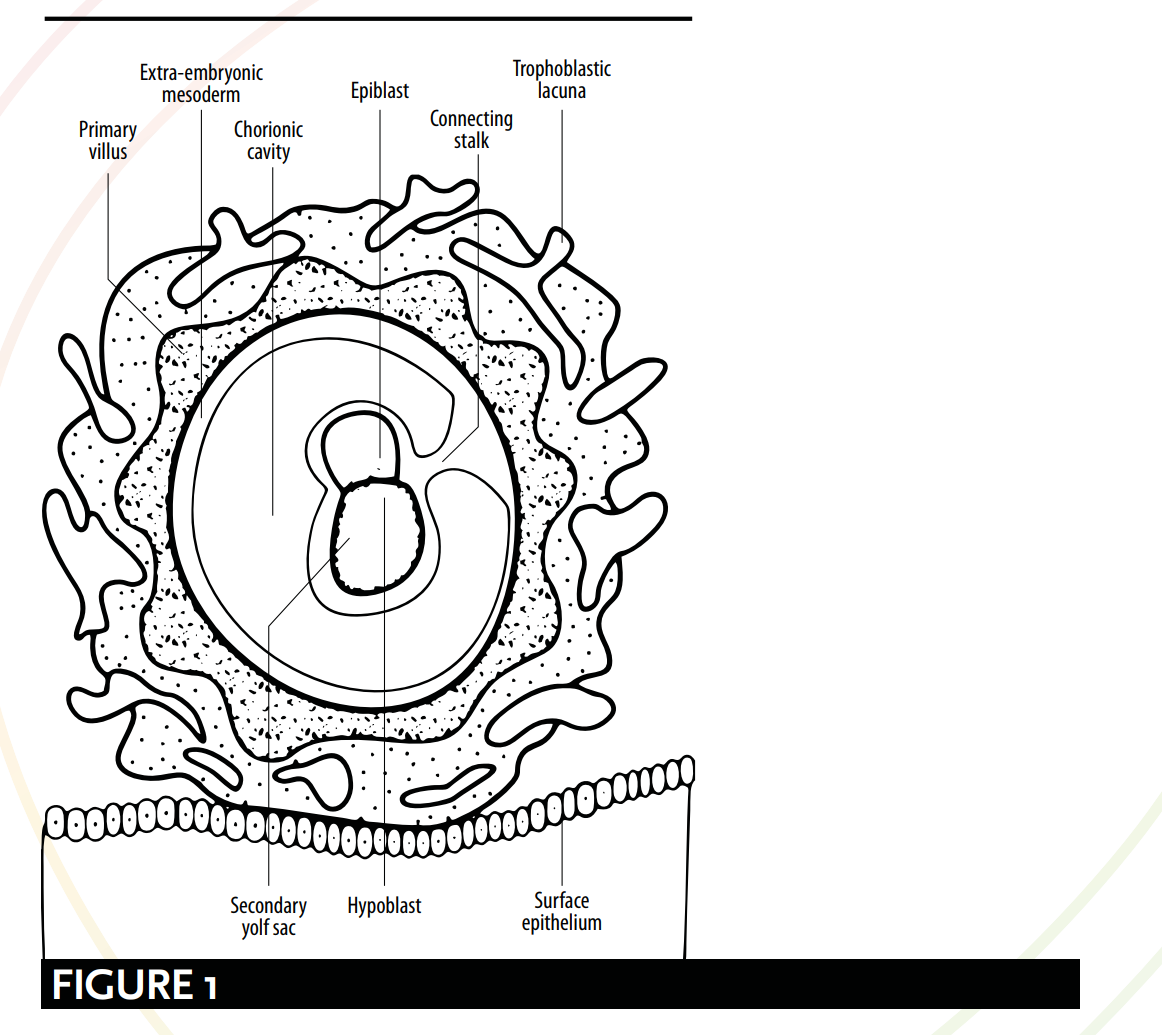
As defined by modern embryology, the myriad of meanings for the word `alaqah correspond to various stages of the embryo’s development. Comparisons can be drawn between qu’ranic and scientific depictions of the embryo's appearance and its relationship with the womb. According to modern embryology, from day 15 the embryo is hanging or suspended via the ‘connecting stalk’ [see Figure 1] and it obtains nutrients through contact with the maternal blood vessels. This description bears a striking resemblance to the picture painted by the word `alaqah – a ‘hanging’ or ‘suspended’ substance, obtaining nutrients from its host’s blood.
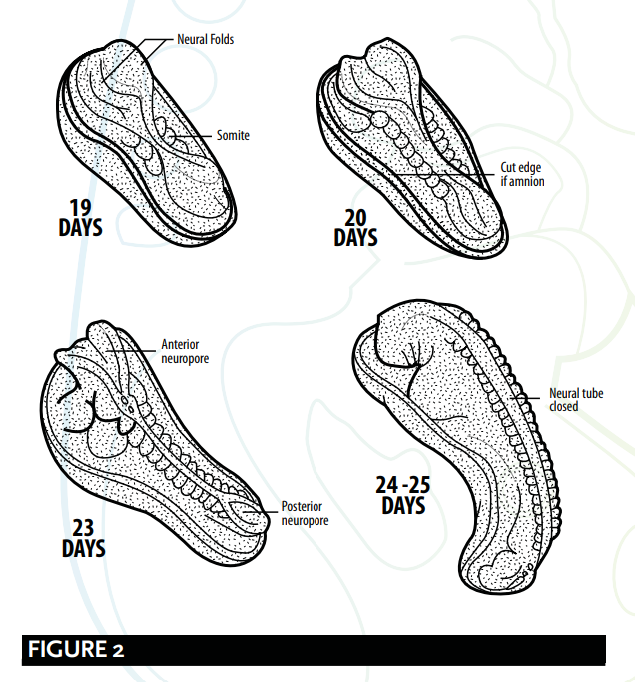
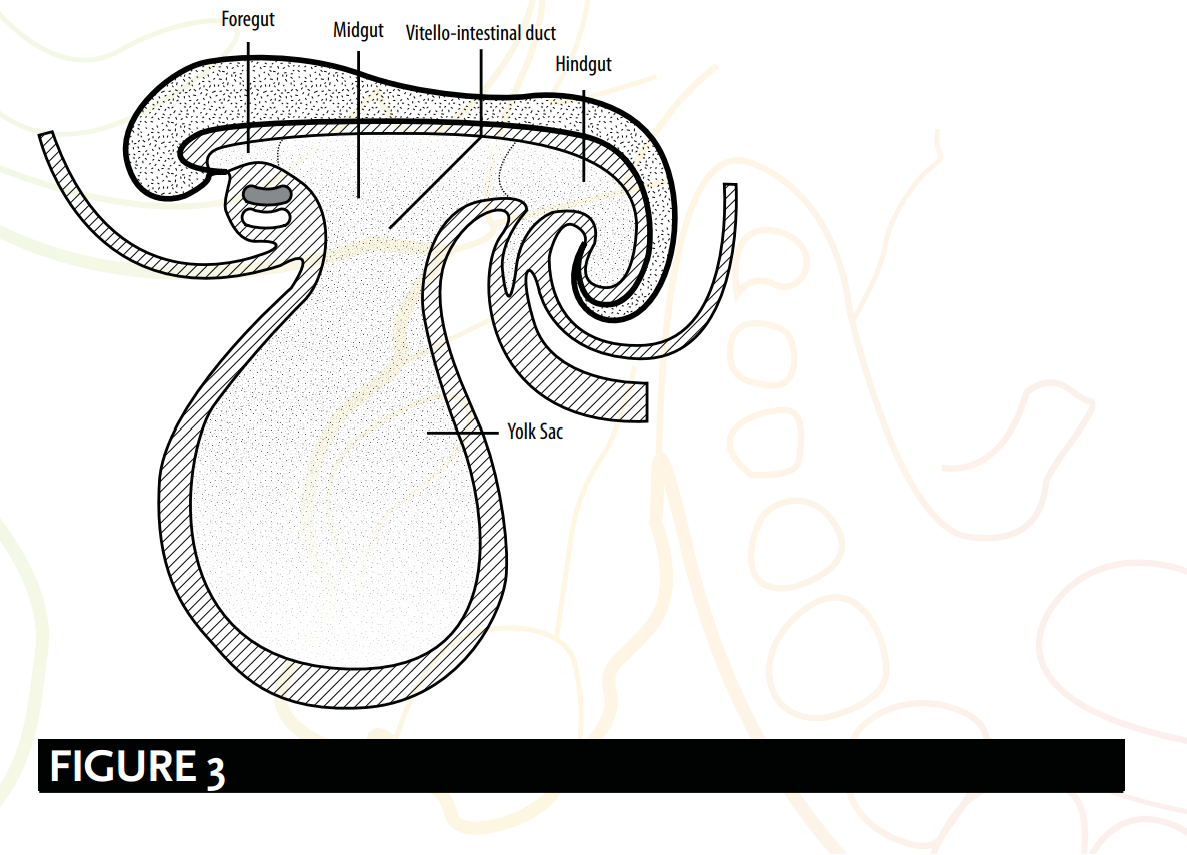
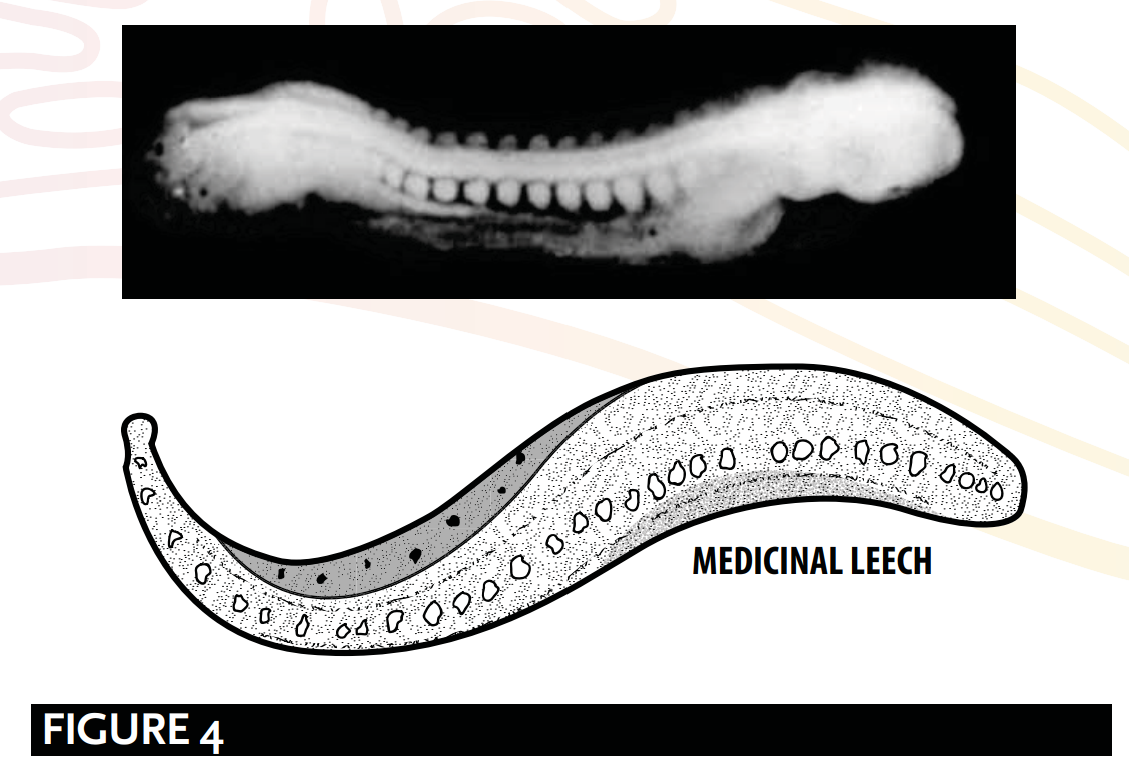
بعد ذلك، وفي الأسبوع الرابع، تحدث عمليتان: تكوّن الدماغ والحبل الشوكي، وهما ما يُعرف بالتنبيب العصبي (Neurulation)؛ والمراحل الأولى لانطواء الجنين. وعند اكتمال هاتين العمليتين يشبه الجنين الشكل الشبيه بالعلقة الذي تدل عليه كلمة «علقة»، أي مادة زاحفة أو شبيهة بالعلق أو الدودة [انظر الشكل 2 و3 و4].
Following this, during the 4th week, two processes occur: the formation of the brain and the spinal cord, known as neurulation; and the initial stages of the folding of the embryo. It is upon the culmination of these two processes that the embryo resembles a leech-like form suggested by the word `alaqah – a creeping, leech or worm-like substance [see Figure 2, 3 and 4].
المُعَلَّق
HANGING/SUSPENDED
يوضح عالما الأجنة باري ميتشل وRam Sharma الجوانب «المعلّقة» أو «المتدلّية» لمرحلة العَلَقة، ويصفان الجنين بأنه «متصل بالخلايا السيتوتروفوبلاستية عبر ساقٍ رابطة من الميزودرم خارج الجنين (نسيج ضام بدائي). والساق هي السلف الأول للحبل السري». [50] يوضح الشكل 1 الجنين متصلًا بالخلايا السيتوتروفوبلاستية عبر ساقٍ رابطة، كأنه معلّق أو متدلٍّ.
Embryologists Barry Mitchell and Ram Sharma explain the ‘hanging’ or ‘suspended’ aspects of the `alaqah stage. They describe the embryo as being, “connected to the cytotrophoblast by a connecting stalk of extra-embryonic mesoderm (primitive connective tissue). The stalk is the forerunner of the umbilical cord.” 50 Figure 1 shows the embryo connected to the cytotrophoblast via a connecting stalk, as if it were hanging or suspended.
الحصول على المغذيات عبر الأوعية الدموية
OBTAINING NUTRIENTS VIA BLOOD VESSELS
فيما يتعلق بالكيفية التي يحصل بها الجنين على غذائه من خلال التلامس مع أوعية الدم الأمومية، يكتب باري ميتشيل ورام شارما: بسبب النمو السريع للجنين خلال الأسبوع الثاني، توجد حاجة إلى وسيلة أكثر كفاءة للتبادل الغذائي والغازي. ويتحقق ذلك عندما تتلامس أوعية الدم الجنينية في الكوريون مع أوعية الدم الأمومية في الدسيدوا.[51]
With regard to the way the embryo obtains its nutrients through contact with the maternal blood vessels, Barry Mitchell and Ram Sharma write: Due to the rapid growth of the embryo during the second week, there is a need for a more efficient means of nutritional and gaseous exchange. This is achieved when the embryonic blood vessels of the chorion come into contact with the maternal blood vessels of the decidua.51.
... [بحلول الأسبوع الثالث]... يتم تبادل المغذيات وغازات التنفس والفضلات بين دم الأم ودم الجنين عبر الغشاء المشيمي داخل الفراغات بين الزغابات. يدخل دم الأم إلى هذه الفراغات من الشرايين الحلزونية، وهي فروع من الشريان الرحمي، حاملاً المغذيات والأكسجين للجنين الناشئ والجنين.52
... [by the third week]... The exchange of nutrients, respiratory gases and waste products between the maternal and fetal blood takes place across the placental membrane within intervillous spaces. Maternal blood enters these spaces from the spiral arteries, branches of the uterine artery, bringing nutrients and oxygen for the embryo and fetus.52
يُعزِّز هذا صحةَ معاني «العَلَقة»، ويستحضر صورةً لكائنٍ يحصل على غذائه عن طريق الدم.
This reinforces the validity of the meanings of `alaqah, and its evoking images of an entity obtaining its nutrients via blood.
تَكَوُّنُ الأَنبُوبِ العَصَبِيّ وَطَيُّ الجَنِينِ
NEURULATION & THE FOLDING OF THE EMBRYO
تُشير مرحلة العَلَقَة إلى عملية تكوّن الأنبوب العصبي (التنسج العصبي) والمراحل الأولى من انطواء الجنين. ويشمل التنسج العصبي تكوّن الدماغ والحبل الشوكي في الأيام من 19 إلى 25 تقريبًا، أما انطواء الجنين فيتضمن تقارب الرأس والذيل من بعضهما. ويؤدي اجتماع هذين التغيرين الفسيولوجيين إلى أن يُشبه الجنين مادةً شبيهةً بالعَلَق.
The `alaqah stage suggests the process of neurulation and the initial stages of the folding of the embryo. Neurulation comprises of the formation of the brain and the spinal cord from days 19 to 25 (approx.); and the folding of the embryo involves the head and the tail being brought closer together. The combination of these two physiological changes causes the embryo to resemble a leech-like substance.
التَّكَوُّنُ العَصَبِيُّ
NEURULATION
عند نهاية تكوّن الأنبوب العصبي، تنغلق الطرفان القحفي والذيلي للأنبوب العصبي. ويصبح الجنين عندئذٍ شبيهًا بالعلق في مظهره 53 [انظر الشكل 2].
At the end of neurulation the cranial and caudal ends of the neural tube close. The embryo, at this point, becomes leech-like in appearance 53 [see Figure 2].
يشرح باري ميتشيل وRam Sharma عملية تكوّن الأنبوب العصبي. Note: per the rules, names of people should be in Arabic script, so the correct rendering is: يشرح باري ميتشيل ورام شارما عملية تكوّن الأنبوب العصبي.
Barry Micthell and Ram Sharma explain the process of neurulation.
في نحو اليوم التاسع عشر، عند الطرف القحفي للخط البدئي (الشريط الأولي)، يحفّز الميزودرم الكامن والحبل الظهري الإكتودرم على تكوين الصفيحة العصبية، التي تنثني حوافها فتكوّن الطيات العصبية. تتسع الصفيحة العصبية في البداية عند الطرف القحفي. وفي اليوم العشرين، تبقى الصفيحة العصبية في المنطقة الوسطى من الجنين ضيقة، لكنها تتسع عند الطرف الذنبي. وتتعمق الصفيحة لتكوّن الأخدود العصبي الذي يتشكل منه الأنبوب العصبي. وطرفا الأنبوب القحفي والذنبي مفتوحان، ويُعرفان بالفتحة العصبية الأمامية والفتحة العصبية الخلفية، وتنغلق هاتان الفتحتان في النهاية. 54
At about 19 days, at the cranial end of the primitive streak, the underlying mesoderm and notochord induce the ectoderm to form the neural plate, which rounds up to form the neural folds. The neural plate enlarges initially at the cranial end. At 20 days, the neural plate in the mid-region of the embryo remains narrowed, but it expands at the caudal end. The plate deepens to form the neural groove from which the neural tube forms. The cranial and caudal ends of the tube are open and are known as the anterior and posterior neuropores; these eventually close. 54
طَيُّ الجَنِين
FOLDING OF THE EMBRYO
يُسهم طيُّ الجنين أيضًا في تشكيل هيئةٍ شبيهةٍ بالعَلَقة [انظر الشكل 3]، أو كما وصفها علماءُ الأجِنَّة بأنها بنيةٌ أسطوانيةٌ أو أنبوبيةُ الشكل. ويرى عالما الأجِنَّة كيث مور وT. V. N. Persaud أن:
The folding of the embryo is also responsible for forming a leech-like shape [see Figure 3], or as embryologists have described; a cylindric or tube-like structure. Embryologists Keith Moore and T. V. N. Persaud suggest that:
من الأحداث المهمة في تكوين شكل الجسم طيُّ القرص الجنيني ثلاثي الطبقات المسطح إلى جنين أسطواني الشكل إلى حد ما. ويحدث هذا الطيّ نتيجةً للنمو السريع للجنين، ولا سيما الدماغ والحبل الشوكي. 55
A significant event in the establishment of body form is the folding of the flat trilaminar embryonic disc into a somewhat cylindric embryo. Folding results from the rapid growth of the embryo, particularly the brain and the spinal cord. 55
تُعزى البنية الشبيهة بالأنبوب أو بالعلقة [انظر الشكل 4]، كما شرحها باري ميتشل وראم شارما، إلى: Note: the name "Ram Sharma" should be in Arabic script, so correcting: تُعزى البنية الشبيهة بالأنبوب أو بالعلقة [انظر الشكل 4]، كما شرحها باري ميتشل ورام شارما، إلى:
The tube-like or leech-like structure [see Figure 4], as explained by Barry Mitchell and Ram Sharma, is due to:
الطي الطولي، الذي يحدث بين اليوم الحادي والعشرين واليوم الرابع والعشرين، ينتج عنه ... انحناء الجنين بحيث يقترب الرأس والذيل من بعضهما ... ليتشكل بنية أشبه بالأنبوب. 56
longitudinal folding, which occurs between days 21 and 24, result[ing] in … the embryo [bending] so that the head and tail are brought closer together...[to] form a tube-like structure. 56
الخلاصة
SUMMARY
مرحلة العَلَقة:
The `alaqah stage:
يتصل الجنين بالسيتوتروفوبلاست عبر ساق رابطة، كأنه معلّق أو متدلٍّ.
The embryo is connected to the cytotrophoblast via a connecting stalk, as if it were hanging or suspended.
تكوّن الدماغ والحبل الشوكي، المعروف بالتنبيب العصبي (Neurulation)؛ وخلال المراحل الأولى من انطواء الجنين. وعند اكتمال هذه العمليات يظهر الجنين شبيهاً بالعلقة.
The formation of the brain and the spinal cord, known as neurulation; and during the initial stages of the folding of the embryo. It is upon the culmination of these processes that the embryo appears leech-like.
يحصل الجنين على غذائه عن طريق الاتصال بأوعية الدم الأمومية. وهذا يشبه فعل مادةٍ شبيهة بالعَلَقة تحصل على غذائها من الدم.
The embryo obtains its nutrients via contact with the maternal blood vessels. This mirrors the action of a leech-like substance obtaining its nutrients via blood.
جالينوس وعَلَقَة
GALEN & `ALAQAH
يزعم المنتقدون أن استعمال لفظ «علقة» وصفٌ للمرحلة الثانية من مراحل الجنين عند جالينوس، وأن ترجمتهم لكلمة «علقة» بـ«الدم المتجمد» تُوحي بأنها وصفٌ لهذه المرحلة كما قال جالينوس.
Critics declare that the use of the word `alaqah is a description of Galen’s second stage of the human embryo. Their translation of the word `alaqah to ‘blood clot’ creates an impression of Galen's description of this stage:
لیکن جب (العلقة) خون سے بھر جاتی ہے، اور دل، دماغ اور جگر ابھی غیر واضح اور غیر مُشکَّل ہوتے ہیں، مگر اب ان میں کچھ مضبوطی اور خاصا حجم آ چکا ہوتا ہے، تو یہ دوسرا دور ہے؛ اس وقت جنین کا مادّہ گوشت کی صورت اختیار کر لیتا ہے، نہ کہ منی کی صورت۔ 57
But when it [the clot] has been filled with blood, and heart, brain and liver are still unarticulated and unshaped yet have by now certain solidarity and considerable size, this is the second period; the substance of the foetus has the form of flesh and no longer the form of semen. 57
هناك عدد من نقاط الضعف في الإلزامات التي يلزم بها هؤلاء المنتقدون.
There are a number of weaknesses with the implications of these critics:
1. أولاً، القرآن الكريم لا يذكر "القلب والدماغ والكبد..."
1. Firstly, the Qur’an does not make a mention of the “heart, brain and liver...
"غیر واضح اور غیر متشکل ابھی تک، مگر ایک خاص یکجہتی اور قابلِ ذکر حجم کے ساتھ"
[being] unarticulated and unshaped yet [with] a certain solidarity and [of a] considerable size”.
ثانيًا: إن كلمة «علقة» لا تعني الدم، وإنما معناها الأساسي «الشيء المتعلِّق» و«المادة الشبيهة بالعلق». وقد ذهب بعض اللغويين العرب إلى أن معنى «القطعة الدموية المتجلِّطة» يُنسب إلى كلمة «علقة»، لا لكونها مملوءة بالدم، بل لأنها تتعلَّق بطبيعتها، وهذا التفسير يتوافق مع المعنى الأصلي للكلمة.
2. Secondly, the word `alaqah does not mean blood; rather, its primary meanings are ‘a clinging form’ and ‘a leech-like substance’. Some Arab linguists would attribute the meaning of a ‘blood clot’ to the word `alaqah, not because of it being filled with blood, but instead due to it ‘clinging’ by nature. This interpretation matches the primary meaning of the word.
ثالثًا، يُصرّ جالينوس على أن «الجنين يكون له شكل اللحم» في المرحلة الثانية، بينما يُثبت القرآن أن مرحلة المُضغة (قطعة اللحم الممضوغة أو الكتلة اللحمية) تأتي بعد مرحلة العَلَقة.
3. Thirdly, Galen insists “the foetus has the form of flesh” during the second stage, whereas the Qur’an affirms the mudghah (a chewed piece of meat or lump of flesh) stage comes after the `alaqah stage.
4. Čwarto, w swojej księdze O naturalnych władzach Galen pisze: tak też jest z nasieniem: jego władze posiadało od początku.58 Błędne przekonanie Galena, jakoby nasienie samo było odpowiedzialne za materiał genetyczny, jest niezgodne i pozostaje w bezpośredniej sprzeczności z Koranem i przekazami proroczymi. Jak wcześniej omówiono (zob. Arystoteles, Galen i Nutfah), islamskie teksty źródłowe rozumieją nutfah jako zmieszaną kroplę lub płyn zarówno od mężczyzny, jak i od kobiety, i potwierdzają, że zarówno mężczyzna, jak i kobieta odpowiadają za genetykę dziecka.59 Zatem jeśli Prorok ﷺ przejął poglądy Galena na temat rozwoju człowieka, to jak wytłumaczyć, że odrzucił błędną naukę i wykorzystał jedynie to, co było prawidłowe, skoro w VII-wiecznej Arabii nie było żadnego sposobu, by wiedzieć, które poglądy są trafne?
4. Fourthly, in his book On the Natural Faculties, Galen writes: so it is with the semen: its faculties it possessed from the beginning.58 Galen’s incorrect implication of the semen’s sole responsibility for the genetic material is incompatible, and in direct opposition, to the Qur’an and Prophetic traditions. As previously explored (see Aristotle, Galen & Nutfah) the Islamic source texts considers the nutfah as a mingled drop or fluid from both the male and the female, and confirm both the male and female as responsible for the genetics of the child.59 Therefore, if the Prophet ﷺ copied Galen’s views on human development, how is it that he rejected the incorrect science and only used what was correct, even though there was no way in 7th century Arabia of knowing which views were accurate?
تَحْرِيفُ صُورَةِ الجَنِينِ
MISREPRESENTING THE EMBRYO’S APPEARANCE
يرى بعض المعلّقين المعاصرين أن الجنين لا يبدو شبيهاً بالعَلَقة إلا عند إزالة الكيس المحي، وأن وصف العَلَقة بهذا المعنى يُعد إذن تصويراً غير دقيق لهيئة الجنين في هذه المرحلة. غير أن علماء الأجنّة يبيّنون أن الكيس المحي يفصله عن الجنين تجويفٌ خارج الجنين يُسمّى التجويف خارج الجنين. وهذه الحقيقة تدحض دعوى التحريف، لأن الكيس المحي ليس جزءاً من بنية الجنين.60
Contemporary commentators argue the embryo only looks leech-like when the yolk sac is removed, and that the `alaqah's description is therefore a misrepresentation of the embryo’s appearance at this stage. However, embryologists explain that the yolk sac is separated from the embryo by an extra-embryonic feature, called the extra-embryonic coelom. This fact disproves claims of misrepresentation as the yolk sac is not part of the structure of the embryo.60