چند ضعف در لوازم سخنان این منتقدان وجود دارد:
There are a number of weaknesses with the implications of these critics:
ابتدا، قرآن کریم هیچ اشارهای به «قلب، مغز و کبد...» نمیکند.
1. Firstly, the Qur’an does not make a mention of the “heart, brain and liver...
«در حالی که هنوز نامفصل و بیشکل بود، دارای نوعی یکپارچگی و اندازهای قابل ملاحظه بود».
[being] unarticulated and unshaped yet [with] a certain solidarity and [of a] considerable size”.
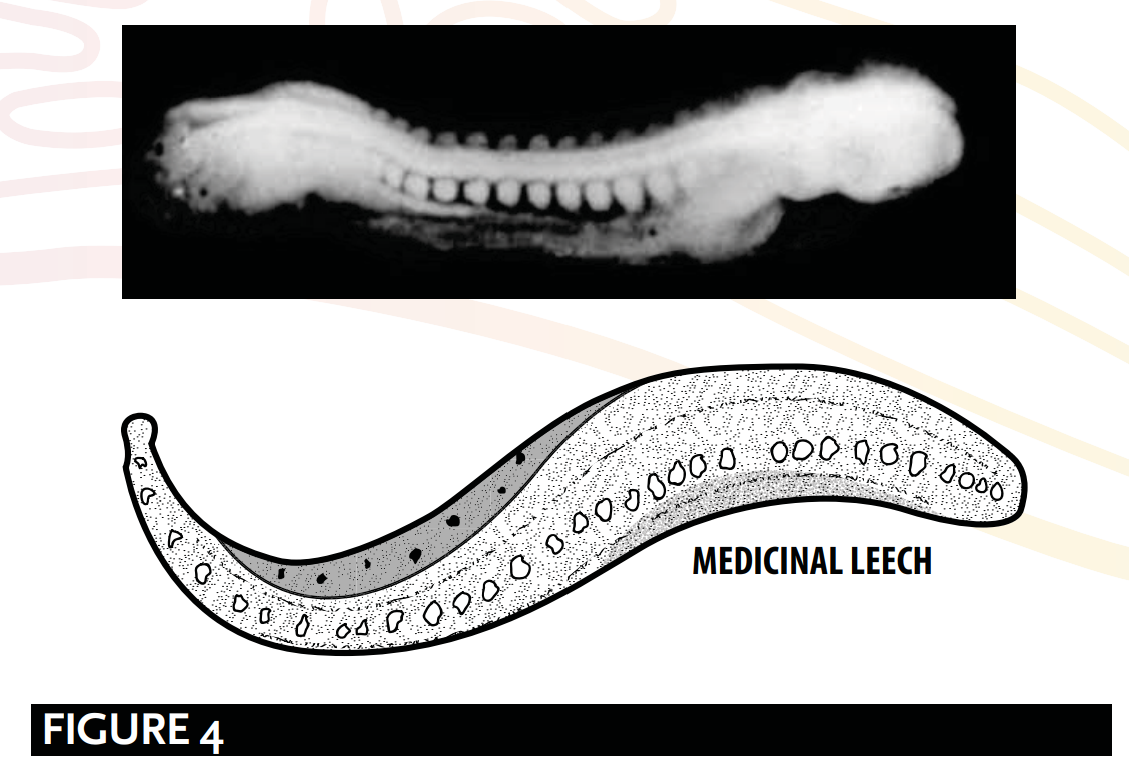
دوم، واژهٔ «علقة» به معنای خون نیست؛ بلکه معانی اصلی آن «شکلی چسبنده» و «مادهای شبیه زالو» است. برخی زبانشناسان عرب معنای «لختهٔ خون» را به واژهٔ «علقة» نسبت دادهاند، نه به این دلیل که پر از خون است، بلکه به سبب آنکه ذاتاً «چسبنده» است. این تفسیر با معنای اصلی این واژه مطابقت دارد.
2. Secondly, the word `alaqah does not mean blood; rather, its primary meanings are ‘a clinging form’ and ‘a leech-like substance’. Some Arab linguists would attribute the meaning of a ‘blood clot’ to the word `alaqah, not because of it being filled with blood, but instead due to it ‘clinging’ by nature. This interpretation matches the primary meaning of the word.
سوماً، جالینوس اصرار دارد که «جنین در مرحلهٔ دوم شکل گوشت دارد»، در حالی که قرآن تأکید میکند که مرحلهٔ مُضغه (تکهٔ جویدهشدهای از گوشت یا تودهای از گوشت) پس از مرحلهٔ علقه میآید.
3. Thirdly, Galen insists “the foetus has the form of flesh” during the second stage, whereas the Qur’an affirms the mudghah (a chewed piece of meat or lump of flesh) stage comes after the `alaqah stage.
۴. چهارم، جالینوس در کتاب *در قوای طبیعی* مینویسد: نطفه نیز همینگونه است؛ قوای آن را از آغاز داشته است.۵۸ برداشت نادرست جالینوس مبنی بر اینکه نطفه تنها مسئول مادهٔ ژنتیکی است، با قرآن و سنت نبوی ناسازگار و در تضاد مستقیم با آن است. همانگونه که پیشتر بررسی شد (نگاه کنید به ارسطو، جالینوس و نطفه)، متون اصلی اسلامی نطفه را قطره یا مایعی آمیخته از مرد و زن میدانند و هر دو را در ژنتیک فرزند مسئول میشمارند.۵۹ بنابراین، اگر پیامبر ﷺ دیدگاههای جالینوس دربارهٔ رشد انسان را رونویسی کرده بودند، چگونه است که علم نادرست را رد کردند و تنها آنچه را درست بود به کار بردند، با اینکه در عربستان قرن هفتم میلادی هیچ راهی برای دانستن اینکه کدام دیدگاهها درستاند وجود نداشت؟
4. Fourthly, in his book On the Natural Faculties, Galen writes: so it is with the semen: its faculties it possessed from the beginning.58 Galen’s incorrect implication of the semen’s sole responsibility for the genetic material is incompatible, and in direct opposition, to the Qur’an and Prophetic traditions. As previously explored (see Aristotle, Galen & Nutfah) the Islamic source texts considers the nutfah as a mingled drop or fluid from both the male and the female, and confirm both the male and female as responsible for the genetics of the child.59 Therefore, if the Prophet ﷺ copied Galen’s views on human development, how is it that he rejected the incorrect science and only used what was correct, even though there was no way in 7th century Arabia of knowing which views were accurate?