د دې نقادانو د دلایلو او استدلالونو ډیر کمزورتیاوې شتون لري:
There are a number of weaknesses with the implications of these critics:
1. نخست، قرآن کریم د «زړه، مغز او ځیګر ...» ذکر نه کوي
1. Firstly, the Qur’an does not make a mention of the “heart, brain and liver...
ابھی تک غیر واضح اور بے شکل، مگر ایک خاص یکجہتی اور قابلِ ذکر جسامت کے ساتھ۔
[being] unarticulated and unshaped yet [with] a certain solidarity and [of a] considerable size”.
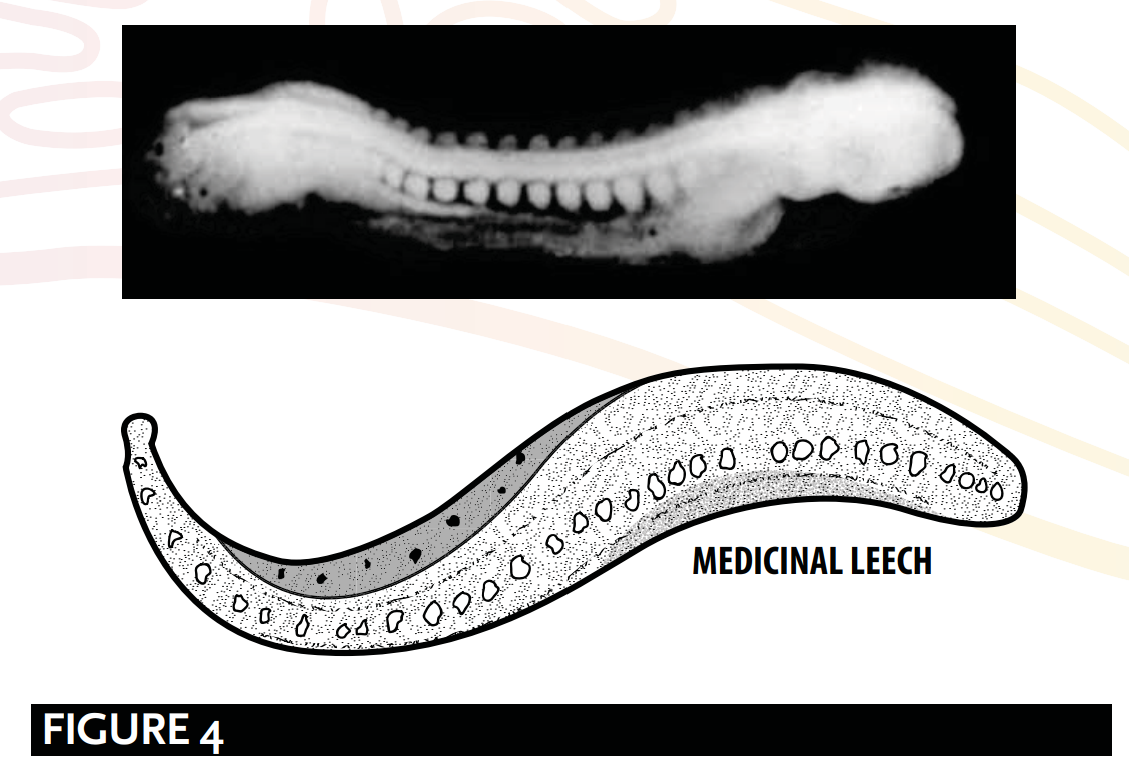
دوهم، لفظ «علقه» په حقیقت کې د وینې معنا نه لري؛ بلکې د هغې لومړنۍ معنا «یوه نښتونکې بڼه» او «د زالو په څېر یوه مادې» ده. ځینې عربي ژبپوهان د «علقه» لفظ ته د «وینې ټوټه» معنا منسوبوي، نه د دې له امله چې هغه د وینې څخه ډکه ده، بلکې د دې له امله چې په طبیعي ډول ځانته نښلي. دا تفسیر د لفظ لومړنۍ معنا سره سمون لري۔
2. Secondly, the word `alaqah does not mean blood; rather, its primary meanings are ‘a clinging form’ and ‘a leech-like substance’. Some Arab linguists would attribute the meaning of a ‘blood clot’ to the word `alaqah, not because of it being filled with blood, but instead due to it ‘clinging’ by nature. This interpretation matches the primary meaning of the word.
۳۔ دریم دلیل دا دی چې جالینوس ټینګار کوي چې "جنین د دوهم پړاو په ترڅ کې د غوښې شکل لري"، پداسې حال کې چې قرآن کریم ثابتوي چې د "مضغه" (یعنې جوندل شوې غوښه یا د غوښې ټوټه) پړاو د "علقه" پړاو وروسته راځي۔
3. Thirdly, Galen insists “the foetus has the form of flesh” during the second stage, whereas the Qur’an affirms the mudghah (a chewed piece of meat or lump of flesh) stage comes after the `alaqah stage.
4. څلورم، جالینوس په خپل کتاب On the Natural Faculties کې لیکي: همداسې د نطفې حال دی: هغه ځواکونه چې دا یې له پیله درلودل.58 د جالینوس دا غلط مفهوم چې یوازې نطفه د ژنیتیکي موادو مسؤله ده، د قرآن کریم او نبوي احادیثو سره په ټکر کې دی. لکه څنګه چې مخکې څیړل شوي (وګورئ ارسطو، جالینوس او نطفه)، اسلامي سرچینې نطفه د نر او ښځې یوې ګډې څاځکې یا مایع په توګه ګڼي، او دواړه، نر او ښځه، د ماشوم په ژنیتیک کې مسؤل تایید کوي.59 نو که پیغمبر ﷺ د جالینوس نظرونه د انسان د پیدایښت په اړه کاپي کړي وای، نو څنګه یې غلط علم رد کړ او یوازې هغه څه یې وکاروه چې سم وو، سره لدې چې د ۷مې پیړۍ عربستان کې دا پوهیدل ممکن نه و چې کوم نظر سم دی؟
4. Fourthly, in his book On the Natural Faculties, Galen writes: so it is with the semen: its faculties it possessed from the beginning.58 Galen’s incorrect implication of the semen’s sole responsibility for the genetic material is incompatible, and in direct opposition, to the Qur’an and Prophetic traditions. As previously explored (see Aristotle, Galen & Nutfah) the Islamic source texts considers the nutfah as a mingled drop or fluid from both the male and the female, and confirm both the male and female as responsible for the genetics of the child.59 Therefore, if the Prophet ﷺ copied Galen’s views on human development, how is it that he rejected the incorrect science and only used what was correct, even though there was no way in 7th century Arabia of knowing which views were accurate?