د عقیدې او هغه څه چې له هغې څخه سرچینه اخلي، یعنې احکامو او هغه افکارو چې پر دې بنا دي، دا ټول د بدلون (التغییر) بنسټ دی.
The Aqeedah and what emanates from it in terms of Ahkaam and what is built upon it in terms of thoughts, is the basis of At-Taghyeer (change).
د انسان سلوک د هغو مفاهیمو سره تړلی دی چې هغه یې په ذهن کې لري. مفاهیم هغه قناعتونه دي چې د شیانو او د هغوی د صفاتو د پوهیدو له مخې پیدا کیږي، سربیره پر هغه نورو قناعتونو چې پر دې پوهیدو ولاړ وي یا له دې څخه رامینځ ته کیږي.
The conduct of the human is tied to what he carries in terms of concepts. The concepts (Mafaaheem) are convictions (Qanaa’aat) resulting from a comprehension of things and their attributes in addition to what is built upon this comprehension or emanates from it in terms of other convictions.
دا مفهومونه دوه ډوله دي:
Concepts are of two types:
The first
The first:
د شیانو په اړه مفاهیم۔ دا هغه قناعتونه یا احکام دي چې سرچینه یې پخپله شیان دي۔ دې ته داسې جملې شاملې دي: "اور سوځوي"، "زهر وژني"، "شراب مست کوي"، "غوښه خوړل کیږي پداسې حال کې چې خاوره نه خوړل کیږي"، "د فشار زیاتوالی یو ډول چاودنه پیدا کوي"، "ټولنه د دایمي اړیکو لرونکو افرادو له یوې ټولګې څخه جوړه ده" او "بیا ژوندی کیدل یوازې د روښانه فکر له لارې پېښیږي"۔
: Concepts about things. These are convictions or Ahkaam (rulings) whose source is the things themselves. This would include statements like: ‘Fire burns’, ‘Poison kills’, ‘Alcohol intoxicates’, ‘Meat is eaten whilst soil is not eaten’, ‘The increased build-up of pressure generates an explosion (of sorts)’, ‘The society is composed of a collection of individuals bound by permanent relationships’ and ‘Revival would not occur except by way of the enlightened thought’.
دا ټول فکرونه هغه بیانونه یا احکام دي چې سرچینه یې خپل موضوع ده. دوي کیدای شي د واقعیت سره سم وي یا د هغې په خلاف، ریښتیني یا غلط. په ټولو دې حالتونو کې دوي د هغه چا په نظر کې چې په دې باور لري، مفهومونه ګڼل کیږي. د انسان چلند او سلوک د هغه د مفهومونو سره تړلی دی، نو هر څوک چې قانع وي چې خواړه یې زهرجن شوي دي، هغه به ترې نه خوري حتی که لوږه وي. ورته ډول هغه څوک چې تږی وي اوبه لټوي، نه بل څه، او هغه څوک چې غواړي نشه شي، الکحول لټوي او بل هیڅ نه.
All of these thoughts are descriptions or Ahkaam whose source is its subject. They could be correct or incorrect depending on their conformity to the reality or their contradiction to it. In all of these cases they are considered to be concepts in respect to the one who has believed in them. The human behaviour and conduct is tied to his concepts about things and so whoever is convinced that his food has been poisoned would never eat from it and even if he was hungry. Similarly the one who was thirsty would seek water and not something else whilst the one who wanted to be intoxicated would seek alcohol and nothing else.
دويم ډول:
The second type:
د ژوند په اړه مفاهیم (مفاهیم الحیاة). دا هغه قناعتونه یا احکام دي چې سرچینه یې د خپل موضوع څخه بهر وي. لکه دا جملې: «لمونځ فرض دی»، «دوکه کول حرام دي» او «یو چا وژل حرام دي» او نور... د دې حکم سرچینه نه خود شی دی او نه عمل، بلکه دوی یوازې هغه ساحه یا واقعیت ښيي چې په اړه یې حکم کېږي، پداسې حال کې چې د حکم سرچینه بل څه ده او بهر پروت دی.
Concepts (Mafaaheem) about life. These are convictions or Ahkaam whose source is external to its subject. This is like the statements: ‘The Salaah is Fard’, ‘Fraud is Haraam’ and ‘Killing someone is Haraam’ etc... The source of this Hukm is not the thing itself or the action and these only represent the subject area or the reality that is being judged upon whilst the source of the judgement is something else and lies elsewhere.
ځکه چې زموږ دا ویل چې «شراب مست کوونکی دی» یو داسې توضیح یا داخلي صفت بیانوي چې شراب ته منسوب دی. دا یو داسې حکم دی چې په یوه شي باندې د هغه د منځپانګې یا د هغه د پایلې له امله لګول کیږي. په مقابل کې، دا ویل چې «شراب حرام دی» د هغه شي په اړه د منځپانګې پر بنسټ حکم نه دی، بلکې دا د الله (ج) یو حکم بیانوي.
So our statement: ‘Alcohol intoxicates’ reflects a description or an internal attribute associated to alcohol. It is a judgement made upon a thing due to what it contains or results in. The statement however ‘Alcohol is Haraam’ is not a judgement passed upon a thing on the basis of what is in it but rather it represents a Hukm from Allah (swt)
څوک پریکړه کوي چې کوم شی حرام او کوم شی مباح دی؟
who decides what to make Haraam and what to make Mubaah (permissible).
د انسان رفتار هم د هغه د ژوند د تصورونو سره تړلې ده. که چېرې هغه د خنزیر د غوښې په اړه دا تصور یا پوهه درلودله چې دا خوړل جایز دي او د لوږې د ځواب لپاره کافي دي، نو دا به د یوه شي په اړه یو تصور وي. مګر د ژوند په اړه تصور دا دی چې خنزیر حرام دی، یعنې د هغه لپاره لازمه ده چې ځان له دې څخه وساتي او لرې وي. دا به د هغه چا لپاره تصور شي چې دا شرعي حکم یې پوه شوی وي او په هغه یې ایمان راوړی وي، او دا به د هغه په رفتار اغېز ولري او هغه له دې منع کړي چې د خنزیر په واسطه خپله لوږه ماته کړي.
The behaviour of the person is also tied to his concepts about life. If he held the concept or understanding about the flesh of pig that it was edible and would satisfy hunger, then this would represent a concept about a thing. The concept about life however is that the pig is Haraam meaning that is obligatory for him to avoid and keep away from it. It would become a concept for the one who has comprehended this Hukm and believed in it and it would have an effect upon his behaviour and prevent him from satisfying his hunger from pig.
هغه څوک چې دا عقیده لري چې بُت د هغه په روغتیا، امنیت، رزق یا د هغه د کارونو په پوره کیدو کې اغیزه لري، یا دا چې ځینې مړې هم دا وس لري، نو هغه به د بتانو په حضور کې د تعظیم احساسات تر غلبې لاندې راولي یا به له مړو څخه مرستې او کومک غواړي.
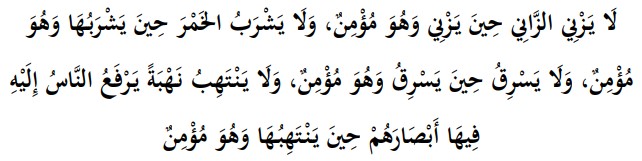
کله چې زناکار زنا کوي، هغه مؤمن نه وي، کله چې شراب څکونکی شراب څکي، هغه مؤمن نه وي، کله چې غل غلا کوي، هغه مؤمن نه وي، او هیڅ داسې لوټمار چې د خلکو د پام وړ ارزښتمن شی لوټي، هغه د دې عمل په کولو سره مؤمن نه وي (البخاري).
When the fornicator is committing Zinaa he is not a believer, when the alcohol drinker is drinking alcohol he is not a believer, when the thief steals he is not a believer and no plunderer who plunders a valuable thing that attracts the attention of people is a believer whilst he commits this act (AlBukhaari).
نو دا لازمه ده چې حقایق په ذهنونو کې بیا تازه شي، ترڅو چلند سم شي او اصلاح شي. دا حقایق دا دي: د شیانو حقایق، او د عقیدو او احکامو په اړه شرعي حقایق. دوی باید د دې حقایقو په یادونه بیا تازه، مضبوط او حاضر شي، او په دې ډول چلند باندې اغیزه ولري.
It is therefore obligatory to restore the truths (Haqaa’iq) to the minds to correct the behaviour and to rectify it. These include: The Haqaa’iq (truths) of things and the Shar’iyah truths in terms of beliefs and Ahkaam. They must be reminded with them so that they become fresh, firmly embodied and present, and as such have an effect upon the behaviour.
الله (سبحانه وتعالى) فرمایي:
Allah (swt) said:

او یادونه وکړه، که څه هم یادونه مؤمنانو ته ګټه رسوي۔ (الذاریات 55)
And remind for verily the reminder benefits the believers (Adh-Dhaariyaat 55).
برعکس کافرانو سره دا حال دی، ځکه چې دوی ته د حقایقو او شرعي مفہومونو یادونه ګټه نه رسوي۔ دوی دا خبرې د فکرونو په توګه اورېدلې، خو دا د دوی لپاره حقایق نه جوړوي او نه د دوی لپاره مفہومونه جوړوي، او په دې ترتیب د دوی په چال چلند باندې هیڅ اغېز نه لري۔
The opposite is the case in respect to the disbelievers because reminding them of the truths and Shar’iyah concepts does not benefit them. They hear them as thoughts but they do not represent truths for them nor do they represent concepts for them and as such they have no effect upon their behaviour.
له همدې امله د ژوند په اړه څرنګوالی هغه څه دي چې د انسان د ژوند ځانګړی ډول او بڼه ټاکي. د انسان اصلي اندېښنه يوازې ژوند کول نه دي، بلکې دا ده چې هغه څنګه باید ژوند وکړي؛ او د هغه اصلي اندېښنه د خپلو اړتیاوو د پوره کولو په اړه نه ده، بلکې د دې په اړه ده چې هغه به څنګه دا اړتیاوې پوره کوي. په همدې دليل د ژوند په اړه د هغه تصورات د هغه لپاره ځانګړی ډول او بڼه د ژوند جوړوي.
Therefore the concepts about life are what define the manner by which the human lives. His main concern is not just living but rather how he should live and his main concern is not about satisfying his needs but rather it concerns the manner by which he will satisfy them. For this reason his concepts about life fashion for him a specific manner and style of living.
په هغه حالت کې چې د ژوند د مفهومونو سرچینه د شیانو او کړنو څخه بهر وي، نو دا ممکن نه ده چې دې ته غاړه کېښودل شي، مګر دا چې په دې باور سره چې سرچینه ریښتیا ده یا دا چې د دې په اړه د حکم کولو واک یا اختیار لري، او دا چې د هغې احکام معتبر او سم دي.
In the case where the source of the concepts in life are external to the things and actions themselves, it is not possible to adopt them except after being convinced that the source is true or has the power or authority to make a judgment upon them, and that its Ahkaam are valid and correct.
اسلام دا ثابته کړې چې حاکم الله (سبحانه و تعالی) دی، او د احکامو سرچینه وحی ده۔
Islaam has established that the Haakim (Judge) is Allah (swt) and that the source of the Ahkaam (rulings) is the Wahi (divine revelation)
په سیدنا محمد ﷺ نازل شوی.
revealed upon Sayyidunaa Muhammad (saw).
الله (سبحانه وتعالى) فرمایي:
Allah (swt) said:

بیشکه حکم یوازې د الله دی. هغه امر کړی دی چې تاسو د هغه پرته بل څوک عبادت مه کوئ (یوسف ۴۰).
Verily the Hukm (rule) is not but for Allah. He commanded that you do not worship other than him (Yousuf 40).
او هغه (سبحانه وتعالیٰ) وفرمایل:
And He (swt) said:

او څوک چې د هغه څه پر اساس حکم نه کوي چې الله نازل کړی دی، نو دغه کسان کافران دي۔ (المائدہ: ۴۴)
And whosoever does not judge by what Allah has revealed then it those who are the disbelievers (Al-Maa’idah 44).
هر هغه حکم یا فیصله چې د الله له حکم پرته وي، طاغوت دی۔
Every ruling or judgement other than the Hukm of Allah is Taaghoot:
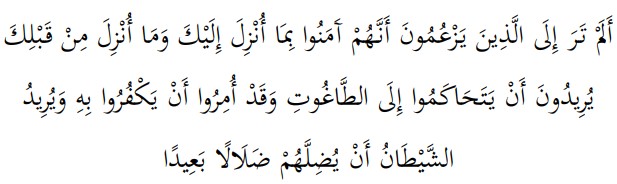
ایا تا هغو کسانو ته نه یې کتلي چې دعوه کوي چې په هغه څه ایمان لري چې ستا (ای محمده ﷺ) ته نازل شوي او هغه څه چې ستا له مخکې نازل شوي؟ دوی غواړي چې د قانون فیصلې طاغوت ته وړاندې کړي، پداسې حال کې چې دوی ته امر شوی و چې هغه ونه منې؛ او شیطان غواړي چې دوی سخت گمراه کړي. {النساء: ۶۰}
Have you not seen those who claim to have believed in what was revealed to you, [O Muhammad], and what was revealed before you? They wish to refer legislation to Taghoot, while they were commanded to reject it; and Satan wishes to lead them far astray (An-Nisaa 60).
په دې ترتیب سره، د حکم کولو حق نه عقل ته پاتې کیږي او نه انسان ته، او دا به دا معنا ونه لري چې د عقل رول له منځه وړل شوی دی یا د هغه د وړتیاوو باندې محدودیت لګول شوی دی. بلکې دا ځکه چې عقل او انسان د حکم کولو یا فیصله صادرولو لپاره اړین وسایل نه لري. دا ځکه چې د حکم سرچینه نه هغه شی دی او نه هغه موضوع چې پرې حکم کیږي.
As such there is no judgement left to the mind or the human and this does not mean that the role of the mind has been taken away or that a limitation has been placed upon its capabilities. It is rather because the mind and the human do not possess the necessary tools to make judgement or pass a ruling. This is because the source of the ruling is not the thing itself or the subject that the ruling will be made upon.
نو هغه کسان چې د حکم تشریع یې خلکو ته منسوب کړی، د مثال په توګه، په دلیل سره دا خبره نه کوي او بلکې ګمراه او سرګردانه شوي دي. دوی داسې یو مفهوم اخیستی دی چې ریښتیا نه دی او هیڅ حقیقت نه لري، او په ورته وخت کې یې حق انکار کړی، ځکه چې دین یې له ژوند څخه جلا کړی، چې دا د دې معنا لري چې د الله ﷻ لپاره هیڅ حکم نشته.
So those who have allocated the provision of the ruling to the people, for example, have not based this upon evidence and have rather wandered and gone astray. They have carried a concept which is not truthful and has no reality to it, whilst at the same time they have denied the truth by separating the Deen from life which means that there is no Hukm belonging to Allah.
که انسان ته د حکمونو او فیصلو صادرولو حق او واک ورکړل شوی وای، په داسې حال کې چې هغه د دې کار لپاره اړین وسایل نه لري، نو بیا به هیڅ شی پر ځای نه وای پاتې کېدای، پرته له هغو خواهشاتو، تمایلاتو او ګټو څخه چې د هغه د لید لوري له مخې وي. دا به بدلیدونکي او بدلون موندونکي وای، او هغه کېدای شو داسې شی ته ګټور وګوري چې زیانمن وي، او یوه ناروغي ته د درمل او شفا په سترګه وګوري.
If the right and power of issuing judgements and rulings was given to the human whilst he does not possess the necessary tools to do that, then nothing would prevail apart from his desires, inclinations and interests according to his viewpoint. These would be changing and fluctuate and he could see something that is damaging as being beneficial and he could see a disease as a medicine and cure.
په دې بحث کې د الله ‘عزوجل’، نبوت او قرآن پر ایمان اهمیت ښکاره کیږي. دا ایمان هغه عقیده ده چې د انسان په چلند اثر لري، ځکه دا هغه تصورات ورکوي چې د ژوند په اړه دي او دې ته ښیي چې څنګه باید ژوند وکړي، د ژوند هدف څه دی، او د خپل چلند او کړنو هدف څه دی، چې هغه د الله جل جلاله رضا ده۔
In this context the importance of Imaan in Allah, the Prophethood and the Qur’aan comes to the fore. This Imaan is the Aqeedah that has an effect upon the behaviour as it provides the human with the concepts about life which define for him how he should live, his purpose in the life and his purpose behind his behaviour and conduct, which is to attain the pleasure of Allah ‘Azza Wa Jalla.

ووایہ: ایا موږ تاسو ته خبر درکړو چې د عملونو له مخې ترټولو ډېر تاوان کوونکي څوک دي؟ دوی هغه کسان دي چې د دوی هڅه په دنیاوي ژوند کې ضایع شوې، حال دا چې دوی ګمان کاوه چې دوی ښه کار کوي (الکهف: ۱۰۳-۱۰۴).
Say: Shall We inform you of the greatest losers in respect to (their) deeds? [They are] those whose effort is lost in worldly life, whilst they were thinking that they are doing good (Al-Kahf 103-104).
دا ځکه چې افراد هم ګمراه کیږي او ټولنې هم ګمراه کیږي، ځکه دوی داسې دي لکه هغه کب چې د سمندر په ژورو کې د دانې ښکار شي، یا هغه موږک چې د موږک په جال کې ایښودل شوي خواړو ته په چټکۍ سره ورځي.
Yes the individuals are led astray and the peoples are led astray just like a fish in the ocean when it takes the bait or the mouse that rushes to the food placed in a mouse trap.
انسان سرگردان پھرتا رہتا ہے اور اپنی منزل تک نہیں پہنچتا، جب وہ ایسے راستے پر چلتا ہے جس کے بارے میں اسے یقین ہو کہ وہ اسے منزل تک لے جائے گا، حالانکہ حقیقت میں وہ بالکل اس کے برعکس سمت میں جا رہا ہوتا ہے۔
The human wanders around and does not arrive at his aim when he proceeds along a path that he is convinced will lead to it whilst in reality he is actually going in the exact opposite direction.
وہ بھی گمراہ ہو جاتا ہے جب وہ جہالت یا تحریف کی وجہ سے زندگی کے بارے میں غلط تصورات رکھتا ہے، جیسے وہ شخص جو یہ دیکھتا ہے یا اسے دکھایا جاتا ہے کہ سود حلال ہے، کہ جمہوریت اسلام سے ہے، اور یہ کہ شریعت کا علم حاصل کرنا بھی دوسرے شعبوں یا پیشوں کی طرح محض روزی کمانے کے لیے ہے۔ جب اسلام کی حقائق غائب ہو جاتی ہیں اور ذہن باطل خیالات سے بھر جاتے ہیں، جیسے عمومی آزادیوں کے خیالات، یا یہ تصور کہ موجودہ نسل یا سو سال میں بگڑی ہوئی حقیقت کو بدلنا ناممکن ہے، یا یہ کہ یہ تبدیلی اللہ کی طرف سے کوئی عطیہ ہے اور ہمارے لیے انتظار یا مہدی کے انتظار کے سوا کچھ کرنے کو نہیں۔ یہ سب کچھ افراد، قوموں یا امت کو سست و کاہل لوگوں کا ایک ایسا مجموعہ بنا دیتا ہے جنہیں وہ لوگ جنہوں نے یہ تصورات دیے ہیں، جس سمت چاہیں ہانکتے رہیں، اور یہ انہیں اپنے دشمنوں کا آلہ کار بنا دیتا ہے، حالانکہ وہ یہ گمان کرتے ہیں کہ وہ درحقیقت ان کے خلاف جدوجہد کر رہے ہیں۔
He is also led astray when he carries incorrect concepts about life as a result of ignorance or distortion like the one who sees or is made to see that Ribaa is Halaal, that democracy is from Islaam and that learning the Sharee’ah is for the sake of earning a living just like any other area of specialisation or profession. When the Haqaa’iq (truths/facts) of Islaam become absent and the minds are filled with false thoughts like the thoughts of general freedoms or that changing the declined reality is impossible in our current generation or one hundred years, or that this change is a gift from Allah and that there is nothing for us to do apart from wait or to wait for the Mahdi. All of this transforms the individuals, peoples or the Ummah into a collection of lazy people sluggishly being driven in whatever direction those who have given them these concepts want them to and it leads them into becoming tools for their enemies whilst they believe that they are actually struggling against them.

داسې څوک چې خپل لاسونه د اوبو په لور پورته کوي، ترڅو دا خپلې خولې ته ورسوي، خو اوبه ورته نه رسیږي (الرعد ۱۴).
Like the one who stretches his hands toward water [from afar, calling it] to reach his mouth, but it does not reach it (Ar-Ra’d 14).

د دوی مثال داسې دی لکه څوک چې اور بل کړي، خو کله چې هغه د هغه څه رڼا کړه چې د هغه شاوخوا وو، الله د دوی رڼا له منځه یووړه او دوی یې په تیاره کې پریښودل، نو دوی نه شول لیدلی۔ (البقرہ ۱۷)
Their example is that of one who kindled a fire, but when it illuminated what was around him, Allah took away their light and left them in darkness [so] they could not see (Al-Baqarah 17).
لہٰذا ہم دوبارہ کہتے ہیں کہ اپنے طرزِ عمل کو بدلنے، اسے درست کرنے اور ایک صحیح، بلند طرزِ عمل بنانے کے لیے، جو اپنے مقصد تک پہنچائے، یہ ضروری ہے کہ اشیاء اور زندگی کے بارے میں درست تصورات پیدا کیے جائیں۔ اُس وقت انسان اس پوزیشن میں ہوگا کہ اشیاء اور ان کی صفات کو کامیابی سے مسخر اور استعمال کر سکے، اور وہ ایسا طرزِ عمل اختیار کرنے کے قابل ہوگا جو اس کے مقصد تک پہنچائے، اور تمام مقاصد میں سب سے بڑا مقصد، یعنی اللہ عزوجل کی رضا کا حصول۔
Therefore, we repeat, that in order to change the conduct, rectify it and make it a correct elevated conduct that arrives at its purpose, it is essential to generate correct concepts about things and life. At that time the person will be in a good position to subjugate and utilise the things and their attributes successfully and will be in a good position to adopt the conduct that arrives to his purpose and the greatest of all objectives which is the attainment of the pleasure of Allah ‘Azza Wa Jall:

او هغه څه سره چې الله تعالی درکړي دي، آخرت کور وغواړه؛ او د دنیا نصیب هم مه هیروه. او داسې احسان وکړه لکه څنګه چې الله تعالی تا سره احسان کړی دی.
But seek, through that which Allah has given you, the home of the Hereafter; and [yet], do not forget your share of the world. And do good as Allah has done good to you (Al-Qasas 77).
د حقایقو لومړی، او په مطلق ډول تر ټولو مهم، هغه عقیده ده چې د انسان د ژوند په اړه تصورات ټاکي۔ عقیده دا ده چې ټول شیان د یوه خالق لخوا پیدا شوي دي چې هغه الله (سبحانه و تعالی) دی، او دا چې الله یو رسول لیږلی دی چې محمد ﷺ دی، د الاسلام د رسالت سره، کوم چې هغه ټول څه بیانوي چې د انسان سره تعلق لري، او دا چې هغه (سبحانه و تعالی) به انسان د ایمان یا کفر په بنسټ او د هغه څه په پابندۍ یا عدم پابندۍ په بنسټ حساب کوي چې نبي ﷺ راوړي دي۔
The first of the Haqaa’iq (truths) and absolutely its most important is the Aqeedah that defines the human’s concepts about life. The Aqeedah is that all things have been created by a creator who is Allah (swt), that Allah sent a Messenger who is Muhammad (saw) with the Risaalah (message) of Al-Islaam which explains everything that relates to the human being and that He (swt) will account him upon the basis of Imaan or Kufr and upon the basis of his abiding by what the Nabi (saw) came with or by his non-abidance to it.
د مسلمان د ژوند هدف:
The Muslim’s purpose in life:
د ایمان څخه وروسته تر ټولو مهمو حقایقو څخه دا دی چې انسان د خپل پیدایښت هدف پوه شي، یعنې هغه څه چې هغه باید د ترلاسه کولو لپاره هڅه وکړي.
From amongst the most important Haqaa’iq (truths) after Imaan is that the human understands the purpose of his creation i.e. that which he must strive to accomplish.
الله (سبحانه وتعالى) فرمایي:
Allah (swt) said:
او ما پیدا کړی مې جنات او انسانان نه، مګر د دې لپاره چې زما عبادت وکړي. (الذاریات 56)
And I have not created the Jinn or humankind except to worship me (AdDhaariyaat 56).
د الله عبادت یعنې په هغه باندې ایمان لرل او د هغه اطاعت کول دي. د الله تعالیٰ اطاعت یعنې د هغه د ټولو احکامو پابندي او ترې تلپاتې کیدل (الالتزام) دي. دا یوازې د عبادت، اخلاقو (اخلاقو) او معاملاتو (ټولنیزو معاملاتو) پورې محدود نه دي، بلکې هر هغه څه ته رسیږي چې الله (سبحانه و تعالیٰ) یې ...
The worship (‘Ibaadah) to Allah means having Imaan in Him and obedience to Him. Obedience to Him Ta’Aalaa means commitment and abidance (Al-Iltizaam) to all of His Ahkaam. This is not restricted to the acts of ‘Ibaadah, Akhlaaq (morals) and Mu’aamalaat (societal transactions) but rather includes everything that Allah (swt)
هغه څه چې الله تعالی یې حکم کړی یا منع کړی دي. دا پکې شامل دی چې له الله پرته بل هیڅ شی د عبادت حق نه لري، او دا چې له هغه پرته بل هیڅ چا ته د حکم کولو یا منع کولو حق نشته، (سبحانه وتعالی).
has commanded or forbidden. It includes that nothing has a right to be worshipped other than Allah and that no command or forbiddance can come from anyone besides Him (swt).
احمد او الترمذي روایت کوي چې عدي بن حاتم (رض) د الله رسول ﷺ ته راغی پداسې حال کې چې هغه دا آیت تلاوت کاوه:
Ahmad and At-Tirmidhi related that ‘Adiy Bin Haatim (ra) came to the Messenger of Allah (saw) whilst he was reciting the Aayah:
دوی خپل علماء او راهبان د الله پرځای رب ونیول، او همدارنګه د مریم زوی مسیح هم. حال دا چې دوی ته یوازې دا حکم شوی و چې یو الله عبادت وکړي؛ له هغه پرته بل معبود نشته. هغه د هغو شریکانو څخه پاک دی چې دوی ورسره شریکوي. (التوبه: ۳۱)
They have taken their Rabbis and monks as lords besides Allah, and [also] the Maseeh, the son of Mary. And they were not commanded except to worship one God; there is no deity except Him. Exalted is He above whatever they associate with Him (At-Taubah 31).
عدي وویل: "دوی دوی ته عبادت نه کاوه." نو د الله رسول ﷺ وفرمایل:
‘Adiy then said: ‘They did not worship them’. So the Messenger of Allah (saw) said:
برعکس، دوی حلال کو ان پر حرام کر دیا او حرام کو ان کیلئے حلال کر دیا، نو دوی هغوی پسې ولاړل (په دې کې). له همدې امله دا د دوی عبادت وو چې دوی هغوی ته کاوه.
On the contrary, they made the Halaal Haraam upon them and made the Haraam Halaal for them, then they followed them (in this). Therefore this was their worship to them.
همدارنگه، د حق (حق) ورکول چې څوک حلال وټاکي او حرام وټاکي، یا د قانون جوړولو حق او د اطاعت حق یوې کسې ته ورکول، دغه کار د هغه شخص لپاره عبادت ښيي.
As such giving the Haqq (right) to anyone to decide the Halaal and decide the Haraam or the right to make legislation and the right of obedience represents ‘Ibaadah to that person.
الله (سبحانه وتعالى) فرمایي:
Allah (swt) said:
تاسو د هغه پرته بل هیڅ شی نه عبادت کوئ، مګر یوازې هغه نومونه چې تاسو او ستاسو پلرونو ورته نومونه ایښي دي، چې الله د هغو لپاره هیڅ دلیل نازل کړی نه دی.
You worship nothing besides Him except [mere] names you have named them with, you and your fathers, for which Allah has sent down no authority.
حکم صرف الله تعالیٰ لپاره دی. هغه امر کړی دی چې تاسو یوازې د هغه عبادت وکړئ. دا سم دین دی، مګر ډیری خلک نه پوهیږي. (یوسف 40)
Legislation is not but for Allah. He has commanded that you worship not except Him. That is the correct Deen, but most of the people do not know (Yusuf 40).
هغه حق چې د حاکم، امیر یا والدینو لپاره د اطاعت حق دی، دا هغه حق دی چې الله (ج) د
As for the right of obedience that belongs to the Hakim (ruler), Ameer or parents then this is due to the Haqq (right) that Allah (swt)
هغه څه چې الله ورته ورکړي دي.
has provided to them.
د الله (جل جلاله) عبادت کې هغه اطاعت شامل دی چې په هغه کې انسانان د الله (جل جلاله) عبادت ته اړ کیږي، یعنې دوی د الله د شریعت تابع کول او د هغه هر حاکمیت ښکاره مخالفت کول چې د الله نه پرته بل چا ته یا د اسلام د شریعت نه پرته بل قانون ته منسوب وي، سره له دې چې د الله (جل جلاله) د حکم نه د وتلو (خروج) مخالفت هم کیږي. دا هغه څه دي چې نصوصو په ګوته کړي دي او دا هغه معنا ده چې دوی راوړې ده؛ هغه نصوص چې د "امر بالمعروف" (نیکۍ ته حکم کول) او "نهي عن المنکر" (له بدۍ منع کول) حکم کوي. دوی د بحث، توضیح، خلکو ته د قانع کولو او د دعوت له لارې د هغوی د رابلنې حکم کړی دی. سربیره پردې، دوی د کوړې وهلو، پرې کولو، وژلو (د سزا او بازدارۍ په توګه) او جهاد او جنګ حکم کړی دی، ترڅو د الله حکم په ځمکه خپور شي او د هغه کلمه لوړه شي.
‘Ibaadah to Allah (swt) includes the obedience in respect to making mankind worship Him (swt) i.e. to make them submit to the Shar’a of Allah and to fight against the existence of any Haakimiyah (right to make rules) to other than Allah or to other than the Sharee’ah of Islaam in addition to fighting against the exiting (Khurooj) from the Hukm (rule) of Allah (swt). This is what the texts have indicated and the meaning that they have come with; those which have come commanding the ‘Amr Bil Ma’rouf’ (Commanding the good) and the ‘Nahi ‘An il-Munkar’ (Forbidding the evil). They have commanded the undertaking of discussions, explanations, convincing people and inviting them by way of Da’wah. Additionally they have commanded lashing, cutting, killing (as punishments and deterrents) and fighting and Al-Jihaad to spread the rule of Allah upon the Earth and to raise His word the highest.
ځکه نو وګورئ چې رسول الله ﷺ د مدینې منورې په کې اسلامي دولت قایم کړ او د هغې ستنې یې په پښو ودرولې، نو هغه ﷺ بادشاهانو او واکمنانو ته پیغامبران واستول چې دوی اسلام ته رابولي. بیا وګورئ چې خلفاء راشدین ؓ چې د هغه ﷺ څخه وروسته راغلل، د دعوت لیږدونکي، مجاهدین او لښکرې یې واستولې چې خلک ایمان ته رابولي او دوی له تیارې څخه وباسي او رڼا ته یې راولي. دوی د دې لپاره جهاد وکړ چې ځمکې او بندګان د اسلام د واک تابع کړي.
As such we saw that after the Messenger of Allah (saw) established the Islamic State in Al-Madinah Al-Munawaarah and established its pillars firmly, he (saw) sent the messengers to the Kings and rulers inviting them to Islaam. We then saw the Khulafaa’ (rah) who came after him (saw) sending out carriers of the Da’wah, Mujaahideen and armies to invite the people to Imaan and to take them out of the darkness and bring them into the light. They fought for the purpose of making the lands and servants submit to the authority of Islaam.
الله عزّ وجلّ نے ہمیں اس لیے بھیجا ہے کہ ہم تمہیں بندوں کی عبادت سے نجات دیں اور تمہیں بندوں کے رب کی عبادت کی طرف لے آئیں، اور تمہیں دوسرے دینوں کے ظلم سے چھڑا کر اسلام کے عدل کی طرف لے آئیں، اور تمہیں اس دنیا کی تنگی سے نکال کر اس دنیا اور آخرت کی وسعت کی طرف لے آئیں۔
Allah Azza wa Jall has sent us to deliver you from the worship of the servants (people) to bring you to the worship of the Lord of the servants (people) and to deliver you from the oppression of other Deens and bring you to the justice of Islaam and from the narrowness of this world and bring you to the vastness of this world and the hereafter.
دا فکر په قرآن کریم، سنت او د رسول الله ﷺ په عملونو کې دومره ډیرو متنونو کې ډیر واضح شوی دی، چې د هغو په شمېر باندې کومه حد نه شي ایښودلی. مګر موږ به له هغو ځینې یادونه وکړو.
This thought has been made very clear in the Qur’aan, the Sunnah and the actions of the Messenger (saw) within texts that are too numerous for a limit to be placed upon them. We will however make a mention of some of them:
الله (سبحانه وتعالى) فرمایي:
Allah (swt) said:
اې خلکو! بیشکه زه ستاسو ټولو ته د الله رسول یم (الاعراف ۱۵۸)۔
Say: O people! Verily I am the Messenger of Allah to you all (Al-Aa’raaf 158).
هغه (سبحانه و تعالی) فرمایلي:
He (swt) said:
او موږ تاسو را نه یو مگر د ټولو انسانانو لپاره د زیری ورکونکي او ویروونکي په توګه لیږلی یو (سبا ۲۸).
And we have not sent you except to the entirety of mankind as a bringer of glad tidings and as a warner (Saba’ 28).
او هغه (سبحانه وتعالیٰ) وفرمایل:
And He (swt) said:
هغه ذات دی چې خپل پیغمبر یې د هدایت او د حق دین سره لیږلی دی، ترڅو دا دین د ټولو نورو دینونو په پرتله غالب کړي، که څه هم مشرکان بد ګڼي (التوبه 33، الصف 9).
He its is who has sent His Messenger with the guidance and the Deen of truth so that it prevails over all other Deens and even if the Mushrikeen hate it (AtTaubah 33, As-Saff 9).
And
And:
ای هغه کسانو چې ایمان یې راوړی دی، له هغو کافرانو سره وجنګیږئ چې ستاسو تر شا دي، او باید هغوی ستاسو کې سختي ومومي. او پوه شئ چې الله د متقیانو سره دی. [التوبہ 123]
O you who have believed, fight those adjacent to you of the disbelievers and let them find in you harshness. And know that Allah is with the righteous (AtTaubah 123).
او هغو کسانو سره جنګ وکړئ څوک چې په الله او په اخروي ورځ باور نه لري، او هغه شیان حرام نه ګڼي چې الله او د هغه رسول حرام کړي دي، او د هغو کسانو دین نه غوره کوي چې کتاب ورکړل شوی دی، ترڅو چې دوی په خپله خوښه جزیه ورنه کړي پداسې حال کې چې ځپل شوي وي. (التوبہ: ۲۹)
And: Fight those who do not believe in Allah or in the Last Day and who do not consider unlawful what Allah and His Messenger have made unlawful and who do not adopt the religion of truth from those who were given the Scripture - [fight] until they give the Jizyah willingly while they are subdued (At-Taubah 29).
او د الله رسول ﷺ وفرمایل:
And the Messenger of Allah (sw) said:
هرچا چې د الله تعالی د کلمې د لوړولو لپاره جهاد وکړي، هغه په الله تعالی کې دی (فی سبیل الله). (متفق علیه)
هدف او مقصد دا دی چې هیڅ داسې قانون چې پرې عمل کیږي یا هیڅ داسې قانون سازي چې تصویب شي، نشي کولی شتون ولري مگر هغه چې الله (سبحانه وتعالی) یې مقرر کړی وي.
So the objective and purpose is that no law that is obeyed or no legislation that is adopted can exist except for that which Allah (swt)
هغه امر کړی دی او دا چې د الله تعالیٰ پرته بل هیڅ حاکم (قانون جوړونکی) نشته. ځاې پاتې کیدو سره د کافرانو پر خپلو عقیدو او عبادتونو، نو دوی پر دې امورو د الله تعالیٰ د امر سره سم او د هغه د حکم په اطاعت کې پرې ایښودل شوي دي.
has commanded and that there is no Haakim (law maker) other than Allah. As far as leaving the disbelievers upon their beliefs and worships then they are left upon these matters in accordance to and in compliance to the command of Allah (swt).
الله (سبحانه وتعالی) دا هدف او مقصد په دې باب کې واضح او بیان کړی دی، کله چې هغه (سبحانه وتعالی) وفرمایل:
Allah (swt) has made clear and explained this objective and purpose in respect to His creation of the people when He (swt) said:
او په همدې ډول موږ تاسو يو عادله (غوره) امت جوړ کړی، ترڅو تاسو د خلکو په مقابل کې شاهدان واوسئ او پيغمبر ﷺ به ستاسو په مقابل کې شاهد وي. [البقرة: ۱۴۳]
And thus we have made you a just/best Ummah so that you will be witnesses over mankind and the Messenger will be a witness over you (Al-Baqarah 143).
دا خطاب د اسلامي امت سره دی، او دا هغه ته د رسالت د رسولولو مکلفیت (تکلیف) سپاری، د رسول الله ﷺ څخه وروسته، ټول بشریت ته. او بیشکه نبي ﷺ دا پیغام رسولی و، او خپل امانت یې ادا کړ، او د الله ﷺ په لاره کې د ټولو هغه ځواک، هڅې او وسې سره جهاد یې وکړ چې ورسره یې وه. هغه ﷺ د آخري حج پر مهال ودرېد، خپل امت ته یې خطاب وکړ او وې فرمایل:
This address is to the Islamic Ummah and it entrusts her with the legal responsibility (Takleef) to carry the Message, after the Messenger of Allah (saw), to the whole of mankind. And indeed the Nabi (saw) carried it and after conveying the message, fulfilling his Amaanah and after having performed Al-Jihaad for Allah’s sake with all that he possessed of strength, effort and capability. He (saw) stood in the final farewell Hajj, addressed his Ummah and said:
Reference: بدلون (بدلول) - Mahmoud Abdul-Kareem Hasan
«او په یقین سره ما تاسو کې هغه شی پرېښی دی چې که تاسو يې په کلکه ونيسئ نو هيڅکله به گمراهه نشئ: د الله کتاب، او تاسو زما (يعنی زما له وفات وروسته) مسؤوليت لرئ. نو تاسو ټول څه وایئ؟» هغوئ وویل: «مونږ شاهدي ورکوو چې تاسو رسالت رسولی، امانت ادا کړی او نصیحت وکړ.» بيا هغه ﷺ د خپلې شهادت ګوتې په آسمان ته او بيا خلکو ته پورته کړه او وې فرمایل: «اې الله! شاهد اوسه، اې الله! شاهد اوسه، اې الله! شاهد اوسه.» (ابو داود)
‘And indeed I have left amongst you that which if you hold on firmly to you will never go astray: The Kitaab (book) of Allah, and you are responsible from me (i.e. after me). So what do you all say?’. They said: ‘We bear witness that you have conveyed, fulfilled and advised’. He then said whist raising his index finger to the sky and then towards the people: ‘O Allah bear witness, O Allah bear witness, O Allah bear witness’ (Abu Daawood).
په همدې ډول نبي ﷺ زموږ په اړه د امانت د رسولو او ساتلو په مسئولیت شاهدي ورکړه، او په دې اړه یې د الله تعالیٰ شاهدي زموږ په اړه وغوښته. نو له هغه وروسته زموږ لپاره دا فرض دی چې د خلکو په اړه شاهدان اوسو، د همغه طریقې سره سم چې ګرانقدره رسول ﷺ یې اختیار کړې وه. بې شکه الله تعالیٰ څرګنده کړې ده چې دا د مخلوقاتو د پیدا کولو هدف او مقصد دی، او دا د آدم (ع) له پیدا کیدو مخکې دی.
So in this way the Nabi (saw) bore witness over us with the responsibility of conveying and carrying the Amaanah (trust) and sought Allah’s witness upon us in regards to that. Therefore, after that it is obligatory upon us to be witnesses over the people in accordance to exactly the same methodology that the Noble Messenger (saw) undertook. Indeed Allah (swt) made clear that this is the purpose and objective of the creation before His creation of Aadam (as).
الله (سبحانه وتعالى) فرمایي:
Allah (swt) said:
او یاد کړه هغه وخت چې ستا رب فرښتو ته وفرمایل: «بې شکه زه په ځمکه کې یو خلیفه ټاکم». هغوی وویل: «ایا ته داسې چا ټاکې چې په هغې کې فساد کوي او وینې تویوي، حال دا چې موږ ستا ستاینه تسبیح وایو او ستا پاکۍ بیانوو؟» الله وفرمایل: «بې شکه زه هغه څه پوهیږم چې تاسو یې نه پوهیږئ». (البقرة: ۳۰)
And [remember] when your Lord said to the angels, "Verily, I will make upon the earth a successive authority." They said, "Will You place upon it one who causes corruption therein and sheds blood, while we declare Your praise and sanctify You?" Allah said, "Indeed, I know that which you do not know." (AlBaqarah 30).
ملائکه د الله (ج) بندګان دي او د هغه نافرماني نه کوي:
The Malaa’ikah (Angels) are the servants of Allah (swt) and do not disobey Him:
په دې باندې فرښتې مقرر دي چې زړه ډېر سخت او زوړ دي؛ دوی د الله څخه په هغه څه کې نافرماني نه کوي چې هغه ورته امر کوي، بلکې هغه څه کوي چې ورته امر کیږي. (التحریم: ۶)
Over which are [appointed] angels, harsh and severe; they do not disobey Allah in what He commands them but do what they are commanded (At-Tahreem 6).
کله چې الله (ج) وفرمایل هغوی ته:
When Allah (swt) said to them:
بیشکه زه به په ځمکه کې یو جانشین (خلیفه) وټاکم.
Verily, I will make upon the earth a successive authority (Khalifah)
هغوی پوه شول او په زړه یې کېناست چې الله (جل جلاله) به په ځمکه داسې کسان پیدا کړي چې نافرماني به کوي. دا خبره د "خلیفه" له کلمې څخه معلومېږي، ځکه چې په دې سیاق کې دې کلمې معنا داده: هغه څوک چې الله ورته جانشینی ورکوي او په اصلاح او ساتنې کې د نورو چارو سرته رسولو لپاره وګومارل شي، لکه څنګه چې امانت ورکړل شوی کس یې تر سره کوي. د دې رول او کارونو د سمولو او ساتلو مطلب دا دی چې داسې کسان به هم وي چې اصلاح ته اړتیا لري او د رعایت (پاملرنې او ساتنې) محتاج دي. دا پدې معنا ده چې به داسې کسان وي چې د الله د حکم څخه بهر ځي او دا کار به بدبختۍ، دردونو او بې نظمۍ ته لاره هواروي. له همدې امله دوی ووې:
They realised and comprehended that He (swt) will make upon the earth those who will be disobedient. This is understood from the wording ‘Khalifah’ because here in this context it means the one who Allah will give succession and delegate to undertake the acts of correcting and caretaking amongst other matters that the one who is entrusted would undertake. This role or rectifying and taking care of affairs means that their will exist those who need to be rectified and who are need of Ri’aayah (caretaking). This means that there will be those who go outside of the command of Allah and that this will lead to misery, anguish and disorder. This is why they said:
هغوئ وویل: آیا ته به داسې چا پیدا کوې چې په دې کې به فساد کوي او وینې به توی کوي؟ (البقرہ ۳۰)
They said: Will you make those who will make corruption in it (the earth) and spill blood (Al-Baqarah 30).
یعنی، اگر مخلوق میں کوئی ایسی چیز نہ ہوتی جو نافرمانی کرنے والی ہو، تو ہر چیز اللہ کے حکم کے مطابق ہی جاری ہوتی۔ پس جب اللہ (سبحانہ و تعالیٰ) نے ایسی ہستی پیدا کرنا چاہی جو اصلاح اور ہدایت کے کام انجام دے، تو اس کا مطلب یہ ہے کہ وہاں ایسے لوگ بھی موجود ہوں گے جو گمراہی اور اللہ کی نافرمانی کو اختیار کریں گے۔
In other words, if the creation did not include something that would be disobedient then everything would proceed in accordance to the command of Allah (swt). So when Allah (swt) wanted to create someone who will undertake the actions of rectifying and guidance then this means that there will exist those who will choose misguidance and disobedience to Allah.
لہٰذا زندگی کا وہ مقصد جسے اللہ (سبحانہ وتعالیٰ) نے آدم (علیہ السلام) کی تخلیق سے پہلے واضح کیا اور بیان فرمایا، یہ ہے کہ ایک ایسا انسان ہوگا جو اللہ کا بندہ (عبد) ہوگا، اور وہ ان لوگوں کو اللہ کی عبادت کی طرف لانے کا کام انجام دے گا جو اس کی عبادت سے بھٹک گئے ہیں یا اس کا انکار کر چکے ہیں۔
Therefore the purpose in life which Allah (swt) has made clear and explained before the creation of Aadam (as) is that there will be a human being who is a slave (‘Abd) to Allah and that he will undertake the work of making others worship Allah (swt) from those who have gone astray from His worship or have rejected it.
بنابراین زندگی یو فکري، عقیدتي او سیاسي جګړه او مبارزه ده د ایمان او کفر ترمنځ. دا عقیدتي ده په دې معنا چې دا د دې لپاره ده چې د الله کلمه لوړه شي، او د خلکو دین ټول یوازې د الله لپاره وي. نو داسې هیڅ حکم نشته مګر دا چې د الله لپاره دی، هغه (سبحانه وتعالی) هیڅ شریک نه لري، له الله پرته هیڅ شی یا هیڅوک نه عبادت کیږي، او تسلیمي یوازې د الله د شریعت لپاره ده. په دې ډول دا یو سیاسي مبارزه څرګندوي، چې د انسانانو د چارو سمبالول داسې فرض شوي چې د الله تعالی د شریعت پرته بل هیڅ قانون ته ونه سپارل شي.
The life is therefore an intellectual, belief based and political clash and struggle between Imaan and Kufr. It is belief based in terms of it being for the sake of raising the word of Allah the highest and so that the Deen of the people is all and only for Allah. So that no Hukm exists except that it is for Allah, that He (swt) has no Shareek (partner), that nothing or no one is worshiped aside from Allah and that submission is only to the Shar’a of Allah. In this way it represents a political struggle where the caretaking of the affairs of human beings has been made obligatory to not be entrusted to any form of legislation other than the Sharee’ah of Al-Islaam.