Akîde ve onunla ilgili hükümler ile onun üzerine inşa edilen düşünceler, değişimin (et-Tağyîr'in) temelidir.
The Aqeedah and what emanates from it in terms of Ahkaam and what is built upon it in terms of thoughts, is the basis of At-Taghyeer (change).
İnsanın davranışı, zihninde taşıdığı kavramlarla bağlantılıdır. Kavramlar (Mefâhîm), şeylerin ve niteliklerinin kavranmasından doğan kanaatlerdir (Kanâ'ât); buna ek olarak, bu kavrayışa dayanan veya ondan kaynaklanan diğer kanaatleri de kapsarlar.
The conduct of the human is tied to what he carries in terms of concepts. The concepts (Mafaaheem) are convictions (Qanaa’aat) resulting from a comprehension of things and their attributes in addition to what is built upon this comprehension or emanates from it in terms of other convictions.
Kavramlar iki türlüdür:
Concepts are of two types:
The first
The first:
Şeyler hakkındaki kavramlar. Bunlar, kaynağı şeylerin kendisi olan inançlar veya Ahkâm'dır (hükümler). Buna şu tür ifadeler dahildir: "Ateş yakar", "Zehir öldürür", "Alkol sarhoş eder", "Et yenir, toprak yenmez", "Basıncın artması bir patlama (bir çeşit) meydana getirir", "Toplum, kalıcı ilişkilerle bağlı bireylerden oluşan bir bütündür" ve "Diriliş, ancak aydınlanmış düşünce yoluyla gerçekleşir".
: Concepts about things. These are convictions or Ahkaam (rulings) whose source is the things themselves. This would include statements like: ‘Fire burns’, ‘Poison kills’, ‘Alcohol intoxicates’, ‘Meat is eaten whilst soil is not eaten’, ‘The increased build-up of pressure generates an explosion (of sorts)’, ‘The society is composed of a collection of individuals bound by permanent relationships’ and ‘Revival would not occur except by way of the enlightened thought’.
Bütün bu düşünceler, kaynağı konusu olan tanımlamalar veya hükümlerdir. Gerçeğe uygunluklarına veya ona aykırılıklarına göre doğru da olabilirler, yanlış da. Bütün bu durumlarda, onlara inanan kişi açısından birer kavram olarak kabul edilirler. İnsanın davranışı ve tutumu, şeyler hakkındaki kavramlarına bağlıdır. Bu yüzden yiyeceğinin zehirlendiğine inanan kimse, aç olsa bile ondan yemez. Aynı şekilde susayan kimse su arar, başka bir şey aramaz; sarhoş olmak isteyen kimse de yalnızca içki arar, başka bir şeyi aramaz.
All of these thoughts are descriptions or Ahkaam whose source is its subject. They could be correct or incorrect depending on their conformity to the reality or their contradiction to it. In all of these cases they are considered to be concepts in respect to the one who has believed in them. The human behaviour and conduct is tied to his concepts about things and so whoever is convinced that his food has been poisoned would never eat from it and even if he was hungry. Similarly the one who was thirsty would seek water and not something else whilst the one who wanted to be intoxicated would seek alcohol and nothing else.
İkinci tür:
The second type:
Hayat hakkındaki kavramlar (Mefahim). Bunlar, kaynağı konusunun dışında olan inançlar veya hükümlerdir. Şu ifadeler gibi: 'Namaz farzdır', 'Dolandırıcılık haramdır' ve 'Birini öldürmek haramdır' vb... Bu hükmün kaynağı şeyin kendisi ya da eylemin kendisi değildir; bunlar yalnızca hüküm verilen konu alanını ya da gerçekliği temsil eder, hükmün kaynağı ise başka bir şeydir ve başka bir yerde bulunur.
Concepts (Mafaaheem) about life. These are convictions or Ahkaam whose source is external to its subject. This is like the statements: ‘The Salaah is Fard’, ‘Fraud is Haraam’ and ‘Killing someone is Haraam’ etc... The source of this Hukm is not the thing itself or the action and these only represent the subject area or the reality that is being judged upon whilst the source of the judgement is something else and lies elsewhere.
"Alkol sarhoş edicidir" ifademiz, alkole ait bir niteliği veya içsel bir özelliği yansıtır. Bu, bir şeyin içerdiği ya da doğurduğu sonuç nedeniyle o şey hakkında verilen bir hükümdür. Oysa "Alkol haramdır" ifadesi, bir şeyin içindekilere dayanarak hakkında verilen bir yargı değildir; bunun yerine Allah'ın (SWT) bir hükmünü temsil eder.
So our statement: ‘Alcohol intoxicates’ reflects a description or an internal attribute associated to alcohol. It is a judgement made upon a thing due to what it contains or results in. The statement however ‘Alcohol is Haraam’ is not a judgement passed upon a thing on the basis of what is in it but rather it represents a Hukm from Allah (swt)
Haramı ve mübahı kimin belirlediği sorusu.
who decides what to make Haraam and what to make Mubaah (permissible).
Kişinin davranışı, aynı zamanda hayata dair kavramlarıyla da bağlantılıdır. Eğer domuz etinin yenilebilir olduğuna ve açlığı giderdiğine dair bir kavrama veya anlayışa sahip olsaydı, bu bir şeye dair bir kavramı temsil ederdi. Hayata dair kavram ise, domuzun haram olduğu, yani ondan kaçınmanın ve uzak durmanın kendisi için farz olduğudur. Bu hükmü kavramış ve ona iman etmiş olan kişi için bu bir kavram haline gelir ve davranışı üzerinde etkili olarak, açlığını domuz etiyle gidermesini engeller.
The behaviour of the person is also tied to his concepts about life. If he held the concept or understanding about the flesh of pig that it was edible and would satisfy hunger, then this would represent a concept about a thing. The concept about life however is that the pig is Haraam meaning that is obligatory for him to avoid and keep away from it. It would become a concept for the one who has comprehended this Hukm and believed in it and it would have an effect upon his behaviour and prevent him from satisfying his hunger from pig.
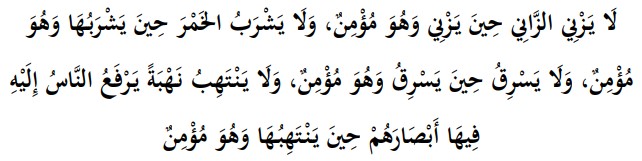
Zina yapan zani mümin değildir, alkol içen kişi alkol içtiği sırada mümin değildir, hırsızlık yapan hırsız çaldığı sırada mümin değildir ve insanların dikkatini çeken değerli bir şeyi yağmalayan hiçbir yağmacı, bu fiili işlediği sırada mümin değildir (Buhari).
When the fornicator is committing Zinaa he is not a believer, when the alcohol drinker is drinking alcohol he is not a believer, when the thief steals he is not a believer and no plunderer who plunders a valuable thing that attracts the attention of people is a believer whilst he commits this act (AlBukhaari).
Bu nedenle, davranışı düzeltmek ve onu doğrultmak için hakikatleri (Hakaik) zihinlere yeniden kazandırmak zorunludur. Bunlar şunları içerir: Şeylerin Hakaikı (hakikatleri) ve inanç ile hükümler (Ahkam) açısından Şer'i hakikatler. Bunlar hatırlatılmalıdır ki taze kalsınlar, sağlam biçimde yerleşsinler ve hazır bulunsunlar; böylece davranış üzerinde etkili olsunlar.
It is therefore obligatory to restore the truths (Haqaa’iq) to the minds to correct the behaviour and to rectify it. These include: The Haqaa’iq (truths) of things and the Shar’iyah truths in terms of beliefs and Ahkaam. They must be reminded with them so that they become fresh, firmly embodied and present, and as such have an effect upon the behaviour.
Allah (SWT) şöyle buyurmuştur:
Allah (swt) said:

Ve hatırlat, çünkü şüphesiz hatırlatma müminlere fayda verir. (ez-Zâriyât 55)
And remind for verily the reminder benefits the believers (Adh-Dhaariyaat 55).
Durum kafirler açısından tam tersidir, çünkü onlara gerçekleri ve Şer'i kavramları hatırlatmak onlara fayda sağlamaz. Bunları düşünceler olarak duyarlar, ama bunlar onlar için gerçekleri temsil etmez ve onlar için kavramları da temsil etmez; bu yüzden davranışları üzerinde hiçbir etkisi olmaz.
The opposite is the case in respect to the disbelievers because reminding them of the truths and Shar’iyah concepts does not benefit them. They hear them as thoughts but they do not represent truths for them nor do they represent concepts for them and as such they have no effect upon their behaviour.
Bu nedenle insanın yaşamla ilgili kavramları, insanın yaşama biçimini belirleyen şeylerdir. Onun temel kaygısı yalnızca yaşamak değil, nasıl yaşaması gerektiğidir; temel kaygısı ihtiyaçlarını karşılamak değil, bunları hangi yolla karşılayacağıdır. Bu yüzden yaşamla ilgili kavramları, onun için belirli bir yaşam tarzı ve üslubu oluşturur.
Therefore the concepts about life are what define the manner by which the human lives. His main concern is not just living but rather how he should live and his main concern is not about satisfying his needs but rather it concerns the manner by which he will satisfy them. For this reason his concepts about life fashion for him a specific manner and style of living.
Hayatta kavramların kaynağı, şeylerin ve fiillerin kendisinin dışında olduğu durumda, bu kaynağın doğru olduğuna ya da bu konularda hüküm verme gücüne veya yetkisine sahip olduğuna, ayrıca onun hükümlerinin geçerli ve doğru olduğuna ikna olunmadan bunları benimsemek mümkün değildir.
In the case where the source of the concepts in life are external to the things and actions themselves, it is not possible to adopt them except after being convinced that the source is true or has the power or authority to make a judgment upon them, and that its Ahkaam are valid and correct.
İslam, Hâkim'in (Hüküm Sahibi) Allah (SWT) olduğunu ve Ahkâm'ın (hükümlerin) kaynağının Vahiy olduğunu kesin olarak ortaya koymuştur.
Islaam has established that the Haakim (Judge) is Allah (swt) and that the source of the Ahkaam (rulings) is the Wahi (divine revelation)
Sayyidunâ Muhammed ﷺ'e indirilmiştir.
revealed upon Sayyidunaa Muhammad (saw).
Allah (SWT) şöyle buyurmuştur:
Allah (swt) said:

Hüküm ancak Allah'ındır. O, ancak Kendisi'nden başkasına ibadet etmemenizi emretmiştir (Yusuf 40).
Verily the Hukm (rule) is not but for Allah. He commanded that you do not worship other than him (Yousuf 40).
Ve O (SWT) şöyle buyurdu:
And He (swt) said:

Kim Allah'ın indirdiği ile hükmetmezse, işte onlar kâfirlerdir. (Mâide 44).
And whosoever does not judge by what Allah has revealed then it those who are the disbelievers (Al-Maa’idah 44).
Allah'ın hükmünün dışındaki her hüküm veya karar Tağuttur:
Every ruling or judgement other than the Hukm of Allah is Taaghoot:
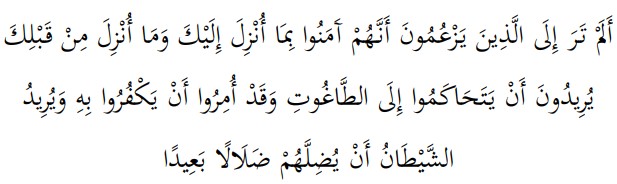
Sana, sana sana, ya Muhammed, kendisine indirilene ve senden önce indirilene inandıklarını iddia edenleri görmedin mi? Tağuta başvurmak isterler; oysa ona küfretmekle emrolunmuşlardı. Şeytan ise onları uzak bir sapıklığa sürüklemek ister. (en-Nisâ 60) Note: The rules require the Prophet's name to be followed by ﷺ, and here it is addressed directly, so the translation should read: Sana, sana sana, ya Muhammed ﷺ, kendisine indirilene ve senden önce indirilene inandıklarını iddia edenleri görmedin mi? Tağuta başvurmak isterler; oysa ona küfretmekle emrolunmuşlardı. Şeytan ise onları uzak bir sapıklığa sürüklemek ister. (en-Nisâ 60) Corrected translation: Kendisine indirilene ve senden önce indirilene inandıklarını iddia edenleri görmedin mi, ya Muhammed ﷺ? Tağuta başvurmak isterler; oysa ona küfretmekle emrolunmuşlardı. Şeytan ise onları uzak bir sapıklığa sürüklemek ister. (en-Nisâ 60)
Have you not seen those who claim to have believed in what was revealed to you, [O Muhammad], and what was revealed before you? They wish to refer legislation to Taghoot, while they were commanded to reject it; and Satan wishes to lead them far astray (An-Nisaa 60).
Buradan dolayı akla ya da insana bırakılmış bir hüküm yoktur. Bu, aklın rolünün elinden alındığı ya da yetenekleri üzerine bir sınır konulduğu anlamına gelmez. Aksine, aklın ve insanın hüküm verecek ya da bir karara varacak gerekli araçlara sahip olmamasından kaynaklanır. Çünkü hükmün kaynağı, hüküm verilecek olan şeyin kendisi ya da konusu değildir.
As such there is no judgement left to the mind or the human and this does not mean that the role of the mind has been taken away or that a limitation has been placed upon its capabilities. It is rather because the mind and the human do not possess the necessary tools to make judgement or pass a ruling. This is because the source of the ruling is not the thing itself or the subject that the ruling will be made upon.
Dolayısıyla hükmün (yasa koyma yetkisinin) insanlara verildiğini savunanlar, örneğin, bunu bir delile dayandırmamış, sapmış ve yolunu şaşırmışlardır. Doğru olmayan ve gerçekliği bulunmayan bir kavramı taşımışlardır; aynı zamanda dini hayattan ayırarak hakikati inkar etmişlerdir ki bu, Allah'a ait bir hükmün bulunmadığı anlamına gelir.
So those who have allocated the provision of the ruling to the people, for example, have not based this upon evidence and have rather wandered and gone astray. They have carried a concept which is not truthful and has no reality to it, whilst at the same time they have denied the truth by separating the Deen from life which means that there is no Hukm belonging to Allah.
Eğer insana hüküm verme ve karar çıkarma hakkı ve yetkisi verilseydi, ama bunun için gerekli araçlara sahip olmasaydı, o zaman onun kendi bakış açısına göre arzularından, eğilimlerinden ve çıkarlarından başka hiçbir şey geçerli olmazdı. Bunlar değişken ve dalgalanır olurdu; insan zararlı olan bir şeyi faydalı, bir hastalığı ise ilaç ve şifa olarak görebilirdi.
If the right and power of issuing judgements and rulings was given to the human whilst he does not possess the necessary tools to do that, then nothing would prevail apart from his desires, inclinations and interests according to his viewpoint. These would be changing and fluctuate and he could see something that is damaging as being beneficial and he could see a disease as a medicine and cure.
Bu bağlamda, Allah'a, Peygamberliğe ve Kur'an'a olan imanın önemi öne çıkar. Bu iman, davranışı etkileyen bir akideedir; çünkü insana hayat hakkında kavramlar sunar, bu kavramlar ona nasıl yaşaması gerektiğini, hayattaki amacını ve davranış ile hareketlerinin ardındaki amacını, yani Allah ‘Azze ve Celle'nin rızasını kazanmayı tanımlar.
In this context the importance of Imaan in Allah, the Prophethood and the Qur’aan comes to the fore. This Imaan is the Aqeedah that has an effect upon the behaviour as it provides the human with the concepts about life which define for him how he should live, his purpose in the life and his purpose behind his behaviour and conduct, which is to attain the pleasure of Allah ‘Azza Wa Jalla.

De ki: Size amellerce en çok hüsrana uğrayanları haber vereyim mi? Onlar, dünya hayatında çabaları boşa giden, buna rağmen iyilik yaptıklarını sanan kimselerdir. (Kehf 103-104).
Say: Shall We inform you of the greatest losers in respect to (their) deeds? [They are] those whose effort is lost in worldly life, whilst they were thinking that they are doing good (Al-Kahf 103-104).
Evet, bireyler de saptırılır, toplumlar da saptırılır; tıpkı okyanustaki bir balığın yemi yutması gibi ya da fare kapanına konmuş yiyeceğe koşan farenin durumu gibi.
Yes the individuals are led astray and the peoples are led astray just like a fish in the ocean when it takes the bait or the mouse that rushes to the food placed in a mouse trap.
İnsan, kendisini hedefine götüreceğine inandığı bir yolda ilerlerken aslında tam tersi yöne gittiğinde, dolaşıp durur ve amacına ulaşamaz.
The human wanders around and does not arrive at his aim when he proceeds along a path that he is convinced will lead to it whilst in reality he is actually going in the exact opposite direction.
Bu kişi, cahillik veya tahrifat sonucu hayat hakkında yanlış kavramlar taşıdığında da sapıtır; tıpkı Ribânın helâl olduğunu, demokrasinin İslâm'dan olduğunu ve Şeriat ilminin, diğer her uzmanlık veya meslek alanı gibi, geçim kazanmak için öğrenildiğini gören ya da gördürülen kimse gibi. İslâm'ın Hakâyık'ı (hakikatleri/gerçekleri) ortadan kalkıp akıllar, genel özgürlükler düşüncesi gibi yanlış fikirlerle ya da bugünkü neslimizde veya yüz yıl içinde bozulmuş gerçekliğin değiştirilmesinin imkânsız olduğu, bu değişimin Allah'tan bir lütuf olduğu ve beklemekten veya Mehdi'yi beklemekten başka yapacak bir şeyimiz olmadığı gibi düşüncelerle doldurulduğunda, bütün bunlar bireyleri, halkları veya Ümmeti; kendilerine bu kavramları verenlerin onları hangi yöne sürmek istediğiyle sürüklenen, tembel insanlardan oluşan bir topluluğa dönüştürür. Bu durum onları, düşmanlarına alet olmaya götürür; oysa kendilerinin onlara karşı mücadele ettiklerine inanırlar.
He is also led astray when he carries incorrect concepts about life as a result of ignorance or distortion like the one who sees or is made to see that Ribaa is Halaal, that democracy is from Islaam and that learning the Sharee’ah is for the sake of earning a living just like any other area of specialisation or profession. When the Haqaa’iq (truths/facts) of Islaam become absent and the minds are filled with false thoughts like the thoughts of general freedoms or that changing the declined reality is impossible in our current generation or one hundred years, or that this change is a gift from Allah and that there is nothing for us to do apart from wait or to wait for the Mahdi. All of this transforms the individuals, peoples or the Ummah into a collection of lazy people sluggishly being driven in whatever direction those who have given them these concepts want them to and it leads them into becoming tools for their enemies whilst they believe that they are actually struggling against them.

Suyun kendisine ulaşmasını sağlamak için avuçlarını ona doğru uzatan, ama su ağzına ulaşmayan kimse gibidir (Ar-Ra'd 14).
Like the one who stretches his hands toward water [from afar, calling it] to reach his mouth, but it does not reach it (Ar-Ra’d 14).

Onların misali, bir ateş yakan kimsenin misaline benzer; ateş çevresini aydınlatınca Allah onların nurunu giderdi ve onları, göremedikleri karanlıklar içinde bıraktı. {Onların misali, bir ateş yakan kimsenin misali gibidir; ateş çevresini aydınlattığında, Allah onların nurunu alıp götürdü ve onları, göremeyecekleri karanlıklar içinde bıraktı.} (Bakara, 17)
Their example is that of one who kindled a fire, but when it illuminated what was around him, Allah took away their light and left them in darkness [so] they could not see (Al-Baqarah 17).
Bu nedenle, tekrar ediyoruz ki davranışı değiştirmek, düzeltmek ve amacına ulaşan doğru ve yüce bir davranış haline getirmek için, şeyler ve hayat hakkında doğru kavramlar oluşturmak zorunludur. O zaman kişi, şeyleri ve onların niteliklerini başarıyla boyun eğdirip kullanabilecek ve amacına, bütün hedefler arasında en büyüğü olan Allah 'Azze ve Celle'nin rızasını kazanmaya ulaştıran davranışı benimseyebilecek iyi bir konumda olacaktır.
Therefore, we repeat, that in order to change the conduct, rectify it and make it a correct elevated conduct that arrives at its purpose, it is essential to generate correct concepts about things and life. At that time the person will be in a good position to subjugate and utilise the things and their attributes successfully and will be in a good position to adopt the conduct that arrives to his purpose and the greatest of all objectives which is the attainment of the pleasure of Allah ‘Azza Wa Jall:

Allah'ın sana verdiği şeylerle ahiret yurdunu ara; ama dünyadan payını da unutma. Allah'ın sana iyilik ettiği gibi sen de iyilik et. (Kasas, 77)
But seek, through that which Allah has given you, the home of the Hereafter; and [yet], do not forget your share of the world. And do good as Allah has done good to you (Al-Qasas 77).
Haqaa'iq'ın (hakikatlerin) ilki ve kesinlikle en önemlisi, insanın hayata dair kavramlarını belirleyen Akîde'dir. Akîde şudur: Her şey, Allah (sb) olan bir Yaratıcı tarafından yaratılmıştır; Allah, insanla ilgili her şeyi açıklayan Al-İslâm risâlesiyle (mesajıyla) Muhammed ﷺ'i bir Elçi olarak göndermiştir ve O (sb), insanı İmân ya da Küfür esasına göre, ayrıca Nebi ﷺ'in getirdiklerine bağlı kalıp kalmamasına göre hesaba çekecektir.
The first of the Haqaa’iq (truths) and absolutely its most important is the Aqeedah that defines the human’s concepts about life. The Aqeedah is that all things have been created by a creator who is Allah (swt), that Allah sent a Messenger who is Muhammad (saw) with the Risaalah (message) of Al-Islaam which explains everything that relates to the human being and that He (swt) will account him upon the basis of Imaan or Kufr and upon the basis of his abiding by what the Nabi (saw) came with or by his non-abidance to it.
Müslümanın hayattaki amacı:
The Muslim’s purpose in life:
İman'dan sonra en önemli hakikatlerden biri, insanın yaratılış amacını, yani gerçekleştirmek için çaba göstermesi gereken şeyi anlamasıdır.
From amongst the most important Haqaa’iq (truths) after Imaan is that the human understands the purpose of his creation i.e. that which he must strive to accomplish.
Allah (SWT) şöyle buyurmuştur:
Allah (swt) said:
Ve Cinleri ve insanları yalnızca bana ibadet etsinler diye yarattım. (ez-Zâriyât 56)
And I have not created the Jinn or humankind except to worship me (AdDhaariyaat 56).
Allah'a yapılan ibadet (‘İbâdah), O'na iman etmek ve O'na itaat etmek demektir. Ta'âlâ'ya itaat ise O'nun bütün hükümlerine (Ahkâm) bağlılık ve riayet etmek (İltizâm) anlamına gelir. Bu, yalnızca ibadet, ahlâk (akhlâk) ve muamelât (toplumsal işlemler) eylemleriyle sınırlı değildir; aksine Allah (c.c.)'ın ...
The worship (‘Ibaadah) to Allah means having Imaan in Him and obedience to Him. Obedience to Him Ta’Aalaa means commitment and abidance (Al-Iltizaam) to all of His Ahkaam. This is not restricted to the acts of ‘Ibaadah, Akhlaaq (morals) and Mu’aamalaat (societal transactions) but rather includes everything that Allah (swt)
…emretmiş ya da yasaklamıştır. Bu, Allah'tan başka hiçbir şeyin ibadete layık olmadığını ve Allah'tan (swt) başka hiçbir kimseden emir ya da yasak gelemeyeceğini de kapsar.
has commanded or forbidden. It includes that nothing has a right to be worshipped other than Allah and that no command or forbiddance can come from anyone besides Him (swt).
Ahmad ve et-Tirmizî, Âdiy bin Hâtim'in (ra) Allah'ın Resulü ﷺ'ın şu âyeti okuduğu sırada yanına geldiğini rivayet etmişlerdir:
Ahmad and At-Tirmidhi related that ‘Adiy Bin Haatim (ra) came to the Messenger of Allah (saw) whilst he was reciting the Aayah:
Onlar, Allah'tan başka, hahamlarını ve rahiplerini, ayrıca Meryem oğlu Mesih'i de Rab edindiler. Oysa onlara yalnızca tek bir Tanrı'ya kulluk etmeleri emredilmişti; O'ndan başka hiçbir ilah yoktur. O, ortak koştukları şeylerden münezzehtir. (Tevbe 31)
They have taken their Rabbis and monks as lords besides Allah, and [also] the Maseeh, the son of Mary. And they were not commanded except to worship one God; there is no deity except Him. Exalted is He above whatever they associate with Him (At-Taubah 31).
‘Adiy dedi ki: "Onlara ibadet etmiyorlardı." Bunun üzerine Allah'ın Resulü ﷺ şöyle buyurdu:
‘Adiy then said: ‘They did not worship them’. So the Messenger of Allah (saw) said:
Aksine, onlar helali kendilerine haram kıldılar ve haramı kendileri için helal kıldılar, sonra onlara uydular (bu konuda). Dolayısıyla bu, onlara yaptıkları ibadet idi.
On the contrary, they made the Halaal Haraam upon them and made the Haraam Halaal for them, then they followed them (in this). Therefore this was their worship to them.
Dolayısıyla helal ve haramı belirleme, yasama yapma hakkını veya itaat hakkını herhangi birine vermek, o kişiye yapılan bir ibadeti temsil eder.
As such giving the Haqq (right) to anyone to decide the Halaal and decide the Haraam or the right to make legislation and the right of obedience represents ‘Ibaadah to that person.
Allah (SWT) şöyle buyurmuştur:
Allah (swt) said:
O'nun dışında taptığınız şeyler, sizin ve atalarınızın koyduğu sadece isimlerdir; Allah bunlara dair hiçbir delil indirmemiştir.
You worship nothing besides Him except [mere] names you have named them with, you and your fathers, for which Allah has sent down no authority.
Hüküm yalnızca Allah'ındır. O, yalnızca Kendisine ibadet etmenizi emretmiştir. İşte doğru din budur, ancak insanların çoğu bilmez (Yusuf 40).
Legislation is not but for Allah. He has commanded that you worship not except Him. That is the correct Deen, but most of the people do not know (Yusuf 40).
Hakim (hükümdar), emir veya ebeveynin hakkı olan itaat hakkına gelince, bu, Allah'ın (SWT) hakkından kaynaklanmaktadır.
As for the right of obedience that belongs to the Hakim (ruler), Ameer or parents then this is due to the Haqq (right) that Allah (swt)
...sağladığı şeylerle onlara.
has provided to them.
Allah'a (SWT) yönelik ibadet, insanlığın Ona ibadet etmesini sağlamaya yönelik itaati de kapsar; yani onları Allah'ın Şeriatına boyun eğdirmeyi ve Allah'tan başkası için ya da İslam Şeriatı dışında bir Hakimiyet (kural koyma hakkı) iddiasının varlığına karşı mücadele etmeyi, ayrıca Allah'ın (SWT) Hükmünden çıkışa (Hurûc) karşı mücadele etmeyi içerir. Metinlerin işaret ettiği ve getirdikleri anlam budur; iyiliği emretmeyi (Emr-i bil-Ma'rûf) ve kötülükten sakındırmayı (Nehy-i ani'l-Münker) emreden nasslar da böyledir. Bu nasslar, tartışmalara, açıklamalara, insanları ikna etmeye ve Da'vet yoluyla onlara çağrıda bulunmaya girişilmesini emretmiştir. Ayrıca (cezalar ve caydırıcı tedbirler olarak) kırbaçlamayı, kesmeyi, öldürmeyi ve savaşmayı; Allah'ın hükmünü yeryüzüne yaymak ve Onun kelimesini en yüceltmek için cihad etmeyi de emretmişlerdir.
‘Ibaadah to Allah (swt) includes the obedience in respect to making mankind worship Him (swt) i.e. to make them submit to the Shar’a of Allah and to fight against the existence of any Haakimiyah (right to make rules) to other than Allah or to other than the Sharee’ah of Islaam in addition to fighting against the exiting (Khurooj) from the Hukm (rule) of Allah (swt). This is what the texts have indicated and the meaning that they have come with; those which have come commanding the ‘Amr Bil Ma’rouf’ (Commanding the good) and the ‘Nahi ‘An il-Munkar’ (Forbidding the evil). They have commanded the undertaking of discussions, explanations, convincing people and inviting them by way of Da’wah. Additionally they have commanded lashing, cutting, killing (as punishments and deterrents) and fighting and Al-Jihaad to spread the rule of Allah upon the Earth and to raise His word the highest.
Böylece gördük ki Allah'ın Resulü (sav) İslam Devleti'ni Medine-i Münevvere'de kurup direklerini sağlamca dikince, Müslüman olmaya davet etmek üzere Kisra ve Kayserlere, hükümdarlara elçiler gönderdi ﷺ. Ardından, kendisinden sonra gelen Halifelerin (ra), insanları imana çağırmak ve onları karanlıktan çıkarıp nura kavuşturmak için Davet taşıyıcılarını, Mücahitleri ve orduları gönderdiklerini gördük. Onlar, toprakları ve kulları İslam'ın otoritesine boyun eğdirmek amacıyla savaştılar.
As such we saw that after the Messenger of Allah (saw) established the Islamic State in Al-Madinah Al-Munawaarah and established its pillars firmly, he (saw) sent the messengers to the Kings and rulers inviting them to Islaam. We then saw the Khulafaa’ (rah) who came after him (saw) sending out carriers of the Da’wah, Mujaahideen and armies to invite the people to Imaan and to take them out of the darkness and bring them into the light. They fought for the purpose of making the lands and servants submit to the authority of Islaam.
Allah Azze ve Celle bizi, insanların kullarına kulluktan kurtarıp insanların Rabbine kulluğa yöneltmek; diğer dinlerin zulmünden kurtarıp İslam'ın adaletine ulaştırmak; bu dünyanın darlığından kurtarıp bu dünyanın ve ahiretin genişliğine kavuşturmak için gönderdi.
Allah Azza wa Jall has sent us to deliver you from the worship of the servants (people) to bring you to the worship of the Lord of the servants (people) and to deliver you from the oppression of other Deens and bring you to the justice of Islaam and from the narrowness of this world and bring you to the vastness of this world and the hereafter.
Bu düşünce, Kur'an'da, Sünnet'te ve Peygamber'in (sav) fiillerinde, sayılamayacak kadar çok metinle çok açık bir biçimde ortaya konmuştur. Yine de bunlardan birkaçına değineceğiz.
This thought has been made very clear in the Qur’aan, the Sunnah and the actions of the Messenger (saw) within texts that are too numerous for a limit to be placed upon them. We will however make a mention of some of them:
Allah (SWT) şöyle buyurmuştur:
Allah (swt) said:
{De ki: Ey insanlar! Doğrusu ben, hepinize Allah'ın elçisiyim.} (A'raf, 158)
Say: O people! Verily I am the Messenger of Allah to you all (Al-Aa’raaf 158).
O (swt) şöyle buyurdu:
He (swt) said:
Ve Seni ancak bütün insanlığa müjdeci ve uyarıcı olarak gönderdik. (Sebe 28).
And we have not sent you except to the entirety of mankind as a bringer of glad tidings and as a warner (Saba’ 28).
Ve O (SWT) şöyle buyurdu:
And He (swt) said:
O, Resulullah'ı hidayet ve hak dinle gönderendir ki, onu diğer bütün dinlerin üzerine çıkarsın; müşrikler bundan hoşlanmasa bile. (et-Tevbe 33, es-Saff 9)
He its is who has sent His Messenger with the guidance and the Deen of truth so that it prevails over all other Deens and even if the Mushrikeen hate it (AtTaubah 33, As-Saff 9).
Ve:
And:
Ey iman edenler! Yanınızda bulunan kâfirlerle savaşın ve onların size karşı sertlik bulmalarını sağlayın. Ve bilin ki Allah, muttakilerle beraberdir. (et-Tevbe, 123)
O you who have believed, fight those adjacent to you of the disbelievers and let them find in you harshness. And know that Allah is with the righteous (AtTaubah 123).
Ve şunlarla savaşın: Allah'a ve Ahiret Günü'ne iman etmeyenler, Allah'ın ve Peygamberi'nin haram kıldığını haram saymayanlar ve kendilerine kitap verilenlerden hak dini benimsemeyenler. Boyun eğmiş bir halde, elleriyle cizye verinceye kadar [savaşın]. (Tevbe, 29)
And: Fight those who do not believe in Allah or in the Last Day and who do not consider unlawful what Allah and His Messenger have made unlawful and who do not adopt the religion of truth from those who were given the Scripture - [fight] until they give the Jizyah willingly while they are subdued (At-Taubah 29).
Allah'ın Resûlü ﷺ şöyle buyurdu:
And the Messenger of Allah (sw) said:
Kim Allah'ın kelimesinin yücelmesi için savaşırsa, o Allah yolundadır. (Buhârî ve Müslim'in ittifakıyla rivayet edilmiştir.)
Yani amaç ve gaye, Allah'ın (SWT) hükmettiğinden başka hiçbir uyulan kanun veya kabul edilen hiçbir yasama bulunamaz.
So the objective and purpose is that no law that is obeyed or no legislation that is adopted can exist except for that which Allah (swt)
…emretmiştir ve Allah'tan başka hiçbir Hakim (kanun koyucu) olmadığını bildirmiştir. Kâfirlerin inançları ve ibadetleri üzerinde bırakılmalarına gelince, bu konularda onlar Allah'ın (SWT) emrine uygun olarak ve onun emrine boyun eğerek bırakılırlar.
has commanded and that there is no Haakim (law maker) other than Allah. As far as leaving the disbelievers upon their beliefs and worships then they are left upon these matters in accordance to and in compliance to the command of Allah (swt).
Allah (SWT) bu amacı ve gayeyi, insanları yaratması hakkında açıkça belirtmiş ve açıklamıştır; şöyle buyurarak: "Ben cinleri ve insanları yalnızca bana ibadet etsinler diye yarattım."
Allah (swt) has made clear and explained this objective and purpose in respect to His creation of the people when He (swt) said:
Ve böylece sizi adil/en hayırlı bir ümmet kıldık ki insanlık üzerine şahitler olasınız ve Peygamber de sizin üzerinize şahit olsun. (Bakara 143).
And thus we have made you a just/best Ummah so that you will be witnesses over mankind and the Messenger will be a witness over you (Al-Baqarah 143).
Bu hitap İslam Ümmetine yöneliktir ve Allah Resulü ﷺ'den sonra mesajı bütün insanlığa ulaştırma sorumluluğunu (Teklif) ona emanet eder. Nitekim Nebi ﷺ bu mesajı taşımış, tebliğ görevini yerine getirmiş, emanetini eda etmiş ve gücü, çabası ve imkânının tamamıyla Allah yolunda cihad etmiştir. O ﷺ, son veda haccında ayağa kalkmış, ümmetine hitap ederek şöyle buyurmuştur:
This address is to the Islamic Ummah and it entrusts her with the legal responsibility (Takleef) to carry the Message, after the Messenger of Allah (saw), to the whole of mankind. And indeed the Nabi (saw) carried it and after conveying the message, fulfilling his Amaanah and after having performed Al-Jihaad for Allah’s sake with all that he possessed of strength, effort and capability. He (saw) stood in the final farewell Hajj, addressed his Ummah and said:
Reference: Taghyeer (değişiklik) - Mahmoud Abdul-Kareem Hasan
"Şüphesiz ben aranızda, ona sımsıkı sarıldığınız takdirde asla sapmayacağınız bir şey bırakıyorum: Allah'ın Kitabı'nı. Siz de benden (yani benden sonra) sorumlusunuz. Peki ne dersiniz?" Sahabeler şöyle dediler: "Tebliğ ettiğinize, yerine getirdiğinize ve nasihat ettiğinize şahitlik ederiz." Bunun üzerine ﷺ, işaret parmağını göğe doğru kaldırıp sonra insanlara doğru çevirerek şöyle buyurdu: "Ey Allah'ım, şahit ol! Ey Allah'ım, şahit ol! Ey Allah'ım, şahit ol!" (Ebu Davud)
‘And indeed I have left amongst you that which if you hold on firmly to you will never go astray: The Kitaab (book) of Allah, and you are responsible from me (i.e. after me). So what do you all say?’. They said: ‘We bear witness that you have conveyed, fulfilled and advised’. He then said whist raising his index finger to the sky and then towards the people: ‘O Allah bear witness, O Allah bear witness, O Allah bear witness’ (Abu Daawood).
Böylece Nebi (sav), bizim üzerimize tebliğ etme ve emaneti taşıma sorumluluğuyla şahitlik etmiş ve bu konuda bizim üzerimize Allah'ın şahitliğini istemiştir. Bundan sonra, Yüce Elçinin (sav) izlediği yöntemin tam aynısına uygun olarak insanlar üzerine şahit olmak bize farzdır. Gerçekten Allah (c.c.), bunun Âdem (a.s.) yaratılmadan önce yaratılışın gayesi ve amacı olduğunu açıkça bildirmiştir.
So in this way the Nabi (saw) bore witness over us with the responsibility of conveying and carrying the Amaanah (trust) and sought Allah’s witness upon us in regards to that. Therefore, after that it is obligatory upon us to be witnesses over the people in accordance to exactly the same methodology that the Noble Messenger (saw) undertook. Indeed Allah (swt) made clear that this is the purpose and objective of the creation before His creation of Aadam (as).
Allah (SWT) şöyle buyurmuştur:
Allah (swt) said:
Hatırla ki Rabbin meleklere şöyle demişti: "Gerçekten Ben yeryüzünde bir halife yaratacağım." Dediler ki: "Orada bozgunculuk yapacak ve kan dökecek birini mi yaratacaksın? Oysa biz Seni hamdinle tesbih ediyor ve Seni takdis ediyoruz." Allah şöyle buyurdu: "Gerçekten Ben, sizin bilmediğinizi bilirim."
And [remember] when your Lord said to the angels, "Verily, I will make upon the earth a successive authority." They said, "Will You place upon it one who causes corruption therein and sheds blood, while we declare Your praise and sanctify You?" Allah said, "Indeed, I know that which you do not know." (AlBaqarah 30).
Melâike (Melekler), Allah'ın kullarıdır ve O'na isyan etmezler (SWT).
The Malaa’ikah (Angels) are the servants of Allah (swt) and do not disobey Him:
Üzerinde, sert ve acımasız melekler görevlidir; onlar, Allah'ın emrettiği şeyde O'na isyan etmezler ve kendilerine emredileni yaparlar (et-Tahrim 6).
Over which are [appointed] angels, harsh and severe; they do not disobey Allah in what He commands them but do what they are commanded (At-Tahreem 6).
Allah (SWT) onlara şöyle buyurduğunda:
When Allah (swt) said to them:
Şüphesiz, yeryüzünde bir halife (yetkili bir temsilci) kılacağım.
Verily, I will make upon the earth a successive authority (Khalifah)
Anladılar ve kavradılar ki (SWT) yeryüzünde itaatsiz olacak kimseler yaratacaktır. Bu, "Halife" kelimesinin ifadesinden anlaşılır; çünkü burada bu bağlamda kastedilen, Allah'ın kendisine halefiyet verdiği ve ıslah etme ile işleri yürütme gibi, emanet edilen kişinin üstleneceği diğer işleri de yerine getirmek üzere görevlendirdiği kimsedir. Bu görev, yani ıslah etmek ve işlerle ilgilenmek, ıslaha ve Ri'aayah (gözetim ve bakım) ihtiyacı olan kimselerin bulunacağı anlamına gelir. Bu da Allah'ın emrinin dışına çıkacak kimselerin olacağı, bunun ise sefalete, acıya ve düzensizliğe yol açacağı anlamına gelir. Bu yüzden şöyle demişlerdir:
They realised and comprehended that He (swt) will make upon the earth those who will be disobedient. This is understood from the wording ‘Khalifah’ because here in this context it means the one who Allah will give succession and delegate to undertake the acts of correcting and caretaking amongst other matters that the one who is entrusted would undertake. This role or rectifying and taking care of affairs means that their will exist those who need to be rectified and who are need of Ri’aayah (caretaking). This means that there will be those who go outside of the command of Allah and that this will lead to misery, anguish and disorder. This is why they said:
Onlar şöyle dediler: "Orada bozgunculuk yapacak, kan dökecek kimseler mi yaratacaksın?" (Bakara 30).
They said: Will you make those who will make corruption in it (the earth) and spill blood (Al-Baqarah 30).
Başka bir deyişle, yaratılmışlar arasında itaatsizlik edecek bir şey bulunmasaydı, her şey Allah'ın (swt) emrine uygun olarak yürüyecekti. Dolayısıyla Allah (swt) ıslah edecek ve hidayete rehberlik edecek birini yaratmak istediğinde, bu, sapkınlığı ve Allah'a itaatsizliği seçecek kimselerin de var olacağı anlamına gelir.
In other words, if the creation did not include something that would be disobedient then everything would proceed in accordance to the command of Allah (swt). So when Allah (swt) wanted to create someone who will undertake the actions of rectifying and guidance then this means that there will exist those who will choose misguidance and disobedience to Allah.
Dolayısıyla Allah'ın (swt) Âdem (as) yaratılmadan önce açıklayıp belirlediği hayat gayesi, Allah'ın bir kulu (‘Abd) olan ve O'na ibadetten sapmış ya da bunu reddetmiş olanlar arasından, başkalarının da Allah'a ibadet etmesi için çalışmayı üstlenecek bir insanın bulunmasıdır.
Therefore the purpose in life which Allah (swt) has made clear and explained before the creation of Aadam (as) is that there will be a human being who is a slave (‘Abd) to Allah and that he will undertake the work of making others worship Allah (swt) from those who have gone astray from His worship or have rejected it.
Hayat, bu nedenle, İman ile Küfür arasında fikri, inanca dayalı ve siyasi bir çatışma ve mücadeledir. İnanca dayalı olmasının nedeni, Allah'ın kelimesini en yüce kılmak ve insanların dininin tamamen ve yalnızca Allah için olması amacını taşımasıdır. Öyle ki Allah'tan başka hiçbir hüküm yoktur; O'nun (swt) ortağı yoktur, Allah'tan başka hiçbir şey ya da hiç kimse ibadet edilmez ve itaat yalnızca Allah'ın Şeriatına yapılır. Bu yönüyle bu, insanların işlerinin idaresinin İslam'ın Şeriatı dışında hiçbir yasama biçimine bırakılmaması gerektiğinin farz kılındığı siyasi bir mücadeledir.
The life is therefore an intellectual, belief based and political clash and struggle between Imaan and Kufr. It is belief based in terms of it being for the sake of raising the word of Allah the highest and so that the Deen of the people is all and only for Allah. So that no Hukm exists except that it is for Allah, that He (swt) has no Shareek (partner), that nothing or no one is worshiped aside from Allah and that submission is only to the Shar’a of Allah. In this way it represents a political struggle where the caretaking of the affairs of human beings has been made obligatory to not be entrusted to any form of legislation other than the Sharee’ah of Al-Islaam.