العقيدة وما يصدر عنها من أحكام وما يُبنى عليها من أفكار، هي أساس التغيير.
The Aqeedah and what emanates from it in terms of Ahkaam and what is built upon it in terms of thoughts, is the basis of At-Taghyeer (change).
رفتار انسان به آنچه از مفاهیم در ذهن دارد گره خورده است. مفاهیم (مفاهیم) باورهایی (قناعات) هستند که از درک اشیاء و ویژگیهای آنها حاصل میشوند، افزون بر آنچه بر این درک بنا میشود یا از آن برمیخیزد، از نظر سایر باورها.
The conduct of the human is tied to what he carries in terms of concepts. The concepts (Mafaaheem) are convictions (Qanaa’aat) resulting from a comprehension of things and their attributes in addition to what is built upon this comprehension or emanates from it in terms of other convictions.
مفاهیم دو نوع هستند:
Concepts are of two types:
The first
The first:
مفاهیم درباره اشیاء. اینها باورها یا احکامی هستند که منشأ آنها خود اشیاء است. از جمله گزارههایی مانند: «آتش میسوزاند»، «زهر میکشد»، «الکل مستکننده است»، «گوشت خورده میشود در حالی که خاک خورده نمیشود»، «افزایش فشار انباشته، انفجاری (از نوعی) ایجاد میکند»، «جامعه از مجموعهای از افراد تشکیل شده که با روابط پایدار به هم پیوستهاند» و «احیاء جز از راه اندیشه روشنگر حاصل نمیشود».
: Concepts about things. These are convictions or Ahkaam (rulings) whose source is the things themselves. This would include statements like: ‘Fire burns’, ‘Poison kills’, ‘Alcohol intoxicates’, ‘Meat is eaten whilst soil is not eaten’, ‘The increased build-up of pressure generates an explosion (of sorts)’, ‘The society is composed of a collection of individuals bound by permanent relationships’ and ‘Revival would not occur except by way of the enlightened thought’.
تمام این افکار، توصیفات یا احکامی هستند که منبعشان موضوعشان است. ممکن است بسته به میزان مطابقت آنها با واقعیت یا مخالفتشان با آن، درست یا نادرست باشند. در همه این موارد، نسبت به کسی که به آنها ایمان آورده، مفاهیم شمرده میشوند. رفتار و سلوک انسان به مفاهیمش درباره چیزها گره خورده است، و از این رو کسی که متقاعد شده که غذایش مسموم شده، هرگز از آن نمیخورد، حتی اگر گرسنه باشد. به همین ترتیب، کسی که تشنه است به دنبال آب میگردد و نه چیز دیگر، در حالی که کسی که میخواهد مست شود، به دنبال شراب میگردد و نه چیز دیگر.
All of these thoughts are descriptions or Ahkaam whose source is its subject. They could be correct or incorrect depending on their conformity to the reality or their contradiction to it. In all of these cases they are considered to be concepts in respect to the one who has believed in them. The human behaviour and conduct is tied to his concepts about things and so whoever is convinced that his food has been poisoned would never eat from it and even if he was hungry. Similarly the one who was thirsty would seek water and not something else whilst the one who wanted to be intoxicated would seek alcohol and nothing else.
نوع دوم:
The second type:
مفاهیم دربارهٔ زندگی. اینها باورها یا احکامی هستند که منبع آنها بیرون از موضوعشان قرار دارد. مانند این گفتهها: «نماز فرض است»، «فریبکاری حرام است» و «کشتن انسان حرام است» و مانند آنها. منبع این حکم، خود آن چیز یا آن عمل نیست؛ اینها تنها حوزهٔ موضوع یا واقعیتی را نشان میدهند که دربارهاش داوری میشود، در حالی که منبع داوری چیز دیگری است و در جای دیگری قرار دارد.
Concepts (Mafaaheem) about life. These are convictions or Ahkaam whose source is external to its subject. This is like the statements: ‘The Salaah is Fard’, ‘Fraud is Haraam’ and ‘Killing someone is Haraam’ etc... The source of this Hukm is not the thing itself or the action and these only represent the subject area or the reality that is being judged upon whilst the source of the judgement is something else and lies elsewhere.
«الكحول يُسكِر» تعبيرٌ يصف صفةً أو خاصيةً داخليةً مرتبطةً بالخمر. وهو حكمٌ يُصدَر على الشيء بسبب ما يحتويه أو ما ينتج عنه. أما قولنا «الخمر حرام» فليس حكمًا يُصدَر على الشيء بناءً على ما فيه، بل هو يمثّل حُكمًا من الله سبحانه وتعالى.
So our statement: ‘Alcohol intoxicates’ reflects a description or an internal attribute associated to alcohol. It is a judgement made upon a thing due to what it contains or results in. The statement however ‘Alcohol is Haraam’ is not a judgement passed upon a thing on the basis of what is in it but rather it represents a Hukm from Allah (swt)
چه کسی تعیین میکند چه چیزی حرام و چه چیزی مباح (جایز) است؟
who decides what to make Haraam and what to make Mubaah (permissible).
پس رفتار انسان نیز به مفاهیم او درباره زندگی گره خورده است. اگر او این مفهوم یا برداشت را داشت که گوشت خوک خوردنی است و گرسنگی را برطرف میکند، این نشاندهنده یک مفهوم درباره یک چیز است. اما مفهوم درباره زندگی این است که خوک حرام است، یعنی بر او واجب است که از آن پرهیز کند و دوری گزیند. این برای کسی که این حکم شرعی را فهمیده و به آن ایمان آورده، به یک مفهوم تبدیل میشود و بر رفتار او اثر میگذارد و او را از رفع گرسنگی با گوشت خوک بازمیدارد.
The behaviour of the person is also tied to his concepts about life. If he held the concept or understanding about the flesh of pig that it was edible and would satisfy hunger, then this would represent a concept about a thing. The concept about life however is that the pig is Haraam meaning that is obligatory for him to avoid and keep away from it. It would become a concept for the one who has comprehended this Hukm and believed in it and it would have an effect upon his behaviour and prevent him from satisfying his hunger from pig.
هر کس این باور را داشته باشد که بت بر سلامتی، امنیت، روزی او تأثیر دارد یا میتواند کارهایش را برایش به انجام برساند، یا اینکه برخی از درگذشتگان نیز چنین تواناییای دارند، آنگاه احساس تعظیم در برابر چنین بتهایی او را فرا میگیرد یا از مردگان یاری و کمک میطلبد.
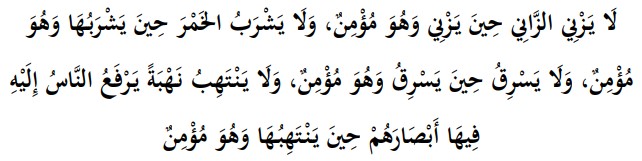
هنگامی که زناکار مرتکب زنا میشود، مؤمن نیست؛ هنگامی که شرابخوار شراب مینوشد، مؤمن نیست؛ هنگامی که دزد میدزدد، مؤمن نیست؛ و هیچ غارتگری که چیز ارزشمندی را که توجه مردم را جلب میکند غارت میکند، در حالی که این عمل را انجام میدهد، مؤمن نیست (البخاری).
When the fornicator is committing Zinaa he is not a believer, when the alcohol drinker is drinking alcohol he is not a believer, when the thief steals he is not a believer and no plunderer who plunders a valuable thing that attracts the attention of people is a believer whilst he commits this act (AlBukhaari).
بنابراین واجب است که حقایق را به ذهنها بازگردانیم تا رفتار اصلاح و تعدیل شود. این حقایق عبارتاند از: حقایقِ اشیاء و حقایقِ شرعی از نظر عقاید و احکام. باید با یادآوری این حقایق، آنها تازه، استوار و حاضر شوند و در این صورت، بر رفتار اثر بگذارند.
It is therefore obligatory to restore the truths (Haqaa’iq) to the minds to correct the behaviour and to rectify it. These include: The Haqaa’iq (truths) of things and the Shar’iyah truths in terms of beliefs and Ahkaam. They must be reminded with them so that they become fresh, firmly embodied and present, and as such have an effect upon the behaviour.
الله (سبحانه وتعالى) فرمود:
Allah (swt) said:

و ذَكِّرْ فَإِنَّ الذِّكْرَىٰ تَنْفَعُ الْمُؤْمِنِينَ (الذاريات: ۵۵)
And remind for verily the reminder benefits the believers (Adh-Dhaariyaat 55).
برعکس، این وضعیت در مورد کافران صادق است، زیرا یادآوری حقایق و مفاهیم شرعی به آنان سودی نمیرساند. آنان اینها را بهعنوان اندیشههایی میشنوند، اما برای آنان حقیقت را نمایان نمیکنند و مفاهیمی برایشان نمیسازند، و از این رو تأثیری بر رفتارشان ندارند.
The opposite is the case in respect to the disbelievers because reminding them of the truths and Shar’iyah concepts does not benefit them. They hear them as thoughts but they do not represent truths for them nor do they represent concepts for them and as such they have no effect upon their behaviour.
بر این اساس، مفاهیمی که انسان درباره زندگی دارد، همان چیزی است که شیوه زیستن او را تعیین میکند. دغدغه اصلی او تنها زنده ماندن نیست، بلکه این است که چگونه باید زندگی کند. و دغدغهاش برآوردن نیازهایش نیست، بلکه به این مربوط میشود که چگونه آن نیازها را برآورده خواهد ساخت. به همین سبب، مفاهیم او درباره زندگی، برای او شیوه و سبک خاصی از زیستن را شکل میدهد.
Therefore the concepts about life are what define the manner by which the human lives. His main concern is not just living but rather how he should live and his main concern is not about satisfying his needs but rather it concerns the manner by which he will satisfy them. For this reason his concepts about life fashion for him a specific manner and style of living.
در حالتی که منبع مفاهیم زندگی بیرون از خود اشیاء و اعمال باشد، پذیرفتن آنها ممکن نیست مگر پس از آنکه انسان متقاعد شود که منبع، راستگو است یا قدرت و اختیار داوری درباره آنها را دارد، و اینکه احکام آن معتبر و درست است.
In the case where the source of the concepts in life are external to the things and actions themselves, it is not possible to adopt them except after being convinced that the source is true or has the power or authority to make a judgment upon them, and that its Ahkaam are valid and correct.
اسلام این را مقرر کرده است که الحاکم (داور) الله (سبحانه و تعالی) است، و منبع الأحکام (احکام شرعی) وحی الهی است.
Islaam has established that the Haakim (Judge) is Allah (swt) and that the source of the Ahkaam (rulings) is the Wahi (divine revelation)
که بر سیدنا محمد ﷺ نازل شد.
revealed upon Sayyidunaa Muhammad (saw).
الله (سبحانه وتعالى) فرمود:
Allah (swt) said:

بهراستی حکم تنها از آنِ خداست. او فرمان داده است که جز او را نپرستید (یوسف، ۴۰).
Verily the Hukm (rule) is not but for Allah. He commanded that you do not worship other than him (Yousuf 40).
و او (سبحانه و تعالی) فرمود:
And He (swt) said:

و هرکس به آنچه خداوند نازل کرده حکم نکند، پس آنان همان کافرانند (المائده ۴۴).
And whosoever does not judge by what Allah has revealed then it those who are the disbelievers (Al-Maa’idah 44).
هر حکم یا داوریای که غیر از حکمِ الله باشد، طاغوت است:
Every ruling or judgement other than the Hukm of Allah is Taaghoot:
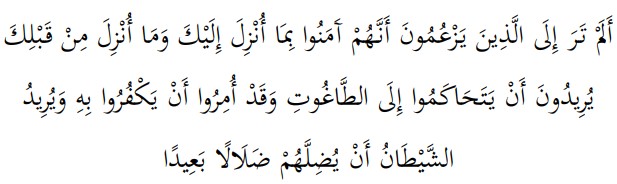
آیا ندیدهای کسانی را که ادعا میکنند به آنچه بر تو نازل شده و به آنچه پیش از تو نازل شده ایمان آوردهاند؟ آنان میخواهند داوری [در امور خود] را نزد طاغوت ببرند، با آنکه فرمان یافتهاند که به آن کفر ورزند؛ و شیطان میخواهد ایشان را به گمراهی دور و دراز بکشاند. (النساء ۶۰)
Have you not seen those who claim to have believed in what was revealed to you, [O Muhammad], and what was revealed before you? They wish to refer legislation to Taghoot, while they were commanded to reject it; and Satan wishes to lead them far astray (An-Nisaa 60).
بنابراین، برای عقل یا انسان هیچ حق داوری باقی نمیماند، و این به آن معنا نیست که نقش عقل گرفته شده یا محدودیتی بر تواناییهای آن قرار داده شده است. بلکه از این روست که عقل و انسان ابزارهای لازم برای صدور حکم یا تصمیمگیری را در اختیار ندارند. زیرا منبع حکم، خود آن چیز یا موضوعی که حکم بر آن صادر میشود نیست.
As such there is no judgement left to the mind or the human and this does not mean that the role of the mind has been taken away or that a limitation has been placed upon its capabilities. It is rather because the mind and the human do not possess the necessary tools to make judgement or pass a ruling. This is because the source of the ruling is not the thing itself or the subject that the ruling will be made upon.
پس کسانی که حق صدور حکم را به مردم واگذار کردهاند، مثلاً، این کار را بر پایه دلیل انجام ندادهاند، بلکه گمراه شده و از راه منحرف گشتهاند. آنان مفهومی را حمل کردهاند که راست نیست و هیچ واقعیتی ندارد، و در همان حال با جدا کردن دین از زندگی، حقیقت را انکار کردهاند، که به معنای آن است که هیچ حکمی از آنِ الله نیست.
So those who have allocated the provision of the ruling to the people, for example, have not based this upon evidence and have rather wandered and gone astray. They have carried a concept which is not truthful and has no reality to it, whilst at the same time they have denied the truth by separating the Deen from life which means that there is no Hukm belonging to Allah.
اگر حق و قدرت صدور احکام و فتاوا به انسان داده میشد، در حالی که ابزارهای لازم برای این کار را در اختیار ندارد، آنگاه جز خواستهها، تمایلات و منافع او بر اساس دیدگاهش، چیزی حاکم نمیشد. اینها دستخوش تغییر و نوسان بودند و او ممکن بود چیزی زیانبار را سودمند ببیند و بیماری را دارو و درمان بپندارد.
If the right and power of issuing judgements and rulings was given to the human whilst he does not possess the necessary tools to do that, then nothing would prevail apart from his desires, inclinations and interests according to his viewpoint. These would be changing and fluctuate and he could see something that is damaging as being beneficial and he could see a disease as a medicine and cure.
در این زمینه، اهمیت ایمان به الله، نبوت و قرآن آشکار میشود. این ایمان همان عقیدهای است که بر رفتار اثر میگذارد، زیرا برای انسان مفاهیمی دربارهٔ زندگی فراهم میآورد که برایش تعیین میکند چگونه باید زندگی کند، هدفش از زندگی چیست، و انگیزهٔ رفتار و سلوک او کدام است، که همانا به دست آوردن خشنودی الله عزّ و جلّ است.
In this context the importance of Imaan in Allah, the Prophethood and the Qur’aan comes to the fore. This Imaan is the Aqeedah that has an effect upon the behaviour as it provides the human with the concepts about life which define for him how he should live, his purpose in the life and his purpose behind his behaviour and conduct, which is to attain the pleasure of Allah ‘Azza Wa Jalla.

بگو: آیا شما را از زیانکارترین مردم از نظر اعمال آگاه کنیم؟ [آنان] کسانی هستند که کوششان در زندگی دنیا تباه شده، در حالی که گمان میکردند کار نیکو انجام میدهند (الکهف ۱۰۳-۱۰۴).
Say: Shall We inform you of the greatest losers in respect to (their) deeds? [They are] those whose effort is lost in worldly life, whilst they were thinking that they are doing good (Al-Kahf 103-104).
بله، افراد گمراه میشوند و امتها گمراه میشوند، درست مانند ماهیای در دریا که طعمه را میبلعد، یا مانند موشی که به سوی غذایی که در تلهی موش گذاشته شده هجوم میبرد.
Yes the individuals are led astray and the peoples are led astray just like a fish in the ocean when it takes the bait or the mouse that rushes to the food placed in a mouse trap.
انسان سرگردان میشود و به هدفش نمیرسد، آن هنگام که در راهی گام برمیدارد که به یقین باور دارد او را به آن هدف میرساند، در حالی که در واقع دقیقاً در جهت مخالف آن حرکت میکند.
The human wanders around and does not arrive at his aim when he proceeds along a path that he is convinced will lead to it whilst in reality he is actually going in the exact opposite direction.
او نیز گمراه میشود، هنگامی که بر اثر نادانی یا تحریف، برداشتهای نادرستی درباره زندگی در ذهن دارد؛ مانند کسی که میبیند یا به او القا میشود که ربا حلال است، دموکراسی از اسلام است، و آموختن شریعت تنها برای کسب معاش است، همانند هر رشته تخصصی یا حرفه دیگر. آنگاه که حقایق اسلام غایب میشود و ذهنها با افکار باطلی پر میگردد، مانند اندیشه آزادیهای عمومی، یا اینکه تغییر وضعیت انحطاطیافته کنونی در نسل فعلی یا در صد سال آینده ناممکن است، یا اینکه این تغییر هدیهای از جانب خداوند است و برای ما جز انتظار کشیدن یا منتظر مهدی ماندن کاری نیست، همه اینها افراد، ملتها یا امت را به گروهی از انسانهای تنبل بدل میسازد که کندوکاو و بیحرکت به هر سمتی رانده میشوند که کسانی که این مفاهیم را به ایشان دادهاند، میخواهند. این امر آنان را به ابزاری در دست دشمنانشان بدل میکند، در حالی که خود میپندارند که در واقع با آنان مبارزه میکنند.
He is also led astray when he carries incorrect concepts about life as a result of ignorance or distortion like the one who sees or is made to see that Ribaa is Halaal, that democracy is from Islaam and that learning the Sharee’ah is for the sake of earning a living just like any other area of specialisation or profession. When the Haqaa’iq (truths/facts) of Islaam become absent and the minds are filled with false thoughts like the thoughts of general freedoms or that changing the declined reality is impossible in our current generation or one hundred years, or that this change is a gift from Allah and that there is nothing for us to do apart from wait or to wait for the Mahdi. All of this transforms the individuals, peoples or the Ummah into a collection of lazy people sluggishly being driven in whatever direction those who have given them these concepts want them to and it leads them into becoming tools for their enemies whilst they believe that they are actually struggling against them.

مانند کسی که دستانش را به سوی آب دراز میکند تا آن را به دهانش برساند، اما آب به دهانش نمیرسد (الرعد ۱۴).
Like the one who stretches his hands toward water [from afar, calling it] to reach his mouth, but it does not reach it (Ar-Ra’d 14).

مثالِ آنها مانندِ کسی است که آتشی برافروخت، و چون آنچه را که پیرامونش بود روشن کرد، خداوند نورشان را برد و آنها را در تاریکیها رها کرد، بهگونهای که نمیتوانستند ببینند. (سورۀ البقره، آیۀ ۱۷)
Their example is that of one who kindled a fire, but when it illuminated what was around him, Allah took away their light and left them in darkness [so] they could not see (Al-Baqarah 17).
بنابراین، دوباره تأکید میکنیم که برای تغییر رفتار، اصلاح آن و تبدیل آن به رفتاری درست و والا که به هدف خود برسد، ضروری است که تصورات درستی دربارهٔ چیزها و زندگی ایجاد شود. در آن هنگام، انسان در موقعیت مناسبی قرار خواهد گرفت تا اشیاء و ویژگیهای آنها را با موفقیت مسخر و به کار گیرد، و در موقعیت مناسبی خواهد بود تا رفتاری را اتخاذ کند که به هدفش و بزرگترین همهٔ اهداف، یعنی کسب خشنودی الله عزّ وجلّ، برسد.
Therefore, we repeat, that in order to change the conduct, rectify it and make it a correct elevated conduct that arrives at its purpose, it is essential to generate correct concepts about things and life. At that time the person will be in a good position to subjugate and utilise the things and their attributes successfully and will be in a good position to adopt the conduct that arrives to his purpose and the greatest of all objectives which is the attainment of the pleasure of Allah ‘Azza Wa Jall:

و در آنچه خداوند به تو عطا کرده، سرای آخرت را طلب کن؛ و بهرهات از دنیا را فراموش نکن. و همانگونه که خداوند به تو نیکی کرده، تو نیز نیکی کن (القصص ۷۷).
But seek, through that which Allah has given you, the home of the Hereafter; and [yet], do not forget your share of the world. And do good as Allah has done good to you (Al-Qasas 77).
نخستین و بیتردید مهمترین حقایق، عقیدهای است که مفاهیم انسان دربارهی زندگی را تعیین میکند. عقیده این است که همهی چیزها را آفریدگاری آفریده که الله (سبحانه و تعالی) است، و اینکه الله پیامبری فرستاده که محمد ﷺ است، با رسالت اسلام که همهی آنچه را به انسان مربوط میشود روشن میسازد، و اینکه او (سبحانه و تعالی) بر پایهی ایمان یا کفر، و بر پایهی پایبندی یا عدم پایبندی او به آنچه پیامبر ﷺ با خود آورده، از انسان حساب خواهد کشید.
The first of the Haqaa’iq (truths) and absolutely its most important is the Aqeedah that defines the human’s concepts about life. The Aqeedah is that all things have been created by a creator who is Allah (swt), that Allah sent a Messenger who is Muhammad (saw) with the Risaalah (message) of Al-Islaam which explains everything that relates to the human being and that He (swt) will account him upon the basis of Imaan or Kufr and upon the basis of his abiding by what the Nabi (saw) came with or by his non-abidance to it.
هدف مسلمان در زندگی:
The Muslim’s purpose in life:
از جمله مهمترین حقایقی که پس از ایمان وجود دارد این است که انسان هدف از آفرینش خویش را درک کند، یعنی آنچه را که باید برای تحقق آن تلاش کند.
From amongst the most important Haqaa’iq (truths) after Imaan is that the human understands the purpose of his creation i.e. that which he must strive to accomplish.
الله (سبحانه وتعالى) فرمود:
Allah (swt) said:
وَمَا خَلَقْتُ الْجِنَّ وَالْإِنْسَ إِلَّا لِيَعْبُدُونِ {الذاریات: ۵۶}
And I have not created the Jinn or humankind except to worship me (AdDhaariyaat 56).
عبادت خداوند یعنی ایمان به او و اطاعت از او. اطاعت از او تعالی یعنی پایبندی و التزام به تمام احکام او. این امر تنها به اعمال عبادی، اخلاق و معاملات اجتماعی محدود نمیشود، بلکه شامل هر چیزی است که خداوند (سبحانه و تعالی) ...
The worship (‘Ibaadah) to Allah means having Imaan in Him and obedience to Him. Obedience to Him Ta’Aalaa means commitment and abidance (Al-Iltizaam) to all of His Ahkaam. This is not restricted to the acts of ‘Ibaadah, Akhlaaq (morals) and Mu’aamalaat (societal transactions) but rather includes everything that Allah (swt)
است که امر و نهی کرده است. این شامل آن است که هیچکس جز الله سزاوار عبادت نیست و هیچ امر یا نهیای نمیتواند از غیر او صادر شود (سبحانه و تعالی).
has commanded or forbidden. It includes that nothing has a right to be worshipped other than Allah and that no command or forbiddance can come from anyone besides Him (swt).
عدی بن حاتم (رض) روایت کردهاند که وی نزد پیامبر خدا ﷺ آمد، در حالی که ایشان این آیه را تلاوت میفرمودند:
Ahmad and At-Tirmidhi related that ‘Adiy Bin Haatim (ra) came to the Messenger of Allah (saw) whilst he was reciting the Aayah:
آنان دانشمندان دینی و راهبان خود را به جای الله به خدایی گرفتند، و همچنین مسیح پسر مریم را. و جز این به آنان فرمان داده نشده بود که تنها یک معبود را بپرستند؛ هیچ معبودی جز او نیست. او منزه است از آنچه با او شریک میسازند. (التوبه، ۳۱)
They have taken their Rabbis and monks as lords besides Allah, and [also] the Maseeh, the son of Mary. And they were not commanded except to worship one God; there is no deity except Him. Exalted is He above whatever they associate with Him (At-Taubah 31).
عَدِيّ گفت: «آنها آنها را عبادت نمیکردند». پس پیامبر خدا ﷺ فرمود:
‘Adiy then said: ‘They did not worship them’. So the Messenger of Allah (saw) said:
بل إنهم حرّموا عليهم الحلال وأحلّوا لهم الحرام، فاتبعوهم في ذلك. فكان ذلك عبادةً لهم.
On the contrary, they made the Halaal Haraam upon them and made the Haraam Halaal for them, then they followed them (in this). Therefore this was their worship to them.
بر این اساس، اعطای حق تعیین حلال و تعیین حرام، یا حق قانونگذاری و حق اطاعت، به هر کسی، به منزلهٔ عبادت آن شخص است.
As such giving the Haqq (right) to anyone to decide the Halaal and decide the Haraam or the right to make legislation and the right of obedience represents ‘Ibaadah to that person.
الله (سبحانه وتعالى) فرمود:
Allah (swt) said:
شما جز او چیزی را نمیپرستید مگر نامهایی را که خودتان و پدرانتان به آنها نامیدهاید، و خداوند هیچ دلیل و حجتی بر آنها نازل نکرده است.
You worship nothing besides Him except [mere] names you have named them with, you and your fathers, for which Allah has sent down no authority.
الحُکْمُ إِلَّا لِلَّهِ ۚ أَمَرَ أَلَّا تَعْبُدُوا إِلَّا إِيَّاهُ ۚ ذَٰلِكَ الدِّينُ الْقَيِّمُ وَلَٰكِنَّ أَكْثَرَ النَّاسِ لَا يَعْلَمُونَ
Legislation is not but for Allah. He has commanded that you worship not except Him. That is the correct Deen, but most of the people do not know (Yusuf 40).
اما حق اطاعتی که برای حاکم، امیر یا والدین ثابت است، این به سبب حقی است که خداوند (سبحانه و تعالی) ...
As for the right of obedience that belongs to the Hakim (ruler), Ameer or parents then this is due to the Haqq (right) that Allah (swt)
…آنچه که (خداوند) به آنان عطا کرده است.
has provided to them.
عبادت خداوند (سبحانه و تعالی) شامل اطاعت در جهت واداشتن انسانها به پرستش او (سبحانه) است؛ یعنی وادار کردن ایشان به تسلیم در برابر شریعت خداوند، و مبارزه با وجود هرگونه حاکمیت (حق قانونگذاری) برای غیر خداوند یا برای غیر شریعت اسلام، افزون بر مبارزه با خروج از حکم خداوند (سبحانه و تعالی). این همان چیزی است که متون بر آن دلالت کردهاند و معنایی است که با آن آمدهاند؛ یعنی آن نصوصی که به «امر به معروف» و «نهی از منکر» فرمان دادهاند. آنها به گفتوگو، توضیح، قانعسازی مردم و دعوت ایشان از راه دعوت فرمان دادهاند. افزون بر این، به تازیانه زدن، بریدن، کشتن (به عنوان مجازات و بازدارنده)، و به جنگ و جهاد، برای گسترش حکم خداوند بر روی زمین و برافراشتن کلمهی او، فرمان دادهاند.
‘Ibaadah to Allah (swt) includes the obedience in respect to making mankind worship Him (swt) i.e. to make them submit to the Shar’a of Allah and to fight against the existence of any Haakimiyah (right to make rules) to other than Allah or to other than the Sharee’ah of Islaam in addition to fighting against the exiting (Khurooj) from the Hukm (rule) of Allah (swt). This is what the texts have indicated and the meaning that they have come with; those which have come commanding the ‘Amr Bil Ma’rouf’ (Commanding the good) and the ‘Nahi ‘An il-Munkar’ (Forbidding the evil). They have commanded the undertaking of discussions, explanations, convincing people and inviting them by way of Da’wah. Additionally they have commanded lashing, cutting, killing (as punishments and deterrents) and fighting and Al-Jihaad to spread the rule of Allah upon the Earth and to raise His word the highest.
بنابراین دیدیم که پس از آنکه فرستادهٔ خدا (صلیاللهعلیهوسلم) دولت اسلامی را در مدینهٔ منوره برپا کرد و ارکان آن را محکم استوار ساخت، پیامآورانی نزد پادشاهان و حاکمان فرستاد و آنان را به اسلام دعوت کرد. سپس دیدیم که خلفای راشدین (رضیاللهعنهم) که پس از او آمدند، حاملان دعوت، مجاهدان و لشکرهایی را بیرون فرستادند تا مردم را به ایمان فرا خوانند و ایشان را از تاریکی بیرون آورده به نور درآورند. آنان برای این هدف جنگیدند که سرزمینها و بندگان را تحت فرمان اسلام درآورند.
As such we saw that after the Messenger of Allah (saw) established the Islamic State in Al-Madinah Al-Munawaarah and established its pillars firmly, he (saw) sent the messengers to the Kings and rulers inviting them to Islaam. We then saw the Khulafaa’ (rah) who came after him (saw) sending out carriers of the Da’wah, Mujaahideen and armies to invite the people to Imaan and to take them out of the darkness and bring them into the light. They fought for the purpose of making the lands and servants submit to the authority of Islaam.
الله عزّ وجلّ ما را فرستاده است تا شما را از پرستش بندگان (مردم) رهایی دهد و به پرستش پروردگار بندگان (مردم) برساند، و شما را از ستم ادیان دیگر نجات دهد و به عدالت اسلام برساند، و از تنگنای این دنیا رهایی بخشد و به فراخی این دنیا و آخرت برساند. ﷺ
Allah Azza wa Jall has sent us to deliver you from the worship of the servants (people) to bring you to the worship of the Lord of the servants (people) and to deliver you from the oppression of other Deens and bring you to the justice of Islaam and from the narrowness of this world and bring you to the vastness of this world and the hereafter.
این اندیشه در قرآن، سنت و کردار پیامبر ﷺ بهقدری در متون فراوان روشن شده که نمیتوان برای آنها حدی قائل شد. با این حال، به برخی از آنها اشاره میکنیم:
This thought has been made very clear in the Qur’aan, the Sunnah and the actions of the Messenger (saw) within texts that are too numerous for a limit to be placed upon them. We will however make a mention of some of them:
الله (سبحانه وتعالى) فرمود:
Allah (swt) said:
ای مردم! بیگمان من فرستادهٔ خداوند به سوی همهٔ شما هستم (الأعراف ۱۵۸).
Say: O people! Verily I am the Messenger of Allah to you all (Al-Aa’raaf 158).
او (سبحانه و تعالیٰ) فرمایا:
He (swt) said:
و ما أرسلناک إلا كافةً للناس بشيراً و نذيراً ﷺ Note: the original's "(Saba' 28)" reference should be rendered in Persian script with the surah name, as: (سبأ: ۲۸) Translation of the verse as presented: و ما أرسلناک إلا کافةً للناس بشیراً و نذیراً (سبأ: ۲۸)
And we have not sent you except to the entirety of mankind as a bringer of glad tidings and as a warner (Saba’ 28).
و او (سبحانه و تعالی) فرمود:
And He (swt) said:
اوست که فرستادهٔ خود را با هدایت و دین حق فرستاد تا آن را بر همهٔ ادیان دیگر چیره گرداند، هرچند مشرکان را خوش نیاید. (التوبة ۳۳، الصف ۹)
He its is who has sent His Messenger with the guidance and the Deen of truth so that it prevails over all other Deens and even if the Mushrikeen hate it (AtTaubah 33, As-Saff 9).
و
And:
ای کسانی که ایمان آوردهاید، با کافرانی که نزدیک شما هستند بجنگید و باید در شما سختی ببینند. و بدانید که خدا با پرهیزگاران است.
O you who have believed, fight those adjacent to you of the disbelievers and let them find in you harshness. And know that Allah is with the righteous (AtTaubah 123).
و با کسانی که به خدا و روز آخرت ایمان نمیآورند و آنچه را خدا و پیامبرش حرام کردهاند حرام نمیشمارند و به دین حق نمیگروند، از میان کسانی که کتاب به آنان داده شده، بجنگید تا با خواری و تسلیم، به دست خود جزیه بپردازند. (التوبة: ۲۹)
And: Fight those who do not believe in Allah or in the Last Day and who do not consider unlawful what Allah and His Messenger have made unlawful and who do not adopt the religion of truth from those who were given the Scripture - [fight] until they give the Jizyah willingly while they are subdued (At-Taubah 29).
و رسول الله ﷺ فرمود:
And the Messenger of Allah (sw) said:
هدف و مقصود این است که هیچ قانونی که اطاعت شود یا هیچ قانونگذاری که پذیرفته شود، وجود نداشته باشد، مگر آنچه که الله (سبحانه و تعالی) [قانونگذار آن است].
So the objective and purpose is that no law that is obeyed or no legislation that is adopted can exist except for that which Allah (swt)
و این که حکمکنندهای جز الله نیست. اما اینکه کافران بر عقاید و عباداتشان رها شوند، آنها در این امور به حال خود گذاشته میشوند، مطابق با فرمان الله (سبحانه و تعالی) و در پیروی از آن.
has commanded and that there is no Haakim (law maker) other than Allah. As far as leaving the disbelievers upon their beliefs and worships then they are left upon these matters in accordance to and in compliance to the command of Allah (swt).
الله (سبحانه و تعالی) این هدف و غایت را در رابطه با آفرینش انسانها روشن و تبیین کرده است، آنجا که فرمود:
Allah (swt) has made clear and explained this objective and purpose in respect to His creation of the people when He (swt) said:
بدین ترتیب ما شما را امّتی میانهرو و برگزیده قرار دادیم تا بر مردم گواه باشید و پیامبر بر شما گواه باشد. (البقرہ ۱۴۳)
And thus we have made you a just/best Ummah so that you will be witnesses over mankind and the Messenger will be a witness over you (Al-Baqarah 143).
این خطاب به امت اسلامی است و به موجب آن، مسئولیت شرعی (التکلیف) حمل پیام پس از پیامبر خدا ﷺ به تمام بشریت بر دوش او نهاده میشود. و در حقیقت پیامبر ﷺ آن را ابلاغ کرد، و پس از رساندن پیام و ادای امانت، و پس از آنکه با تمام توان، تلاش و قابلیتی که داشت در راه خدا جهاد کرد، ایستاد در حجّة الوداع، و امتش را مخاطب ساخت و فرمود:
This address is to the Islamic Ummah and it entrusts her with the legal responsibility (Takleef) to carry the Message, after the Messenger of Allah (saw), to the whole of mankind. And indeed the Nabi (saw) carried it and after conveying the message, fulfilling his Amaanah and after having performed Al-Jihaad for Allah’s sake with all that he possessed of strength, effort and capability. He (saw) stood in the final farewell Hajj, addressed his Ummah and said:
Reference: تغییر - Mahmoud Abdul-Kareem Hasan
«و همانا من در میان شما چیزی را به جای گذاشتم که اگر به آن چنگ زنید هرگز گمراه نخواهید شد: کتاب خدا، و شما نسبت به من مسئول هستید (یعنی پس از من). پس همه شما چه میگویید؟» گفتند: «گواهی میدهیم که تو ابلاغ کردی، ادا نمودی و خیرخواهی کردی.» سپس ﷺ در حالی که انگشت سبابهاش را به سوی آسمان و سپس به سوی مردم بالا برد، فرمود: «خدایا گواه باش، خدایا گواه باش، خدایا گواه باش.» (ابوداود)
‘And indeed I have left amongst you that which if you hold on firmly to you will never go astray: The Kitaab (book) of Allah, and you are responsible from me (i.e. after me). So what do you all say?’. They said: ‘We bear witness that you have conveyed, fulfilled and advised’. He then said whist raising his index finger to the sky and then towards the people: ‘O Allah bear witness, O Allah bear witness, O Allah bear witness’ (Abu Daawood).
بدین ترتیب، پیامبر ﷺ مسئولیت ابلاغ و حمل امانت را بر عهده گرفت و بر ما گواه گرفت، و از خداوند نیز در این باره بر ما گواه طلبید. پس از آن، بر ما واجب است که بر مردم گواه باشیم، دقیقاً بر همان روشی که پیامبر ﷺ بزرگوار در پیش گرفت. همانا خداوند متعال روشن ساخته است که این هدف و غایت آفرینش است، و این پیش از آفریدن آدم علیه السلام بوده است.
So in this way the Nabi (saw) bore witness over us with the responsibility of conveying and carrying the Amaanah (trust) and sought Allah’s witness upon us in regards to that. Therefore, after that it is obligatory upon us to be witnesses over the people in accordance to exactly the same methodology that the Noble Messenger (saw) undertook. Indeed Allah (swt) made clear that this is the purpose and objective of the creation before His creation of Aadam (as).
الله (سبحانه وتعالى) فرمود:
Allah (swt) said:
و [به یاد آور] هنگامی که پروردگارت به فرشتگان فرمود: «من در زمین جانشینی قرار خواهم داد.» گفتند: «آیا کسی را در آن قرار میدهی که در آن فساد میکند و خونها میریزد، در حالی که ما به ستایش تو تسبیح میگوییم و تو را تقدیس میکنیم؟» فرمود: «قطعاً من آنچه را شما نمیدانید، میدانم.» (سورۃ البقرہ، آیه ۳۰)
And [remember] when your Lord said to the angels, "Verily, I will make upon the earth a successive authority." They said, "Will You place upon it one who causes corruption therein and sheds blood, while we declare Your praise and sanctify You?" Allah said, "Indeed, I know that which you do not know." (AlBaqarah 30).
فرشتگان (ملائکه) بندگان خداوند (سبحانه و تعالی) هستند و از او سرپیچی نمیکنند:
The Malaa’ikah (Angels) are the servants of Allah (swt) and do not disobey Him:
عَلَيْهَا مَلَائِكَةٌ غِلَاظٌ شِدَادٌ لَا يَعْصُونَ اللَّهَ مَا أَمَرَهُمْ وَيَفْعَلُونَ مَا يُؤْمَرُونَ (التحریم: ۶)
Over which are [appointed] angels, harsh and severe; they do not disobey Allah in what He commands them but do what they are commanded (At-Tahreem 6).
هنگامی که الله (سبحانه و تعالی) به آنان فرمود:
When Allah (swt) said to them:
همانا من در زمین جانشینی قرار خواهم داد.
Verily, I will make upon the earth a successive authority (Khalifah)
آنان دریافتند و فهمیدند که او (سبحانه و تعالی) بر روی زمین کسانی را قرار خواهد داد که نافرمان خواهند بود. این از واژه «خلیفه» فهمیده میشود، زیرا در این بافت به معنای کسی است که خداوند جانشینی و نمایندگی به او میدهد تا کارهای اصلاح و سرپرستی و سایر اموری را که شخص مورد اعتماد بر عهده میگیرد، انجام دهد. این نقش اصلاح و سامان دادن به امور و سرپرستی، به این معناست که کسانی وجود خواهند داشت که نیازمند اصلاح و نیازمند رعایت و سرپرستی هستند. یعنی کسانی خواهند بود که از فرمان خداوند بیرون میروند و این امر به تیرهروزی، اندوه و بینظمی خواهد انجامید. از این روست که گفتند:
They realised and comprehended that He (swt) will make upon the earth those who will be disobedient. This is understood from the wording ‘Khalifah’ because here in this context it means the one who Allah will give succession and delegate to undertake the acts of correcting and caretaking amongst other matters that the one who is entrusted would undertake. This role or rectifying and taking care of affairs means that their will exist those who need to be rectified and who are need of Ri’aayah (caretaking). This means that there will be those who go outside of the command of Allah and that this will lead to misery, anguish and disorder. This is why they said:
گفتند: آیا کسانی را در آن (زمین) قرار میدهی که در آن فساد میکنند و خونها میریزند؟ (البقرہ ۳۰)
They said: Will you make those who will make corruption in it (the earth) and spill blood (Al-Baqarah 30).
به بیان دیگر، اگر در آفرینش چیزی که نافرمانی باشد وجود نمیداشت، همه چیز بر وفق فرمان الله (سبحانه و تعالی) جریان مییافت. پس وقتی الله (سبحانه و تعالی) خواست کسی را بیافریند که کار اصلاح و هدایت را بر عهده گیرد، این بدان معناست که کسانی نیز وجود خواهند داشت که گمراهی و نافرمانی نسبت به الله را برمیگزینند.
In other words, if the creation did not include something that would be disobedient then everything would proceed in accordance to the command of Allah (swt). So when Allah (swt) wanted to create someone who will undertake the actions of rectifying and guidance then this means that there will exist those who will choose misguidance and disobedience to Allah.
بنابراین، هدف زندگیای که الله (سبحانه و تعالی) پیش از آفرینش آدم (ع) آن را روشن کرده و توضیح داده، این است که انسانی وجود خواهد داشت که بندهی (عبد) الله باشد و او کار دعوت دیگران به عبادت الله را از میان کسانی که از عبادت او گمراه شدهاند یا آن را رد کردهاند، بر عهده خواهد گرفت.
Therefore the purpose in life which Allah (swt) has made clear and explained before the creation of Aadam (as) is that there will be a human being who is a slave (‘Abd) to Allah and that he will undertake the work of making others worship Allah (swt) from those who have gone astray from His worship or have rejected it.
بنابراین زندگی، کشمکشی فکری، اعتقادی و سیاسی میان ایمان و کفر است. این کشمکش از آن جهت اعتقادی است که هدف آن بلند کردن کلمۂ الله و این است که دین مردم تنها و تماماً برای الله باشد؛ بهطوری که هیچ حکمی جز برای الله وجود نداشته باشد، او (سبحانه و تعالی) شریکی ندارد، جز الله چیزی یا کسی پرستش نشود و اطاعت تنها از شریعت الله باشد. بدینترتیب، این کشمکش مبارزهای سیاسی است که در آن، سرپرستی امور انسانها واجب شده است که به هیچ نوع قانونگذاری غیر از شریعت اسلام سپرده نشود.
The life is therefore an intellectual, belief based and political clash and struggle between Imaan and Kufr. It is belief based in terms of it being for the sake of raising the word of Allah the highest and so that the Deen of the people is all and only for Allah. So that no Hukm exists except that it is for Allah, that He (swt) has no Shareek (partner), that nothing or no one is worshiped aside from Allah and that submission is only to the Shar’a of Allah. In this way it represents a political struggle where the caretaking of the affairs of human beings has been made obligatory to not be entrusted to any form of legislation other than the Sharee’ah of Al-Islaam.