अक़ीदा (आस्था) और उससे निकलने वाले अहकाम (शरई आदेश) तथा उस पर बनने वाले विचार, परिवर्तन (अत-तग़य्युर) की बुनियाद हैं।
The Aqeedah and what emanates from it in terms of Ahkaam and what is built upon it in terms of thoughts, is the basis of At-Taghyeer (change).
मनुष्य का आचरण उन अवधारणाओं (मफ़ाहीम) से जुड़ा होता है जो वह अपने भीतर रखता है। अवधारणाएँ वे विश्वास (क़नाअ'आत) हैं जो चीज़ों और उनकी विशेषताओं की समझ से उत्पन्न होते हैं, साथ ही वे सब भी जो इस समझ पर आधारित होते हैं या इससे निकलकर अन्य विश्वासों के रूप में सामने आते हैं।
The conduct of the human is tied to what he carries in terms of concepts. The concepts (Mafaaheem) are convictions (Qanaa’aat) resulting from a comprehension of things and their attributes in addition to what is built upon this comprehension or emanates from it in terms of other convictions.
अवधारणाएँ दो प्रकार की होती हैं:
Concepts are of two types:
The first
The first:
चीज़ों के बारे में धारणाएँ। ये ऐसे विश्वास या अहकाम (हुक्म) हैं जिनका स्रोत स्वयं वे चीज़ें हैं। इसमें ऐसे कथन शामिल हैं जैसे: 'आग जलाती है', 'ज़हर मारता है', 'शराब नशा पैदा करती है', 'मांस खाया जाता है जबकि मिट्टी नहीं खाई जाती', 'दबाव में बढ़ोतरी एक प्रकार का विस्फोट पैदा करती है', 'समाज स्थायी संबंधों में बंधे व्यक्तियों के समूह से बना है', और 'पुनर्जागरण केवल प्रबुद्ध विचार के माध्यम से ही हो सकता है'।
: Concepts about things. These are convictions or Ahkaam (rulings) whose source is the things themselves. This would include statements like: ‘Fire burns’, ‘Poison kills’, ‘Alcohol intoxicates’, ‘Meat is eaten whilst soil is not eaten’, ‘The increased build-up of pressure generates an explosion (of sorts)’, ‘The society is composed of a collection of individuals bound by permanent relationships’ and ‘Revival would not occur except by way of the enlightened thought’.
इन सभी विचारों में वे विवरण या अहकाम हैं जिनका स्रोत उनका विषय ही है। ये वास्तविकता के अनुरूप होने या उसके विरोधी होने के आधार पर सही या गलत हो सकते हैं। इन सभी स्थितियों में, जो व्यक्ति इन पर विश्वास करता है, उसकी दृष्टि से ये धारणाएँ (मफ़ाहीम) मानी जाती हैं। मनुष्य का व्यवहार और आचरण उसकी चीज़ों के बारे में धारणाओं से जुड़ा होता है। इसलिए जिस व्यक्ति को विश्वास हो कि उसके भोजन में ज़हर मिला है, वह उसे कभी नहीं खाएगा, भले ही वह भूखा ही क्यों न हो। इसी प्रकार, जो प्यासा है वह पानी ही ढूँढेगा, कुछ और नहीं, और जो नशा करना चाहता है वह शराब ही ढूँढेगा, और कुछ नहीं।
All of these thoughts are descriptions or Ahkaam whose source is its subject. They could be correct or incorrect depending on their conformity to the reality or their contradiction to it. In all of these cases they are considered to be concepts in respect to the one who has believed in them. The human behaviour and conduct is tied to his concepts about things and so whoever is convinced that his food has been poisoned would never eat from it and even if he was hungry. Similarly the one who was thirsty would seek water and not something else whilst the one who wanted to be intoxicated would seek alcohol and nothing else.
दूसरा प्रकार:
The second type:
मफ़ाहीम (अवधारणाएँ) जीवन के बारे में। ये ऐसे विश्वास या अहकाम हैं जिनका स्रोत उनके विषय से बाहर होता है। जैसे ये कथन: 'सलाह फ़र्ज़ है', 'धोखाधड़ी हराम है' और 'किसी को क़त्ल करना हराम है' आदि। इस हुक्म का स्रोत स्वयं वह वस्तु या कर्म नहीं है, और ये केवल उस क्षेत्र या उस वास्तविकता को दर्शाते हैं जिस पर फ़ैसला किया जा रहा है, जबकि फ़ैसले का स्रोत कुछ और है और वह कहीं और स्थित है।
Concepts (Mafaaheem) about life. These are convictions or Ahkaam whose source is external to its subject. This is like the statements: ‘The Salaah is Fard’, ‘Fraud is Haraam’ and ‘Killing someone is Haraam’ etc... The source of this Hukm is not the thing itself or the action and these only represent the subject area or the reality that is being judged upon whilst the source of the judgement is something else and lies elsewhere.
हमारा यह कथन: 'शराब नशा करती है' शराब की एक विशेषता या उसमें निहित एक आंतरिक गुण को दर्शाता है। यह किसी वस्तु पर उसमें मौजूद चीज़ों या उसके परिणामों के आधार पर लगाया गया निर्णय है। परंतु कथन 'शराब हराम है' किसी वस्तु पर उसमें जो है उसके आधार पर लगाया गया निर्णय नहीं है, बल्कि यह अल्लाह (SWT) की ओर से एक हुक्म (आदेश) को प्रस्तुत करता है।
So our statement: ‘Alcohol intoxicates’ reflects a description or an internal attribute associated to alcohol. It is a judgement made upon a thing due to what it contains or results in. The statement however ‘Alcohol is Haraam’ is not a judgement passed upon a thing on the basis of what is in it but rather it represents a Hukm from Allah (swt)
किसी चीज़ को हराम या मुबाह (जायज़) ठहराने का अधिकार किसके पास है?
who decides what to make Haraam and what to make Mubaah (permissible).
व्यक्ति का व्यवहार उसकी जीवन-संबंधी धारणाओं से भी जुड़ा होता है। यदि वह सूअर के मांस के बारे में यह धारणा रखता कि वह खाने योग्य है और भूख मिटा देगा, तो यह किसी वस्तु के बारे में एक धारणा होती। जीवन से संबंधित धारणा, इसके विपरीत, यह है कि सूअर हराम है, यानी उससे बचना और दूर रहना उसके लिए अनिवार्य है। जो व्यक्ति इस हुक्म को समझ लेता है और उस पर ईमान रखता है, उसके लिए यह एक धारणा बन जाती है, और इसका असर उसके व्यवहार पर पड़ता है, और यह उसे सूअर से अपनी भूख मिटाने से रोकती है।
The behaviour of the person is also tied to his concepts about life. If he held the concept or understanding about the flesh of pig that it was edible and would satisfy hunger, then this would represent a concept about a thing. The concept about life however is that the pig is Haraam meaning that is obligatory for him to avoid and keep away from it. It would become a concept for the one who has comprehended this Hukm and believed in it and it would have an effect upon his behaviour and prevent him from satisfying his hunger from pig.
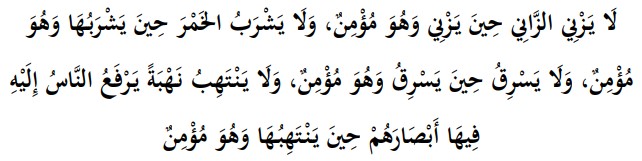
जब व्यभिचारी ज़िना करता है, तो वह मोमिन नहीं होता; जब शराब पीने वाला शराब पीता है, तो वह मोमिन नहीं होता; जब चोर चोरी करता है, तो वह मोमिन नहीं होता; और कोई लुटेरा, जो ऐसी कीमती चीज़ लूटता है जो लोगों की निगाहें अपनी ओर खींचती है, वह इस कार्य को करते समय मोमिन नहीं होता (अल-बुखारी)।
When the fornicator is committing Zinaa he is not a believer, when the alcohol drinker is drinking alcohol he is not a believer, when the thief steals he is not a believer and no plunderer who plunders a valuable thing that attracts the attention of people is a believer whilst he commits this act (AlBukhaari).
इसलिए यह आवश्यक है कि मनों में हक़ीक़तों (सत्यों) को पुनः स्थापित किया जाए, ताकि व्यवहार सुधारा और संवारा जा सके। इनमें शामिल हैं: वस्तुओं की हक़ीक़तें (सत्य), और आस्थाओं तथा अहकाम के संदर्भ में शरई हक़ीक़तें। इन्हें बार-बार याद दिलाना ज़रूरी है, ताकि ये ताज़ा हो जाएँ, मज़बूती से मन में समा जाएँ और उपस्थित रहें, और इस प्रकार व्यवहार पर अपना प्रभाव डालें।
It is therefore obligatory to restore the truths (Haqaa’iq) to the minds to correct the behaviour and to rectify it. These include: The Haqaa’iq (truths) of things and the Shar’iyah truths in terms of beliefs and Ahkaam. They must be reminded with them so that they become fresh, firmly embodied and present, and as such have an effect upon the behaviour.
अल्लाह (سبحانه وتعالى) ने फ़रमाया:
Allah (swt) said:

और उपदेश देते रहो, क्योंकि निस्संदेह उपदेश ईमान वालों को लाभ पहुँचाता है। (अज़-ज़ारियात 55)
And remind for verily the reminder benefits the believers (Adh-Dhaariyaat 55).
इसके विपरीत स्थिति काफ़िरों के संबंध में है, क्योंकि उन्हें सत्यों और शरई अवधारणाओं की याद दिलाना उनके लिए लाभदायक नहीं होता। वे इन्हें विचारों के रूप में सुनते हैं, लेकिन ये उनके लिए न तो सत्य का रूप रखते हैं और न ही अवधारणाओं का, और इसलिए इनका उनके व्यवहार पर कोई प्रभाव नहीं पड़ता।
The opposite is the case in respect to the disbelievers because reminding them of the truths and Shar’iyah concepts does not benefit them. They hear them as thoughts but they do not represent truths for them nor do they represent concepts for them and as such they have no effect upon their behaviour.
इसलिए जीवन के बारे में मनुष्य की धारणाएँ ही वह तरीका तय करती हैं जिससे वह जीता है। उसकी मुख्य चिंता केवल जीना नहीं, बल्कि यह है कि उसे किस प्रकार जीना चाहिए, और उसकी मुख्य चिंता अपनी ज़रूरतें पूरी करना नहीं, बल्कि यह है कि वह उन्हें किस ढंग से पूरा करेगा। इसी कारण जीवन के बारे में उसकी धारणाएँ उसके लिए जीने का एक विशेष ढंग और शैली गढ़ देती हैं।
Therefore the concepts about life are what define the manner by which the human lives. His main concern is not just living but rather how he should live and his main concern is not about satisfying his needs but rather it concerns the manner by which he will satisfy them. For this reason his concepts about life fashion for him a specific manner and style of living.
जहाँ जीवन की अवधारणाओं का स्रोत स्वयं चीज़ों और कार्यों से बाहर हो, वहाँ उन्हें तब तक अपनाना संभव नहीं है जब तक इस बात का विश्वास न हो जाए कि वह स्रोत सत्य है, या उसके पास उन पर निर्णय देने की शक्ति या अधिकार है, और उसके अहकाम वैध और सही हैं।
In the case where the source of the concepts in life are external to the things and actions themselves, it is not possible to adopt them except after being convinced that the source is true or has the power or authority to make a judgment upon them, and that its Ahkaam are valid and correct.
इस्लाम ने स्थापित किया है कि हाकिम (न्यायाधीश) अल्लाह (SWT) है और अहकाम (आदेशों) का स्रोत वही (दैवी प्रकाशना) है।
Islaam has established that the Haakim (Judge) is Allah (swt) and that the source of the Ahkaam (rulings) is the Wahi (divine revelation)
हज़रत मुहम्मद ﷺ पर अवतरित हुआ।
revealed upon Sayyidunaa Muhammad (saw).
अल्लाह (سبحانه وتعالى) ने फ़रमाया:
Allah (swt) said:

निस्संदेह हुक्म (आदेश) अल्लाह के सिवा किसी का नहीं। उसने आदेश दिया है कि तुम उसके सिवा किसी और की इबादत न करो। (यूसुफ़ 40)
Verily the Hukm (rule) is not but for Allah. He commanded that you do not worship other than him (Yousuf 40).
और उन्होंने (SWT) ने फ़रमाया:
And He (swt) said:

और जो कोई अल्लाह के उतारे हुए (आदेश) के अनुसार फ़ैसला न करे, तो वही लोग काफ़िर हैं (अल-माइदा 44)।
And whosoever does not judge by what Allah has revealed then it those who are the disbelievers (Al-Maa’idah 44).
हर वह हुक्म या फ़ैसला जो अल्लाह के हुक्म के सिवा हो, वह ताग़ूत है।
Every ruling or judgement other than the Hukm of Allah is Taaghoot:
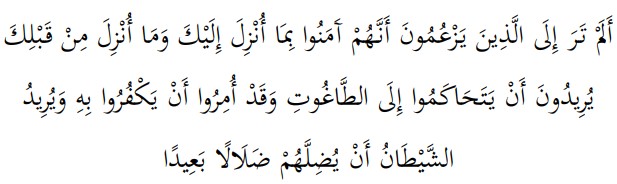
क्या आपने उन लोगों को नहीं देखा जो दावा करते हैं कि वे उस पर ईमान लाए हैं जो आप पर उतारा गया, [ऐ मुहम्मद ﷺ], और जो आपसे पहले उतारा गया? वे अपने फ़ैसले ताग़ूत की ओर ले जाना चाहते हैं, जबकि उन्हें आदेश दिया गया था कि उसका इनकार करें; और शैतान चाहता है कि उन्हें दूर की गुमराही में डाल दे (अन-निसा 60)।
Have you not seen those who claim to have believed in what was revealed to you, [O Muhammad], and what was revealed before you? They wish to refer legislation to Taghoot, while they were commanded to reject it; and Satan wishes to lead them far astray (An-Nisaa 60).
अतः इसमें बुद्धि या मनुष्य के लिए कोई निर्णय शेष नहीं रहता, और इसका अर्थ यह नहीं कि बुद्धि की भूमिका छीन ली गई है या उसकी क्षमताओं पर कोई सीमा लगा दी गई है। बल्कि इसलिए कि बुद्धि और मनुष्य के पास निर्णय करने या कोई फ़ैसला सुनाने के आवश्यक साधन नहीं हैं। कारण यह है कि फ़ैसले का स्रोत वह चीज़ या वह विषय नहीं है जिस पर फ़ैसला किया जाना है।
As such there is no judgement left to the mind or the human and this does not mean that the role of the mind has been taken away or that a limitation has been placed upon its capabilities. It is rather because the mind and the human do not possess the necessary tools to make judgement or pass a ruling. This is because the source of the ruling is not the thing itself or the subject that the ruling will be made upon.
तो जिन लोगों ने हुक्म (विधान) देने का अधिकार लोगों को सौंप दिया है, उदाहरण के लिए, उन्होंने इसके लिए कोई प्रमाण आधार नहीं बनाया, बल्कि वे भटक गए और पथभ्रष्ट हो गए। उन्होंने एक ऐसी धारणा अपना ली है जो सच्ची नहीं है और जिसकी कोई वास्तविकता नहीं है, और साथ ही उन्होंने दीन को जीवन से अलग करके सत्य को झुठलाया है, जिसका अर्थ है कि अल्लाह का कोई हुक्म नहीं रह जाता।
So those who have allocated the provision of the ruling to the people, for example, have not based this upon evidence and have rather wandered and gone astray. They have carried a concept which is not truthful and has no reality to it, whilst at the same time they have denied the truth by separating the Deen from life which means that there is no Hukm belonging to Allah.
यदि मनुष्य को निर्णय और फ़ैसले देने का अधिकार और शक्ति दे दी जाती, जबकि उसके पास इसके लिए आवश्यक साधन नहीं हैं, तो उसके अपने दृष्टिकोण के अनुसार उसकी इच्छाओं, झुकावों और हितों के सिवा कुछ भी प्रभावी न होता। ये बदलते रहते और उतार-चढ़ाव में रहते, और वह किसी हानिकारक चीज़ को लाभदायक समझ सकता था, और किसी बीमारी को दवा और इलाज समझ सकता था।
If the right and power of issuing judgements and rulings was given to the human whilst he does not possess the necessary tools to do that, then nothing would prevail apart from his desires, inclinations and interests according to his viewpoint. These would be changing and fluctuate and he could see something that is damaging as being beneficial and he could see a disease as a medicine and cure.
इसी संदर्भ में अल्लाह, नबुव्वत और क़ुरआन पर ईमान के महत्व का पता चलता है। यह ईमान वह अक़ीदा है जो मनुष्य के व्यवहार पर प्रभाव डालता है, क्योंकि यह उसे जीवन के बारे में वे धारणाएँ देता है जो उसे बताती हैं कि उसे कैसे जीना चाहिए, जीवन में उसका उद्देश्य क्या है, और उसके व्यवहार और आचरण के पीछे उसका उद्देश्य क्या है, जो अल्लाह ‘अज़्ज़ा व जल्ला की प्रसन्नता प्राप्त करना है।
In this context the importance of Imaan in Allah, the Prophethood and the Qur’aan comes to the fore. This Imaan is the Aqeedah that has an effect upon the behaviour as it provides the human with the concepts about life which define for him how he should live, his purpose in the life and his purpose behind his behaviour and conduct, which is to attain the pleasure of Allah ‘Azza Wa Jalla.

कहो: क्या हम तुम्हें बताएँ कि कर्मों के लिहाज़ से सबसे बड़े घाटे वाले कौन हैं? (वे) वे लोग हैं जिनकी कोशिश दुनियावी ज़िंदगी में बर्बाद हो गई, जबकि वे समझते थे कि वे अच्छा काम कर रहे हैं (अल-कहफ़ 103-104)।
Say: Shall We inform you of the greatest losers in respect to (their) deeds? [They are] those whose effort is lost in worldly life, whilst they were thinking that they are doing good (Al-Kahf 103-104).
हाँ, व्यक्ति भी गुमराह होते हैं और समुदाय भी गुमराह होते हैं, ठीक उसी तरह जैसे समुद्र की मछली जब चारे को निगल लेती है, या वह चूहा जो चूहेदानी में रखे खाने की ओर दौड़ पड़ता है।
Yes the individuals are led astray and the peoples are led astray just like a fish in the ocean when it takes the bait or the mouse that rushes to the food placed in a mouse trap.
मनुष्य भटकता फिरता है और अपने लक्ष्य तक नहीं पहुँचता, जब वह ऐसे मार्ग पर चलता है जिसके बारे में उसे पूरा विश्वास है कि वह उसे वहीं ले जाएगा, जबकि वास्तव में वह ठीक उसकी विपरीत दिशा में जा रहा होता है।
The human wanders around and does not arrive at his aim when he proceeds along a path that he is convinced will lead to it whilst in reality he is actually going in the exact opposite direction.
वह तब भी भटक जाता है जब अज्ञानता या विकृति के कारण वह जीवन के बारे में गलत धारणाएँ रखता है, जैसे वह व्यक्ति जो यह देखता या उसे दिखाया जाता है कि सूद (रिबा) हलाल है, लोकतंत्र इस्लाम से है, और शरीआ का ज्ञान सीखना भी किसी अन्य विशेषज्ञता या पेशे की तरह केवल रोज़ी कमाने के लिए है। जब इस्लाम के हक़ाइक़ (सत्य/तथ्य) ओझल हो जाते हैं और मन झूठे विचारों से भर जाते हैं, जैसे सामान्य स्वतंत्रता के विचार, या यह धारणा कि वर्तमान पीढ़ी में या सौ वर्षों में गिरी हुई वास्तविकता को बदलना असंभव है, या यह कि यह परिवर्तन अल्लाह की ओर से एक उपहार है और हमारे लिए इसके सिवा कुछ करने को नहीं कि हम प्रतीक्षा करें या महदी की प्रतीक्षा करें। यह सब व्यक्तियों, कौमों या उम्मत को सुस्त और आलसी लोगों के एक समूह में बदल देता है, जिन्हें जिस दिशा में वे लोग चाहते हैं जिन्होंने उन्हें ये धारणाएँ दी हैं, उसी दिशा में आलस्य से हाँका जाता है। और यह उन्हें अपने दुश्मनों के हाथ का औज़ार बना देता है, जबकि वे समझते हैं कि वे वास्तव में उनसे संघर्ष कर रहे हैं।
He is also led astray when he carries incorrect concepts about life as a result of ignorance or distortion like the one who sees or is made to see that Ribaa is Halaal, that democracy is from Islaam and that learning the Sharee’ah is for the sake of earning a living just like any other area of specialisation or profession. When the Haqaa’iq (truths/facts) of Islaam become absent and the minds are filled with false thoughts like the thoughts of general freedoms or that changing the declined reality is impossible in our current generation or one hundred years, or that this change is a gift from Allah and that there is nothing for us to do apart from wait or to wait for the Mahdi. All of this transforms the individuals, peoples or the Ummah into a collection of lazy people sluggishly being driven in whatever direction those who have given them these concepts want them to and it leads them into becoming tools for their enemies whilst they believe that they are actually struggling against them.

जैसे वह व्यक्ति जो दूर से पानी की ओर अपने हाथ फैलाए ताकि उसे अपने मुँह तक पहुँचाए, परन्तु वह उसके मुँह तक नहीं पहुँचता (अर-रअद 14)।
Like the one who stretches his hands toward water [from afar, calling it] to reach his mouth, but it does not reach it (Ar-Ra’d 14).

उनकी मिसाल उस व्यक्ति की-सी है जिसने आग जलाई, फिर जब उसने उसके आस-पास की चीज़ों को रौशन कर दिया, तो अल्लाह ने उनकी रौशनी छीन ली और उन्हें अंधेरों में छोड़ दिया, [इसलिए] वे देख नहीं सकते। {وَمَثَلُهُمْ كَمَثَلِ الَّذِي اسْتَوْقَدَ نَارًا فَلَمَّا أَضَاءَتْ مَا حَوْلَهُ ذَهَبَ اللَّهُ بِنُورِهِمْ وَتَرَكَهُمْ فِي ظُلُمَاتٍ لَا يُبْصِرُونَ} (अल-बक़रह 17)
Their example is that of one who kindled a fire, but when it illuminated what was around him, Allah took away their light and left them in darkness [so] they could not see (Al-Baqarah 17).
इसलिए, हम फिर दोहराते हैं कि आचरण को बदलने, उसे सुधारने और उसे एक सही, ऊँचा आचरण बनाने के लिए, जो अपने लक्ष्य तक पहुँचाए, यह अनिवार्य है कि चीज़ों और जीवन के बारे में सही धारणाएँ बनाई जाएँ। उस समय व्यक्ति इस स्थिति में होगा कि वह चीज़ों और उनके गुणों को सफलतापूर्वक वश में करे और उनका उपयोग करे, और वह ऐसा आचरण अपनाने की स्थिति में होगा जो उसके उद्देश्य तक पहुँचे, और सभी उद्देश्यों में सबसे महान उद्देश्य, यानी अल्लाह अज़्ज़ा व जल्ल की प्रसन्नता की प्राप्ति।
Therefore, we repeat, that in order to change the conduct, rectify it and make it a correct elevated conduct that arrives at its purpose, it is essential to generate correct concepts about things and life. At that time the person will be in a good position to subjugate and utilise the things and their attributes successfully and will be in a good position to adopt the conduct that arrives to his purpose and the greatest of all objectives which is the attainment of the pleasure of Allah ‘Azza Wa Jall:

और जो कुछ अल्लाह ने तुम्हें दिया है उसके द्वारा आख़िरत का घर तलाश करो; और (फिर भी) दुनिया में से अपना हिस्सा मत भूलो। और भलाई करो जैसे अल्लाह ने तुम्हारे साथ भलाई की है (अल-क़सस 77)।
But seek, through that which Allah has given you, the home of the Hereafter; and [yet], do not forget your share of the world. And do good as Allah has done good to you (Al-Qasas 77).
हक़ीक़तों (सच्चाइयों) में से पहली और सबसे अहम चीज़ अक़ीदा है, जो इंसान की ज़िंदगी के बारे में उसकी धारणाओं को तय करता है। अक़ीदा यह है कि तमाम चीज़ें एक ख़ालिक़ (सृष्टिकर्ता) ने पैदा की हैं, जो अल्लाह (SWT) है; कि अल्लाह ने मुहम्मद ﷺ को रिसालत (संदेश) के साथ रसूल बनाकर भेजा, जो अल-इस्लाम का संदेश है और जो इंसान से जुड़ी हर चीज़ को बयान करता है; और यह कि वह (SWT) इंसान का हिसाब ईमान या कुफ़्र की बुनियाद पर लेगा, और इस बुनियाद पर भी कि उसने नबी ﷺ की लाई हुई चीज़ों की पाबंदी की या उसकी पाबंदी न की।
The first of the Haqaa’iq (truths) and absolutely its most important is the Aqeedah that defines the human’s concepts about life. The Aqeedah is that all things have been created by a creator who is Allah (swt), that Allah sent a Messenger who is Muhammad (saw) with the Risaalah (message) of Al-Islaam which explains everything that relates to the human being and that He (swt) will account him upon the basis of Imaan or Kufr and upon the basis of his abiding by what the Nabi (saw) came with or by his non-abidance to it.
मुसलमान के जीवन का उद्देश्य:
The Muslim’s purpose in life:
ईमान के बाद सबसे महत्वपूर्ण हक़ीक़तों (सत्यों) में से एक यह है कि इंसान अपनी पैदाइश के उद्देश्य को समझे, यानी वह बात जिसे हासिल करने के लिए उसे कोशिश करनी चाहिए।
From amongst the most important Haqaa’iq (truths) after Imaan is that the human understands the purpose of his creation i.e. that which he must strive to accomplish.
अल्लाह (سبحانه وتعالى) ने फ़रमाया:
Allah (swt) said:
मैंने जिन्न और मनुष्यों को केवल इसलिए पैदा किया है कि वे मेरी इबादत करें। (अज़-ज़ारियात 56)
And I have not created the Jinn or humankind except to worship me (AdDhaariyaat 56).
अल्लाह की इबादत (ʿIbādah) का अर्थ है उस पर ईमान रखना और उसकी आज्ञापालन करना। अल्लाह तआला की आज्ञापालन का अर्थ है उसके सभी अहकाम (आदेशों) पर प्रतिबद्ध रहना और उन पर कायम रहना (अल-इल्तिज़ाम)। यह केवल इबादत के कामों, अख़लाक़ (नैतिकता) और मुआमलात (सामाजिक लेन-देन) तक सीमित नहीं है, बल्कि उन सब बातों को शामिल करता है जो अल्लाह (swt)
The worship (‘Ibaadah) to Allah means having Imaan in Him and obedience to Him. Obedience to Him Ta’Aalaa means commitment and abidance (Al-Iltizaam) to all of His Ahkaam. This is not restricted to the acts of ‘Ibaadah, Akhlaaq (morals) and Mu’aamalaat (societal transactions) but rather includes everything that Allah (swt)
...ने आदेश दिया है या मना किया है। इसमें यह भी शामिल है कि अल्लाह के सिवा कोई भी इबादत का हक़दार नहीं है, और अल्लाह (SWT) के सिवा किसी और की ओर से कोई आदेश या निषेध नहीं आ सकता।
has commanded or forbidden. It includes that nothing has a right to be worshipped other than Allah and that no command or forbiddance can come from anyone besides Him (swt).
अहमद और अत-तिर्मिज़ी ने वर्णन किया कि अदिय बिन हातिम (रज़ि.) अल्लाह के रसूल ﷺ के पास आए, जब आप यह आयत पढ़ रहे थे:
Ahmad and At-Tirmidhi related that ‘Adiy Bin Haatim (ra) came to the Messenger of Allah (saw) whilst he was reciting the Aayah:
उन्होंने अल्लाह के सिवा अपने विद्वानों (रब्बियों) और संन्यासियों (मोनकों) को, और मरियम के बेटे मसीह को भी, रब (पालनहार) बना लिया है। और उन्हें केवल यह आदेश दिया गया था कि एक ही पूज्य (ईश्वर) की इबादत करें; उसके सिवा कोई पूज्य नहीं। वह पाक और ऊँचा है उन चीज़ों से जिन्हें वे उसका साझी ठहराते हैं। (अत-तौबा 31)
They have taken their Rabbis and monks as lords besides Allah, and [also] the Maseeh, the son of Mary. And they were not commanded except to worship one God; there is no deity except Him. Exalted is He above whatever they associate with Him (At-Taubah 31).
अदी ने कहा: "वे लोग उनकी इबादत नहीं करते थे।" तब अल्लाह के रसूल ﷺ ने फ़रमाया:
‘Adiy then said: ‘They did not worship them’. So the Messenger of Allah (saw) said:
इसके विपरीत, उन्होंने हलाल को उन पर हराम ठहरा दिया और हराम को उनके लिए हलाल ठहरा दिया, फिर वे उनके पीछे चले (इस मामले में)। अतः यही उनकी इबादत थी जो उन्होंने उनके लिए की।
On the contrary, they made the Halaal Haraam upon them and made the Haraam Halaal for them, then they followed them (in this). Therefore this was their worship to them.
इसलिए, किसी को हलाल और हराम तय करने का, कानून बनाने का, और आज्ञापालन का हक़ देना, उस व्यक्ति के लिए 'इबादत' का दर्जा रखता है।
As such giving the Haqq (right) to anyone to decide the Halaal and decide the Haraam or the right to make legislation and the right of obedience represents ‘Ibaadah to that person.
अल्लाह (سبحانه وتعالى) ने फ़रमाया:
Allah (swt) said:
तुम उसके सिवा केवल कुछ नामों की पूजा करते हो, जो तुमने और तुम्हारे बाप-दादों ने रख लिए हैं, जिनके पक्ष में अल्लाह ने कोई प्रमाण नहीं उतारा।
You worship nothing besides Him except [mere] names you have named them with, you and your fathers, for which Allah has sent down no authority.
हुक्म देने का अधिकार केवल अल्लाह का है। उसने आदेश दिया है कि तुम उसके सिवा किसी की इबादत न करो। यही सीधा दीन है, लेकिन अधिकतर लोग नहीं जानते। (यूसुफ़ 40)
Legislation is not but for Allah. He has commanded that you worship not except Him. That is the correct Deen, but most of the people do not know (Yusuf 40).
जहाँ तक हाकिम (शासक), अमीर या माता-पिता के आज्ञापालन के अधिकार की बात है, तो यह उस हक़ के कारण है जो अल्लाह (SWT) का है।
As for the right of obedience that belongs to the Hakim (ruler), Ameer or parents then this is due to the Haqq (right) that Allah (swt)
उन्हें जो प्रदान किया गया है।
has provided to them.
अल्लाह (سبحانه و تعالى) की 'इबादत में वह आज्ञापालन भी शामिल है जो लोगों से उसकी 'इबादत कराने के संदर्भ में है, यानी उन्हें अल्लाह की शरीअत के अधीन करना, और अल्लाह के अलावा किसी और को, या इस्लाम की शरीअत के अलावा किसी और को, हाकिमीयत (क़ानून बनाने का अधिकार) दिए जाने के अस्तित्व से लड़ना, साथ ही अल्लाह के हुक्म (शासन) से बाहर निकलने (ख़ुरूज) के विरुद्ध लड़ना। यही वह बात है जिसे नुसूस (क़ुरआन और सुन्नत के पाठ) ने इंगित किया है और जिस अर्थ के साथ वे आए हैं; वे नुसूस जो 'अम्र बिल मारूफ़' (भलाई का आदेश देने) और 'नहि अनिल मुंकर' (बुराई से रोकने) का आदेश देते हैं। उन्होंने बातचीत, व्याख्या, लोगों को क़ायल करने और दा'वत के ज़रिए उन्हें आमंत्रित करने का आदेश दिया है। इसके अतिरिक्त उन्होंने (दंड और रोकथाम के रूप में) कोड़े लगाने, हाथ काटने, क़त्ल करने और धरती पर अल्लाह के हुक्म को फैलाने और उसके कलिमे (वचन) को सर्वोच्च करने के लिए लड़ाई और जिहाद का भी आदेश दिया है।
‘Ibaadah to Allah (swt) includes the obedience in respect to making mankind worship Him (swt) i.e. to make them submit to the Shar’a of Allah and to fight against the existence of any Haakimiyah (right to make rules) to other than Allah or to other than the Sharee’ah of Islaam in addition to fighting against the exiting (Khurooj) from the Hukm (rule) of Allah (swt). This is what the texts have indicated and the meaning that they have come with; those which have come commanding the ‘Amr Bil Ma’rouf’ (Commanding the good) and the ‘Nahi ‘An il-Munkar’ (Forbidding the evil). They have commanded the undertaking of discussions, explanations, convincing people and inviting them by way of Da’wah. Additionally they have commanded lashing, cutting, killing (as punishments and deterrents) and fighting and Al-Jihaad to spread the rule of Allah upon the Earth and to raise His word the highest.
इस प्रकार हमने देखा कि अल्लाह के रसूल ﷺ ने जब मदीना मुनव्वरा में इस्लामी राज्य स्थापित किया और उसके स्तंभों को मज़बूती से जमा दिया, तो उन्होंने ﷺ राजाओं और शासकों की ओर इस्लाम की दावत देने के लिए संदेशवाहक भेजे। फिर हमने देखा कि उनके ﷺ बाद आए ख़ुलफ़ा-ए-राशिदीन (रज़ि.) दावत के वाहक, मुजाहिदीन और सेनाएँ भेजते रहे, ताकि लोगों को ईमान की ओर बुलाएँ और उन्हें अंधकार से निकालकर प्रकाश में लाएँ। वे इस उद्देश्य से लड़े कि भूमियाँ और बंदे इस्लाम की सत्ता के अधीन हो जाएँ।
As such we saw that after the Messenger of Allah (saw) established the Islamic State in Al-Madinah Al-Munawaarah and established its pillars firmly, he (saw) sent the messengers to the Kings and rulers inviting them to Islaam. We then saw the Khulafaa’ (rah) who came after him (saw) sending out carriers of the Da’wah, Mujaahideen and armies to invite the people to Imaan and to take them out of the darkness and bring them into the light. They fought for the purpose of making the lands and servants submit to the authority of Islaam.
अल्लाह अज़्ज़ व जल्ल ने हमें इसलिए भेजा है कि हम तुम्हें बंदों की इबादत से छुड़ाकर बंदों के रब की इबादत की ओर ले आएँ, और तुम्हें अन्य धर्मों के अत्याचार से निकालकर इस्लाम के न्याय की ओर ले आएँ, और इस दुनिया की तंगी से निकालकर इस दुनिया और आख़िरत की विशालता की ओर ले आएँ।
Allah Azza wa Jall has sent us to deliver you from the worship of the servants (people) to bring you to the worship of the Lord of the servants (people) and to deliver you from the oppression of other Deens and bring you to the justice of Islaam and from the narrowness of this world and bring you to the vastness of this world and the hereafter.
यह विचार कुरआन, सुन्नत और रसूल ﷺ के कर्मों में बहुत स्पष्ट रूप से बताया गया है, और इसके प्रमाण इतने अधिक हैं कि उनकी कोई सीमा नहीं बाँधी जा सकती। फिर भी हम उनमें से कुछ का उल्लेख करेंगे।
This thought has been made very clear in the Qur’aan, the Sunnah and the actions of the Messenger (saw) within texts that are too numerous for a limit to be placed upon them. We will however make a mention of some of them:
अल्लाह (سبحانه وتعالى) ने फ़रमाया:
Allah (swt) said:
कहो: ऐ लोगो! निश्चय ही मैं तुम सबकी ओर अल्लाह का रसूल ﷺ हूँ। (अल-आराफ़ 158)
Say: O people! Verily I am the Messenger of Allah to you all (Al-Aa’raaf 158).
उन्होंने (SWT) ने कहा:
He (swt) said:
और हमने आपको समस्त मानवजाति के लिए शुभ सूचना देने वाला और डराने वाला बनाकर ही भेजा है। (सबा 28)
And we have not sent you except to the entirety of mankind as a bringer of glad tidings and as a warner (Saba’ 28).
और उन्होंने (SWT) ने फ़रमाया:
And He (swt) said:
वही है जिसने अपने रसूल को हिदायत और सत्य दीन के साथ भेजा, ताकि उसे हर दूसरे दीन पर प्रबल कर दे, चाहे मुशरिकीन इससे कितनी ही नफ़रत करें। (अत-तौबा 33, अस-सफ़्फ़ 9)
He its is who has sent His Messenger with the guidance and the Deen of truth so that it prevails over all other Deens and even if the Mushrikeen hate it (AtTaubah 33, As-Saff 9).
और:
And:
{ऐ ईमान वालो! उन काफ़िरों से लड़ो जो तुम्हारे आस-पास हैं और चाहिए कि वे तुम में सख़्ती पाएँ। और जान लो कि अल्लाह परहेज़गारों के साथ है} (अत-तौबा 123)
O you who have believed, fight those adjacent to you of the disbelievers and let them find in you harshness. And know that Allah is with the righteous (AtTaubah 123).
और उनसे लड़ो जो अल्लाह और आख़िरत के दिन पर ईमान नहीं रखते, और जो उस चीज़ को हराम नहीं मानते जिसे अल्लाह और उसके रसूल ने हराम ठहराया है, और जो सत्य धर्म को स्वीकार नहीं करते, उन लोगों में से जिन्हें किताब दी गई थी - यहाँ तक कि वे अपने हाथ से जिज़या दें, विनम्र होकर। (अत-तौबा 29)
And: Fight those who do not believe in Allah or in the Last Day and who do not consider unlawful what Allah and His Messenger have made unlawful and who do not adopt the religion of truth from those who were given the Scripture - [fight] until they give the Jizyah willingly while they are subdued (At-Taubah 29).
और अल्लाह के रसूल (SWT) ने फ़रमाया: Wait: the rules say keep (SWT) as is, and the Prophet mention gets ﷺ after it. The original has "(sw)" which is an abbreviated honorific for the Prophet, so per rules, replace with ﷺ. Also "Messenger of Allah" → add ﷺ. Correct output: और अल्लाह के रसूल ﷺ ने फ़रमाया:
तो उद्देश्य और लक्ष्य यह है कि अल्लाह (SWT) के सिवा कोई ऐसा कानून नहीं हो सकता जिसका पालन किया जाए, और न ही कोई ऐसी विधि (legislation) अपनाई जा सकती है जो उसके अतिरिक्त हो।
So the objective and purpose is that no law that is obeyed or no legislation that is adopted can exist except for that which Allah (swt)
अल्लाह ने आदेश दिया है और अल्लाह के अतिरिक्त कोई हाकिम (क़ानून बनाने वाला) नहीं है। जहाँ तक काफ़िरों को उनके विश्वासों और उपासनाओं पर छोड़ देने की बात है, तो वे इन मामलों में अल्लाह (SWT) के आदेश के अनुसार और उसके हुक्म का पालन करते हुए छोड़े जाते हैं।
has commanded and that there is no Haakim (law maker) other than Allah. As far as leaving the disbelievers upon their beliefs and worships then they are left upon these matters in accordance to and in compliance to the command of Allah (swt).
अल्लाह (SWT) ने इस उद्देश्य और लक्ष्य को स्पष्ट किया है और उसकी व्याख्या की है, जब उसने (SWT) लोगों की रचना के संबंध में कहा:
Allah (swt) has made clear and explained this objective and purpose in respect to His creation of the people when He (swt) said:
इसी प्रकार हमने तुम्हें एक न्यायपूर्ण/श्रेष्ठ उम्मत बनाया है ताकि तुम मानवजाति पर गवाह बनो और रसूल ﷺ तुम पर गवाह बनें। (अल-बक़रा 143)
And thus we have made you a just/best Ummah so that you will be witnesses over mankind and the Messenger will be a witness over you (Al-Baqarah 143).
यह संबोधन इस्लामी उम्मत को है, और इसमें उसे, अल्लाह के रसूल ﷺ के बाद, संदेश को समस्त मानवजाति तक पहुँचाने की शरई ज़िम्मेदारी (तकलीफ़) सौंपी गई है। और निश्चय ही नबी ﷺ ने इसे पहुँचाया, अपनी अमानत पूरी की, और अपनी सामर्थ्य, प्रयास और क्षमता से जो कुछ उनके पास था, उसके साथ अल्लाह के लिए जिहाद किया। उन्होंने ﷺ अंतिम विदाई हज में खड़े होकर अपनी उम्मत को संबोधित किया और कहा:
This address is to the Islamic Ummah and it entrusts her with the legal responsibility (Takleef) to carry the Message, after the Messenger of Allah (saw), to the whole of mankind. And indeed the Nabi (saw) carried it and after conveying the message, fulfilling his Amaanah and after having performed Al-Jihaad for Allah’s sake with all that he possessed of strength, effort and capability. He (saw) stood in the final farewell Hajj, addressed his Ummah and said:
Reference: तग़य्यीर (परिवर्तन) - Mahmoud Abdul-Kareem Hasan
"और निश्चय ही मैंने तुम्हारे बीच वह चीज़ छोड़ी है कि यदि तुम उसे मज़बूती से थामे रहे तो कभी पथभ्रष्ट नहीं होगे: अल्लाह की किताब (पुस्तक), और तुम मेरे बाद मेरे उत्तरदायी हो। तो तुम सब क्या कहते हो?" उन्होंने कहा: "हम गवाही देते हैं कि आपने पहुँचा दिया, पूरा किया और नसीहत कर दी।" फिर उन्होंने अपनी तर्जनी उंगली आसमान की ओर उठाते हुए और फिर लोगों की ओर करते हुए कहा: "ऐ अल्लाह, गवाह रह, ऐ अल्लाह, गवाह रह, ऐ अल्लाह, गवाह रह" (अबू दाऊद)।
‘And indeed I have left amongst you that which if you hold on firmly to you will never go astray: The Kitaab (book) of Allah, and you are responsible from me (i.e. after me). So what do you all say?’. They said: ‘We bear witness that you have conveyed, fulfilled and advised’. He then said whist raising his index finger to the sky and then towards the people: ‘O Allah bear witness, O Allah bear witness, O Allah bear witness’ (Abu Daawood).
इस प्रकार नबी ﷺ ने हम पर संदेश पहुँचाने और अमानत (धरोहर) उठाने की ज़िम्मेदारी के साथ गवाही दी और इस बात पर हमारे विरुद्ध अल्लाह की गवाही माँगी। अतः इसके बाद हम पर अनिवार्य है कि हम उसी तरीक़े के अनुसार लोगों पर गवाह बनें, जिस तरीक़े को सम्माननीय रसूल ﷺ ने अपनाया था। निस्संदेह अल्लाह (SWT) ने स्पष्ट किया है कि यही सृष्टि का उद्देश्य और लक्ष्य है, और यह आदम (अलैहिस्सलाम) की सृष्टि से पहले की बात है।
So in this way the Nabi (saw) bore witness over us with the responsibility of conveying and carrying the Amaanah (trust) and sought Allah’s witness upon us in regards to that. Therefore, after that it is obligatory upon us to be witnesses over the people in accordance to exactly the same methodology that the Noble Messenger (saw) undertook. Indeed Allah (swt) made clear that this is the purpose and objective of the creation before His creation of Aadam (as).
अल्लाह (سبحانه وتعالى) ने फ़रमाया:
Allah (swt) said:
और [याद करो] जब तुम्हारे रब ने फ़रिश्तों से कहा, "निश्चय ही मैं धरती पर एक ख़लीफ़ा (उत्तराधिकारी) बनाने वाला हूँ।" उन्होंने कहा, "क्या आप उसमें ऐसे को रखेंगे जो वहाँ फ़साद फैलाए और ख़ून बहाए, जबकि हम आपकी प्रशंसा के साथ तस्बीह करते हैं और आपकी पवित्रता बयान करते हैं?" अल्लाह ने कहा, "निश्चय ही मैं वह जानता हूँ जो तुम नहीं जानते।" (अल-बक़रह 30)
And [remember] when your Lord said to the angels, "Verily, I will make upon the earth a successive authority." They said, "Will You place upon it one who causes corruption therein and sheds blood, while we declare Your praise and sanctify You?" Allah said, "Indeed, I know that which you do not know." (AlBaqarah 30).
फ़रिश्ते (मलाइका) अल्लाह (SWT) के बंदे हैं और वे उसकी अवज्ञा नहीं करते।
The Malaa’ikah (Angels) are the servants of Allah (swt) and do not disobey Him:
उस पर कठोर और सख़्त फ़रिश्ते नियुक्त हैं; वे अल्लाह की उस बात की अवहेलना नहीं करते जिसका वह उन्हें आदेश देता है, बल्कि वही करते हैं जो उन्हें आदेश दिया जाता है। (अत-तहरीम 6)
Over which are [appointed] angels, harsh and severe; they do not disobey Allah in what He commands them but do what they are commanded (At-Tahreem 6).
जब अल्लाह (SWT) ने उनसे कहा:
When Allah (swt) said to them:
निश्चय ही मैं धरती पर एक उत्तराधिकारी (ख़लीफ़ा) बनाने वाला हूँ।
Verily, I will make upon the earth a successive authority (Khalifah)
उन्होंने यह समझ और अनुभव कर लिया कि वह (सुब्हानहू व तआला) धरती पर ऐसे लोगों को बसाएगा जो अवज्ञाकारी होंगे। यह बात शब्द 'ख़लीफ़ह' से समझी जाती है, क्योंकि इस संदर्भ में इसका अर्थ वह व्यक्ति है जिसे अल्लाह उत्तराधिकार देगा और जिसे सुधार और देखभाल के कार्यों, तथा अन्य उन मामलों को संभालने का दायित्व सौंपेगा जिन्हें एक अमानतदार व्यक्ति संभालता है। इस भूमिका और मामलों के सुधार व देखभाल का अर्थ यह है कि ऐसे लोग भी होंगे जिन्हें सुधार की आवश्यकता होगी और जिन्हें रिआयत (देखभाल) की ज़रूरत होगी। इसका मतलब है कि ऐसे लोग होंगे जो अल्लाह के आदेश की सीमा से बाहर निकल जाएँगे, और इससे दुख, पीड़ा और अव्यवस्था पैदा होगी। इसीलिए उन्होंने कहा:
They realised and comprehended that He (swt) will make upon the earth those who will be disobedient. This is understood from the wording ‘Khalifah’ because here in this context it means the one who Allah will give succession and delegate to undertake the acts of correcting and caretaking amongst other matters that the one who is entrusted would undertake. This role or rectifying and taking care of affairs means that their will exist those who need to be rectified and who are need of Ri’aayah (caretaking). This means that there will be those who go outside of the command of Allah and that this will lead to misery, anguish and disorder. This is why they said:
उन्होंने कहा: क्या तू उसमें ऐसे लोगों को रखेगा जो उसमें फ़साद करेंगे और ख़ून बहाएँगे? (अल-बक़रा 30)
They said: Will you make those who will make corruption in it (the earth) and spill blood (Al-Baqarah 30).
दूसरे शब्दों में, यदि सृष्टि में कोई ऐसी चीज़ शामिल न होती जो अवज्ञा करने वाली हो, तो सब कुछ अल्लाह (سبحانه وتعالى) के आदेश के अनुसार ही चलता। अतः जब अल्लाह (سبحانه وتعالى) ने ऐसे किसी को पैदा करना चाहा जो सुधार और मार्गदर्शन का काम करे, तो इसका अर्थ यह है कि ऐसे लोग भी होंगे जो गुमराही और अल्लाह की अवज्ञा का रास्ता चुनेंगे।
In other words, if the creation did not include something that would be disobedient then everything would proceed in accordance to the command of Allah (swt). So when Allah (swt) wanted to create someone who will undertake the actions of rectifying and guidance then this means that there will exist those who will choose misguidance and disobedience to Allah.
अतः जीवन का वह उद्देश्य, जिसे अल्लाह (SWT) ने आदम (अ) की रचना से पहले स्पष्ट कर दिया और समझा दिया, यह है कि एक ऐसा मनुष्य होगा जो अल्लाह का बंदा ('अब्द') होगा, और वह उन लोगों को, जो उसकी इबादत से भटक गए हैं या उसे ठुकरा चुके हैं, अल्लाह की इबादत की ओर लाने का काम करेगा।
Therefore the purpose in life which Allah (swt) has made clear and explained before the creation of Aadam (as) is that there will be a human being who is a slave (‘Abd) to Allah and that he will undertake the work of making others worship Allah (swt) from those who have gone astray from His worship or have rejected it.
इसलिए जीवन ईमान और कुफ़्र के बीच एक बौद्धिक, आस्था-आधारित और राजनीतिक संघर्ष और टकराव है। यह आस्था-आधारित इस अर्थ में है कि यह अल्लाह के कलिमे को सर्वोच्च करने के लिए है, ताकि लोगों का दीन पूरा का पूरा और केवल अल्लाह के लिए हो। ताकि अल्लाह के सिवा कोई हुक्म न हो, वह (سبحانه وتعالى) का कोई शरीक नहीं, अल्लाह के सिवा किसी चीज़ या किसी व्यक्ति की इबादत न की जाए, और अधीनता केवल अल्लाह की शरीअत के प्रति हो। इस तरह यह एक राजनीतिक संघर्ष को दर्शाता है, जिसमें मानव मामलों की देखभाल को इस बात का अनिवार्य बना दिया गया है कि वह इस्लाम की शरीअत के सिवा किसी भी प्रकार के कानून-निर्माण को न सौंपी जाए।
The life is therefore an intellectual, belief based and political clash and struggle between Imaan and Kufr. It is belief based in terms of it being for the sake of raising the word of Allah the highest and so that the Deen of the people is all and only for Allah. So that no Hukm exists except that it is for Allah, that He (swt) has no Shareek (partner), that nothing or no one is worshiped aside from Allah and that submission is only to the Shar’a of Allah. In this way it represents a political struggle where the caretaking of the affairs of human beings has been made obligatory to not be entrusted to any form of legislation other than the Sharee’ah of Al-Islaam.