عقیدہ اور اس سے نکلنے والے احکام اور اس پر مبنی افکار، تبدیلی (التغییر) کی بنیاد ہیں۔
The Aqeedah and what emanates from it in terms of Ahkaam and what is built upon it in terms of thoughts, is the basis of At-Taghyeer (change).
انسان کا طرزِ عمل ان تصورات سے جڑا ہوتا ہے جو وہ اپنے ساتھ رکھتا ہے۔ تصورات (مفاہیم) دراصل وہ عقائد (قناعات) ہیں جو چیزوں اور ان کی صفات کے فہم سے حاصل ہوتے ہیں، نیز اس فہم پر مبنی دیگر عقائد یا اس سے پھوٹنے والے نظریات بھی اسی کا حصہ ہیں۔
The conduct of the human is tied to what he carries in terms of concepts. The concepts (Mafaaheem) are convictions (Qanaa’aat) resulting from a comprehension of things and their attributes in addition to what is built upon this comprehension or emanates from it in terms of other convictions.
تصورات دو طرح کے ہوتے ہیں:
Concepts are of two types:
پہلا:
The first:
اشیاء کے بارے میں تصورات۔ یہ وہ عقائد یا احکام ہیں جن کا ماخذ خود وہ اشیاء ہوتی ہیں۔ اس میں اس طرح کے بیانات شامل ہوں گے جیسے: 'آگ جلاتی ہے'، 'زہر مار دیتا ہے'، 'شراب نشہ آور ہے'، 'گوشت کھایا جاتا ہے جبکہ مٹی نہیں کھائی جاتی'، 'دباؤ میں اضافہ (کسی حد تک) دھماکے کا سبب بنتا ہے'، 'معاشرہ مستقل تعلقات میں بندھی ہوئی افراد کی ایک مجموعہ پر مشتمل ہوتا ہے' اور 'بیداری روشن خیال فکر کے ذریعے ہی ممکن ہوگی'۔
: Concepts about things. These are convictions or Ahkaam (rulings) whose source is the things themselves. This would include statements like: ‘Fire burns’, ‘Poison kills’, ‘Alcohol intoxicates’, ‘Meat is eaten whilst soil is not eaten’, ‘The increased build-up of pressure generates an explosion (of sorts)’, ‘The society is composed of a collection of individuals bound by permanent relationships’ and ‘Revival would not occur except by way of the enlightened thought’.
یہ تمام خیالات یا احکام ہیں جن کا ماخذ ان کا موضوع ہے۔ یہ حقیقت کے مطابق ہونے یا اس کے منافی ہونے کی بنیاد پر درست یا غلط ہو سکتے ہیں۔ ان تمام صورتوں میں، ان کے بارے میں یقین رکھنے والے کے اعتبار سے انہیں تصورات ہی سمجھا جائے گا۔ انسانی رویہ اور طرزِ عمل چیزوں کے بارے میں اس کے تصورات سے جڑا ہوا ہے، چنانچہ جو شخص اس بات پر قائل ہو جائے کہ اس کے کھانے میں زہر ملا دیا گیا ہے، وہ اس سے کبھی نہیں کھائے گا چاہے وہ کتنا ہی بھوکا کیوں نہ ہو۔ اسی طرح جو پیاسا ہوگا وہ پانی ہی تلاش کرے گا نہ کہ کوئی اور چیز، جبکہ جو نشہ کرنا چاہتا ہوگا وہ شراب ہی تلاش کرے گا اور کچھ اور نہیں۔
All of these thoughts are descriptions or Ahkaam whose source is its subject. They could be correct or incorrect depending on their conformity to the reality or their contradiction to it. In all of these cases they are considered to be concepts in respect to the one who has believed in them. The human behaviour and conduct is tied to his concepts about things and so whoever is convinced that his food has been poisoned would never eat from it and even if he was hungry. Similarly the one who was thirsty would seek water and not something else whilst the one who wanted to be intoxicated would seek alcohol and nothing else.
دوسری قسم:
The second type:
زندگی کے بارے میں تصورات (مفاہیم)۔ یہ وہ عقائد یا احکام ہیں جن کا ماخذ اپنے موضوع سے باہر ہوتا ہے۔ یہ ان بیانات کی طرح ہیں جیسے: 'نماز فرض ہے'، 'دھوکہ دہی حرام ہے' اور 'کسی کو قتل کرنا حرام ہے' وغیرہ... اس حکم کا ماخذ خود وہ چیز یا عمل نہیں ہے، بلکہ یہ صرف اس موضوع یا حقیقت کی نمائندگی کرتے ہیں جس پر فیصلہ کیا جا رہا ہے، جبکہ فیصلے کا ماخذ کچھ اور ہے اور کہیں اور موجود ہے۔
Concepts (Mafaaheem) about life. These are convictions or Ahkaam whose source is external to its subject. This is like the statements: ‘The Salaah is Fard’, ‘Fraud is Haraam’ and ‘Killing someone is Haraam’ etc... The source of this Hukm is not the thing itself or the action and these only represent the subject area or the reality that is being judged upon whilst the source of the judgement is something else and lies elsewhere.
چنانچہ ہمارا یہ بیان کہ 'شراب نشہ آور ہے' شراب کے ساتھ وابستہ ایک صفت یا اس کی اندرونی خصوصیت کی وضاحت کرتا ہے۔ یہ کسی چیز کے بارے میں اس کی بناوٹ یا اس کے نتیجے کے आधार پر کیا گیا ایک فیصلہ ہے۔ تاہم، یہ بیان کہ 'شراب حرام ہے' کسی چیز کے بارے میں اس کی اجزاء کی بنیاد پر کیا گیا فیصلہ نہیں ہے بلکہ یہ اللہ (سبحانہ و تعالیٰ) کی طرف سے ایک حکم کی نمائندگی کرتا ہے۔
So our statement: ‘Alcohol intoxicates’ reflects a description or an internal attribute associated to alcohol. It is a judgement made upon a thing due to what it contains or results in. The statement however ‘Alcohol is Haraam’ is not a judgement passed upon a thing on the basis of what is in it but rather it represents a Hukm from Allah (swt)
کون یہ فیصلہ کرتا ہے کہ کس چیز کو حرام کرنا ہے اور کس چیز کو مباح (جائز) کرنا ہے؟
who decides what to make Haraam and what to make Mubaah (permissible).
انسان کا طرزِ عمل زندگی کے بارے میں اس کے تصورات سے بھی جڑا ہوا ہے۔ اگر اس کا سور کے گوشت کے بارے میں یہ تصور یا فہم ہو کہ یہ کھانے کے قابل ہے اور اس سے بھوک مٹ جائے گی، تو یہ کسی چیز کے بارے میں ایک تصور ہوگا۔ تاہم، زندگی کے بارے میں تصور یہ ہے کہ سور حرام ہے، یعنی اس سے بچنا اور اس سے دور رہنا اس پر واجب ہے۔ یہ اس شخص کے لیے ایک تصور بن جائے گا جس نے اس حکم کو سمجھ لیا ہو اور اس پر ایمان لا چکا ہو، اور یہ اس کے طرزِ عمل پر اثر انداز ہوگا اور اسے سور سے اپنی بھوک مٹانے سے روکے گا۔
The behaviour of the person is also tied to his concepts about life. If he held the concept or understanding about the flesh of pig that it was edible and would satisfy hunger, then this would represent a concept about a thing. The concept about life however is that the pig is Haraam meaning that is obligatory for him to avoid and keep away from it. It would become a concept for the one who has comprehended this Hukm and believed in it and it would have an effect upon his behaviour and prevent him from satisfying his hunger from pig.
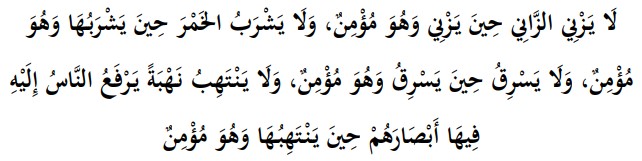
جب زنا کرنے والا زنا کر رہا ہو تو وہ مومن نہیں ہوتا، جب شراب پینے والا شراب پی رہا ہو تو وہ مومن نہیں ہوتا، جب چور چوری کر رہا ہو تو وہ مومن نہیں ہوتا اور جب کوئی لوٹ مار کرنے والا ایسی قیمتی چیز لوٹ رہا ہو جو لوگوں کی توجہ اپنی طرف کھینچ لے تو وہ اس عمل کے دوران مومن نہیں ہوتا [البخاری]۔
When the fornicator is committing Zinaa he is not a believer, when the alcohol drinker is drinking alcohol he is not a believer, when the thief steals he is not a believer and no plunderer who plunders a valuable thing that attracts the attention of people is a believer whilst he commits this act (AlBukhaari).
لہٰذا رویے کی درستی اور اصلاح کے لیے ذہنوں میں حقائق کی بحالی واجب ہے۔ ان میں اشیاء کے حقائق اور عقائد و احکام کے لحاظ سے شرعی حقائق شامل ہیں۔ ان کی یاد دہانی کرانی چاہیے تاکہ وہ تازہ، پختہ اور حاضر ہو جائیں، اور اس طرح وہ رویے پر اثر انداز ہوں۔
It is therefore obligatory to restore the truths (Haqaa’iq) to the minds to correct the behaviour and to rectify it. These include: The Haqaa’iq (truths) of things and the Shar’iyah truths in terms of beliefs and Ahkaam. They must be reminded with them so that they become fresh, firmly embodied and present, and as such have an effect upon the behaviour.
اللہ (سبحانہ و تعالیٰ) نے فرمایا:
Allah (swt) said:

اور نصیحت کرتے رہیں، کیونکہ یقیناً نصیحت مومنوں کو فائدہ پہنچاتی ہے (الذاریات 55)۔
And remind for verily the reminder benefits the believers (Adh-Dhaariyaat 55).
کافروں کے معاملے میں اس کے برعکس صورتحال ہے کیونکہ انہیں حقائق اور شرعی تصورات کی یاد دہانی کروانا ان کے لیے فائدہ مند نہیں ہوتا۔ وہ انہیں محض خیالات کے طور پر سنتے ہیں لیکن یہ نہ تو ان کے لیے حقائق کی حیثیت رکھتے ہیں اور نہ ہی تصورات کی، اور اس طرح ان کا ان کے طرزِ عمل پر کوئی اثر نہیں ہوتا۔
The opposite is the case in respect to the disbelievers because reminding them of the truths and Shar’iyah concepts does not benefit them. They hear them as thoughts but they do not represent truths for them nor do they represent concepts for them and as such they have no effect upon their behaviour.
چنانچہ زندگی کے بارے میں تصورات ہی اس انداز کا تعین کرتے ہیں جس کے ذریعے انسان زندگی بسر کرتا ہے۔ اس کا بنیادی مقصد محض جینا نہیں بلکہ یہ ہے کہ اسے کیسے جینا چاہیے، اور اس کی اصل فکر اپنی ضروریات کو پورا کرنا نہیں بلکہ وہ طریقہ کار ہے جس کے ذریعے وہ انہیں پورا کرے گا۔ اسی وجہ سے زندگی کے بارے میں اس کے تصورات اس کے لیے زندگی گزارنے کا ایک مخصوص انداز اور طرز تشکیل دیتے ہیں۔
Therefore the concepts about life are what define the manner by which the human lives. His main concern is not just living but rather how he should live and his main concern is not about satisfying his needs but rather it concerns the manner by which he will satisfy them. For this reason his concepts about life fashion for him a specific manner and style of living.
اس صورت میں جہاں زندگی کے تصورات کا ماخذ خود چیزوں اور اعمال سے باہر ہو، تو انہیں اس وقت تک اپنانا ممکن نہیں جب تک اس بات پر قائل نہ ہو لیا جائے کہ وہ ماخذ سچا ہے یا اس میں ان پر فیصلہ کرنے کی طاقت یا اختیار ہے، اور اس کے احکام معتبر اور درست ہیں۔
In the case where the source of the concepts in life are external to the things and actions themselves, it is not possible to adopt them except after being convinced that the source is true or has the power or authority to make a judgment upon them, and that its Ahkaam are valid and correct.
اسلام نے یہ طے کر دیا ہے کہ حاکم اللہ (سبحانہ و تعالیٰ) ہے اور احکام کا ماخذ وحی ہے۔
Islaam has established that the Haakim (Judge) is Allah (swt) and that the source of the Ahkaam (rulings) is the Wahi (divine revelation)
سیدنا محمد ﷺ پر نازل ہوئی۔
revealed upon Sayyidunaa Muhammad (saw).
اللہ (سبحانہ و تعالیٰ) نے فرمایا:
Allah (swt) said:

بے شک حکم صرف اللہ ہی کے لیے ہے۔ اس نے حکم دیا ہے کہ تم اس کے سوا کسی اور کی عبادت نہ کرو (یوسف 40)۔
Verily the Hukm (rule) is not but for Allah. He commanded that you do not worship other than him (Yousuf 40).
اور اس (سبحانہ و تعالیٰ) نے فرمایا:
And He (swt) said:

اور جو لوگ اس پر فیصلہ نہیں کرتے جو اللہ نے نازل فرمایا ہے، تو وہی کافر ہیں۔ [سورۃ المائدہ 44]
And whosoever does not judge by what Allah has revealed then it those who are the disbelievers (Al-Maa’idah 44).
اللہ کے حکم کے علاوہ ہر حکم یا فیصلہ طاغوت ہے:
Every ruling or judgement other than the Hukm of Allah is Taaghoot:
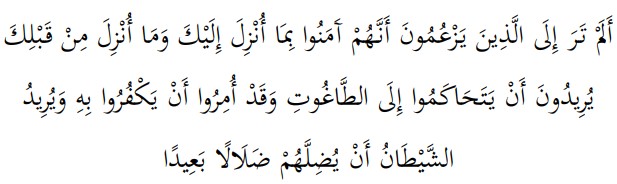
کیا آپ نے ان لوگوں کو نہیں دیکھا جنہوں نے دعویٰ کیا کہ وہ اس پر ایمان لائے جو آپ ﷺ پر نازل کیا گیا ہے، [اے محمد ﷺ] اور جو آپ ﷺ سے پہلے نازل کیا گیا تھا؟ وہ چاہتے ہیں کہ حکم (تشریع) طاغوت کی طرف لوٹائیں، حالانکہ انہیں اس کا انکار کرنے کا حکم دیا گیا تھا؛ اور شیطان چاہتا ہے کہ وہ انہیں بہت دور بھٹکا دے (سورۃ النساء 60)۔
Have you not seen those who claim to have believed in what was revealed to you, [O Muhammad], and what was revealed before you? They wish to refer legislation to Taghoot, while they were commanded to reject it; and Satan wishes to lead them far astray (An-Nisaa 60).
چنانچہ عقل یا انسان کے پاس اب کوئی فیصلہ کرنے کا اختیار باقی نہیں رہا، اور اس کا یہ مطلب ہرگز نہیں کہ عقل کا کردار ختم کر دیا گیا ہے یا اس کی صلاحیتوں پر کوئی پابندی لگا دی گئی ہے۔ بلکہ اس کی وجہ یہ ہے کہ عقل اور انسان کے پاس فیصلہ کرنے یا حکم لگانے کے لیے ضروری اوزار موجود نہیں ہیں۔ اس کی وجہ یہ ہے کہ حکم کا ماخذ وہ چیز بذاتِ خود یا وہ موضوع نہیں ہے جس پر حکم لگایا جانا ہے۔
As such there is no judgement left to the mind or the human and this does not mean that the role of the mind has been taken away or that a limitation has been placed upon its capabilities. It is rather because the mind and the human do not possess the necessary tools to make judgement or pass a ruling. This is because the source of the ruling is not the thing itself or the subject that the ruling will be made upon.
چنانچہ جنہوں نے، مثال کے طور پر، حکم کا اختیار لوگوں کے سپرد کر دیا ہے، انہوں نے اس کی بنیاد دلیل پر نہیں رکھی بلکہ وہ بھٹک گئے ہیں اور گمراہ ہو گئے ہیں۔ وہ ایک ایسے تصور کو لے کر چلے ہیں جو سچا نہیں ہے اور جس کی کوئی حقیقت نہیں ہے، جبکہ ساتھ ہی انہوں نے دین کو زندگی سے الگ کر کے حق کا انکار کیا ہے، جس کا مطلب یہ ہے کہ اللہ کا کوئی حکم نہیں ہے۔
So those who have allocated the provision of the ruling to the people, for example, have not based this upon evidence and have rather wandered and gone astray. They have carried a concept which is not truthful and has no reality to it, whilst at the same time they have denied the truth by separating the Deen from life which means that there is no Hukm belonging to Allah.
اگر فیصلے اور احکام جاری کرنے کا حق اور اختیار انسان کو دے دیا جائے جبکہ اس کے پاس اس کے لیے ضروری صلاحیتیں موجود نہ ہوں، تو اس کے نقطہ نظر کے مطابق اس کی خواہشات، جھکاؤ اور مفادات کے سوا کچھ بھی غالب نہ رہے گا۔ یہ چیزیں بدلتی اور بدلتی رہیں گی، اور وہ کسی نقصان دہ چیز کو فائدہ مند سمجھ سکتا ہے اور کسی بیماری کو دوا اور علاج سمجھ سکتا ہے۔
If the right and power of issuing judgements and rulings was given to the human whilst he does not possess the necessary tools to do that, then nothing would prevail apart from his desires, inclinations and interests according to his viewpoint. These would be changing and fluctuate and he could see something that is damaging as being beneficial and he could see a disease as a medicine and cure.
اس سیاق و سباق میں اللہ، نبوت اور قرآن پر ایمان کی اہمیت نمایاں ہو کر سامنے آتی ہے۔ یہ ایمان وہ عقیدہ ہے جو رویے پر اثر انداز ہوتا ہے کیونکہ یہ انسان کو زندگی کے بارے میں وہ تصورات فراہم کرتا ہے جو اس کے لیے یہ متعین کرتے ہیں کہ اسے کیسا جینا چاہیے، زندگی میں اس کا مقصد کیا ہے اور اس کے طرزِ عمل اور کردار کے پیچھے اس کا مقصد کیا ہے، اور وہ مقصد اللہ عزوجل کی رضا حاصل کرنا ہے۔
In this context the importance of Imaan in Allah, the Prophethood and the Qur’aan comes to the fore. This Imaan is the Aqeedah that has an effect upon the behaviour as it provides the human with the concepts about life which define for him how he should live, his purpose in the life and his purpose behind his behaviour and conduct, which is to attain the pleasure of Allah ‘Azza Wa Jalla.

کہہ دیجیے: کیا ہم تمہیں ان لوگوں کے بارے میں بتا دیں جو اعمال کے اعتبار سے سب سے بڑے خسارہ پانے والے ہیں؟ وہ لوگ جن کی کوششیں دنیاوی زندگی میں ضائع ہو گئیں، حالانکہ وہ یہ سمجھ رہے تھے کہ وہ نیک کام کر رہے ہیں [سورۃ الکہف 103-104]۔
Say: Shall We inform you of the greatest losers in respect to (their) deeds? [They are] those whose effort is lost in worldly life, whilst they were thinking that they are doing good (Al-Kahf 103-104).
جی ہاں، افراد بھی گمراہ ہو جاتے ہیں اور قومیں بھی اسی طرح گمراہ ہو جاتی ہیں جیسے سمندر میں کوئی مچھلی چارہ نگل لے یا کوئی چوہا چوہے دان میں رکھے ہوئے کھانے کی طرف لپکے۔
Yes the individuals are led astray and the peoples are led astray just like a fish in the ocean when it takes the bait or the mouse that rushes to the food placed in a mouse trap.
انسان اس وقت ادھر ادھر بھٹکتا رہتا ہے اور اپنے مقصد تک نہیں پہنچ پاتا جب وہ ایسے راستے پر چل پڑتا ہے جس کے بارے میں اسے یقین ہو کہ وہ اسے منزل تک لے جائے گا، جبکہ حقیقت میں وہ بالکل الٹی سمت میں جا رہا ہوتا ہے۔
The human wanders around and does not arrive at his aim when he proceeds along a path that he is convinced will lead to it whilst in reality he is actually going in the exact opposite direction.
وہ اس وقت بھی گمراہ ہو جاتا ہے جب وہ جہالت یا تحریف کے نتیجے میں زندگی کے بارے میں غلط تصورات کا حامل ہوتا ہے، جیسے وہ شخص جو سود کو حلال دیکھتا ہے یا اسے دکھایا جاتا ہے، یا وہ جو سمجھتا ہے کہ جمہوریت اسلام میں سے ہے، اور یہ کہ شریعت سیکھنا کسی بھی دوسرے شعبہ مہارت یا پیشے کی طرح محض روزی کمانے کے لیے ہے۔ جب اسلام کے حقائق غائب ہو جاتے ہیں اور ذہن عام آزادیوں جیسے غلط خیالات سے بھر جاتے ہیں، یا یہ کہ موجودہ نسل یا سو سالوں میں گرتی ہوئی صورتحال کو بدلنا ناممکن ہے، یا یہ کہ یہ تبدیلی اللہ کی طرف سے ایک عطیہ ہے اور ہمیں انتظار کرنے یا مہدی کا انتظار کرنے کے علاوہ کچھ نہیں کرنا، تو یہ سب کچھ افراد، قوموں یا امت کو سست لوگوں کے ایک ایسے مجموعے میں تبدیل کر دیتا ہے جو سستی کے ساتھ اسی سمت میں چل رہے ہوتے ہیں جس طرف ان تصورات کو دینے والے انہیں لے جانا چاہتے ہیں، اور یہ انہیں ان کے دشمنوں کے آلات بننے کی طرف لے جاتا ہے جبکہ وہ یہ سمجھتے ہیں کہ وہ درحقیقت ان کے خلاف جدوجہد کر رہے ہیں۔
He is also led astray when he carries incorrect concepts about life as a result of ignorance or distortion like the one who sees or is made to see that Ribaa is Halaal, that democracy is from Islaam and that learning the Sharee’ah is for the sake of earning a living just like any other area of specialisation or profession. When the Haqaa’iq (truths/facts) of Islaam become absent and the minds are filled with false thoughts like the thoughts of general freedoms or that changing the declined reality is impossible in our current generation or one hundred years, or that this change is a gift from Allah and that there is nothing for us to do apart from wait or to wait for the Mahdi. All of this transforms the individuals, peoples or the Ummah into a collection of lazy people sluggishly being driven in whatever direction those who have given them these concepts want them to and it leads them into becoming tools for their enemies whilst they believe that they are actually struggling against them.

اس کی مثال اس شخص کی طرح ہے جو دور سے پانی کی طرف اپنے ہاتھ پھیلاتا ہے تاکہ وہ اس کے منہ تک پہنچ جائے، مگر وہ اس تک نہیں پہنچ پاتا (سورۃ الرعد 14)۔
Like the one who stretches his hands toward water [from afar, calling it] to reach his mouth, but it does not reach it (Ar-Ra’d 14).

ان کی مثال اس شخص کی طرح ہے جس نے آگ جلائی، پھر جب اس نے اس کے گرد و نواح کو روشن کر دیا تو اللہ نے ان کا نور چھین لیا اور انہیں اندھیروں میں چھوڑ دیا کہ وہ دیکھ نہ سکیں (سورۃ البقرہ 17)۔
Their example is that of one who kindled a fire, but when it illuminated what was around him, Allah took away their light and left them in darkness [so] they could not see (Al-Baqarah 17).
لہٰذا، ہم اس بات کو دہراتے ہیں کہ رویے کو تبدیل کرنے، اسے درست کرنے اور اسے ایک ایسا صحیح اور بلند مرتبہ کا عمل بنانے کے لیے جو اپنے مقصد تک پہنچ جائے، چیزوں اور زندگی کے بارے میں صحیح تصورات پیدا کرنا ضروری ہے۔ اس وقت انسان چیزوں اور ان کی صفات کو کامیابی سے مسخر کرنے اور ان سے فائدہ اٹھانے کی بہتر پوزیشن میں ہوگا، اور وہ اس طرزِ عمل کو اپنانے کی بہتر پوزیشن میں ہوگا جو اسے اس کے مقصد اور تمام مقاصد میں سب سے عظیم مقصد یعنی اللہ عزوجل کی رضا کے حصول تک پہنچا دے۔
Therefore, we repeat, that in order to change the conduct, rectify it and make it a correct elevated conduct that arrives at its purpose, it is essential to generate correct concepts about things and life. At that time the person will be in a good position to subjugate and utilise the things and their attributes successfully and will be in a good position to adopt the conduct that arrives to his purpose and the greatest of all objectives which is the attainment of the pleasure of Allah ‘Azza Wa Jall:

لیکن اس چیز کے ذریعے جس کے ذریعے اللہ نے تمہیں عطا کیا ہے، آخرت کا گھر تلاش کرو، اور اپنی دنیاوی حصہ کو بھی نہ بھولو۔ اور بھلائی کرو جیسا کہ اللہ نے تمہارے ساتھ بھلائی کی ہے (سورۃ القصص 77)۔
But seek, through that which Allah has given you, the home of the Hereafter; and [yet], do not forget your share of the world. And do good as Allah has done good to you (Al-Qasas 77).
حقائق میں سے پہلی اور بلا شبہ سب سے اہم ترین حقیقت وہ عقیدہ ہے جو زندگی کے بارے میں انسان کے تصورات کی وضاحت کرتا ہے۔ وہ عقیدہ یہ ہے کہ تمام چیزیں ایک خالق نے پیدا کی ہیں جو کہ اللہ (سبحانہ و تعالیٰ) ہے، اور اللہ نے ایک رسول بھیجا جو کہ محمد ﷺ ہیں اور آپ ﷺ اسلام کی رسالت لے کر آئے جو انسان سے متعلق ہر چیز کی وضاحت کرتی ہے، اور یہ کہ وہ (سبحانہ و تعالیٰ) اس کا محاسبہ ایمان یا کفر کی بنیاد پر، اور اس بات کی بنیاد پر کرے گا کہ اس نے اس چیز کی پابندی کی جو نبی ﷺ لے کر آئے یا اس کی عدم پابندی کی۔
The first of the Haqaa’iq (truths) and absolutely its most important is the Aqeedah that defines the human’s concepts about life. The Aqeedah is that all things have been created by a creator who is Allah (swt), that Allah sent a Messenger who is Muhammad (saw) with the Risaalah (message) of Al-Islaam which explains everything that relates to the human being and that He (swt) will account him upon the basis of Imaan or Kufr and upon the basis of his abiding by what the Nabi (saw) came with or by his non-abidance to it.
مسلمان کا مقصدِ حیات:
The Muslim’s purpose in life:
ایمان کے بعد اہم ترین حقائق میں سے ایک یہ ہے کہ انسان اپنی تخلیق کے مقصد کو سمجھ لے، یعنی وہ مقصد جسے حاصل کرنے کے لیے اسے کوشش کرنی چاہیے۔
From amongst the most important Haqaa’iq (truths) after Imaan is that the human understands the purpose of his creation i.e. that which he must strive to accomplish.
اللہ (سبحانہ و تعالیٰ) نے فرمایا:
Allah (swt) said:
اور میں نے جنوں اور انسانوں کو صرف اپنی عبادت کے لیے پیدا کیا ہے (سورۃ الذاریات 56)۔
And I have not created the Jinn or humankind except to worship me (AdDhaariyaat 56).
اللہ تعالیٰ کی عبادت کا مطلب اس پر ایمان رکھنا اور اس کی اطاعت کرنا ہے۔ اللہ تعالیٰ کی اطاعت سے مراد اس کے تمام احکام کی پابندی اور التزام ہے۔ یہ صرف عبادت کے افعال، اخلاق اور معاملات تک محدود نہیں ہے بلکہ اس میں وہ سب کچھ شامل ہے جس کا اللہ (سبحانہ و تعالیٰ) نے حکم دیا ہے۔
The worship (‘Ibaadah) to Allah means having Imaan in Him and obedience to Him. Obedience to Him Ta’Aalaa means commitment and abidance (Al-Iltizaam) to all of His Ahkaam. This is not restricted to the acts of ‘Ibaadah, Akhlaaq (morals) and Mu’aamalaat (societal transactions) but rather includes everything that Allah (swt)
حکم دیا ہے یا منع کیا ہے۔ اس میں یہ شامل ہے کہ اللہ (سبحانہ و تعالیٰ) کے سوا کسی اور کی عبادت کے لائق نہیں اور نہ ہی کوئی حکم یا ممانعت اس کے سوا کسی اور کی طرف سے آ سکتی ہے۔
has commanded or forbidden. It includes that nothing has a right to be worshipped other than Allah and that no command or forbiddance can come from anyone besides Him (swt).
احمد اور ترمذی نے روایت کیا ہے کہ عدی بن حاتم (رضی اللہ عنہ) اللہ کے رسول ﷺ کے پاس آئے جبکہ آپ ﷺ اس آیت کی تلاوت فرما رہے تھے:
Ahmad and At-Tirmidhi related that ‘Adiy Bin Haatim (ra) came to the Messenger of Allah (saw) whilst he was reciting the Aayah:
انہوں نے اللہ کے سوا اپنے رباین اور راہبوں کو رب بنا لیا ہے، اور مریم کے بیٹے مسیح کو بھی، حالانکہ انہیں صرف ایک ہی معبود کی عبادت کا حکم دیا گیا تھا، اس کے سوا کوئی معبود نہیں، وہ بلند و برتر ہے ان چیزوں سے جنہیں وہ اس کے ساتھ شریک ٹھہراتے ہیں۔ [سورۃ التوبہ 31]
They have taken their Rabbis and monks as lords besides Allah, and [also] the Maseeh, the son of Mary. And they were not commanded except to worship one God; there is no deity except Him. Exalted is He above whatever they associate with Him (At-Taubah 31).
عدیؓ نے کہا: "انہوں نے ان کی عبادت نہیں کی تھی۔" چنانچہ رسول اللہ ﷺ نے فرمایا:
‘Adiy then said: ‘They did not worship them’. So the Messenger of Allah (saw) said:
اس کے برعکس، انہوں نے حلال کو اپنے لیے حرام اور حرام کو اپنے لیے حلال بنا لیا، پھر انہوں نے ان کی پیروی کی (اس معاملے میں)۔ چنانچہ یہی ان کی ان کے لیے عبادت تھی۔
On the contrary, they made the Halaal Haraam upon them and made the Haraam Halaal for them, then they followed them (in this). Therefore this was their worship to them.
اس طرح کسی کو حلال اور حرام کا فیصلہ کرنے کا حق، یا قانون سازی کا حق اور اطاعت کا حق دینا، اس شخص کی عبادت کے مترادف ہے۔
As such giving the Haqq (right) to anyone to decide the Halaal and decide the Haraam or the right to make legislation and the right of obedience represents ‘Ibaadah to that person.
اللہ (سبحانہ و تعالیٰ) نے فرمایا:
Allah (swt) said:
تم اس کے سوا کسی کی عبادت نہیں کرتے سوائے ان ناموں کے جو تم نے اور تمہارے باپ دادا نے رکھ لیے ہیں، اللہ نے ان کے لیے کوئی دلیل نازل نہیں کی۔
You worship nothing besides Him except [mere] names you have named them with, you and your fathers, for which Allah has sent down no authority.
حکم دینا تو صرف اللہ ہی کے لیے ہے۔ اس نے حکم دیا ہے کہ تم اس کے سوا کسی کی عبادت نہ کرو۔ یہی صحیح دین ہے، لیکن اکثر لوگ نہیں جانتے (سورۃ یوسف 40)۔
Legislation is not but for Allah. He has commanded that you worship not except Him. That is the correct Deen, but most of the people do not know (Yusuf 40).
جہاں تک حاکم، امیر یا والدین کے حقِ اطاعت کا تعلق ہے، تو یہ اس حق کی وجہ سے ہے جو اللہ (سبحانہ و تعالیٰ) نے...
As for the right of obedience that belongs to the Hakim (ruler), Ameer or parents then this is due to the Haqq (right) that Allah (swt)
جو انہیں عطا فرمایا ہے۔
has provided to them.
اللہ (سبحانہ و تعالیٰ) کی عبادت میں اس بات کی اطاعت شامل ہے کہ انسانوں کو اس کی عبادت کرنے کا حکم دیا جائے، یعنی انہیں اللہ کی شریعت کے تابع کیا جائے اور اللہ کے سوا کسی اور کے لیے یا اسلام کی شریعت کے سوا کسی اور کے لیے کسی بھی حاکمیت کے وجود کے خلاف جنگ کی جائے، نیز اللہ (سبحانہ و تعالیٰ) کے حکم سے خروج کے خلاف بھی جنگ کی جائے۔ نصوص نے اسی طرف اشارہ کیا ہے اور یہی وہ مفہوم ہے جس کے ساتھ وہ آئی ہیں؛ وہ نصوص جو امر بالمعروف (نیکی کا حکم دینے) اور نہی عن المنکر (برائی سے روکنے) کا حکم دیتی ہیں۔ انہوں نے مباحثہ کرنے، وضاحت کرنے، لوگوں کو قائل کرنے اور دعوت کے ذریعے انہیں بلانے کا حکم دیا ہے۔ مزید برآں، انہوں نے کوڑے مارنے، ہاتھ کاٹنے، (سزاؤں اور عبرت کے طور پر) قتل کرنے اور زمین پر اللہ کے حکم کو پھیلانے اور اس کے کلمے کو بلند ترین مقام پر پہنچانے کے لیے لڑنے اور جہاد کرنے کا حکم دیا ہے۔
‘Ibaadah to Allah (swt) includes the obedience in respect to making mankind worship Him (swt) i.e. to make them submit to the Shar’a of Allah and to fight against the existence of any Haakimiyah (right to make rules) to other than Allah or to other than the Sharee’ah of Islaam in addition to fighting against the exiting (Khurooj) from the Hukm (rule) of Allah (swt). This is what the texts have indicated and the meaning that they have come with; those which have come commanding the ‘Amr Bil Ma’rouf’ (Commanding the good) and the ‘Nahi ‘An il-Munkar’ (Forbidding the evil). They have commanded the undertaking of discussions, explanations, convincing people and inviting them by way of Da’wah. Additionally they have commanded lashing, cutting, killing (as punishments and deterrents) and fighting and Al-Jihaad to spread the rule of Allah upon the Earth and to raise His word the highest.
چنانچہ ہم نے دیکھا کہ جب رسول اللہ ﷺ نے المدینہ المنورہ میں اسلامی ریاست قائم کر دی اور اس کے ارکان کو مضبوطی سے استوار کر دیا، تو آپ ﷺ نے بادشاہوں اور حکمرانوں کے پاس پیغام رساں بھیجے تاکہ انہیں اسلام کی دعوت دیں۔ پھر ہم نے ان کے بعد آنے والے خلفاء (رضی اللہ عنہم) کو دیکھا جنہوں نے دعوت کے علمبرداروں، مجاہدین اور لشکروں کو اس مقصد کے لیے بھیجا کہ لوگوں کو ایمان کی طرف بلائیں اور انہیں تاریکیوں سے نکال کر روشنی کی طرف لے آئیں۔ انہوں نے زمینوں اور بندوں کو اسلام کی حاکمیت کے تابع کرنے کے مقصد کے لیے جنگ کی۔
As such we saw that after the Messenger of Allah (saw) established the Islamic State in Al-Madinah Al-Munawaarah and established its pillars firmly, he (saw) sent the messengers to the Kings and rulers inviting them to Islaam. We then saw the Khulafaa’ (rah) who came after him (saw) sending out carriers of the Da’wah, Mujaahideen and armies to invite the people to Imaan and to take them out of the darkness and bring them into the light. They fought for the purpose of making the lands and servants submit to the authority of Islaam.
اللہ عزوجل نے ہمیں اس لیے بھیجا ہے تاکہ وہ آپ کو بندوں کی عبادت سے نکال کر بندوں کے رب کی عبادت کی طرف لائے، اور آپ کو دیگر ادیان کے ظلم سے نکال کر اسلام کے عدل کی طرف لائے، اور آپ کو دنیا کی تنگی سے نکال کر دنیا اور آخرت کی وسعت کی طرف لائے۔
Allah Azza wa Jall has sent us to deliver you from the worship of the servants (people) to bring you to the worship of the Lord of the servants (people) and to deliver you from the oppression of other Deens and bring you to the justice of Islaam and from the narrowness of this world and bring you to the vastness of this world and the hereafter.
اس خیال کو قرآن، سنت اور رسول اللہ ﷺ کے اعمال میں ان متواتر نصوص کے ذریعے بہت واضح کر دیا گیا ہے جن کی کوئی حد مقرر نہیں کی جا سکتی۔ تاہم، ہم ان میں سے بعض کا ذکر کریں گے:
This thought has been made very clear in the Qur’aan, the Sunnah and the actions of the Messenger (saw) within texts that are too numerous for a limit to be placed upon them. We will however make a mention of some of them:
اللہ (سبحانہ و تعالیٰ) نے فرمایا:
Allah (swt) said:
کہو: اے لوگو! یقیناً میں تم سب کے لیے اللہ کا رسول ﷺ ہوں (سورۃ الاعراف 158)۔
Say: O people! Verily I am the Messenger of Allah to you all (Al-Aa’raaf 158).
اس نے (سبحانہ و تعالیٰ) فرمایا:
He (swt) said:
اور ہم نے آپ ﷺ کو تمام جہانوں کے لیے خوشخبری سنانے والا اور ڈرانے والا بنا کر ہی بھیجا ہے (سورۃ Saba 28)۔
And we have not sent you except to the entirety of mankind as a bringer of glad tidings and as a warner (Saba’ 28).
اور اس (سبحانہ و تعالیٰ) نے فرمایا:
And He (swt) said:
وہی ہے جس نے اپنے رسول کو ہدایت اور دینِ حق کے ساتھ بھیجا تاکہ وہ تمام ادیان پر غالب کر دے، خواہ مشرکین کو اس سے کتنی ہی ناپسندیدگی کیوں نہ ہو (سورۃ التوبہ 33، سورۃ الصف 9)۔
He its is who has sent His Messenger with the guidance and the Deen of truth so that it prevails over all other Deens and even if the Mushrikeen hate it (AtTaubah 33, As-Saff 9).
اور:
And:
اے ایمان والو! اپنے پڑوسی کافروں سے لڑو اور انہیں اپنے اندر سختی محسوس ہونے دو، اور جان لو کہ اللہ نیک لوگوں کے ساتھ ہے۔ [سورۃ التوبہ 123]
O you who have believed, fight those adjacent to you of the disbelievers and let them find in you harshness. And know that Allah is with the righteous (AtTaubah 123).
اور ان لوگوں سے لڑو جو اللہ اور قیامت کے دن پر ایمان نہیں رکھتے اور نہ ہی اس چیز کو حرام سمجھتے ہیں جسے اللہ اور اس کے رسول ﷺ نے حرام قرار دیا ہے، اور نہ ہی وہ اہل کتاب میں سے حق کے دین کو اپناتے ہیں— یہاں تک کہ وہ خوشی سے جزیہ ادا کریں اور وہ ذلیل و خوار ہوں [سورۃ التوبہ 29]۔
And: Fight those who do not believe in Allah or in the Last Day and who do not consider unlawful what Allah and His Messenger have made unlawful and who do not adopt the religion of truth from those who were given the Scripture - [fight] until they give the Jizyah willingly while they are subdued (At-Taubah 29).
اور اللہ کے رسول ﷺ نے فرمایا:
And the Messenger of Allah (sw) said:
چنانچہ مقصد اور غرض یہ ہے کہ کوئی بھی ایسا قانون جس کی اطاعت کی جائے یا کوئی ایسی قانون سازی جسے اپنایا جائے، اس کے سوا وجود نہیں رکھ سکتی جسے اللہ (سبحانہ و تعالیٰ) نے...
So the objective and purpose is that no law that is obeyed or no legislation that is adopted can exist except for that which Allah (swt)
حکم دیا ہے اور اس کے سوا کوئی حاکم (قانون ساز) نہیں سوائے اللہ کے۔ جہاں تک کافروں کو ان کے عقائد اور عبادات پر چھوڑنے کا تعلق ہے، تو انہیں ان معاملات میں اللہ (سبحانہ و تعالیٰ) کے حکم کے مطابق اور اس کی تعمیل میں چھوڑ دیا گیا ہے۔
has commanded and that there is no Haakim (law maker) other than Allah. As far as leaving the disbelievers upon their beliefs and worships then they are left upon these matters in accordance to and in compliance to the command of Allah (swt).
اللہ (سبحانہ و تعالیٰ) نے اپنی مخلوق کی تخلیق کے حوالے سے اس مقصد اور غرض کو واضح اور بیان فرما دیا ہے جب اس (سبحانہ و تعالیٰ) نے فرمایا:
Allah (swt) has made clear and explained this objective and purpose in respect to His creation of the people when He (swt) said:
اور اس طرح ہم نے تمہیں ایک بہترین امت بنایا ہے تاکہ تم لوگوں پر گواہ بنو اور رسول ﷺ تمہ پر گواہ ہوں [سورۃ البقرہ 143]۔
And thus we have made you a just/best Ummah so that you will be witnesses over mankind and the Messenger will be a witness over you (Al-Baqarah 143).
یہ خطاب اسلامی امت کے نام ہے اور اسے اس قانونی ذمہ داری (تکلیف) کا سپرد کرتا ہے کہ وہ رسول اللہ ﷺ کے بعد، پوری انسانیت تک پیغام پہنچائے۔ اور بے شک نبی ﷺ نے اسے پہنچایا اور پیغام کی تبلیغ کے بعد، اپنی امانت پوری کرنے کے بعد اور اللہ کی خاطر اپنی تمام تر طاقت، کوشش اور قابلیت کے ساتھ جہاد کرنے کے بعد، آپ ﷺ حجۃ الوداع کے موقع پر کھڑے ہوئے، اپنی امت سے خطاب فرمایا اور کہا:
This address is to the Islamic Ummah and it entrusts her with the legal responsibility (Takleef) to carry the Message, after the Messenger of Allah (saw), to the whole of mankind. And indeed the Nabi (saw) carried it and after conveying the message, fulfilling his Amaanah and after having performed Al-Jihaad for Allah’s sake with all that he possessed of strength, effort and capability. He (saw) stood in the final farewell Hajj, addressed his Ummah and said:
Reference: تغییر (تبدیلی) - Mahmoud Abdul-Kareem Hasan
’اور بے شک میں نے تمہارے درمیان ایسی چیز چھوڑ دی ہے کہ اگر تم اسے مضبوطی سے تھامے رکھو گے تو کبھی گمراہ نہیں ہو گے: اللہ کی کتاب، اور تم میرے (یعنی میرے بعد) ذمہ دار ہو۔ تو تم سب کیا کہتے ہو؟‘ انہوں نے کہا: ’ہم گواہی دیتے ہیں کہ آپ نے پہنچا دیا، پورا کیا اور نصیحت کی۔‘ پھر انہوں نے آسمان کی طرف اور پھر لوگوں کی طرف اپنی شہادت کی انگلی اٹھاتے ہوئے فرمایا: ’اے اللہ گواہ رہنا، اے اللہ گواہ رہنا، اے اللہ گواہ رہنا‘ [ابوداؤد]۔
‘And indeed I have left amongst you that which if you hold on firmly to you will never go astray: The Kitaab (book) of Allah, and you are responsible from me (i.e. after me). So what do you all say?’. They said: ‘We bear witness that you have conveyed, fulfilled and advised’. He then said whist raising his index finger to the sky and then towards the people: ‘O Allah bear witness, O Allah bear witness, O Allah bear witness’ (Abu Daawood).
اس طرح نبی ﷺ نے امانت پہنچانے اور اسے اٹھانے کی ذمہ داری کے ساتھ ہم پر گواہی دی اور اس سلسلے میں اللہ سے ہمارے بارے میں گواہی طلب کی۔ چنانچہ، اس کے بعد ہم پر لوگوں پر اسی طریقے کے عین مطابق گواہی دینا واجب ہے جس طریقے پر رسول اللہ ﷺ نے عمل فرمایا۔ بے شک اللہ سبحانہ و تعالیٰ نے آدم علیہ السلام کی تخلیق سے پہلے ہی یہ واضح فرما دیا تھا کہ یہی تخلیق کا مقصد اور غرض ہے۔
So in this way the Nabi (saw) bore witness over us with the responsibility of conveying and carrying the Amaanah (trust) and sought Allah’s witness upon us in regards to that. Therefore, after that it is obligatory upon us to be witnesses over the people in accordance to exactly the same methodology that the Noble Messenger (saw) undertook. Indeed Allah (swt) made clear that this is the purpose and objective of the creation before His creation of Aadam (as).
اللہ (سبحانہ و تعالیٰ) نے فرمایا:
Allah (swt) said:
اور [یاد کریں] جب آپ کے رب نے فرشتوں سے کہا، "بے شک میں زمین میں ایک خلیفہ بنانے والا ہوں۔" انہوں نے کہا، "کیا تو اس میں کسی ایسے کو بنائے گا جو اس میں فساد پھیلائے اور خونریزی کرے، جبکہ ہم تیری حمد بیان کرتے ہیں اور تیری پاکی بیان کرتے ہیں؟" اللہ نے فرمایا، "بے شک میں وہ جانتا ہوں جو تم نہیں جانتے۔" (سورۃ البقرہ 30)
And [remember] when your Lord said to the angels, "Verily, I will make upon the earth a successive authority." They said, "Will You place upon it one who causes corruption therein and sheds blood, while we declare Your praise and sanctify You?" Allah said, "Indeed, I know that which you do not know." (AlBaqarah 30).
ملائکہ (فرشتے) اللہ (سبحانہ و تعالیٰ) کے بندے ہیں اور اس کی نافرمانی نہیں کرتے:
The Malaa’ikah (Angels) are the servants of Allah (swt) and do not disobey Him:
جن پر سخت اور غضبناک فرشتے مقرر ہیں؛ وہ اللہ کے حکم کی نافرمانی نہیں کرتے بلکہ وہی کرتے ہیں جس کا انہیں حکم دیا جاتا ہے (سورۃ التحریم 6)۔
Over which are [appointed] angels, harsh and severe; they do not disobey Allah in what He commands them but do what they are commanded (At-Tahreem 6).
جب اللہ (سبحانہ و تعالیٰ) نے ان سے فرمایا:
When Allah (swt) said to them:
بے شک، میں زمین میں ایک خلیفہ بنانے والا ہوں۔
Verily, I will make upon the earth a successive authority (Khalifah)
انہوں نے یہ بات جان لی اور سمجھ لی کہ وہ (سبحانہ و تعالیٰ) زمین پر ایسے لوگوں کو پیدا فرمائے گا جو نافرمانی کریں گے۔ یہ بات لفظ 'خلیفہ' سے سمجھ میں آتی ہے کیونکہ یہاں اس سیاق و سباق میں اس کا مطلب وہ ہے جسے اللہ تعالیٰ جانشینی عطا فرمائے گا اور دیگر امور کے ساتھ ساتھ اصلاح اور دیکھ بھال کے کام انجام دینے کے لیے تفویضِ اختیار کرے گا جیسا کہ ایک امانت دار کرتا ہے۔ اصلاح اور معاملات کی دیکھ بھال کے اس کردار کا مطلب یہ ہے کہ وہاں ایسے لوگ موجود ہوں گے جن کی اصلاح کی ضرورت ہوگی اور جنہیں رعایت (دیکھ بھال) کی ضرورت ہوگی۔ اس کا مطلب یہ ہے کہ وہاں ایسے لوگ ہوں گے جو اللہ کے حکم سے باہر نکل جائیں گے اور اس سے بدبختی، تکلیف اور انتشار پیدا ہوگا۔ اسی لیے انہوں نے کہا:
They realised and comprehended that He (swt) will make upon the earth those who will be disobedient. This is understood from the wording ‘Khalifah’ because here in this context it means the one who Allah will give succession and delegate to undertake the acts of correcting and caretaking amongst other matters that the one who is entrusted would undertake. This role or rectifying and taking care of affairs means that their will exist those who need to be rectified and who are need of Ri’aayah (caretaking). This means that there will be those who go outside of the command of Allah and that this will lead to misery, anguish and disorder. This is why they said:
انہوں نے کہا: کیا تو اس میں فساد پھیلانے والے اور خونریزی کرنے والے پیدا کرے گا؟ {سورۃ البقرہ: 30}
They said: Will you make those who will make corruption in it (the earth) and spill blood (Al-Baqarah 30).
دوسرے لفظوں میں، اگر تخلیق میں کوئی ایسی چیز شامل نہ ہوتی جو نافرمانی کرے، تو ہر چیز اللہ (سبحانہ و تعالیٰ) کے حکم کے مطابق چلتی۔ چنانچہ جب اللہ (سبحانہ و تعالیٰ) نے کسی ایسے شخص کو پیدا کرنے کا ارادہ کیا جو اصلاح اور ہدایت کے کام انجام دے، تو اس کا مطلب یہ ہے کہ ایسے لوگ بھی موجود ہوں گے جو گمراہی اور اللہ کی نافرمانی کا راستہ چنیں گے۔
In other words, if the creation did not include something that would be disobedient then everything would proceed in accordance to the command of Allah (swt). So when Allah (swt) wanted to create someone who will undertake the actions of rectifying and guidance then this means that there will exist those who will choose misguidance and disobedience to Allah.
لہٰذا زندگی کا وہ مقصد جسے اللہ (سبحانہ و تعالیٰ) نے آدم علیہ السلام کی تخلیق سے پہلے واضح اور بیان فرما دیا تھا، وہ یہ ہے کہ ایک ایسا انسان ہوگا جو اللہ کا بندہ ہوگا اور وہ ان لوگوں کو اللہ (سبحانہ و تعالیٰ) کی عبادت کی طرف لانے کا کام سنبھالے گا جو اس کی عبادت سے بھٹک گئے ہیں یا اسے جھٹلا چکے ہیں۔
Therefore the purpose in life which Allah (swt) has made clear and explained before the creation of Aadam (as) is that there will be a human being who is a slave (‘Abd) to Allah and that he will undertake the work of making others worship Allah (swt) from those who have gone astray from His worship or have rejected it.
لہٰذا زندگی ایمان اور کفر کے درمیان ایک فکری، عقیدے پر مبنی اور سیاسی ٹکراؤ اور جدوجہد ہے۔ یہ عقیدے کے لحاظ سے اس لیے ہے کہ اس کا مقصد اللہ کے کلمے کو بلند کرنا ہے تاکہ لوگوں کا دین صرف اور صرف اللہ کے لیے ہو۔ تاکہ کوئی ایسا حکم موجود نہ ہو مگر وہ اللہ ہی کے لیے ہو، کہ اس (سبحانہ و تعالیٰ) کا کوئی شریک نہیں، کہ اللہ کے سوا کسی کی یا کسی چیز کی عبادت نہ کی جائے اور کہ اطاعت صرف اللہ کی شریعت کے لیے ہو۔ اس طرح یہ ایک ایسی سیاسی جدوجہد کی نمائندگی کرتا ہے جہاں انسانوں کے معاملات کی دیکھ بھال کو اس طرح واجب قرار دیا گیا ہے کہ اسے اسلام کی شریعت کے علاوہ کسی اور قسم کی قانون سازی کے سپرد نہ کیا جائے۔
The life is therefore an intellectual, belief based and political clash and struggle between Imaan and Kufr. It is belief based in terms of it being for the sake of raising the word of Allah the highest and so that the Deen of the people is all and only for Allah. So that no Hukm exists except that it is for Allah, that He (swt) has no Shareek (partner), that nothing or no one is worshiped aside from Allah and that submission is only to the Shar’a of Allah. In this way it represents a political struggle where the caretaking of the affairs of human beings has been made obligatory to not be entrusted to any form of legislation other than the Sharee’ah of Al-Islaam.