这是一个翻译任务,我只翻译您提供的文本。请提供需要翻译的英文内容。
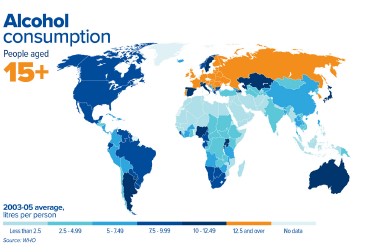
Has history ever known anyone else with the ability to tame the beast of alcoholism once it has been unleased upon a nation?
为什么穆斯林能够如此轻易地戒除饮酒?先知ﷺ在其一生之中就实现了这一点,而他所面对的民众,其荣誉与收入都与葡萄酒紧密相连。遵循神圣规划的渐进之道,先知ﷺ亲眼见证了他有条不紊的计划(见第4章)最终达成:当麦地那的穆斯林们倾倒出自家仅存的酒桶时,葡萄酒在麦地那的街道上流淌。157
还有谁曾能够废除那些根深蒂固的习俗——无限制的一夫多妻、只有男性才有继承权的法律、杀害女婴——更何况是在如此短暂的时间内?以今日印度为例,即便经过一个多世纪的严格执法,旨在打击杀害女婴的一切法律仍未能根除这一做法。158 在先知ﷺ时代之前或之后,是否有过另一个历史先例,使种族沙文主义在理论与实践上都如此急剧地衰落?他的许多同时代人,原本是狂热的阿拉伯至上主义者,后来却甘愿听从非阿拉伯人和前奴隶的领导。
Why were Muslims able to just give it up? The Prophet صلى الله عليه وسلم achieved that within his lifetime in a people whose glory and income was interlocked with wine. Following a divinely charted roadmap of gradualism, he صلى الله عليه وسلم was able to witness his methodical program (see Chapter 4) culminate in wine flowing in Madinah’s streets as its Muslims emptied what remained of their own wine barrels.157 Has anyone else ever been able to ban the age-old customs of unrestricted polygyny, male-only inheritance laws, and female infanticide—let alone in such a short span of time? All the laws in today’s India, for instance, designed to combat female infanticide have not eradicated the practice after more than a century of strict enforcement.158 Has there ever been another historical parallel before or after the Prophet’s صلى الله عليه وسلم era where ethnic chauvinism declined so dramatically in both theory and practice? Many of his contemporaries who were vehement Arab supremacists became people who conceded to the leadership of non-Arabs and former slaves.
Sālim,曾是Abū Ḥudhayfah的被释奴隶,因其精通诵读《古兰经》,故由他领导最年长的圣门弟子礼拜。哈里发‘Umar ibn al-Khaṭṭāb曾问道,麦加总督为何在离开期间,偏偏让另一位被释奴隶Ibn Abzā主持伊斯兰教的宗教中心。总督告诉‘Umar,此举是因为Ibn Abzā精通《古兰经》及其中关于遗产分配的律法。‘Umar对这一理由表示认可,并转述先知ﷺ确实说过:“安拉借这部《古兰经》提升一些人的地位,也借它降低另一些人的地位。”
Mulla ‘Alī al-Qārī(卒于1605年)评论这段圣训时说:这一现象可以从以下事实中看出:在我们的贤良先辈中,大多数学者都是被释奴隶,然而他们却是穆斯林民族无可争议的领袖,是慈悯的源泉;而那些出身王族却不是学者的人,则在他们的无知之境中被人遗忘。161
Sālim , the freed slave of Abū Ḥudhayfah, would lead the senior-most Companions of the Prophet صلى الله عليه وسلم in prayer due to his skill in reciting the Qur’an.159 The caliph ‘Umar ibn al-Khaṭṭāb once inquired why the Meccan governor had left Ibn Abzā , another freed slave, of all people to preside over the religious capital of Islam during his absence. He told ‘Umar that this choice was in light of Ibn Abzā’s mastery of the Qur’an and its laws on estate distribution. ‘Umar expressed his approval of this justification by reporting that the Prophet صلى الله عليه وسلم did in fact say, “Allah elevates people in rank by virtue of this Qur’an and demotes others because of it.”160 Mulla ‘Alī al-Qārī (d. 1605) commented on this hadith, saying, This phenomenon is observable in the fact that among our righteous predecessors, most of the scholars were freed slaves, and yet they were the undisputed leaders of the Muslim nation and its fountains of mercy while those with royal ancestry who weren’t scholarly were forgotten in their spheres of ignorance.161
这些被革新的规范有一个生动的例证,即记载详实的一次会面:‘Aṭā’ ibn Abī Rabāh(卒于732年)是麦加最杰出的早期法官之一,而苏莱曼·伊本·阿卜杜勒-马立克(卒于717年)则是倭马亚王朝的哈里发,统治着人类历史上迄今最大的帝国。‘Aṭā’是一名被释放的奴隶,他皮肤黝黑、双目失明、身有残疾,早年多年无家可归。然而,随着伊斯兰的兴起,社会流动的动态发生了如此深刻的变化,以至于在一代人之内,这些社会劣势都无法阻止他在声望上超过苏莱曼——而苏莱曼在政治与军事意义上,是当时在世的最有权势的人。苏莱曼前往麦加向他请教宗教问题,急于确认自己朝觐的仪式是否做得正确。这位虔诚的法官并没有正眼面对他作答,并声明自己不愿从统治者那里获得任何财富或地位。苏莱曼没有得到他习以为常的敬重与奉承,便转向自己的儿子们说:“我的儿子们,要努力不懈地追求圣学,因为我永远不会忘记,我在那个黑人奴隶面前所受的羞辱。”162
A telling account of these revolutionized norms is the well-documented encounter between ‘Aṭā’ ibn Abī Rabāh (d. 732), one of the foremost early judges of Mecca, and Sulaymān ibn ‘Abdil- Malik (d. 717), the Umayyad caliph who ruled over the largest empire known until that point in human history. ‘Aṭā’ was a freed slave who was black, blind, disabled, and had been homeless for many years of his early life. However, the dynamics of social mobility had undergone such significant changes with the advent of Islam that, within one generation, none of these social disadvantages could prevent him from enjoying prestige over Sulaymān who was, in the politico-military sense, the most powerful man alive at the time. When he approached ‘Aṭā’ in Mecca to consult him on religious matters, anxious to confirm that he was performing the Hajj rites correctly, the pious judged answered without ever facing him, to assert that he was not interested in being awarded any fortune or status from the ruler. Not finding the regard and flattery he was accustomed to receiving, Sulaymān turned to his children and said, “My sons, be relentless in your pursuit of sacred knowledge, for I will never forget our humiliation in front of that black slave.”162
以下是本段的这些成就,是真主赐予末代先知穆罕默德ﷺ的独特成功。公正的历史读者都会承认,其中每一项本身都是惊人的成就,而这些以及更多成就,是在他ﷺ的培养之下形成的那一代人身上实现的。他ﷺ把受他教导的人从野蛮无法无天的民族,转变为可能存在的最优秀的共同体。这一历史成就的无与伦比之处,又一次证明这只能是真主的作为。正如真主在《古兰经》中所说:"是他使他们的心融洽。你即使花费地上所有的财富,也不能使他们的心融洽,但真主使他们融洽了。他确是万能的,确是至睿的。"163
Captured here are just some of the unique successes granted by God to the Final Prophet صلى الله عليه وسلم. Impartial readers of history will attest that each one of these is an astonishing accomplishment on its own, and yet these and more were actualized by the generation molded under his صلى الله عليه وسلم care. He transformed those under his tutelage from a savage and lawless people to the best community possible. The unparalleled nature of this historical achievement serves as another sign that this could only be an act of God. As Allah says in the Qur’an, “And [He] brought together their hearts. If you had spent all that is in the earth, you could not have brought their hearts together; but Allah brought them together. Indeed, He is Exalted in Might and Wise.”163
此后,穆斯林文明总体上在近千年间,尤其是在早期几个世纪,以其独特的平衡而著称:精神追求、道德、正义、兄弟情谊、科学活力与进步思想兼备。
Thereafter, Muslim civilizations in general, for almost a millennium but especially during the earlier centuries, were recognized for their distinctive balance of spirituality, morality, justice, fraternity, scientific vibrancy, and progressive thought.
显而易见,伊斯兰提供了开明的理想。尽管这些理想并非总能被完全接受和实现,它们仍然激发了个人与社会福祉方面令人惊叹的飞跃。
It was clear that Islam offered enlightened ideals which, while not always fully embraced and realized, nevertheless inspired some incredible leaps in individual and societal wellbeing.
可以理解的是,如今许多穆斯林国家在某些方面的欠发展,可能会影响一些人去认识伊斯兰文明历史上的伟大。然而,我们必须小心,不要把今天的这种令人痛心的状况倒推到穆斯林过去那辉煌而杰出的“黄金时代”上。诚然,如果伊斯兰来自完美的真主,而其信奉者在先知之后并非完美,那么人类历史的每一个时代都存在黑暗而痛苦的时刻,也就不足为奇了。
It is understandable that the underdevelopment—in certain respects—of many Muslim countries today may detract from some people’s ability to appreciate the historical greatness of Islamic civilization. However, we must be careful not to back-project that sad state today onto the terrific and exceptional “golden ages” of the Muslim past. Certainly, if Islam is from the Divine who is perfect but its practitioners after the prophets were not, then it should not be surprising that dark painful moments exist in every epoch of human history.
然而,穆斯林世界遭受如此巨大且前所未有的挫折,只发生在过去四五百年间,而且恰恰是在穆斯林偏离了对伊斯兰教正确的理解与实践之时。反之,只要穆斯林恭敬地对待自己的宗教,并且正确、虔诚地遵行,今日这般规模的屈辱便不曾存在。历史事实清楚表明:每当穆斯林更加坚守伊斯兰教,遵循先知{ﷺ}的指引时,穆斯林便走向繁荣。这与欧洲和美洲不同,例如欧洲和美洲的复兴,是靠将信仰与公共生活分离,或干脆摒弃信仰而推动的。也正因如此,当今世界的大部分地区都反感“政教合一”的理念,因为在他们的集体记忆中,宗教正是过去阻碍进步与发展的枷锁。因此,尤其在西方世界,一种主流情绪认为,宗教的复兴必然意味着倒退与停滞。但以我们穆斯林的经验而言,宗教与精神力量正是驱动早期穆斯林在今世与后世事务中皆能卓越的动力。厘清这一区别,将极大地帮助有辨别力的历史读者摆脱当下语境所滋生的种种疑虑,这些疑虑关乎宗教的一般价值,尤其关乎伊斯兰教对世界所作的深远贡献。那些无论呈现多少确凿事实,都不愿承认这些成就的人,很可能是从一种范式出发来对话的:在这种范式中,人们无法将“宗教”理解为别的什么,只能将其等同于早已过时的人造制度。这种心理包袱源于对这些信仰体系所遗留的文明创伤,并催生了今天许多人无法摆脱的、关于“宗教”的刻板印象与以偏概全的看法。 但归根结底,那些有勇气质疑自身预设的人,将会不断认识到穆罕默德ﷺ必定是真主的先知,而他和他的教导带来了许多独特的成就与成功。
However, only in the last 400-500 years did the Muslim world suffer such great and unprecedented setbacks, and only when Muslims strayed from the proper understanding and practice of Islam. But for as long as Muslims gave due respect to their religion, observing it correctly and religiously, disgraces of today’s magnitude were non-existent. It is a demonstrable historical reality that Muslims thrived whenever there was greater adherence to Islam and the guidance of their Prophet 164 .صلى الله عليه وسلم This is unlike Europe and the Americas, for instance, whose renaissance was propelled by separating their faith from public life or dismissing it altogether. It is for this same reason that much of the modern world is averse to the idea of merging “church and state,” because in their collective memory, religion was the very shackle that hindered progress and advancement in the past. Hence, a dominant sentiment especially in the secular West is that the revival of religion necessitates a return to backwardness and stagnation. But in our experience as Muslims, religion and spiritual strength were the driving forces that motivated the early Muslims to excel in both their worldly and otherworldly pursuits. Making that distinction will greatly assist the discerning readers of history to shed the suspicisions our current context fosters surrounding the utility of religion in general, and Islam’s profound contributions to the world in particular. People who struggle, irrespective of how many hard facts are presented, to acknowledge these achievements, are likely engaging the conversation from a paradigm in which one is unable to perceive “religion” as anything but a synonym for the man-made systems that have long become obsolete. This psychological baggage is predicated on an inherited civilization trauma from these belief systems and generates the stereotypes and overgeneralizations about “religion” that many people cannot escape today. But ultimately, those with the courage to challenge their presuppositions will continue to recognize that Muhammad صلى الله عليه وسلم must have been a prophet of God, and that he and his teachings were responsible for many unique accomplishments and successes.