Tarixda millat ichiga kirib olgan ichkilikbozlik "yirtqich"ini bir marta jilovlay olgan biror kishi bo'lganmi?
Has history ever known anyone else with the ability to tame the beast of alcoholism once it has been unleased upon a nation?
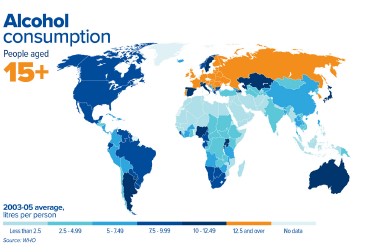
Nega musulmonlar uni shunchaki tark eta oldilar? Payg'ambar صلى الله عليه وسلم buni o'z hayotlari davomida, daromadi va shon-shuhrati sharob bilan bog'liq bo'lgan xalq orasida amalga oshirdilar. Ilohiy tomonidan belgilangan bosqichma-bosqichlik yo'l xaritasiga amal qilgan holda, u zot ﷺ o'zlarining uslubiy dasturi (4-bobga qarang) yakuniga yetganini ko'rdilar: Madinaning ko'chalarida sharob oqdi, musulmonlar esa o'zlarida qolgan sharob idishlarini bo'shatdilar.157 Cheksiz ko'pxotinlilik, faqat erkaklarga meros qoldirish qonunlari va qiz bolalarni o'ldirish kabi qadimiy odatlarni kimdir boshqa biror kishi, ayniqsa bunday qisqa muddatda, taqiqlay oldimi? Masalan, bugungi Hindistondagi qiz bolalarni o'ldirishga qarshi kurashish uchun qabul qilingan barcha qonunlar bir asrdan ortiq qat'iy amalga oshirilganiga qaramay, bu amaliyotni butunlay yo'q qila olmadi.158 Payg'ambar ﷺ davridan oldin yoki keyin, etnik shovinizm nazariyada ham, amalda ham shunchalik keskin kamaygan boshqa tarixiy o'xshashlik bormi? Uning zamondoshlarining ko'pchiligi qattiq arab ustunligi tarafdorlari edi, ammo ular keyinchalik notarablar va sobiq qullarning yetakchiligini tan oladigan odamlarga aylandilar.
Why were Muslims able to just give it up? The Prophet صلى الله عليه وسلم achieved that within his lifetime in a people whose glory and income was interlocked with wine. Following a divinely charted roadmap of gradualism, he صلى الله عليه وسلم was able to witness his methodical program (see Chapter 4) culminate in wine flowing in Madinah’s streets as its Muslims emptied what remained of their own wine barrels.157 Has anyone else ever been able to ban the age-old customs of unrestricted polygyny, male-only inheritance laws, and female infanticide—let alone in such a short span of time? All the laws in today’s India, for instance, designed to combat female infanticide have not eradicated the practice after more than a century of strict enforcement.158 Has there ever been another historical parallel before or after the Prophet’s صلى الله عليه وسلم era where ethnic chauvinism declined so dramatically in both theory and practice? Many of his contemporaries who were vehement Arab supremacists became people who conceded to the leadership of non-Arabs and former slaves.
Sālim, Abū Ḥudhayfah ozod qilingan qulі, Qur’onni go‘zal o‘qishi tufayli Paygambar ﷺ ning eng yetuk sahobalariga imomlik qilardi.159 Xalifa ‘Umar ibn al-Xattob bir marta so‘radi: Makka hokimi o‘zi yo‘q paytda Islom dinining markazi bo‘lgan shaharga nega boshqa ozod qilingan qul Ibn Abzāni, aynan uni, rahbar qilib qoldirgan? U ‘Umarga, bu tanlov Ibn Abzāning Qur’onni va uning meros taqsimlashga oid hukmlarini puxta bilishi tufayli qilinganini aytdi. ‘Umar bu asosni ma’qullab, Paygambar ﷺ shunday degani rivoyat qilinganini aytdi: “Alloh bu Qur’on tufayli ba’zi odamlarning darajasini ko‘taradi, boshqalarni esa uning sababli past qiladi.”160
Mulla ‘Alī al-Qārī (vafoti 1605) bu hadis haqida shunday izoh bergan: “Bu hodisani bizning solih salaflarimiz orasida ko‘rish mumkin: ularning ko‘pchiligi olimlar ozod qilingan qullar bo‘lgan va ular musulmon ummatining shubhasiz yetakchilari hamda rahmat manbalari bo‘lishgan, shoh nasabli, ammo olim bo‘lmagan kishilar esa jaholat doiralarida unutilib ketgan.”161
Sālim , the freed slave of Abū Ḥudhayfah, would lead the senior-most Companions of the Prophet صلى الله عليه وسلم in prayer due to his skill in reciting the Qur’an.159 The caliph ‘Umar ibn al-Khaṭṭāb once inquired why the Meccan governor had left Ibn Abzā , another freed slave, of all people to preside over the religious capital of Islam during his absence. He told ‘Umar that this choice was in light of Ibn Abzā’s mastery of the Qur’an and its laws on estate distribution. ‘Umar expressed his approval of this justification by reporting that the Prophet صلى الله عليه وسلم did in fact say, “Allah elevates people in rank by virtue of this Qur’an and demotes others because of it.”160 Mulla ‘Alī al-Qārī (d. 1605) commented on this hadith, saying, This phenomenon is observable in the fact that among our righteous predecessors, most of the scholars were freed slaves, and yet they were the undisputed leaders of the Muslim nation and its fountains of mercy while those with royal ancestry who weren’t scholarly were forgotten in their spheres of ignorance.161
Ushbu inqilobiy o'zgarishlarning yorqin dalili – 'Aṭā' ibn Abī Rabāh (vafoti 732) bilan Umaviy xalifa Sulaymān ibn 'Abdil-Malik (vafoti 717) o'rtasida bo'lib o'tgan, yaxshi hujjatlashtirilgan uchrashuvdir. 'Aṭā' Makkaning eng nufuzli ilk qozilaridan biri edi, Sulaymān esa o'sha paytgacha ma'lum bo'lgan eng katta imperiyani boshqargan edi. 'Aṭā' ozod qilingan qul bo'lib, qora tanli, ko'zi ojiz, nogiron edi va hayotining boshlang'ich yillarining ko'p qismini uysiz o'tkazgan. Biroq Islom paydo bo'lishi bilan ijtimoiy harakatchanlik shu qadar katta o'zgarishlarga uchradiki, bir avlod ichida bu ijtimoiy kamchiliklarning hech biri uni siyosiy-harbiy ma'noda o'sha paytda dunyodagi eng qudratli inson bo'lgan Sulaymon oldida obro'-e'tibordan mahrum qila olmadi. Sulaymon Makkada 'Aṭā'ga diniy masalalar bo'yicha maslahat so'rab murojaat qilganda, Hajj marosimlarini to'g'ri bajarayotganiga ishonch hosil qilishni istab, taqvodor qozi unga yuzini ham o'girmasdan javob berdi va hukmdordan biror boylik yoki mansab olishni xohlamasligini bildirdi. Odatdagidek hurmat va xushomadni ko'rmagan Sulaymon o'g'illariga qarab dedi: "O'g'illarim, muqaddas ilmni izlashda tinmanglar, chunki men o'sha qora tanli qul oldidagi xo'rligimizni hech qachon unutmayman."162
A telling account of these revolutionized norms is the well-documented encounter between ‘Aṭā’ ibn Abī Rabāh (d. 732), one of the foremost early judges of Mecca, and Sulaymān ibn ‘Abdil- Malik (d. 717), the Umayyad caliph who ruled over the largest empire known until that point in human history. ‘Aṭā’ was a freed slave who was black, blind, disabled, and had been homeless for many years of his early life. However, the dynamics of social mobility had undergone such significant changes with the advent of Islam that, within one generation, none of these social disadvantages could prevent him from enjoying prestige over Sulaymān who was, in the politico-military sense, the most powerful man alive at the time. When he approached ‘Aṭā’ in Mecca to consult him on religious matters, anxious to confirm that he was performing the Hajj rites correctly, the pious judged answered without ever facing him, to assert that he was not interested in being awarded any fortune or status from the ruler. Not finding the regard and flattery he was accustomed to receiving, Sulaymān turned to his children and said, “My sons, be relentless in your pursuit of sacred knowledge, for I will never forget our humiliation in front of that black slave.”162
Quyida Oxirgi Payg'ambar ﷺ ga Alloh tomonidan ato etilgan noyob muvaffaqiyatlarning bir qismi keltirilgan. Tarixni xolis o'qigan kishilar tasdiqlaydiki, bularning har biri o'z-o'zicha hayratlanarli yutuqdir, ammo bular va yana ko'plari ﷺ ning tarbiyasi ostida shakllangan avlod tomonidan amalga oshirildi. U ﷺ o'z tarbiyasidagilarni vahshiy va qonunsiz xalqdan eng yaxshi mumkin bo'lgan jamoaga aylantirdi. Bu tarixiy yutuqning misli yo'qligi, bu yana bir bor bu faqat Alloh amali bo'lishi mumkinligining dalilidir. Alloh Qur'onda shunday deydi: "Va (U) ularning qalblarini birlashtirdi. Yer yuzidagi barcha narsani sarflasangiz ham, ularning qalblarini birlashtira olmas edingiz; ammo Alloh ularni birlashtirdi. Albatta, U qudratli va hikmat egasidir."163
Captured here are just some of the unique successes granted by God to the Final Prophet صلى الله عليه وسلم. Impartial readers of history will attest that each one of these is an astonishing accomplishment on its own, and yet these and more were actualized by the generation molded under his صلى الله عليه وسلم care. He transformed those under his tutelage from a savage and lawless people to the best community possible. The unparalleled nature of this historical achievement serves as another sign that this could only be an act of God. As Allah says in the Qur’an, “And [He] brought together their hearts. If you had spent all that is in the earth, you could not have brought their hearts together; but Allah brought them together. Indeed, He is Exalted in Might and Wise.”163
Shundan so'ng, musulmon sivilizatsiyalari umuman olganda, deyarli ming yil davomida, ayniqsa dastlabki asrlarda, o'zining o'ziga xos muvozanati bilan ajralib turardi: ruhiyat, axloq, adolat, birodarlik, ilmiy jonlanish va taraqqiyparvar fikr uyg'unligi shu jumladan.
Thereafter, Muslim civilizations in general, for almost a millennium but especially during the earlier centuries, were recognized for their distinctive balance of spirituality, morality, justice, fraternity, scientific vibrancy, and progressive thought.
Islom aniq, ma'rifatli g'oyalarni taklif qilgani ravshan edi. Bu g'oyalar har doim ham to'liq qabul qilinmagan va amalga oshirilmagan bo'lsa-da, shaxs va jamiyat farovonligida ajoyib yutuqlarga ilhom bergan.
It was clear that Islam offered enlightened ideals which, while not always fully embraced and realized, nevertheless inspired some incredible leaps in individual and societal wellbeing.
Bugungi ko‘plab musulmon mamlakatlarining ayrim jihatlardagi rivojlanmaganligi ba’zi odamlarning Islom sivilizatsiyasining tarixiy buyukligini qadrlash qobiliyatiga salbiy ta’sir qilishi mumkinligini tushunish mumkin. Biroq, bu achinarli holatni musulmon o‘tmishining ajoyib va noyob “oltin davrlariga” teskari proyeksiya qilmaslikka ehtiyot bo‘lishimiz kerak. Agar Islom mukammal bo‘lgan Ilohiy Zotdan bo‘lsa, lekin uning amal qiluvchilari payg‘ambarlardan keyin mukammal bo‘lmagan bo‘lsa, unda insoniyat tarixining har bir davrida qorong‘u va og‘riqli lahzalar mavjud bo‘lishi ajablanarli emas.
It is understandable that the underdevelopment—in certain respects—of many Muslim countries today may detract from some people’s ability to appreciate the historical greatness of Islamic civilization. However, we must be careful not to back-project that sad state today onto the terrific and exceptional “golden ages” of the Muslim past. Certainly, if Islam is from the Divine who is perfect but its practitioners after the prophets were not, then it should not be surprising that dark painful moments exist in every epoch of human history.
Biroq, musulmon dunyosi so'nggi 400-500 yil ichida, faqat musulmonlar Islomni to'g'ri tushunish va to'g'ri amal qilishdan chetga chiqqanda, bunday katta va misli ko'rilmagan muvaffaqiyatsizliklarga uchradi. Ammo musulmonlar o'z dinlariga munosib hurmat bilan qaragan, uni to'g'ri va diniy talablarga muvofiq ravishda ado etgan davrlarda, bugungi kundagidek ulkan tanazzul bo'lmagan. Musulmonlar Islomga qanchalik qat'iy amal qilsalar va Payg'ambar ﷺ ko'rsatmalariga qanchalik rioya etsalar, shunchalik gullab-yashnaganliklari tarixiy haqiqatdir. Bu Yevropa va Amerika kabi hududlardan farq qiladi, ularning uyg'onish davri dinni jamoat hayotidan ajratish yoki uni butunlay rad etish orqali yuzaga kelgan. Aynan shu sababli zamonaviy dunyoning katta qismi "cherkov va davlat"ni birlashtirish g'oyasiga qarshi, chunki ularning jamoaviy xotirasida din o'tmishda taraqqiyot va rivojlanishga to'siq bo'lgan kishanlar edi. Shu tufayli, ayniqsa seküler G'arbda, dinning qayta tiklanishi orqaga qaytish va turg'unlikka olib keladi, degan keng tarqalgan qarash mavjud. Lekin musulmon sifatida bizning tajribamizda din va ruhiy quvvat ilk musulmonlarni ham dunyoviy, ham uxrавий yutuqlarga intilishga undovchi kuchlar bo'lgan. Bu farqni anglash tarixni chuqur o'rganuvchi o'quvchilarga hozirgi sharoit din umuman va Islomning dunyoga ko'rsatgan ulkan hissasi haqida uyg'otadigan shubhalardan xalos bo'lishga yordam beradi. Qanday dalillar keltirilmasin, bu yutuqlarni tan olishga qiynalayotgan odamlar, ehtimol, "din" tushunchasini eskirgan, odamlar yaratgan tizimlardan boshqa narsa sifatida tasavvur qila olmaydigan qarashdan kelib chiqib suhbatlashadilar. Bu ruhiy yukka ushbu e'tiqod tizimlaridan meros bo'lib qolgan sivilizatsiya jarohati sabab bo'ladi va bugungi kunda ko'plab odamlar qochib qutula olmaydigan "din" haqidagi stereotip va umumlashtirishlarni keltirib chiqaradi. Lekin oxir-oqibat, o'z taxminlariga shubha bilan qarashga jur'at etadiganlar Muhammad ﷺ Allohning payg'ambari bo'lganini va u hamda uning ta'limoti ko'plab noyob yutuq va muvaffaqiyatlarga sabab bo'lganini tan olishda davom etadilar.
However, only in the last 400-500 years did the Muslim world suffer such great and unprecedented setbacks, and only when Muslims strayed from the proper understanding and practice of Islam. But for as long as Muslims gave due respect to their religion, observing it correctly and religiously, disgraces of today’s magnitude were non-existent. It is a demonstrable historical reality that Muslims thrived whenever there was greater adherence to Islam and the guidance of their Prophet 164 .صلى الله عليه وسلم This is unlike Europe and the Americas, for instance, whose renaissance was propelled by separating their faith from public life or dismissing it altogether. It is for this same reason that much of the modern world is averse to the idea of merging “church and state,” because in their collective memory, religion was the very shackle that hindered progress and advancement in the past. Hence, a dominant sentiment especially in the secular West is that the revival of religion necessitates a return to backwardness and stagnation. But in our experience as Muslims, religion and spiritual strength were the driving forces that motivated the early Muslims to excel in both their worldly and otherworldly pursuits. Making that distinction will greatly assist the discerning readers of history to shed the suspicisions our current context fosters surrounding the utility of religion in general, and Islam’s profound contributions to the world in particular. People who struggle, irrespective of how many hard facts are presented, to acknowledge these achievements, are likely engaging the conversation from a paradigm in which one is unable to perceive “religion” as anything but a synonym for the man-made systems that have long become obsolete. This psychological baggage is predicated on an inherited civilization trauma from these belief systems and generates the stereotypes and overgeneralizations about “religion” that many people cannot escape today. But ultimately, those with the courage to challenge their presuppositions will continue to recognize that Muhammad صلى الله عليه وسلم must have been a prophet of God, and that he and his teachings were responsible for many unique accomplishments and successes.