5.29 تصبح المسلمون فريسة سهلة
5.29 Muslims Becoming Easy Prey
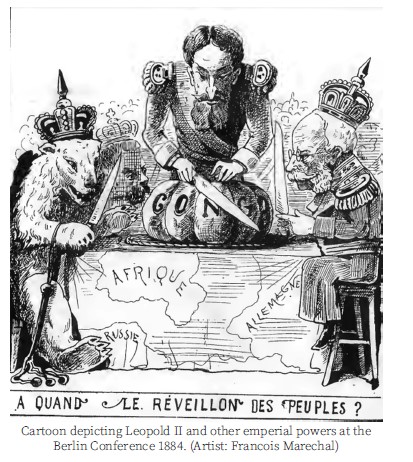
النبي ﷺ أخبر أيضًا أن الشهوات الدنيوية لن تُصيب أمته فحسب، بل ستكون سببًا في هلاكها ودمارها. روى ثوبان أن النبي ﷺ قال: «يوشك الأمم أن تداعى عليكم كما تداعى الأكلة إلى قصعتها». فقيل: أمِن قلة نحن يومئذ؟ قال: «بل أنتم يومئذ كثير، ولكنكم غثاء كغثاء السيل، وليَنزعنّ الله من صدور عدوكم المهابة منكم، وليقذفنّ الله في قلوبكم الوهن». فقال قائل: يا رسول الله، وما الوهن؟ قال: «حب الدنيا، وكراهية الموت». ومن العجيب أنه قبل قرن من الزمان، أشار الملك ليوبولد ملك بلجيكا بشهرة بالغة إلى طموحاته الاستعمارية بوصفها «هذه الكعكة الإفريقية الرائعة»، التي قطّعتها القوى الأوروبية كما تشاء خلال مؤتمر برلين عام 1884م. ويستطيع المرء أن يجد بسهولة الرسوم الكاريكاتورية السياسية الكثيرة لذلك العصر، التي تصوّر هذا المؤتمر بمصطلحات الطعام، تقريبًا على نحو يطابق ما ذكره الحديث السابق تمامًا.
The Prophet صلى الله عليه وسلم also prophesied that carnal pursuits would not only infect his nation but would be the cause of their downfall and devastation. Thawbān reports that the Prophet صلى الله عليه وسلم said, “The nations will soon invite one another to devour you, just as diners are invited to a dish.” It was said, “Will it be because of our small number on that day?” He said, “No, rather you will be many on that day, but you will be weightless foam, like the foam on the river. And Allah will remove the fear of you from the hearts of your enemies and will cast weakness into your hearts.” Someone said, “O Messenger of Allah, what will this weakness be?” He said, “The love of this world, and the hatred of death.”333 It is incredible how one century ago, King Leopold of Belgium very famously referred to his colonial ambitions as “this magnificent African cake,” which the European powers carved at will during the Berlin Conference of 1884. A person can easily find the many political cartoons of that day conceptualizing this conference in food terms, almost exactly like the hadith above had stated.
وكان ذلك جزئياً بسبب استعارة الملك ليوبولد، ولكن أيضاً لأن الحاضرين لم يكونوا هناك إلا لإضفاء الصفة الرسمية على تقسيم أفريقيا، واثقين تماماً من أن هذه القارة الكبيرة الغنية بالموارد لا يمكنها أن تصمد بأي مقاومة ذات معنى أمام جشعهم النهِم وشهيتهم الإمبريالية.
This was in part due to King Leopold’s metaphor, but also because the attendees were only there to formalize the divisions of Africa, fully confident that the large and resourceful continent could not hold its weight in any meaningful resistance to their ravenous greed and imperial appetite.
تأكيدًا لهذا المعنى، يروي أنسُ بنُ مالكٍ رضي الله عنه أنّ النبيَّ ﷺ قال: «إذا استحلَّتْ أمتي خمسًا فعليها الدَّمارُ: إذا ظهرَ التلاعنُ، وشُرِبَتِ الخمرُ، ولُبِسَ الحريرُ، واتُّخِذَتِ القيناتُ، واكتفى الرجالُ بالرجالِ والنساءُ بالنساءِ»[334]. ولا شك أن المسلمين اليوم ليسوا بمنأى عن الأفكار التي تُقرّ الممارسات الجنسية بين الجنسين نفسيهما، ويتصوّر ذلك حتى في المسلم المُصلّي المُواظب على المسجد، إذا جعل تدينه مجرد هوية ثقافية، كما قال النبيُّ ﷺ في الحديث الذي رواه عبدُ اللهِ بنُ عمرٍو رضي الله عنهما: «لَيَأْتِيَنَّ على الناسِ زمانٌ يجتمعون في المساجدِ فيُصلّونَ، وليس فيهم مؤمنٌ»[ ].335
Reinforcing this point, Anas ibn Mālik narrates that the Prophet صلى الله عليه وسلم said, “Once my nation considers five things permissible, then destruction will befall them: when cursing one another appears, wine is drunk, silk is worn, musical instruments are played, and men suffice themselves with men and women suffice themselves with women.”334 Certainly, Muslims today are not insulated from the ideologies that accept same-sex acts. This is even imaginable for a practicing, mosque-attending Muslim, if they allow their religiosity to be reduced to a cultural identity, as the Prophet صلى الله عليه وسلم said in a hadith narrated by ‘Abdullah ibn ‘Amr , “An age will surely come when people gather and pray in the mosques, while there is not a single believer amongst them.”335
333 أبو داود، سنن أبي داود، 4:111 #4297؛ صححه الألباني في التعليقات.
333 Abū Dāwūd, Sunan Abī Dāwūd, 4:111 #4297; authenticated by al-Albāni in the comments.
334 أحمد بن الحسين البيهقي، شعب الإيمان (الرياض: مكتبة الرشد للنشر والتوزيع، 2003م)، 7:328 رقم 5084؛ حسنٌ عند الألباني في صحيح الترغيب والترهيب (الرياض: مكتبة المعارف، 2000م)، 2:608 رقم 2386.
334 Aḥmad ibn al-Ḥusayn al-Bayhaqī, Shu‘ab al-Īmān (Riyadh: Maktabat al-Rushd lil-Nashr wal-Tawzī’, 2003), 7:328 #5084; a ḥasan (acceptable) chain according to al-Albānī in Ṣaḥīḥ al-Targhīb wal-Tarhīb (Riyadh: Maktabat al-Maʻā rif, 2000), 2:608 #2386.
مع أنّ هذه المحرّمات تبدو مطلقة هنا، فقد قيّدها العلماء بالنظر إلى مجموع ما ورد من الأحاديث النبوية الأخرى. فعلى سبيل المثال، قُيِّد تحريم الحرير هنا بكونه خاصًا بالرجال، وفي الكمية الكبيرة، وعند عدم الحاجة. وكذلك يرى جمهور العلماء أنّ ضرب الدفّ يُستثنى من تحريم آلات الموسيقى، ولو في بعض الأحوال، وذهب بعضهم إلى التوسّع في هذه الرخصة أكثر من ذلك.
While these prohibitions appear absolute here, scholars have qualified them considering their cumulative read of other prophetic traditions. For instance, the prohibition of silk here is qualified by being applicable to men only, and in significant amounts, and in the absence of necessity. Similarly, scholars generally consider striking the tambourine an exception to the prohibition of musical instruments, at least on occasion, and some widen the concession further.
335 أبو بكر بن أبي شيبة، الإيمان (بيروت: المكتب الإسلامي، 1983)، 1:40
335 Abū Bakr ibn Abī Shaybah, Al-Īmān (Beirut: al-Maktab al-Islāmī, 1983), 1:40
صححه الألباني في التعليقات.
#101; authenticated by al-Albānī in the comments.