5. Аль-Хасан ибн Али
5. Al-hasan Ibn Ali
Да будет доволен им Аллах
May Allah Be Pleased With Him
Аль-Хасан ибн Али ибн Аби Талиб, да будет доволен им Аллах, Абу Мухаммад, внук Посланника Аллаха ﷺ, его потомок и последний из халифов по его (Пророка ﷺ) прямому указанию.
Al-Hasan ibn Ali ibn Abi Talib, may Allah be pleased with him, Abu Muhammad, the grandson of the Messenger of Allah, may Allah bless him and grant him peace, his descendant and the last of the khulafa by his (the Prophet’s, may Allah bless him and grant him peace) explicit words.
Ибн Са'д передал, что Имран ибн Сулейман сказал: «Аль-Хасан и аль-Хусейн — два имени обитателей Рая. Арабы не употребляли эти имена в эпоху джахилии».
Ibn Sacd narrated that Tmran ibn Sulayman safd: Al-Hasan and al-Hussein are two of the names of the people of the Garden. The Arabs did not use these names in the Jahiliyyah.
Аль-Хасан, да будет доволен им Аллах, родился в середине месяца Рамадан на третьем году хиджры. Передавались хадисы от него со слов Пророка ﷺ. Ау'иша, да будет довольна ею Аллах, передавала от него хадисы, а также большое число табиинов, среди них его сын аль-Хасан, Абу ль-Хавра' Рабиа ибн Синан, аш-Ша'би, Абу Ва'иль и Ибн Сирин.
Al-Hasan, may Allah be pleased with him, was born in the middle of Ramadan in the third year of the Hijrah. Hadith have been related from him from the Prophet, may Allah bless him and grant him peace. cA’ishah, may Allah be pleased with her, related hadith from him, and a great number of the Followers, of them his son al-Hasan, Abu’l-Hawra’ Rabicah ibn Sinan, Ash-Shacbi, Abu Wa’il and Ibn Sirin.
Он был похож на Пророка ﷺ. Пророк ﷺ назвал его аль-Хасаном, зарезал за него овцу на седьмой день, сбрил его волосы и приказал раздать милостыню серебром, равным весу этих волос. Он был пятым из семьи под плащом (когда Пророк ﷺ сказал: «О Аллах, это моя семья»). Абу Ахмад аль-‘Аскари сказал: это имя не было известно в эпоху джахилии.
He resembled the Prophet, may Allah bless him and grant him peace. The Prophet, may Allah bless him and grant him peace, named him al-Hasan, slaughtered a sheep for him on his seventh day, shaved off his hair and ordered that the weight of the hair in silver should be given away as sadaqah. He was the fifth of the family of the mantle (when the Prophet, may Allah bless him and grant him peace, said, ‘O Allah, these are my family.’X Abu Ahmad al-cAskari said: This name was not known in the Jahiliyyah.
Аль-Муфаддаль сказал: Аллах скрывал имена аль-Хасана и аль-Хусейна до тех пор, пока Пророк ﷺ не назвал ими своих двух внуков.
Al-Mufaddal said: Allah veiled the names of al-Hasan and alT h e H isto r y o f t h e K h a l ifa h s Hussein until the Prophet, may Allah bless him and grant him peace, used them to name his two grandsons.
Аль-Бухари передал со слов Анаса, что он сказал: «Никто не был больше похож на Пророка ﷺ, чем аль-Хасан ибн Али».
Al-Bukhari narrated that Anas said: No-one more resembled the Prophet, may Allah bless him and grant him peace, than al-Hasan ibn cAli.
Двое шейхов передали, что аль-Бара' сказал: «Я видел Пророка ﷺ, с аль-Хасаном на своих плечах, и он говорил: "О Аллах, я люблю его, так люби же его"». Аль-Бухари передал, что Абу Бакра сказал: «Я слышал, как Пророк ﷺ на минбаре, а рядом с ним был аль-Хасан, и он то смотрел на людей, то смотрел на него и говорил: "Этот мой сын — господин, и, возможно, через него Аллах примирит две группы мусульман"». Аль-Бухари передал, что Ибн Умар сказал: Пророк ﷺ сказал: «Они — мои два базиликовых побега (буквально «мои два душистых растения [или цветка]») в этом мире», имея в виду аль-Хасана и аль-Хусейна.
The two Shaykhs narrated that al-Bara’ said: I saw the Prophet, may Allah bless him and grant him peace, with al-Hasan upon his shoulder, saying, ‘O Allah, I love him, so love him.’ Al-Bukhari narrated that Abu Bakrah said: I heard the Prophet, may Allah bless him and grant him peace, upon the minbar, with al-Hasan by his side looking at the people one time and looking at him one time, saying, ‘This son of mine is a chief, and it is likely that through him Allah will make peace between two parties of the Muslims.’ Al-Bukhari narrated that Ibn cUmar said: The Prophet, may Allah bless him and grant him peace, said, ‘They are my two descendants (literally ‘my two sprigs of basil’ or ‘my two sweet-smelling plants [or flowers]’) in the world,’ meaning al-Hasan and al-Hussein.
Ат-Тирмизи и аль-Хаким передали со слов Абу Саида аль-Худри, что он сказал: Посланник Аллаха ﷺ сказал: «Аль-Хасан и аль-Хусейн — два господина молодёжи обитателей Рая». Ат-Тирмизи передал со слов Усамы ибн Зейда, что он сказал: Я видел Пророка ﷺ, а аль-Хасан и аль-Хусейн были у него на бёдрах (по одному с каждой стороны), и он сказал: «Это мои два сына и два сына моей дочери. О Аллах, я люблю их, так люби их и люби того, кто их любит». Он передал со слов Анаса, что Пророку ﷺ задали вопрос: «Кто из членов твоего дома наиболее дорог тебе?» Он ответил: «Аль-Хасан и аль-Хусейн». Аль-Хаким передал со слов Ибн Аббаса, что Пророк ﷺ приблизился, неся аль-Хасана на плече. Ему встретился мужчина, который сказал: «Какое благословенное у тебя животное, мальчик!» Пророк ﷺ ответил: «И какой благословенный всадник на нём!» Ибн Са‘д передал со слов Абдуллаха ибн аз-Зубейра, что он сказал: «Из его семьи наиболее похож на Пророка ﷺ и наиболее дорог ему аль-Хасан ибн Али. Я видел, как он пришёл, когда тот совершал земной поклон, и взобрался ему на плечи — или он сказал: „на спину“ — и тот не спускал его, пока сам не спустился. Я видел, как он совершал поклон в молитве, и тот раздвигал ноги, чтобы он мог пройти с другой стороны». Ибн Са‘д передал со слов Абу Саламы ибн Абдуррахмана, что он сказал:
At-Tirmidhi and al-Hakim narrated that Abu Sacid al-Khudri said: The Messenger of Allah, may Allah bless him and grant him peace, said, ‘Al-Hasan and al-Hussein are the two lords of the youth of the people of the Garden.’ At-Tirmidhi narrated that Usamah ibn Zaid said: I saw the Prophet, may Allah bless him and grant him peace, and al-Hasan and al-Hussein were upon his hips (one on each), and he said, ‘These are my two sons and the two sons of my daughter. O Allah, I love them, so love them and love whoever loves them.’ He narrated that Anas said: The Prophet, may Allah bless him and grant him peace, was asked, ‘Who of the people of your house are most beloved to you?’ He said, ‘Al-Hasan and al-Hussein.’ Al-Hakim narrated that Ibn cAbbas said: The Prophet, may Allah bless him and grant him peace, approached carrying al-Hasan on his shoulder. A man met him and said, ‘What a blessed mount you have, boy!’ The Prophet, may Allah bless him and grant him peace, replied, And what a blessed rider is he.’ Ibn Sacd narrated that “Abdullah ibn az-Zubayr said: The one most like the Prophet, may Allah bless him and grant him peace, of his family and the most beloved to him is al-Hasan ibn cAli. I saw him come while he was prostrate and mount his shoulders — or he said, ‘his back’ - and he did not make him get down until he himself got down. I saw him while he was bowing in prayer and he would separate his legs for him so that he could pass through the other side.’ Ibn Sacd narrated that Abu Salamah ibn cAbd ar-Rahman said:
Пророк ﷺ высовывал свой язык для аль-Хасана ибн Али, и когда младенец видел красноту языка, он радовался вместе с ним.
The Prophet, may Allah bless him and grant him peace, used to put forth his tongue for al-Hasan ibn cAli, then when the infant saw the redness of the tongue, he would be merry with him.
Аль-Хаким передал, что Зухайр ибн аль-Аркам сказал: Аль-Хасан ибн Али поднялся, чтобы произнести хутбу, и один человек из племени Азд Шану'а встал и сказал: «Свидетельствую, что я видел, как Пророк ﷺ посадил его к себе на колени (хубва означает сидеть на корточках, подтянув ноги к животу, часто обернув ткань вокруг ног и спины для опоры), и сказал: “Кто любит меня, пусть любит его, и пусть присутствующий передаст это тому, кто отсутствует”, и если бы не глубокое уважение к Посланнику Аллаха ﷺ, я не стал бы передавать это никому». Аль-Хасан, да будет доволен им Аллах, обладал многими достоинствами: он был великодушен, терпелив, обладал спокойствием, степенностью и скромностью; он был щедр, и его много восхваляли; он не любил смут и меча; он много женился; и он одаривал одного человека даже сотней тысяч.
Al-Hakim narrated that Zuhayr ibn al-Arqam said: Al-Hasan ibn cAli stood to deliver the khutbah, and a man from Azd Shanu’ah stood up and said, ‘I witness that I saw the Prophet, may Allah bless him and grant him peace, place him in his lap (hubwah denotes sitting on the haunches with the legs drawn in to the belly, often with a cloth wrapped around the legs and the back in support), saying, “Whoever loves me, let him love him, and let the one who is present convey it to whoever is absent,” and if it were not for high regard for the Messenger of Allah, may Allah bless him and grant him peace, I would not have related it to anyone.’ Al-Hasan, may Allah be pleased with him, had many virtues: he was lordly, forbearing, possessing tranquillity, gravity and modesty; he was liberally generous, much praised; he disliked seditions and the sword; he married a great deal; and he would bestow upon a single man as much as one hundred thousand.
Ал-Хаким передал, что Абдуллах ибн Убайд ибн Умайр сказал:
Al-Hakim narrated that cAbdullah ibn cUbayd ibn cUmayr said:
Аль-Хасан совершил хадж двадцать пять раз пешком, и благородных скакунов вели рядом с ним.
Al-Hasan performed the Hajj twenty-five times walking, and the high-bred, riding beasts were led along with him.
Ибн Са'д передал, что Умайр ибн Ишак сказал: «Никто никогда не говорил в моем присутствии так, чтобы мне было приятнее, когда он говорит, не молчать, чем аль-Хасан ибн Али. Я никогда не слышал от него неподобающего слова, кроме одного раза. Между аль-Хасаном и Амром ибн Усманом возник спор о каком-то участке земли. Аль-Хасан предложил нечто, что Амру не понравилось. Аль-Хасан сказал: «У нас нет иного выхода, кроме как действовать вопреки ему» (буквально: «чтобы нос его прилип к праху»). Это было самое неподобающее слово, которое я когда-либо слышал от него».
Ibn Sacd narrated that cUmayr ibn Ishaq said: No-one ever spoke in my presence who it was more preferable, when he talked, that he should not be silent than al-Hasan ibn cAli. I never heard from him an improper word except for one time. There was a dispute between al-Hasan and cAmr ibn cUthman about some land. Al- Hasan proposed something which cAmr did not like. Al-Hasan said, ‘There is nothing for it with us but to act in spite of him (literally ‘that his nose cleave to the dust’).’ This was the most improper word I ever heard from him.
Ибн Са'д передал, что Умайр ибн Исхак сказал: Марван был правителем над нами, и он имел обыкновение поносить Али с минбара каждую пятницу, а аль-Хасан слушал и не отвечал. Тогда он послал к нему человека, сказав: «Клянусь Али, Али, Али и тобой, тобой! Я не нахожу для тебя подобия, кроме мула, которому говорят: "Кто твой отец?", и он отвечает: "Моя мать — кобыла"». Аль-Хасан сказал ему: «Вернись к нему и скажи: "Клянусь Аллахом, я не сотру за тебя ничего из того, что ты сказал, поносив тебя. Однако между тобой и мной есть встреча перед Аллахом. Если ты правдив, пусть Аллах воздаст тебе за твою правдивость; если же ты лжец, то Аллах страшнее в мщении"». Ибн Са'д передал, что Зурайк ибн Саввар сказал: Между аль-Хасаном и Марваном возникли слова, и Марван подошёл к нему, сильно ужесточив обращение, а аль-Хасан молчал. Марван высморкался правой рукой. Аль-Хасан сказал ему: «Горе тебе! Разве ты не знаешь, что правая рука — для лица, а левая — для срамных мест (и нечистот вообще)? Мне противен ты!» Марван замолчал.
Ibn Sacd narrated that cUmayr ibn Ishaq said: Marwan was the amir over us, and he used to abuse cAli every Jumucah from the minbar, while al-Hasan would listen and make no reply. Then he sent a man to him saying, ‘I swear by cAli, by cAli, by cAli, and by you, by you! I don’t find any likeness for you except the mule, to which it is said, “Who is your father?” and it replies, “My mother is a mare.’” Al-Hasan said to him, ‘Return to him and say to him, “By Allah, I will not efface for you anything of what you have said by abusing you. However, you and I have an appointment together before Allah. Then, if you are truthful, may Allah recompense you for your truthfulness. If you are a liar, then Allah is worse in revenge.’” Ibn Sacd narrated that Zurayq ibn Sawwar said: There were some words between al-Hasan and Marwan, then Marwan approached him, became very tough on him — and al-Hasan was silent. Marwan blew his nose using his right hand. Al-Hasan said to him, ‘Woe to you! Do you not know that the right hand is for the face, and the left for the private parts (and for unclean matters generally)? I am disgusted with you (literally ‘filth to you’)!’ Marwan became silent.
Ибн Са‘д передал от Ашъата ибн Саввара, что один человек сказал: «Один человек сел рядом с аль-Хасаном, и тот сказал: „Ты сел рядом с нами в тот момент, когда мы собирались вставать. Позволишь?“» Ибн Са‘д передал, что ‘Али ибн Зейд ибн Джуд‘ан сказал: «Аль-Хасан дважды раздавал своё имущество ради Аллаха, и Аллах делил его и трижды возвращал ему долю, до такой степени, что он отдавал один сандалий и оставлял один сандалий у себя, или отдавал кожаный носок (известный как хуфф) и оставлял другой носок».
Ibn Sacd narrated from Ashcath ibn Sawwar that a man said: A man sat down with al-Hasan and he (al-Hasan) said, ‘You have sat down with us at the moment we were going to stand. Will you permit?’ Ibn Sacd narrated that cAli ibn Zaid ibn Judacan said: Al-Hasan gave forth his property twice for the sake of Allah, and Allah divided up his property and shared it with him three times, to such an extent that he used to give a sandal and keep a sandal with him, or give away a leather sock (known as khuff) and keep another sock.
Ибн Са'д передал, что 'Али ибн аль-Хусейн сказал: аль-Хасан был склонен к разводам с женщинами, и он не расставался ни с одной женщиной, не полюбив его при этом. Он женился на девяноста женщинах.
Ibn Sacd narrated that cAli ibn al-Hussein said: Al-Hasan was given to divorcing women, and he did not separate from a woman but that she loved him. He married ninety women.
Ибн Са‘д передал от Джа‘фара ибн Мухаммада, что его отец сказал:
Ibn Sacd narrated from Jacfar ibn Muhammad that his father said:
Аль-Хасан так часто женился и разводился, что я боялся, как бы он не вызвал вражду между нами и племенами.
Al-Hasan used to marry and divorce so much that I was afraid he would cause enmity towards us among the tribes.
Ибн Са'д передал со слов Джафара ибн Мухаммада, что его отец сказал: «Али сказал: "Жители Куфы, не выдавайте ваших женщин замуж за аль-Хасана, ибо он — человек, очень склонный к разводам". Мужчина из Хамадана сказал: "Клянусь Аллахом, мы выдадим за него (наших женщин)"».
Ibn Sacd narrated from Jacfar ibn Muhammad that his father said: cAli said, ‘People of Kufa, do not marry (your womenfolk) to al-Hasan because he is a man much given to divorce.’ A man from Hamadan said, ‘By Allah, we will marry him (to our womenfolk).
«Кто угодно ему по нраву, того он может оставить, а кто не угодил ему, с тем может развестись». Ибн Са‘д передал, что ‘Абдуллах ибн Хасан сказал: Хасан был человеком, который часто женился на женщинах, и они очень редко приходились ему по нраву. Было совсем немного женщин, на которых он женился, но которые не любили его и не были к нему страстно привязаны.
Whosoever pleases him he can keep, and whosoever displeases him he can divorce.’ Ibn Sacd narrated that cAbdullah ibn Hasan said: Hasan was a man who used to marry women a great deal, and they very rarely found favour with him. There were very few women he married who did not love him and were not passionately attached to him.
Ибн ‘Асакир передал со слов Джувайрийи ибн Асма’, что он сказал: «Когда умер аль-Хасан, Марван плакал на его погребальной молитве. Аль-Хусейн сказал ему: „Ты плачешь по нему, после того как заставлял его глотать то, что заставлял?“ Тот ответил: „Я делал это с тем, кто был терпеливее его“, — и указал на гору. (Гора была нарицательным образцом терпения)».
Ibn cAsakir narrated that Juwayriyyah ibn Asma’ said: When al- Hasan died, Marwan wept at his funeral prayer. Al-Hussein said to him, ‘Do you weep when you forced him to swallow that which you did?’ He said, ‘I used to do that to one more forbearing than this,’ and he pointed towards the mountain. (The mountain was proverbially the epitome of forbearance).
Ибн ‘Асакир передал, что аль-Муббарад сказал: кто-то сказал аль-Хасану ибн ‘Али: «Абу Зарр говорит: „Бедность мне милее богатства, а болезнь милее мне здоровья“». Он ответил: «Да помилует Аллах Абу Заррa. Что касается меня, то я говорю: „Тот, кто всецело полагается на благость выбора Аллаха для него, не желает быть ни в каком ином состоянии, кроме того, которое Аллах избрал для него“». Это предел исследования предмета довольства тем, чем вращается предопределение.
Ibn cAsakir narrated that al-Mubarrad said: Someone said to al- Hasan ibn cAli, ‘Abu Dharr says, “Poverty is more beloved to me than wealth, and illness more beloved to me than health.’” He said, ‘May Allah show mercy to Abu Dharr. As for me, I say, “Whoever is absolutely dependent on the goodness of Allah’s choosing for him does not wish to be in any state other than the one which Allah has chosen for him.’” This is the limit in research into the subject of contentment with that which destiny turns about.
Аль-Хасан, да будет доволен им Аллах, принял халифат после смерти своего отца по присяге жителей Куфы, и пробыл в нём шесть месяцев с несколькими днями. Затем против него выступил Му'авия — а дело принадлежит Аллаху. Аль-Хасан послал к нему вестника с предложением передать ему халифат при условии, что халифат будет его после него, что никого из жителей Медины, Хиджаза и Ирака не будут разыскивать для мести или возмездия за что-либо, что произошло во времена его отца, и что он выплатит за него его долги. Му'авия согласился на его просьбу, и на этой основе был заключён договор, и пророческое чудо проявилось в его словах, да благословит его Аллах и приветствует: «Аллах через него примирит две группы мусульман». Он отрёкся от халифата в его пользу. Аль-Балкини стремился доказать на основании его отречения от халифата, который является высшим рангом, что допустимо отрекаться от должностей и постов и отказываться от них. Его отречение произошло в 41 году по хиджре, в месяце раби' аль-авваль. Также говорится, что это было в раби' аль-ахир или в джумада аль-уля. Его сподвижники говорили ему: «О позор верующих!», а он отвечал: «Позор лучше Огня». Один человек сказал ему: «Мир тебе, унижающий верующих!» Он ответил: «Я не унижаю верующих, но я не хотел убивать тебя ради власти». Затем аль-Хасан переехал из Куфы в Медину и поселился там.
Al-Hasan, may Allah be pleased with him, took charge of the khilafah after the death of his father through the pledge of allegiance of the people of Kufa, and he remained in it for six months and some days. Then Mucawiyah came out against him - and the matter belongs to Allah — and so al-Hasan sent a message to him to offer to surrender the khilafah to him, on condition that the khilafah should be his after him, that no-one of the people of Madinah, al- Hijaz and Iraq should be sought out for revenge or retaliation for anything which had happened in the time of his father, and that he would pay off his debts for him. Mucawiyah agreed to what he asked, they concluded a treaty upon that basis, and the prophetic miracle became evident in his words, may Allah bless him and grant him peace, ‘Allah will make peace through him between two groups of the Muslims.’ He abdicated from the khilafah for him. Al-Balqini sought to prove from his abdication from the khilafah — which is the greatest rank - that it is permitted to abdicate from and renounce offices and positions. His abdication from it was in the year 41 AH, in the month of Rabic al-Awwal. It has also been said that it was in Rabic al-Akhir, or Jumada al-Ula. His companions said to him, ‘O disgrace of the mu’minin\’ and he would say, ‘Disgrace is better than the Fire.’ A man said to him, ‘Peace be upon you, humiliator of the believers!’ He said, ‘I am not the humiliator of the believers, but I disliked to kill you for the sovereignty.’ Then al-Hasan moved from Kufa to Madinah and resided there.
Аль-Хаким передал, что Джубайр ибн Нуфайр сказал: «Я сказал аль-Хасану: „Люди говорят, что ты хочешь халифата“. Он ответил: „Вожди арабов были со мной, воевали с теми, с кем воевал я, и мирились с теми, с кем мирился я. Я оставил это, желая лика Аллаха и чтобы не проливалась кровь общины Мухаммада ﷺ“».
Al-Hakim narrated that Jubayr ibn Nufayr said: I said to al-Hasan, ‘People are saying that you want the khilafah.’ He said, ‘The chiefs of the Arabs were with me, at war with whomever I was at war with, and at peace with whomever I was at peace with. I abandoned that desiring the Face of Allah, and to prevent spilling the blood of the ummah of Muhammad, may Allah bless him and grant him peace.
«Неужели теперь, — сказал он, — я должен отнять власть силой, с помощью стад коз людей Хиджаза?» Аль-Хасан, да будет доволен им Аллah, скончался в Мадине от отравления. Его жена Джаъда бинт аль-Ашъас ибн Кайс отравила его. Язид ибн Му‘авия тайно предложил ей отравить его, пообещав, что после этого женится на ней, и она так и сделала. Когда аль-Хасан умер, она послала сообщение Язиду, требуя исполнения того, что он ей обещал. Он ответил: «Мы не были довольны тобой из-за аль-Хасана, так неужели же нам быть довольными тобой ради самих себя?» Его смерть случилась в 49 году хиджры. Также говорят, что это было пятого раби‘ аль-авваля 50 года хиджры.
Now later, shall I take it by force with the help of the herds of goats of the people of al-Hijaz?’ Al-Hasan, may Allah be pleased with him, died in Madinah through poisoning. His wife, Jacdah bint al-Ashcath ibn Qais poisoned him. Yazid ibn Mucawiyah suggested secretly to her that she should poison him and that then he would marry her, and she did so. When al-Hasan died, she sent a message to Yazid asking him for the fulfilment of what he had promised her. He said, ‘We were not pleased with you for al-Hasan, so should we then be pleased with you for ourselves?’ His death was in 49 AH. It has also been said that it was on the fifth of Rabic al-Awwal in the year 50 AH.
Говорят, что это произошло в 51 году по хиджре. Его брат спорил с ним, желая, чтобы он назвал того, кто дал ему (отравленное) питьё, но он не хотел называть. Он сказал: «Аллах самый строгий в воздаянии, если это окажется тот, кого я подозреваю. А если нет, то никто невинный не должен быть убит в отместку за меня».14
And it has been said that it was in 51 AH. His brother argued with him to get him to tell him who had given him the (poisoned) drink, but he would not tell him. He said, ‘Allah is most severe in revenge if it should be the one I suspect. If not, then no innocent person must be killed in retaliation for me.’14
Ибн Са'д передал, что Имран ибн Абдуллах ибн Талха сказал:
Ibn Sacd narrated that cImran ibn “Abdullah ibn Talhah said:
Аль-Хасан увидел во сне, будто между его глазами написано: «Скажи: «Он — Аллах, Един»» (Коран, 112:1), и его семья обрадовалась этому. Они рассказали об этом Са‘иду ибн аль-Мусайябу, и он сказал: «Если его сон правдив, то ему осталось жить совсем немного дней». Он прожил лишь несколько дней, а затем умер.
Al-Hasan saw as if there were written between his eyes, ‘Say, “He Allah is One"' (Qur’an 112: 1) and his family rejoiced at that. They told it to Sacid ibn al-Musayyab and he said, ‘If his dream is true, then he has very few days left to live.’ He only lived a few days more before he died.
Аль-Байхаки и Ибн Асакир передали по цепи Абу аль-Мундхира Хишама ибн Мухаммада, что его отец сказал: аль-Хасан ибн Али испытывал стеснение в средствах, и его жалованье составляло сто [тысяч]. 14 В отличие от своей обычной практики, ас-Суюти не указывает источника этого рассказа.
Al-Bayhaqi and Ibn cAsakir narrated by way of Abu’l-Mundhir Hisham ibn Muhammad that his father said: Al-Hasan ibn cAli was constricted (in his provision), and his stipend was one hundred 14 Contrary to his usual practice, as-Suyuti gives no source for this story.
В книге «В защиту от бедствия» кади Абу Бакр ибн аль-Араби, говоря о заявлении, будто амир аль-муминин Муавия, да будет доволен им Аллах, отравил аль-Хасана, пишет: «...это было неизвестное дело. Лишь Аллах знает о нём. Как можно предполагать это без доказательств и приписывать одному из Его творений в далёком времени, когда у нас нет никакой достоверной передачи об этом?» (с. 203). То же относится и к этой истории. В той же книге кади оправдывает Язида от многих клеветнических обвинений, которые на него возводились, и говорит: «[Ахмад ибн Ханбаль] включил его в число людей зухда (отказа от мирского)».
In Defence Against Disaster, Qadi Abu Bakr ibn al-Arabi says concerning the allegation that the Amir al-Mu’minin Mucawiyah, may Allah be pleased with him, poisoned al-Hasan, ‘...it was an unknown business. Only Allah knows about it. How can you assume it without proof and ascribe it to one of His creatures in a distant time when we do not have any sound transmission about it?’ (p. 203) The same applies to this story. In the same book, the Qadi exonerates Yazid of a great deal of the slander levelled at him and says, ‘[Ahmad ibn Hanbal] included him among the men of zuhd (doing without the world)
...из числа Сподвижников и Последователей... Ибо он включил его в группу Сподвижников, прежде чем перешёл к упоминанию Последователей.
of the Companions and Followers... Indeed, he included him in the group of Companions before he proceeded to mention the Followers.’.
тысячу в год. Муавия задержал её от него один год, и он оказался в крайней стеснённости. Он сказал: «Я попросил чернильницу, чтобы написать Муавии и напомнить ему о себе, но затем сдержал себя. Я увидел Посланника Аллаха ﷺ во сне, и он сказал: “Как ты, Хасан?” Я ответил: “Хорошо, отец мой”. И я пожаловался ему на то, что имущество было у меня отнято. Он сказал: “Ты попросил чернильницу, чтобы написать такому же созданию, как ты сам, и напомнить ему об этом?” Я ответил: “Да, Посланник Аллаха. Что мне делать?” Он сказал: “Скажи:”
thousand a year. Muawiyah withheld it from him one year, and he was extremely constricted. He said, ‘I called for an ink-pot so that I might write to Muawiyah to remind him about myself, and then I controlled (myself). I saw the Messenger of Allah, may Allah bless him and grant him peace, (in a dream) and he said, “How are you, Hasan?” I said, “Well, father.” And I complained to him about the withholding of the property from me. He said, “Did you call for an ink-pot to write to a creature like yourself to remind him of that?” I said, “Yes, Messenger of Allah. What should I do?” He said, “Say:
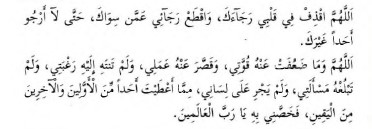
«О Аллах, вложи в моё сердце надежду на Тебя и обрежь мою надежду на всё, кроме Тебя, так, чтобы я не надеялся ни на кого, кроме Тебя. О Аллах, то, для чего моя сила слишком слаба, а мои деяния не достигают, к чему не стремится моё желание, до чего не доходит моя мольба и что не слетает с моего языка — из той уверенности, которую Ты дал кому-либо из древних и позднейших народов, удостой меня этим, Господь миров». Он сказал: «Клянусь Аллахом, я не продержался и недели, как Му‘авия прислал мне один миллион пятьсот тысяч, и я сказал: "Хвала Аллаху, Который не забывает того, кто помнит Его, и не разочаровывает того, кто взывает к Нему"». Я видел Пророка ﷺ во сне, и он сказал: «Хасан, как ты?» Я сказал: «Хорошо, Посланник Аллаха», и рассказал ему свою историю. Он сказал: «Сын мой, так бывает с тем, кто надеется на Создателя и не надеется на творение». В «ат-Туюрийят» передаётся, что Сулейм ибн ‘Иса, чтец Корана из жителей Куфы, сказал: когда к аль-Хасану пришла смерть, его охватили беспокойство и скорбь. Аль-Хусейн сказал ему: «Брат мой, что это за беспокойство и скорбь? Ты уходишь к Посланнику Аллаха ﷺ, и ‘Али, и они — твои два отца, и к Хадидже и Фатиме, и они — твои две матери, и к аль-Касиму и ат-Тахиру, и они — твои два дяди по матери, и к Хамзе и Джа‘фару, и они — твои два дяди по отцу». Аль-Хасан сказал ему: «Брат, я вступаю в дело Аллаха, велик Он, какого я никогда не вступал, и я вижу творение Аллаха, какого я никогда не видел». Ибн ʿАбд аль-Барр сказал: Из различных источников мы передаём, что, когда пришло его время, он сказал своему брату: «Брат мой, твой отец поднял глаза на эту власть, но Аллах отвёл его от неё и поставил во главе её (халифат) Абу Бакра. Позже он вновь поднял на неё глаза, но она была отвращена от него в сторону ʿУмара. Затем, на Совете, он не сомневался, что она не минует его, но она была отвращена от него в сторону ʿУсмана. Когда ʿУсман был убит, была принесена присяга ʿАли. Тогда нас сдерживали, пока не были обнажены мечи, и так власть (халифат) никогда не была безмятежно его. Клянусь Аллахом, я не думаю, что Аллах соединит в нас пророчество и халифат. Я не знаю, но глупцы из Куфы попытаются поставить тебя халифом и изгнать тебя. Я спросил ʿАишу, да будет Аллах доволен ею, чтобы меня похоронили рядом с Посланником Аллаха ﷺ, и она сказала: “Да”. Когда я умру, спроси её об этом, но я лишь ожидаю, что люди попытаются воспрепятствовать тебе. Если они так поступят, не вступай с ними в перебранку». Когда он умер, аль-Хусейн пришёл к Матери верующих ʿАише, да будет Аллах доволен ею, и она сказала: «Да, и это большая честь», но Марван воспрепятствовал им. Тогда аль-Хусейн и те, кто был с ним, надели мечи, пока Абу Хурейра не удержал их, и так он был похоронен на аль-Бакиʿ рядом с матерью, да будет Аллах доволен ею.
O Allah, cast into my heart hope in You, and cut off my hope in everything other than You, until I don’t hope for anyone other than You. O Allah, that for which my strength is too weak, and my action falls short of, my desire does not attain, my supplication does not reach, and what does not flow upon my tongue, of that certainty which You have given anyone of the ancients and the later peoples, then single me out for it, Lord of the Worlds.’” He said, ‘Then, by Allah, I had not persisted in it for a week before Mucawiyah sent me one million and five hundred thousand, and I said, “Praise be to Allah Who does not forget whoever remembers Him and doesn’t disappoint whoever supplicates Him.” I saw the Prophet, may Allah bless him and his family and grant them peace, in sleep and he said, “Hasan, how are you?” I said, “Well, Messenger of Allah,” and I told him my story. He said, “My son, that is how it is for whoever hopes for (something) from the Creator and does not hope for (something) from the creature.’” There is in at-Tuyuriyyat that Sulaym ibn cIsa, the Qur’an reciter of the people of Kufa, said: When death came to al-Hasan he was overcome with agitation and grief. Al-Hussein said to him, ‘My brother, what is this agitation and grief? You are going to the Messenger of Allah, may Allah bless him and his family and grant them peace, and cAli and they are your two fathers, and to Khadijah and Fatimah and they are your two mothers, and to al-Qasim and at-Tahir and they are your two maternal uncles, and to Hamzah and Jacfar and they are your two paternal uncles.’ Al-Hasan said to him, ‘Brother, I am entering into a matter of Allah’s, exalted is He, the like of which I have never entered, and I see a creation of Allah’s the like of which I have never seen.’ Ibn cAbd al-Barr said: From various sources we relate that when his time came, he said to his brother, ‘My brother, your father raised his eyes to this authority and Allah averted him from it and put Abu Bakr in charge of it (the khilafah). Later, he raised his eyes to it, but it was turned away from him to cUmar. Later again, he had no doubt at the time of the Council that it would not pass him by, but it was turned away from him to cUthman. When TJthman was killed, then °Ali was pledged allegiance. Then we were restrained until swords were unsheathed and so it (the khilafah) was never undisturbedly his. By Allah, I don’t think that Allah will combine prophecy and khilafah in us. I don’t know but that the fools of Kufa will try to appoint you as khalifah and drive you out. I have asked cA’ishah, may Allah be pleased with her, that I should be buried with the Messenger of Allah, may Allah bless him and his family and grant them peace, and she said, “Yes.” When I die, ask her about that, but I only anticipate that people will try to prevent you. If they do, don’t bandy words with them.’ When he died, al-Hussein came to the Mother of the Believers, cA’ishah, may Allah be pleased with her, and she said, ‘Yes, and it is an honour,’ but Marwan prevented them. Then al-Hussein and those with him donned their swords, until Abu Hurayrah prevented them, and so he was buried in al- Baqic by the side of his mother, may Allah be pleased with her.