3.5 एक आदर्श पीढ़ी का निर्माण
3.5 Molding a Model Generation
पैगंबर ﷺ ने केवल तेईस वर्षों में एक ऐसी अनुपम पीढ़ी का पालन-पोषण किया, जिसके समान मानवता ने न पहले देखी थी और न आगे कभी देखेगी। यह दुनिया के एक दूरदराज़ क्षेत्र के कबीलों का समूह था, जो ख़तरनाक रेगिस्तानों से घिरा था, अपने समय की प्रमुख सभ्यताओं के विचारों और घटनाओं से लगभग अलग-थलग था, और आपसी फूट तथा व्यापक निरक्षरता के कारण और भी कमज़ोर था। फिर भी दो दशकों के भीतर उन्होंने किसी न किसी तरह दुनिया को हमेशा के लिए बदल दिया। यह कैसे संभव हुआ? वे पैग़ंबरों के बाद मानव इतिहास में ईश्वर के सबसे शुद्ध सेवक बन गए थे, धरती पर एकेश्वरवाद के सबसे निष्ठावान पालनकर्ता। इसने उन्हें न केवल सबसे भक्तिमय उपासक बनाया, बल्कि मानवता के योगदान में भी सबसे आगे खड़ा किया। रात में वे ईश्वर की याद में खड़े होकर नमाज़ पढ़ते थे, और उसके प्रकट वचन को सुनकर उनके आँसू गालों पर बहते थे। दिन में वे अपने से बड़े उद्देश्यों के लिए जीते थे, परोपकार, शिक्षा में स्वयं को खपा देते थे, या ऐसे योद्धाओं के रूप में जो मानवता को अत्याचारी शासनों से मुक्त कराने निकलते थे। उन्होंने न्याय की स्थापना की, जैसा कि यशायाह ने भविष्यवाणी की थी (अध्याय 1 देखें), और सदियों तक सैकड़ों हज़ारों तपस्वियों, सुधारकों और महान चिंतकों के सद्गुणों को जागृत किया।
Over the span of just twenty-three years, the Prophet صلى الله عليه وسلم successfully nurtured an exemplary generation whose likes humanity had never seen and will never again see. This was a conglomerate of tribes in a remote region of the world surrounded by perilous deserts, largely isolated from the ideas and events of the major civilizations of their era, and further weakened by their disunity and prevailing illiteracy. Within two decades, they somehow transformed the world forever. How could this be possible? They had become the purest servants of God in human history after the prophets, the most dutiful observers of monotheism on the planet. This not only made them the most devout worshippers but also at the forefront of contributing to humanity. At night, they would stand in prayer longing for the Divine, tears streaming down their cheeks in response to His revealed Word. By day, they would live for purposes greater than themselves, exhausting themselves in philanthropy, education, or as knights who rode to liberate humanity from tyrannical regimes. They established justice, as Isaiah had foretold (see Chapter 1), and unlocked the virtue of hundreds of thousands of ascetics, reformers, and great thinkers for centuries.
इस्लामी सभ्यता की पहचान न्याय और समानता, संतुलन और मध्यमार्ग, विविधता, प्रगति और सौंदर्य की खोज थी। लोग समुद्रों के पार यात्रा करके इन गुणों को अपने देशों तक पहुँचाने की कोशिश करते थे, और अनेक विशेषज्ञ इस बात की गवाही देते हैं कि उसके बाद से दुनिया कभी पहले जैसी नहीं रही। एडम स्मिथ (मृत्यु 1790), अठारहवीं सदी के अंग्रेज़ अर्थशास्त्री जिन्होंने पश्चिम की मुक्त बाज़ार व्यवस्था की नींव रखी, स्वीकार करते हैं, ...ख़लीफ़ाओं का साम्राज्य पहला ऐसा राज्य प्रतीत होता है जिसके अंतर्गत दुनिया ने उतनी शांति का आनंद लिया जितनी विज्ञानों की उन्नति के लिए आवश्यक है।
The hallmarks of Islamic civilization were justice and equality, balance and moderation, diversity, progress, and the pursuit of beauty. People traveled across the seas seeking to export these virtues to their homelands, and multitudes of experts testify that the world has never been the same since. Adam Smith (d. 1790), the eighteenth-century English economist who pioneered the West’s free market system, admits, …the empire of the Caliphs seems to have been the first state under which the world enjoyed that degree of tranquility which the cultivation of the sciences requires.
उन उदार और भव्य शासकों के संरक्षण में ही यूनानियों का प्राचीन दर्शन और खगोल-विज्ञान पूर्व में पुनर्जीवित और स्थापित हुआ; उनकी कोमल, न्यायपूर्ण और धर्मनिष्ठ शासन-व्यवस्था ने अपने विशाल साम्राज्य में जो शांति फैलाई, उसने मानवजाति में प्रकृति के आपसी जुड़ाव के सिद्धांतों की खोज करने की जिज्ञासा को फिर से जगा दिया।153
It was under the protection of those generous and magnificent princes, that the ancient philosophy and astronomy of the Greeks were restored and established in the East; that tranquility, which their mild, just and religious government diffused over their vast empire, revived the curiosity of mankind, to inquire into the connecting principles of nature.153
मुसलमान, सदियों बाद, नबी ﷺ के साथियों को सहिष्णुता और उदारता का सुनहरा मानदंड मानते हैं, और सैन्य संघर्षों के दौरान युद्ध के नियमों के लिए भी उनकी मिसाल का हवाला देते हैं। इसकी एक झलक अबू 'अज़ीज़ इब्न उमैर से वर्णित है, जो बद्र की लड़ाई में एक लड़ने वाले मूर्तिपूजक के रूप में बंदी बनाए गए थे। वे बताते हैं कि अल्लाह के रसूल ﷺ ने अपने साथियों को स्पष्ट निर्देश दिए थे, "कैदियों के साथ अच्छा सुलूक करो," और इसलिए जब भी उनके बंदी बनाने वाले दोपहर या रात का खाना खाते, तो वे केवल खजूर खाते और उन्हें रोटी देते थे, नबी ﷺ के आदेश का पालन करते हुए।[154] परिणामस्वरूप, वैश्विक शांति शिखर सम्मेलनों से बहुत पहले, और अपने आसपास के समाजों के बिल्कुल विपरीत, इस्लामी इतिहास में युद्धबंदियों के साथ मानवीय व्यवहार के उज्ज्वल उदाहरण थे, साथ ही क्षमा और माफ़ी को मानव समुदाय के लिए सुधारात्मक आदर्श के रूप में मान्यता प्राप्त थी। जॉन एस्पोसिटो, जॉर्जटाउन विश्वविद्यालय के धर्म के वरिष्ठ प्रोफ़ेसर, इस पर लिखते हैं, "मुस्लिम सेना जीत में उतनी ही उदार थी जितनी युद्ध में दृढ़ थी। नागरिकों को बख़्शा गया; गिरजाघरों और धार्मिक स्थलों को आम तौर पर अछूता छोड़ा गया। सैन्य आचरण के इस उल्लेखनीय अंतर का प्रतीक क्रूसेड्स की दो प्रमुख हस्तियाँ थीं: सलाहुद्दीन और रिचर्ड द लायनहार्टेड। वीर सलाहुद्दीन अपने वचन का पालन करने वाले थे और गैर-लड़ाकों के प्रति दयालु थे।"
Muslims, centuries later, look back at the Prophet’s Companions as the gold standard for tolerance and magnanimity, invoking their precedent even for the rules of engagement during military conflicts. A glimpse of this precedent is narrated by Abū ‘Azīz ibn ‘Umayr , who was taken captive at the Battle of Badr as a warring idolator. He reports that the Messenger of Allah صلى الله عليه وسلم gave clear instructions to his Companions, stating, “Treat the captives kindly,” and so whenever his captors had lunch or dinner, they would only eat dates while giving him the bread, in compliance with the Prophet’s صلى الله عليه وسلم orders.154 As a result, well before global peace summits and in stark contrast to societies around them, Islamic history had shining examples of treating prisoners of war humanely, as well as amnesty and pardon being recognized as the restorative ideal for the human collective. John Esposito, a senior professor of religion at Georgetown University, writes on this, The Muslim army was as magnanimous in victory as it was tenacious in battle. Civilians were spared; churches and shrines were generally left untouched. The striking differences in military conduct were epitomized by the two dominant figures of the Crusades: Saladin and Richard the Lion-Hearted. The chivalrous Saladin was faithful to his word and compassionate towards noncombatants.
रिचर्ड ने एकर के आत्मसमर्पण को स्वीकार किया, और फिर उसके सभी निवासियों का, जिनमें महिलाएँ और बच्चे भी शामिल थे, नरसंहार करता रहा, जबकि उसने इसके विपरीत वादे किए थे।155
Richard accepted the surrender of Acre then continued to massacre all its inhabitants, including women and children, despite promises to the contrary.155
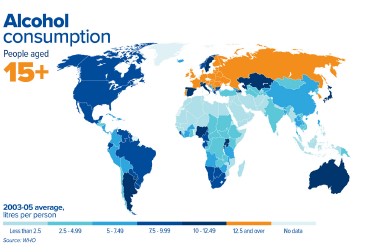
उस आदर्श पीढ़ी से एक ऐसी सभ्यता उभरी जिसमें सदाचार और पवित्रता सामान्य बात थी, और जिसमें शराब कभी व्यापक रूप से प्रचलित नहीं हुई। आज तक, जबकि विश्व स्वास्थ्य संगठन का अनुमान है कि शराब से हर साल दुनिया भर में 25 लाख मौतें होती हैं, उत्तरी अफ़्रीका और दक्षिण-पूर्व एशिया जैसे मुस्लिम-बहुल देशों में शराब के दुरुपयोग को रोकने में इस्लाम का प्रभाव स्पष्ट है।156
From that model generation emerged a civilization in which virtue and chastity were the norm, and in which alcohol was never widespread. Until this very day, while the World Health Organization estimates that alcohol results in 2.5 million global deaths a year, the impact of Islam on preventing alcohol abuse in Muslim-majority nations (such as those of North Africa and Southeast Asia) is clear.156
क्या इतिहास में कभी किसी और व्यक्ति के पास यह क्षमता रही है कि एक बार किसी राष्ट्र पर शराबखोरी का दानव छूट जाने के बाद उसे वश में कर सके?
Has history ever known anyone else with the ability to tame the beast of alcoholism once it has been unleased upon a nation?
मुसलमान शराब को इतनी आसानी से कैसे छोड़ सके? नबी ﷺ ने यह अपने जीवनकाल में उस क़ौम के बीच कर दिखाया, जिसकी शान और आमदनी शराब से गुथी हुई थी। एक दैवी रूप-रेखा के अनुसार क्रमिकता (gradualism) के तरीक़े पर चलते हुए, नबी ﷺ ने अपने व्यवस्थित कार्यक्रम (देखें अध्याय 4) को परिपक्व होते देखा, यहाँ तक कि मदीना की गलियों में शराब बहने लगी, जब मुसलमानों ने अपने पास बची हुई शराब के पीपे खाली कर दिए।157 किसी और ने कभी अनियंत्रित बहुपत्नी प्रथा, केवल पुरुषों को विरासत देने के नियम, और कन्या-हत्या जैसी सदियों पुरानी रिवाज़ों को ख़त्म किया है—और वह भी इतने कम समय में? उदाहरण के लिए, आज के भारत में कन्या-हत्या रोकने के लिए बने सभी क़ानून, एक सदी से भी अधिक समय की सख़्त लागू करने के बावजूद, इस प्रथा को पूरी तरह समाप्त नहीं कर सके हैं।158 क्या नबी ﷺ के युग से पहले या बाद में कोई ऐसी ऐतिहासिक मिसाल मिलती है, जहाँ जातीय अहंकार सिद्धांत और व्यवहार दोनों में इतनी नाटकीय रूप से घटा हो? उनके समकालीनों में से बहुत से लोग, जो कट्टर अरब श्रेष्ठतावादी थे, ऐसे बन गए जिन्होंने ग़ैर-अरबों और पूर्व दासों की नेतृत्व को स्वीकार किया।
Why were Muslims able to just give it up? The Prophet صلى الله عليه وسلم achieved that within his lifetime in a people whose glory and income was interlocked with wine. Following a divinely charted roadmap of gradualism, he صلى الله عليه وسلم was able to witness his methodical program (see Chapter 4) culminate in wine flowing in Madinah’s streets as its Muslims emptied what remained of their own wine barrels.157 Has anyone else ever been able to ban the age-old customs of unrestricted polygyny, male-only inheritance laws, and female infanticide—let alone in such a short span of time? All the laws in today’s India, for instance, designed to combat female infanticide have not eradicated the practice after more than a century of strict enforcement.158 Has there ever been another historical parallel before or after the Prophet’s صلى الله عليه وسلم era where ethnic chauvinism declined so dramatically in both theory and practice? Many of his contemporaries who were vehement Arab supremacists became people who conceded to the leadership of non-Arabs and former slaves.
अबू हुज़ैफ़ा के आज़ाद किए गए गुलाम सालिम, क़ुरआन की तिलावत में अपनी महारत के कारण नबी ﷺ के सबसे वरिष्ठ साथियों की इमामत किया करते थे।159 ख़लीफ़ा 'उमर इब्न अल-ख़त्ताब ने एक बार पूछा कि मक्का के गवर्नर ने अपनी अनुपस्थिति में इस्लाम की धार्मिक राजधानी की इमामत के लिए इब्न अब्ज़ा, जो एक और आज़ाद किए गए गुलाम थे, को क्यों चुना। उन्होंने 'उमर को बताया कि यह चुनाव इब्न अब्ज़ा की क़ुरआन में महारत और विरासत के बँटवारे से संबंधित उसके क़ानूनों की जानकारी को देखते हुए किया गया था। 'उमर ने इस औचित्य पर अपनी सहमति यह बताते हुए जताई कि नबी ﷺ ने वास्तव में फ़रमाया था: "अल्लाह इस क़ुरआन के कारण कुछ लोगों का दर्जा ऊँचा करता है और इसी के कारण दूसरों को नीचा कर देता है।"
153 एडम स्मिथ, Essays: Philosophical and Literary (London: Ward, Lock & Co, 1880), 353.
153 Adam Smith, Essays: Philosophical and Literary (London: Ward, Lock & Co, 1880), 353.
154 सुलैमान इब्न अहमद अल-तबरानी, अल-मुअजम अल-कबीर (काहिरा, रियाद: मकतबत इब्न तैमिया, दार अल-सुमैई, 1983), 22:393 #977.
154 Sulaymān ibn Aḥmad al-Ṭabarānī, Al-Mu‘jam al-Kabīr (Cairo, Riyadh: Maktabat Ibn Taymīyah, Dār al-Ṣumayʻī, 1983), 22:393 #977.
155 जॉन एल. एस्पोज़िटो, Islam: The Straight Path (न्यूयॉर्क: ऑक्सफ़ोर्ड यूनिवर्सिटी प्रेस, 1988), 64.
155 John L. Esposito, Islam: The Straight Path (New York: Oxford University Press, 1988), 64.
156 “Global Status Report on Alcohol and Health 2018,” विश्व स्वास्थ्य संगठन, 21 सितंबर, 2018।
156 “Global Status Report on Alcohol and Health 2018,” World Health Organization, September 21st, 2018.
157 अल-बुखारी, सहीह अल-बुखारी, 6:54 #4620; मुस्लिम, सहीह मुस्लिम, 3:1205 #1578।
157 al-Bukhārī, Ṣaḥīḥ al-Bukhārī, 6:54 #4620; Muslim, Ṣaḥīḥ Muslim, 3:1205 #1578.
"Because I am a Girl: The State of the Girl Child in India 2009," Plan India, (2009): 6.
158 “Because I am a Girl: The State of the Girl Child in India 2009,” Plan India, (2009): 6.
159 अल-बुखारी, सहीह अल-बुखारी, 1:140 #692.
159 al-Bukhārī, Ṣaḥīḥ al-Bukhārī, 1:140 #692.
160 मुस्लिम, सहीह मुस्लिम, 1:559 #817
160 Muslim, Ṣaḥīḥ Muslim, 1:559 #817.
161 ‘अली इब्न मुहम्मद क़ारी अल-हरावी, मिरक़ात अल-मफ़ातीह: शरह मिश्कात अल-मसाबीह (बेरूत: दार अल-फ़िक्र, 2002), 1:288.
161 ‘Alī ibn Muḥammad Qārī al-Harawī, Mirqāt al-Mafātīḥ: Sharḥ Mishkāt al- Maṣābīḥ (Beirut: Dār al-Fikr, 2002), 1:288.
162 ‘अब्दुर-रहमान इब्नुल-जौज़ी, सिफ़तुस-सफ़्वा (क़ाहिरा: दार अल-हदीस, 2000), 1:415।
162 ‘Abdul-Raḥmān ibn al-Jawzī, Ṣifat al-Ṣafwah (Cairo: Dār al-Ḥadīth, 2000), 1:415.
कुरआन 8:63, सहीह इंटरनेशनल अनुवाद।