১.১ নবুওয়তের আধ্যাত্মিক প্রয়োজনীয়তা
1.1 The Spiritual Necessity Of Prophethood
আমাদের সকলের অন্তরে আধ্যাত্মিক পরিতৃপ্তির জন্য একটি অস্থির আকাঙ্ক্ষা রয়েছে। যখন একে উপেক্ষা করা হয়, তখন আত্মা তীব্র তৃষ্ণা অনুভব করে, যা তাকে একের পর এক মরীচিকার পিছনে ছুটিয়ে নিয়ে যায়; প্রতিটি মরীচিকা তাকে ক্ষণিকের জন্য একটি মরূদ্যানের আশা দেয়, কিন্তু তারপর আসে আরেকটি হতাশা। মানব জীবনের এই বিষাদ তখনই ঘটে, যখন মানুষ বাইরের জগৎ থেকে অন্তরের শান্তি খোঁজে, অথবা দৈহিক ভোগ-বিলাসের মাধ্যমে নিজেকে বিকশিত করতে চায়, অথচ তাকে সৃষ্টি করা হয়েছে এসব কিছুর ঊর্ধ্বে উঠে এক মহত্তর উদ্দেশ্যের জন্য।
Within us all is a restless craving for spiritual fulfillment. When ignored, the spirit experiences intense thirsts which send it chasing one mirage after another, each offering it momentary hope of an oasis before yet another letdown. This is the tragedy of the human condition whenever it seeks inner peace from the outer world, or seeks to self-actualize through carnal pursuits, when it was created to transcend all that for a higher purpose:
আল্লাহর প্রতি একনিষ্ঠ ইবাদত। আল্লাহ কুরআনে বলেন, "আমি জিন ও মানুষকে কেবল আমার ইবাদতের জন্যই সৃষ্টি করেছি।"16
sincere devotion to God. Allah says in the Qur’an, “And I did not create the jinn and mankind except to worship Me.”16
আল্লাহর ইবাদত, শুধু তাঁর অস্তিত্বের প্রতি জন্মগত স্বীকৃতি নয়, তাই কেবল একটি কর্তব্য নয়, বরং মানুষের একটি মৌলিক প্রয়োজনও। খাদ্য ও অক্সিজেন যেমন আমাদের দেহকে পুষ্ট করার জন্য অপরিহার্য, তেমনি আমাদের আত্মাকে পুষ্ট করার জন্যও ইবাদত প্রয়োজন। এটি আমাদের মনে করিয়ে দেয় যে আমরা দৈহিক সত্তায় আবদ্ধ আধ্যাত্মিক সত্তা, এবং এমন দৈহিক সত্তা নই যাদের ভাগ্যক্রমে একটি আধ্যাত্মিক মাত্রা রয়েছে। অবশ্যই, স্রষ্টা নবীদের মাধ্যমে আমাদের সাথে যোগাযোগ না করলে এর কোনোটাই সম্ভব নয়, যে কীভাবে তাঁর সাথে একটি অর্থপূর্ণ সম্পর্ক গড়ে তোলা যায়। এই যোগাযোগ ছাড়া আমরা তাঁকে গভীরভাবে জানতে ও ভালোবাসতে পারতাম না, এবং কেবল তাঁর জন্য জীবনযাপনের মাধ্যমেই আমরা প্রকৃত অর্থে জীবিত থাকার অর্থ উপলব্ধি করি। নবী মুহাম্মাদ ﷺ একবার বলেছেন, “যে আল্লাহকে স্মরণ করে আর যে স্মরণ করে না, তাদের দৃষ্টান্ত হলো জীবিত ও মৃতের মতো।”17
Servitude to God, not just the inborn recognition of His existence, is therefore not only a duty but also a fundamental human need. It is necessary to nourish our spirit just as food and oxygen are necessary to nourish our body. It attunes us to our reality as spiritual beings in physical bodies, not physical beings that happen to enjoy a spiritual dimension. Of course, none of that is possible without the Creator communicating to us through prophets how to have a meaningful relationship with Him. Without this communication, we would be unable to know and love Him on deeper levels, and it is only through living for Him that we experience what it truly means to be alive. As the Prophet Muhammad صلى الله عليه وسلم once said, “The similitude of someone who is mindful of Allah and someone not mindful of Allah is that of the living and the dead.”17
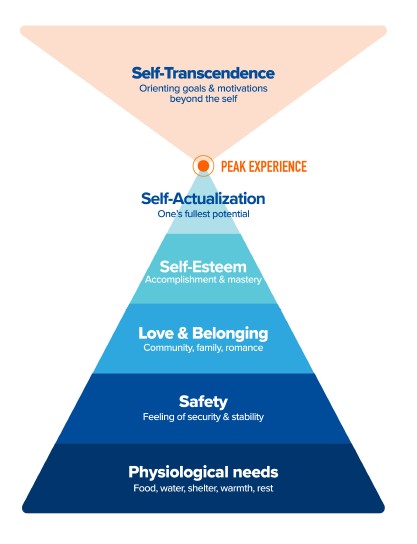
আব্রাহাম ম্যাসলো যখন তাঁর বিখ্যাত চাহিদার ক্রমবিন্যাস (হায়ারার্কি অফ নিডস) সংশোধন করেন, তখন তিনি আত্ম-উত্তরণের (সেলফ-ট্রান্সসেন্ডেন্স) আকাঙ্ক্ষাকে সব চাহিদার মধ্যে সর্বশ্রেষ্ঠ প্রেরক হিসেবে স্থাপন করেন, যা আত্ম-বাস্তবায়নের (সেলফ-অ্যাক্চুয়ালাইজেশন) উপরে স্থান পায়।18
When Abraham Maslow amended his famous hierarchy of needs, he set the desire for self-transcendence as the greatest motivator of them all, above self-actualization.18
তবে নবীগণ ও ঐশী প্রত্যাদেশ ছাড়া, সেই অন্তর্দৃষ্টিও কিছুটা দিশাহীন থেকে যায়। এতে এমন ধারণার সুযোগ তৈরি হয় যে, অদ্বৈতবাদ (সর্বজগতের সঙ্গে একাত্ম হওয়া) কিংবা পরার্থপরতা (নিঃস্বার্থ হওয়া) কে ভুলক্রমে ঈশ্বরের প্রতি ভক্তির সমান পরিপূর্ণতাদায়ক বলে মনে করা হতে পারে। পরার্থপর মানুষেরা প্রায়ই জীবনে বেশি সন্তুষ্টির কথা জানান, আর এটি প্রত্যাশিতই, কারণ নিঃস্বার্থ হওয়া, সংজ্ঞা অনুযায়ীই, আত্মকেন্দ্রিক হওয়ার চেয়ে অধিক উন্নত একটি উদ্দেশ্য।
However, without the prophets and divine revelation, even that insight remains somewhat uninstructive. It allows for notions such as monism (being one with the universe) or altruism (being selfless) to be misperceived as equally fulfilling as devotion to God. Altruistic people often report higher life satisfaction, and that is expected since being selfless is, by definition, a more transcendent purpose than being self-centered.
কিন্তু নিজেকে অতিক্রম করার মৌলিক প্রয়োজন কেবল নিজের চেয়ে বৃহত্তর যেকোনো লক্ষ্যে জড়িত হলেই পূর্ণরূপে মেটে না (যেমন মানবসমাজের সেবা)। এমন এক অনন্য প্রশান্তি আছে যা সরাসরি নির্ভর করে সর্বশ্রেষ্ঠ সত্তা, মহাপরাক্রমশালী আল্লাহর প্রতি একান্ত ভক্তি ও নিবেদনের উপর। অন্যের সেবা তার অংশ হতে পারে, কিন্তু কখনোই তার বিকল্প হতে পারে না, যেমন আল্লাহ বলেন, "জেনে রাখো, আল্লাহর স্মরণেই অন্তর প্রশান্ত হয়।"১৯ প্রখ্যাত মুসলিম ধর্মতাত্ত্বিক ইবনুল কাইয়্যিম (মৃ. ১৩৫০) লিখেছেন, অন্তরে এমন এক অস্থিরতা থাকে যা আল্লাহর নিকটবর্তী হওয়া ছাড়া আর কিছুতেই প্রশমিত হয় না। আর এমন এক একাকীত্ব তাকে ছেয়ে রাখে যা কেবল তাঁর (সান্নিধ্যের) আনন্দ উপভোগ করা ছাড়া আর কিছুতেই দূর হয় না।
But the essential need to self-transcend will never be fully satisfied by just any involvement in ends greater than oneself (such as serving the human collective). There is a unique tranquillity that hinges squarely on one’s devotion to the absolute greatest: the Almighty. Serving others can be part of that, but can never replace it, as Allah says, “Unquestionably, it is only by the remembrance of Allah that hearts are assured.”19 Ibn al-Qayyim (d. 1350), a renowned Muslim theologian, writes, In the heart, there exists an anxiousness that nothing can calm but drawing nearer to God. And a loneliness overcasts it that nothing can remove but enjoying His
…নির্জনে সঙ্গী হিসেবে। আর তার ভেতরে এমন এক বিষণ্ণতা বাস করে, যা তাঁকে জানার আনন্দ এবং তাঁর প্রতি একান্তভাবে আত্মনিবেদন ছাড়া আর কিছুতেই প্রশমিত হয় না। আর তার ভেতরে এমন এক উদ্বেগ অস্থির করে তোলে, যা তাঁর প্রতি মনোনিবেশ এবং তাঁর দিকে, তাঁরই কাছে, পালিয়ে যাওয়া ছাড়া আর কিছুতেই প্রশান্ত করা যায় না। আর তার ভেতরে অনুতাপের আগুন ক্রমাগত জ্বলতে থাকে, আর তাঁর আদেশ, নিষেধ ও তকদীরের প্রতি সন্তুষ্ট হওয়া এবং তাঁর সাথে সাক্ষাৎ হওয়ার সময় পর্যন্ত এসব ধৈর্যের সাথে আঁকড়ে ধরে রাখা ছাড়া আর কিছুতেই তা নিভানো যায় না। আর তার ভেতরে এমন এক তীব্র দাবি রয়েছে; একমাত্র তিনিই যতক্ষণ না তার একমাত্র লক্ষ্য হন, ততক্ষণ তা থামবে না। আর তার ভেতরে এমন এক প্রবল প্রয়োজন রয়েছে; তাঁকে ভালোবাসা, নিরন্তর তাঁকে স্মরণ করা এবং একনিষ্ঠভাবে তাঁর ইবাদত করা ছাড়া আর কিছুতেই তা পূর্ণ হবে না। আর কোনো ব্যক্তিকে যদি এই সমগ্র দুনিয়া ও তার ভেতরের সবকিছু দেওয়া হয়, তবুও সেই প্রয়োজন কখনো পূরণ হবে না।20
company in private. And a sadness dwells within it that nothing can alleviate but the joy of knowing Him and genuinely devoting oneself to Him. And a worry unsettles it that nothing can reassure but focusing on Him and fleeing from Him to Him. And the flames of regret continue to flare inside it, and nothing can extinguish them but becoming content with His commands, prohibitions, and destiny, and patiently holding onto all that until the time one meets Him. And in it exists a pressing demand; it will not stop until He alone becomes its pursuit. And in it is a dire need; nothing will satisfy it except loving Him, constantly remembering Him, and being sincerely devout to Him. And if a person were given this entire world and all it contains, it would never fulfill that need.20
সুতরাং এই মানসিক-আধ্যাত্মিক ট্র্যাজেডি এড়ানো এবং মহিমান্বিত আল্লাহর জন্য জীবনযাপনের উদ্দেশ্যে নবুওয়াত একটি অস্তিত্বগত অপরিহার্যতা। যে পরম করুণাময় প্রভু এই পৃথিবীতে জীবন ও তার ধারণের জন্য আমাদের প্রয়োজনীয় সবকিছু দান করেছেন, তিনিই নবুওয়াতের মাধ্যমে আমাদের সবচেয়ে বেশি যা প্রয়োজন তার ব্যবস্থা করেছেন: তাঁর দিকে পথনির্দেশনা এবং এই জীবনে ও পরের জীবনে তাঁর সন্তুষ্টি।
Hence, to avert this psychospiritual tragedy, and to live for Almighty God, prophethood is an existential necessity. The same most compassionate God who afforded us all we need on this planet for life and what sustains it, has ensured for us through prophethood what we need most: guidance to Him and His pleasure in this life and the next.
১৬ কুরআন ৫১:৫৬, সহীহ ইন্টারন্যাশনাল অনুবাদ।
16 The Qur’an 51:56, Saheeh International Translation.
১৭ আল-বুখারী, সহীহ আল-বুখারী, ৮:৮৬ #৬৪০৭; মুসলিম ইবনুল হাজ্জাজ আল-কুশাইরী, সহীহ মুসলিম (বৈরুত: দার ইহইয়াউল কুতুব আল-আরাবিয়্যাহ, ১৯৫৫), ১:৫৩৯ #৭৭৯।
17 al-Bukhārī, Ṣaḥīḥ al-Bukhārī, 8:86 #6407; Muslim ibn al-Ḥajjāj al-Qushayrī, Ṣaḥīḥ Muslim (Beirut: Dār Iḥyāʼ al-Kutub al-ʻArabīyah, 1955), 1:539 #779.
18 Lloyd Greene এবং George Burke, "Beyond Self-Actualization," Journal of Health and Human Services Administration (2007): 116-128.
18 Lloyd Greene and George Burke, “Beyond Self-Actualization,” Journal of Health and Human Services Administration (2007): 116-128.
১৯ কুরআন ১৩:২৮, সহীহ ইন্টারন্যাশনাল অনুবাদ।
19 The Qur’an 13:28, Saheeh International Translation.
২০ ইবনুল কাইয়্যিম আল-জাওযিয়্যাহ, মাদারিজুস সালিকীন বাইনা মানাযিলি ইয়্যাকা না'বুদু ওয়া ইয়্যাকা নাস্তা'ঈন (বৈরুত: দারুল কুতুব আল-আরাবী, ১৯৯৬), ৩:১৫৬।
20 Ibn Qayyim al-Jawzīyah, Madārij al-Sālikīn Bayna Manāzil Īyāka Na’budu wa Īyāka Nasta’īn (Beirut: Dār al-Kutub al-ʻArabī, 1996), 3:156.