৩.৫ একটি আদর্শ প্রজন্ম গঠন
3.5 Molding a Model Generation
মাত্র তেইশ বছরের মধ্যে নবী ﷺ এমন একটি আদর্শ প্রজন্ম গড়ে তুলেছিলেন, যার মতো মানবজাতি আগে কখনো দেখেনি এবং ভবিষ্যতেও আর দেখবে না। এরা ছিল বিশ্বের এক প্রান্তে, চারদিকে বিপজ্জনক মরুভূমি ঘেরা একটি দূরবর্তী অঞ্চলের বিভিন্ন গোত্রের সমষ্টি, যারা তাদের যুগের প্রধান সভ্যতাগুলোর চিন্তা ও ঘটনাপ্রবাহ থেকে প্রায় বিচ্ছিন্ন ছিল, এবং তাদের বিভেদ ও প্রচলিত নিরক্ষরতা তাদের আরও দুর্বল করে রেখেছিল। মাত্র দুই দশকের মধ্যে তারা কোনোভাবে পৃথিবীকে চিরতরে বদলে দিয়েছিল। এটি কীভাবে সম্ভব হলো? নবীদের পরে মানব ইতিহাসে তারা আল্লাহর সবচেয়ে বিশুদ্ধ বান্দা হয়ে উঠেছিল, পৃথিবীতে একত্ববাদের সবচেয়ে নিষ্ঠাবান অনুসারী ছিল তারা। এর ফলে তারা শুধু সর্বাধিক ভক্ত উপাসকই হয়নি, বরং মানবতার কল্যাণে অবদান রাখার ক্ষেত্রেও সামনের সারিতে ছিল। রাতের বেলায় তারা মহান রবের সান্নিধ্যের আকাঙ্ক্ষায় দাঁড়িয়ে নামাজ পড়ত, তাঁর অবতীর্ণ বাণীর প্রতি সাড়া দিয়ে তাদের গাল বেয়ে অশ্রু গড়িয়ে পড়ত। দিনের বেলায় তারা নিজেদের চেয়ে বড় উদ্দেশ্যের জন্য বাঁচত, দানশীলতা, শিক্ষা ও জনকল্যাণে নিজেদের নিঃশেষ করে দিত, অথবা অত্যাচারী শাসন থেকে মানবজাতিকে মুক্ত করতে ঘোড়ায় চড়ে বেরিয়ে পড়া যোদ্ধার মতো কাজ করত। তারা ন্যায়বিচার প্রতিষ্ঠা করেছিল, যেমনটি ইশাইয়া (অধ্যায় ১ দেখুন) আগেই ভবিষ্যদ্বাণী করেছিলেন, এবং শতাব্দীর পর শতাব্দী ধরে লক্ষ লক্ষ সাধক, সংস্কারক ও মহান চিন্তাবিদের গুণাবলির দ্বার উন্মোচন করেছিল।
Over the span of just twenty-three years, the Prophet صلى الله عليه وسلم successfully nurtured an exemplary generation whose likes humanity had never seen and will never again see. This was a conglomerate of tribes in a remote region of the world surrounded by perilous deserts, largely isolated from the ideas and events of the major civilizations of their era, and further weakened by their disunity and prevailing illiteracy. Within two decades, they somehow transformed the world forever. How could this be possible? They had become the purest servants of God in human history after the prophets, the most dutiful observers of monotheism on the planet. This not only made them the most devout worshippers but also at the forefront of contributing to humanity. At night, they would stand in prayer longing for the Divine, tears streaming down their cheeks in response to His revealed Word. By day, they would live for purposes greater than themselves, exhausting themselves in philanthropy, education, or as knights who rode to liberate humanity from tyrannical regimes. They established justice, as Isaiah had foretold (see Chapter 1), and unlocked the virtue of hundreds of thousands of ascetics, reformers, and great thinkers for centuries.
ইসলামী সভ্যতার বৈশিষ্ট্য ছিল ন্যায়বিচার ও সমতা, ভারসাম্য ও মধ্যপন্থা, বৈচিত্র্য, উন্নতি এবং সৌন্দর্যের অন্বেষণ। মানুষ এই মূল্যবোধগুলো নিজ নিজ দেশে রপ্তানি করার আশায় সমুদ্র পাড়ি দিত, আর অসংখ্য বিশেষজ্ঞ সাক্ষ্য দেন যে এরপর থেকে বিশ্ব আর আগের মতো থাকেনি। আডাম স্মিথ (মৃ. ১৭৯০), অষ্টাদশ শতকের ইংরেজ অর্থনীতিবিদ যিনি পশ্চিমের মুক্ত বাজার ব্যবস্থার পথিকৃৎ ছিলেন, স্বীকার করেন, "…খলিফাদের সাম্রাজ্যই সম্ভবত প্রথম রাষ্ট্র ছিল, যার অধীনে বিশ্ব সেই পরিমাণ প্রশান্তি উপভোগ করেছিল, যা বিজ্ঞানচর্চার জন্য প্রয়োজন।"
The hallmarks of Islamic civilization were justice and equality, balance and moderation, diversity, progress, and the pursuit of beauty. People traveled across the seas seeking to export these virtues to their homelands, and multitudes of experts testify that the world has never been the same since. Adam Smith (d. 1790), the eighteenth-century English economist who pioneered the West’s free market system, admits, …the empire of the Caliphs seems to have been the first state under which the world enjoyed that degree of tranquility which the cultivation of the sciences requires.
এই উদার ও মহান রাজন্যবর্গের পৃষ্ঠপোষকতাতেই প্রাচ্যে গ্রীকদের প্রাচীন দর্শন ও জ্যোতির্বিদ্যা পুনরুজ্জীবিত ও প্রতিষ্ঠিত হয়েছিল; তাঁদের কোমল, ন্যায়পরায়ণ ও ধর্মভিত্তিক শাসন তাঁদের বিশাল সাম্রাজ্যে যে প্রশান্তি ছড়িয়ে দিয়েছিল, তা মানবজাতির মধ্যে প্রকৃতির অন্তর্নিহিত সংযোগসূত্রগুলো অনুসন্ধানের কৌতূহলকে পুনরায় জাগিয়ে তুলেছিল।153
It was under the protection of those generous and magnificent princes, that the ancient philosophy and astronomy of the Greeks were restored and established in the East; that tranquility, which their mild, just and religious government diffused over their vast empire, revived the curiosity of mankind, to inquire into the connecting principles of nature.153
মুসলমানরা, শত শত বছর পরেও, নবীর সাহাবিদের সহনশীলতা ও উদারতার অনন্য দৃষ্টান্ত হিসেবে দেখেন, এমনকি যুদ্ধ চলাকালীন আচরণবিধির ক্ষেত্রেও তাঁদের নজির উল্লেখ করেন। এর একটি দৃষ্টান্ত বর্ণনা করেছেন আবূ ‘আযীয ইবনু ‘উমায়র, যিনি বদর যুদ্ধে একজন যুদ্ধরত মুশরিক হিসেবে বন্দী হয়েছিলেন। তিনি জানান, আল্লাহর রাসূল ﷺ তাঁর সাহাবিদের স্পষ্ট নির্দেশ দিয়েছিলেন, “বন্দীদের সঙ্গে সদয় আচরণ করো।” ফলে তাঁর বন্দীকারীরা দুপুরের বা রাতের খাবার খাওয়ার সময় নিজেরা শুধু খেজুর খেত, আর তাঁকে রুটি দিত, নবী ﷺ-এর নির্দেশ পালন করতে গিয়ে।১৫৪ এর ফলে, বিশ্ব শান্তি সম্মেলনের বহু আগেই, এবং তাদের চারপাশের সমাজের সঙ্গে তীব্র বৈপরীত্যে, ইসলামের ইতিহাসে যুদ্ধবন্দীদের মানবিক আচরণের উজ্জ্বল দৃষ্টান্ত ছিল, এবং ক্ষমা ও মার্জনাকে মানবসমাজের জন্য পুনর্গঠনমূলক আদর্শ হিসেবে স্বীকৃতি দেওয়া হতো। জর্জটাউন বিশ্ববিদ্যালয়ের ধর্মতত্ত্বের সিনিয়র অধ্যাপক জন এসপোজিটো এ বিষয়ে লিখেছেন, “মুসলিম সেনাবাহিনী যুদ্ধে যেমন অবিচল ছিল, বিজয়ের পরেও ছিল তেমনই উদার। বেসামরিক মানুষদের রেহাই দেওয়া হতো; গির্জা ও উপাসনালয়গুলো সাধারণত অক্ষত রাখা হতো। ক্রুসেড যুগের দুই প্রধান ব্যক্তিত্ব — সালাহুদ্দিন ও রিচার্ড দ্য লায়ন-হার্টেড — সামরিক আচরণের এই সুস্পষ্ট পার্থক্যের প্রতীক ছিলেন। বীরত্বপূর্ণ সালাহুদ্দিন তাঁর প্রতিশ্রুতি রক্ষায় বিশ্বস্ত ছিলেন এবং অযোদ্ধাদের প্রতি সহানুভূতিশীল ছিলেন।”
Muslims, centuries later, look back at the Prophet’s Companions as the gold standard for tolerance and magnanimity, invoking their precedent even for the rules of engagement during military conflicts. A glimpse of this precedent is narrated by Abū ‘Azīz ibn ‘Umayr , who was taken captive at the Battle of Badr as a warring idolator. He reports that the Messenger of Allah صلى الله عليه وسلم gave clear instructions to his Companions, stating, “Treat the captives kindly,” and so whenever his captors had lunch or dinner, they would only eat dates while giving him the bread, in compliance with the Prophet’s صلى الله عليه وسلم orders.154 As a result, well before global peace summits and in stark contrast to societies around them, Islamic history had shining examples of treating prisoners of war humanely, as well as amnesty and pardon being recognized as the restorative ideal for the human collective. John Esposito, a senior professor of religion at Georgetown University, writes on this, The Muslim army was as magnanimous in victory as it was tenacious in battle. Civilians were spared; churches and shrines were generally left untouched. The striking differences in military conduct were epitomized by the two dominant figures of the Crusades: Saladin and Richard the Lion-Hearted. The chivalrous Saladin was faithful to his word and compassionate towards noncombatants.
রিচার্ড আক্রার আত্মসমর্পণ গ্রহণ করেন, এরপর তিনি এর সকল বাসিন্দাকে গণহত্যা করতে থাকেন, যাদের মধ্যে নারী ও শিশুও ছিল, অথচ তিনি এর বিপরীত প্রতিশ্রুতি দিয়েছিলেন।155
Richard accepted the surrender of Acre then continued to massacre all its inhabitants, including women and children, despite promises to the contrary.155
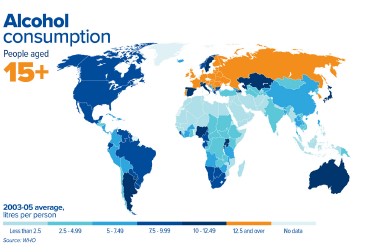
সেই আদর্শ প্রজন্ম থেকেই এমন এক সভ্যতার উদ্ভব হয়েছিল যেখানে সততা ও পবিত্রতাই ছিল স্বাভাবিক রীতি, এবং যেখানে মদ্যপান কখনো ব্যাপক হয়নি। আজ পর্যন্ত, বিশ্ব স্বাস্থ্য সংস্থার হিসাবে যেখানে মদ্যপানের কারণে প্রতি বছর বিশ্বজুড়ে ২৫ লাখ মানুষের মৃত্যু ঘটে, সেখানে উত্তর আফ্রিকা ও দক্ষিণ-পূর্ব এশিয়ার মতো মুসলিম-প্রধান দেশগুলোতে মদ্যপানের অপব্যবহার প্রতিরোধে ইসলামের প্রভাব সুস্পষ্ট।156
From that model generation emerged a civilization in which virtue and chastity were the norm, and in which alcohol was never widespread. Until this very day, while the World Health Organization estimates that alcohol results in 2.5 million global deaths a year, the impact of Islam on preventing alcohol abuse in Muslim-majority nations (such as those of North Africa and Southeast Asia) is clear.156
ইতিহাসে কি এমন কেউ কখনও ছিলেন যিনি একবার কোনো জাতির মধ্যে মদ্যপানের দানব ছড়িয়ে পড়ার পর তাকে বশ মানাতে সক্ষম হয়েছিলেন?
Has history ever known anyone else with the ability to tame the beast of alcoholism once it has been unleased upon a nation?
কেন মুসলিমরা এটি সহজেই ছেড়ে দিতে পেরেছিল? নবী صلى الله عليه وسلم তাঁর জীবদ্দশাতেই এমন একটি জাতির মধ্যে তা অর্জন করেছিলেন, যাদের গৌরব ও আয় মদের সঙ্গে গভীরভাবে জড়িত ছিল। আল্লাহর নির্ধারিত ক্রমে ধাপে ধাপে বিধান প্রবর্তনের পথ অনুসরণ করে তিনি صلى الله عليه وسلم তাঁর সুশৃঙ্খল কর্মসূচি (অধ্যায় ৪ দেখুন) ফলপ্রসূ হতে দেখেছিলেন; মদীনার রাস্তায় মদ প্রবাহিত হতে দেখেছিলেন, যখন মুসলিমরা নিজেদের অবশিষ্ট মদের পিপা খালি করে দিয়েছিল।১৫৭ অন্য কেউ কি কখনো এত অল্প সময়ের মধ্যে বহুকাল ধরে চলে আসা সীমাহীন বহুবিবাহ, পুরুষের একচেটিয়া উত্তরাধিকার আইন এবং কন্যাশিশু হত্যার প্রথা বন্ধ করতে পেরেছে? উদাহরণস্বরূপ, আজকের ভারতে কন্যাশিশু হত্যা রোধে প্রণীত সব আইন এক শতাব্দীরও বেশি কঠোর প্রয়োগের পরেও এই প্রথা নির্মূল করতে পারেনি।১৫৮ নবী صلى الله عليه وسلم-এর যুগের আগে বা পরে কোথাও কি এমন কোনো ঐতিহাসিক দৃষ্টান্ত আছে, যেখানে তত্ত্ব ও আচরণ উভয় ক্ষেত্রেই জাতিগত শ্রেষ্ঠত্বের অহংকার এতটা নাটকীয়ভাবে কমে গিয়েছে? তাঁর সমসাময়িক অনেক গোঁড়া আরব-শ্রেষ্ঠত্ববাদী পরবর্তীতে অনারবদের এবং সাবেক ক্রীতদাসদের নেতৃত্ব মেনে নিয়েছিলেন।
Why were Muslims able to just give it up? The Prophet صلى الله عليه وسلم achieved that within his lifetime in a people whose glory and income was interlocked with wine. Following a divinely charted roadmap of gradualism, he صلى الله عليه وسلم was able to witness his methodical program (see Chapter 4) culminate in wine flowing in Madinah’s streets as its Muslims emptied what remained of their own wine barrels.157 Has anyone else ever been able to ban the age-old customs of unrestricted polygyny, male-only inheritance laws, and female infanticide—let alone in such a short span of time? All the laws in today’s India, for instance, designed to combat female infanticide have not eradicated the practice after more than a century of strict enforcement.158 Has there ever been another historical parallel before or after the Prophet’s صلى الله عليه وسلم era where ethnic chauvinism declined so dramatically in both theory and practice? Many of his contemporaries who were vehement Arab supremacists became people who conceded to the leadership of non-Arabs and former slaves.
আবূ হুযায়ফার মুক্তিপ্রাপ্ত দাস সালিম কুরআন তিলাওয়াতে দক্ষতার কারণে নবী ﷺ-এর সর্বজ্যেষ্ঠ সাহাবীদের নিয়ে সালাতে ইমামতি করতেন।159 খলিফা ‘উমর ইবনুল খাত্তাব একবার জিজ্ঞাসা করেছিলেন, মক্কার শাসনকর্তা তাঁর অনুপস্থিতিতে ইসলামের ধর্মীয় রাজধানী পরিচালনার দায়িত্ব কেন আরেক মুক্তিপ্রাপ্ত দাস ইবন আবযার উপর দিয়ে গেলেন, সব মানুষের মধ্যে। তিনি ‘উমরকে জানান যে এই নির্বাচনের কারণ ছিল ইবন আবযার কুরআন ও উত্তরাধিকার বণ্টনের বিধানে তাঁর দক্ষতা। ‘উমর এই যুক্তিতে সম্মতি প্রকাশ করেন এবং বর্ণনা করেন যে নবী ﷺ সত্যিই বলেছিলেন, “এই কুরআনের কারণে আল্লাহ কিছু মানুষের মর্যাদা উঁচু করেন এবং কিছু মানুষকে এর কারণে নিচে নামান।”160 মোল্লা ‘আলী আল-কারী (মৃ. ১৬০৫) এই হাদীসের ব্যাখ্যায় বলেন, এই বিষয়টি এভাবে দৃশ্যমান যে আমাদের পূর্ববর্তী সৎ ব্যক্তিবর্গের মধ্যে অধিকাংশ আলিমই ছিলেন মুক্তিপ্রাপ্ত দাস, তবুও তাঁরাই ছিলেন মুসলিম উম্মাহর নির্বিবাদে স্বীকৃত নেতা এবং তার রহমতের উৎস, অথচ রাজবংশীয় বংশমর্যাদা থাকা সত্ত্বেও যাঁরা আলিম ছিলেন না, তারা তাদের অজ্ঞতার গণ্ডিতে বিস্মৃত হয়ে গেছেন।161
১৫৩ Adam Smith, Essays: Philosophical and Literary (London: Ward, Lock & Co, 1880), 353.
153 Adam Smith, Essays: Philosophical and Literary (London: Ward, Lock & Co, 1880), 353.
সুলাইমান ইবনু আহমাদ আত-তাবারানী, আল-মু'জামুল কাবীর (কায়রো, রিয়াদ: মাকতাবাতু ইবনি তাইমিয়্যাহ, দারুস সুমাই'ঈ, ১৯৮৩), ২২:৩৯৩ #৯৭৭।
154 Sulaymān ibn Aḥmad al-Ṭabarānī, Al-Mu‘jam al-Kabīr (Cairo, Riyadh: Maktabat Ibn Taymīyah, Dār al-Ṣumayʻī, 1983), 22:393 #977.
১৫৫ John L. Esposito, Islam: The Straight Path (New York: Oxford University Press, 1988), 64.
155 John L. Esposito, Islam: The Straight Path (New York: Oxford University Press, 1988), 64.
১৫৬। “Global Status Report on Alcohol and Health 2018,” বিশ্ব স্বাস্থ্য সংস্থা (World Health Organization), ২১ সেপ্টেম্বর, ২০১৮।
156 “Global Status Report on Alcohol and Health 2018,” World Health Organization, September 21st, 2018.
১৫৭ আল-বুখারী, সহীহ আল-বুখারী, ৬:৫৪ #৪৬২০; মুসলিম, সহীহ মুসলিম, ৩:১২০৫ #১৫৭৮।
157 al-Bukhārī, Ṣaḥīḥ al-Bukhārī, 6:54 #4620; Muslim, Ṣaḥīḥ Muslim, 3:1205 #1578.
“Because I am a Girl: The State of the Girl Child in India 2009,” Plan India, (2009): 6.
158 “Because I am a Girl: The State of the Girl Child in India 2009,” Plan India, (2009): 6.
সহীহ আল-বুখারী, ১:১৪০ #৬৯২।
159 al-Bukhārī, Ṣaḥīḥ al-Bukhārī, 1:140 #692.
সহীহ মুসলিম, ১৬০ (Muslim), ১:৫৫৯ #৮১৭।
160 Muslim, Ṣaḥīḥ Muslim, 1:559 #817.
161 ‘Alī ibn Muḥammad Qārī al-Harawī, Mirqāt al-Mafātīḥ: Sharḥ Mishkāt al-Maṣābīḥ (বৈরুত: দার আল-ফিকর, ২০০২), ১:২৮৮।
161 ‘Alī ibn Muḥammad Qārī al-Harawī, Mirqāt al-Mafātīḥ: Sharḥ Mishkāt al- Maṣābīḥ (Beirut: Dār al-Fikr, 2002), 1:288.
১৬২। ‘আবদুর-রহমান ইবনুল-জাওযী, সিফাতুস-সাফওয়াহ (কায়রো: দারুল-হাদীস, ২০০০), ১:৪১৫।
162 ‘Abdul-Raḥmān ibn al-Jawzī, Ṣifat al-Ṣafwah (Cairo: Dār al-Ḥadīth, 2000), 1:415.
163 আল-কুরআন ৮:৬৩, সহীহ ইন্টারন্যাশনাল অনুবাদ।
163 The Qur’an 8:63, Saheeh International Translation.