۵۔ الحسن ابن علیؓ
5. Al-hasan Ibn Ali
رضی اللہ عنہ
May Allah Be Pleased With Him
الحسن بن علی بن ابی طالب رضی اللہ عنہ، ابو محمد، رسول اللہ ﷺ کے نواسے، آپ ﷺ کی نسل سے اور آپ ﷺ کے صریح الفاظ کے مطابق خلفاء میں سے آخری۔
Al-Hasan ibn Ali ibn Abi Talib, may Allah be pleased with him, Abu Muhammad, the grandson of the Messenger of Allah, may Allah bless him and grant him peace, his descendant and the last of the khulafa by his (the Prophet’s, may Allah bless him and grant him peace) explicit words.
ابن سعد نے روایت کی ہے کہ تِمران بن سلیمان نے کہا: حسن اور حسین جنت والوں کے دو نام ہیں۔ عرب جاہلیت میں یہ نام استعمال نہیں کرتے تھے۔
Ibn Sacd narrated that Tmran ibn Sulayman safd: Al-Hasan and al-Hussein are two of the names of the people of the Garden. The Arabs did not use these names in the Jahiliyyah.
الحسن رضی اللہ عنہ کی ولادت ہجرت کے تیسرے سال رمضان کے وسط میں ہوئی۔ آپ سے نبی کریم ﷺ سے احادیث مروی ہیں۔ عائشہ رضی اللہ عنہا نے آپ سے حدیث بیان کی، اور تابعین کی ایک بڑی تعداد نے بھی، جن میں آپ کے بیٹے الحسن، ابوالہوراء ربیعہ بن سنان، الشعبی، ابو وائل اور ابن سیرین شامل ہیں۔
Al-Hasan, may Allah be pleased with him, was born in the middle of Ramadan in the third year of the Hijrah. Hadith have been related from him from the Prophet, may Allah bless him and grant him peace. cA’ishah, may Allah be pleased with her, related hadith from him, and a great number of the Followers, of them his son al-Hasan, Abu’l-Hawra’ Rabicah ibn Sinan, Ash-Shacbi, Abu Wa’il and Ibn Sirin.
وہ نبی ﷺ سے مشابہت رکھتے تھے۔ نبی ﷺ نے ان کا نام الحسن رکھا، ان کی ساتویں روز ان کی خاطر ایک بکری ذبح کی، ان کے بال منڈوائے اور حکم دیا کہ ان بالوں کے وزن کے برابر چاندی صدقہ کر دی جائے۔ وہ اہل عباء (جب نبی ﷺ نے فرمایا، 'اے اللہ! یہ میرے اہل و عیال ہیں') میں سے پانچویں تھے۔ ابو احمد العسکری کہتے ہیں: یہ نام جاہلیت میں معروف نہ تھا۔
He resembled the Prophet, may Allah bless him and grant him peace. The Prophet, may Allah bless him and grant him peace, named him al-Hasan, slaughtered a sheep for him on his seventh day, shaved off his hair and ordered that the weight of the hair in silver should be given away as sadaqah. He was the fifth of the family of the mantle (when the Prophet, may Allah bless him and grant him peace, said, ‘O Allah, these are my family.’X Abu Ahmad al-cAskari said: This name was not known in the Jahiliyyah.
المفضل نے کہا: اللہ تعالیٰ نے حسن اور حسین کے ناموں پر پردہ ڈال رکھا تھا یہاں تک کہ نبی ﷺ نے انہیں اپنے دو نواسوں کے نام رکھنے کے لیے استعمال کیا۔
Al-Mufaddal said: Allah veiled the names of al-Hasan and alT h e H isto r y o f t h e K h a l ifa h s Hussein until the Prophet, may Allah bless him and grant him peace, used them to name his two grandsons.
امام بخاریؒ نے بیان کیا ہے کہ حضرت انسؓ سے روایت ہے کہ حسن بن علیؓ سے زیادہ نبی کریم ﷺ سے مشابہت رکھنے والا کوئی نہ تھا۔
Al-Bukhari narrated that Anas said: No-one more resembled the Prophet, may Allah bless him and grant him peace, than al-Hasan ibn cAli.
دو شیخوں نے روایت کی ہے کہ البراءؓ نے کہا: میں نے نبی ﷺ کو دیکھا کہ آپ ﷺ کے کندھے پر الحسنؓ تھے اور آپ ﷺ فرما رہے تھے، 'اے اللہ! میں ان سے محبت کرتا ہوں، پس تو بھی ان سے محبت فرما۔' البخاری نے روایت کی ہے کہ ابوبکرہؓ نے کہا: میں نے نبی ﷺ کو منبر پر دیکھا، آپ ﷺ کے پہلو میں الحسنؓ تھے، آپ ﷺ کبھی لوگوں کی طرف دیکھتے اور کبھی ان کی طرف، اور فرما رہے تھے، 'یہ میرا بیٹا ایک سردار ہے، اور غالب امکان ہے کہ اس کے ذریعے اللہ مسلمانوں کے دو گروہوں کے درمیان صلح کرا دے گا۔' البخاری نے روایت کی ہے کہ ابن عمرؓ نے کہا: نبی ﷺ نے فرمایا، 'یہ دنیا میں میرے دو پودے ہیں،' یعنی الحسنؓ اور الحسینؓ۔
The two Shaykhs narrated that al-Bara’ said: I saw the Prophet, may Allah bless him and grant him peace, with al-Hasan upon his shoulder, saying, ‘O Allah, I love him, so love him.’ Al-Bukhari narrated that Abu Bakrah said: I heard the Prophet, may Allah bless him and grant him peace, upon the minbar, with al-Hasan by his side looking at the people one time and looking at him one time, saying, ‘This son of mine is a chief, and it is likely that through him Allah will make peace between two parties of the Muslims.’ Al-Bukhari narrated that Ibn cUmar said: The Prophet, may Allah bless him and grant him peace, said, ‘They are my two descendants (literally ‘my two sprigs of basil’ or ‘my two sweet-smelling plants [or flowers]’) in the world,’ meaning al-Hasan and al-Hussein.
ترمذی اور حاکم نے روایت کیا ہے کہ ابوسعید خدری رضی اللہ عنہ سے مروی ہے کہ رسول اللہ ﷺ نے فرمایا: 'حسن اور حسین جنت کے جوانوں کے سردار ہیں۔' ترمذی نے روایت کیا ہے کہ اسامہ بن زید رضی اللہ عنہ نے کہا: میں نے نبی کریم ﷺ کو دیکھا جبکہ حسن اور حسین آپ ﷺ کی ہڈیوں (ایک دائیں اور ایک بائیں) پر سوار تھے، اور آپ ﷺ نے فرمایا: 'یہ میرے دو بیٹے اور میری بیٹی کے دو بیٹے ہیں۔ اے اللہ! میں ان سے محبت کرتا ہوں، پس تو بھی ان سے محبت فرما اور اس سے محبت فرما جو ان سے محبت کرے۔' انہوں نے روایت کیا کہ انس رضی اللہ عنہ سے ہے کہ نبی کریم ﷺ سے پوچھا گیا: 'آپ کے اہل بیت میں آپ کو سب سے زیادہ کون محبوب ہے؟' آپ ﷺ نے فرمایا: 'حسن اور حسین۔' حاکم نے روایت کیا کہ ابن عباس رضی اللہ عنہما سے ہے کہ نبی کریم ﷺ حسن کو اپنے کندھے پر اٹھائے ہوئے آ رہے تھے۔ ایک شخص آپ ﷺ سے ملا اور کہنے لگا: 'اے لڑکے! تمہارا سوار کتنا مبارک ہے!' نبی کریم ﷺ نے جواب دیا: 'اور یہ سوار کتنا مبارک ہے۔' ابن سعد نے روایت کیا کہ عبداللہ بن الزبیر رضی اللہ عنہ نے کہا: 'اپنے خاندان میں نبی کریم ﷺ کے سب سے زیادہ مشابہ اور آپ ﷺ کو سب سے زیادہ محبوب حسن بن علی رضی اللہ عنہما ہیں۔ میں نے انہیں سجدے کی حالت میں دیکھا اور وہ (حسن) آپ ﷺ کے کندھوں پر — یا انہوں نے کہا 'آپ ﷺ کی پشت پر' — سوار ہو گئے، اور آپ ﷺ نے انہیں تب تک نیچے نہیں اتارا جب تک خود نیچے نہ اتر گئے۔ میں نے انہیں نماز میں رکوع کی حالت میں دیکھا اور آپ ﷺ اپنے پاؤں پھیلا دیتے تھے تاکہ وہ دوسری طرف سے گزر سکیں۔' ابن سعد نے روایت کیا کہ ابو سلمہ بن عبد الرحمن رضی اللہ عنہ نے کہا:
At-Tirmidhi and al-Hakim narrated that Abu Sacid al-Khudri said: The Messenger of Allah, may Allah bless him and grant him peace, said, ‘Al-Hasan and al-Hussein are the two lords of the youth of the people of the Garden.’ At-Tirmidhi narrated that Usamah ibn Zaid said: I saw the Prophet, may Allah bless him and grant him peace, and al-Hasan and al-Hussein were upon his hips (one on each), and he said, ‘These are my two sons and the two sons of my daughter. O Allah, I love them, so love them and love whoever loves them.’ He narrated that Anas said: The Prophet, may Allah bless him and grant him peace, was asked, ‘Who of the people of your house are most beloved to you?’ He said, ‘Al-Hasan and al-Hussein.’ Al-Hakim narrated that Ibn cAbbas said: The Prophet, may Allah bless him and grant him peace, approached carrying al-Hasan on his shoulder. A man met him and said, ‘What a blessed mount you have, boy!’ The Prophet, may Allah bless him and grant him peace, replied, And what a blessed rider is he.’ Ibn Sacd narrated that “Abdullah ibn az-Zubayr said: The one most like the Prophet, may Allah bless him and grant him peace, of his family and the most beloved to him is al-Hasan ibn cAli. I saw him come while he was prostrate and mount his shoulders — or he said, ‘his back’ - and he did not make him get down until he himself got down. I saw him while he was bowing in prayer and he would separate his legs for him so that he could pass through the other side.’ Ibn Sacd narrated that Abu Salamah ibn cAbd ar-Rahman said:
نبی کریم ﷺ حسن بن علی کے لیے اپنی زبان باہر نکالتے تھے، پھر جب بچہ زبان کی سرخی دیکھتا تو آپ ﷺ کے ساتھ خوش ہو جاتا۔
The Prophet, may Allah bless him and grant him peace, used to put forth his tongue for al-Hasan ibn cAli, then when the infant saw the redness of the tongue, he would be merry with him.
الحاکم نے روایت کی ہے کہ زہیر بن ارقم رضی اللہ عنہ نے کہا: الحسن بن علی رضی اللہ عنہ خطبہ دینے کے لیے کھڑے ہوئے، تو ازد شنوع کا ایک شخص کھڑا ہوا اور کہنے لگا، 'میں گواہی دیتا ہوں کہ میں نے نبی کریم ﷺ کو دیکھا کہ آپ ﷺ نے انہیں اپنی گود میں بٹھایا (حبوہ سے مراد گھٹنوں کو پیٹ سے لگا کر بیٹھنا ہے، جس میں اکثر ٹانگوں اور کمر کو سہارا دینے کے لیے کپڑا لپیٹا جاتا ہے)، اور آپ ﷺ نے فرمایا، "جو مجھ سے محبت کرتا ہے وہ اس سے بھی محبت کرے، اور جو یہاں موجود ہے وہ اسے اس تک پہنچا دے جو یہاں موجود نہیں ہے،" اور اگر رسول اللہ ﷺ کے لیے بے پناہ احترام نہ ہوتا تو میں یہ بات کسی کو نہ سناتا۔' الحسن رضی اللہ عنہ کے بہت سے فضائل تھے: وہ باوقار، بردبار، سکون و وقار اور حیا والے تھے؛ وہ نہایت سخی اور بہت تعریف کیے جانے والے تھے؛ وہ فتنوں اور تلوار (جنگ) کو ناپسند کرتے تھے؛ انہوں نے کئی نکاح کیے تھے؛ اور وہ ایک شخص کو ایک لاکھ کے برابر عطا کر دیا کرتے تھے۔
Al-Hakim narrated that Zuhayr ibn al-Arqam said: Al-Hasan ibn cAli stood to deliver the khutbah, and a man from Azd Shanu’ah stood up and said, ‘I witness that I saw the Prophet, may Allah bless him and grant him peace, place him in his lap (hubwah denotes sitting on the haunches with the legs drawn in to the belly, often with a cloth wrapped around the legs and the back in support), saying, “Whoever loves me, let him love him, and let the one who is present convey it to whoever is absent,” and if it were not for high regard for the Messenger of Allah, may Allah bless him and grant him peace, I would not have related it to anyone.’ Al-Hasan, may Allah be pleased with him, had many virtues: he was lordly, forbearing, possessing tranquillity, gravity and modesty; he was liberally generous, much praised; he disliked seditions and the sword; he married a great deal; and he would bestow upon a single man as much as one hundred thousand.
الحاکم نے روایت کی ہے کہ عبداللہ بن عبید بن عمیر نے کہا:
Al-Hakim narrated that cAbdullah ibn cUbayd ibn cUmayr said:
الحسن نے پچیس مرتبہ پیدل چل کر حج ادا کیا، اور اعلیٰ نسل کے سواری کے جانور ان کے ساتھ ساتھ لائے جاتے تھے۔
Al-Hasan performed the Hajj twenty-five times walking, and the high-bred, riding beasts were led along with him.
ابن سعد نے روایت کی ہے کہ عمیر بن اسحاق نے کہا: میری موجودگی میں کبھی کوئی ایسا شخص نہیں بولا جس کے بولنے پر مجھے یہ زیادہ پسند ہوتا کہ وہ خاموش رہے، مگر حسن بن علی ﷺ۔ میں نے ان سے صرف ایک بار کے سوا کبھی کوئی نامناسب لفظ نہیں سنا۔ حسن اور عمرو بن عثمان کے درمیان کچھ زمین کے بارے میں جھگڑا ہوا۔ حسن نے ایک ایسی تجویز پیش کی جو عمرو کو پسند نہ آئی۔ حسن نے کہا، 'ہمارے پاس اس کے علاوہ کوئی چارہ نہیں کہ ہم اس کے خلاف (یعنی اس کے ناک کو خاک میں ملا کر) عمل کریں'۔ یہ ان کی طرف سے سنا گیا سب سے نامناسب لفظ تھا۔
Ibn Sacd narrated that cUmayr ibn Ishaq said: No-one ever spoke in my presence who it was more preferable, when he talked, that he should not be silent than al-Hasan ibn cAli. I never heard from him an improper word except for one time. There was a dispute between al-Hasan and cAmr ibn cUthman about some land. Al- Hasan proposed something which cAmr did not like. Al-Hasan said, ‘There is nothing for it with us but to act in spite of him (literally ‘that his nose cleave to the dust’).’ This was the most improper word I ever heard from him.
ابن سعد نے روایت کی ہے کہ عمیر بن اسحاق نے کہا: مروان ہم پر امیر تھا، اور وہ ہر جمعہ کے دن منبر سے علیؓ کو برا بھلا کہتا تھا، جبکہ حسنؓ سنتے تھے اور کوئی جواب نہ دیتے۔ پھر انہوں نے ایک شخص کو ان کے پاس بھیجا اور کہا، 'میں علی کی قسم کھاتا ہوں، علی کی قسم، علی کی قسم، اور تمہاری قسم، تمہاری قسم! مجھے تمہاری کوئی مثال نہیں ملتی سوائے اس خچر کے جس سے پوچھا جائے، "تمہارا باپ کون ہے؟" تو وہ جواب دیتا ہے، "میری ماں گھوڑی ہے"۔' حسنؓ نے اس سے کہا، 'اس کے پاس واپس جاؤ اور اس سے کہو، "اللہ کی قسم، میں تمہاری گالیوں کے بدلے تمہاری کہی ہوئی کسی بات کو مٹاؤں گا نہیں۔ تاہم، تم اور میں اللہ کے حضور ایک ملاقات کے وقت کے پابند ہیں۔ پھر اگر تم سچے ہو، تو اللہ تمہیں تمہاری سچائی کا بدلہ دے۔ اور اگر تم جھوٹے ہو، تو اللہ بدلہ لینے میں زیادہ سخت ہے"۔' ابن سعد نے روایت کی ہے کہ زریق بن سوار نے کہا: حسنؓ اور مروان کے درمیان کچھ کلام ہوا، پھر مروان ان کے قریب آیا اور ان پر بہت سختی کی — جبکہ حسنؓ خاموش رہے۔ مروان نے اپنے دائیں ہاتھ سے ناک صاف کی۔ حسنؓ نے ان سے کہا، 'تمہاری تباہی ہو! کیا تم نہیں جانتے کہ دایاں ہاتھ چہرے کے لیے ہے اور بایاں ہاتھ شرمگاہ (اور عام طور پر ناپاک چیزوں) کے لیے ہے؟ میں تم سے بیزار ہوں (لفظی طور پر: تمہارے لیے گندگی ہو)!' مروان خاموش ہو گیا۔
Ibn Sacd narrated that cUmayr ibn Ishaq said: Marwan was the amir over us, and he used to abuse cAli every Jumucah from the minbar, while al-Hasan would listen and make no reply. Then he sent a man to him saying, ‘I swear by cAli, by cAli, by cAli, and by you, by you! I don’t find any likeness for you except the mule, to which it is said, “Who is your father?” and it replies, “My mother is a mare.’” Al-Hasan said to him, ‘Return to him and say to him, “By Allah, I will not efface for you anything of what you have said by abusing you. However, you and I have an appointment together before Allah. Then, if you are truthful, may Allah recompense you for your truthfulness. If you are a liar, then Allah is worse in revenge.’” Ibn Sacd narrated that Zurayq ibn Sawwar said: There were some words between al-Hasan and Marwan, then Marwan approached him, became very tough on him — and al-Hasan was silent. Marwan blew his nose using his right hand. Al-Hasan said to him, ‘Woe to you! Do you not know that the right hand is for the face, and the left for the private parts (and for unclean matters generally)? I am disgusted with you (literally ‘filth to you’)!’ Marwan became silent.
ابن سعد نے اشقت بن سوار سے روایت کی ہے کہ ایک شخص نے کہا: ایک شخص حسن (بصری) کے پاس بیٹھا تو انہوں نے کہا، 'تم ہمارے پاس اس وقت بیٹھے ہو جب ہم اٹھنے والے تھے۔ کیا تم (ہمارے ساتھ بیٹھنے کی) اجازت چاہتے ہو؟' ابن سعد نے روایت کی کہ علی بن زید بن جدعان نے کہا: حسن (بصری) نے اللہ کی خاطر اپنی جائیداد دو بار وقف کی، اور اللہ تعالیٰ نے ان کی جائیداد کو تقسیم کیا اور تین بار ان کے ساتھ اسے بانٹا، یہاں تک کہ وہ ایک چپل دے دیتے اور ایک اپنے پاس رکھتے، یا ایک چمڑے کا موزہ (مخفف: خف) دے دیتے اور دوسرا اپنے پاس رکھتے۔
Ibn Sacd narrated from Ashcath ibn Sawwar that a man said: A man sat down with al-Hasan and he (al-Hasan) said, ‘You have sat down with us at the moment we were going to stand. Will you permit?’ Ibn Sacd narrated that cAli ibn Zaid ibn Judacan said: Al-Hasan gave forth his property twice for the sake of Allah, and Allah divided up his property and shared it with him three times, to such an extent that he used to give a sandal and keep a sandal with him, or give away a leather sock (known as khuff) and keep another sock.
ابن سعد نے روایت کی ہے کہ علی بن الحسین نے کہا: حسن کو عورتوں کو طلاق دینے کی عادت تھی، اور وہ جس عورت سے بھی علیحدگی اختیار کرتے، وہ عورت ان سے محبت کرنے لگتی۔ انہوں نے نوے عورتوں سے نکاح کیا۔
Ibn Sacd narrated that cAli ibn al-Hussein said: Al-Hasan was given to divorcing women, and he did not separate from a woman but that she loved him. He married ninety women.
ابن سعد نے جعفر بن محمد سے روایت کی ہے کہ ان کے والد نے کہا:
Ibn Sacd narrated from Jacfar ibn Muhammad that his father said:
الحسن ﷺ اتنی زیادہ شادیاں اور طلاقیں لیا کرتے تھے کہ مجھے ڈر تھا کہ کہیں وہ قبائل کے درمیان ہمارے خلاف دشمنی کا سبب نہ بن جائیں۔
Al-Hasan used to marry and divorce so much that I was afraid he would cause enmity towards us among the tribes.
ابن سعد نے جعفر بن محمد سے روایت کی ہے کہ ان کے والد نے کہا: علی رضی اللہ عنہ نے فرمایا، 'اے اہل کوفہ! اپنی عورتوں کا نکاح الحسن سے نہ کرنا کیونکہ وہ طلاق دینے والا شخص ہے۔' ہمدان کے ایک شخص نے کہا، 'اللہ کی قسم، ہم ان کا نکاح (اپنی عورتوں سے) ضرور کریں گے۔'
Ibn Sacd narrated from Jacfar ibn Muhammad that his father said: cAli said, ‘People of Kufa, do not marry (your womenfolk) to al-Hasan because he is a man much given to divorce.’ A man from Hamadan said, ‘By Allah, we will marry him (to our womenfolk).
'جسے وہ خوش رکھے اسے اپنے پاس رکھ سکتا ہے، اور جسے وہ ناپسند کرے اسے طلاق دے سکتا ہے۔' ابن سعد نے روایت کیا ہے کہ عبداللہ بن حسن نے کہا: حسن ایک ایسے شخص تھے جو بہت زیادہ عورتوں سے نکاح کرتے تھے، اور وہ (عورتیں) بہت کم ہی ان کی پسند کا باعث بن پاتی تھیں۔ ان کی نکاح شدہ عورتوں میں بہت کم ایسی تھیں جو ان سے محبت نہ کرتی ہوں یا ان سے شدید وابستگی نہ رکھتی ہوں۔
Whosoever pleases him he can keep, and whosoever displeases him he can divorce.’ Ibn Sacd narrated that cAbdullah ibn Hasan said: Hasan was a man who used to marry women a great deal, and they very rarely found favour with him. There were very few women he married who did not love him and were not passionately attached to him.
ابن عساکرؒ نے روایت کیا ہے کہ جویریہ بنت اسماءؒ نے کہا: جب الحسنؒ کا انتقال ہوا تو مروان ان کی نمازِ جنازہ پر رویا۔ الحسینﷺ نے اس سے کہا، 'کیا تم اس وقت رو رہے ہو جب تم نے انہیں وہ چیز نگلنے پر مجبور کیا جو تم نے کی تھی؟' اس نے کہا، 'میں اس سے بھی زیادہ بردبار شخص کے ساتھ ایسا کرتا تھا،' اور اس نے پہاڑ کی طرف اشارہ کیا۔ (وہ پہاڑ ضرب المثل کے طور پر بردباری کی علامت تھا)۔
Ibn cAsakir narrated that Juwayriyyah ibn Asma’ said: When al- Hasan died, Marwan wept at his funeral prayer. Al-Hussein said to him, ‘Do you weep when you forced him to swallow that which you did?’ He said, ‘I used to do that to one more forbearing than this,’ and he pointed towards the mountain. (The mountain was proverbially the epitome of forbearance).
ابن عساکر نے روایت کی ہے کہ المبرد نے کہا: کسی نے حسن بن علی سے کہا، 'ابوذر کہتے ہیں، "مجھے فقر مال سے زیادہ محبوب ہے، اور بیماری صحت سے زیادہ محبوب ہے۔"' انہوں نے کہا، 'اللہ ابوذر پر رحم فرمائے۔ جہاں تک میرا تعلق ہے، تو میں کہتا ہوں، "جو شخص اللہ کی پسندیدہ کردہ خیر پر مکمل طور پر انحصار کرنے والا ہو، وہ اس حالت کے سوا کسی اور حالت کی تمنا نہیں کرتا جو اللہ نے اس کے لیے چنی ہو۔"' تقدیر کے فیصلے پر رضا مندی کے موضوع میں تحقیق کی حد یہی ہے۔
Ibn cAsakir narrated that al-Mubarrad said: Someone said to al- Hasan ibn cAli, ‘Abu Dharr says, “Poverty is more beloved to me than wealth, and illness more beloved to me than health.’” He said, ‘May Allah show mercy to Abu Dharr. As for me, I say, “Whoever is absolutely dependent on the goodness of Allah’s choosing for him does not wish to be in any state other than the one which Allah has chosen for him.’” This is the limit in research into the subject of contentment with that which destiny turns about.
الحسن رضی اللہ عنہ نے اپنے والد کی وفات کے بعد اہل کوفہ کی بیعت کے ذریعے خلافت کا انتظام سنبھالا، اور وہ اس میں چھ ماہ اور کچھ دن رہے۔ پھر معاویہ ان کے خلاف نکل آئے — اور معاملہ اللہ کے سپرد ہے — چنانچہ الحسن رضی اللہ عنہ نے انہیں پیغام بھیجا کہ وہ خلافت ان کے سپرد کرنے کی پیشکش کرتے ہیں، اس شرط پر کہ ان کے بعد خلافت ان کی ہوگی، اور مدینہ، حجاز اور عراق کے لوگوں میں سے کسی کو بھی ان کے والد کے زمانے میں پیش آنے والے کسی بھی واقعے کے انتقام یا بدلے کے لیے تلاش نہ کیا جائے گا، اور وہ ان کے قرضے ادا کر دیں گے۔ معاویہ ان کی اس شرط پر راضی ہو گئے، انہوں نے اس بنیاد پر ایک معاہدہ طے کیا، اور نبی ﷺ کا معجزہ ان کے الفاظ میں واضح ہو گیا کہ 'اللہ ان کے ذریعے مسلمانوں کے دو گروہوں کے درمیان صلح کرائے گا۔' انہوں نے ان کے لیے خلافت سے دستبرداری اختیار کر لی۔ البلقینی نے ان کی خلافت سے دستبرداری سے — جو کہ سب سے بڑا مرتبہ ہے — یہ ثابت کرنے کی کوشش کی کہ عہدوں اور مناصب سے دستبردار ہونا اور ان سے دستبردار ہونا جائز ہے۔ ان کی خلافت سے دستبرداری 41 ہجری میں ربیع الاول کے مہینے میں تھی۔ یہ بھی کہا گیا ہے کہ یہ ربیع الآخر یا جمادی الاول میں تھی۔ ان کے ساتھیوں نے ان سے کہا، 'اے مومنین کی توہین کرنے والے!' تو وہ کہتے، 'توہین آگ (جہنم) سے بہتر ہے۔' ایک شخص نے ان سے کہا، 'سلام ہو آپ پر، اے مومنوں کو ذلیل کرنے والے!' انہوں نے کہا، 'میں مومنوں کو ذلیل کرنے والا نہیں ہوں، بلکہ میں اقتدار کے لیے تمہیں قتل کرنا ناپسند کرتا تھا۔' پھر الحسن رضی اللہ عنہ کوفہ سے مدینہ منتقل ہو گئے اور وہیں مقیم رہے۔
Al-Hasan, may Allah be pleased with him, took charge of the khilafah after the death of his father through the pledge of allegiance of the people of Kufa, and he remained in it for six months and some days. Then Mucawiyah came out against him - and the matter belongs to Allah — and so al-Hasan sent a message to him to offer to surrender the khilafah to him, on condition that the khilafah should be his after him, that no-one of the people of Madinah, al- Hijaz and Iraq should be sought out for revenge or retaliation for anything which had happened in the time of his father, and that he would pay off his debts for him. Mucawiyah agreed to what he asked, they concluded a treaty upon that basis, and the prophetic miracle became evident in his words, may Allah bless him and grant him peace, ‘Allah will make peace through him between two groups of the Muslims.’ He abdicated from the khilafah for him. Al-Balqini sought to prove from his abdication from the khilafah — which is the greatest rank - that it is permitted to abdicate from and renounce offices and positions. His abdication from it was in the year 41 AH, in the month of Rabic al-Awwal. It has also been said that it was in Rabic al-Akhir, or Jumada al-Ula. His companions said to him, ‘O disgrace of the mu’minin\’ and he would say, ‘Disgrace is better than the Fire.’ A man said to him, ‘Peace be upon you, humiliator of the believers!’ He said, ‘I am not the humiliator of the believers, but I disliked to kill you for the sovereignty.’ Then al-Hasan moved from Kufa to Madinah and resided there.
الحاکم نے روایت کی ہے کہ جببیر بن نفیر نے کہا: میں نے حسن سے کہا، 'لوگ کہہ رہے ہیں کہ آپ خلافت چاہتے ہیں۔' انہوں نے کہا، 'عربوں کے سردار میرے ساتھ تھے، میں جس سے جنگ کرتا تھا وہ میرے ساتھ جنگ کرتے تھے اور جس کے ساتھ میں صلح کرتا تھا وہ میرے ساتھ صلح کرتے تھے۔ میں نے اللہ کی رضا کی طلب میں اور محمد ﷺ کی امت کا خون بہنے سے روکنے کے لیے اسے چھوڑ دیا۔'
Al-Hakim narrated that Jubayr ibn Nufayr said: I said to al-Hasan, ‘People are saying that you want the khilafah.’ He said, ‘The chiefs of the Arabs were with me, at war with whomever I was at war with, and at peace with whomever I was at peace with. I abandoned that desiring the Face of Allah, and to prevent spilling the blood of the ummah of Muhammad, may Allah bless him and grant him peace.
’پھر کیا میں اہل حجاز کے بکریوں کے ریوڑ کی مدد سے اسے زبردستی حاصل کر لوں گا؟‘ الحسن رضی اللہ عنہ مدینہ میں زہر دیے جانے کی وجہ سے وفات پا گئے۔ ان کی زوجہ، جعدہ بنت اشثث بن قیس نے انہیں زہر دیا۔ یزید بن معاویہ نے انہیں خفیہ طور پر مشورہ دیا کہ وہ انہیں زہر دے دیں اور پھر وہ ان سے نکاح کر لے گا، چنانچہ انہوں نے ایسا ہی کیا۔ جب الحسن وفات پا گئے، تو انہوں نے یزید کو پیغام بھیجا کہ وہ اس وعدے کو پورا کرے جو اس نے ان سے کیا تھا۔ اس نے کہا، ’ہم حسن کی وجہ سے تم سے خوش نہیں تھے، تو کیا اب ہم اپنی خاطر تم سے خوش ہوں؟‘ ان کی وفات 49 ہجری میں ہوئی۔ یہ بھی کہا گیا ہے کہ یہ 50 ہجری میں پانچ ربیع الاول کو تھی۔
Now later, shall I take it by force with the help of the herds of goats of the people of al-Hijaz?’ Al-Hasan, may Allah be pleased with him, died in Madinah through poisoning. His wife, Jacdah bint al-Ashcath ibn Qais poisoned him. Yazid ibn Mucawiyah suggested secretly to her that she should poison him and that then he would marry her, and she did so. When al-Hasan died, she sent a message to Yazid asking him for the fulfilment of what he had promised her. He said, ‘We were not pleased with you for al-Hasan, so should we then be pleased with you for ourselves?’ His death was in 49 AH. It has also been said that it was on the fifth of Rabic al-Awwal in the year 50 AH.
اور یہ بھی کہا گیا ہے کہ یہ 51 ہجری میں ہوا تھا۔ ان کے بھائی نے ان سے بحث کی تاکہ وہ انہیں بتا دیں کہ کس نے انہیں (زہریلا) مشروب دیا تھا، لیکن انہوں نے نہیں بتایا۔ انہوں نے فرمایا، 'اگر وہ وہی ہے جس پر مجھے شبہ ہے تو اللہ انتقام لینے میں بہت سخت ہے، اور اگر ایسا نہیں ہے تو پھر میرے بدلے میں کسی بے گناہ کو قتل نہیں کیا جانا چاہیے۔'14
And it has been said that it was in 51 AH. His brother argued with him to get him to tell him who had given him the (poisoned) drink, but he would not tell him. He said, ‘Allah is most severe in revenge if it should be the one I suspect. If not, then no innocent person must be killed in retaliation for me.’14
ابن سعد نے روایت کی ہے کہ عمران بن عبداللہ بن طلحہ نے کہا:
Ibn Sacd narrated that cImran ibn “Abdullah ibn Talhah said:
حسنؓ کی آنکھوں کے درمیان گویا یہ لکھا ہوا تھا، 'کہہ دو کہ اللہ ایک ہے' (سورۃ الاخلاص 112:1) اور ان کے اہل خانہ اس پر بہت خوش ہوئے۔ انہوں نے یہ بات سعید بن المسیب کو بتائی تو انہوں نے کہا، 'اگر ان کا خواب سچا ہے، تو ان کی زندگی کے بہت کم دن باقی ہیں۔' وہ وفات پانے سے پہلے محض چند دن ہی جی سکے۔
Al-Hasan saw as if there were written between his eyes, ‘Say, “He Allah is One"' (Qur’an 112: 1) and his family rejoiced at that. They told it to Sacid ibn al-Musayyab and he said, ‘If his dream is true, then he has very few days left to live.’ He only lived a few days more before he died.
بیہقی اور ابن عساکر نے ابوالمنذر ہشام بن محمد کے واسطے سے روایت کی ہے کہ ان کے والد نے کہا: حسن بن علی رضی اللہ عنہ کی معیشت تنگ تھی، اور ان کا وظیفہ ایک سو (دریافت کیا گیا)۔ 14 اپنے معمول کے برعکس، سیوطی نے اس قصے کے لیے کوئی ماخذ ذکر نہیں کیا۔
Al-Bayhaqi and Ibn cAsakir narrated by way of Abu’l-Mundhir Hisham ibn Muhammad that his father said: Al-Hasan ibn cAli was constricted (in his provision), and his stipend was one hundred 14 Contrary to his usual practice, as-Suyuti gives no source for this story.
کتاب 'الدفاع عن المصائب' میں قاضی ابو بکر ابن العربي اس الزام کے بارے میں فرماتے ہیں کہ امیر المومنین معاویہ رضی اللہ عنہ نے حسن کو زہر دیا تھا، '...یہ ایک نامعلوم معاملہ ہے۔ اس کے بارے میں صرف اللہ ہی جانتا ہے۔ آپ بغیر کسی دلیل کے اس کا گمان کیسے کر سکتے ہیں اور ایک دور کے زمانے میں اسے اس کی مخلوق میں سے کسی ایک کی طرف کیسے منسوب کر سکتے ہیں جبکہ ہمارے پاس اس بارے میں کوئی صحیح روایت موجود نہیں ہے؟' (صفحہ 203) یہی بات اس قصے پر بھی صادق آتی ہے۔ اسی کتاب میں قاضی یزید کو ان بہت سے بہتان سے بری الذمہ قرار دیتے ہیں جو ان پر لگائے گئے تھے اور فرماتے ہیں، '[احمد بن حنبل نے] انہیں زہد (دنیا سے بے رغبتی) کرنے والے مردوں میں شمار کیا ہے'
In Defence Against Disaster, Qadi Abu Bakr ibn al-Arabi says concerning the allegation that the Amir al-Mu’minin Mucawiyah, may Allah be pleased with him, poisoned al-Hasan, ‘...it was an unknown business. Only Allah knows about it. How can you assume it without proof and ascribe it to one of His creatures in a distant time when we do not have any sound transmission about it?’ (p. 203) The same applies to this story. In the same book, the Qadi exonerates Yazid of a great deal of the slander levelled at him and says, ‘[Ahmad ibn Hanbal] included him among the men of zuhd (doing without the world)
صحابہ کرام اور تابعین کے... بے شک، انہوں نے تابعین کا ذکر کرنے سے پہلے انہیں صحابہ کے گروہ میں شامل کیا ہے۔
of the Companions and Followers... Indeed, he included him in the group of Companions before he proceeded to mention the Followers.’.
سالانہ ایک ہزار۔ معاویہ رضی اللہ عنہ نے ایک سال اسے روک لیا، جس کی وجہ سے وہ شدید تنگی کا شکار ہو گئے۔ انہوں نے کہا، 'میں نے ایک دوات منگوائی تاکہ میں معاویہ کو اپنے بارے میں یاد دہانی کروانے کے لیے لکھ سکوں، پھر میں نے (اپنے نفس پر) قابو پا لیا۔ میں نے رسول اللہ ﷺ کو (خواب میں) دیکھا اور آپ ﷺ نے فرمایا، "حسن، تمہارا کیا حال ہے؟" میں نے کہا، "ٹھیک ہوں، اے ابوجہ۔" اور میں نے آپ ﷺ سے اپنے مال روک لیے جانے کی شکایت کی۔ آپ ﷺ نے فرمایا، "کیا تم نے اپنے جیسے کسی مخلوق کو یہ یاد دلانے کے لیے لکھنا تھا کہ وہ تمہیں یہ دے؟" میں نے عرض کیا، "جی ہاں، اے اللہ کے رسول ﷺ۔ میں کیا کروں؟" آپ ﷺ نے فرمایا، "کہو:"
thousand a year. Muawiyah withheld it from him one year, and he was extremely constricted. He said, ‘I called for an ink-pot so that I might write to Muawiyah to remind him about myself, and then I controlled (myself). I saw the Messenger of Allah, may Allah bless him and grant him peace, (in a dream) and he said, “How are you, Hasan?” I said, “Well, father.” And I complained to him about the withholding of the property from me. He said, “Did you call for an ink-pot to write to a creature like yourself to remind him of that?” I said, “Yes, Messenger of Allah. What should I do?” He said, “Say:
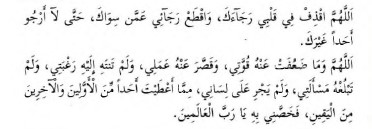
اے اللہ، میرے دل میں اپنی امید ڈال دے، اور تیرے سوا ہر چیز سے میری امیدیں کاٹ دے، یہاں تک کہ میں تیرے سوا کسی اور سے امید نہ رکھوں۔ اے اللہ، جس کے لیے میری طاقت بہت کم ہے، اور جس کے لیے میرا عمل قاصر ہے، جس کی میری خواہش نہیں پہنچ پاتی، جس کی میری دعا نہیں پہنچ پاتی، اور جس یقین کو تو نے گزشتہ اور آنے والے لوگوں میں سے کسی کو عطا کیا ہے مگر وہ میری زبان پر جاری نہیں ہوتا، تو مجھے اس (عطا) کے لیے چن لے، اے جہان کے رب۔ انہوں نے کہا، 'پھر اللہ کی قسم، مجھے ایک ہفتہ بھی نہیں گزرا تھا کہ معاویہ نے میرے پاس پندرہ لاکھ بھیج دیے، اور میں نے کہا، "تمام تعریفیں اس اللہ کے لیے ہیں جو اسے نہیں بھولتا جو اسے یاد کرتا ہے، اور اسے مایوس نہیں کرتا جو اس سے دعا کرتا ہے۔" میں نے خواب میں نبی ﷺ کو دیکھا اور آپ ﷺ نے فرمایا، "حسن، تم کیسے ہو؟" میں نے کہا، "اللہ کے رسول ﷺ، میں خیریت سے ہوں،" اور میں نے انہیں اپنا قصہ سنایا۔ آپ ﷺ نے فرمایا، "میرے بیٹے، ایسا ہی ہوتا ہے اس شخص کے ساتھ جو خالق سے (کچھ) امید رکھتا ہے اور مخلوق سے (کچھ) امید نہیں رکھتا۔"' الطیوریات میں ہے کہ کوفہ کے قاری سلیم بن عیسیٰ نے کہا: جب الحسن کو موت آئی تو وہ اضطراب اور غم سے گھِر گئے، حسین نے ان سے کہا، 'میرے بھائی، یہ اضطراب اور غم کیسا؟ آپ تو اللہ کے رسول ﷺ، علی اور فاطمہ کے پاس جا رہے ہیں اور وہ آپ کے دو باپ ہیں، اور خدیجہ اور فاطمہ کے پاس جا رہے ہیں اور وہ آپ کی دو مائیں ہیں، اور قاسم اور طاہر کے پاس جا رہے ہیں اور وہ آپ کے دو ماموں ہیں، اور حمزہ اور جعفر کے پاس جا رہے ہیں اور وہ آپ کے دو چچا ہیں۔' الحسن نے ان سے کہا، 'بھائی، میں اللہ عزوجل کے ایک ایسے معاملے میں داخل ہو رہا ہوں جیسا میں پہلے کبھی نہیں ہوا، اور میں اللہ کی ایسی مخلوق دیکھ رہا ہوں جیسی میں نے پہلے کبھی نہیں دیکھی۔' ابن عبد البر نے کہا ہے: ہم مختلف ذرائع سے روایت کرتے ہیں کہ جب ان کی وفات کا وقت آیا تو انہوں نے اپنے بھائی سے کہا، 'اے میرے بھائی، تمہارے والد نے اس اقتدار کی طرف نظریں اٹھائیں لیکن اللہ نے انہیں اس سے بچا لیا اور ابوبکر کو اس کا (خلافت) انتظام سونپ دیا۔ بعد میں، انہوں نے اس کی طرف نظریں اٹھائیں، لیکن اسے ان سے ہٹا کر عمر کی طرف موڑ دیا گیا۔ پھر بعد میں، شوریٰ کے وقت انہیں اس میں کوئی شک نہ تھا کہ یہ ان سے نہیں گزرے گی، لیکن اسے ان سے ہٹا کر عثمان کی طرف موڑ دیا گیا۔ جب عثمان شہید کر دیے گئے، تو علیؓ سے بیعت لی گئی۔ پھر ہمیں اس وقت تک روکا گیا جب تک تلواریں نہ نکل آئیں، چنانچہ یہ (خلافت) کبھی سکون کے ساتھ ان کی نہ رہی۔ اللہ کی قسم، میرا خیال نہیں کہ اللہ ہم میں نبوت اور خلافت کو جمع فرمائے گا۔ میں یہ تو جانتا ہوں کہ کوفہ کے بیوقوف تمہیں خلیفہ مقرر کرنے کی کوشش کریں گے اور تمہیں نکال دیں گے۔ میں نے عائشہ رضی اللہ عنہا سے یہ پوچھا تھا کہ کیا مجھے رسول اللہ ﷺ کے ساتھ دفن کیا جائے گا، آپ ﷺ پر اللہ کی رحمتیں اور سلامتی ہوں، تو انہوں نے کہا، "ہاں۔" جب میں مر جاؤں تو اس بارے میں ان سے پوچھ لینا، لیکن میں صرف یہی توقع کرتا ہوں کہ لوگ تمہیں روکنے کی کوشش کریں گے۔ اگر وہ ایسا کریں، تو ان سے بحث مباحثہ نہ کرنا۔' جب ان کی وفات ہوئی، تو حسینؓ ام المؤمنین عائشہ رضی اللہ عنہا کے پاس آئے، تو انہوں نے کہا، 'ہاں، اور یہ تو اعزاز کی بات ہے،' لیکن مروان نے انہیں روک دیا۔ پھر حسینؓ اور ان کے ساتھیوں نے اپنی تلواریں نکال لیں، یہاں تک کہ ابوہریرہؓ نے انہیں روک دیا، چنانچہ انہیں البقیع میں اپنی والدہ رضی اللہ عنہا کے پہلو میں دفن کیا گیا۔
O Allah, cast into my heart hope in You, and cut off my hope in everything other than You, until I don’t hope for anyone other than You. O Allah, that for which my strength is too weak, and my action falls short of, my desire does not attain, my supplication does not reach, and what does not flow upon my tongue, of that certainty which You have given anyone of the ancients and the later peoples, then single me out for it, Lord of the Worlds.’” He said, ‘Then, by Allah, I had not persisted in it for a week before Mucawiyah sent me one million and five hundred thousand, and I said, “Praise be to Allah Who does not forget whoever remembers Him and doesn’t disappoint whoever supplicates Him.” I saw the Prophet, may Allah bless him and his family and grant them peace, in sleep and he said, “Hasan, how are you?” I said, “Well, Messenger of Allah,” and I told him my story. He said, “My son, that is how it is for whoever hopes for (something) from the Creator and does not hope for (something) from the creature.’” There is in at-Tuyuriyyat that Sulaym ibn cIsa, the Qur’an reciter of the people of Kufa, said: When death came to al-Hasan he was overcome with agitation and grief. Al-Hussein said to him, ‘My brother, what is this agitation and grief? You are going to the Messenger of Allah, may Allah bless him and his family and grant them peace, and cAli and they are your two fathers, and to Khadijah and Fatimah and they are your two mothers, and to al-Qasim and at-Tahir and they are your two maternal uncles, and to Hamzah and Jacfar and they are your two paternal uncles.’ Al-Hasan said to him, ‘Brother, I am entering into a matter of Allah’s, exalted is He, the like of which I have never entered, and I see a creation of Allah’s the like of which I have never seen.’ Ibn cAbd al-Barr said: From various sources we relate that when his time came, he said to his brother, ‘My brother, your father raised his eyes to this authority and Allah averted him from it and put Abu Bakr in charge of it (the khilafah). Later, he raised his eyes to it, but it was turned away from him to cUmar. Later again, he had no doubt at the time of the Council that it would not pass him by, but it was turned away from him to cUthman. When TJthman was killed, then °Ali was pledged allegiance. Then we were restrained until swords were unsheathed and so it (the khilafah) was never undisturbedly his. By Allah, I don’t think that Allah will combine prophecy and khilafah in us. I don’t know but that the fools of Kufa will try to appoint you as khalifah and drive you out. I have asked cA’ishah, may Allah be pleased with her, that I should be buried with the Messenger of Allah, may Allah bless him and his family and grant them peace, and she said, “Yes.” When I die, ask her about that, but I only anticipate that people will try to prevent you. If they do, don’t bandy words with them.’ When he died, al-Hussein came to the Mother of the Believers, cA’ishah, may Allah be pleased with her, and she said, ‘Yes, and it is an honour,’ but Marwan prevented them. Then al-Hussein and those with him donned their swords, until Abu Hurayrah prevented them, and so he was buried in al- Baqic by the side of his mother, may Allah be pleased with her.