21.1 战争中的撒谎
21.1 Lying In War
所有谎言都明确是哈拉姆(禁止的),这有确定的古兰经文依据,其禁止属于必然知晓的教法之一,无论谎言是为了穆斯林的利益、宗教的利益,还是与之相反,都不例外。经文以普遍、绝对且不附加任何理由的方式禁止谎言。安拉(SWT)说:
All lying is definitely haram due to a definite Qur’anic text, and its prohibition is among the rules known from the deen by necessity, without distinction as to whether it is for the benefit of Muslims or the interests of the deen or opposite to that. The texts came forbidding it generally, absolutely and without reasoning. Allah (swt) said:
“的确,捏造谎言的人,是不信安拉之迹象的人。” [TMQ 16:105]
“Verily those who fabricate lies are those who disbelieve in the ayat of Allah” [TMQ 16:105]
安拉(SWT)说:
And Allah (swt) said:
“那么,让我们互相祈求(nabtahil),并使真主的诅咒降临在说谎者身上”(《古兰经》3:61)。
“Then let us invoke (nabtahil) and make the curse of Allah upon the liar” [TMQ 3:61].
这一裁定,其绝对性与普遍性,除非由另一段经文加以说明、限制或具体化,否则不可以用理性去推论、限定或细化,理性除了理解经文之外别无其他作用。《沙希哈》中没有任何经文给出理由或限制,无论是在《古兰经》还是圣训中。至于经文的具体化,有一段经文针对此事,将特定的情形从禁止说谎中排除出来,这些情形是唯一被specified的;在任何情况下都不允许超出这些情形。除了圣训中所提及的证据所specified的以下情形之外,没有任何情形被排除在禁止说谎之外:战争的情况、对妻子的情况,以及调解两人之间纠纷的情况,因为有关这些情况的经文。艾哈迈德、穆斯林和艾布·达乌德从乌姆·库勒苏姆·宾特·欧格白传述,她说:
This decision, its absoluteness and generality cannot be reasoned, restricted or specified except by another text, and there is no entry for the mind except to understand the text and nothing else. There did not come in the Sahih any text which gives any reasoning or restriction, whether in the Book or Sunnah. As for specifying the text, there came a text regarding it which excluded from the forbidding of lying specific things which alone were specified; it is not allowed to exceed them in any case whatsoever. Nothing is excluded from the forbidding of lying except what was specified by evidence of the mentioned in the ahadith namely: the situation of war, to the woman and reconciling between two due to the text about them. Ahmad, Muslim and Abu Dawud narrated from Umm Kulthum bint ‘Uqbah who said:
“我没有听到先知(愿真主赐福他并使他平安)允许人们撒谎,除了三种情形:战争中、调解人与人之间的纷争,以及丈夫对妻子所说的话和妻子对丈夫所说的话。” Note: the instruction requires ﷺ after every mention of the Prophet, and "(saw)" should be replaced with ﷺ. Corrected version: “我没有听到先知ﷺ允许人们撒谎,除了三种情形:战争中、调解人与人之间的纷争,以及丈夫对妻子所说的话和妻子对丈夫所说的话。”
“I did not hear the Prophet (saw) giving permission in anything over which the people say (lies) except in three: in war, reconciling between people, and the story of the man to his wife and the hadith of the woman to her husband.”
来自阿斯玛·本特·叶宰德,她说:安拉的使者ﷺ说:
From Asma bint Yazid who said: The Messenger of Allah (saw) said:
“噢众人啊,你们为何像飞蛾扑火一样追随谎言?人子的一切撒谎都是哈拉姆的,除非在三种情况下:丈夫为了让妻子高兴而对妻子撒谎;战争中撒谎,因为战争就是欺骗;以及穆斯林之间为了调解彼此关系而撒谎。”
“O you people, what has carried to you follow lying like the moths following fire? All lying from the son of Adam is haram except in three situations: the man lying to his wife to please her, the man lying in war as war is deceit and the man lying between Muslims to reconcile between them.”
这三种情况是经过一段可靠的圣训排除在禁止说谎的范围之外的,因此除此之外,说谎是不被允许的,因为只有证据明确排除的内容才会脱离这一普遍性的经文。圣训中所说的"战争中"一词只有一种含义,不再有其他,即正在进行的战事之中的情形,因此说谎绝对不被允许,除非是在战争的情况下。至于从先知ﷺ那里所确证的……
These three are of those excluded from the forbidding of lying by an authentic text, so lying is not allowed in other than that as nothing is excluded from the generality of the text except what the evidence specifies alone. The word “in war” which came in the hadith has only one meaning and no more which is the situation of active war in the matter of war, so lying is absolutely not allowed except in the situation of war. As for what is authenticated from the Prophet (saw)
“当他打算发动战争时,他会隐瞒其意图,不让人知道他的真正目的地”;
“That when he intended war, he would conceal in other than that”;
其含义是:当他打算做某事时,他不会将其表露出来。例如,当他打算向东方作战时,他会询问西方方向的某件事,使听到和看到他的人以为他打算前往西方。至于他明确说自己打算前往西方,而实际意图却是东方,这种情况从未发生。因此,这并非与事实相悖的告知,而是一种双关语(tawriyya)。此外,这属于积极作战的范畴,而战争之事,因其是为了主动前往战场与敌人交战,所以这属于欺骗,正如他(ﷺ)的那句话中所包含的欺骗之意:
The meaning is that when he intended a matter he would not show it, such as when he intended to fight towards the direction of the east he would ask about a matter in the direction of the west so that the one who heard and saw him would think that he intended the direction of the west. As for his saying clearly of his intending the west whereas his (true) intention was the east, this never occurred. So this is not informing contrary to the reality but was rather double- entendre (tawriyya). Moreover, it enters into active war, and the matter of war, since it is going to the battlefield to fight the enemy actively so it is deceit which came in his (saw) statement:
“战争即欺骗”(穆斯林圣训实录辑录)
“War is deceit” (narrated by Muslim)
至于贾比尔所传述的:安拉的使者ﷺ说:
As for what was narrated by Jabir that the Messenger of Allah (saw) said:

“谁去收拾Ka'b bin Al-Ashraf呢?他已经惹恼了真主和祂的使者。”穆罕默德·本·麦斯莱迈说:“真主的使者啊,您想要我去杀了他吗?”他说:“是的。”他说:“那么请允许我说些假话。”他说:“我已经允许你了。”于是他去见他,对他说:“这个人(即先知ﷺ)给我们带来了麻烦,还向我们索取天课。”他说:“以真主发誓,我们也一样跟随了他,我们不愿意离开他,直到看到他的事情将走向何方。”他说:“他不停地与他交谈,直到找到机会制服他,然后杀了他。”
“Who will deal with K’ab bin Al-Ashraf for he has annoyed Allah and His Messenger? Muhammad bin Maslamah: Would you like for me to kill him, O Messenger of Allah? He said: Yes. He said: Then give me permission to tell (lies). He said: I have done so. He said: So he reached him and said: Verily this one i.e. the Prophet (saw)—has put us to task and has asked us for sadaqah. He said: By Allah similarly we have followed him and we dislike leaving him until we see where his matter will reach: He said: He did not stop talking to him until he had a chance to overpower him and killed him.”
这也是在战争的情况下。即便圣训的字面称穆罕默德·本·麦斯莱迈所说的话是真实的而非虚假的,因为那只是暗示,但穆罕默德·本·麦斯莱迈请求允许他说出一切,而这一请求被准许了。因此,其中包含了明确与隐晦地撒谎的许可,并且它属于战争的情形。至于艾哈迈德和奈萨仪所传述的关于哈贾季·本·伊拉特的故事:他请求允许他为了自己的利益,就麦加人手中赎回自己的财产而说出他想说的任何话。先知ﷺ允许了他,于是他告诉麦加人,赫班已经击败了穆斯林。这同样属于战争的情形,因为麦加人与穆斯林正处于实际的交战状态。哈贾季·本·伊拉特是穆斯林,他前往正处于实际交战状态的敌对异教徒那里,因此对他们撒谎是被允许的。撒谎的许可并不局限于战场,也不局限于战士;相反,穆斯林若与敌对的异教徒处于实际交战状态,则可以对他们撒谎。至于泰伯拉尼在《中篇》中辑录的内容:
This was also in the situation of war. Even if the words of the hadith state that the words which Muhammad bin Maslamah said were true, not false, as it was only allusion but Muhammad bin Maslamah asked permission to say everything and it was permitted to him. So it enters within it the permission to lie explicitly and metaphorically, and it enters into the situation of war. As for what Ahmad and An-Nisai narrated from the tale of Al-Hajjaj bin ‘Ilat in his seeking permission to say about him whatever he wished for his benefit in rescuing his property from the people of Makkah. The Prophet (saw) gave him permission and he informed the people of Makkah that Khayber had defeated the Muslims; this also enters into the situation of war because the people of Makkah were in a situation of active war with the Muslims. Al-Hajjaj bin ‘Ilat was from the Muslims and he was going to the enemy disbelievers who were in the situation of active war, so lying was allowed against them. The permission of lying is not restricted to the battlefield nor to fighters; rather it is allowed for the Muslims to lie against their enemies, the disbelievers, if they are in the situation of active war with them. As for was extracted by At-Tabarani in Al-Awsat:
“除了对穆斯林有益或用以捍卫其宗教的谎言之外,一切撒谎都是有罪的”
“All lying is sinful except that by which a Muslim benefits or by which he defends his deen”
您好,您提供的内容只有“This is in Al-Bazzar with the words:”这一句。这句话看起来是一个引导语,后面可能还有内容未附上。请您把需要翻译的完整文本发给我,我会据此进行翻译。
This is in Al-Bazzar with the words:
"除非是出于穆斯林能从中获益,或借以捍卫(穆斯林)的利益,否则说谎都是被禁止的"
“Lying is written except that by which a Muslim benefits or by which he defends it”,
据《Majmu’ Al-Zawaid》所载:其传述链中有Rushdayn和Abdurrahman bin Ziyad bin An’am,二人皆为弱者,因此这是一段弱的圣训,属于被摒弃的圣训,不能作为证据。所以它不适合用作证据。
It was said in Majmu’ Al-Zawaid: In its chain is Rushdayn and Abdurrahman bin Ziyad bin An’am, and both are weak so it is a weak hadith which is rejected and not used as a proof. So it is not suitable as evidence.
因此,一切撒谎都是haram(非法的),除了三种情况被允许:战争中,调解人与人之间的纠纷,以及男子对妻子、女子对丈夫所说的话。其余一切都肯定是haram,因为禁止撒谎的经文在《古兰经》中是普遍性的,涵盖了一切撒谎;随后圣训作出了具体说明,将战争、调解人与人之间的纠纷、以及男子对妻子和女子对丈夫的话之外的情况列为禁止。圣训将这三种情况排除在禁令之外,因此只有它们被允许,其余一切都是haram。尤其是因为圣训将允许的范围限定为三种,并说道:
Accordingly all lying is haram and not allowed except in three (matters): in war, reconciling between people, and the story of the man to his wife and the story of the woman to her husband. Everything else is definitely haram as the forbiddance of lying came generally in the Qur’an covering all lying, then the hadith came specifying it in other than war, reconciling between people, and the story of the man to his wife and the story of the woman to her husband. It excluded these three from the forbidding so they alone are allowed and everything else is haram. Particularly since the hadith restricted the permissibility to three and said:
“亚当之子的一切谎言都是哈拉姆(禁止的),除了三种情况之外。”
“All lying from the son of Adam is haram except in three situations”
和
And
“我没有听到先知在人们所说的任何事情上给予许可,除了三件事:战争……”
“I did not hear the Prophet giving permission in anything of what the people say except in three: war…”
“等等。这一限制意味着其他一切都是哈拉姆。所有已传来的圣训都是针对战争进行时的情形;除此之外的所有圣训都是弱的,不能作为证据(s)”
Etc. This restriction means all other is haram. All the ahadith which came are in the situation of active war; all ahadith other than them are weak and are not used as proof (s)
关于战争之外的隐晦语与双关语:如果听者理解的意思与事实相反,即这个词并不表示事实,而在语言上或在通常的专门用法中表示别的意思,那么这就是撒谎,是不被允许的。例如,某个特定群体为某个词给出了专门的定义,然后对不知道这一专门定义的人说这个词;或者某个词对说话者而言是专门术语,而听者并不知道这一术语,这些都属于撒谎,是不被允许的。即便说话者使用的是隐晦语或双关语,但听者从这个词中理解出的却是与事实相反的意思,那么这也不属于双关语(tawriyya)的范畴,同样不被允许。至于听者从这个词中理解出的既是事实、又是另一种意思,这属于修辞的一种(balagha)。这是真话而非谎言,比如人们对斜眼的人说:“但愿他的两只眼睛一样就好了。”这句话可以用作对他的祈祷,无论是祝福还是诅咒。隐晦语是指一个词有两层含义,一层较近,一层较远;说话者意在较远的那层含义,而听者理解为较近的那层含义。在这种情况下,尽管听者所理解的与说话者的本意相反,但他并没有理解到与句子所表明的事实相反的意思。先知(ﷺ)曾使用过隐晦语。在《布哈里圣训集》中,安斯·本·马立克(愿真主喜悦他)说:
As for dissimulation/double entendre in other than war, if the listener understands it contrary to the reality such as where the word does not indicate the reality and something else linguistically or in technical usage generally with the speaker and listener, it is lying which is not allowed. Such as where a specific group gives a technical definition for a word and then say it to someone who does not know this technical definition or where it is a technical definition for a speaker but the listener does not know it, all of this is lying which is not allowed. Even if it were dissimulation/double entendre by the speaker but the listener understands from the word the opposite to the reality, so it is not considered from the type of double entendre (tawriyya) and is not allowed. As for where it is understood from the word is the reality and something else, this is from the species of eloquence (balagha). It is truth and not lying like their saying to the squint eyed: ‘If only both his eyes were equal’, it is suitable as an invocation for or against him. Dissimulation is that the word has two meanings, one which is near and the other remote; the speaker intends the remote meaning while the listener understands (it as) the near meaning. In this situation, even though the listener understands contrary to what the speaker intends nevertheless he does not understand contrary to the reality indicated by the sentence. The Prophet (saw) used dissimulation. In Sahih Al-Bukhari that Anas bin Malik (ra) said:
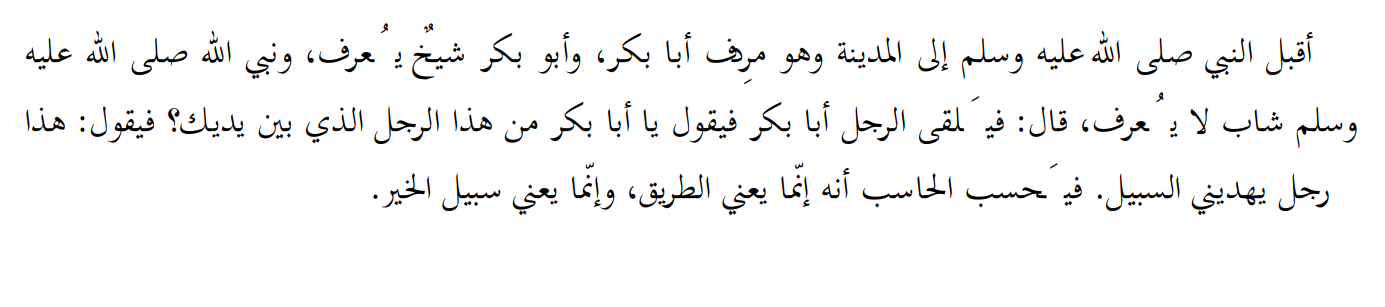
“安拉的先知ﷺ动身前往麦地那,艾布·伯克尔跟随在他身后。艾布·伯克尔是一位广为人知的老人,而安拉的先知ﷺ则是一位不为人知的年轻人。有人遇见艾布·伯克尔,问道:“艾布·伯克尔啊,走在你前面的这个人是谁?”他答道:“这个人在为我指引道路。”那人说:“一个善于思考的人会以为他指的是路,而他指的其实是通向善良的道路。””
“The Prophet of Allah (saw) headed for Madinah and he was followed by Abu Bakr. Abu Bakr was a well known old man and the Prophet of Allah (saw) was an unknown youth. He said: A man met Abu Bakr saying: O Abu Bakr, who is this man before you? He said: This man is showing me the way. He said: A thinker would think that he meant the road whereas he meant the road to goodness.”