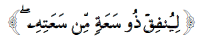
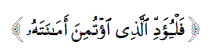
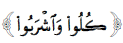
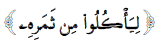
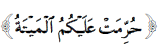
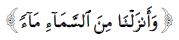
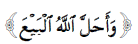
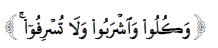
“Ku ci, ku sha, amma kada ku yi almubazzanci (ku wuce kima).” (TMQ 7:31) Wannan yana nufin cewa shan kowane abu halal ne; don haka shan wani takamaiman abu ba ya bukatar dalili domin a halasta shi, saboda dalilin gaba ɗaya ya riga ya halasta shi. Sai dai haramta shan wani takamaiman abu, kamar abubuwan maye misali, yana bukatar dalili.
“And eat and drink, but be not excessive (extravagant).” (TMQ 7:31) which means that the drinking of everything is permitted; thus the drinking of a specific item does not require an evidence to make it permitted, because the general evidence has made it permitted. However, the prohibition of drinking a specific item, such as intoxicants for instance, requires evidence.
Kamar waɗannan, an sami nassoshi gabaɗaya da ke halatta duk abin da ya shafi ayyuka kamar magana, tafiya, wasa, shaƙa, numfashi, kallo da sauran ayyukan da mutum yake yi; don haka halatta duk abin da ya shafi su ba ya buƙatar hujja, amma haramta duk abin da ya shafi waɗannan ayyuka yana buƙatar hujja don a haramta shi.
Similar to these, general evidences are found permitting everything related to actions such as talking, walking, playing, smelling, inhaling, looking and other actions which man performs; thus the permission of anything related to them does not require an evidence, but the prohibition of anything related to these actions does require an evidence to make it forbidden.
Saboda haka, nassosin da suka zo a kan ayyuka sun bayyana hukuncin abubuwa a fili kuma ba tare da keɓewa ba; don haka ba sa buƙatar wasu nassosi domin bayyana hukuncinsu. Saboda haka, zuwan nassosi na musamman game da abubuwa, bayan an riga an bayyana hukuncin gabaɗayan waɗannan abubuwa, yana zama shaida cewa waɗannan ƙayyadaddun hukunce-hukunce sun zo ne don keɓe hukuncin waɗannan abubuwa daga hukuncin gabaɗaya. Haka kuma, nassosin Shari'a sun zo ne don bayyana hukuncin Shari'a game da abubuwa, suna nuna cewa halal ne; saboda haka halal ne sai dai idan akwai nassi da ya haramta su. Ta wannan hanya ne ake samun ƙa'idar Shari'a "Asalin abubuwa halal ne". Waɗannan su ne dalilan wannan maƙala.
Therefore, the evidences brought by the texts and targeted at the actions have outlined the rule of things in a general and unrestricted manner; ,therefore, they do not require other texts to outline their rules. Thus, the advent of specific texts related to things, once the general rule of these things had been outlined, serves as evidence that these specific rules have come to exclude the rule of these things from the general rule. Hence, the Shari’ah texts have come to outline the Shari’ah rule pertaining things, denoting that they are permitted; hence, they are permitted unless a text exists to prohibit them. It is in this manner that the Shari’ah principle “The origion of things is ibahah” is derived. These are the evidences for this article.