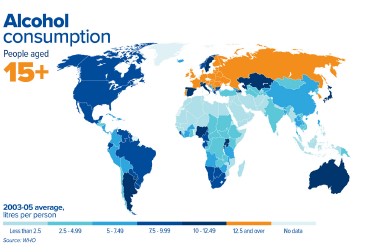
ایا تاریخ کې داسې څوک پېژندل شوي چې د یوې ملت باندې د الکوھل د خطر د ژوندي شوي وحشي غوښتونکي توان ولري؟
Has history ever known anyone else with the ability to tame the beast of alcoholism once it has been unleased upon a nation?
مسلمان شراب کو کیسے یکسر چھوڑ سکے؟ نبی ﷺ نے یہ کام اپنی زندگی ہی میں ایسی قوم میں کر دکھایا جس کی شان و شوکت اور آمدنی شراب سے جڑی ہوئی تھی۔ ایک الٰہی منصوبے کے مطابق تدریج کے راستے پر چلتے ہوئے، نبی ﷺ نے اپنے منظم پروگرام (دیکھیے باب 4) کو اس مرحلے تک پہنچتے دیکھا کہ مدینہ کی گلیوں میں شراب بہنے لگی، جب مسلمانوں نے اپنے پاس بچی ہوئی شراب کے مٹکے خود خالی کر دیے۔[157]
کیا کسی اور نے کبھی رواجِ قدیم کی بے قید تعدد ازواج، مردوں کے لیے مخصوص وراثتی قوانین اور بیٹیوں کے قتل کے رواج کو ختم کیا ہے، اور وہ بھی اتنے مختصر عرصے میں؟ مثال کے طور پر آج کے ہندوستان میں بیٹیوں کے قتل کو روکنے کے لیے بنائے گئے تمام قوانین، ایک صدی سے زیادہ کے سخت نفاذ کے باوجود اس رواج کو ختم نہیں کر سکے۔[158] کیا نبی ﷺ کے دور سے پہلے یا بعد کی تاریخ میں کوئی ایسی مثال ملتی ہے جہاں نسلی تعصب نظریے اور عمل دونوں میں اتنی تیزی سے کم ہوا ہو؟ آپ ﷺ کے معاصرین میں سے بہت سے لوگ، جو عربی برتری کے پرجوش علمبردار تھے، ایسے بن گئے کہ غیر عرب لوگوں اور سابق غلاموں کی قیادت کو تسلیم کرنے لگے۔
Why were Muslims able to just give it up? The Prophet صلى الله عليه وسلم achieved that within his lifetime in a people whose glory and income was interlocked with wine. Following a divinely charted roadmap of gradualism, he صلى الله عليه وسلم was able to witness his methodical program (see Chapter 4) culminate in wine flowing in Madinah’s streets as its Muslims emptied what remained of their own wine barrels.157 Has anyone else ever been able to ban the age-old customs of unrestricted polygyny, male-only inheritance laws, and female infanticide—let alone in such a short span of time? All the laws in today’s India, for instance, designed to combat female infanticide have not eradicated the practice after more than a century of strict enforcement.158 Has there ever been another historical parallel before or after the Prophet’s صلى الله عليه وسلم era where ethnic chauvinism declined so dramatically in both theory and practice? Many of his contemporaries who were vehement Arab supremacists became people who conceded to the leadership of non-Arabs and former slaves.
سالم، د ابو حذیفہ آزاد شوی غلام، د قرآن د تلاوت د مهارت له امله د رسول الله ﷺ اصحابو مشرانو ته امامت کاوه.159 خلیفه عمر بن الخطاب یو ځل وپوښتل چې د مکې والي ولې د خپل غیاب پر مهال د اسلام د مذهبي مرکز د ادارې لپاره بل څوک نه بلکې د بل آزاد شوي غلام ابن ابزی ته ځای ورکړی و. هغه عمر ته ویلي وو چې دا ټاکنه د ابن ابزی د قرآن د پوهې او د میراث د وېش د احکامو په مهارت کې ده. عمر د دې دلیل تائید وکړ او وویل چې رسول الله ﷺ واقعاً فرمایلي دي: «الله د دې قرآن په سبب ځینې خلک لوړ کوي او ځینې نور د همدې په سبب ښکته کوي.»160 ملا علي القاری (وفات ۱۶۰۵ م) په دې حدیث باندې څرګندونه وکړه او وې ویل: دا پدیده په دې کې لیدل کیږي چې زموږ له صالحو مشرانو څخه ډیری عالمان آزاد شوي غلامان وو، او سره له دې هم دوی د مسلمانې امت بلاشکه مشران او د رحمت سرچینې وو، پداسې حال کې چې هغه شاهي نسب لرونکي کسان چې عالمان نه وو، د خپل جهالت په سیمه کې هیر شول.161
Sālim , the freed slave of Abū Ḥudhayfah, would lead the senior-most Companions of the Prophet صلى الله عليه وسلم in prayer due to his skill in reciting the Qur’an.159 The caliph ‘Umar ibn al-Khaṭṭāb once inquired why the Meccan governor had left Ibn Abzā , another freed slave, of all people to preside over the religious capital of Islam during his absence. He told ‘Umar that this choice was in light of Ibn Abzā’s mastery of the Qur’an and its laws on estate distribution. ‘Umar expressed his approval of this justification by reporting that the Prophet صلى الله عليه وسلم did in fact say, “Allah elevates people in rank by virtue of this Qur’an and demotes others because of it.”160 Mulla ‘Alī al-Qārī (d. 1605) commented on this hadith, saying, This phenomenon is observable in the fact that among our righteous predecessors, most of the scholars were freed slaves, and yet they were the undisputed leaders of the Muslim nation and its fountains of mercy while those with royal ancestry who weren’t scholarly were forgotten in their spheres of ignorance.161
ایک واضح مثال وہ معروف واقعہ ہے جو عطاء بن ابی رباح (وفات: 732ء) اور سلیمان بن عبدالملک (وفات: 717ء) کے درمیان پیش آیا۔ عطاء مکہ کے اولین اور نامور قاضیوں میں سے تھے، جبکہ سلیمان بنو امیہ کے وہ خلیفہ تھے جو اس وقت تک کی انسانی تاریخ کی سب سے بڑی سلطنت پر حکمران تھے۔ عطاء ایک آزاد کردہ غلام تھے، سیاہ فام تھے، نابینا اور معذور تھے، اور اپنی ابتدائی زندگی کے کئی سال بے گھر رہے تھے۔ تاہم اسلام کی آمد سے سماجی تحرک کے اصول اس حد تک بدل چکے تھے کہ ایک ہی نسل کے اندر ان میں سے کوئی بھی محرومی انہیں اس شخص پر فوقیت حاصل کرنے سے نہ روک سکی جو سیاسی و عسکری لحاظ سے اس وقت دنیا کا سب سے طاقتور انسان تھا۔ جب سلیمان مکہ میں عطاء کے پاس دینی مسائل پوچھنے آئے، اس فکر میں کہ وہ حج کے ارکان درست طور پر ادا کر رہے ہیں، تو اس متقی قاضی نے ان کی طرف رخ کیے بغیر جواب دیا، اور یہ واضح کیا کہ انہیں حکمران سے کسی مال یا مرتبے کی کوئی خواہش نہیں۔ جس تعظیم و خوشامد کے وہ عادی تھے، وہ نہ پا کر سلیمان نے اپنے بیٹوں کی طرف رخ کیا اور کہا: "میرے بیٹو، علمِ دین کے حصول میں پوری لگن سے لگے رہو، کیونکہ میں اس سیاہ فام غلام کے سامنے اپنی اس ذلت کو کبھی نہیں بھولوں گا۔"162
A telling account of these revolutionized norms is the well-documented encounter between ‘Aṭā’ ibn Abī Rabāh (d. 732), one of the foremost early judges of Mecca, and Sulaymān ibn ‘Abdil- Malik (d. 717), the Umayyad caliph who ruled over the largest empire known until that point in human history. ‘Aṭā’ was a freed slave who was black, blind, disabled, and had been homeless for many years of his early life. However, the dynamics of social mobility had undergone such significant changes with the advent of Islam that, within one generation, none of these social disadvantages could prevent him from enjoying prestige over Sulaymān who was, in the politico-military sense, the most powerful man alive at the time. When he approached ‘Aṭā’ in Mecca to consult him on religious matters, anxious to confirm that he was performing the Hajj rites correctly, the pious judged answered without ever facing him, to assert that he was not interested in being awarded any fortune or status from the ruler. Not finding the regard and flattery he was accustomed to receiving, Sulaymān turned to his children and said, “My sons, be relentless in your pursuit of sacred knowledge, for I will never forget our humiliation in front of that black slave.”162
دلته د وروستي پیغمبر صلى الله عليه وسلم ته د الله تعالیٰ له خوا ورکړل شوو ځانګړو بریاوو یوه برخه راټوله شوې ده. د تاریخ غیر متعصب لوستونکي به تصدیق کړي چې دا هر یو په ځان کې حیرانونکې ترلاسه کول دي، او بیا هم دا او نور ډېر دا ډله په هغه نسل کې ترلاسه شول چې د هغه صلى الله عليه وسلم د لاس لاندې جوړ شوی و. هغه صلى الله عليه وسلم هغه خلک چې د هغه د روزنې لاندې وو، له یوې وحشي او بې قانونه ډلې څخه د ممکنه تر ټولو غوره ټولنې ته واړول. د دې تاریخي لاسته راوړنې بې ساری والی بله نښه ده چې دا یوازې د الله تعالیٰ کار کیدای شي. لکه څنګه چې الله تعالیٰ په قرآن کې فرمایي: {او هغه د دوی زړونه یو له بل سره یوځای کړل. که تاسو هغه ټول مال هم په ځمکه کې خرڅ کړی وای، نو تاسو به د دوی زړونه یو له بل سره نه شو یوځای کولای، مګر الله هغوی یوځای کړل. بېشکه هغه ډېر زورور، ډېر حکیم دی.}163
Captured here are just some of the unique successes granted by God to the Final Prophet صلى الله عليه وسلم. Impartial readers of history will attest that each one of these is an astonishing accomplishment on its own, and yet these and more were actualized by the generation molded under his صلى الله عليه وسلم care. He transformed those under his tutelage from a savage and lawless people to the best community possible. The unparalleled nature of this historical achievement serves as another sign that this could only be an act of God. As Allah says in the Qur’an, “And [He] brought together their hearts. If you had spent all that is in the earth, you could not have brought their hearts together; but Allah brought them together. Indeed, He is Exalted in Might and Wise.”163
له هغه وروسته، اسلامي تمدنونه عموماً، نږدې یوه زریزه دوره، او په ځانګړې توګه د لومړیو پیړیو په جریان کې، د خپل ځانګړي توازن لپاره پیژندل شوي وو، چې په هغه کې روحانیت، اخلاق، عدالت، ورورګلوی، علمي ژوندتیا او مترقي فکر سره یو ځای شوي وو.
Thereafter, Muslim civilizations in general, for almost a millennium but especially during the earlier centuries, were recognized for their distinctive balance of spirituality, morality, justice, fraternity, scientific vibrancy, and progressive thought.
دا څرګنده وه چې اسلام روښانه ارزښتونه وړاندې کړل، کوم چې هرومرو په بشپړ ډول نه وو منل شوي او عملي شوي، خو بیا هم د فرد او ټولنې د هوساینې په برخه کې د ډیرو حیرانوونکو پرمختګونو الهام ورکړ.
It was clear that Islam offered enlightened ideals which, while not always fully embraced and realized, nevertheless inspired some incredible leaps in individual and societal wellbeing.
دې ته پوهیدل شوني دي چې د ځینو اسلامي هېوادونو نن ورځ په ځینو برخو کې ځنډېدلې حالت کیدای شي د ځینو خلکو د اسلامي تمدن د تاریخي عظمت د ستاینې وړتیا کمه کړي. په دې حال کې باید پام وکړو چې دا خواشینی حالت د مسلمانانو د تېر وخت د ډېرو زرینو او استثنايي دورو پر تېرو باندې ونه اړوو. یقیناً، که اسلام له هغه خدای څخه دی چې کامل دی، خو د پیغمبرانو وروسته د هغه پیروان کامل نه وو، نو تعجب نه لري که د انساني تاریخ په هرې دورې کې تور او دردوونکي شیبې موجودې وي.
It is understandable that the underdevelopment—in certain respects—of many Muslim countries today may detract from some people’s ability to appreciate the historical greatness of Islamic civilization. However, we must be careful not to back-project that sad state today onto the terrific and exceptional “golden ages” of the Muslim past. Certainly, if Islam is from the Divine who is perfect but its practitioners after the prophets were not, then it should not be surprising that dark painful moments exist in every epoch of human history.
مگر یوازې په تیرو ۴۰۰ تر ۵۰۰ کلونو کې مسلمان نړۍ داسې لوی او بې ساری شکستونه وخوړل، او هغه هم هغه وخت چې مسلمانان د اسلام له سمې پوهې او عمل څخه ولاړ شول. خو تر هغه وخته چې مسلمانانو خپل دین ته پوره درناوی ورکاوه او دې ته په سمه او دیني توګه ژوند کاوه، د نن ورځې په اندازه ذلتونه نه وو. دا یوه ثابته تاریخي حقیقت دی چې مسلمانان هغه وخت وده کوله چې د اسلام او د خپل پیغمبر ﷺ د لارښوونې سره ډیر تړل کیدل۔ دا د اروپا او امریکا په څیر نه ده، چې د هغوی بیدارۍ په دې سره پیل شوه چې دوی خپل دین له عامه ژوند څخه جلا کړ یا یې په بشپړه توګه پریښود۔ همدې دلیل له امله د نړۍ ډیری عصري خلک د "کلیسا او دولت" د یوځای کولو نظر ته بد ګوري، ځکه په دوی حافظه کې دین په تیرو وختونو کې هغه زنځیر و چې پرمختګ یې ګډوډ کړی و۔ له همدې امله په ځانګړې توګه په سیکولر لویدیځ کې دا عام احساس دی چې د دین بیا ژوندی کول د شاتګ او ودروالي بیرته راګرځیدو معنا لري۔ خو زموږ د مسلمانانو تجربې ښیي چې دین او روحاني ځواک هغه محرکات وو چې لومړني مسلمانان یې په دنیوي او اخروي دواړو لاسته راوړنو کې بریالي کړل۔ همدا توپیر کولی شي د تاریخ پوهانو ته مرسته وکړي ترڅو د اوسني حالاتو له امله د دین په اړه، او په ځانګړې توګه د اسلام د نړۍ لپاره د لوی خدمتونو په اړه پیدا شوي شکونه له ځانه لرې کړي۔ هغه خلک چې د ډیرو ریښتینو حقایقو په وړاندې هم دا لاسته راوړنې نه منې، احتمال لري چې د داسې فکري چوکاټ څخه خبرې کوي چې په هغه کې "دین" له هغو انساني نظامونو پرته بل معنا نه لري چې له اوسه ډیر پخوا زاړه شوي دي۔ دا رواني بار د هغه میراثي تمدني صدمې پر بنسټ دی چې له دې عقیدو راځي، او د "دین" په اړه هغه کلیشې او ناسمې عمومي قضاوتونه زیږوي چې ډیری خلک نن ورځ له هغو نشي خلاصیدای۔ بالاخره، هغه کسان چې د خپلو مخکینیو فرضیو په ننګولو کې زړور وي، به دا حقیقت پیژندل ته دوام ورکړي چې محمد ﷺ باید د خدای یو پیغمبر وي، او دا چې هغه او د هغه تعلیمات د ډیرو ځانګړو بریاوو او کامیابیو لامل وو.
However, only in the last 400-500 years did the Muslim world suffer such great and unprecedented setbacks, and only when Muslims strayed from the proper understanding and practice of Islam. But for as long as Muslims gave due respect to their religion, observing it correctly and religiously, disgraces of today’s magnitude were non-existent. It is a demonstrable historical reality that Muslims thrived whenever there was greater adherence to Islam and the guidance of their Prophet 164 .صلى الله عليه وسلم This is unlike Europe and the Americas, for instance, whose renaissance was propelled by separating their faith from public life or dismissing it altogether. It is for this same reason that much of the modern world is averse to the idea of merging “church and state,” because in their collective memory, religion was the very shackle that hindered progress and advancement in the past. Hence, a dominant sentiment especially in the secular West is that the revival of religion necessitates a return to backwardness and stagnation. But in our experience as Muslims, religion and spiritual strength were the driving forces that motivated the early Muslims to excel in both their worldly and otherworldly pursuits. Making that distinction will greatly assist the discerning readers of history to shed the suspicisions our current context fosters surrounding the utility of religion in general, and Islam’s profound contributions to the world in particular. People who struggle, irrespective of how many hard facts are presented, to acknowledge these achievements, are likely engaging the conversation from a paradigm in which one is unable to perceive “religion” as anything but a synonym for the man-made systems that have long become obsolete. This psychological baggage is predicated on an inherited civilization trauma from these belief systems and generates the stereotypes and overgeneralizations about “religion” that many people cannot escape today. But ultimately, those with the courage to challenge their presuppositions will continue to recognize that Muhammad صلى الله عليه وسلم must have been a prophet of God, and that he and his teachings were responsible for many unique accomplishments and successes.