5.29 د مسلمانانو د آسانه ښکار کیدل
5.29 Muslims Becoming Easy Prey
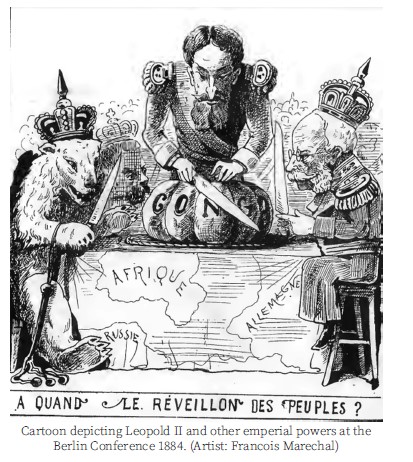
پیغمبر ﷺ همچنان پیشگویی کړې وه چې شهوانی خواهشونه به نه یوازې د هغه امت ته زیان ورسوي، بلکې د دوی د زوال او تباهۍ سبب به شي۔ ثوبان روایت کوي چې پیغمبر ﷺ وفرمایل: «ژر به قومونه یو بل ته بلنه ورکړي چې تاسو وخوري، لکه څنګه چې خوړونکو ته د یوې خواړې ته بلنه ورکول کیږي۔» وویل شو: ایا دا به د دې له امله وي چې په هغه ورځ زموږ شمیر لږ وي؟ ویې فرمایل: «نه، بلکې په هغه ورځ به تاسو ډیر وي، مګر تاسو به د سیلاب د کفونو په څیر بې وزنه کف وي۔ او الله به ستاسو د دښمنانو له زړونو څخه ستاسو ویره لیرې کړي او ستاسو په زړونو کې به کمزوری واچوي۔» یو چا وویل: ای د الله رسوله ﷺ، دا کمزوری به څه وي؟ ویې فرمایل: «د دنیا مینه او د مرګ کرکه۔»۳۳۳ دا حیرانوونکې ده چې یوه پېړۍ مخکې د بلژیک پاچا لیوپولډ ډیر مشهور وویل چې د هغه استعماري هیلې «دا ښکلی افریقایي کیک» دی، کوم چې اروپایي قدرتونو د ۱۸۸۴ کال د برلین کنفرانس پر مهال په خپل خوښه وویشه۔ کوم څوک په اسانۍ سره د هغه ورځې ډیر سیاسي کارټونونه وګوري چې دا کنفرانس یې د خواړو په اصطلاحاتو کې تصور کړی، نږدې په دقیق ډول همغه څه چې پورتنۍ حدیث بیان کړي وو۔
The Prophet صلى الله عليه وسلم also prophesied that carnal pursuits would not only infect his nation but would be the cause of their downfall and devastation. Thawbān reports that the Prophet صلى الله عليه وسلم said, “The nations will soon invite one another to devour you, just as diners are invited to a dish.” It was said, “Will it be because of our small number on that day?” He said, “No, rather you will be many on that day, but you will be weightless foam, like the foam on the river. And Allah will remove the fear of you from the hearts of your enemies and will cast weakness into your hearts.” Someone said, “O Messenger of Allah, what will this weakness be?” He said, “The love of this world, and the hatred of death.”333 It is incredible how one century ago, King Leopold of Belgium very famously referred to his colonial ambitions as “this magnificent African cake,” which the European powers carved at will during the Berlin Conference of 1884. A person can easily find the many political cartoons of that day conceptualizing this conference in food terms, almost exactly like the hadith above had stated.
دا د پاچا لیوپولډ د استعارې له امله هم وو، مګر همدارنګه د دې له امله چې ګډون کونکي یوازې د افریقا د ویشونو د رسمي کولو لپاره هلته راغلي وو، پدې بشپړ باور سره چې دا لویه او بډایه وچه نشي کولی د خپلې ځورندې لالچ او شاهي حرص په وړاندې کومه معنیدار مقاومت وکړي.
This was in part due to King Leopold’s metaphor, but also because the attendees were only there to formalize the divisions of Africa, fully confident that the large and resourceful continent could not hold its weight in any meaningful resistance to their ravenous greed and imperial appetite.
په دې باب کې انس بن مالک روایت کوي چې نبي ﷺ فرمايلي دي: «کله چې زما امت پنځه شيان حلال وګڼي، نو په دوی باندې هلاکت راځي: کله چې يو بل ته لعنت ويل خپروي، شراب څښل کيږي، ورېښم اغوستل کيږي، ساز غږول کيږي، او سړي له سړو سره بسيا کيږي او ښځې له ښځو سره بسيا کيږي.»334 يقيناً مسلمانان نن ورځ له هغو نظرياتو څخه خوندي نه دي چې همجنسي عملونه منې. دا حتی د هغه مسلمان لپاره هم ممکن ده چې لمونځ کوي او جومات ته ځي، که چېرې هغه خپله ديندارۍ ته داسې اجازه ورکړي چې يوازې د کلتوري هويت په کچه راټيټه شي، لکه څنګه چې نبي ﷺ د عبدالله بن عمرو په روايت کې فرمايلي دي: «يقيناً داسې وخت به راشي چې خلک به په جوماتونو کې راټول شي او لمونځ به کوي، په داسې حال کې چې په دوی کې يو هم مؤمن نه وي.»335
Reinforcing this point, Anas ibn Mālik narrates that the Prophet صلى الله عليه وسلم said, “Once my nation considers five things permissible, then destruction will befall them: when cursing one another appears, wine is drunk, silk is worn, musical instruments are played, and men suffice themselves with men and women suffice themselves with women.”334 Certainly, Muslims today are not insulated from the ideologies that accept same-sex acts. This is even imaginable for a practicing, mosque-attending Muslim, if they allow their religiosity to be reduced to a cultural identity, as the Prophet صلى الله عليه وسلم said in a hadith narrated by ‘Abdullah ibn ‘Amr , “An age will surely come when people gather and pray in the mosques, while there is not a single believer amongst them.”335
[ابوداوود، سنن ابی داوود، 4:111 #4297؛ البانی په حاشیو کې تصدیق کړی.]
333 Abū Dāwūd, Sunan Abī Dāwūd, 4:111 #4297; authenticated by al-Albāni in the comments.
[احمد بن الحسین البیهقی، شعب الایمان (ریاض: مکتبة الرشد للنشر والتوزیع، ۲۰۰۳)، ۷:۳۲۸ #۵۰۸۴؛ د البانی په صحیح الترغیب والترهیب (ریاض: مکتبة المعارف، ۲۰۰۰)، ۲:۶۰۸ #۲۳۸۶ کې دا روایت د "حسن" (قابلِ قبول) سند لرونکی دی.]
334 Aḥmad ibn al-Ḥusayn al-Bayhaqī, Shu‘ab al-Īmān (Riyadh: Maktabat al-Rushd lil-Nashr wal-Tawzī’, 2003), 7:328 #5084; a ḥasan (acceptable) chain according to al-Albānī in Ṣaḥīḥ al-Targhīb wal-Tarhīb (Riyadh: Maktabat al-Maʻā rif, 2000), 2:608 #2386.
که څه هم دا منعونه دلته مطلق بڼه لري، خو علماؤ دوی د نبوي نورو احادیثو په کتو او په ټولیز ډول د ځینو قیدونو په واسطه محدود کړي دي. د مثال په توګه، د ورېښمو منع دې ته اړه لري چې یوازې د نارینه وو لپاره ده، په ډېرو زیاتو مقدارونو کې ده، او د ضرورت په نشتوالي کې ده. همدارنګه، علماء عموماً د موسیقۍ د آلاتو په منع کې د دَف غږولو استثنا منلې، لږترلږه کله کله، او ځینو علماؤ دا رخصت نور هم پراخه کړی دی.
While these prohibitions appear absolute here, scholars have qualified them considering their cumulative read of other prophetic traditions. For instance, the prohibition of silk here is qualified by being applicable to men only, and in significant amounts, and in the absence of necessity. Similarly, scholars generally consider striking the tambourine an exception to the prohibition of musical instruments, at least on occasion, and some widen the concession further.
ابوبکر ابن ابی شیبہ، الایمان (بیروت: المکتب الاسلامی، ۱۹۸۳ء)، ۱:40
335 Abū Bakr ibn Abī Shaybah, Al-Īmān (Beirut: al-Maktab al-Islāmī, 1983), 1:40
د البانی له خوا په تبصرو کې تصدیق شوی.
#101; authenticated by al-Albānī in the comments.