5. アル=ハサン・イブン・アリー
5. Al-hasan Ibn Ali
アッラーが彼にご満足なさいますように
May Allah Be Pleased With Him
アリー・イブン・アビー・ターリブの子アル=ハサン(Al-Hasan ibn Ali ibn Abi Talib)、アッラーが彼に満足されますように。アブー・ムハンマド、アッラーの使徒ﷺの孫、彼の子孫であり、預言者ﷺご自身の明確な言葉によって、最後のカリフ(ハリーファ)である者。
Al-Hasan ibn Ali ibn Abi Talib, may Allah be pleased with him, Abu Muhammad, the grandson of the Messenger of Allah, may Allah bless him and grant him peace, his descendant and the last of the khulafa by his (the Prophet’s, may Allah bless him and grant him peace) explicit words.
イブン・サアドは、イムラーン・イブン・スライマーンが次のように伝えたと記している。「アル=ハサンとアル=フサインは、楽園の住人の名前である。アラブ人は、無明時代にはこれらの名前を用いなかった。」
Ibn Sacd narrated that Tmran ibn Sulayman safd: Al-Hasan and al-Hussein are two of the names of the people of the Garden. The Arabs did not use these names in the Jahiliyyah.
アル=ハサン(アッラーが彼を喜ばれますように)は、ヒジュラ暦第3年のラマダーンの中旬に生まれました。彼からは預言者ﷺから伝えられたハディースが伝えられています。アーイシャ(アッラーが彼女を喜ばれますように)も彼からハディースを伝え、そのほかにも多くのタービーイーンがいました。その中には彼の息子アル=ハサン、アブル=ハウラー・ラビーア・イブン・スィナーン、アッ=シャアビー、アブー・ワーイル、イブン・シーリーンがいます。
Al-Hasan, may Allah be pleased with him, was born in the middle of Ramadan in the third year of the Hijrah. Hadith have been related from him from the Prophet, may Allah bless him and grant him peace. cA’ishah, may Allah be pleased with her, related hadith from him, and a great number of the Followers, of them his son al-Hasan, Abu’l-Hawra’ Rabicah ibn Sinan, Ash-Shacbi, Abu Wa’il and Ibn Sirin.
彼は預言者に似ていた。ﷺ 預言者ﷺは彼をアル=ハサンと名付け、生後七日目に羊を一頭屠り、彼の髪を剃り、その髪の重さに相当する銀を施しとして与えるよう命じた。彼は、預言者ﷺが「おおアッラーよ、この人たちは私の家族です」と言われた際の、マントルの家族の五番目であった。X アブー・アフマド・アル=アスカリーは言った。この名は無知の時代(ジャーヒリーヤ)には知られていなかった。
He resembled the Prophet, may Allah bless him and grant him peace. The Prophet, may Allah bless him and grant him peace, named him al-Hasan, slaughtered a sheep for him on his seventh day, shaved off his hair and ordered that the weight of the hair in silver should be given away as sadaqah. He was the fifth of the family of the mantle (when the Prophet, may Allah bless him and grant him peace, said, ‘O Allah, these are my family.’X Abu Ahmad al-cAskari said: This name was not known in the Jahiliyyah.
アル=ムファッダルは言った。「アッラーは、預言者ﷺが自分の二人の孫に名を付けるまで、アル=ハサンとアル=フサインの名を覆い隠しておられた。」
Al-Mufaddal said: Allah veiled the names of al-Hasan and alT h e H isto r y o f t h e K h a l ifa h s Hussein until the Prophet, may Allah bless him and grant him peace, used them to name his two grandsons.
アル=ブハーリーは、アナスが次のように伝えたと記録している。「アッラーの使徒ﷺに最も似ていた者は、アリーの子ハサンより他にいなかった。」
Al-Bukhari narrated that Anas said: No-one more resembled the Prophet, may Allah bless him and grant him peace, than al-Hasan ibn cAli.
二人のシャイフが、アル=バラーァ(al-Bara’)が次のように伝えたと記録している。「私は、アル=ハサンを肩に乗せたアッラーの使徒ﷺを見た。彼は『おおアッラーよ、私は彼を愛している。どうか彼を愛してください』と言っておられた。」 ブハーリーは、アブー・バクラ(Abu Bakrah)が次のように伝えたと記録している。「私は、ミンバルの上におられたアッラーの使徒ﷺが、そばにいるアル=ハサンを時に人々に目を向け、時に彼に目を向けながら、『この私の息子は指導者である。アッラーは、彼を通して、ムスリムの二つの集団の間に和解をもたらされるかもしれない』と言われるのを聞いた。」 ブハーリーは、イブン・ウマル(Ibn cUmar)が次のように伝えたと記録している。「アッラーの使徒ﷺは、『彼らは、この世における私の二つの香草(あるいは芳しい花)である』と言われた。これはアル=ハサンとアル=フセインのことを指している。」
The two Shaykhs narrated that al-Bara’ said: I saw the Prophet, may Allah bless him and grant him peace, with al-Hasan upon his shoulder, saying, ‘O Allah, I love him, so love him.’ Al-Bukhari narrated that Abu Bakrah said: I heard the Prophet, may Allah bless him and grant him peace, upon the minbar, with al-Hasan by his side looking at the people one time and looking at him one time, saying, ‘This son of mine is a chief, and it is likely that through him Allah will make peace between two parties of the Muslims.’ Al-Bukhari narrated that Ibn cUmar said: The Prophet, may Allah bless him and grant him peace, said, ‘They are my two descendants (literally ‘my two sprigs of basil’ or ‘my two sweet-smelling plants [or flowers]’) in the world,’ meaning al-Hasan and al-Hussein.
アッ=ティルミズィーとアル=ハーキムは、アブー・サイード・アル=フドリーが次のように語ったと伝えている。「アッラーの使徒ﷺが仰った。『ハサンとフサインは、楽園の民の若者たちの二人の主である。』」 アッ=ティルミズィーは、ウサーマ・イブン・ザイドが次のように語ったと伝えている。「私は預言者ﷺを見た。ハサンとフサインは、彼の腰の上にそれぞれ一人ずつ乗っていた。預言者ﷺは仰った。『この二人は私の息子であり、私の娘の二人の息子である。アッラーよ、私は彼らを愛する。ですからどうか彼らを愛し、彼らを愛する者をも愛してください。』」 彼(ティルミズィー)は、アナスが次のように語ったと伝えている。「預言者ﷺに、『あなたの家族の中で、あなたが最も愛する人は誰ですか』と尋ねられた。預言者ﷺは仰った。『ハサンとフサインである。』」 アル=ハーキムは、イブン・アッバースが次のように語ったと伝えている。「預言者ﷺが、ハサンを肩に乗せて近づいて来られた。一人の男が彼に出会って言った。『なんと祝福された乗り物を持っておられるのですか、少年よ!』すると預言者ﷺは答えられた。『そして、なんと祝福された乗り手であることか。』」 イブン・サアドは、アブドゥッラー・イブン・アッ=ズバイルが次のように語ったと伝えている。「家族の中で預言者ﷺに最も似ており、彼に最も愛された人はアリーの息子ハサンである。私は、彼が来て、預言者ﷺが跪礼(サジダ)をしている間に、その肩、あるいは彼が『背中』と言ったところに登るのを見た。そして預言者ﷺは、ご自身が降りるまで彼を降ろさなかった。また、私は預言者ﷺが礼拝でルクーウ(屈礼)をしている時、ハサンのために足を広げて、彼が反対側を通り抜けられるようにしていたのを見た。」 イブン・サアドは、アブー・サラマ・イブン・アブドゥッラフマーンが次のように語ったと伝えている。
At-Tirmidhi and al-Hakim narrated that Abu Sacid al-Khudri said: The Messenger of Allah, may Allah bless him and grant him peace, said, ‘Al-Hasan and al-Hussein are the two lords of the youth of the people of the Garden.’ At-Tirmidhi narrated that Usamah ibn Zaid said: I saw the Prophet, may Allah bless him and grant him peace, and al-Hasan and al-Hussein were upon his hips (one on each), and he said, ‘These are my two sons and the two sons of my daughter. O Allah, I love them, so love them and love whoever loves them.’ He narrated that Anas said: The Prophet, may Allah bless him and grant him peace, was asked, ‘Who of the people of your house are most beloved to you?’ He said, ‘Al-Hasan and al-Hussein.’ Al-Hakim narrated that Ibn cAbbas said: The Prophet, may Allah bless him and grant him peace, approached carrying al-Hasan on his shoulder. A man met him and said, ‘What a blessed mount you have, boy!’ The Prophet, may Allah bless him and grant him peace, replied, And what a blessed rider is he.’ Ibn Sacd narrated that “Abdullah ibn az-Zubayr said: The one most like the Prophet, may Allah bless him and grant him peace, of his family and the most beloved to him is al-Hasan ibn cAli. I saw him come while he was prostrate and mount his shoulders — or he said, ‘his back’ - and he did not make him get down until he himself got down. I saw him while he was bowing in prayer and he would separate his legs for him so that he could pass through the other side.’ Ibn Sacd narrated that Abu Salamah ibn cAbd ar-Rahman said:
預言者ﷺは、幼いアル=ハサン・イブン・アリーに舌を出して見せられるのが常でした。幼子がその舌の赤みを見ると、彼は喜んで戯れられたのです。
The Prophet, may Allah bless him and grant him peace, used to put forth his tongue for al-Hasan ibn cAli, then when the infant saw the redness of the tongue, he would be merry with him.
アル=ハーキムは、ズバイル・イブン・アル=アルカムがこう伝えたと記録している。アル=ハサン・イブン・アリーがフトバ(説教)を行うために立ち上がると、アズド・シャヌアの一人の男が立ち上がり、こう言った。「私は証言します。私は預言者ﷺが彼を膝の上に座らせ、こう言われるのを見ました。『私を愛する者は、この者を愛せよ。そして、そこにいる者は、そこにいない者に伝えよ』と。もし預言者ﷺのご尊敬を思う気持ちがなければ、私はこれを誰にも伝えなかったでしょう。」 アル=ハサン、彼に神がご満足されますように、は多くの美徳を備えていた。彼は気品があり、寛容で、落ち着きと威厳と慎み深さを持っていた。彼は惜しみなく寛大で、大いに称賛された。彼は争乱と剣を嫌い、非常に多くの結婚をした。そして一人の人物に十万に及ぶほどの施しを与えることもあった。
Al-Hakim narrated that Zuhayr ibn al-Arqam said: Al-Hasan ibn cAli stood to deliver the khutbah, and a man from Azd Shanu’ah stood up and said, ‘I witness that I saw the Prophet, may Allah bless him and grant him peace, place him in his lap (hubwah denotes sitting on the haunches with the legs drawn in to the belly, often with a cloth wrapped around the legs and the back in support), saying, “Whoever loves me, let him love him, and let the one who is present convey it to whoever is absent,” and if it were not for high regard for the Messenger of Allah, may Allah bless him and grant him peace, I would not have related it to anyone.’ Al-Hasan, may Allah be pleased with him, had many virtues: he was lordly, forbearing, possessing tranquillity, gravity and modesty; he was liberally generous, much praised; he disliked seditions and the sword; he married a great deal; and he would bestow upon a single man as much as one hundred thousand.
アル=ハーキムは、アブドゥッラー・イブン・ウバイド・イブン・ウマイルが次のように語ったと伝えている。
Al-Hakim narrated that cAbdullah ibn cUbayd ibn cUmayr said:
ハサン(Al-Hasan)は徒歩で二十五回ハッジを行い、その傍らには良血の乗用獣が引かれて付き従っていた。
Al-Hasan performed the Hajj twenty-five times walking, and the high-bred, riding beasts were led along with him.
イブン・サアドは、ウマイル・イブン・イスハークが次のように語ったと伝えている。「私の前で話す人の中で、話すときに黙っていないほうがよいと思われた人は、アル=ハサン・イブン・アリーより他にいなかった。彼から不適切な言葉を聞いたことは一度を除いてない。アル=ハサンとアムル・イブン・ウスマーンの間で土地をめぐる争いがあった。アル=ハサンが提案した内容をアムルは気に入らなかった。アル=ハサンは言った。『我々にとっては、彼を無視してでも行うしかない(文字どおりには「彼の鼻が塵に埋もれるように」)。』これは、私が彼から聞いた中で最も不適切な言葉であった。」
Ibn Sacd narrated that cUmayr ibn Ishaq said: No-one ever spoke in my presence who it was more preferable, when he talked, that he should not be silent than al-Hasan ibn cAli. I never heard from him an improper word except for one time. There was a dispute between al-Hasan and cAmr ibn cUthman about some land. Al- Hasan proposed something which cAmr did not like. Al-Hasan said, ‘There is nothing for it with us but to act in spite of him (literally ‘that his nose cleave to the dust’).’ This was the most improper word I ever heard from him.
イブン・サアドは、ウマイル・イブン・イスハークが次のように語ったと伝えている。マルワーンが我々の統治者(アミール)であった時、彼は毎週の金曜礼拝の際にミンバルの上からアリーを罵っていた。その間、ハサンはそれを聞きながら何も答えなかった。そこでマルワーンは一人の男を遣わして言った。「アリーにかけて、アリーにかけて、アリーにかけて、そしてお前にかけて、お前にかけて誓う。お前に似ているものは、ラバ以外に見当たらない。ラバには『お前の父親は誰か』と問われ、『母は雌馬だ』と答えるものだ。」 ハサンは彼に言った。「彼のもとへ戻って、こう伝えなさい。『神にかけて、お前が罵ってきたことで、私がお前について言ったことを消すことはしない。しかし、お前と私は神の御前で会うことになっている。もしお前が真実を語っているなら、神はお前の真実に報いてくださるように。もしお前が嘘つきならば、神の報復はさらに厳しい。』」 イブン・サアドは、ズライク・イブン・サッワールが次のように語ったと伝えている。ハサンとマルワーンの間で言葉のやり取りがあり、その後マルワーンが近づいてきて、ハサンに対して非常に厳しい態度をとった。ハサンは黙っていた。マルワーンは右手で鼻をかんだ。ハサンは彼に言った。「お前は何ということか。右手は顔のために、左手は陰部(および不浄な事柄全般)のために使うのだと知らないのか。お前には嫌悪を覚える。」マルワーンは黙り込んだ。
Ibn Sacd narrated that cUmayr ibn Ishaq said: Marwan was the amir over us, and he used to abuse cAli every Jumucah from the minbar, while al-Hasan would listen and make no reply. Then he sent a man to him saying, ‘I swear by cAli, by cAli, by cAli, and by you, by you! I don’t find any likeness for you except the mule, to which it is said, “Who is your father?” and it replies, “My mother is a mare.’” Al-Hasan said to him, ‘Return to him and say to him, “By Allah, I will not efface for you anything of what you have said by abusing you. However, you and I have an appointment together before Allah. Then, if you are truthful, may Allah recompense you for your truthfulness. If you are a liar, then Allah is worse in revenge.’” Ibn Sacd narrated that Zurayq ibn Sawwar said: There were some words between al-Hasan and Marwan, then Marwan approached him, became very tough on him — and al-Hasan was silent. Marwan blew his nose using his right hand. Al-Hasan said to him, ‘Woe to you! Do you not know that the right hand is for the face, and the left for the private parts (and for unclean matters generally)? I am disgusted with you (literally ‘filth to you’)!’ Marwan became silent.
イブン・サアド は アシュアス・イブン・サッワール から伝えた。ある男が言った。「ある男がハサンのもとに座ったところ、彼(ハサン)は言った。『あなたは、我々が立ち上がろうとしていた時に座られた。お許しいただけますか。』」 イブン・サアド は アリー・イブン・ザイド・イブン・ジュドアーン が言ったと伝えた。「ハサンは二度、アッラーのために自分の財産を与えた。アッラーは彼の財産を分けて、三度彼に分け与えられた。そのため彼は、片方の革のサンダルを与えて、もう片方を手元に残したり、革の靴下(フフ)を一つ与えて、もう一つを手元に残したりするほどであった。」
Ibn Sacd narrated from Ashcath ibn Sawwar that a man said: A man sat down with al-Hasan and he (al-Hasan) said, ‘You have sat down with us at the moment we were going to stand. Will you permit?’ Ibn Sacd narrated that cAli ibn Zaid ibn Judacan said: Al-Hasan gave forth his property twice for the sake of Allah, and Allah divided up his property and shared it with him three times, to such an extent that he used to give a sandal and keep a sandal with him, or give away a leather sock (known as khuff) and keep another sock.
イブン・サアドは、アリー・イブン・アル=フサインがこう言ったと伝えている。「アル=ハサンは女性と離婚することが多かった。彼が離縁した女性で、彼を愛していなかった者はいなかった。彼は九十人の女性と結婚した。」
Ibn Sacd narrated that cAli ibn al-Hussein said: Al-Hasan was given to divorcing women, and he did not separate from a woman but that she loved him. He married ninety women.
イブン・サアドは、ジャアファル・イブン・ムハンマドから、その父が次のように言ったと伝えている。
Ibn Sacd narrated from Jacfar ibn Muhammad that his father said:
アル=ハサンは結婚と離婚をあまりにも頻繁に繰り返したため、部族の間で私たちとの間に敵意を生むのではないかと、私は心配していました。
Al-Hasan used to marry and divorce so much that I was afraid he would cause enmity towards us among the tribes.
イブン・サアドは、ジャアファル・イブン・ムハンマドから、彼の父が次のように語ったと伝えている。アリーは言った。「クーファの人々よ、アル=ハサンは離婚を繰り返す男なのだから、あなたがたの女性をアル=ハサンに嫁がせてはならない。」するとハマダーンの男が言った。「アッラーにかけて、我々は(自分たちの女性を)彼に嫁がせるつもりだ。」
Ibn Sacd narrated from Jacfar ibn Muhammad that his father said: cAli said, ‘People of Kufa, do not marry (your womenfolk) to al-Hasan because he is a man much given to divorce.’ A man from Hamadan said, ‘By Allah, we will marry him (to our womenfolk).
「気に入った者は留めておくことができ、気に入らなければ離縁することができる」。 イブン・サアド は、アブドゥッラー・イブン・ハサンが次のように伝えたと記している。ハサンは非常に多くの女性と結婚する男であったが、彼を気に入る女性はごくまれであった。彼が妻とした女性のうち、彼を愛さず、彼に強く心を寄せなかった者はごくわずかであった。
Whosoever pleases him he can keep, and whosoever displeases him he can divorce.’ Ibn Sacd narrated that cAbdullah ibn Hasan said: Hasan was a man who used to marry women a great deal, and they very rarely found favour with him. There were very few women he married who did not love him and were not passionately attached to him.
イブン・アサーキルは、ジュワイリーヤ・イブン・アスマーゥが次のように伝えたと記している。ハサンが亡くなったとき、マルワーンは彼の葬儀の礼拝で涙を流した。フサインは彼に言った。「あなたが彼に飲み込ませたものを強いたというのに、あなたは泣くのですか」。マルワーンは言った。「私は、これよりも忍耐強い者に対してそうしていたのだ」。そして彼は山の方を指さした。(その山は、忍耐の極致の象徴として知られていた。)
Ibn cAsakir narrated that Juwayriyyah ibn Asma’ said: When al- Hasan died, Marwan wept at his funeral prayer. Al-Hussein said to him, ‘Do you weep when you forced him to swallow that which you did?’ He said, ‘I used to do that to one more forbearing than this,’ and he pointed towards the mountain. (The mountain was proverbially the epitome of forbearance).
イブン・アサーキルは、アル=ムバッラドが次のように伝えたと記している。ある人がアル・ハサン・イブン・アリーに言った。「アブー・ダッルは『貧しさは富よりも私に愛しく、病は健康よりも私に愛しい』と言っています。」すると彼は言った。「アッラーがアブー・ダッルを憐れまれますように。私はこう言う。『自らを完全にアッラーの選択の善に委ねている者は、アッラーが彼のために選ばれた状態以外のいかなる状態にも身を置くことを望まない。』」これが、運命が巡らせるものに対する満足についての研究における到達点である。
Ibn cAsakir narrated that al-Mubarrad said: Someone said to al- Hasan ibn cAli, ‘Abu Dharr says, “Poverty is more beloved to me than wealth, and illness more beloved to me than health.’” He said, ‘May Allah show mercy to Abu Dharr. As for me, I say, “Whoever is absolutely dependent on the goodness of Allah’s choosing for him does not wish to be in any state other than the one which Allah has chosen for him.’” This is the limit in research into the subject of contentment with that which destiny turns about.
アル=ハサン(アッラーが彼に満足されますように)は、父の死後、クーファの人々による忠誠の誓い(バイア)によってカリフの職を引き継ぎ、六ヶ月と数日の間その地位にありました。その後ムアーウィヤが彼に対して兵を挙げました。この件はアッラーの御許にあります。そこでアル=ハサンはムアーウィヤに使いを送り、次の条件のもとでカリフの位を譲ると申し出ました。その条件とは、カリフの位はムアーウィヤの死後にアル=ハサンのものとなること、父の時代に起きたことについて、マディーナ、ヒジャーズ、イラクの人々の誰一人も報復や仕返しのために追及されないこと、そして彼の負債をムアーウィヤが返済することでした。ムアーウィヤは彼の求めに同意し、その基礎の上に和約が結ばれました。こうして預言者ﷺの奇跡が明らかになりました。預言者ﷺは「アッラーは彼によって、ムスリムの二つの集団の間に和平をもたらされる」と仰っておられました。アル=ハサンはムアーウィヤのためにカリフの位を退きました。アル=バルキーニーは、最高の地位であるカリフの位からの退位を根拠に、官職や地位から退くことや辞任することが許されると論じようとしました。彼がカリフの位を退いたのはヒジュラ暦41年のラビーウ・アル=アウワル月とされています。ラビーウ・アル=アーヒルあるいはジュマーダ・アル=ウーラーであったとも言われています。彼の仲間たちは「ムウミヌーンの恥辱よ」と彼に言いました。すると彼は「恥辱は火獄より良い」と答えたものです。ある男が彼に「信徒たちを辱める者よ、あなたに平安あれ」と言いました。彼は「私は信徒たちを辱める者ではない。ただ、統治権のためにあなたを殺すことを嫌ったのだ」と答えました。その後アル=ハサンはクーファからマディーナに移り、そこに住まわれました。
Al-Hasan, may Allah be pleased with him, took charge of the khilafah after the death of his father through the pledge of allegiance of the people of Kufa, and he remained in it for six months and some days. Then Mucawiyah came out against him - and the matter belongs to Allah — and so al-Hasan sent a message to him to offer to surrender the khilafah to him, on condition that the khilafah should be his after him, that no-one of the people of Madinah, al- Hijaz and Iraq should be sought out for revenge or retaliation for anything which had happened in the time of his father, and that he would pay off his debts for him. Mucawiyah agreed to what he asked, they concluded a treaty upon that basis, and the prophetic miracle became evident in his words, may Allah bless him and grant him peace, ‘Allah will make peace through him between two groups of the Muslims.’ He abdicated from the khilafah for him. Al-Balqini sought to prove from his abdication from the khilafah — which is the greatest rank - that it is permitted to abdicate from and renounce offices and positions. His abdication from it was in the year 41 AH, in the month of Rabic al-Awwal. It has also been said that it was in Rabic al-Akhir, or Jumada al-Ula. His companions said to him, ‘O disgrace of the mu’minin\’ and he would say, ‘Disgrace is better than the Fire.’ A man said to him, ‘Peace be upon you, humiliator of the believers!’ He said, ‘I am not the humiliator of the believers, but I disliked to kill you for the sovereignty.’ Then al-Hasan moved from Kufa to Madinah and resided there.
アル=ハーキムは次のように伝えています。ジュバイル・イブン・ヌファイルが言った。「私はアル=ハサンに言った。『人々は、あなたがカリフの地位を望んでいると言っています』。彼は言った。『アラブの有力者たちが私と共にいた。私が戦う相手とは彼らも戦い、私が和平を結ぶ相手とは彼らも和平を結んだ。私は、アッラーの御顔を求めて、そしてムハンマドの共同体(ウンマ)の血が流されるのを防ぐために、それを捨てたのだ。ムハンマドにアッラーの祝福と平安がありますように』。」
Al-Hakim narrated that Jubayr ibn Nufayr said: I said to al-Hasan, ‘People are saying that you want the khilafah.’ He said, ‘The chiefs of the Arabs were with me, at war with whomever I was at war with, and at peace with whomever I was at peace with. I abandoned that desiring the Face of Allah, and to prevent spilling the blood of the ummah of Muhammad, may Allah bless him and grant him peace.
「では今後、ヒジャーズの人々の羊の群れの助けを借りて、力ずくでそれを奪うべきだろうか。」アル・ハサン(アッラーがお喜びになりますように)はマディーナで毒殺によって亡くなった。彼の妻であるジャアダ・ビント・アル=アシュアス・イブン・カイスが彼に毒を盛ったのである。ヤズィード・イブン・ムアーウィヤは、密かに彼女に毒を盛るよう勧め、その後で彼女と結婚するつもりだと伝え、彼女はそのとおりにした。アル・ハサンが亡くなると、彼女はヤズィードに使いを送り、約束していたことの履行を求めた。ヤズィードは言った。「我々はアル・ハサンのためにおまえに満足していなかった。ならば、我々自身のためにおまえに満足すべきだろうか。」彼の死は西暦669年(ヒジュラ暦49年)のことであった。また、ヒジュラ暦50年のラビーウ・アル=アウワル月5日であったとも言われている。
Now later, shall I take it by force with the help of the herds of goats of the people of al-Hijaz?’ Al-Hasan, may Allah be pleased with him, died in Madinah through poisoning. His wife, Jacdah bint al-Ashcath ibn Qais poisoned him. Yazid ibn Mucawiyah suggested secretly to her that she should poison him and that then he would marry her, and she did so. When al-Hasan died, she sent a message to Yazid asking him for the fulfilment of what he had promised her. He said, ‘We were not pleased with you for al-Hasan, so should we then be pleased with you for ourselves?’ His death was in 49 AH. It has also been said that it was on the fifth of Rabic al-Awwal in the year 50 AH.
そして、それは西暦51年(ヒジュラ暦51年)のことであったと言われている。彼の兄は、彼に毒入りの飲み物を与えたのは誰なのかを話させようと彼と言い争ったが、彼は話そうとしなかった。彼はこう言った。「もし私が疑っている者であるならば、アッラーは報復において最も厳しい御方である。そうでなければ、私のために罪のない人が報復として殺されてはならない。」14
And it has been said that it was in 51 AH. His brother argued with him to get him to tell him who had given him the (poisoned) drink, but he would not tell him. He said, ‘Allah is most severe in revenge if it should be the one I suspect. If not, then no innocent person must be killed in retaliation for me.’14
イブン・サアドは、イムラーン・ブン・アブドゥッラー・ブン・タルハがこう語ったと伝えている。
Ibn Sacd narrated that cImran ibn “Abdullah ibn Talhah said:
アル=ハサンは、自分の両目の間に「言え、『彼こそアッラーは唯一である』」(クルアーン112:1)と書かれているのを夢で見た。彼の家族はそれを聞いて喜んだ。彼らはそのことをサイード・イブン・アル=ムサイイブに伝えたところ、彼は「もしその夢が真実であれば、彼に残された日々はごくわずかだ」と言った。その後、彼は数日しか生きずに亡くなった。
Al-Hasan saw as if there were written between his eyes, ‘Say, “He Allah is One"' (Qur’an 112: 1) and his family rejoiced at that. They told it to Sacid ibn al-Musayyab and he said, ‘If his dream is true, then he has very few days left to live.’ He only lived a few days more before he died.
アル=バイハキーとイブン・アサーキルは、アブー・ル=ムンディル・ヒシャーム・イブン・ムハンマドを通じて、彼の父がこう言ったと伝えている。「アル=ハサン・イブン・アリーは(生活の糧が)乏しくなり、その俸給は百(ディルハム)であった。」14 スユーティーは、普段の方針に反して、この話に出典を挙げていない。
Al-Bayhaqi and Ibn cAsakir narrated by way of Abu’l-Mundhir Hisham ibn Muhammad that his father said: Al-Hasan ibn cAli was constricted (in his provision), and his stipend was one hundred 14 Contrary to his usual practice, as-Suyuti gives no source for this story.
In Defence Against Disaster(災厄からの防衛)において、カーディー・アブー・バクル・イブン・アル=アラビーは、アミール・アル=ムウミニーン・ムアーウィヤ(アッラーがその者を喜ばれますように)がハサンを毒殺したという申し立てについて、次のように述べている。「それは未知の事柄である。そのことを知っておられるのはアッラーだけである。証拠もなくそれを想定し、健全な伝承が一つもない遠い時代の被造物の一人にそれを帰すことが、どうしてできようか」(203ページ)。この話についても同じことが言える。同じ書物の中で、カーディーはヤズィードに浴びせられた数多くの中傷から彼を無罪とし、次のように述べている。「[アフマド・イブン・ハンバル]は彼を禁欲者(現世を捨てた人々、ズフドの人々)の中に数えた」。
In Defence Against Disaster, Qadi Abu Bakr ibn al-Arabi says concerning the allegation that the Amir al-Mu’minin Mucawiyah, may Allah be pleased with him, poisoned al-Hasan, ‘...it was an unknown business. Only Allah knows about it. How can you assume it without proof and ascribe it to one of His creatures in a distant time when we do not have any sound transmission about it?’ (p. 203) The same applies to this story. In the same book, the Qadi exonerates Yazid of a great deal of the slander levelled at him and says, ‘[Ahmad ibn Hanbal] included him among the men of zuhd (doing without the world)
…教友と後継者の中で…実に彼は、後継者について述べる前に、彼を教友の一団に含めたのである。」
of the Companions and Followers... Indeed, he included him in the group of Companions before he proceeded to mention the Followers.’.
「ムアーウィヤは一年間、彼への支給を差し止めた。彼は極度に困窮した。彼は言った。『私はムアーウィヤに手紙を書いて自分のことを思い出させようと、インク壺を呼んだ。しかしその後、自分を抑えた。私は夢の中で、アッラーの使徒ﷺを見た。使徒ﷺは言った、「ハサンよ、元気か」。私は言った、「元気です、父上」。そして私は、財産が私から差し止められていることを使徒ﷺに訴えた。使徒ﷺは言った、「お前は、そのことを思い出させるために、自分と同じような被造物に手紙を書こうとインク壺を呼んだのか」。私は言った、「はい、アッラーの使徒ﷺよ。私はどうすればよいのでしょうか」。使徒ﷺは言った、「こう言いなさい」。』」
thousand a year. Muawiyah withheld it from him one year, and he was extremely constricted. He said, ‘I called for an ink-pot so that I might write to Muawiyah to remind him about myself, and then I controlled (myself). I saw the Messenger of Allah, may Allah bless him and grant him peace, (in a dream) and he said, “How are you, Hasan?” I said, “Well, father.” And I complained to him about the withholding of the property from me. He said, “Did you call for an ink-pot to write to a creature like yourself to remind him of that?” I said, “Yes, Messenger of Allah. What should I do?” He said, “Say:
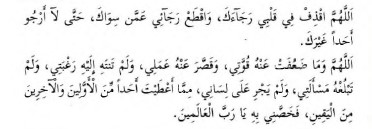
「オ アッラー、私の心にあなたへの希望を投げ込み、あなた以外のものへの希望を断ち切ってください。あなた以外の誰にも希望を抱かなくなるまで。オ アッラー、私の力が弱すぎて及ばず、私の行いが届かず、私の願望が達せず、私の祈願が届かず、私の舌の上で流れ出ない、あなたが古の人々や後の世の人々のいずれかにお与えになった確信については、万世の主よ、どうか私をそれに選び出してください。」と(彼は)言った。「そして、アッラーにかけて、私がそれを続けて一週間も経たないうちに、ムアーウィヤが百五十万(ディルハム)を送ってきた。そこで私は言った。『自分を思い出す者を忘れず、祈願する者を失望させないアッラーに讃えあれ』と。私は夢の中で預言者ﷺを見た。(預言者ﷺ)は言われた。『ハサン、元気かね』。私は言った。『元気です、アッラーの使徒よ』。そして私は自分の身の上を語った。(預言者ﷺ)は言われた。『わが子よ、創造主に希望を抱き、被造物に希望を抱かない者は、そういうものなのだ』。」 『アッ=トゥユーリヤート』には次のように記されている。クーファの民のクルアーン朗誦者であったスライム・イブン・イーサが言った。ハサンに死が訪れたとき、彼は動揺と悲しみに圧倒された。フサインは彼に言った。「兄さん、この動揺と悲しみは何ですか。あなたはアッラーの使徒ﷺのもとへ行くのです。そしてアリーとあなたの二人の父、ハディージャとファーティマとあなたの二人の母、アル=カースィムとアッ=ターヒルとあなたの二人の母方の叔父、ハムザとジャアファルとあなたの二人の父方の叔父のもとへ行くのです」。ハサンは彼に言った。「弟よ、私はアッラー、いと高き御方の、これまで一度も入ったことのない御業の中へ入ろうとしている。そして私は、これまで一度も見たことのないアッラーの被造物を目にしているのだ」。 Ibn ʿAbd al-Barr はこう述べている。さまざまな伝えによると、ハサンが臨終を迎えたとき、彼は弟にこう言った。「弟よ、あなたの父はこの権威に目を向けたが、アッラーはその地位から父を遠ざけ、アブー・バクルをその責任者(カリフ位)に任じられた。その後、父は再びそれに目を向けたが、それはウマルのもとへ逸らされた。さらにその後、評議会のときにも、父はそれが自分を素通りするとは疑っていなかったが、それはウスマーンのもとへ逸らされた。ウスマーンが殺害されると、アリーに忠誠の誓いが立てられた。そのとき私たちは、剣が抜かれるまで抑えられた。こうして、その地位が父のもとで完全に平穏であったことは一度もなかった。アッラーにかけて、アッラーは預言者職とカリフ位を私たちの一族において両立させるとは思わない。クーファの愚か者たちが、あなたをカリフに擁立して追い出そうとするかもしれないと私は思っている。私はアーイシャ(アッラーが彼女に満足されますように)に、私が預言者の傍らに埋葬されることを願い出た。アッラーが彼と彼の一族に祝福と平安を与えられますように。彼女は「はい」と答えた。私が死んだら、彼女にそのことを尋ねなさい。ただ、人々があなたを妨げようとするだろうと私は予想している。もしそうなったら、彼らと口論してはならない。」彼が亡くなると、フサインはアーイシャ(アッラーが彼女に満足されますように)、信者たちの母のもとへ赴いた。彼女は「はい、それは名誉なことです」と言ったが、マルワーンがそれを妨げた。すると、フサインとその仲間たちは剣を手に取った。アブー・フライラがそれを止めるまで続いた。こうして彼は、母(アッラーが彼女に満足されますように)の傍らにあるバキーウに埋葬された。
O Allah, cast into my heart hope in You, and cut off my hope in everything other than You, until I don’t hope for anyone other than You. O Allah, that for which my strength is too weak, and my action falls short of, my desire does not attain, my supplication does not reach, and what does not flow upon my tongue, of that certainty which You have given anyone of the ancients and the later peoples, then single me out for it, Lord of the Worlds.’” He said, ‘Then, by Allah, I had not persisted in it for a week before Mucawiyah sent me one million and five hundred thousand, and I said, “Praise be to Allah Who does not forget whoever remembers Him and doesn’t disappoint whoever supplicates Him.” I saw the Prophet, may Allah bless him and his family and grant them peace, in sleep and he said, “Hasan, how are you?” I said, “Well, Messenger of Allah,” and I told him my story. He said, “My son, that is how it is for whoever hopes for (something) from the Creator and does not hope for (something) from the creature.’” There is in at-Tuyuriyyat that Sulaym ibn cIsa, the Qur’an reciter of the people of Kufa, said: When death came to al-Hasan he was overcome with agitation and grief. Al-Hussein said to him, ‘My brother, what is this agitation and grief? You are going to the Messenger of Allah, may Allah bless him and his family and grant them peace, and cAli and they are your two fathers, and to Khadijah and Fatimah and they are your two mothers, and to al-Qasim and at-Tahir and they are your two maternal uncles, and to Hamzah and Jacfar and they are your two paternal uncles.’ Al-Hasan said to him, ‘Brother, I am entering into a matter of Allah’s, exalted is He, the like of which I have never entered, and I see a creation of Allah’s the like of which I have never seen.’ Ibn cAbd al-Barr said: From various sources we relate that when his time came, he said to his brother, ‘My brother, your father raised his eyes to this authority and Allah averted him from it and put Abu Bakr in charge of it (the khilafah). Later, he raised his eyes to it, but it was turned away from him to cUmar. Later again, he had no doubt at the time of the Council that it would not pass him by, but it was turned away from him to cUthman. When TJthman was killed, then °Ali was pledged allegiance. Then we were restrained until swords were unsheathed and so it (the khilafah) was never undisturbedly his. By Allah, I don’t think that Allah will combine prophecy and khilafah in us. I don’t know but that the fools of Kufa will try to appoint you as khalifah and drive you out. I have asked cA’ishah, may Allah be pleased with her, that I should be buried with the Messenger of Allah, may Allah bless him and his family and grant them peace, and she said, “Yes.” When I die, ask her about that, but I only anticipate that people will try to prevent you. If they do, don’t bandy words with them.’ When he died, al-Hussein came to the Mother of the Believers, cA’ishah, may Allah be pleased with her, and she said, ‘Yes, and it is an honour,’ but Marwan prevented them. Then al-Hussein and those with him donned their swords, until Abu Hurayrah prevented them, and so he was buried in al- Baqic by the side of his mother, may Allah be pleased with her.