۱.۱ ضرورت روحانی نبوت
1.1 The Spiritual Necessity Of Prophethood
در درون همهٔ ما اشتیاقی بیقرار به کمال معنوی وجود دارد. وقتی این اشتیاق نادیده گرفته شود، روح تشنگیهای شدیدی را تجربه میکند که آن را از یک سراب به سراب دیگر میکشاند، و هر یک امید لحظهای یک واحه را میدهد، پیش از آنکه باز هم دچار ناامیدی تازهای شود. این فاجعهٔ وضعیت انسان است، هر گاه که او آرامش درونی را از جهان بیرون میجوید، یا میکوشد با تعقیب لذتهای جسمانی به خودشکوفایی برسد، در حالی که برای هدفی والاتر و فراتر از همهٔ اینها آفریده شده است:
Within us all is a restless craving for spiritual fulfillment. When ignored, the spirit experiences intense thirsts which send it chasing one mirage after another, each offering it momentary hope of an oasis before yet another letdown. This is the tragedy of the human condition whenever it seeks inner peace from the outer world, or seeks to self-actualize through carnal pursuits, when it was created to transcend all that for a higher purpose:
اخلاص برای خداوند. خداوند در قرآن میفرماید: «وَمَا خَلَقْتُ الْجِنَّ وَالْإِنسَ إِلَّا لِيَعْبُدُونِ».16
sincere devotion to God. Allah says in the Qur’an, “And I did not create the jinn and mankind except to worship Me.”16
بندگی خداوند، نه تنها شناختِ فطریِ وجودِ او، از این رو نه تنها یک وظیفه، بلکه یک نیازِ اساسیِ انسان نیز هست. همانگونه که غذا و اکسیژن برای تغذیهٔ بدن ضروریاند، برای تغذیهٔ روح نیز این بندگی لازم است. این بندگی ما را با واقعیتمان هماهنگ میکند: اینکه ما موجوداتی روحانی در بدنی مادی هستیم، نه موجوداتی مادی که تصادفاً از بُعدی روحانی برخوردارند. البته هیچیک از اینها ممکن نیست مگر آنکه آفریدگار از راه پیامبران به ما بیاموزد که چگونه با او رابطهای معنادار داشته باشیم. بدون این ارتباط، ما نمیتوانستیم او را در سطوح عمیقتر بشناسیم و دوست بداریم، و تنها از راه زیستن برای او است که درمییابیم زنده بودن واقعاً به چه معناست. همانگونه که پیامبر محمد ﷺ فرمود: «مثال کسی که به یاد خدا است و کسی که به یاد خدا نیست، مانند زنده و مرده است.»17
Servitude to God, not just the inborn recognition of His existence, is therefore not only a duty but also a fundamental human need. It is necessary to nourish our spirit just as food and oxygen are necessary to nourish our body. It attunes us to our reality as spiritual beings in physical bodies, not physical beings that happen to enjoy a spiritual dimension. Of course, none of that is possible without the Creator communicating to us through prophets how to have a meaningful relationship with Him. Without this communication, we would be unable to know and love Him on deeper levels, and it is only through living for Him that we experience what it truly means to be alive. As the Prophet Muhammad صلى الله عليه وسلم once said, “The similitude of someone who is mindful of Allah and someone not mindful of Allah is that of the living and the dead.”17
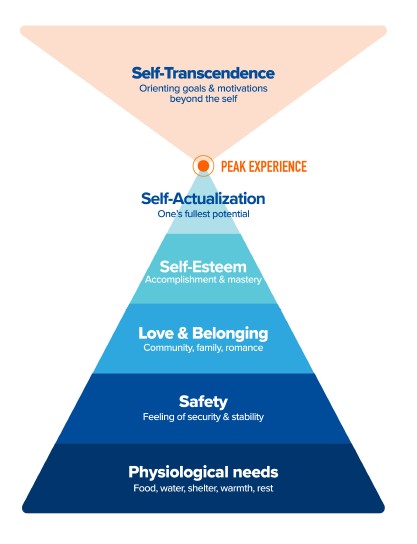
هنگامی که abraham maslow سلسلهمراتب نیازهای معروف خود را اصلاح کرد، میل به فراروی از خود را بهعنوان بزرگترین انگیزه از همه آنها، بالاتر از خودشکوفایی قرار داد.18
When Abraham Maslow amended his famous hierarchy of needs, he set the desire for self-transcendence as the greatest motivator of them all, above self-actualization.18
اما بدون پیامبران و وحی الهی، حتی آن بینش تا حدی بیراهنما باقی میماند. این امر مجال میدهد که مفاهیمی چون وحدت وجود (یکی بودن با جهان) یا نوعدوستی (بیخویشتنی) بهاشتباه، همچون عبودیت خداوند، مایهٔ رضایت و کمال شمرده شوند. افراد نوعدوست اغلب گزارش میدهند که رضایت بیشتری از زندگی دارند، و این انتظار میرود، زیرا بیخویشتنی، به تعریف، هدفی متعالیتر از خودمحوری است.
However, without the prophets and divine revelation, even that insight remains somewhat uninstructive. It allows for notions such as monism (being one with the universe) or altruism (being selfless) to be misperceived as equally fulfilling as devotion to God. Altruistic people often report higher life satisfaction, and that is expected since being selfless is, by definition, a more transcendent purpose than being self-centered.
اما نیاز اساسی به فراتر رفتن از خود، هرگز تنها با هر نوع مشارکت در اهدافی بزرگتر از خود (مانند خدمت به جامعهی بشری) بهطور کامل برآورده نمیشود. آرامشی یگانه وجود دارد که دقیقاً به وابستگی انسان به بزرگترین حقیقت، یعنی خداوند متعال، بستگی دارد. خدمت به دیگران میتواند بخشی از آن باشد، اما هرگز جایگزین آن نمیشود، چنانکه خداوند میفرماید: {آگاه باشید که تنها با یاد خدا دلها آرام میگیرد}.۱۹ ابن قیم (متوفای ۱۳۵۰ میلادی)، عالم برجستهی مسلمان، مینویسد: در دل، اضطرابی وجود دارد که هیچ چیز جز نزدیک شدن به خدا آن را آرام نمیکند، و تنهاییای آن را فرا گرفته که هیچ چیز جز لذت بردن از او آن را برطرف نمیکند.
But the essential need to self-transcend will never be fully satisfied by just any involvement in ends greater than oneself (such as serving the human collective). There is a unique tranquillity that hinges squarely on one’s devotion to the absolute greatest: the Almighty. Serving others can be part of that, but can never replace it, as Allah says, “Unquestionably, it is only by the remembrance of Allah that hearts are assured.”19 Ibn al-Qayyim (d. 1350), a renowned Muslim theologian, writes, In the heart, there exists an anxiousness that nothing can calm but drawing nearer to God. And a loneliness overcasts it that nothing can remove but enjoying His
مصاحبت او در تنهایی؛ و در آن اندوهی جای دارد که هیچ چیز جز شادی شناختن او و وقف صادقانهی خود به او، آن را تسکین نمیدهد. و نگرانیای آن را آشفته میکند که هیچ چیز جز توجه به او و گریختن از او به سوی او، آن را آرام نمیکند. و شعلههای پشیمانی همچنان در درونش زبانه میکشند، و هیچ چیز جز خرسندی به فرمانها، نهیها و تقدیر او و شکیبایی ورزیدن بر همهی اینها تا زمانی که او را دیدار کند، آنها را خاموش نمیسازد. و در آن خواستی فشرنده وجود دارد؛ از میان نمیرود تا آنکه تنها او دغدغهی آن شود. و در آن نیازی مبرم هست؛ هیچ چیز آن را برآورده نمیکند جز دوست داشتن او، یاد پیوستهی او و عبادت صادقانهی او. و اگر به انسان تمام این جهان و آنچه در آن است داده شود، هرگز آن نیاز را برآورده نخواهد کرد.20
company in private. And a sadness dwells within it that nothing can alleviate but the joy of knowing Him and genuinely devoting oneself to Him. And a worry unsettles it that nothing can reassure but focusing on Him and fleeing from Him to Him. And the flames of regret continue to flare inside it, and nothing can extinguish them but becoming content with His commands, prohibitions, and destiny, and patiently holding onto all that until the time one meets Him. And in it exists a pressing demand; it will not stop until He alone becomes its pursuit. And in it is a dire need; nothing will satisfy it except loving Him, constantly remembering Him, and being sincerely devout to Him. And if a person were given this entire world and all it contains, it would never fulfill that need.20
بنابراین، برای دور ماندن از این فاجعهٔ روانیمعنوی، و برای زیستن در راه خدای متعال، نبوت یک ضرورت وجودی است. همان خدای مهربانترین، که هر آنچه را که برای زندگی و آنچه آن را پایدار میدارد در این سیاره به ما ارزانی داشته، از راه نبوت آنچه را که بیش از همه به آن نیازمندیم برای ما تضمین کرده است: هدایت به سوی او و خشنودیاش در این زندگی و در زندگی دیگر.
Hence, to avert this psychospiritual tragedy, and to live for Almighty God, prophethood is an existential necessity. The same most compassionate God who afforded us all we need on this planet for life and what sustains it, has ensured for us through prophethood what we need most: guidance to Him and His pleasure in this life and the next.
۱۶ قرآن ۵۱:۵۶، ترجمهٔ صحیح بینالملل
16 The Qur’an 51:56, Saheeh International Translation.
۱۷ البخاری، صحیح البخاری، ۸:۸۶ حدیث شماره ۶۴۰۷؛ مسلم بن الحجاج القشیری، صحیح مسلم (بیروت: دار إحیاء الكتب العربیة، ۱۹۵۵)، ۱:۵۳۹ حدیث شماره ۷۷۹.
17 al-Bukhārī, Ṣaḥīḥ al-Bukhārī, 8:86 #6407; Muslim ibn al-Ḥajjāj al-Qushayrī, Ṣaḥīḥ Muslim (Beirut: Dār Iḥyāʼ al-Kutub al-ʻArabīyah, 1955), 1:539 #779.
لويد گرين و جورج بورك، «فراتر از خودشکوفایی»، مجله مدیریت خدمات بهداشتی و انسانی (۲۰۰۷): ۱۱۶-۱۲۸.
18 Lloyd Greene and George Burke, “Beyond Self-Actualization,” Journal of Health and Human Services Administration (2007): 116-128.
۱۹ قرآن ۱۳:۲۸، ترجمهٔ صحیح بینالمللی
19 The Qur’an 13:28, Saheeh International Translation.
۲۰ ابن قیم الجوزیه، مدارج السالکین بین منازل ایاک نعبد و ایاک نستعین (بیروت: دار الکتب العربی، ۱۹۹۶)، ۳:۱۵۶.
20 Ibn Qayyim al-Jawzīyah, Madārij al-Sālikīn Bayna Manāzil Īyāka Na’budu wa Īyāka Nasta’īn (Beirut: Dār al-Kutub al-ʻArabī, 1996), 3:156.