۲.۲ سادگی و فروتنی او
2.2 His Simplicity and Humility
زندگی ساده و بیپیرایهٔ پیامبر ﷺ نشانهٔ روشنی است بر اینکه رسالت او نمیتوانسته برای منافع شخصی باشد، بهویژه وقتی آن را با زندگیهای پرتجمل و افراطی بسیاری از مدعیان دروغین نبوت در تاریخ جهان مقایسه کنیم. آخر، این مردی بود که تا پایان عمرش بر تمام سرزمین عربستان تسلط یافت. و حتی پیش از آن، در مدینه هزاران پیرو داشت، پیروانی که شیفتهٔ او بودند و برای او دست به هر کاری میزدند. با این همه، در هیچیک از عرصههای زندگی او نشانی از تجمل دیده نمیشود.
The simple, austere lifestyle of the Prophet صلى الله عليه وسلم is a major indication that his mission could not have been self-serving, especially when contrasted with the decadent, extravagant lifestyles of so many false prophets in world history. After all, this was a man who controlled all of Arabia by the end of his life. Even before that, he had thousands of followers in Madinah, followers who obsessed over him and would have done anything in the world for him. Yet, we see no signs of luxury in any sphere of his life.
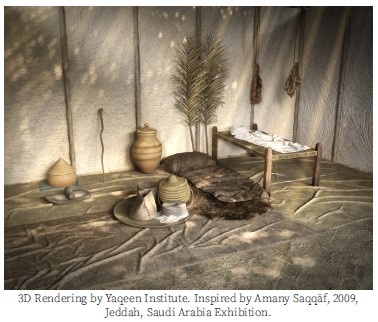
اتاقهای زندگیاش آنقدر تنگ بود که هرگاه پیامبر ﷺ میخواست نماز بگزارد، به عایشه میزد تا پاهایش را جمع کند تا جایی برای سجدهکردن او باز شود. برای نوشیدن یا غسلکردن، آن مشک چرمی کوچکی را که در اتاقش آویزان بود برمیداشت. ماهها پیاپی در خانهاش برای پختن غذا آتشی روشن نمیشد و خانوادهاش به خرما و آب قانع بودند، مگر آنکه کسی شیری به ایشان هدیه میکرد.۵۸ عمر بن خطاب ؓ روایت میکند که یکبار به اتاق رسول خدا ﷺ وارد شد و دید ایشان دراز کشیدهاند و زبری حصیری که زیرشان بود بر پهلویشان اثر گذاشته است. با دیدن آن اثر و جیرهی اندک جو و برگ، و مشک چرمی آویزان در گوشهی اتاق، اشک در چشمانش حلقه زد. پیامبر ﷺ فرمود: «ای پسر خطاب، چه چیز تو را به گریه انداخته است؟» گفت: «ای پیامبر خدا، چگونه گریه نکنم، وقتی میبینم این حصیر بر پهلوی شما اثر گذاشته و در انبار غذای شما چیزی جز این اندک نیست؟ قیصر و کسری در میان میوهها و چشمههای آب زندگی میکنند، و حال آنکه شما فرستادهی خدا و برگزیدهی اویید، و این وضع شماست.» پیامبر ﷺ فرمود: «ای پسر خطاب، آیا خوشنود نیستی که این [نعمتها] برای ما در آخرت باشد و برای آنان در این دنیا؟» گفتم: «البته.»۵۹ در روایتی دیگر، ایشان پاسخش را چنین آغاز فرمودند: «ای پسر خطاب، آیا در شک هستی؟ اینان قومیاند که لذتهایشان در زندگی این دنیا شتاب داده شده است.»60
His living quarters were so tight that when he صلى الله عليه وسلم wished to pray, he would tap ‘Āishah to bend her legs to make room for him to prostrate. To drink or bathe, he would reach for the small leather water skin that hung in his room. For months on end, no fire would be kindled for cooking in his home, and his family was content with dates and water unless someone gifted them some milk.58 ‘Umar ibn al-Khattāb reports that he once entered the room of the Messenger of Allah صلى الله عليه وسلم to find him lying down and noticed that the coarseness of the straw mat under him had left marks on his side. Upon noticing that, and the meager rations of barley and leaves, and the leather bag hanging in the corner, his eyes welled with tears. The Prophet صلى الله عليه وسلم said, “What makes you weep, O son of al-Khaṭṭāb?” He said, “O Prophet of Allah, how can I not cry after seeing how the mat has left these marks on your side, and how little you have in your food cupboard? Caesar and Chosroes live surrounded by fruits and springs of water, while you are the Messenger of God and His chosen one, and yet this is your condition.” The Prophet صلى الله عليه وسلم said, “O son of al-Khaṭṭāb, does it not please you that these [luxuries] are for us in the Hereafter and for them in this world?” I said, “Of course.”59 In another narration, he began his response with, “Are you in doubt, O son of al-Khaṭṭāb? These are a people whose pleasures have been expedited in the life of this world.”60
ادوارد گیبون (د. ۱۷۹۴)، مورخ و عضو پارلمان انگلستان، نوشت: «خرد سلیم محمد ﷺ شکوه و جلال پادشاهی را خوار میشمرد. فرستادهٔ خدا ﷺ به کارهای پست خانه تن میداد؛ آتش روشن میکرد، زمین را جارو میزد، میشها را میدوشید و کفش و لباس خود را با دستان خویش وصله میکرد. او که ریاضت و ثواب زاهدان گوشهنشین را ناپسند میشمرد، بیتکلف و بیخودنمایی، رژیم غذایی پرهیزکارانهٔ یک عرب را پیشه کرده بود.»61
Edward Gibbon (d. 1794), a historian and member of England’s Parliament, wrote, The good sense of Muhammad despised the pomp of royalty. The Apostle of God submitted to the menial offices of the family; he kindled the fire; swept the floor; milked the ewes; and mended with his own hands his shoes and garments. Disdaining the penance and merit of a hermit, he observed without effort or vanity the abstemious diet of an Arab.61
به عبارت دیگر، او صلیاللهعلیهوسلم نهتنها سختیهای یک زندگی ریاضتکشانه را تحمل میکرد، بلکه این امر برای او طبیعی بود. او نه قصد تشویق به راهبی یا رواقیگری داشت و نه این سادهزیستی را برای کسب ستایش جعل میکرد. گیبون ادامه میدهد: «در مناسبتهای رسمی، او یاران خود را با سفرهای ساده و مهماننوازانه و پرخیر مینواخت. اما در زندگی خانگیاش، هفتهها میگذشت بیآنکه در اجاق خانهٔ پیامبر ﷺ آتشی روشن شود.»62
In other words, he صلى الله عليه وسلم not only endured the coarseness of an austere life, but it came naturally to him. He was not trying to encourage monkship or stoicism, nor was he faking this minimalism to earn praise. Gibbon continues, On solemn occasions, he feasted his companions with rustic and hospitable plenty. But, in his domestic life, many weeks would pass without a fire being kindled on the hearth of the Prophet.62
بر اساس گفته واشینگتن ایروینگ (درگذشته ۱۸۵۹)، زندگینامهنویس و دیپلمات آمریکایی، او در خوراک خود اهل پرهیز و میانهروی بود و روزهها را با دقت رعایت میکرد. او هیچ تجمل و شکوهی در پوشاک نداشت، که نشانهی ذهن کوچک و خودنمایی است؛ و سادگیاش در لباس نیز تصنعی نبود، بلکه از بیاعتنایی واقعی او به تمایز یافتن از چنین منشأ ناچیزی برمیخاست…63
According to Washington Irving (d. 1859), an American biographer and diplomat, He was sober and abstemious in his diet and a rigorous observer of fasts. He indulged in no magnificence of apparel, the ostentation of a petty mind; neither was his simplicity in dress affected but a result of real disregard for distinction from so trivial a source…63
و اینکه پیروزیهای نظامی او هیچ غرور یا خودبزرگبینیای در او برنیانگیخت، آنگونه که اگر این پیروزیها برای اهداف شخصی به دست آمده بودند، میتوانست. در اوج قدرتش نیز همان سادگی در رفتار و ظاهر را حفظ کرد که در روزهای سختی و ناکامی داشت. او به هیچ وجه خود را به شکوه و جلال شاهانه نمیآراست، و اگر هنگام ورود به اتاقی، احترامی غیرعادی و ویژه به او نشان داده میشد، ناخشنود میگشت.64
And, His military triumphs awakened no pride nor vainglory, as they would have done had they been effected for selfish purposes. In the time of his greatest power, he maintained the same simplicity of manners and appearance as in the days of his adversity. So far from affecting a regal state, he was displeased if, on entering a room, any unusual testimonials of respect were shown to him.64
دربارهی این «نشانههای غیرمعمول احترام»، أنس بن مالک گفت: «هیچکس نزد آنان (صحابه) محبوبتر از
Regarding these “unusual testimonials of respect,” Anas ibn Mālik said, “Nobody was more beloved to them (the Companions)
...از پیامبر خدا ﷺ. با این حال، هنگامی که او را میدیدند، برای او برنمیخاستند، چون میدانستند که او چقدر از این کار کراهت دارد.»65 بازورث اسمیت (درگذشته ۱۹۰۸)، کشیش و نویسنده، مینویسد: «او رئیس دولت و همچنین رهبر کلیسا بود؛ او در عین حال هم قیصر بود و هم پاپ؛ اما پاپی بدون ادعاهای پاپ و قیصری بدون لشکریان قیصر، بدون ارتش دائمی، بدون محافظ شخصی، بدون نیروی پلیس، بدون درآمد ثابت. اگر کسی با حق الهی حکومت کرد، آن کس محمد ﷺ بود، زیرا او همه قدرتها را داشت بیآنکه پشتوانههای آن را داشته باشد. او به تشریفات قدرت اهمیتی نمیداد. سادگی زندگی خصوصیاش با زندگی عمومیاش هماهنگ بود.»66
than the Messenger of Allah صلى الله عليه وسلم. Despite that, when they would see him, they would not stand for him, knowing how much he disliked that.”65 Bosworth Smith (d. 1908), a reverend and author, writes, Head of the State as well as the Church; he was Caesar and Pope in one; but he was Pope without the Pope’s pretensions, and Caesar without the legions of Caesar, without a standing army, without a bodyguard, without a police force, without a fixed revenue. If ever a man ruled by a right divine, it was Muhammad, for he had all the powers without their supports. He cared not for the dressings of power. The simplicity of his private life was in keeping with his public life.66
تا همین امروز، متون ادبی درباره اخلاق اسلامی و خطبههای هفتگی واعظان مسلمان سرشار از نمونههایی است که پیامبر ﷺ را الگوی فروتنی نشان میدهد. او معلمی بود که هرگز از گفتن «نمیدانم» شرم نداشت. [67]
Until this very day, the canons of literature on Islamic ethics, and the weekly sermons of Muslim preachers, are replete with examples of the Prophet صلى الله عليه وسلم as the paragon of humility. He was the educator who was never ashamed to say “I don’t know,” 67
آن فرماندهای که به دیگران اجازه میداد سوار مرکبش شوند،68
the general who would allow others to share his riding animal,68
سیاستمدارِ پرمشغلهترین که اجازه میداد ضعیفترین افرادِ جامعه برای رفع نیازهایشان دستش را بگیرند،۶۹ بزرگترِ قوم که با جوانان در حمل آجرهای نخستین مسجد رقابت میکرد،۷۰ و شوهرِ دلسوزی که نشانههای ظریفِ ناراحتی همسرش از او را تشخیص میداد.۷۱ سرانجام، او ﷺ بزرگترین پیامبرِ خدا بود که در تمام عمرش تکرار میکرد: «مثالِ من در مقایسه با پیامبرانِ پیش از من، مانندِ کسی است که بنایی زیبا و درخشان ساخته و ساختِ آن را تکمیل کرده، جز یک آجر در یکی از گوشههایش.
the busiest statesman who would allow the weakest members of society to take him by the hand for their needs,69 the elder who would compete with the youth to carry the bricks of the first mosque,70 and the considerate husband who noticed subtle signs of his wife being upset with him.71 Finally, he صلى الله عليه وسلم was the greatest messenger of God who would reiterate throughout his life, “My similitude compared to the prophets before me is that of a person who built a beautiful, brilliant structure—completing its construction save for a single brick in one of its corners.
مردم شروع به طواف دور آن کردند و از ساختمانش تحسین میکردند، اما میگفتند: «کاش آن آخرین خشت در جای خود قرار میگرفت، آنگاه کامل میشد.» من آن خشت هستم و من خاتم پیامبران هستم.»۷۲ در حدیثی دیگر، با فروتنی هشدار داد: «مرا بیش از حد بزرگ نشمارید، همانگونه که مسیحیان در ستایش پسر مریم زیادهروی کردند. من تنها بندهای هستم، پس مرا بندهی خدا و فرستادهی او بخوانید.» ﷺ73
People began to walk around it, admiring its construction, but saying, ‘If only that final brick were set in place, it would have been perfect.’ I am that brick, and I am the seal of the prophets.”72 In another hadith, he humbly cautioned, “Do not aggrandize me as the Christians exaggerated in praising the son of Mary. I am but a slave, so call me the slave of God and His messenger.”73
[صحيح البخاری، ۸:۹۷ #۶۴۵۹]
58 al-Bukhārī, Ṣaḥīḥ al-Bukhārī, 8:97 #6459.
صحیح مسلم، ۲:۱۱۰۵ #۱۴۷۹ [59 Muslim, Ṣaḥīḥ Muslim, 2:1105 #1479]
59 Muslim, Ṣaḥīḥ Muslim, 2:1105 #1479.
[60] البخاری، صحیح البخاری، ۳:۱۳۳ #۲۴۶۸
60 al-Bukhārī, Ṣaḥīḥ al-Bukhārī, 3:133 #2468.
۶۱ ادوارد گیبون، زوال و سقوط امپراتوری روم: جلد پنجم (لندن:
61 Edward Gibbon, Decline and Fall of the Roman Empire: Volume the Fifth (London:
Electric Book Co، ۲۰۰۱، فصل L، ۲۵۲.
Electric Book Co, 2001), chapter L, 252.
۶۲ همان، ۲۵۱-۲۵۲.
62 Ibid., 251-252.
واشنگتن ارونگ و برترام آر. دیویس، زندگی محمد ﷺ (لندن: جی.
63 Washington Irving and Bertram R. Davis, The Life of Mahomet (London: G.
Routledge & Co, 1850), 186-187. Note: the reference above is in Latin letters inside a citation, so it is kept as-is per the rules, but the publisher name "Routledge & Co" is a name that would ordinarily be rendered in Persian script; since it sits within a bibliographic reference, I've retained it.
Routledge & Co, 1850), 186-187.
ibid.، ۲۰۳.
64 Ibid., 203.
[65] الترمذی، سنن الترمذی، ۵:۹۰ #۲۷۵۴؛ تصحیح ترمذی در تعلیقات.
65 al-Tirmidhī, Sunan al-Tirmidhī, 5:90 #2754; authenticated by al-Tirmidhī in the comments.
[Bosworth Smith, Mohammed and Mohammedanism (London: Smith, Elder, and Co., 1874), 235.] Translation into Persian: The reference is in square brackets, so per the rules I keep the bibliographic details in English script: [Bosworth Smith, Mohammed and Mohammedanism (London: Smith, Elder, and Co., 1874), 235.]
66 Bosworth Smith, Mohammed and Mohammedanism (London: Smith, Elder, and Co., 1874), 235.
مسلم، صحیح مسلم، ۱:۱ #۸ [67]
67 Muslim, Ṣaḥīḥ Muslim, 1:1 #8.
[البخاری، صحیح البخاری، ۸:۷۴ #۶۲۲۸]