3.5 モデル世代の形成
3.5 Molding a Model Generation
23年という短い期間に、預言者ﷺは比類なき、人類がかつて見たことも、今後再び見ることもないであろう模範的な世代を育て上げた。その人々は、周囲を危険な砂漠に囲まれた世界の辺境に暮らす諸部族の集まりであり、当時の主要な文明の思想や出来事からほぼ隔絶していた。さらに、彼らは不和と広く行き渡った識字の欠如によって一層弱体化していた。それにもかかわらず、わずか二十年の間に、彼らは世界を永遠に変えてしまった。どうしてそのようなことが可能だったのか。彼らは預言者たちに続き、人類史上もっとも純粋な神の僕となり、地上でもっとも忠実な唯一神信仰の実践者となっていた。それゆえ彼らは最も敬虔な崇拝者であっただけでなく、人類への貢献の最前線に立つ者でもあった。夜には、神の啓示された御言葉に応えて涙を流しながら、神を慕い祈りの中に立った。昼には、自分自身を超える目的のために生き、慈善、教育に身を尽くし、あるいは専制的な体制から人類を解放するために馬を駆る騎士として力を尽くした。彼らは、イザヤが預言したとおりに正義を打ち立て(第1章参照)、その後何世紀にもわたり、何十万人もの禁欲者、改革者、偉大な思想家たちの徳を開花させた。
Over the span of just twenty-three years, the Prophet صلى الله عليه وسلم successfully nurtured an exemplary generation whose likes humanity had never seen and will never again see. This was a conglomerate of tribes in a remote region of the world surrounded by perilous deserts, largely isolated from the ideas and events of the major civilizations of their era, and further weakened by their disunity and prevailing illiteracy. Within two decades, they somehow transformed the world forever. How could this be possible? They had become the purest servants of God in human history after the prophets, the most dutiful observers of monotheism on the planet. This not only made them the most devout worshippers but also at the forefront of contributing to humanity. At night, they would stand in prayer longing for the Divine, tears streaming down their cheeks in response to His revealed Word. By day, they would live for purposes greater than themselves, exhausting themselves in philanthropy, education, or as knights who rode to liberate humanity from tyrannical regimes. They established justice, as Isaiah had foretold (see Chapter 1), and unlocked the virtue of hundreds of thousands of ascetics, reformers, and great thinkers for centuries.
イスラーム文明の特徴は、正義と平等、均衡と中庸、多様性、進歩、そして美の追求でした。人々はこれらの美徳を自国へ伝えようと海を渡り、それ以来世界は二度と同じではなくなったと、数多くの専門家が証言しています。西洋の自由市場制度の先駆者となった十八世紀のイギリスの経済学者アダム・スミス(1790年没)は、次のことを認めています。「カリフの帝国は、学問の発展に必要とされるほどの平穏を世界が享受した、最初の国家であったように思われる」
The hallmarks of Islamic civilization were justice and equality, balance and moderation, diversity, progress, and the pursuit of beauty. People traveled across the seas seeking to export these virtues to their homelands, and multitudes of experts testify that the world has never been the same since. Adam Smith (d. 1790), the eighteenth-century English economist who pioneered the West’s free market system, admits, …the empire of the Caliphs seems to have been the first state under which the world enjoyed that degree of tranquility which the cultivation of the sciences requires.
それらの寛大で偉大な君主たちの庇護のもとで、ギリシャの古代哲学と天文学が東方において復興し、確立された。彼らの穏やかで公正かつ信仰に基づく統治が広大な帝国に行き渡らせた平穏が、人々の好奇心を再び呼び覚まし、自然を結びつける原理を探究させたのである。153
It was under the protection of those generous and magnificent princes, that the ancient philosophy and astronomy of the Greeks were restored and established in the East; that tranquility, which their mild, just and religious government diffused over their vast empire, revived the curiosity of mankind, to inquire into the connecting principles of nature.153
イスラム教徒は、何世紀も後になっても、預言者の教友たちを寛容さと寛大さの黄金基準とみなし、軍事衝突における交戦規則についてさえ、その先例を引き合いに出します。その一端は、バドルの戦いで偶像崇拝者として捕虜となったアブー・アズィーズ・イブン・ウマイルの伝承に見られます。彼によれば、アッラーの使徒ﷺは教友たちに明確な指示を与え、「捕虜を親切に扱え」と言われました。そのため、捕らえた者たちは昼食や夕食をとるとき、預言者ﷺの命令に従って、自分たちはデーツだけを食べ、彼にはパンを与えたといいます。 このように、世界的な平和サミットよりはるか以前から、また周囲の社会とは著しく対照的に、イスラムの歴史には捕虜を人道的に扱った輝かしい例があり、赦免と恩赦が人類共同体にとっての回復の理想として認められていました。ジョージタウン大学の宗教学の上級教授であるジョン・エスポジトは、この点について次のように記しています。「ムスリムの軍隊は、勝利においては寛大であり、戦闘においては粘り強かった。民間人は助けられ、教会や聖堂は概して手つかずのまま残された。軍事行動における著しい違いは、十字軍の二人の代表的人物、サラディンとリチャード獅子心王に象徴されている。騎士道精神に富んだサラディンは、約束を守り、非戦闘員に対して思いやり深かった。」
Muslims, centuries later, look back at the Prophet’s Companions as the gold standard for tolerance and magnanimity, invoking their precedent even for the rules of engagement during military conflicts. A glimpse of this precedent is narrated by Abū ‘Azīz ibn ‘Umayr , who was taken captive at the Battle of Badr as a warring idolator. He reports that the Messenger of Allah صلى الله عليه وسلم gave clear instructions to his Companions, stating, “Treat the captives kindly,” and so whenever his captors had lunch or dinner, they would only eat dates while giving him the bread, in compliance with the Prophet’s صلى الله عليه وسلم orders.154 As a result, well before global peace summits and in stark contrast to societies around them, Islamic history had shining examples of treating prisoners of war humanely, as well as amnesty and pardon being recognized as the restorative ideal for the human collective. John Esposito, a senior professor of religion at Georgetown University, writes on this, The Muslim army was as magnanimous in victory as it was tenacious in battle. Civilians were spared; churches and shrines were generally left untouched. The striking differences in military conduct were epitomized by the two dominant figures of the Crusades: Saladin and Richard the Lion-Hearted. The chivalrous Saladin was faithful to his word and compassionate towards noncombatants.
リチャードはアッコの降伏を受け入れた後、約束に反して、女性や子供を含む住民全員を虐殺し続けた。155
Richard accepted the surrender of Acre then continued to massacre all its inhabitants, including women and children, despite promises to the contrary.155
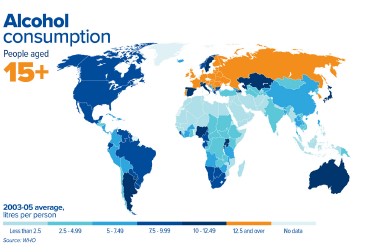
その模範から、徳と貞節が当たり前とされ、飲酒が決して広まらなかった文明が生まれました。今日に至るまで、世界保健機関は飲酒によって年間250万人が世界中で死亡していると推定していますが、北アフリカや東南アジアなどのイスラーム教徒が多数を占める国々において、飲酒の乱用を防ぐうえでのイスラームの影響は明らかです。156
From that model generation emerged a civilization in which virtue and chastity were the norm, and in which alcohol was never widespread. Until this very day, while the World Health Organization estimates that alcohol results in 2.5 million global deaths a year, the impact of Islam on preventing alcohol abuse in Muslim-majority nations (such as those of North Africa and Southeast Asia) is clear.156
歴史上、一度国家を蝕んだ酒害という「獣」を飼い慣らす力を持った人物は、ほかにもいたことがあるだろうか?
Has history ever known anyone else with the ability to tame the beast of alcoholism once it has been unleased upon a nation?
なぜムスリムたちは、それをいとも簡単に手放すことができたのか。預言者ﷺは、ぶどう酒が経済と誇りに深く結びついていた民において、その目標をご自身の生涯のうちに成し遂げられました。神が定められた段階的な道筋に従い、預言者ﷺは、ご自身の計画的な取り組み(第4章参照)が実を結び、ムスリムたちが自分たちの残っていた酒樽を空け、ついにはマディーナの通りにぶどう酒が流れる光景を目にされたのです。157 無制限の一夫多妻、男子のみに相続権を認める法、そして女児殺しといった、古くからの慣習を、これほど短期間に禁じることができた例が他にあったでしょうか。たとえばインドでは、女児殺しを防ぐために作られた法律が、一世紀以上にわたる厳格な施行にもかかわらず、この慣行を根絶できていません。158 預言者ﷺの時代の前にも後にも、理論と実践の両面において民族的優越主義がこれほど劇的に衰退した歴史的な並行例があったでしょうか。預言者ﷺの同時代人の中には、激しいアラブ至上主義者であった者が多くいましたが、そのような人々が後に非アラブ人や元奴隷の指導を受け入れるようになったのです。
Why were Muslims able to just give it up? The Prophet صلى الله عليه وسلم achieved that within his lifetime in a people whose glory and income was interlocked with wine. Following a divinely charted roadmap of gradualism, he صلى الله عليه وسلم was able to witness his methodical program (see Chapter 4) culminate in wine flowing in Madinah’s streets as its Muslims emptied what remained of their own wine barrels.157 Has anyone else ever been able to ban the age-old customs of unrestricted polygyny, male-only inheritance laws, and female infanticide—let alone in such a short span of time? All the laws in today’s India, for instance, designed to combat female infanticide have not eradicated the practice after more than a century of strict enforcement.158 Has there ever been another historical parallel before or after the Prophet’s صلى الله عليه وسلم era where ethnic chauvinism declined so dramatically in both theory and practice? Many of his contemporaries who were vehement Arab supremacists became people who conceded to the leadership of non-Arabs and former slaves.
アブー・フザイファの解放奴隷であったサーリムは、クルアーンの朗誦に優れていたため、教友の中でも最も年長の人々を率いて礼拝をしていた。159 カリフのウマル・イブン・アル=ハッターブは、かつてメッカの総督がなぜ、留守中にイスラームの宗教的中心地を治めるのに、同じく解放奴隷であったイブン・アブザーを選んだのかと尋ねたことがある。総督は、イブン・アブザーがクルアーンとその相続財産分配に関する法に精通していることを理由として挙げた。ウマルはこの説明に同意し、預言者ﷺが実際に「アッラーは、このクルアーンによって人々の位を高め、またこのクルアーンによって他の人々の位を下げられる」と言われたと伝えた。160 ムッラー・アリー・アル=カーリー(1605年没)はこのハディースについて論じ、次のように述べている。「この現象は、我らの敬虔な先人たちの中で、学者の大半が解放奴隷であったという事実に見て取れる。それにもかかわらず、彼らはムスリム共同体の疑いなき指導者であり、慈悲の源泉であった。一方、王族の血筋を引きながら学問のなかった者たちは、無知の領域の中で忘れ去られていったのである。」161
Sālim , the freed slave of Abū Ḥudhayfah, would lead the senior-most Companions of the Prophet صلى الله عليه وسلم in prayer due to his skill in reciting the Qur’an.159 The caliph ‘Umar ibn al-Khaṭṭāb once inquired why the Meccan governor had left Ibn Abzā , another freed slave, of all people to preside over the religious capital of Islam during his absence. He told ‘Umar that this choice was in light of Ibn Abzā’s mastery of the Qur’an and its laws on estate distribution. ‘Umar expressed his approval of this justification by reporting that the Prophet صلى الله عليه وسلم did in fact say, “Allah elevates people in rank by virtue of this Qur’an and demotes others because of it.”160 Mulla ‘Alī al-Qārī (d. 1605) commented on this hadith, saying, This phenomenon is observable in the fact that among our righteous predecessors, most of the scholars were freed slaves, and yet they were the undisputed leaders of the Muslim nation and its fountains of mercy while those with royal ancestry who weren’t scholarly were forgotten in their spheres of ignorance.161
153 アダム・スミス『哲学・文学論集』(ロンドン: Ward, Lock & Co, 1880), 353.
153 Adam Smith, Essays: Philosophical and Literary (London: Ward, Lock & Co, 1880), 353.
スライマーン・イブン・アフマド・アル=タバラーニー、『アル=ムアジャム・アル=カビール』(カイロ、リヤード:マクタバト・イブン・タイミーヤ、ダール・アル=スマイイ、1983年)、22巻393頁、番号977。
154 Sulaymān ibn Aḥmad al-Ṭabarānī, Al-Mu‘jam al-Kabīr (Cairo, Riyadh: Maktabat Ibn Taymīyah, Dār al-Ṣumayʻī, 1983), 22:393 #977.
155 John L. Esposito, 『イスラーム――正しい道』(ニューヨーク: オックスフォード大学出版局, 1988年), 64ページ。
155 John L. Esposito, Islam: The Straight Path (New York: Oxford University Press, 1988), 64.
156 「アルコールと健康に関する世界現況報告 2018」、世界保健機関、2018年9月21日。
156 “Global Status Report on Alcohol and Health 2018,” World Health Organization, September 21st, 2018.
157 al-Bukhārī, Ṣaḥīḥ al-Bukhārī, 6:54 #4620; Muslim, Ṣaḥīḥ Muslim, 3:1205 #1578.
157 al-Bukhārī, Ṣaḥīḥ al-Bukhārī, 6:54 #4620; Muslim, Ṣaḥīḥ Muslim, 3:1205 #1578.
「Because I am a Girl: The State of the Girl Child in India 2009」、Plan India、(2009): 6.
158 “Because I am a Girl: The State of the Girl Child in India 2009,” Plan India, (2009): 6.
159 al-Bukhārī、『ṣaḥīḥ al-Bukhārī』、1:140 #692。
159 al-Bukhārī, Ṣaḥīḥ al-Bukhārī, 1:140 #692.
160 Muslim、サヒーフ・ムスリム、1:559 #817。
160 Muslim, Ṣaḥīḥ Muslim, 1:559 #817.
161 ʿAlī ibn Muḥammad Qārī al-Harawī, 『Mirqāt al-Mafātīḥ: Sharḥ Mishkāt al-Maṣābīḥ』(ベイルート:Dār al-Fikr、2002年)、1:288。
161 ‘Alī ibn Muḥammad Qārī al-Harawī, Mirqāt al-Mafātīḥ: Sharḥ Mishkāt al- Maṣābīḥ (Beirut: Dār al-Fikr, 2002), 1:288.
162 ‘Abdul-Raḥmān ibn al-Jawzī, Ṣifat al-Ṣafwah (Cairo: Dār al-Ḥadīth, 2000), 1:415.
162 ‘Abdul-Raḥmān ibn al-Jawzī, Ṣifat al-Ṣafwah (Cairo: Dār al-Ḥadīth, 2000), 1:415.
163 クルアーン 8:63、サヒーフ・インターナショナル訳
163 The Qur’an 8:63, Saheeh International Translation.
164 参照:サイイド・アブル・ハサン・ナドウィー『ムスリムの興隆と衰退、そして人類への影響』(UK Islamic Academy、2003年)。
164 See: Sayyed Abul Hasan Nadwi, The Rise and Decline of the Muslims and Its Effect on Mankind (UK Islamic Academy, 2003).