“Biz sizga Kitobni har bir narsaning bayoni sifatida nozil qildik.” (Nahl surasi, 89-oyat). Hech bir amal va hech bir narsa yo‘qki, Alloh (subhanahu va taolo) uning hukmining dalilini bayon qilmagan bo‘lsin. Ushbu ikki oyatni tushungan kishi uchun biror amal, biror narsa yoki biror holat Shariat hukmidan xoli, deb da’vo qilish harom hisoblanadi. Ya’ni Shariat uni butunlay e’tiborsiz qoldirgan, shu sababli mukallafni bu hukmning mavjudligiga diqqat qildiradigan dalil yoki alomatni belgilamagan, boshqacha aytganda, mukallafga o‘z hukmini bildiradigan illat mavjud emas, deb aytish mumkin emas. Bu amal vojibmi, mandubmi, harammi, makruhmi yoki mubohmi? Bunday da’vo va unga o‘xshash har qanday gap Shariatga nisbatan tuhmat hisoblanadi. Shu sababli kimgadir: “Bu amal ruxsat etilgan, chunki unga oid Shariat hukmi zikr qilinmagan, va qoida shuki, agar hukm zikr qilinmagan bo‘lsa, u ruxsat etilgan bo‘lishi kerak”, deyish mumkin emas. Xuddi shunday, kimgadir: “Bu narsa ruxsat etilgan, chunki unga oid Shariat dalili yo‘q, demak, dalil bo‘lmasa asl hukm ruxsatdir”, deyishi ham joiz emas. Bunday da’vo qilish harom, chunki har bir amal va har bir narsaning Shariatda dalili bor. Amal yoki narsaga oid Alloh (subhanahu va taolo)ning hukmini izlash, uni topib qabul qilish va amalga oshirish kerak, dalil yo‘q bahonasi bilan uni mubohga aylantirish esa to‘g‘ri emas.
“And We have sent down to you the Book as clarification for all things.” (TMQ 16:89), neither one single action, nor one single object has been left except that Allah (swt) has explained the evidence for its rule, and it is forbidden for anyone, having understood these two verses, to claim that some actions, some things or some situations are devoid of the Shari’ah rule; meaning that Shari’ah has completely ignored it and ,therefore, it failed to designate an evidence or a sign to draw the attention of the obligated to the presence of this Shari’ah rule, in other words, the presence of an Illah that indicated the rule to the person obligated to abide by it; is it Wajib, or Mandub, or Haram, or Makruh or Mubah? Such a claim and anything similar is considered a slander against Shari’ah. Therefore, it is forbidden for anyone to claim that such action is permitted because no Shari’ah rule related to it has been mentioned and the principle is that if no Shari’ah rule is mentioned it must be permitted, and in the same way it is not permitted for anyone to say that this object is permitted because there is no Shari’ah evidence related to it so the origin is permissibility if there is no Shari’ah evidence. It is forbidden to claim this because every action and everything has its evidence in Shari’ah; one must search for the rule of Allah (swt) pertaining to the action or the object to take it and apply it as opposed to making it permitted under the pretext that there is no evidence for it.
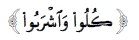
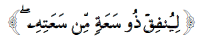
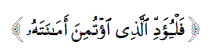
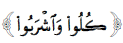
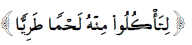
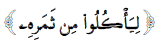
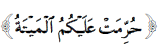
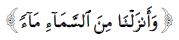
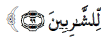
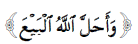
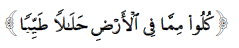
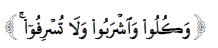
Shu bilan birga, shariat hukmi bandalarning amallariga oid Shariy' (Qonun chiqaruvchi)ning xitobi ekan, xitob shu sababli bandaning amali bilan bog'liq holda keladi, predmet bilan emas. Bu xitob asli bandaning amaliga qaratilgan bo'lib, predmet esa bandaning amali bilan bog'langan holda keladi. Bu xitob predmet haqida hech qanday zikr qilinmagan holda, amal haqida bo'lganda ham shunday bo'ladi, masalan, Alloh (SWT)ning shunday deyishi kabi:
However, since the Shari’ah rule is the speech of the Legislator related to the actions of the worshippers, the speech has ,therefore, come to deal with the action of the worshipper, not to deal with the object. This speech has come to deal with the object in consideration of its connection to the action of the worshipper. Thus the speech is originally directed at the action of the worshipper and the object came linked to the action of the worshipper. This is whether the speech was regarding the action without any mention of the object whatsoever, such as Allah (swt) saying