الدولة الإسلامية دولةٌ بشريّةٌ لا دولةٌ ثيوقراطية.
18 The Islamic State Is A Human State And Not A Theocratic State.
الدولة الإسلامية هي الخلافة، لأنها المنصب الذي يتولاه من يشرف عليها، وتتوفر فيه كل كفاءات الحكم والسلطان، ويتبنى جميع الأحكام دون استثناء. وهي الزعامة العامة على جميع المسلمين في العالم، لتطبيق جميع أحكام الشرع الإسلامي، بالأفكار التي جاء بها والأحكام التي شرّعها، ولحمل الدعوة الإسلامية إلى العالم، بإعلامهم بالإسلام ودعوتهم إليه والجهاد في سبيل الله. وتُعرف أيضاً بالإمامة وبولاية المؤمنين. وهي منصب بشري لا إلهي، وُجد لتطبيق دين الإسلام على الناس ونشره بينهم. وهي بالتأكيد ليست النبوة، لأن النبوة والرسالة تعنيان أن النبي أو الرسول يتلقى الشرع من الله ﷺ بطريق الوحي ليبلّغه للناس دون أن يُلتفت إلى تطبيقه له. قال الله تعالى:
The Islamic State is the Khilafah as it is the position in which the one who supervises it possesses all the competence of ruling and authority, and adopts all the rules without exception. It is the general leadership over all Muslims in the world to implement all the Islamic Shar’a rules, by the thoughts it came with and the rules it legislated, and to carry the Islamic da’wah to the world, by informing them of Islam, calling them to it and jihad in the way of Allah. It is also known as the Imamah and the leadership over the believers. It is a human role not a divine one, which exists to implement the deen of Islam over human beings and to spread it among them. It is definitely not the Prophethood as the Prophethood and Messengership conotates to the Prophet or the Messenger the Shar’a from Allah (saw) via the means of revelation to deliver it to the people without paying attention to his implementing it. Allah (swt) says:
ما على الرسول إلا البلاغ المبين ﷺ [TMQ 24:54]
"There is nothing upon the Messenger except the clear conveyance " [TMQ 24:54]
And:
And:
إِنَّمَا عَلَيْكَ الْبَلَاغُ [TMQ 3:20]
"Verily it is upon you the conveyance " [TMQ 3:20]
And:
And:
ما على الرسولِ إلا البلاغُ [المائدة: 99].
"There is nothing upon the Messenger except the conveyance" [TMQ 5:99].
هذا يختلف عن الخلافة التي هي تطبيق شرع الله على الناس. وليس شرطاً على النبي ﷺ أو الرسول ﷺ أن يطبّق ما أنزل الله إليه حتى يكون رسولاً، بل الشرط لكي يصبح الإنسان رسولاً أو نبياً أن يوحي الله إليه بشرع ويأمره بتبليغه. فموسى وعيسى وإبراهيم عليهم السلام كانوا أنبياء ورسلاً، مع أنهم لم يطبّقوا الشريعة التي جاءوا بها، ولم يكونوا حكّاماً. لذلك فإن منصب النبوة والرسالة ليس منصب الخلافة. فالنبوة منصب إلهي يمنحه الله لمن يشاء، أما الخلافة فمنصب بشري يبايع فيه المسلمون من يشاءون من المسلمين. وكان سيدنا محمد ﷺ حاكماً طبّق الشريعة التي جاء بها، فكان يتولى منصب النبوة والرسالة، وفي الوقت نفسه يتولى منصب القيادة للمسلمين في إقامة الأحكام الشرعية. وقد أمره الله تعالى أن يحكم كما أمره أن يبلّغ الرسالة، فقال له:
This is different from the Khilafah which is the implementation of Allah’s Shar’a upon human beings. It is not a condition upon the Prophet (saw) or Messenger (saw) to implement what Allah (swt) revealed to him in order to be a Messenger, rather the condition to become a Messenger or Prophet is that Allah reveals a Shar’a to him and commands him to convey it. Musa (as), Isa (as) and Ibrahim (as) were Prophets and Messengers though they did not implement the Shariah they came with nor were they rulers. Therefore the post of Prophethood and Messengership is not the post of Khilafah. Prophethood is a divine post which Allah gives to whomever He wills, while the Khilafah is a human post in which the Muslims pledge whomever they wish over them from among the Muslims. Our master Muhammad (saw) was a ruler who implemented the Shari’ah he came with, so he would be in charge of the Prophethood and Messengership while at the same time he would be in charge of the post of leadership of the Muslims in establishing the Islamic rules. Allah (swt) commanded him to rule just like He commanded him to convey the message as He said to him:
وَأَنِ احْكُم بَيْنَهُم بِمَا أَنزَلَ اللَّهُ [TMQ 5:47]
"Rule between them by what Allah revealed" [TMQ 5:47]
And:
And:
{إِنَّا أَنزَلْنَا إِلَيْكَ الْكِتَابَ بِالْحَقِّ لِتَحْكُمَ بَيْنَ النَّاسِ بِمَا أَرَاكَ اللَّهُ} [TMQ 4:105]
"Verily we revealed the Book to you in Truth so that you rule between the people by what Allah showed you" [TMQ 4:105]
كما قال له سبحانه وتعالى:
Just like He (swt) said to him:
يَا أَيُّهَا الرَّسُولُ بَلِّغْ مَا أُنْزِلَ إِلَيْكَ مِنْ رَبِّكَ ﷺ [TMQ 5:67]
"O Messenger, convey what has been revealed to you from your Lord "[TMQ 5:67]
And:
And:
وَأُوحِيَ إِلَيَّ هَٰذَا الْقُرْآنُ لِأُنذِرَكُم بِهِ وَمَن بَلَغَ ۔ [TMQ 6:19]
"This Qur’an has been revealed to me so that I warn you and whoever it is conveyed to" [TMQ 6:19]
And:
And:
﴿يَا أَيُّهَا الْمُدَّثِّرُ * قُمْ فَأَنْذِرْ﴾ [سورۃ المدثر: 1-2]
"O you enshrouded in a cloak. Stand up and warn" [TMQ 74:1].
إلا أنه كان مكلفاً بتبليغ الرسالة بالكلام، كتبليغه قول الله
Except that when he was in charge of conveying the message by speech like conveying Allah’s saying:
أَحَلَّ اللهُ البَيْعَ وَحَرَّمَ الرِّبَا [TMQ 2:275]
Allah has permitted trade and forbidden riba" [TMQ 2:275]
أو بالفعل كصلح الحديبية، وكان يكون حاسماً في تبليغ الأمر والأمر بتنفيذ الفعل بحزم؛ ولا كان يستشير بل كان يرفض كل رأي إذا أُشير عليه بشيء مخالف لما جاء به الوحي. وإذا سُئل عن حكم لم ينزل فيه وحيٌ بعد كان يُمسك ولا يجيب حتى ينزل الوحي. أما إذا أراد أن يقوم بفعل فكان يستشير الناس ويعمل برأي أهل الخبرة أو برأي الأكثرية حتى لو خالف رأيه، وإذا كان يقضي بين الناس لم يكن يجزم قائلاً إن ما حكم به موافق للواقع بل كان يحكم بحسب ما سمعه من البينات. ولما نزلت سورة براءة، أمر النبي ﷺ علي بن أبي طالب رضي الله عنه أن يلحق أبا بكر ويأمره أن يعلن البراءة للناس في موسم الحج، فقرأها عليهم يوم عرفة وطاف في الناس حتى بلّغها. ولما وقّع صلح الحديبية ردّ رأي الصحابة رضي الله عنهم جميعاً وألزمهم برأيه لأنه وحي من الله سبحانه وتعالى. ولما سأله جابر: "كيف أقضي في مالي؟" لم يجبه حتى نزل الحكم بذلك. وروى البخاري عن ابن المنكدر قال:
or by action like the Treaty of Hudaybiyya, he would be decisive in conveying and command decisively to undertake the action; nor would he consult but would rather reject all opinion if he was advised anything different from what the revelation came with. And when he was asked of a rule for which no revelation had descended yet, he would keep silent and not reply until the revelation descended. Whereas when he would undertake an action he would consult people and act according to the opinion of experts or the opinion of the majority even where it differed from his opinion, and when he would judge between people he would not be decisive saying that what he judged with conformed with the reality rather he was judging according to what he heard of the evidence. When Surah Bara’ah was revealed, he (saw) commanded Ali bin Abi Talib (ra) to go meet Abu Bakr and commanded him to announce inculpability “Bara’ah to the people during the Hajj period. So he read it to them Arafah and went around to the people until he had conveyed it. When he signed the Treaty of Hudaybiyya he rejected the opinion of all the Sahabah (ra) and compelled his opinion upon them as it was revelation from Allah (swt). When Jabir asked him: “How should I judge over my wealth?", He did not answer him until the revelation descended with the rule. Al-Bukhari narrated via bin al-Munkadir who said:
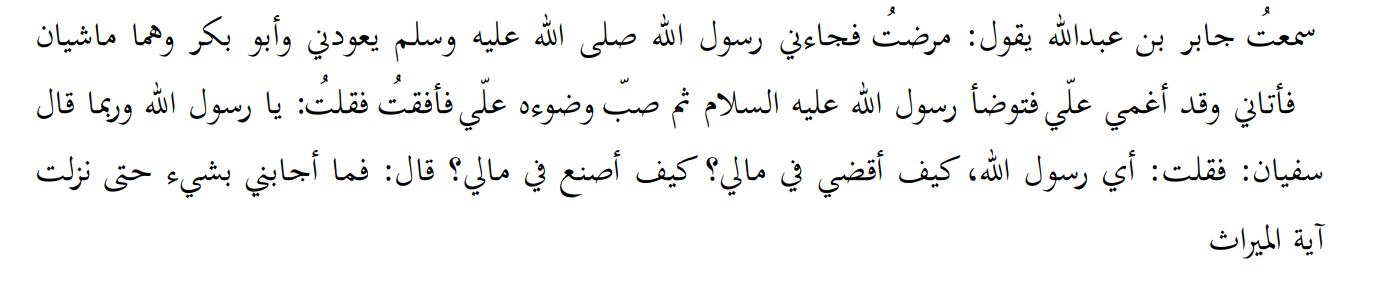
سَمِعْتُ جَابِرَ بْنَ عَبْدِ اللهِ يَقُولُ: مَرِضْتُ فَجَاءَنِي رَسُولُ اللهِ ﷺ وَأَبُو بَكْرٍ مَاشِيَيْنِ، فَوَجَدَنِي قَدْ أُغْمِيَ عَلَيَّ، فَتَوَضَّأَ رَسُولُ اللهِ ﷺ ثُمَّ صَبَّ عَلَيَّ مِنْ وَضُوئِهِ، فَأَفَقْتُ، فَقُلْتُ: يَا رَسُولَ اللهِ، كَيْفَ أَقْضِي فِي مَالِي؟ كَيْفَ أَصْنَعُ فِي مَالِي؟ فَلَمْ يُجِبْنِي بِشَيْءٍ حَتَّى نَزَلَتْ آيَةُ الْمِيرَاثِ.
“I heard Jabir bin Abdullah saying: I was ill so the Messenger of Allah (saw) came to visit me together with Abu Bakr walking. They found me when I was unconscious. The Messenger of Allah (saw) made wudhu then poured some water upon me. I woke up and said to the Messenger of Allah (saw): O Messenger of Allah, how should I judge over my wealth? What should I do with my wealth? He said: He did not answer me at all until the ayah of inheritance was revealed.”
وقد كان هذا في تحمّل أعباء النبوة والرسالة وتبليغ الناس، أمّا في تحمّل أعباء الحكم فكان يتصرّف على نحو مختلف. ففي أحد جمع المسلمين في المسجد، واستشارهم في القتال داخل المدينة أو خارجها، فكان رأي الأكثرية القتال خارجها، بينما كان رأي رسول الله ﷺ القتال داخلها. فعمل برأي الأكثرية، فخرج وقاتل خارج المدينة. وكذلك كان إذا قضى بين الناس يحذّرهم من أن يحملوه على أن يقضي لهم بحق غيرهم. روى البخاري عن أم سلمة عن رسول الله ﷺ أنه سمع جلبة خصومة عند باب بيته، فخرج إليهم فقال:
This was in the undertaking of the burden of Prophethood and Messengership and conveying to the people, whereas in undertaking the burden of rule he would behave differently. In Uhud he collected the Muslims in the mosque, consulted over whether to fight inside Madinah or outside; the opinion of the majority was to fight outside while the Messenger’s opinion was to fight inside. He acted upon the majority opinion, left and fought outside Madinah. Similarly when he judged between people, he would warn them from causing him to judge for them against someone else’s due right. Al-Bukhari narrated from Umm Salamah about the Messenger of Allah (saw) that he heard a dispute at the door of his house so he went to them and said:
"إنما أنا بشر، وإنكم تختصمون إليّ، ولعل بعضكم أن يكون ألحن بحجته من بعض، فأقضي له على نحو ما أسمع، فمن قضيت له بشيء من حق أخيه فلا يأخذه، فإنما أقطع له قطعة من النار".
“I am only a human being, and litigants with cases of dispute come to me, and someone of you may happen to be more eloquent (in presenting his case) than the other, whereby I may consider that he is truthful and pass a judgment in his favor. If ever I pass a judgment in favor of somebody whereby he takes a Muslim's right unjustly, then whatever he takes is nothing but a piece of Fire, and it is up to him to take or leave.”
وبِمِثلِهِ رَوَى عنه أنَّه قال: ﷺ
Similarly he narrated from him that he (saw) said:
إِنِّي لَأُحِبُّ أَنْ أَلْقَى اللَّهَ عَزَّ وَجَلَّ وَلَيْسَ أَحَدٌ يَطْلُبُنِي بِمَظْلِمَةٍ ظَلَمْتُهُ إِيَّاهَا، فِي دَمٍ وَلَا مَالٍ.
“Verily I wish to meet Allah ‘azza wa jalla without anyone seeking from me an injustice I committed against him, whether in blood or money.”
يدلّ ذلك على أنه كان يتولّى دورين: منصب النبوة والرسالة، ومنصب قيادة المسلمين في هذه الدنيا في إقامة شريعة الله سبحانه وتعالى التي أُنزلت إليه. وكان يتصرّف في تولّي كلّ دور بحسب ما يقتضيه، فكان يسلك في أحدهما غير ما يسلكه في الآخر. وقد أخذ البيعة من الناس على الحكم، فأخذها من النساء والرجال، ولم يأخذها من الصبيان الذين لم يبلغوا الحلم، مما يؤكّد أنها كانت بيعةً على الحكم لا على النبوة. ومن هنا نجد أن الله سبحانه وتعالى لم يعاتبه قطّ في شيء يتعلّق بتبليغ الرسالة أو تحمّل أعبائها، بل كان يطلب إليه ألّا يحزن بسبب عدم استجابة الناس له، لأن تحمّل أعباء الرسالة كان هو التبليغ وحده؛ فلم يكن عليه واجبٌ إلا البلاغ. قال الله تعالى:
This goes to indicate that he would undertake two roles: the position of Prophethood and Messengership, and the position of leading the Muslims in this world in establishing the Shari’ah of Allah (swt) which was revealed to him. He would dispose in undertaking each role according to what it required, so he would conduct one differently from the other. He took the pledge of the people in ruling, taking it from both women and men but not from young children who had not yet reached puberty, which emphasises that it was a pledge upon ruling not upon Prophethood. From here we find we find that Allah (swt) never censured him in anything to do with conveying the message or undertaking its burden, rather he would request him not to be troubled due to people’s failure to respond to him as the undertaking of the burden of the message was conveying alone; so there was no duty upon him except to convey. Allah (swt) said:
فَلَا تَذْهَبْ نَفْسُكَ عَلَيْهِمْ حَسَرَاتٍ [TMQ 35:8]
"Let not your souls go out in (vainly) sighing for them" [TMQ 35:8]
And:
And:
لَا تَحْزَنْ عَلَيْهِمْ فِيمَا يَمْكُرُونَ [TMQ 16:27]
"Do not grieve over what they are plotting" [TMQ 16:27]
And:
And:
"فَإِنَّمَا عَلَيْكَ الْبَلَاغُ" [الشورى: 48]
"The only (duty) upon you is conveying" [TMQ 42:48].
ومع ذلك، فقد عاتبه الله سبحانه وتعالى على تحمّله عبء الحكم، وعلى الأفعال التي قام بها في تطبيق الأحكام التي أُنزلت إليه من قبل وقد بلّغها. عاتبه الله سبحانه وتعالى على فعله ما يخالف الأَوْلى. قال الله سبحانه وتعالى:
However Allah (swt) censured him over his undertaking of the burden of ruling in the actions he performed in implementing rules previously revealed to him and already conveyed. Allah (swt) censured him over doing something contrary to what was better. Allah (swt) said:
ما كان لنبيٍّ أن يكون له أسرى حتى يُثخن في الأرض [TMQ 8:67]
"It is not for a Prophet to have captives of war until he made great slaughter in the world" [TMQ 8:67]
And:
And:
"عَفَا اللهُ عَنْكَ، لِمَ أَذِنْتَ لَهُمْ؟" [التوبة: ٤٣]
"Allah forgive you! Why did you grant them permission?" [TMQ 9:43].
من كل ما سبق يتضح أن دور قادة المسلمين في الحكم يختلف عن دور النبوة. ومن هنا يتبين أن الخلافة، وهي الزعامة العامة على جميع المسلمين في العالم، منصبٌ بشري لا إلهي. فهي دورٌ كان رسول الله ﷺ يتولاه، ثم تركه وأوجب أن يتولاه مسلمٌ بعده، ليخلفه ﷺ في الحكم لا في النبوة، فيكون خليفةً لرسول الله ﷺ في قيادة المسلمين لتطبيق الأحكام الإسلامية وتبليغ الرسالة، لا في تلقي الوحي أو تشريع الشريعة من الله.
All this is clear that the role of leading Muslims in the rule was different from the role of Prophethood. From this it becomes clear that the Khilafah, which is the general leadership over all Muslims in the world, is a human post not a divine one. Since it is a role which the Messenger (saw) used to be in charge of and he left it while obliging that a Muslim should take it over for him so that he takes the place of the Messenger of Allah (saw) and be his Khalifah in ruling but not in Prophethood. It is a Khilafah to the Messenger in leading the Muslims to implement the Islamic rules and conveying the message not in receiving revelation or taking a Shari’ah from Allah.
أما عصمة الرسول ﷺ فهي تأتيه من كونه نبيًّا لا من كونه حاكمًا، وذلك لأن العصمة صفة واجبة في حق جميع الأنبياء والرسل، سواء أكانوا هم الذين يحكمون الناس بشريعتهم ويطبقونها، أم كانوا مقتصرين على تبليغها دون أن يحكموا بها أو يطبقوها. فسيدنا موسى عليه السلام، وسيدنا عيسى عليه السلام، وسيدنا إبراهيم عليه السلام كانوا معصومين كما كان سيدنا محمد ﷺ معصومًا، إذ العصمة للنبوة والرسالة لا للحكم. أما عدم قيامه ﷺ بأي فعل محرم أثناء تحمله عبء الحكم، ولا تركه لأي فعل واجب، فهذا جاء من عصمته في شأن النبوة والرسالة لا في شأن كونه حاكمًا. فتوليه ﷺ للحكم لم يكن يقتضي اتصافه بالعصمة، لكنه عمليًّا كان معصومًا بسبب كونه نبيًّا ورسولًا. وعليه، كان يتولى الحكم بوصفه بشرًا يحكم بشرًا. وقد جاء القرآن مصرّحًا بأنه بشر. قال الله تعالى:
As for the Messenger (saw)’s infallibility, it comes from his being a Prophet not from his being a ruler. This is because infallibility is an obligatory attribute for all Prophets and Messengers, irrespective of whether they themselves were the ones to rule over people by their Shari’ah and implement it or whether they were merely restricted to conveying it without ruling with it or implementing it. Our master Musa (as), our master Isa (as) and our master Ibrahim (as) were infallible just like our master Muhammad (saw) was infallible as the infallibility is for Prophethood and the Message not the rule. As for his (saw) not doing any haram action during his undertaking the burden of ruling nor leaving any obligatory action, this came from his being infallible in relation to Prophethood and the Message not in relation to his being a ruler. So his (saw) undertaking the rule did not require his being characterised with infallibility, but practically he was infallible due to his being a Prophet and Messenger. Accordingly, he would undertake the rule in his description as a human being ruling over human beings. The Qur’an has come explicitly stating that he is a human being. Allah (swt) said:
قُلْ إِنَّمَا أَنَا بَشَرٌ مِّثْلُكُمْ [TMQ 18:110]
"Say: Verily I am only a human similar to you" [TMQ 18:110]
ثم وضّح ذلك تمييزَه عن سائر البشر، فقال:
Then it clarified distinguishing him from the rest of humanity (by saying):
"إِنِّي أُوحِيَ إِلَيَّ" [TMQ 6:50].
"It has been revealed to me" [TMQ 6:50].
الفرق بينه وبين سائر البشر أنه يُوحى إليه، أي في النبوة. وما عدا ذلك فهو بشر كسائر الناس. فهو في الحكم بشر كغيره من الناس، ومن يصير خليفة له بعده لا شك أنه يكون إنساناً كسائر الناس، لأنه خليفته في الحكم لا في النبوة أو الرسالة. ولذلك لا تُشترط العصمة فيه، إذ ليست من الأمور التي تستلزم العصمة، فالعصمة لازمة للنبوة وحدها. إنه حاكم، لا غير، فلا مجال لاشتراط العصمة فيمن يتولون أمره. بل لا يجوز اشتراط العصمة في من يتولى هذا المنصب، لأن العصمة مقصورة على الأنبياء ولا تجوز لغيرهم، إذ وجودها في النبي والرسول ﷺ لازم للتبليغ. فهي عصمة في التبليغ، ويترتب عليها بطبيعة الحال عصمته من فعل الحرام، لأن العصمة في التبليغ لا تكتمل إلا بالعصمة من فعل الحرام. والأمر الذي يستلزمها هو التبليغ.
The distinction from the rest of humanity is that he is revealed to i.e. in the Prophethood. Apart from that he is a human like the rest of mankind. So he is in the rule a human like other people so whoever becomes Khalifah after him would doubtless be a human being like the rest of the people since he is his Khalifah in the rule not in Prophethood or the Message. Therefore infallibility is not a condition for it since it is not one of the matters which require infallibility which is only required for Prophethood. He is a ruler, nothing else, so there is no place for requiring infallibility for those who are in charge of it. In fact, it is not allowed to require infallibility for the one undertaking it as infallibility is restricted to Prophets and it is not allowed for other than Prophets as its existence for the Prophet and Messenger (saw) is required for conveyance. So it is infallibility in conveyance and its acquirement in never performing a haram naturally follows the infallibility in conveyance as the infallibility in the latter cannot be complete save with the infallibility from performing haram. The matter which requires it is the conveyance, The Islamic Personality Vol 2 95
ليس المقصود منها اعتقاد الناس أو عدمه، ولا الخطأ في الأفعال أو انعدامه، بل المسألة التي تقتضيها هي تبليغ الرسالة لا غير. وذلك لأنه لو لم يكن معصومًا من الله (سبحانه وتعالى)، لكان من الممكن أن يكتم الرسالة، أو يزيد فيها أو ينقص منها، أو يكذب على الله فيقول ما لم يقله، أو يخطئ فيبلّغ غير ما أُمر بتبليغه. وكل ذلك منفيّ في رسالة من الله (سبحانه وتعالى)، ومنفيّ في كونه رسولًا يجب تصديقه. ولذلك فلا بد أن يتصف الرسول بالعصمة في تبليغ الرسالة، فتأتي العصمة من ارتكاب الحرام لازمةً لذلك بالضرورة. ومن أجل هذا اختلف العلماء في عصمة الأنبياء من ارتكاب الحرام؛ فقال بعضهم: إنه معصوم من ارتكاب الكبائر فقط، وتُقبل منه الصغائر، وقال آخرون: إنه معصوم من ارتكاب الكبائر والصغائر جميعًا. وإنما قالوا ذلك بحسب ما إذا كانت الأفعال مترتبة على إتمام التبليغ أم لا؛ فإن كان إتمام التبليغ مترتبًا عليها، شملتها العصمة في التبليغ، بحيث يكون النبي معصومًا منها، لأن التبليغ لا يتم إلا بعصمته منها. أما إذا لم يكن إتمام التبليغ مترتبًا عليها، فلا تشملها العصمة، فلا يكون معصومًا منها، لأن التبليغ يتحقق بدونها. وعليه، فلا خلاف بين المسلمين في أن الرسول (ﷺ) غير معصوم من ارتكاب الأفعال المخالفة لما هو الأولى، لأن تبليغ الرسالة لا يتوقف عليها. فالعصمة إذن خاصة بالتبليغ، ولذلك لا تكون إلا للأنبياء والرسل، ولا يُتصوَّر وجودها في غيرهم.
إنّ الدليل على العصمة عقليٌّ لا نقليّ، إذ لم يَرِد في النصوص الشرعية، لا نصٌّ صريحٌ في القرآن ولا حديثٌ، ما يدلّ على ثبوت العصمة لأحدٍ، سواءٌ كان من الأنبياء أو الرسل أو غيرهم. وأما قولُ الله تعالى:
Verily the evidence for infallibility is rational not textual as there has not come any Shari’ah texts, whether a clear text in the Qur’an or Hadith, upon the existence of infallibility for anyone whether the Prophets, the Messengers or others. As for Allah’s statement:
إِنَّمَا يُرِيدُ اللَّهُ لِيُذْهِبَ عَنكُمُ الرِّجْسَ أَهْلَ الْبَيْتِ وَيُطَهِّرَكُمْ تَطْهِيرًا [الأحزاب: 33]،
"Verily, Allah only intends to remove filth (rijs) from you, the family of the house, and purify you completely" [TMQ 33:33],
معناه أنه يريد أن يزيل عنكم كل شك واتهام. وهذه الآية جزء من ثلاث آيات. قال الله سبحانه وتعالى:
Its meaning is that He intends to remove from you any doubt and accusation. This ayah is a piece among three ayat. Allah (swt) said:
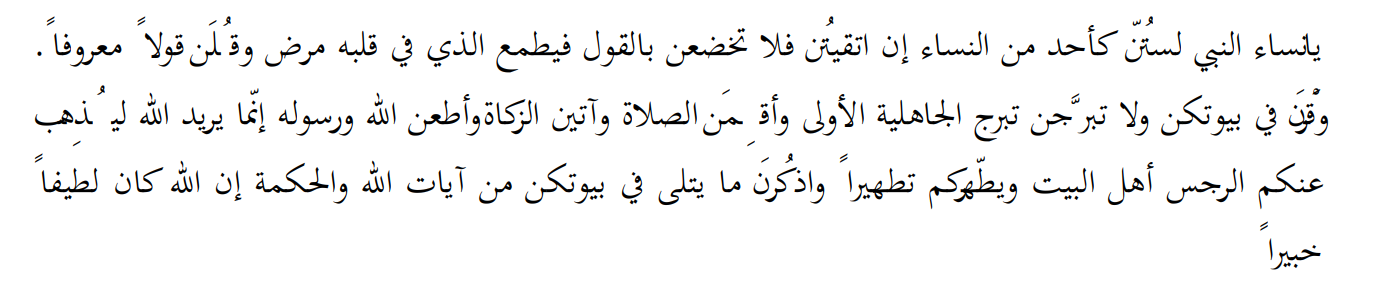
يَا نِسَاءَ النَّبِيِّ ﷺ لَسْتُنَّ كَأَحَدٍ مِنَ النِّسَاءِ ۚ إِنِ اتَّقَيْتُنَّ فَلَا تَخْضَعْنَ بِالْقَوْلِ فَيَطْمَعَ الَّذِي فِي قَلْبِهِ مَرَضٌ وَقُلْنَ قَوْلًا مَعْرُوفًا ۚ وَقَرْنَ فِي بُيُوتِكُنَّ وَلَا تَبَرَّجْنَ تَبَرُّجَ الْجَاهِلِيَّةِ الْأُولَىٰ ۖ وَأَقِمْنَ الصَّلَاةَ وَآتِينَ الزَّكَاةَ وَأَطِعْنَ اللَّهَ وَرَسُولَهُ ۚ إِنَّمَا يُرِيدُ اللَّهُ لِيُذْهِبَ عَنكُمُ الرِّجْسَ أَهْلَ الْبَيْتِ وَيُطَهِّرَكُمْ تَطْهِيرًا ۚ وَاذْكُرْنَ مَا يُتْلَىٰ فِي بُيُوتِكُنَّ مِنْ آيَاتِ اللَّهِ وَالْحِكْمَةِ ۚ إِنَّ اللَّهَ كَانَ لَطِيفًا خَبِيرًا [الأحزاب: 32-34]
"O wives of the Prophet, you are not like any other woman. If you fear (Allah) then be not too complaisant of speech lest one in whose heart is a disease should be moved with desire but speak a speech (that is) just. And stay quietly in your houses and make not a dazzling display like that of the former times of ignorance, and establish prayer and give the zakat and obey Allah and His Messenger. Verily Allah only wishes to remove filth from you, O family of the house, and purify you completely. And remember what is recited in your homes of the signs of Allah and the Wisdom. Verily Allah is Courteous, All-Knowing" [TMQ 33:32-34].
لا توجد أي علاقة بين هذه الآية والعصمة بأي وجه من الوجوه. ولا يمكن أن يُفهم من قوله تعالى: «لِيُذْهِبَ عَنكُمُ الرِّجْسَ» أي جعلكم معصومين. بل إن إذهاب الرجس هو إزالة كل قذر، والمراد هنا الرجس المعنوي، أي الشك والارتياب، كما هو واضح جلي من السياق الذي قبل هذه الجملة في الآيتين. والتطهير هنا هو التنزيه من الشك والارتياب، لأن معاني كلمة الرجس هي: الرجس الحسي، والرجس المعنوي، وحتى العذاب، كما جاءت في القرآن الكريم بهذه المعاني. قال الله تعالى:
There is no relationship between this ayah and infallibility in any way whatsoever. It is not possible to understand from His statement “to remove filth from you” i.e. to make you infallible. Rather the removing of filth is the removing of all dirt and the meaning here is metaphorical filth i.e. doubt and suspicion as is explicitly clear in the sentences before this sentence in the two ayat. The purification here is cleansing from doubt and suspicion because the meaning(s) of the word filth is material filth, metaphorical filth and even punishment as it has come in the Qur’an with these meanings. Allah (swt) said:
اجْتَنِبُوا الرِّجْسَ مِنَ الْأَوْثَانِ [TMQ 22:30]
"Avoid the filth of the idols" [TMQ 22:30]
And:
And:
وَكَذَلِكَ يَجْعَلُ اللَّهُ الرِّجْسَ عَلَى الَّذِينَ لَا يُؤْمِنُونَ [سورۃ الأنعام: 125]
"Similarly does Allah ordain the filth upon those who do not believe" [TMQ 6:125].
في هاتين الآيتين، الرجس معنى مجازي. وقال الله تعالى:
In these two ayat, filth is metaphorical filth. And Allah (swt) said:
أَوْ لَحْمَ خِنْزِيرٍ فَإِنَّهُ رِجْسٌ [TMQ 22:30]
"Or the meat of pig for verily it is filth" [TMQ 22:30]
أي: الحدث، أي النجاسة الحسية. وقال الله تعالى:
i.e. ritual impurity meaning physical filth. And Allah (swt) said:
كَذَٰلِكَ يَجْعَلُ اللَّهُ الرِّجْسَ عَلَى الَّذِينَ لَا يُؤْمِنُونَ [سورۃ الانعام: 125]
"Thus Allâh puts the wrath on those who believe not" [TMQ 6:125].
فقولُه في الآية ﴿لِيُذْهِبَ عَنْكُمُ الرِّجْسَ﴾ أي يُزيل عنكم الرِّجسَ المعنويّ، أي الشكَّ. وأما قولُه: ﴿وَيُطَهِّرَكُمْ تَطْهِيرًا﴾ فإنّ لفظةَ يُطهِّرَكم ولفظةَ التطهير لم تأتِ بمعنى العِصمة قطّ، لا في اللغة، ولا في القرآن، ولا في الحديث. فالتطهيرُ في اللغة معناه إزالةُ النَّجَس عن الشيء، والمرأةُ طاهرةٌ (طاهرٌ) من الحيض، وطاهرةٌ من الدَّنَس والعيوب، والتَّطهّرُ في الشرع هو رفعُ الحدَث. قال ﷺ:
So His statement in the ayah “to remove the filth from you” means to remove metaphorical filth i.e. suspicion. As for His saying: “And purify you completely” verily the word yutahirukum (to purify you) and the word purification never came with the meaning of infallibility, neither in the language, Qur’an or the Hadith. In the language, to purify (tahara) something purification (tatheera) means to remove impurity from it, and the woman is pure (tahir) from menstruation and (tahira) from impurity and defects, and (tahara) in the Shar’a is removing the (hadath). He (saw) said:
لَا يَقْبَلُ اللَّهُ الصَّلَاةَ بِغَيْرِ طُهُورٍ
“Allah does not accept prayer without purity (tuhur)”
وقد جاء في القرآن بهذا المعنى. قال الله تعالى:
And it has come in the Qur’an with this meaning. Allah (swt) said:
وَثِيَابَكَ فَطَهِّرْ [TMQ 74:4]
"And purify your garment" [TMQ 74:4]
And:
And:
ماءً لِيُطَهِّرَكُم بِهِ [TMQ 8:11]
"Water so that you may be purified by it" [TMQ 8:11]
And:
And:
لَا تَقْرَبُوهُنَّ حَتَّىٰ يَطْهُرْنَ [TMQ 2:222]
Do not approach them until they purify themselves [TMQ 2:222]
"اصطفاك وطهّرك" [القرآن الكريم 3:42
"Chose you and purified you" [TMQ 3:42
أي من العيوب، وكذلك:
i.e. from faults and also:
وَإِنْ كُنْتُمْ جُنُبًا فَاطَّهَّرُوا [TMQ 5:6]
"And if you are (junub) then purify yourselves" [TMQ 5:6]
أي من النجاسة. وجاء تطهير المؤمنين أيضًا حين قال الله (سبحانه وتعالى):
I.e from the impurity. The purification of the believers also came when Allah (swt) said:
"ما يُرِيدُ اللَّهُ لِيَجْعَلَ عَلَيْكُم مِّنْ حَرَجٍ وَلَٰكِن يُرِيدُ لِيُطَهِّرَكُمْ وَلِيُتِمَّ نِعْمَتَهُ عَلَيْكُمْ" [المائدة: 6].
"Allah does not wish to make difficulty (haraj) for you but rather He wishes to purify you and complete His blessing upon you" [TMQ 5:6].
تُبيّن هذه النصوص أنّ معنى الآية أنّ الله (سبحانه وتعالى) طهّرهم من الشكّ والريبة، وتنفي أن يكون معناها العصمة، ولذلك فإنّ الآية لا تدلّ على العصمة.
All these texts specify that the meaning of the ayah is that Allah (swt) cleansed them from doubt and suspicion, and negates that its meaning is infallibility hence the ayah does not indicate infallibility.
لذلك لا يوجد دليل نصي على ثبوت العصمة لأحد، وإنما يوجد دليل عقلي فقط. والعقل هو الذي يُلزم بثبوت العصمة في التبليغ للنبي والرسول، لأن كونه نبيًا ورسولًا يقتضي أن يكون معصومًا، وإلا فلا يمكن أن يكون نبيًا أو رسولًا. والعقل هو الذي يُلزم بأن من لم يُكلَّف بتبليغ رسالة من الله (سبحانه وتعالى) لا يجوز أن يكون معصومًا، لأنه إنسان، وفطرته التي فطره الله عليها أن يقع منه الخطأ والنسيان. وما دام لم يُكلَّف برسالة من الله (سبحانه وتعالى)، فليس هناك ما يقتضي أن يكون معصومًا. وإن قيل إنه معصوم، فهذا يعني أنه مكلَّف برسالة من الله، وهذا غير جائز، إذ لا نبي بعد محمد ﷺ رسول الله. قال الله تعالى:
Therefore there is no textual evidence for the existence of infallibility for anyone; there is only rational proof for it. The mind is what compels that there be infallibility in conveyance for the Prophet and Messenger as his being a Prophet and Messenger requires that he be infallible otherwise he cannot be a Prophet or Messenger. The mind is the one which compels that one not given the responsibility to convey a message from Allah (swt) is not allowed to be infallible as he is a human being, and his nature (fitra) with which Allah (swt) created him is that error and forgetfulness occur in him. And as long as he is not given responsibility with a message from Allah (swt), this means there is nothing which requires that he be infallible. If it is claimed that he is infallible, then this means that he is responsible with a message from Allah which is not permitted since there is no Prophet after Muhammad, the Messenger of Allah (saw). Allah (swt) said:
لٰكِنْ رَسُولُ اللهِ ﷺ وَخَاتَمُ النَّبِيِّيْنَ [الأحزاب: ٤٠]
" But he is the Messenger of Allah and seal of the Prophets" [TMQ 33:40].
ادعاء العصمة يعني ادعاء الرسالة، لأن الرسول ناقلٌ عن الله، وفيه بحكم صفاته البشرية احتمالُ الخطأ والضلال في النقل عن الله، وحفظ رسالة الله من الخطأ والتغيير في التبليغ يقتضي أن يكون الرسول معصومًا من الخطأ والضلال. ولهذا وحده تكون العصمة صفةً للرسول، وهو وحده الذي يقتضي وجوب العصمة. فإذا ادُّعيت لغيره مع العلم بأن الأمر الوحيد الذي يقتضي العصمة هو تبليغ الرسالة عن الله، كان ذلك بمنزلة ادعاء ما يقتضي العصمة وعلّتها، أي تبليغ الرسالة، لهذا الغير؛ فيكون ادعاءً بأنه مكلَّف بتبليغ رسالة عن الله ﷻ. ولذلك لا يجوز اشتراط العصمة في الخليفة، لأن اشتراطها يعني أنه مكلَّف بتبليغ رسالة عن الله ﷻ، فيُلزَم بالعصمة، وهذا غير جائز.
Claiming infallibility means claiming Messengership since the Messenger is a conveyor from Allah, and there is within him due to his attributes as a human being the potential of error and misguidance in conveying from Allah, protecting the message of Allah from error and change in the conveyance requires that the Messenger be infallible from error and misguidance. For this reason alone, infallibility is an attribute of the Messenger and it alone requires infallibility. If it is claimed for anyone other than him while being known that the only matter requiring it is conveying the message from Allah then it is equivalent to claiming for this other person what requires infallibility and its cause i.e. conveying the message. Thus it would be claiming that he is responsible to convey a message from Allah (swt). Therefore it is not allowed to require infallibility for the Khalifah as requiring it means that he is responsible to convey a message from Allah (swt) thus requiring him to be infallible, and this is not permitted.
هذا يوضّح أنّ الخليفة إنسان يجوز أن يخطئ أو يصيب، ويجوز أن يصدر عنه ما يصدر عن أيّ إنسان من الغفلة والنسيان، والكذب، والخيانة، والمعاصي، لأنه بشر لا نبيّ ولا رسول. وقد أخبر الرسول ﷺ أنّه يجوز أن يخطئ الإمام، وأخبر أنّه قد يصدر عنه ما يبغضه الناس ويلعنونه بسبب الظلم والمعاصي وغير ذلك. بل أخبر أنّه قد يصدر عنه الكفر البيّن. روى مسلم: حدّثني زهير بن حرب، قال: حدّثنا شبابة، قال: حدّثنا ورقاء، عن أبي الزناد، عن الأعرج، عن أبي هريرة، عن النبي ﷺ، قال:
This makes it clear that the Khalifah is a human being who can make a mistake or be correct, and it is allowed to occur from him what occurs from any human being of neglect and forgetfulness, falsehood, treachery, sins as he is a human being and not a Prophet or Messenger. The Messenger (saw) informed that it is possible for the Imam to err, and he informed that it may occur from him what may cause people the hate him and curse him due to injustice, sins etc. He even informed that clear disbelief may occur from him. Muslim narrated: Zuhayr bin Harb related to me that Shababa related to us that Warqa related to me from Aby Zayyad from Al- ‘Araj from Abu Hurayray from the Prophet (saw) who said:
إنَّ الإمامَ جُنَّةٌ يُقاتَلُ مِن وَرائِهِ وَيُتَّقى بِهِ، فإنْ أمَرَ بتَقْوى اللهِ عزَّ وجلَّ وعَدَلَ فإنَّ لهُ بذلكَ أجرًا، وإنْ يأمُرْ بغيرِهِ فإنَّ عليهِ مِنهُ.
“Verily the Imam is a shield from behind whom they fight and by whom they are protected. If he commanded with the fear (taqwa) of Allah ‘azza wa jalla and does justice then there is reward for that for him. If he commands with other than that, then there is the same against him.”
هذا يعني أن الإمام غير معصوم، وأنه قد يأمر بغير تقوى الله. وروى مسلم أيضاً: حدثنا عثمان بن أبي شيبة قال: حدثنا جرير عن الأعمش عن زيد بن وهب عن عبد الله قال: قال رسول الله ﷺ:
This means that the Imam is not infallible and it is possible for him to command other than the fear of Allah. Muslim also narrated: Uthman bin Abi Sheeba related to us that Jareer related to us from Al-‘Amash from Zayd bin Wahhab from Abdullah who said: The Messenger of Allah (saw) said:
إِنَّهُ سَيَكُونُ بَعْدِي أَثَرَةٌ وَأُمُورٌ تُنْكِرُونَهَا. قَالُوا: يَا رَسُولَ اللَّهِ ﷺ، فَمَا تَأْمُرُنَا إِنْ أَدْرَكْنَا ذَلِكَ؟ قَالَ: أَدُّوا إِلَيْهِمْ حُقُوقَهُمْ، وَسَلُوا اللَّهَ الَّذِي لَكُمْ ﷺ.
“Verily there will be after me some improper preferences and matters which you will reject. They said: O Messenger of Allah, what would you command anyone of us when that reaches him? He said: Fulfill the rights due from you and ask Allah (for) what is due to you.”
رَوَى مُسْلِمٌ: حَدَّثَنَا إِسْحَاقُ بْنُ إِبْرَاهِيمَ الْحَنْظَلِيُّ، أَخْبَرَنَا عِيسَى بْنُ يُونُسَ، حَدَّثَنَا الْأَوْزَاعِيُّ، عَنْ زَيْدِ بْنِ يَزِيدَ بْنِ جَابِرٍ، عَنْ زُرَيْقِ بْنِ حَيَّانَ، عَنْ مُسْلِمِ بْنِ قُرْطَةَ، عَنْ عَوْفِ بْنِ مَالِكٍ، عَنْ رَسُولِ اللهِ ﷺ أَنَّهُ قَالَ:
Muslim narrated: Ishaq bin Ibrahim Al-Handhalee related to us that Isa bin Yunus informed us that Al-Awza’i related to us from Zayd bin Yazid bin Jabir from Zareeq bin Hayyan from Muslim bin Qurta from ‘Awf bin Malik from the Messenger of Allah (saw) who said:
إنَّ خيارَ أئمّتكم الذين تُحبّونهم ويُحبّونكم، ويُصلّون عليكم وتُصلّون عليهم، وشرارَ أئمّتكم الذين تُبغِضونهم ويُبغِضونكم، وتلعنونهم ويلعنونكم. قيل: يا رسولَ الله، أفلا ننابذهم عند ذلك؟ فقال: لا، ما أقاموا فيكم الصلاةَ، وإذا رأيتم من ولاتكم شيئًا تكرهونه فاكرهوا عملَه، ولا تنزعوا يدًا من طاعة.
“The best of your rulers are those whom you love and who love you, who invoke God's blessings upon you and you invoke His blessings upon them. And the worst of your rulers are those whom you hate and who hate you and whom you curse and who curse you. It was asked (by those present): Shouldn't we overthrow them with the help of the sword? He said: No, as long as they establish prayer among you. If you then find anything detestable in them. You should hate their administration, but do not withdraw yourselves from their obedience.”
قال البخاري: «حدثنا إسماعيل قال: حدثني ابن وهب عن عمرو عن بُكَيْر عن بُسْر بن سعيد عن جنادة بن أبي أمية قال: دخلنا على عُبادة بن الصامت وهو مريض، فقلنا: أصلحك الله، حدِّث بحديث ينفعك الله به، سمعته من النبي ﷺ. قال:
Al-Bukhari narrated: “Ismail related to us that Bin Wahhab related to me from Amru from Bukayr from Busr bin Said from Junada bin Abu Umayyah who said: We entered to ‘Ubadah bin As-Samit who was ill and we said: May Allah improve you. Relate to us a hadith which you heard from the Prophet by which Allah will help you. He said:
قال النبي ﷺ: «دَعَانَا فَبَايَعْنَاهُ، فَكَانَ فِيمَا أَخَذَ عَلَيْنَا أَنْ بَايَعَنَا عَلَى السَّمْعِ وَالطَّاعَةِ فِي مَنْشَطِنَا وَمَكْرَهِنَا، وَعُسْرِنَا وَيُسْرِنَا، وَأَثَرَةٍ عَلَيْنَا، وَأَنْ لَا نُنَازِعَ الْأَمْرَ أَهْلَهُ»، قال: «إِلَّا أَنْ تَرَوْا كُفْرًا بَوَاحًا عِنْدَكُمْ مِنَ اللهِ فِيهِ بُرْهَانٌ»
“The Prophet (saw) called us so we gave him a pledge. So he said in what we took from us that we pledged him to hear and obey in what attracts us and what we hate, in hardship and ease, and when others are preferred over us and that we do not dispute the rule with those in authority (He said): Unless you see clear disbelief (kufr bawah) upon which you have from Allah a clear proof (sultan).”
وَعَنْ عَائِشَةَ رَضِيَ اللَّهُ عَنْهَا قَالَتْ: قَالَ رَسُولُ اللَّهِ ﷺ:
And from Aisha who said: “The Messenger of Allah (saw) said:
أَدْرَءُوا الْحُدُودَ عَنِ الْمُسْلِمِينَ مَا اسْتَطَعْتُمْ، فَإِنْ كَانَ لَهُ مَخْرَجٌ فَخَلُّوا سَبِيلَهُ، فَإِنَّ الْإِمَامَ لَأَنْ يُخْطِئَ فِي الْعَفْوِ خَيْرٌ لَهُ مِنْ أَنْ يُخْطِئَ فِي الْعُقُوبَةِ.
" Avert the legal penalties from the Muslims as much as possible, if he has a way out then leave him to his way, for if the Imam makes a mistake in forgiving it would be better than making mistake in punishment.”
رَوَى التِّرْمِذِيُّ هَذَا الْحَدِيثَ، وَهُوَ وَاضِحٌ فِي أَنَّ الْإِمَامَ قَدْ يُخْطِئُ وَيَنْسَى وَيُذْنِبُ، وَمَعَ ذَلِكَ أَمَرَ رَسُولُ اللهِ ﷺ بِالاسْتِمْرَارِ فِي طَاعَتِهِ مَا دَامَ يَحْكُمُ بِالإِسْلَامِ، وَلَمْ يَصْدُرْ عَنْهُ كُفْرٌ بَوَاحٌ، وَلَمْ يَأْمُرْ بِمَعْصِيَةٍ. وَبَعْدَ إِخْبَارِ رَسُولِ اللهِ ﷺ عَنِ الْخُلَفَاءِ بِأَنَّهُ سَيَكُونُ مِنْهُمْ مَا تُنْكِرُونَهُ، وَمَعَ ذَلِكَ أَمَرَ بِالطَّاعَةِ، فَهَلْ يَبْقَى بَعْدَ ذَلِكَ مَجَالٌ لِلْقَوْلِ بِأَنَّ الْخَلِيفَةَ يَجِبُ أَنْ يَكُونَ مَعْصُومًا، وَأَنَّهُ لَا يَجُوزُ عَلَيْهِ مَا يَجُوزُ عَلَى الْبَشَرِ؟ هَذَا مِنْ حَقِيقَةِ الْخَلِيفَةِ فِي عَلاقَتِهِ بِانْتِفَاءِ شَرْطِ الْعِصْمَةِ، بَلْ بِانْتِفَاءِ الإِذْنِ حَتَّى بِجَعْلِهَا شَرْطًا. وَمَعَ ذَلِكَ، فَإِنَّ الَّذِينَ قَالُوا بِوُجُوبِ عِصْمَةِ الْخَلِيفَةِ قَدَّمُوا أَدِلَّةً عَلَى قَوْلِهِمْ، فَيَجِبُ أَنْ نَفْحَصَ وَنُبَيِّنَ مَا فِيهَا. وَهَذِهِ الْأَدِلَّةُ تُجْمَلُ فِي أَرْبَعَةِ أَدِلَّةٍ:
Tirmidhi narrated this hadith which is clear that the Imam can err, forget and sin. Despite that, the Messenger (saw) commanded to continue obeying him as long as he rules by Islam and clear disbelief has not occurred from him and he has not commanded with sin. After the news of the Messenger (saw) about the Khulafaa that there will be some which the Muslims will dislike yet he commanded obedience, is there after that any possibility of saying that the Khalifah must be infallible and that it is not permitted from him what is permitted from human beings? This is from the reality of the Khalifah in relation to the absence of the condition of infallibility, rather even the absence of permission to even make it a condition. However, those who said it is required that the Khalifah be infallible have presented evidences for their view, so we must examine and clarify what is within them. These evidences are summarised in four evidences:
1. يقوم الإمامُ مقامَ الرسولِ ﷺ في حفظِ الشريعةِ وتبليغِها وتعليمِها، والإشرافِ على شؤونِ الرعيّةِ، وإقامةِ العدلِ بينهم، ونصرةِ المظلومين، وإقامةِ الحدودِ الشرعيّةِ والتعزيراتِ التأديبيّةِ، وتطبيقِ الإسلامِ على الوجهِ الذي شرعه الشارعُ. ولذلك يجبُ أن يكونَ معصومًا، طاهرًا من كلِّ شرٍّ صغيرًا كان أو كبيرًا، سواءٌ وقعَ عمدًا أو نسيانًا، من أولِ عمرِه إلى آخرِه.
1. The Imam stands in the position of the Messenger in preserving the Shari’ah , conveying and teaching it, supervising the citizens’ affairs, establishing justice among them, assisting the oppressed, establishing the mandatory Islamic punishments (hudood) and discretionary punishments (ta’zeer) and implementing Islam in the Shari’ah way. Therefore it is inevitable that he be infallible and pure from all evil, large or small, whether they occurred deliberately or through forgetfulness, from the beginning of his life to the end.
2. إذا كان يجوز الخطأ والمعصية على الإمام، فإنه يحتاج إلى إمامٍ معصومٍ يمنعه من ارتكاب المعاصي والوقوع في الخطأ. وإن جاز على الثاني أن يخطئ ويرتكب المعاصي، احتاج إلى إمامٍ معصومٍ آخر يمنع ذلك عنه، وهكذا يتسلسل الأمر حتى ينتهي إلى إمامٍ معصومٍ لا يجوز عليه ارتكاب المعاصي ولا الخطأ. فلا بد إذن من وجود إمامٍ معصوم.
"عَهْدِي لَا يَنَالُ الظَّالِمِينَ" [TMQ 2:124]
"My promise does not include the oppressors" [TMQ 2:124]
قال الله سبحانه: هذه الآية دليل على وجوب إمامٍ معصومٍ حافظٍ للشريعة. وهذه الآية في سورة البقرة. قال الله تعالى:
The statement from Allah (swt) is an evidence upon the obligation of an infallible Imam who is a protector of Shari’ah. This ayah is in Surah Al-Baqarah. Allah (swt) said:
وَإِذِ ابْتَلَىٰ إِبْرَاهِيمَ رَبُّهُ بِكَلِمَاتٍ فَأَتَمَّهُنَّ ۖ قَالَ إِنِّي جَاعِلُكَ لِلنَّاسِ إِمَامًا ۖ قَالَ وَمِن ذُرِّيَّتِي ۖ قَالَ لَا يَنَالُ عَهْدِي الظَّالِمِينَ
"And when Ibrahim was tested by his Lord with certain words which he fulfilled. He said: I will make you an Imam for the people. He said: And of my offspring? He said: My promise will not reach the oppressors" [TMQ 2:124].
الكلمات «جَاعِلُكَ» هي التي تجعله إمامًا، كما يدل على ذلك الآية التي تأتي بعد هذه الآية. فلما سمع إبراهيم قول الله:
The words making him are those making him an Imam as the ayah coming after this ayah give sense to. When Ibrahim heard Allah’s statement:
إِنِّي جَاعِلُكَ لِلنَّاسِ إِمَامًا [TMQ 2:124]
"Verily I will make you an Imam for the people" [TMQ 2:124]
وَرَأَى عَظَمَةَ هَذَا المَنصِبِ الشَّرِيفِ، فَرَجَا أَنْ يَكُونَ لِذُرِّيَّتِهِ نَصِيبٌ مِنْهُ. فَقَالَ اللهُ (سبحانه وتعالى):
And saw the greatness of this honourable post; he hoped that his descendants would have a share of it. So Allah (swt) said:
"لَا يَنَالُ عَهْدِي الظَّالِمِينَ" [سورۃ البقرہ: 124]
"My promise does not reach the oppressors" [TMQ 2:124].
معناه أن هذا المنصب لا يُعطى لمن كان فيه عيب، أو لمن تلطخ بالظلم، وهذا أعمّ من أن يكون ظالماً لنفسه أو لغيره، ولو لفترة قصيرة من حياته. بل يُعطى لمن لم يظلم أحداً في حياته أصلاً.
Its meaning is that this post will not be given to someone who is blemished or will become stained with injustice, which is more general than whether this one is unjust to his own soul or someone else even if only for a short time in his life. Rather it is given to someone who does not do any injustice in his life.
ب) قال الله سبحانه وتعالى:
b) Allah (swt) said:
أَفَمَن يَهْدِي إِلَى الْحَقِّ أَحَقُّ أَن يُتَّبَعَ أَمَّن لَّا يَهِدِّي إِلَّا أَن يُهْدَىٰ ۖ [يونس: ٣٥]
"Is the one guided to the Truth of more right to be followed or the one who does not guide unless he is guided?" [TMQ 10:35].
هذا دليل على وجوب عصمة الإمام، لأنه يهدي إلى الحق، ومن يجوز عليه الخطأ لا يهدي إليه، وإن كان قد يتفق أن يصيب الحق.
This is an evidence for the obligation of the infallibility of the Imam as he guides to the truth, and the one from whom an error is possible does not guide to it though it may happen that he achieves the truth.
ج) قال الله (سبحانه وتعالى):
c) Allah (swt) said:
{أَطِيعُوا اللَّهَ وَأَطِيعُوا الرَّسُولَ وَأُولِي الْأَمْرِ مِنكُمْ} [سورۃ النساء: 59]
"Obey Allah and obey the Messenger and those in authority among you" [TMQ 4:59].
هذه الآية دليل على عصمة أولي الأمر، أي عصمة الإمام، لأن الله سبحانه أمر بطاعة أولي الأمر أمراً مطلقاً غير مقيّد، ولم يحدّد الطاعة بشخص معيّن أو بمدة معيّنة. وهذا يقتضي أن يكون المُطاع معصوماً، لأن غير المعصوم قد يأمر بالمعصية والخطأ. فلو وجبت طاعته في حال كونه كذلك، مع أن تلك الطاعة محرّمة، للزم أن يكون الربّ الذي تُعظَّم أوامره قد أمر بالجمع بين أمرين متضادين أو متناقضين، وهذا محال. إذن يجب أن يكون المُطاع معصوماً. كما أن الله سبحانه قرن طاعة أولي الأمر بطاعة الرسول ﷺ، وجعل طاعة الرسول ﷺ مقرونة بطاعته سبحانه، وهذا يقتضي رفعة المنزلة. والمقصود بأولي الأمر هنا الأئمة المعصومون. هذه هي الأدلة التي استدل بها القائلون بأن عصمة الإمام شرط. وقد أُجيب عن كل واحد منها في ما يلي:
This ayah is an evidence for the infallibility of those in authority i.e. infallibility of the Imam, because Allah (swt) commanded the obedience of those in authority in an unrestricted manner without specifying the obedience for a specific or period. This requires that the obeyed one is infallible as a fallible one can command with sin and error. If his obedience was obliged while this is (his) situation though it is forbidden, this obliges that the Lord whose matter is glorified has commanded to combine two opposites or contradictory matters which is impossible. The obeyed one must be infallible. Also, Allah (swt) linked obedience to those in authority with obedience to the Messenger (saw) whose obedience is linked to His (swt) obedience which requires exaltation. Those meant in authority here are the infallible Imams. These are the evidences of those who say that it is a condition that the Imam be infallible. The response to each one of this is summarised in the following:
أولاً: الخليفة يقوم مقام الرسول ﷺ في الحكم بتطبيق الشريعة لا بتبليغها عن الله سبحانه وتعالى؛ فهو خليفته ﷺ في الحكم لا في التبليغ عن الله سبحانه وتعالى. ولا يقتضي ذلك أن يكون معصوماً، لأن منصب الحكم لا يقتضي العصمة، لا عقلاً ولا شرعاً. صحيح أن هناك صفات يُشترط توافرها في الخليفة، وهي: الإسلام، والذكورة، والحرية (أي ألا يكون عبداً)، والبلوغ (أي بلوغ سن الرشد)، والعقل، والعدالة، والقدرة. وقد اشترط كل واحدة من هذه الصفات بناءً على دليل أو أدلة جاءت بها الشريعة. غير أن اشتراط هذه الشروط لا يعني أن الخليفة معصوم من مخالفتها، وإنما يعني أن من يتولى هذا المنصب مُلزَم بأن تتوافر فيه هذه الصفات عند تعيينه، لا أنه معصوم من فقدانها. فيجوز أن يفقدها بعد توليه، فيستحق حينئذٍ العزل، أو يخرج من الخلافة (أي لا يبقى خليفة). واشتراط هذه الصفات في الخليفة كاشتراط العدالة في الشاهد، فيُشترط أن يكون متصفاً بها حتى تُقبل شهادته، ولا يعني ذلك اشتراط أن يكون معصوماً من مخالفتها. لذلك فإن قيام الخليفة مقام النبي ﷺ في الحكم ليس دليلاً على وجوب عصمته. أما تبليغ الشريعة من قِبَل المسلمين فليس تبليغاً عن الله سبحانه وتعالى. بل هو القيام بما طلبه الله سبحانه وتعالى من المسلمين من حمل الدعوة إلى الناس، وتعليمهم أفكار الإسلام وأحكامه، ولا يمكن أن يعني ذلك شيئاً آخر. وليس هو تبليغاً عن الله سبحانه وتعالى، بل هو من التكاليف التي جاء بها الرسول ﷺ، وليس كتبليغ الرسول ﷺ عن الله سبحانه وتعالى. لذلك فهو لا يقتضي العصمة؛ فأداؤه كأداء سائر التكاليف الشرعية الأخرى. ليس واجبًا على الخليفة من حيث هو خليفة، بل هو واجب على كل مسلم يعلم الشريعة. والخليفة مأمور بتبليغ الشريعة من حيث هو مسلم؛ وذلك من حيث هو عالم إن كان عالمًا، إذ التبليغ واجب على المسلم العالم بالشريعة فيما يعلم. والعصمة ليست واجبة على المبلِّغين، ولا هي شرط لهم. أما حمل الدعوة الإسلامية الواجب على الخليفة من حيث هو خليفة، فهو واجب عليه من حيث هو راعٍ صاحب السلطان في يده. وهو واجب عليه أن يحملها بطريقة مخصوصة، وهي الجهاد، والجهاد لا يشترط فيه العصمة، بل لا مجال لاشتراطها فيه.
إِنَّهُ سَيَكُونُ عَلَيْكُمْ أُمَرَاءُ، فَتَعْرِفُونَ وَتُنْكِرُونَ، فَمَنْ كَرِهَ فَقَدْ بَرِئَ، وَمَنْ أَنْكَرَ فَقَدْ سَلِمَ، وَلَكِنْ مَنْ رَضِيَ وَتَابَعَ (لَا يَبْرَأُ وَلَا يَسْلَمُ). قَالُوا: يَا رَسُولَ اللهِ، أَلَا نُقَاتِلُهُمْ؟ قَالَ: لَا، مَا صَلَّوْا ﷺ.
“Verily there will be appointed rulers over you. You will recognise (some of what they do) and deny (some of what they do). Whoever dislikes (the munkar from them) will be guiltless, and whoever denies it will be safe; but whoever is pleased and follows (will not be guiltless or safe). They said: O Messenger of Allah, should we not fight them? He said: No, not as long as they prayed.”
من خلال ذلك بيّنت الشريعة الطريقة لمنع الخليفة من ارتكاب المعاصي. فالمنع لا يكون بوجود إمام آخر يحول بينه وبين المعصية، وإنما تتولى ذلك الأمة. أما من يقول إن الخليفة يحتاج إلى خليفة آخر يمنعه من ارتكاب المعاصي، فهو لا يفهم معنى الحكم ولا يتصوره، إذ إن الخليفة لا يمنع خليفةً آخر، بل يقاتله على الحكم، أو يتبعه فيصبح حينئذٍ والياً لا خليفة، أو يقاتله لأجل البغي. فكيف يُتصوَّر أن يمنع خليفةٌ خليفةً آخر من ارتكاب المعاصي؟
Through this the Shar’a clarified the method to prevent the Khalifah form committing sins. It is not via the existence of an Imam who prevents him but rather the Ummah does that. The one who says that the Khalifah requires another Khalifah to prevent him from committing sins does not understand what ruling means and he does not have a vision of it because the Khalifah does not prevent another Khalifah but rather he fights him over for the rule. Or he follows him, thereby becoming a governor or Wali not the Khalifah, or he fights him for rebellion. So how can one imagine that a Khalifah prevents another Khalifah from committing sins?
ثالثاً: الإمامة ليست منصباً إلهياً بل هي منصب بشري. وهي لا توجد لحفظ حكم الشريعة، وإنما لتطبيق الشريعة التي أنزلها الله (سبحانه وتعالى) على سيدنا محمد ﷺ. أما حفظ الشريعة فإن الله (سبحانه وتعالى) يتكفل بحفظها، كما تكفّل بحفظ القرآن. قال الله (سبحانه وتعالى):
Thirdly: The Imamah is not a divine post but a human one. It does not exist to protect the Shari’ah rule but rather to implement the Shari’ah which Allah (swt) revealed to our master Muhammad (saw). As for the protection of the Shari’ah, verily Allah (swt) guarantees to protect it when He (swt) guarantees to protect the Qur’an. Allah (swt) said:
إِنَّا نَحْنُ نَزَّلْنَا الذِّكْرَ وَإِنَّا لَهُ لَحَافِظُونَ [سورۃ الحجر: 9]
"Verily We revealed the Remembrance and We will be its protector" [TMQ 15:9].
الهدف من إقامة الخليفة ليس أن يُعيَّن لحفظ كل ما جاء به النبي ﷺ، بحيث يُقال إنه يجب عليه أن يعرف جميع الأحكام وأن يكون حافظًا لها كلها. بل الهدف من إقامته هو تطبيق أحكام الكتاب والسنة، أي تطبيق الإسلام وحمل دعوته إلى العالم، وهذا لا يستلزم منه أن يعرف جميع الأحكام أو أن يحفظها كلها. ولذلك لا يُشترط أن يكون معصومًا، فلا يلزم من تعيينه مخالفةُ الغاية التي عُيِّن من أجلها. أما ثقة الناس به بحيث يأخذون جميع الأحكام منه على أنها أحكام الله تعالى في الحقيقة دون أي شك يمنعهم من العمل بها واتباعها، فهذا لا يأتي من كون الخليفة معصومًا أو غير معصوم، بل يأتي من دليل الحكم نفسه؛ فإن كان دليلًا شرعيًا وقد استُنبط بالاستنباط الشرعي، فإن الناس يثقون بأن هذا الحكم حكم شرعي، ولا يدخل عليهم في هذه الحال أي شك يمنعهم من العمل به واتباعه، دون النظر إلى من هو الخليفة، حتى وإن كان هو نفسه يخالف الحكم الذي استنبطوه. وذلك لأن الخلاف في الاستنباط لا يجعل الحكم مشروعًا عند مجتهد وغير مشروع عند آخر، بل هو حكم شرعي في حق جميع المسلمين ما دام هناك دليل شرعي، ولو كان دليلًا فيه شبهة، عند المستنبِط للحكم، وكان ممكنًا وفق العلوم اللغوية والشرعية أن يُستنبط بهذا النوع من الاستنباط. أما كونه غير معصوم، وأن احتمال المعصية والخطأ عليه يؤدي إلى عدم الثقة به، وأنه لا يُجزم بأن ما يُفضي إليه هو شرع الله تعالى، فإن المسألة هنا تتعلق بالحكم والحاكم: أي الحكم الذي يحكم به ويصل إليه، والحاكم الذي يحكم ويصل إليه. إنَّ الثِّقَةَ المطلوبةَ ليست في أنَّ الحاكمَ يَبلُغُ حكمَ اللهِ سبحانَه أو أنَّه يحكمُ به أو لا يحكمُ، وإنَّما النظرُ فيما يحكمُ به ويتبنَّاه من حيثُ كونُه حكمًا شرعيًّا إسلاميًّا أو غيرَ ذلك، لا من حيثُ كونُ مُعطيه معصومًا أو غيرَ معصومٍ. والذي يجعلُ الناسَ يثقونَ بالحكمِ ثقةً جازمةً تمنعُ الشكَّ من أن يدخلَ عليه فيصدَّهم عن العملِ به واتِّباعِه هو نظرُهم إلى الحكمِ نفسِه، من حيثُ كونُه مشروعًا أو غيرَ مشروعٍ، ولا يتوقَّفُ ذلك على كونِ الخليفةِ الذي يأخذون عنه الحكمَ معصومًا أو غيرَ معصومٍ.
The objective in establishing the Khalifah is not that he is appointed to protect all that the Prophet (saw) came with such that it is said that it is obligatory for him to know all the rules and be a protector for all of them. Rather the objective in establishing him is to establish the rules of the Book and Sunnah i.e. to implement Islam and carry its da’wah to the world which does not require from him to know all the rules and protect all of them. Therefore it is not required for him to be infallible so accordingly appointing him does not neccesarily mean contradicting the objective for which he was appointed. As for the people’s trust in him such that they take all rules from him as the rules of Allah (swt) in reality without any doubt which prevents acting upon and following them, this does not come from the Khalifah being infallible or fallible. Rather it comes from the evidence of the rule itself; if it is a Shari’ah evidence and has been deduced by a Shari’ah deduction, the people will trust that this rule is a Shari’ah rule and no doubt will enter into them in this situation preventing them from acting upon and following it without looking to who the Khalifah is, even if he himself differs from the rule they deduced. This is because a difference of opinion in deduction does not make a rule legitimate before a mujtahid and illegitimate before another. Rather it is a Shari’ah rule before all Muslims as long as there is (even) obscure evidence (shubha daleel) from the Shari’ah evidence before the deducer of the rule and it is possible according to the linguistic and Shari’ah knowledge's that one can deduce this type of deduction. As for his being fallible due to the possibility of sin and error upon him leading to lack of trust in him, and that one is not definite that what he leads to is the law of Allah (swt), the issue here is one of the rule and the ruler i.e. the rule he rules by and arrives at and the ruler who rules and arrives at. The trust sought is not whether the ruler arrives at Allah’s (swt) law or whether he rules by it or not. The consideration is only in the rule which he rules by and adopts in relation to it being an Islamic law or not. It is not in relation to the person who gives it as to whether he is infallible or not. That which makes the people implicitly trust the rule so as to prevent doubt entering into it which would prevent them from acting upon or following it is their consideration of the rule itself as to whether it is legitimate or not. It does not depend on whether the Khalifah from whom they take the rule is infallible or not.
"لَا يَنَالُ عَهْدِي الظَّالِمِينَ" [البقرۃ: ١٢٤]
"My promise does not cover the oppressors" [TMQ 2:124],
ولا تعني كلمة الإمام فيه الخلافةَ أو الحكمَ. وقد وردت كلمة الإمام في القرآن الكريم في آياتٍ كثيرة. قال الله سبحانه وتعالى:
The word Imam therein does not mean the Khilafah or the rule. The word Imam came in the Glorious Qur'an in many ayat. Allah (swt) said:
وَمِنْ قَبْلِهِ كِتَابُ مُوسَىٰ إِمَامًا وَرَحْمَةً [TMQ 11:17]
"And before him the book of Musa (as an) Imam and mercy" [TMQ 11:17]
And:
And:
﴿وَالَّذِينَ يَقُولُونَ رَبَّنَا هَبْ لَنَا مِنْ أَزْوَاجِنَا وَذُرِّيَّاتِنَا قُرَّةَ أَعْيُنٍ وَاجْعَلْنَا لِلْمُتَّقِينَ إِمَامًا﴾ [الفرقان: ٧٤]
"And those who say: O our Lord, grant for us from our wives and our offspring the comfort of our eyes and make us Imams for the pious" [TMQ 25:74].
معنیٰ لفظِ "إمام" في هاتين الآيتين: "هادٍ". قال الإمام البخاري: "قولُ اللهِ تعالى:"
The meaning of the word Imam in these two ayat is a guide. Imam Al-Bukhari said: “The statement of Allah (swt):
﴿وَاجْعَلْنَا لِلْمُتَّقِينَ إِمَامًا﴾ [الفرقان: ٧٤]
"And make us Imams for the pious" [TMQ 25:74].
قَالَ: الْأَئِمَّةُ الَّذِينَ يَقْتَدُونَ بِمَنْ قَبْلَنَا وَيُقْتَدَى بِهِمْ مَنْ بَعْدَنَا. وَكَلِمَةُ الْإِمَامِ فِي قَوْلِ اللَّهِ:
He said: Leaders who follow those before us and are followed by those after us.” The word Imam in Allah’s statement:
وَإِذِ ابْتَلَىٰ إِبْرَاهِيمَ رَبُّهُ بِكَلِمَاتٍ فَأَتَمَّهُنَّ ۖ قَالَ إِنِّي جَاعِلُكَ لِلنَّاسِ إِمَامًا ۖ قَالَ وَمِن ذُرِّيَّتِي ۖ قَالَ لَا يَنَالُ عَهْدِي الظَّالِمِينَ
"And when Ibrahim was tested by his Lord with some words which he fulfilled. He said: I make you an Imam for the people. He said: And my descendants? He said: My promise does not cover the oppressors" [TMQ 2:124 ].
المعنى هنا هو النبوة والقدوة، لأن الآيات التي بعدها تتحدث عن الكعبة، وعن ذرية إسماعيل، ثم عن منح النبوة لإبراهيم، فيصبح المعنى: جعلناك إمامًا يقتدي به الناس، ونبيًّا يتبعه الناس. ولا يُمكن أن يكون المقصود بكلمة الإمام هنا الخلافة أو الحكم، خاصةً وأن إبراهيم لم يتولَّ الحكم قط، ولم يكن حاكمًا، بل كان نبيًّا ورسولًا. ولهذا قال الله سبحانه له إن هذا المنصب، وهو القدوة والنبوة، لا ينال الظالمين، حين سأله أن يجعل في ذريته ما جعله فيه. فليس في الآية دليلٌ على عصمة الخليفة. وعلاوةً على ذلك، فإن المعنى المقابل لكلمة الظالمين هو الأمناء، لا المعصومون. فمن ليسوا بظالمين لا يعني أنهم معصومون، بل يعني من اتصفوا بانتفاء الظلم، وهو العدل. أما النص الثاني، وهو الآية:
The meaning here is Prophethood and example as the ayat which are after it discuss about the Ka’abah, the people of Ismail then the granting of Prophethood to Ibrahim so the meaning becomes: We made you an Imam whom the people imitate and a Prophet whom people follow. It is not possible that the word Imam here means the Khilafah or rule, especially since Ibrahim was never in charge of the rule nor was he a ruler but was a Prophet and Messenger. So Allah (swt) said to him that this post which is the example and Prophethood is not for oppressors when he requested from Him (swt) to ordain for his descendants what He ordained for him. So there is no evidence in the ayah for the infallibility of the Khalifah. Moreover, the opposite meaning for the word oppressors is trustworthy not infallible persons. So those who are not oppressors does not mean that they are infallible; rather it means those who are characterised with the absence of oppression which is justice. As for the second text which is the ayah:
"أَفَمَن يَهْدِي إِلَى الْحَقِّ" [تفسير القرآن الكريم 10:35]،
"Is the one guided to the Truth" [TMQ 10:35],
معناه وتأويله، واللہ أعلم، هو: أفمن يَهدِي إلى الحق أحقُّ أن يُتّبَع، أم مَن لا يَهدِّي إلا أن يُهدى؟ فالموضوع كله هو الهداية واتباع الهادي، وليس له أي علاقة بالحكم أو الخلافة. فالإمام يحكم الناس، ووظيفته الحكم لا الهداية؛ يعاقب المنحرفين والعاصين، ويقاتل الكفار. ولم تُستعمل كلمة "الهادي" هنا إلا للرسول ﷺ. ولا ينطبق هذا المعنى على الخليفة، ولا توجد أي علاقة بين هذه الآية وعصمة الخليفة. فهل الحكم هداية، أم هو تطبيق للشريعة؟
Its meaning and Allah (swt) knows best is: Is the one who is following the guidance i.e. the Messenger (swt) more worthy to be followed or the one who is misguided nor does he guide except if another guides him. The whole subject is guidance and following the guide, and it has no relationship with the rule or Khilafah. The Imam rules the people and his duty is ruling not guidance; he punishes the misguided and disobedient persons, and fights the disbelievers. The word guide is not used here except for the Messenger. The meaning does not apply upon the Khalifah, and there is no relationship between this ayah and Khalifah’s infallibility. Is the rule guidance or the implementation of the Shari’ah ?
أما النص الثالث، وهو الآية، فـ
As for the third text which is the ayah:
"أَطِيعُوا اللَّهَ وَأَطِيعُوا الرَّسُولَ وَأُولِي الْأَمْرِ مِنكُمْ" [سورۃ النساء: 59]،
"Obey Allah and obey the Messenger and those in authority among you" [TMQ 4:59],
هذا هو الأمر بطاعة أولي الأمر، وقرنُه بطاعة الله ﷻ وطاعة الرسول ﷺ، وهو دليل على أن حكمه كحكم طاعة الله ﷻ وطاعة الرسول ﷺ، لا غير. وقد جاء في التطبيق عامًّا ضمن الآية؛ ولكنه مخصَّص بآيات أخرى وأحاديث كثيرة. وقد خُصِّص بتلك الآيات والأحاديث المتعلقة بالطاعة في غير المعصية وفي غير الكفر؛ ولم يقف الأمر عند ذلك، بل أُمر بقتال الإمام. والآيات والأحاديث المخصِّصة صريحة في ذلك. قال الله ﷻ:
It is the command to obey those in authority, and linking this with obedience to Allah (swt) and obedience to the Messenger (saw). It is evidence that its rule is like the rule of obeying Him (swt) and obeying the Messenger (saw), nothing else. It came in practice generally within the ayah; it is, however, specified by other ayat and numerous ahadith. It was specified by those ayat and ahadith related to obedience in other than sin and other than disbelief; and it did not stop there but rather commanded fighting the Imam. The specifying ayat and ahadith are explicit upon this. Allah (swt) said:
لَا تُطِعْ مَنْ أَغْفَلْنَا قَلْبَهُ عَن ذِكْرِنَا [TMQ 18:28]
"Do not obey the one whose heart we have made forget our remembrance" [TMQ 18:28]
And:
And:
لا تُطِعِ الكافرين [TMQ 25:52]
"Do not obey the disbelievers" [TMQ 25:52]
And:
And:
لَا تُطِيعُوا الْكَاذِبِينَ [TMQ 68:8]
"Do not obey the liars" [TMQ 68:8]
And:
And:
لَا تُطِعْ كُلَّ حَلَّافٍ مَهِينٍ [TMQ 68:10]
"Do not obey each despicable swearer" [TMQ 68:10]
And:
And:
لَا تُطِعْ مِنْهُمْ آثِمًا أَوْ كَفُورًا [TMQ 76:24]
"Do not obey among them the sinful or the disbeliever" [TMQ 76:24]
الخطاب للرسول ﷺ خطابٌ لأمّته ما لم يأتِ دليلٌ على أنه خاصٌّ به ومن خصائصه، ولم يأتِ هنا دليلٌ على أنه خاصٌّ به، فهو خطابٌ لأمّته. وقد روى البخاري عن نافعٍ عن عبدِ اللهِ رضي الله عنه عن النبيِّ ﷺ أنه قال:
The speech to the Messenger (saw) is the speech to his Ummah as long as there came no evidence that it is specific for him and among his specificities; no evidence came here that it is specific for him so it is a speech to his Ummah. Al-Bukhari narrated from Nafi’ from Abdullah (ra) from the Prophet (saw) who said:
السَّمْعُ وَالطَّاعَةُ وَاجِبَانِ عَلَى الْمُسْلِمِ فِيمَا يُحِبُّ وَيَكْرَهُ، إِلَّا أَنْ يُؤْمَرَ بِمَعْصِيَةٍ، فَإِذَا أُمِرَ بِمَعْصِيَةٍ فَلَا سَمْعَ وَلَا طَاعَةَ.
“To hear and to obey is obligatory upon the Muslim person in what he likes and dislikes except if he is commanded with a sin. If he is commanded with a sin, there is no hearing or obedience.”
وقال ﷺ في شأن طاعة الخلفاء والأمراء، كما رواه مسلم:
And he (saw) said in the matter of obeying the Khalifahs and leaders according to what Muslim narrated:
قالوا: أفلا نقاتلهم؟ قال: لا، ما صلّوا.
“They said: Should we not fight them? He said: Not as long as they prayed.”
وَرَوَى أَيْضًا:
He also narrated:
قِيلَ: يَا رَسُولَ اللهِ، أَلَا نُنَابِذُهُمْ بِالسَّيْفِ؟ فَقَالَ: «لَا، مَا أَقَامُوا فِيكُمُ الصَّلَاةَ» ﷺ، وَ«…إِلَّا أَنْ تَرَوْا كُفْرًا بَوَاحًا».
“It was said: O Messenger of Allah, should we not confront them with the sword? He said: Not as long as they establish the prayer over you?” and: “…except if you see clear disbelief.”
وَرَوَى الْبُخَارِيُّ وَمُسْلِمٌ
And Al-Bukhari and Muslim narrated:
"مَنْ كَرِهَ فَقَدْ بَرِئَ، وَمَنْ أَنْكَرَ فَقَدْ سَلِمَ، وَلٰكِنْ مَنْ رَضِيَ وَتَابَعَ (فَلَا بَرَاءَةَ لَهُ وَلَا سَلَامَةَ)" (رواه مسلم)
“Whoever dislikes (then he) is guiltless and whoever rejects (then he) is safe, but whoever follows (is neither guiltless nor safe)” (Reported by Muslim)
هذه الآيات والأحاديث تحدد وجوب الطاعة للخليفة فيما عدا المعصية أو الكفر. ولذلك لا يلزم القول بأن المخطئ يمكنه أن يأمر بالمعصية والخطأ، بحيث لو وجبت طاعته لكان معنى ذلك أن الله سبحانه قد أمر بالجمع بين أمرين متناقضين، إذ أمر بطاعة الخليفة ونهى عن المعاصي. وهذا القول لا يلزم، لأنه لا يوجد الجمع بين أمرين متناقضين، فهو سبحانه يأمر بالطاعة فيما عدا المعصية والكفر، وينهى عن عدم الطاعة في المعصية والكفر، ويأمر بالنهي عن المعاصي. فلا تناقض في أوامره سبحانه في هذه المسألة. وبهذا يتضح أن هذه الآية ليست صالحة للاستدلال على وجوب العصمة، فيكون الاستدلال بها غير صحيح.
These ayat and ahadith specify the obedience to the Khalifah for other than sin or disbelief. Therefore the statement does not come that the fallible can command with sin and error such that if his obedience is obliged this would necessarily mean that Allah (swt) has commanded the joining between two contradictory matters by commanding obedience to the Khalifah and prohibiting sins. This statement does not come because there does not exist the joining between two contradictory matters as He commands obedience in other that sin and disbelief, commands with non-obedience in sin and disbelief, and commands the prohibition of sins. So there is no contradiction in His commands (swt) in this issue. This clarifies that this ayah is not suitable as evidence upon the requirement of infallibility so such deduction by it fails.
هذه هي الأدلة لمن يقررون اشتراط العصمة. وقد سقط كل واحد منها عن رتبة الاستدلال ولا يصلح للاحتجاج. ومن هنا يتبيّن أنه لا يُشترط في الخليفة أن يكون معصومًا، بل لا يجوز أن يُلزم ذلك، وأن الخلافة منصب بشري لا منصب إلهي. وبذلك تكون الدولة الإسلامية دولة بشرية لا دولة ثيوقراطية.
These are the evidences of those stating (the requirement) of infallibility. Each one of them has fallen from the rank of deduction and is not suitable as proof. Therefore from this it is clarified that it is not required from the Khalifah that he be infallible rather it is not allowed to entail this and that the Khilafah is a human post not a divine one. Thus the Islamic State is a human state and not a Theocratic state.